As was to be expected, the latest edition of the Venice Biennale was unable to escape from the “biennialization” that is overtaking the art world. On the contrary, judging by the results, it is evident that the Biennale’s organizers and promoters —led by new president Franco Bernabé— happily embraced the phenomenon rather than rejecting it, and carried it to extremes never before seen in the history of the oldest and most informed biennial art event. As is well known, Venice was the first biennial to appropriate the nineteenth-century universal exhibition model, transforming the merchandise and technological innovation expo into a vast art salon with transnational reach. True, Venice is Venice, and it can afford to forfeit one of the central motives driving the current “biennialization:” the organizing city’s desire to achieve media visibility. It is obvious that Venice does not need to seek that kind of visibility; it achieved it long ago, and with different resources —indeed, it did so long before the media became as all-absorbing and absolutist as they are today before they became the condition of possibility for an entire reality to exist. What Venice needs is only to confirm its massive iconic status with periodic events like the film festival or the art biennial itself, which, by the way, decided at least a decade ago —perhaps to better withstand the comparison with similar events that were springing up throughout the world— to break out of its historical confinement in the Giardini del Castello and expand throughout the whole city to become an articulated, pluralist, complex macro-show whose impressive size, it's excess if you will, can only be compared to the Documenta at Kassel, the one event Venice quietly accepts as a competitor.
Francesco Bonami, the director of this 50th edition, did not disappoint the expectations of the committee members. His Biennale was a spectacular event, its abundance capable of seducing and overwhelming a public that, independent of origin or status, is already shaped by the society of the spectacle. But Bonami did not go about it with undue naiveté. Given his intellectual preparation and the course of his professional career, he is very aware of the criticisms hurled at that very social dynamic, and at “biennialization” as a powerful mechanism that turns art into yet another spectacle. Indeed, the prologue Bonami wrote for the catalog refers explicitly to the “Grand Show,” and without denying that the event falls into that category, states that in the Biennale under his direction viewers are invited to play a role directly opposed to the passivity fostered by media spectacles. Hence the polemic subtitle given to this Biennale: “The Dictatorship of the Viewer,” which is something that, according to Bonami, each viewer has a right to exercise by interpreting works on view in his or her own way. As he says, “I believe we are at once offering viewers and demanding from them a qualitative experience, not a banal populist attitude. [Ours] is an attempt at making viewers once again able to feel the ground under their feet through the recreation of individual experiences."1 Achieving that goal, of course, is another matter: each viewer will have to account for his or her own experience, be it one of self-assertion and critical freedom, or of fascinated submission.

The current edition of the Venice Biennale is a sum as well as a distillation. Behind its concept and structure is the adoption, on the part of Bonami and his team, of past experiences like the “Les Magiciens de la Terre” exhibition; Documenta X and XI; and even the Apertos at the recent Biennales, all of which have contributed to outlining a paradigm of what a biennial art event should be. It is a paradigm Bonami has evidently made his. Its most salient component is a degree of multiculturalism that promotes entry into the art scene of Third World artists from Latin America, Africa, Oceania, and even China, Japan, and the countries formerly known as the “Asian Tigers.” Not to mention the progressive assimilation of artists from the European east, who are coming out of the cold. ‘’Les Magiciens de la Terre” gave center stage, for the first time, to artists from Africa, and to a certain degree, from Latin America. The 1993 Venice Biennale, directed by Achille Bonito Oliva, included twenty-three Chinese artists; Documenta X, under Catherine David, maintained that openness and united contemporary artists with more historical figures —especially those who were marginalized and forgotten in their day— all the while betting on an art that was more politicized, or, if you prefer, more openly critical —a choice that was to be reaffirmed at Documenta XI under Okwui Enwezor. From a Third World perspective, such politicization relates to debates around issues of identity and alterity; decolonization; contemporary migration patterns; mestizo populations and cultures; hybridity; xenophobia and racism; and so on. From a metropolitan perspective, it relates to issues of gender and the emergence of new subjectivities, and to the ironic appropriation and deconstruction of the canon, of the text, of representation, and also, of the society of the spectacle. This expansion of the territories of art and the adoption of a polemical theoretical agenda were accompanied in most of the aforementioned events by the easy reception of virtually all languages and techniques appropriated or directly generated in art, so that in these events, along with installations, performances, videos, info-graphics, and internet art, we saw drawing, painting, sculpture, photography, and film.
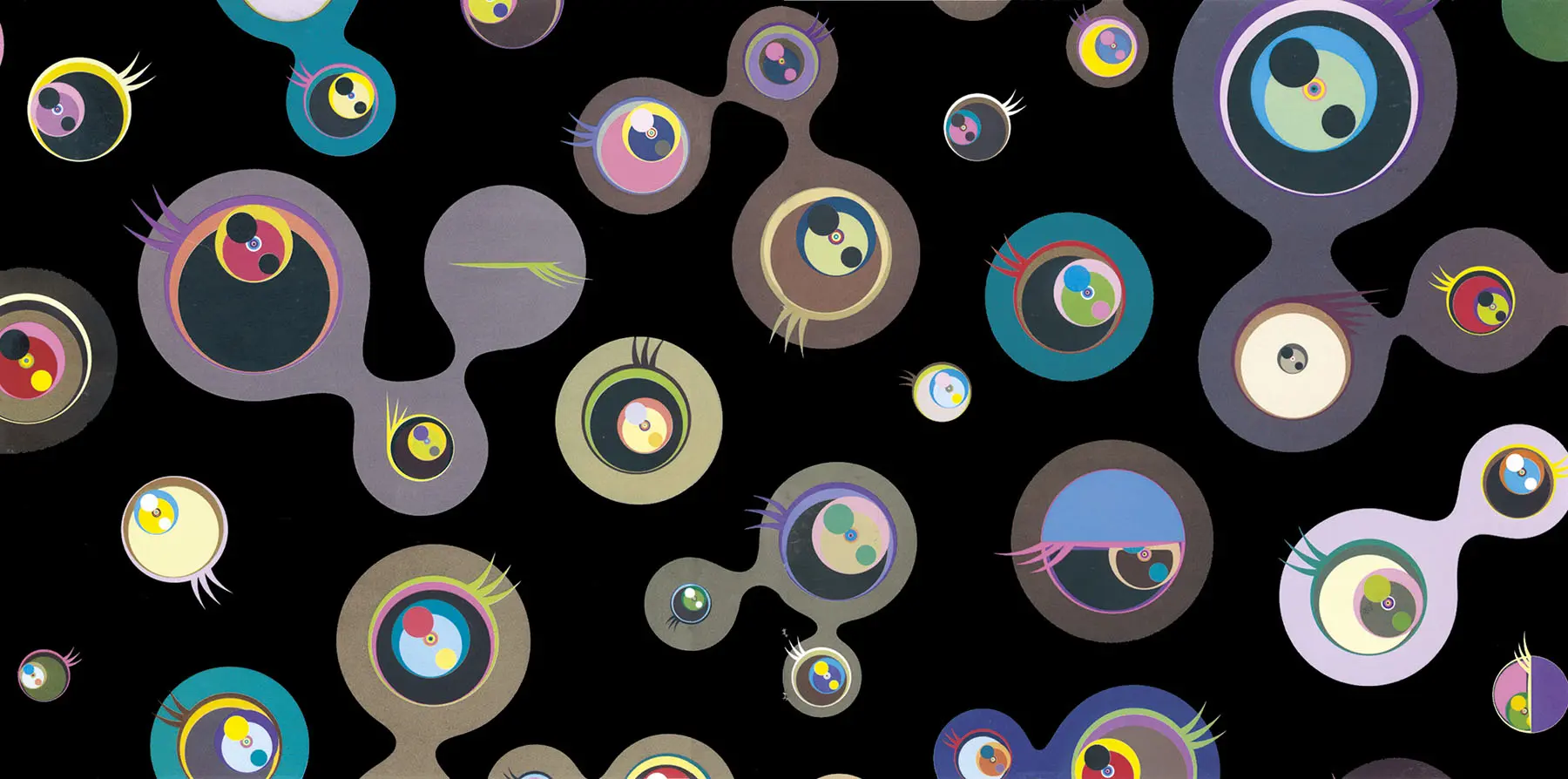
Bonami has approved of these trends and he has given them space, to the point that, in its concepts and basic positioning, and in the corresponding display of individualized exhibitions under the responsibility of different individual or collective commissioners, the Biennale under his direction was a kind of extension of the two most recent Documentas. In fact, this Biennale rearticulated the following exhibitions: Delays and Revolutions, curated by Bonami and Daniel Birnbaum; The Zone, curated by Massimiliano Gioni; Clandestine, again curated by Francesco Bonami; Fault Lines: Contemporary African Art and Shifting Landscapes, curated by Gilane Tawadros; Individual Systems, curated by Igor Zabel; Z.O.U/ Zone of Urgency, by Hou Hanru; The Structure of Survival, by Carlos Basualdo; Contemporary Arab Representations, curated by Catherine David; The Everyday Altered, curated by Gabriel Orozco; and Utopia Station, by Molly Nesbit, Hans Ulrich Obrist, and Rirkrit Tiravanija. This is without mentioning the national pavilions or the exhibition Pittura/Painting—From Rauschenberg to Murakami 1962-2003, curated by Bonami at the Correr Museum and conceived as a fraternal bridge between the Venice Biennale and the São Paulo Biennial.2
Within the framework of this very Biennale devoted to Dreams and Conflicts, the counterpoint to such a vigorous emphasis on an art that doesn’t have fixed boundaries or uncrossable borders came, with a note of somewhat comic provocation from Santiago Sierra. The Spanish-Mexican artist, invited to participate in the Spanish pavilion at the Giardini, wrapped the country’s name at the pavilion’s entrance in plastic, blocked the entryway with an impenetrable cement wall clock, and allowed in, by the back door, only those who could prove their Spanish citizenship (with their DNI or current passport) to two impressive private guards. Those who were admitted found only empty, unclean rooms inside the pavilion, filled with construction materials and the remnants of previous shows strewn about. The piece was obviously provocative, but it also effectively highlighted the paradox implicit in an art biennial supposed to be truly open to the world, but that is nevertheless celebrated in one specific country (Italy) and on one specific continent (Europe) that —at least since 9/11— has shut its doors to the migratory influx of the Third World.
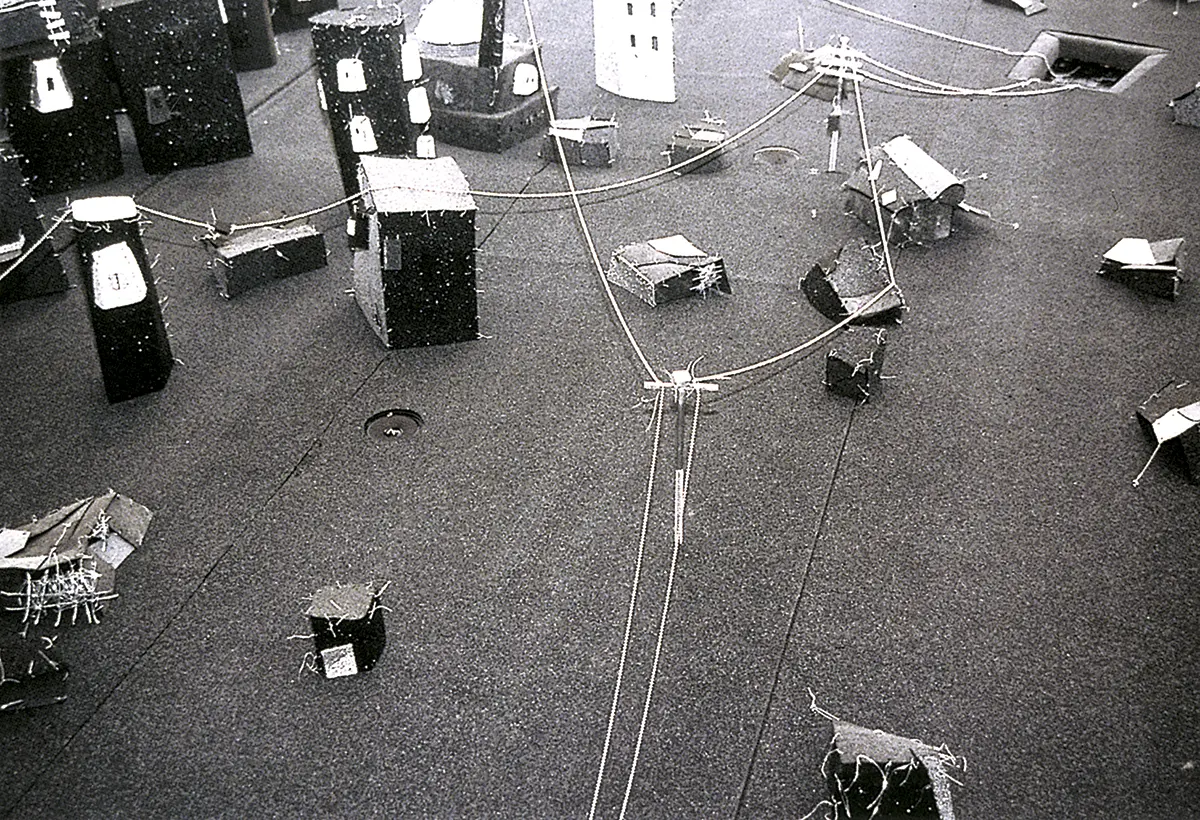
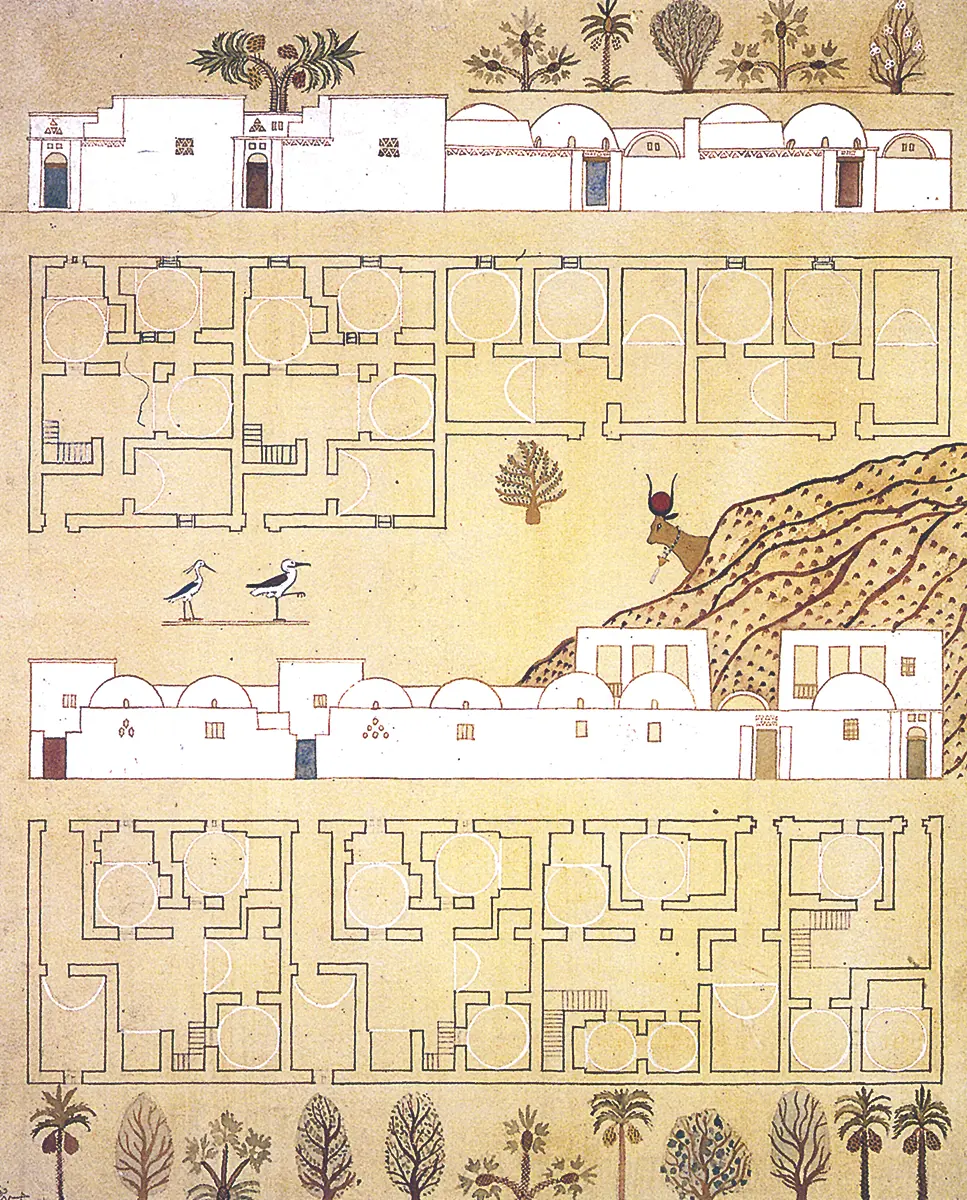
Continuity does not deny rupture, much less difference. This Biennale has been, as I said, an extension of the most recent Documentas, but that does not mean it was identical to them. This is not only because a significant percentage of the artists present were not the same, but also because the Biennale displayed, in reference to those precedents, new emphases, displacements, and incorporations. The first of such differences was the presence of African art, concentrated in the Fault lines… exhibit. In contrast to recent shows of contemporary African art, this gave important space to artists from Egypt and Ethiopia —usually ignored or undervalued— and to artists who are normally not associated with the African Diaspora by virtue of their not being black. This policy provided an opportunity to become acquainted with the interesting work of Hassan Fathy, a historical figure of Egyptian architectural nationalism; or the work of Wael Shawky, also from Egypt, who presented an installation comprised of hollow, blind volumes, covered in asphalt and gravel and arranged as a group of apartment complexes interconnected by cables and TV screens. In truth, it was a disquieting allegory of Cairo as being at once a powerful and sinister place.
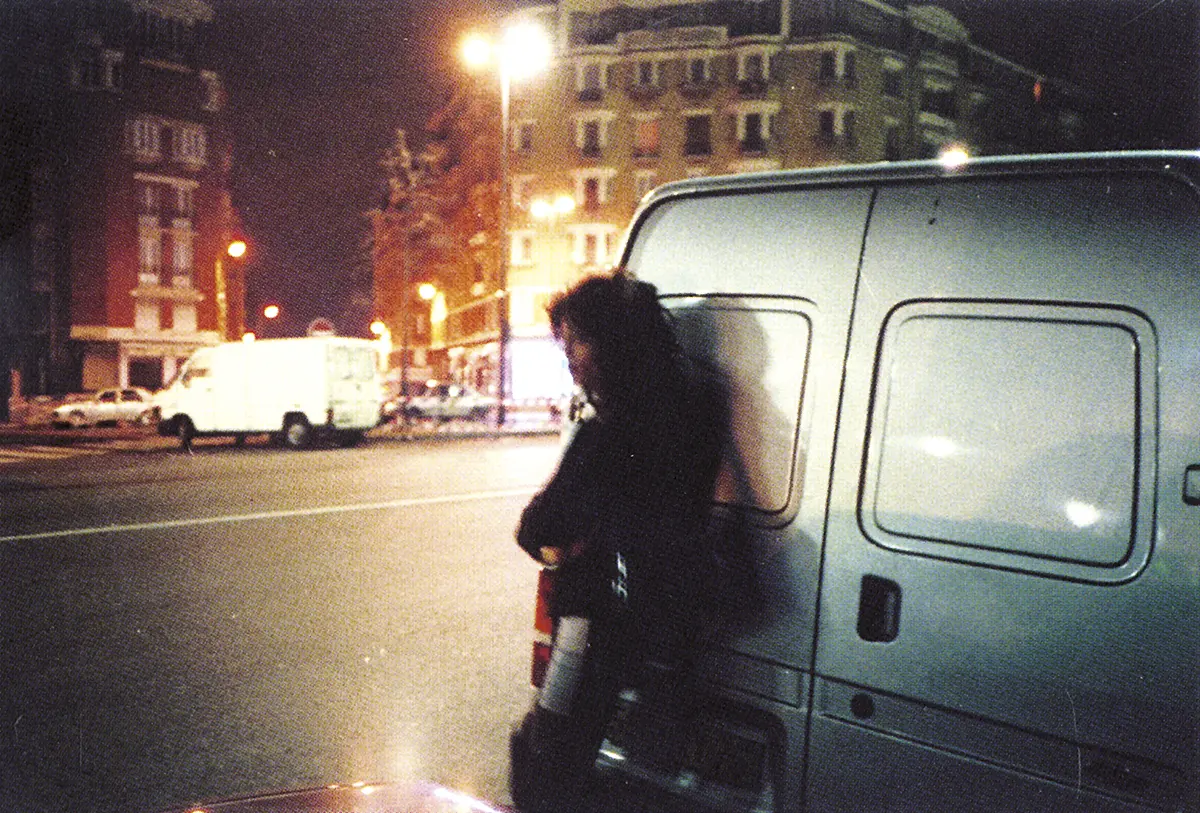
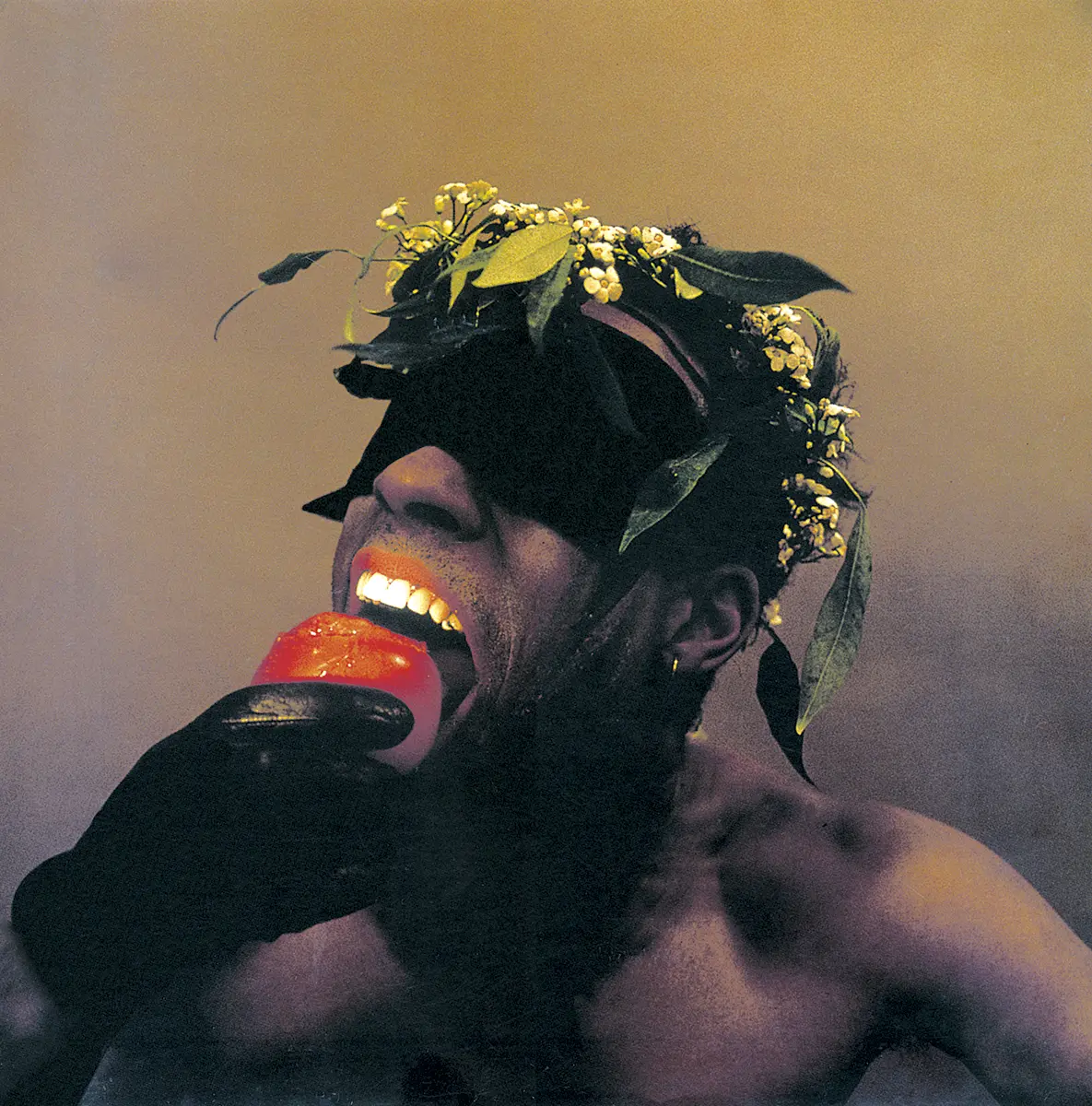
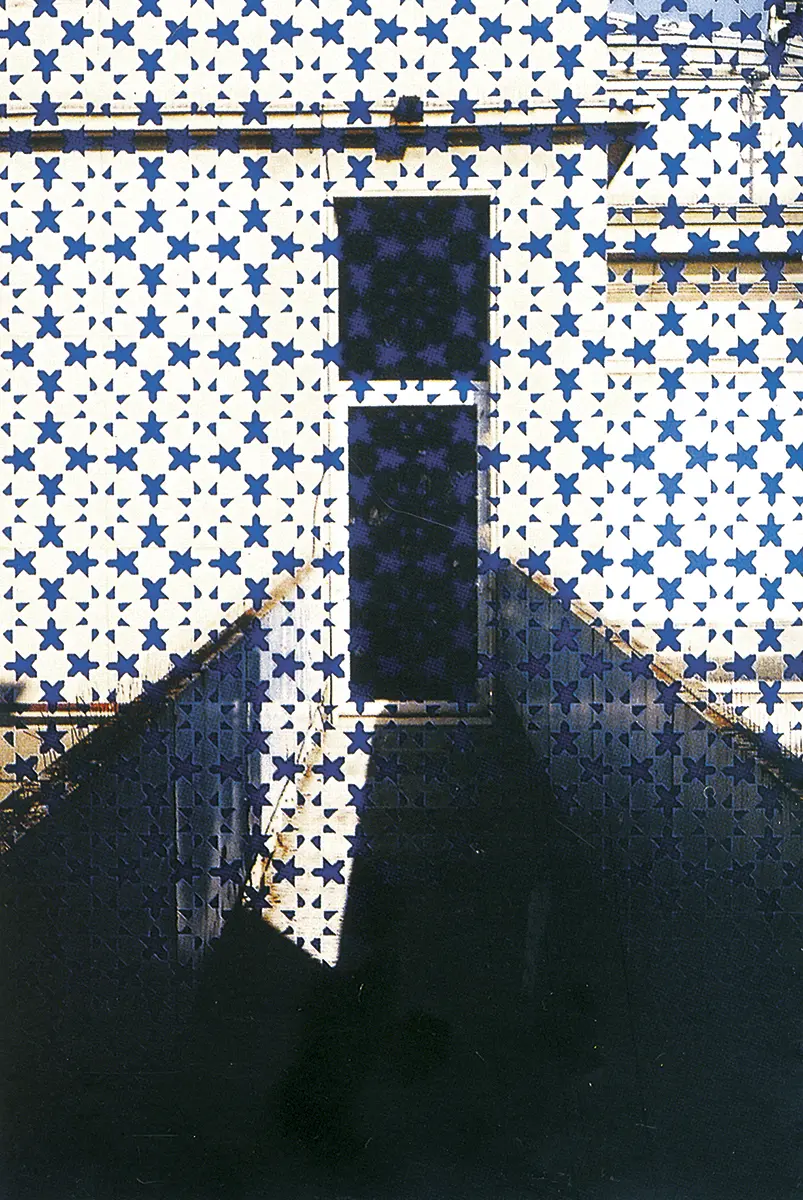
Kader Attia, another significant artist, presented in turn an installation and a series of photographs devoted to one of the world’s most marginalized human collectives: the buer transvestites and transsexuals. These are young sons of Algerian families, born and raised in the Parisian banlieu, who not only feel neither French nor Algerian (nor from anywhere else for that matter) but are also dissatisfied with the sexuality assigned to them. Belonging also to this “no man’s land,” albeit without the element of sexual rootlessness, Samta Benyahia is known for painting the walls of abandoned suburban houses with designs and figures that closely resemble the latticework and the six-pointed star patterns characteristic of Islamic architecture that Benyahia also quoted in a minuscule mystical temple built in the middle of one of the galleries in the Arsenale dedicated to African artists. Among sub-Saharan artists, Nigeria’s Rotimi Fani Kayode, who passed away in the late 1990s deserves special mention. A dozen of his seductive ciba chrome prints depicting the artist in bold, defiant poses and colorful, carnivalesque costumes were shown.
A second significant difference was the size and the importance of Latin American art’s presence in this Biennale. Never before in its history (or in the history of Documenta for that matter) has this event gathered so many Latin American works and artists for exhibition. They were, in a sense, all over the place, taking part in a more diffuse way in the various exhibitions already mentioned, or concentrated in both Structure of Survival, curated by Carlos Basualdo; and Archipelago of Images, curated by Irma Aristizábal and clearly dominated by Latin American artists. One perhaps perverse, perhaps simply inevitable result of such abundance and ubiquity was to make evident once and for all the notion that a Latin American art —with the assumed capacity to establish an identity and complete with a concomitant system of boundaries and differences— is currently in crisis. Artists from this part of the world are doing works so unlike each other, they seem to share only a common freedom in the employment of all kinds of languages and technical resources; it cannot even be said that all of them assume the theoretical agenda described above —an agenda dominant in today’s international art world (or at least in its largest events.) There are those who partake in what we can call the agenda’s “Third World” side, and deal with issues like exclusion and marginalization, while others devote their reflection to issues that belong more to metropolitan art, such as appropriation and deconstruction. And there are even those who move fluently between the two territories, blurring the borders that divide them. Some observers may be disconcerted by this, some may see it as a stimulating sign of the times; some may think it is a surrender of our being, some may interpret it as a liberation of our being’s unbearable lightness. Whatever the case, the fact remains that contemporary Latin American artists have opted for that blurring of boundaries, and they choose to abandon themselves to the ebbs and flows of fickle international trends, instead of pigeonholing themselves into a common identity and exclusionary territory. They are doing the opposite of what the Bush administration does defiantly in the realm of politics.
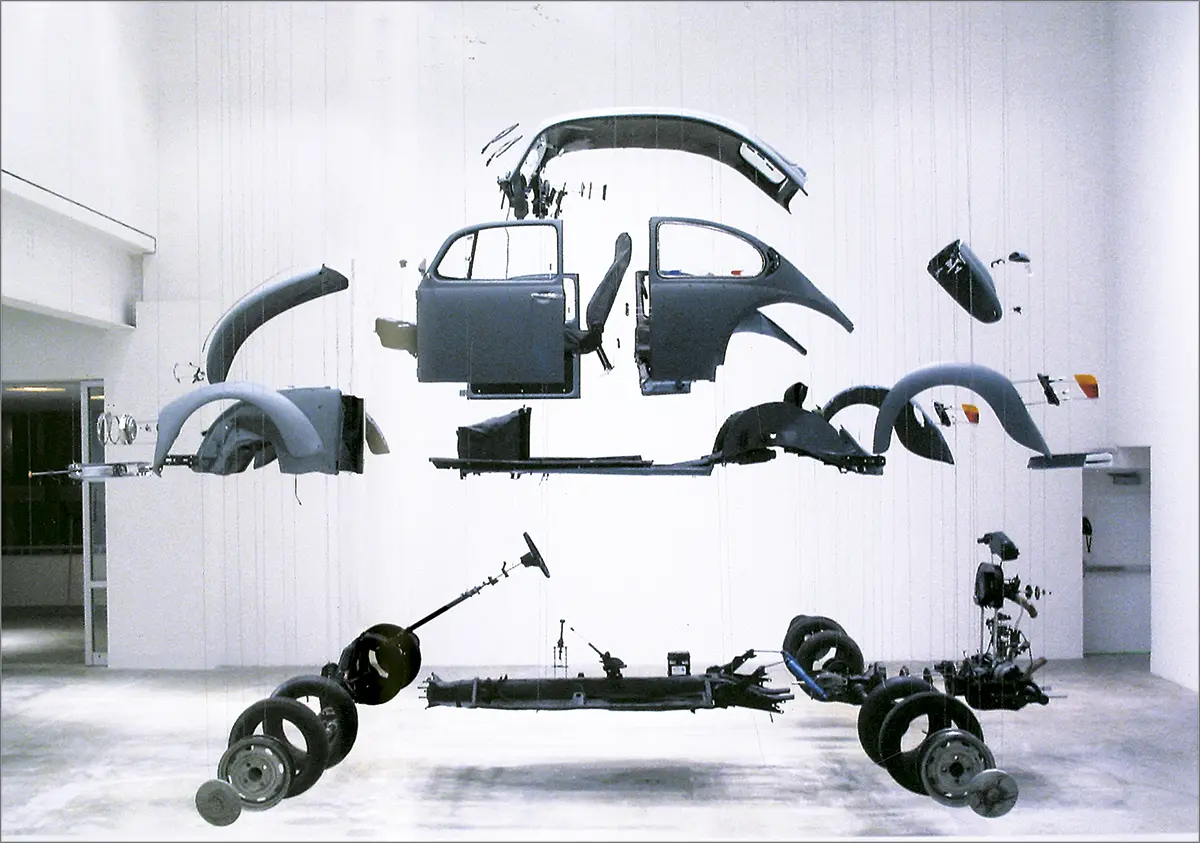
It would be impossible to deal with all the Latin American artists present at the Biennale within the confines of this article. I will focus on some of those that were, to my mind, most significant, beginning with Mexico’s Gabriel Orozco, who played two hands in this Biennale. The first, as mentioned, was as curator of the exhibition The Everyday Altered, which gathered six artists, four of them from Latin America, around an argument about the lines of estrangement and escape in everyday life. The most notable work in this show, Cosmic Thing, by Damián Ortega (Mexican), was a made-in-Mexico Volkswagen “bug” that was disassembled, its parts suspended by wires in the air. Orozco’s second appearance was through one of his artworks, Sombras entre aros de aire, a pressed-wood reproduction to the scale of the granite and reinforced concrete entryway designed by Architect Carlo Scarpa— also the author of the Venezuelan pavilion in the Giardini —for one of the yards in the Italian pavilion. Orozco’s piece occupied one gallery in its entirety; through the gallery’s glass door, it was possible to see Scarppa’s design, to which Orozco’s reproduction could thus be compared. The contrast between these works offered an example of the Borgesian process of reduplication in which that which is duplicated is not exactly identical to itself.

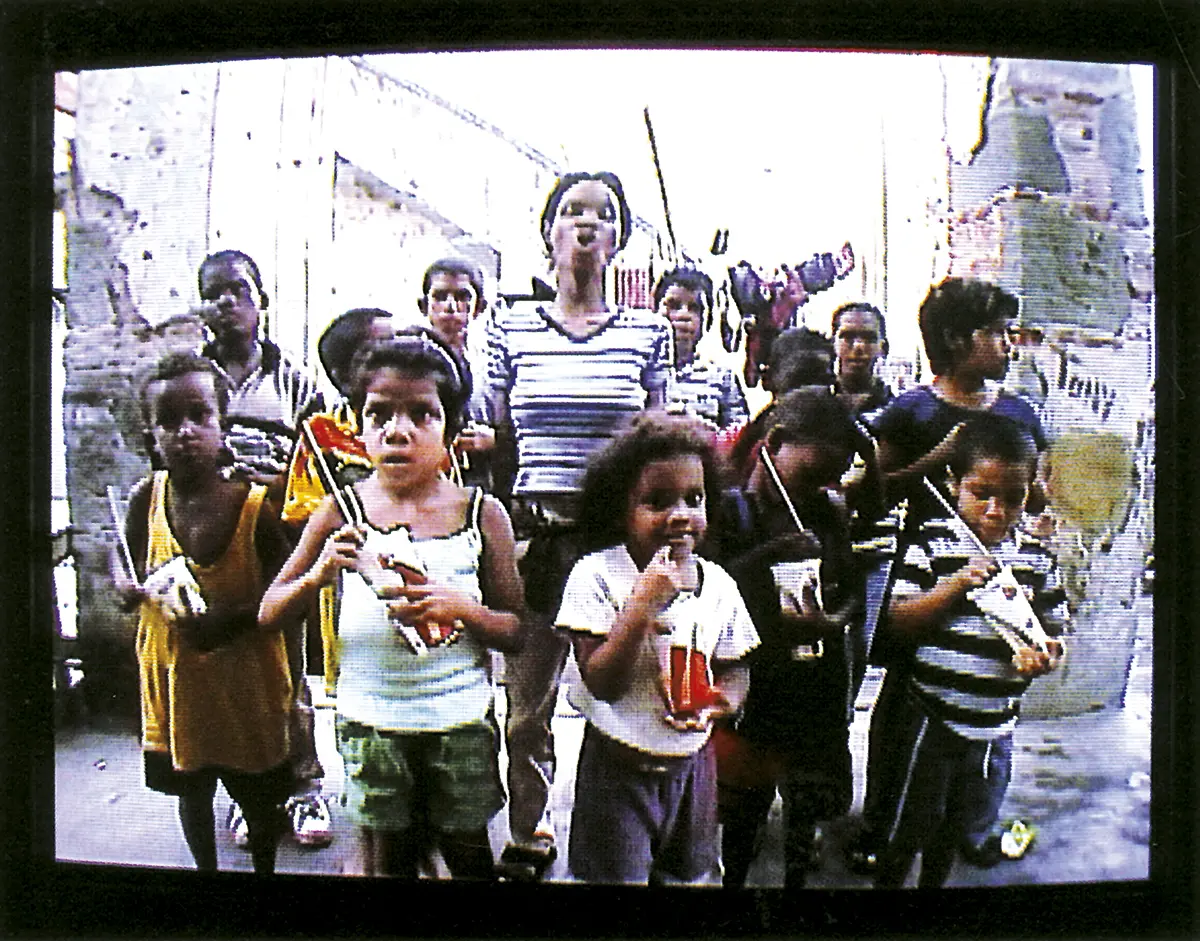
The next group of artists that needs to be mentioned was in Argentinean art critic Carlos Basualdo’s exhibition. Alice Crischer and Andreas Siekmann are members of Grupo de Arte Callejero (GAC), a collective that among other projects has used traffic signs to mark the residences of torturers, and others guilty of genocide in Argentina. Their work at the Biennale Cartografía del control, comprised a 7-meter-long panel, in the center of which was an aerial photograph of Buenos Aires in which the artists had highlighted the course of the Riachuelo, that mythical current that flows right into the neighborhood of La Boca, sung of in so many memorable tangos. It was once a tropical river, in fact, a postcard river, and is today transformed into one of the most polluted in Latin America. The artists want to clarify the causes of this situation not by tracing its course as much as by pointing out structural causes, which for them are comparable to the current Argentinean fiscal breakdown and which have a focal point in the country’s successive governments’ subjugation to the dictates of the IMF. Forming a right angle with that panel the artists placed a screen showing without interruption images of and interviews with people who live on the margins of this former natural marvel, now turned into a sewer.
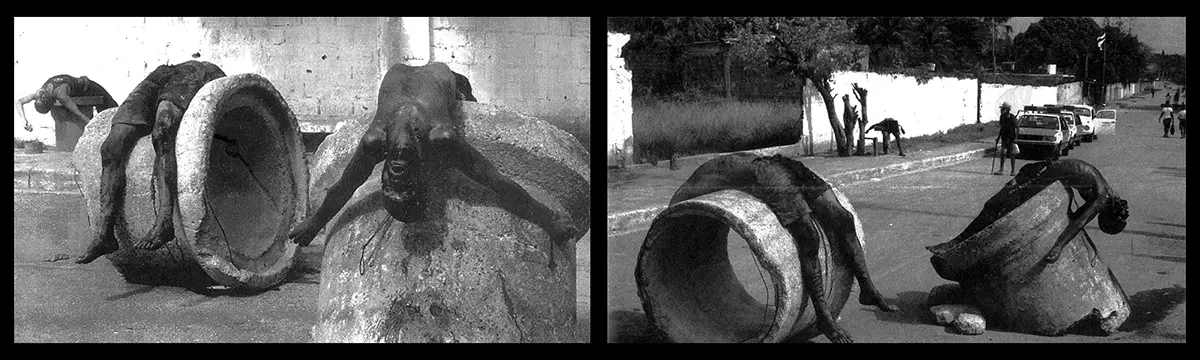
The other important work in Basualdo’s show was from Cildo Meireles; its highly charged title is Ethics as Aesthetics/Aesthetics as Ethics. It is based on a series of newspaper photographs depicting the victims of gang wars in the favelas and the operations of “social cleansing” that take place there. What is singular, disquieting, sublime, and sinister in these photographs is the way in which they record how the killers arranged corpses in the middle of the street so that a purely aesthetic reading is perfectly possible, and one that perhaps would have pleased Tomas De Quincey, author of Murder Considered as one of the Fine Arts.
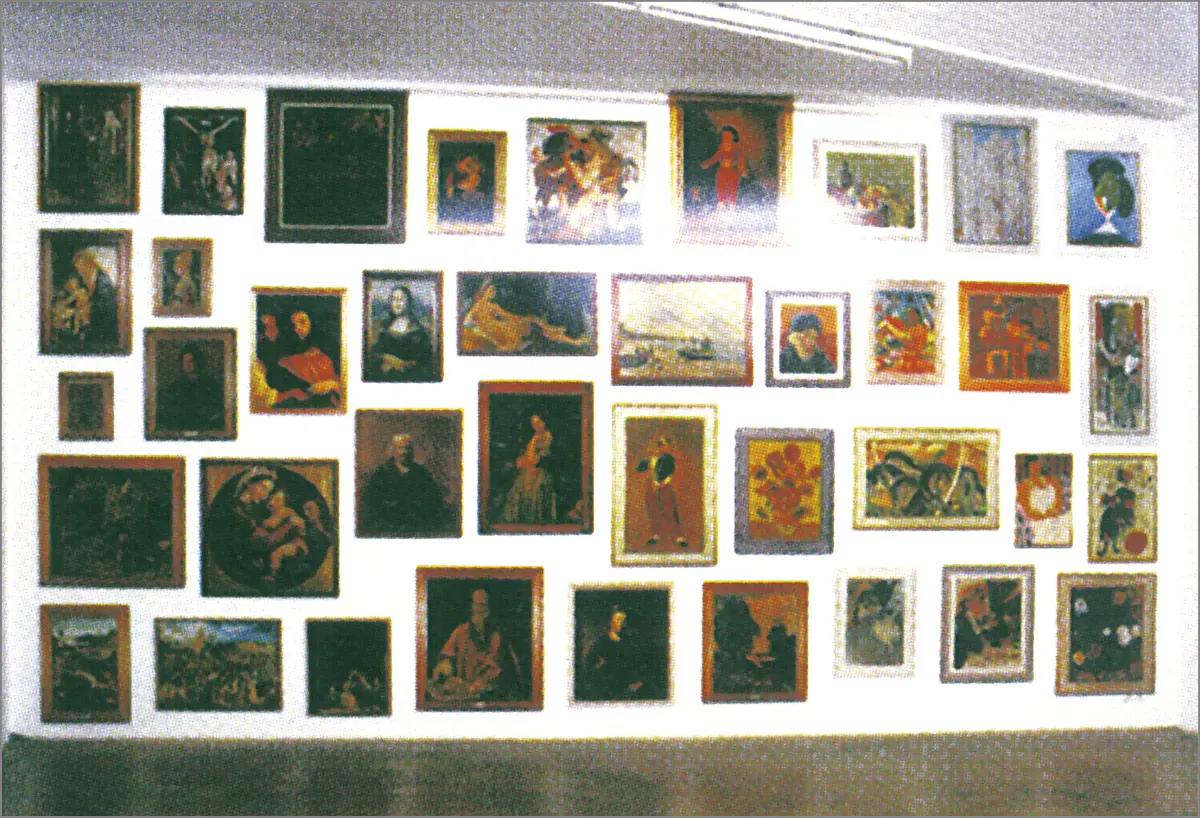
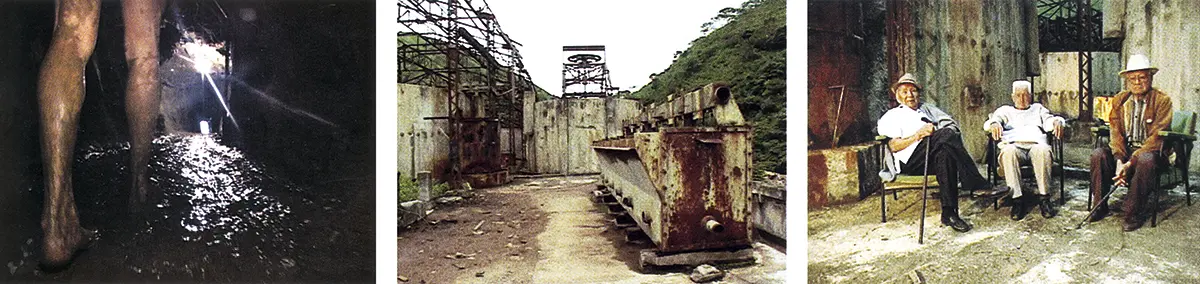
The remaining Latin American artists worth mentioning here were to be found in the Archipelago of Images show, held in a splendid site: the Saint Cosimo and Saint Damian Convent on the island of Guidecca. Noteworthy works were by Maria Fernanda Cardozo, Charly Nijensohn, or Eugenia Vargas, but I was most attracted by the work of Ecuadorian artist Tomás Ochoa and Peruvian Fernando Bryce, as well as Panamanian Brooke Alfaro —perhaps because of their shared effort to revive memory, to actualize it if you will, in these times governed by generalized amnesia and what Jacques Derrida has denounced as the “archive malaise”. Ochoa’s work, Sadco, The Blind Castle Project, was a complex video/installation devoted to the reconstruction of a history buried under many layers of forgetting. During the first half of the twentieth century and until the mineral was exhausted, Sadco, an American mining company, exploited a number of very rich gold mines in Ecuador. Ochoa not only gathered documents and images both contemporary and from the period in question, but also the testimony of surviving workers to achieve shocking results. Peruvian artist Fernando Bryce also deals with a historical event: a modern art exhibition organized by the director of the Air Force Academy with the intention of acquainting his students with modern art that used pictorial reproductions from the Universidad de San Marcos. The purpose here is not to counteract an omission in official history but to call attention to the fact that knowledge of the Western canon, be it classical or modern, has been achieved peripherally through reproductions of the works rather than through the originals. This allows Bryce to explore some aspects of what Walter Benjamin dubbed “The Age of Mechanical Reproduction” that Benjamin himself would not have anticipated.
Similarly, Brooke Alfaro’s work dealt with a lost past, but it did so in a romantic key —if by romanticism we understand the celebration of ruins as well as the establishment of a nostalgic relationship with them. Melancholy and lyrical, it was simply and effectively titled Aria. Projected on a wall is a video that pans from the partially-destroyed roof of a formerly grand building to its interior debris-covered patio, where a soprano sings over the unintelligible rattle of a male voice. Impeccable.
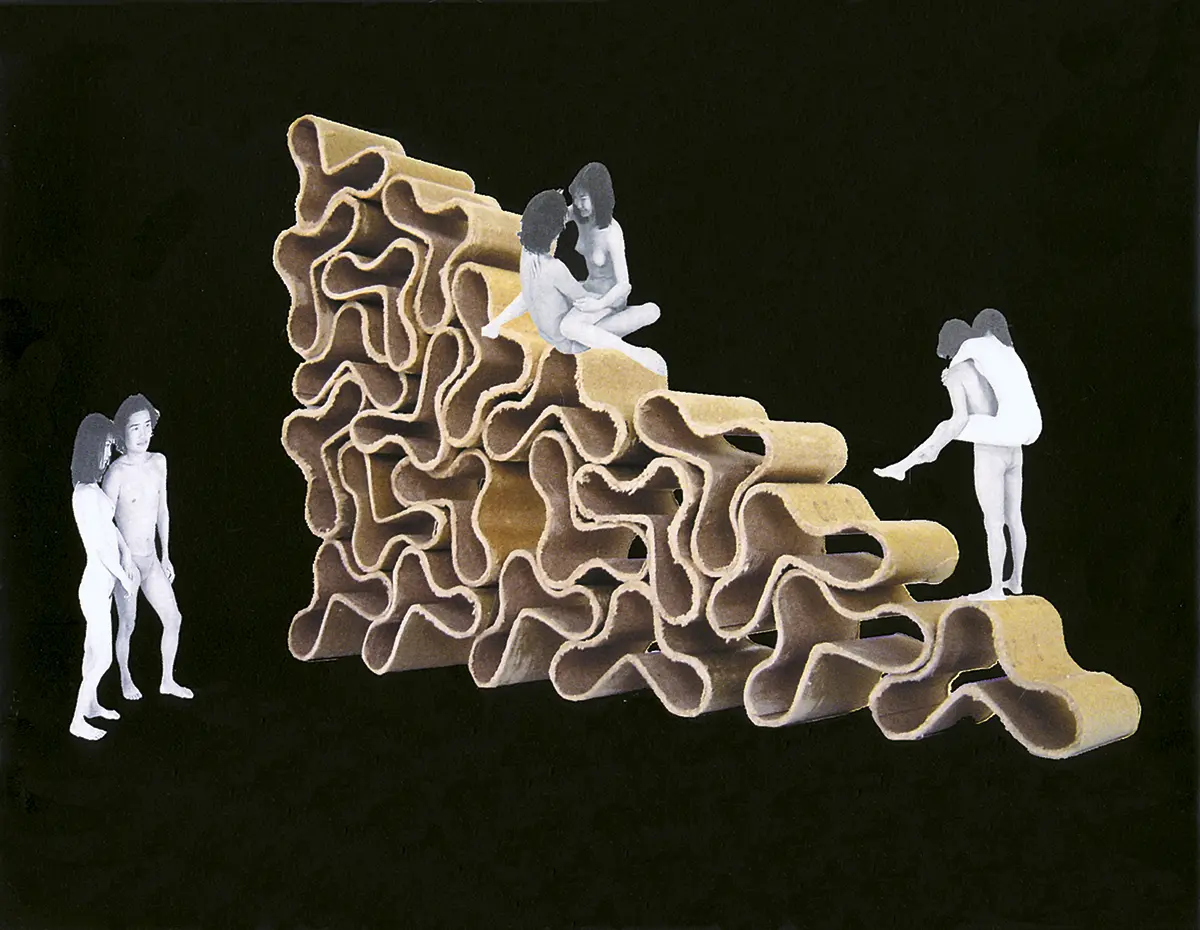
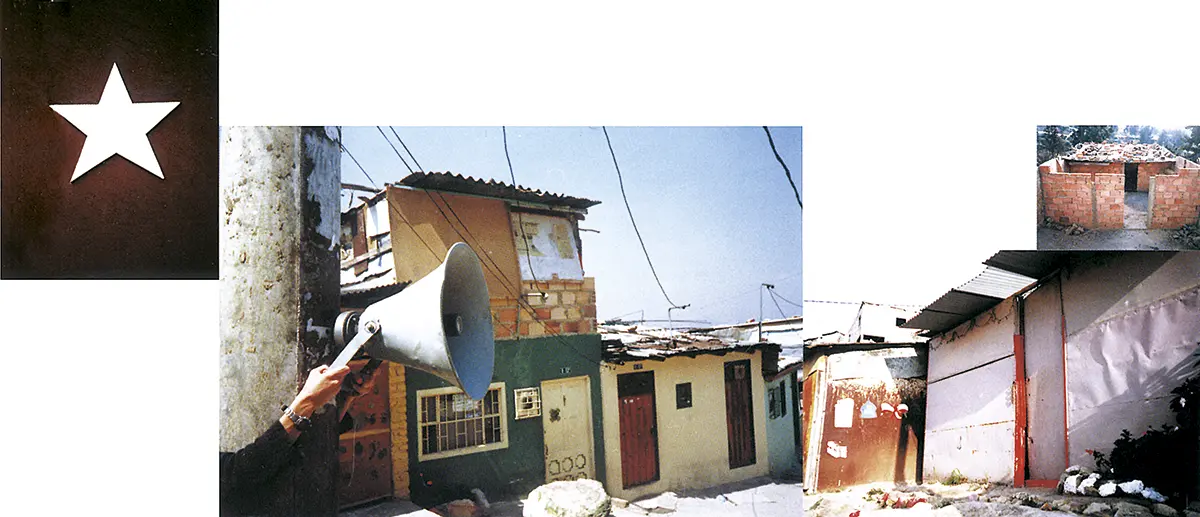
Finally, I would like to talk about the space given in this Biennale to the shanty town, the villa miseria, or favela. This theme was concentrated in the exhibition curated by Basualdo, which included, in addition to the artists already mentioned, Mexico’s Pedro Reyes’s movable sculptures, specifically designed for the shanties’ public spaces. London-based Colombian artist Carolina Caycedo was also present with ETC vicious, an electro-acoustic installation in which the viewer, by wearing a helmet with headphones, had access to the oral testimony of inhabitants of the poorest settlements in southwest Bogotá. Grupo de Caracas, a Venezuelan architectural collective, was also included and showed plans and graphic documents for their Ciudad sensorial project, an intervention on one of the shanties near the Venezuelan capital designed not only to extirpate it as one surgically removes a malignant tumor but also to remodel those aspects as required in order to improve and drive forward its quality of life. This new attitude —new with respect to the hygienic rationalism modern architects and urban planners have had towards the anomaly of the shanty town— was in some sense, within the specific field of competency, adopted by Basualdo. The presentation he wrote about his work for the Biennale’s catalog states that his intention is to value not only the “informal city” but also the fact that it has become, through the alternative lifestyles it generates, a “symbolic space of resistance” embraced not only by its inhabitants but also by “intellectuals and artists."3 Perhaps not even Basualdo suspected that the shanty town would also be adopted as a model or a paradigm for The Station Utopia, the exhibition curated by Nesbit, Obrist, and Tiravajina. They also wanted to reappraise the lifestyles and artistic behaviors that are an alternative to those that are hegemonic in the art world and in life, under the aegis of First World artists and citizens. What is surprising is that they did so by staging their projects in the assigned sites within the Arsenale so that they directly evoked the shanty town’s chaotic and vital spatial devices: the wit of History, as Hegel would have said.
NOTES
1. Francesco Bonami, “I have a dream,” Dream and Conflicts. The Dictatorship of the Viewer, exhibition catalog, 50th Venice Biennale, (Venice: Marsilio, 2003).
2. Detailed information about this show, as well as about the artists and works quoted and mentioned in this article, is to be found in the 50th Venice Biennale exhibition catalog, op. cit.
3. Carlos Basualdo, “On the Expression of the Crisis,” 50th Venice Biennale exhibition catalog, op. cit.
CARLOS JIMÉNEZ
Writer, art critic, and professor at Universidad del Valle, Colombia.