The concept of the commemorative exhibition has manifested itself in many contexts and in individual projects as well as group shows. For example, consider Rachel Whiteread’s outdoor public sculptures, such as the one in Austria that commemorated Jewish victims of the Holocaust. One cannot help thinking about contemporary forms of racial politics and injustice—neo-Nazis, Austria’s political right, and the country’s recent xenophobic immigration policies—when contemplating Whiteread’s Austrian work. Other commemorative exhibitions have been equally political, like the 1992 Degenerate Art Exhibition in Berlin, a stark reminder of Hitler’s 1937 anti-modern art show by the same name. Hitler’s exhibition was pure propaganda and sought to display what he construed as the “degenerate” nature of modernism by exhibiting some of the most important artists of the twentieth century. The 1992 show produced an unexpected response that was similar to the critical fallout from Whiteread’s exhibition. Arriving in the wake of the dismantling of the National Endowment for the Arts in the United States, of debates in the U.S. Senate as to the role of art in American society, as well as the attacks on contemporary art made by the Christian right, the Berlin show’s significance certainly transcended its 1937 reference and brought attention to the political dimension of contemporary forms of censorship. What these exhibitions demonstrate is that the commemorative show in general would do well to have some sort of anchoring in the contemporary world; if it does not, it can succumb to sentimentality because de-contextualization into an altogether different temporal framework neutralizes the historical force of its work. Although a recent commemorative show at the Cecilia de Torres Gallery did not completely avoid this, nevertheless its intentions were on target.
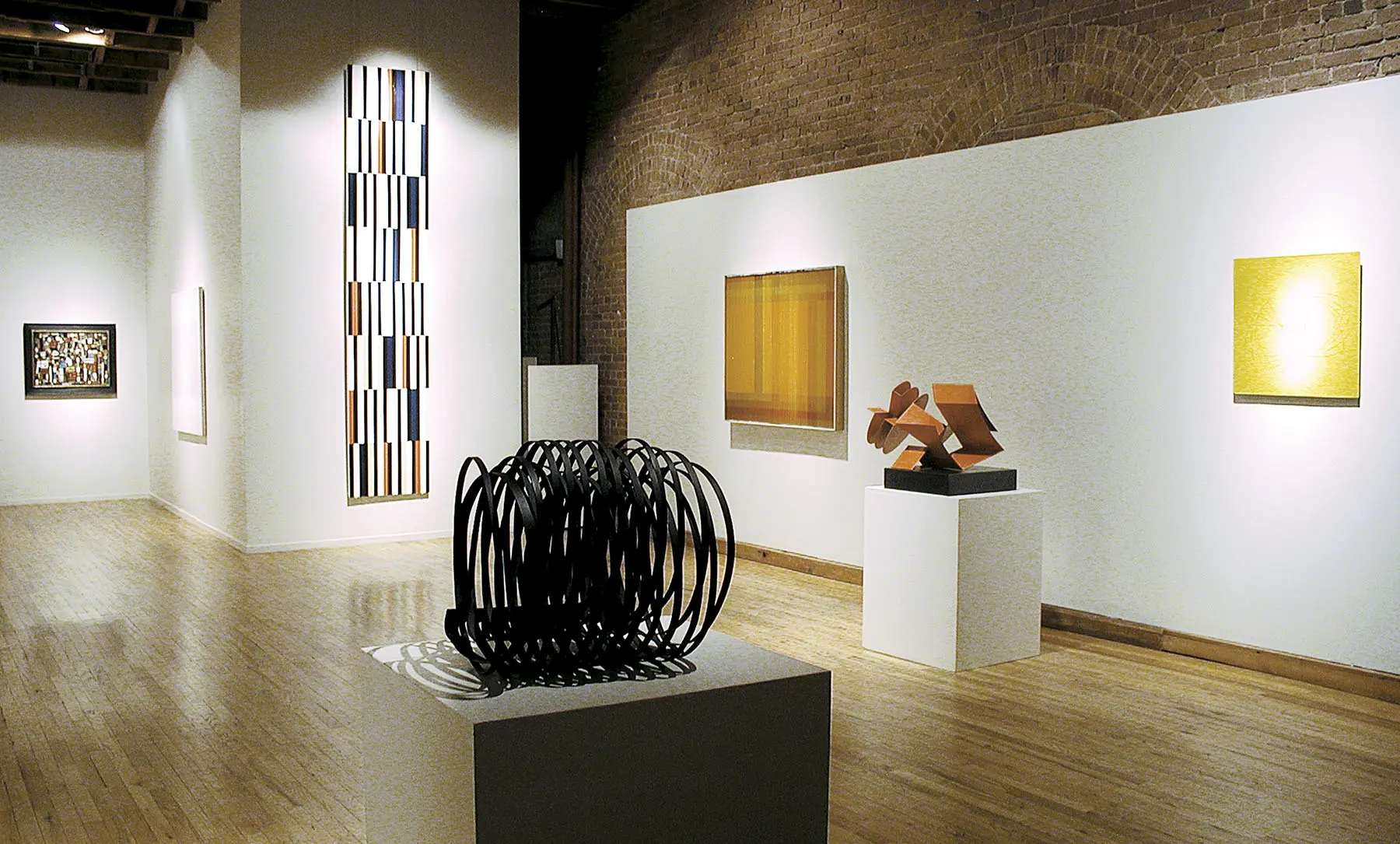
The Cecilia de Torres exhibition paid homage to Latin America: Sensitive Geometry, a show that was mounted twenty-five years ago at the Museum of Modern Art in Rio de Janeiro, and which was destroyed by fire on July 8, 1978. Along with the destroyed works that constituted Sensitive Geometry, a concurrent exhibition by the historically pivotal Joaquín Torres-García, as well as a permanent collection of European artworks, and a comprehensive collection of Brazilian art were also lost in the fire. The destruction of more than a thousand works is staggering and a loss to all since it left many gaps in the historical trajectory of twentieth-century Latin American art. Indeed this was part of the impetus of the original Sensitive Geometry show, that is, not only to shed light on Latin American abstract artists via an important survey of geometric abstraction but also to highlight the differences between certain forms of abstraction in Europe and Latin America. The show also intended to engage the European and North American centers of artistic production that had overlooked the importance of contributors from the southern cone. This is sufficient reason to honor the importance of that exhibition. The problem with the commemorative show twenty-five years later is the limited selection of works consequently making it seem less powerful than the exhibition it was commemorating. Although twenty-six artists participated in the original exhibition, there were fewer in the recent de Torres show. There were also numerous works made after the fire, making the commemorative exhibition seem slightly confused. It should have included works made either before or around the time of the fire, or it might have discarded the Sensitive Geometry title altogether while paying homage to all the works lost in the museum. Whiteread’s work, on the other hand, and its apparition-like aesthetic that evokes memory by conjuring an absent presence, is able to deliver the impact of loss through a post-conceptual phantasm.
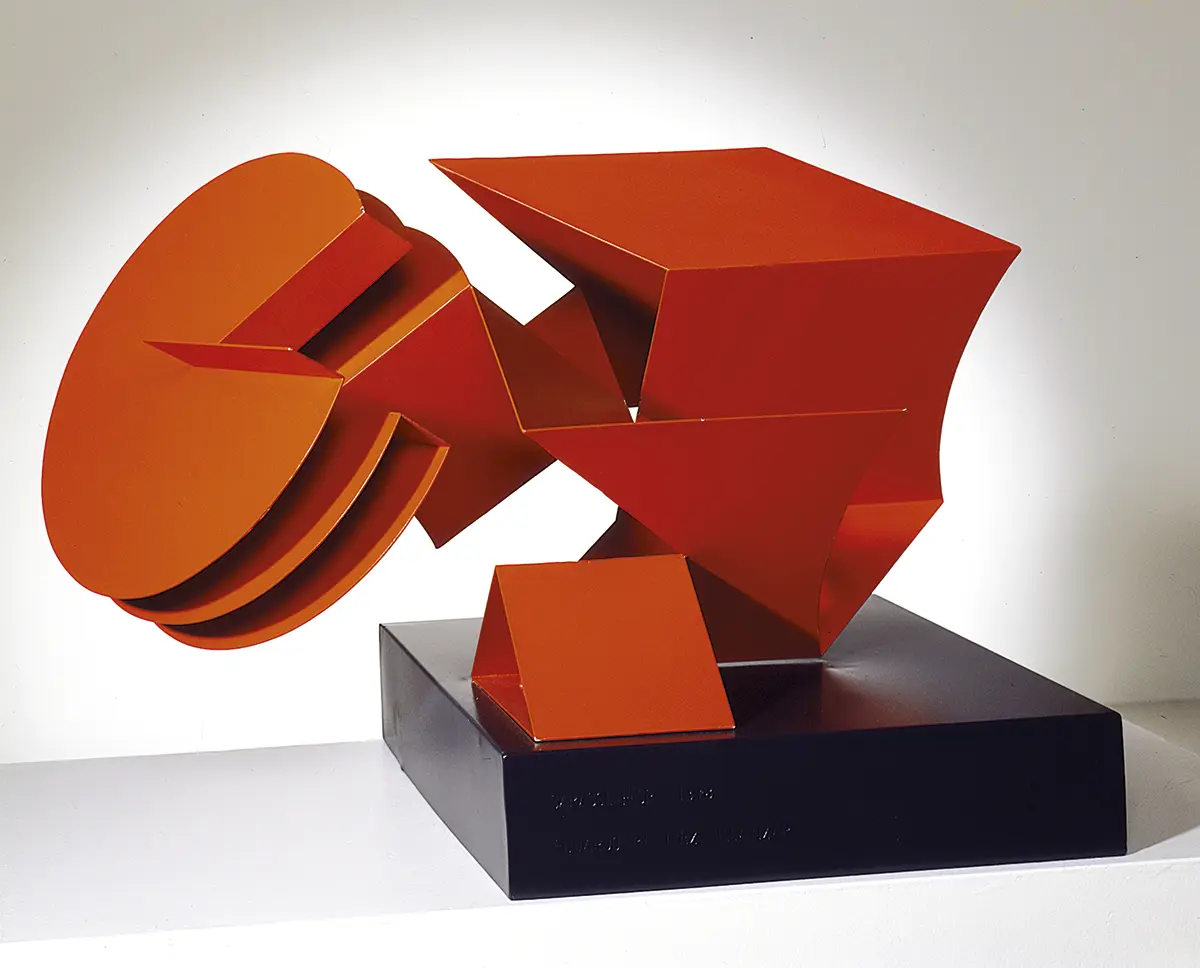
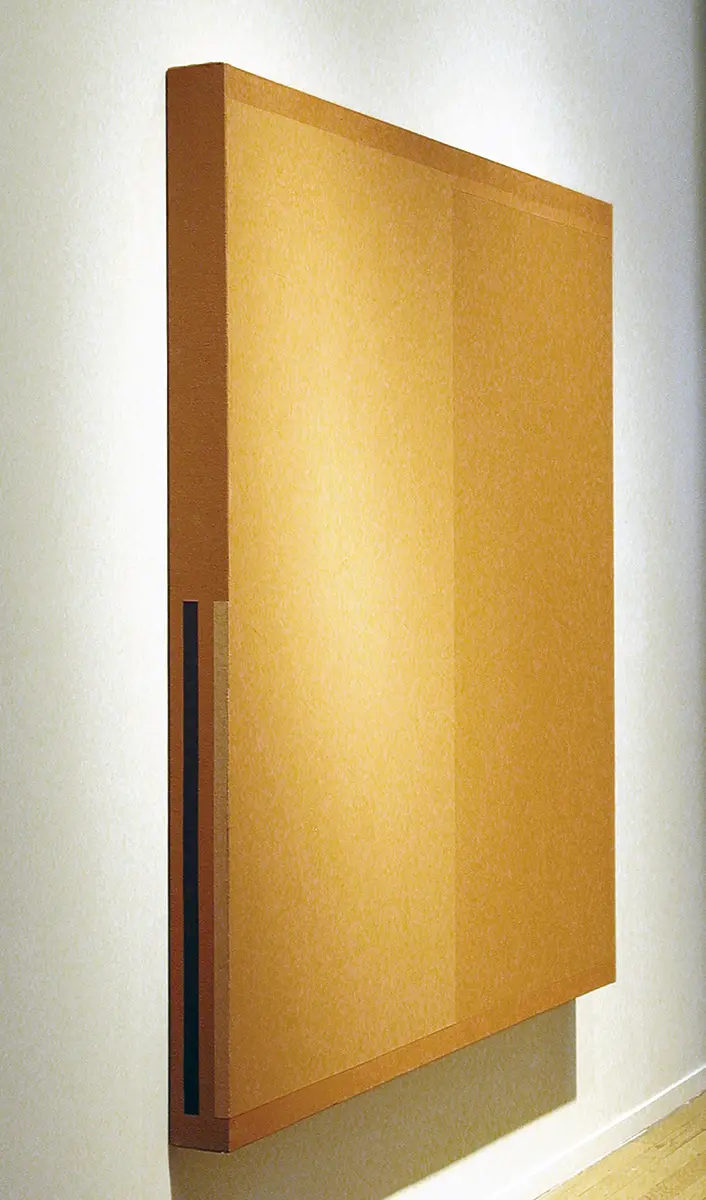
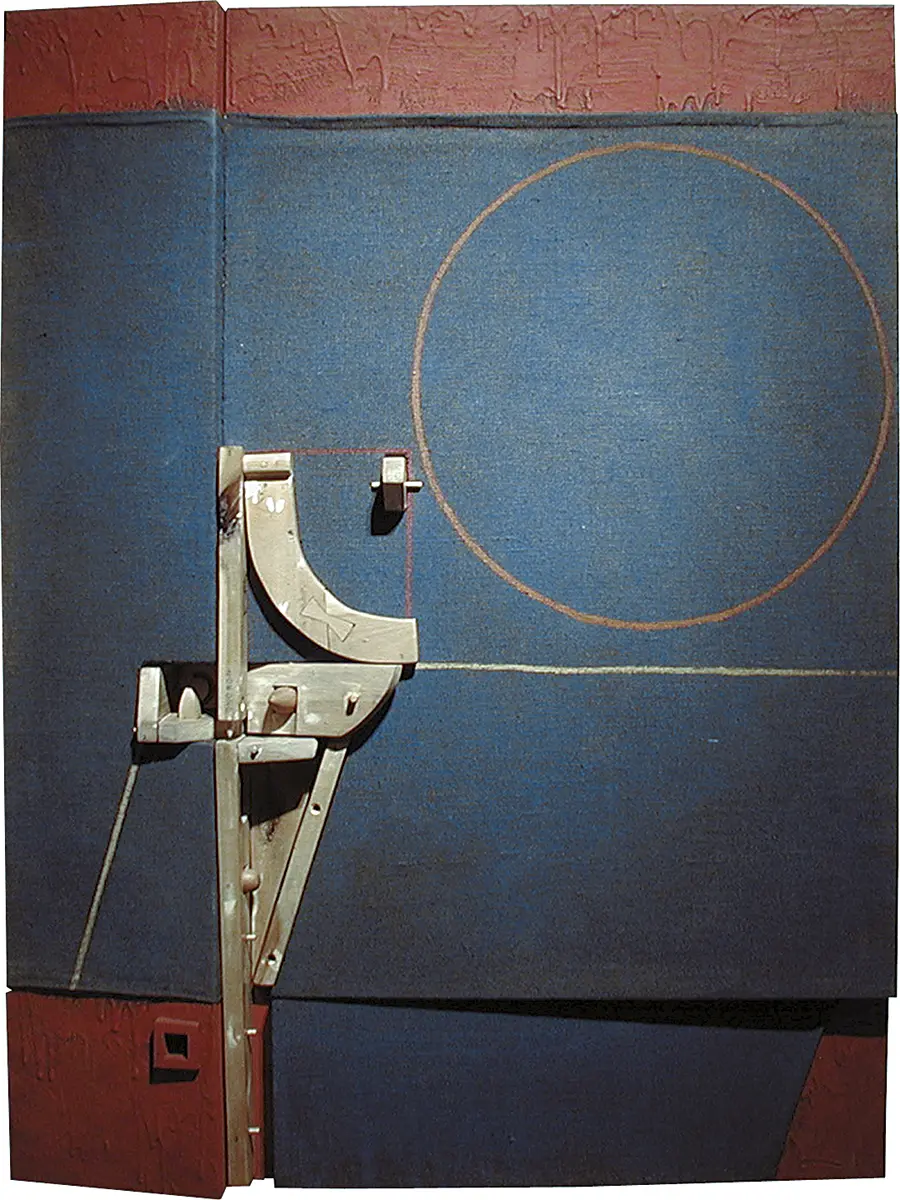
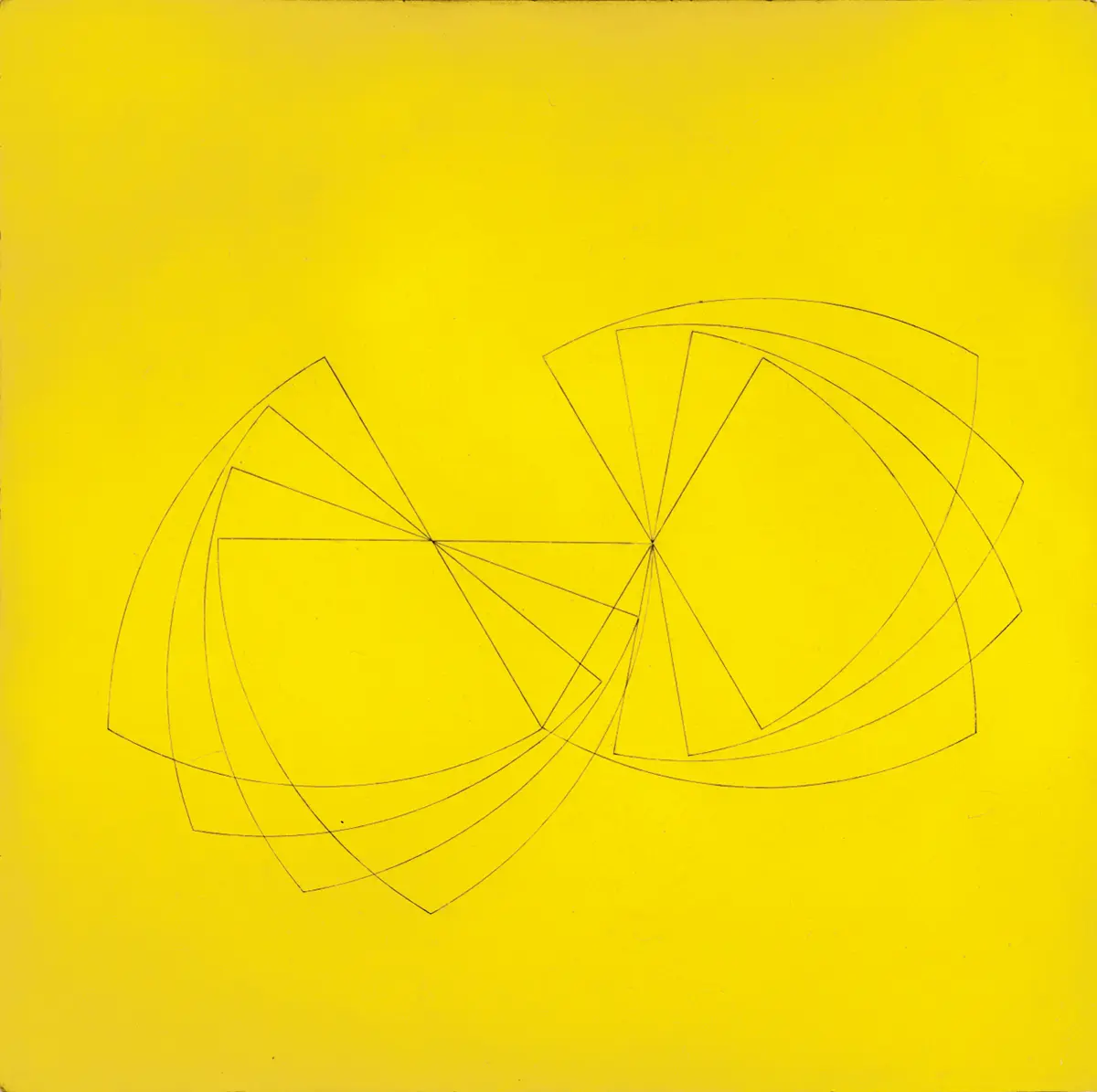
The de Torres exhibition, curated by Henrique Faria, was nonetheless finely tuned in its choice of works and included artists such as Marcelo Bonevardi, Waldemar Cordeiro, Eduardo Ramírez Villamizar, Carlos Cruz-Diez, Alejandro Otero, Jesús Rafael Soto, Ana Mercedes Hoyos, César Paternosto, Carlos Rojas, Gego, and Joaquín Torres-García. The selection and its presentation were somewhat evocative of loss, but this may not have been due entirely to curatorial intention. Certain works like Hoyos’s Atmosphere (1978) had an implicit melancholy feel. Torres-García’s Constructivist Art (1943) was also able to convey absence through its polychromatic geometry reminiscent of stained glass, which added a quasi-religious quality to the exhibition. Gogo’s Splitting a Rectangle II (1958) could have been skeletal remains and reminded us in a sort of memento mori fashion about the fleeting nature of life. It would have been more rewarding had the show tried to follow a conceptual avenue of presentation in order to make the viewer feel the loss of July 8, 1978, on an emotional level rather than on a strictly academic one. In doing so, it would have emphasized that in fact what we behold is a sensitive, lyrical, and poetic form of geometric abstraction that is not only vibrant with life but can also be cathartic in its ability to convey the depths of human emotion.
RAÚL ZAMUDIO