Despite the problems and the difficult circumstances afflicting Venezuela in recent years, the twelfth edition of the Caracas International Art Fair (FIA) was presented without interruption. Year after year this important event has infused new life into the art scene through the exposure, exhibition, and marketing of art. FIA 2003 was held July 9–13 at the Tamanaco Intercontinental Hotel. Although once again gallery participation was reduced this year, FIA extended into cyberspace with the inauguration of FIA Virtual 2003. By means of a display of computers and projection screens occupying the center of the room, the public was able to interact with national and international galleries via the Internet. Another novelty in this FIA was the launch of its website: www.fiacaracas.com. Consistent with this virtual reality, the event’s catalog is presented in CD format and includes all the Fair’s participants.
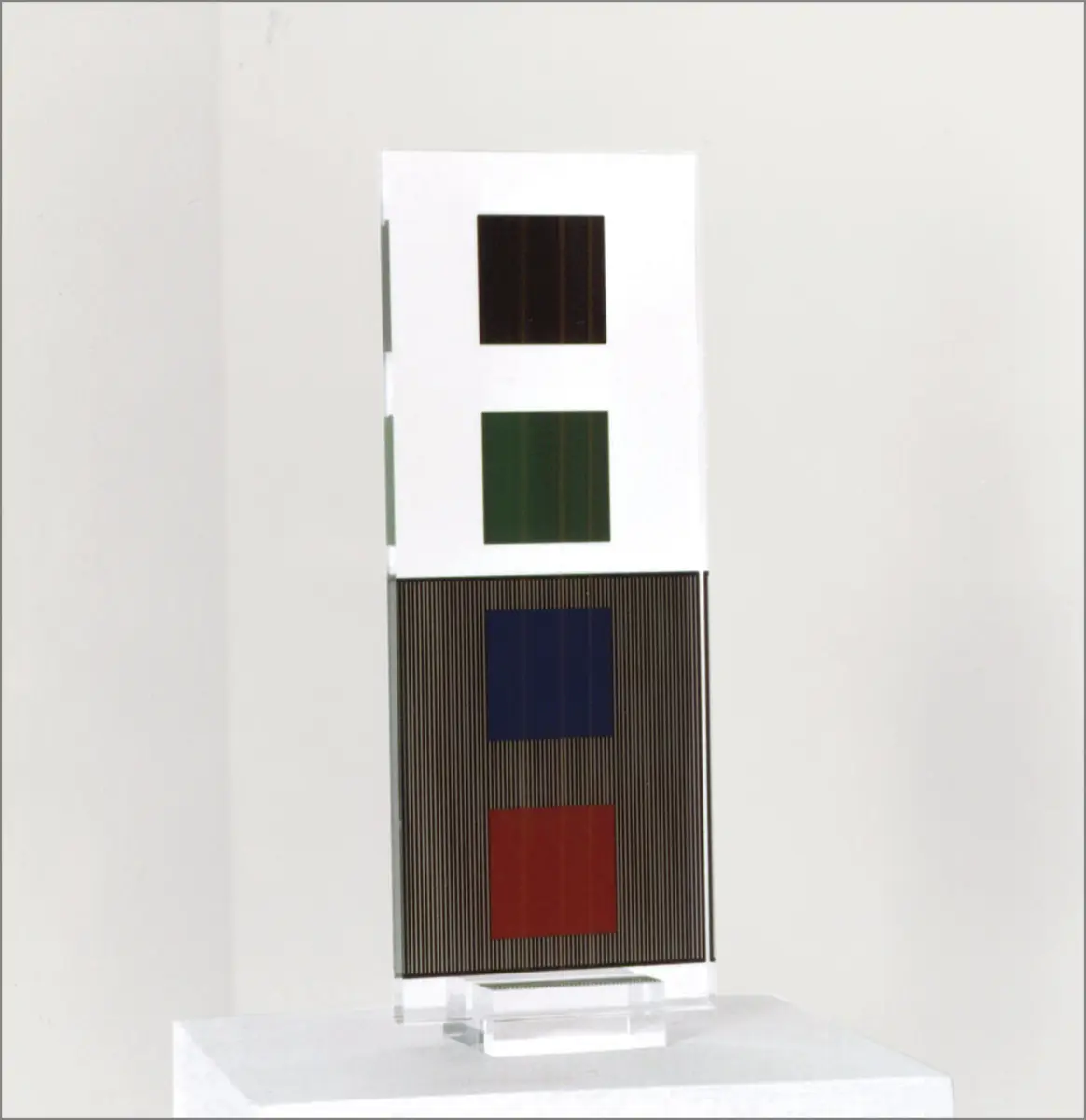
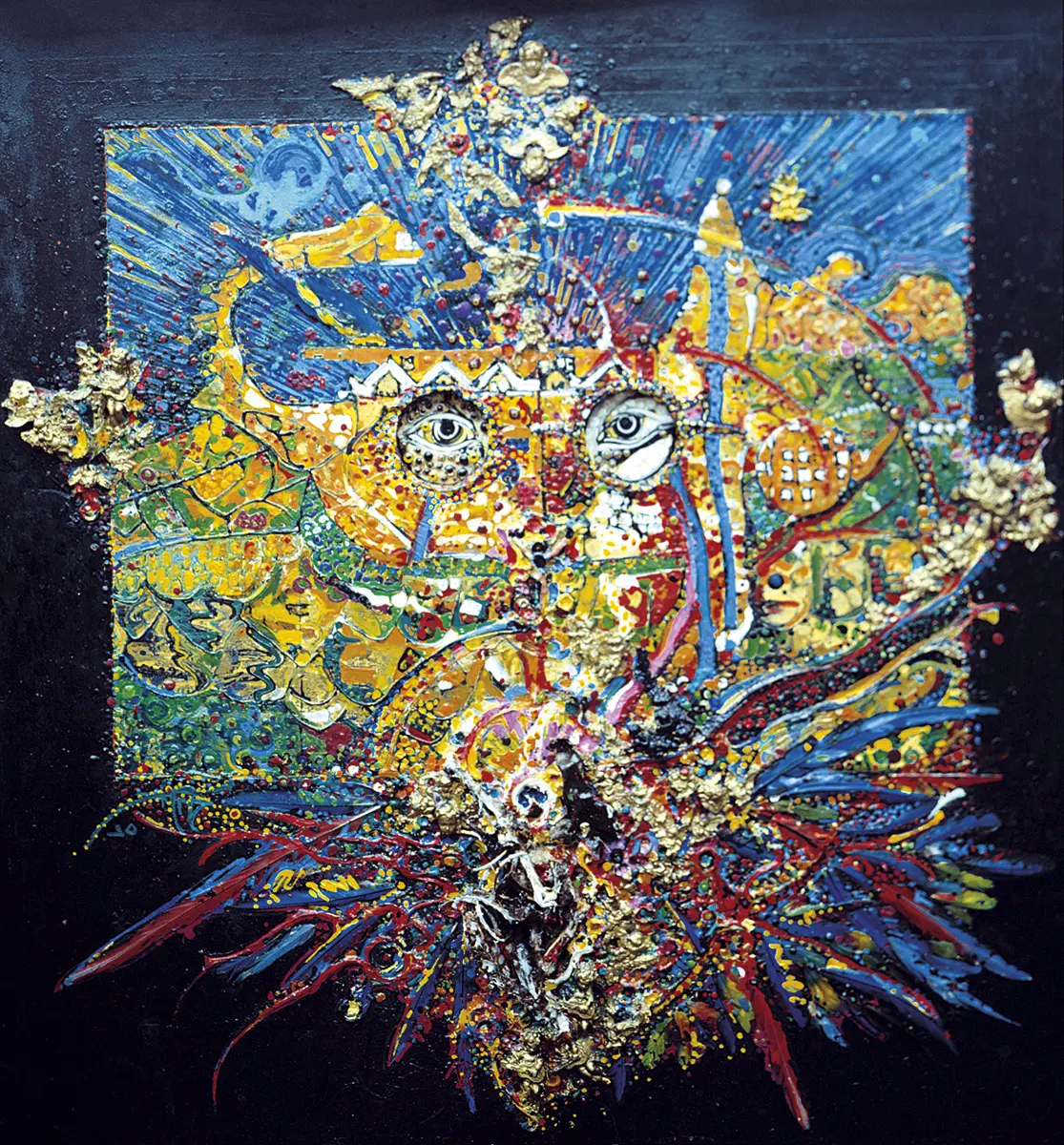
Some of the events traditionally held around FIA, such as the panel discussions and the Ibero-American Photography Symposium were suspended this year. However, the Sixth Annual CAN-TV Youth Salon was presented at the Caracas Ateneo. Curated by researcher Félix Suazo, this selection of twenty-two artists from Chile, Colombia, Cuba, Uruguay, and Venezuela displayed contemporary art strategies that question institutional, mass-media, and identity-related modes of representation. The Salon prizes went to Alexander Apóstol, Deborah Castillo, and Andreína Rodríguez. Unlike previous years, there was no international guest artist, however, the homage to Venezuelan artists was reinstituted and celebrated by Miguel Von Dangel, who is represented by Galería D’Museo. Von Dangel, the 1991 winner of the National Fine Arts Award and Venezuela’s representative to the Seventeenth São Paulo Biennial and to the Forty-Fifth Venice Biennale, presented compositions that related to the political and social events that occurred during the protest rallies seen in Caracas in recent times. Using a language of many different techniques, the artist’s work exists on various levels, full of images and powerful colors that express violence and human suffering. FIA 2003 also celebrated Jesús Soto’s eightieth year of life. Acknowledged as one of the key figures of international kinetic art, Soto is represented by Spain’s Joan Guaita Art Gallery with an installation that included recent works —as well as his Suite Mallorca— in which this distinguished artist explores bolder tones and colors.
Against all odds, FIA surpassed the expectations of many. Despite the signs of recession, sales were fluid since many gallery owners showed their solidarity by offering prices that allowed risk-free investments. Some exhibitions were relatively similar to those from last year, yet this year’s event was particularly dynamic: new pieces appeared day after day, repeatedly renewing the landscape. This year, sculptures by Venezuelan artists like Carlos Cruz-Diez, Pedro Fermín, and William Barbosa were placed in nearby areas such as the garden and the veranda, making the walk around the Naiguatá Hall more pleasant.
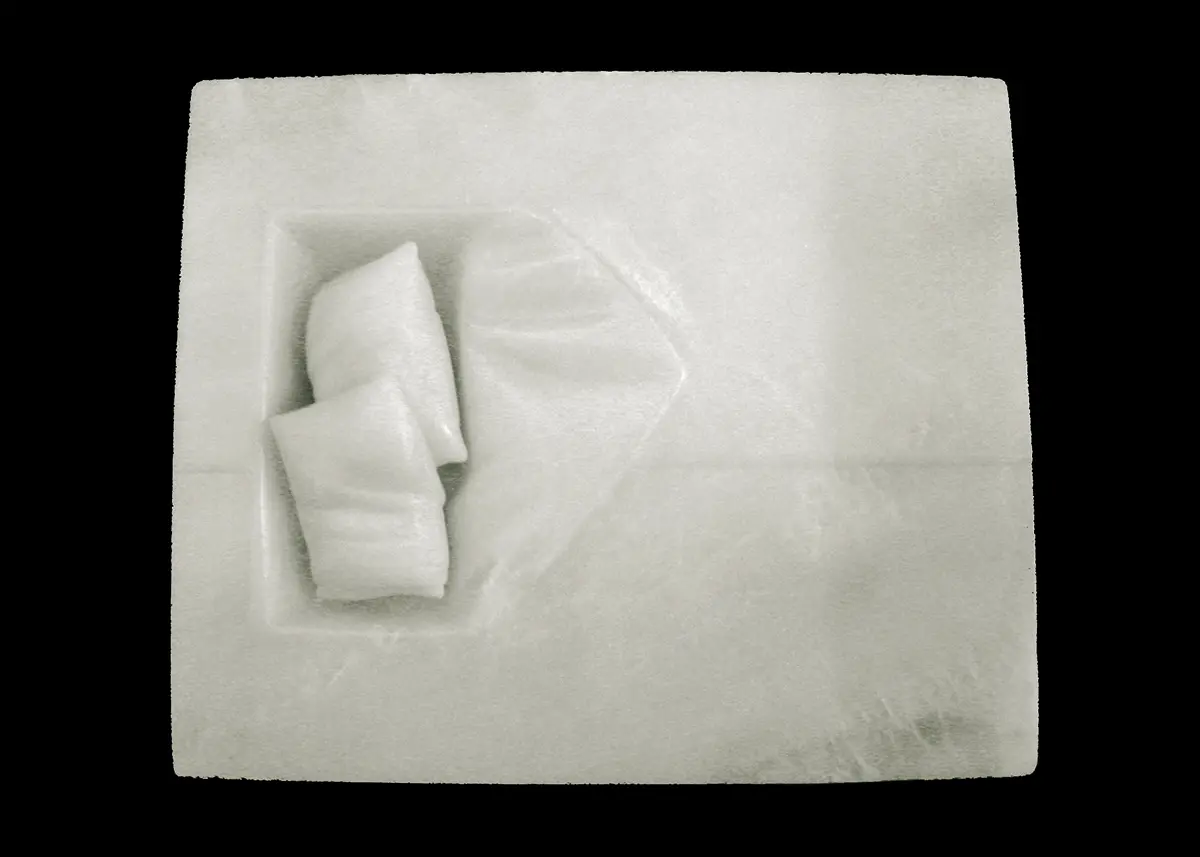
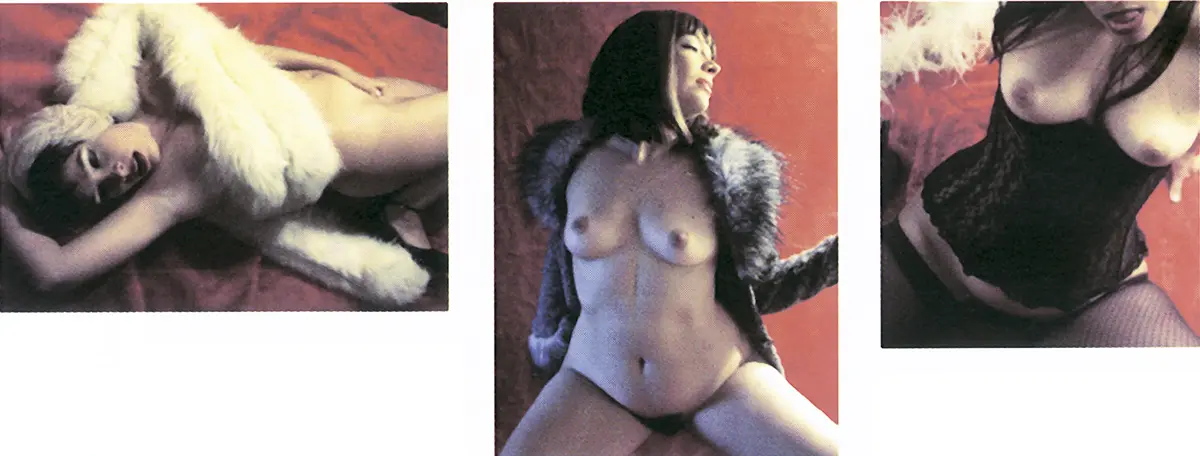
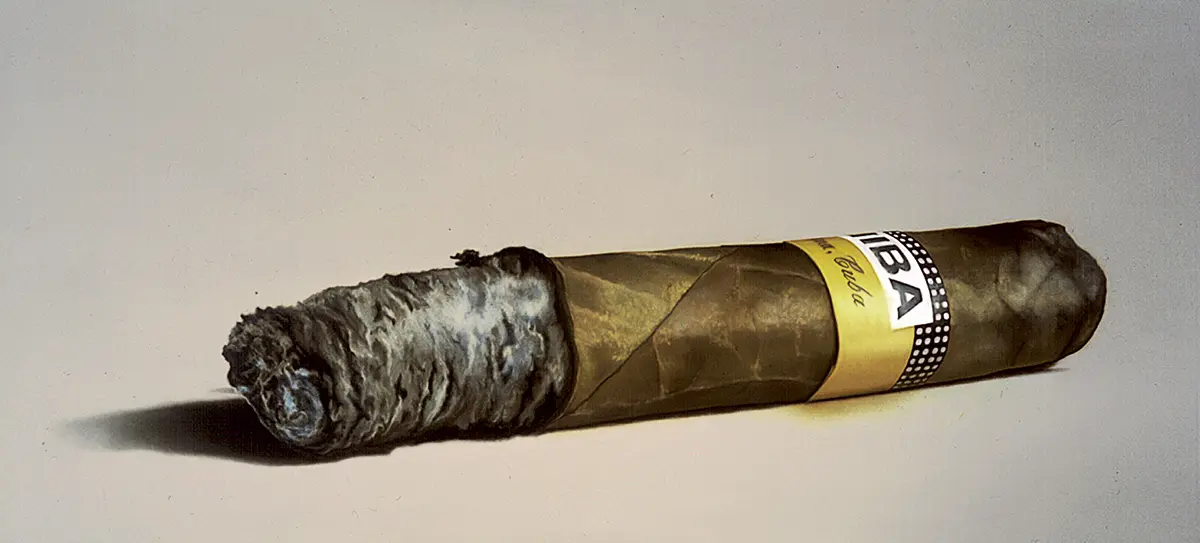
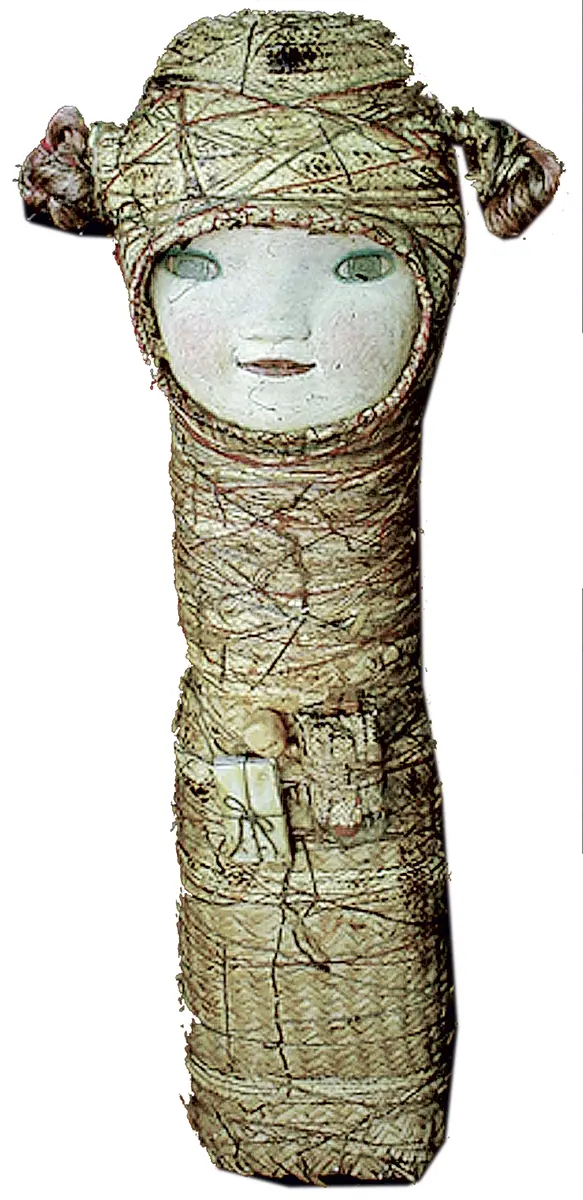
The presence of international galleries merits applause, given the way in which political and economic instability is affecting the various sectors of society. Some of these galleries seem to be moving in the direction of assuming such risks, as in the case of Colombia’s El Museo, for example, which exhibited pieces by Argentinean artist Fernando X. González, like the series De lo femenino, 2002–2003. Similarly, Hugo Zapata’s sculpted versions of Las flores del mal, 2003 were very well received. The same gallery also presented works by Ana Mercedes Hoyos, Fernando Botero, and Ricardo Benaím, and together with Spain’s Fernando Padilla gallery presented pieces by Nadín Ospina, Mónica van Asperen, and Luis Simón Molina Pantin’s piece Los presidentes de Venezuela, 2001–03, a sharp critique of past government policies. The works of Mariana Monteagudo were also of great interest, both in the treatment of material and in formal concepts. In these sculptures, Monteagudo combines playful, human, and ancestral elements in naïve figures whose grace contrasts with their volumetric dimension. Praxis International Gallery from Miami and New York presented a selection of recognized artists, including Mario Pérez, with themes alluding to the condition of marginality and to shipwrecks. Ignacio Iturria was represented with small-format works alongside Francisco Luna’s paintings and Martín La Rosa’s hyper-realist still lives. The exhibition ends with Julio Fierro’s compositions, which point towards an ironic vision despite the humorous sensibility he gives his figures. Their execution in narrow horizontal frames allows several pieces to be mounted in sequences that resemble comics. Argentina’s Galería Forma is devoted to the promotion of Latin American artists such as Cecilia Betancourt from Mexico, Lydia Tarica from Argentina, Ana María Martínez from El Salvador, and Elmar Rojas from Guatemala who featured colorful paintings playing with the concepts of realism and fantasy. Mexico’s Galería Praxis offered a selection of figurative painters like Roger Montegani whose characteristic scenes are filled with ambiguity and drama; Bruno Widman with his tenebrous atmospheres; Roberto Cortázar’s suggestive figures; and Claudio Galina’s paintings that emerge like the memories of a schoolboy’s youth. Within this selection, Hugo Laruencena’s off-scale paintings were a new addition to the fair. A repertoire of objects —nuts, cigarettes, corks, cans, etc.— that might be called banal is monumentalized by their extremely detailed and realistic depiction. Executed in large formats, these representations offer a new version of the traditional genre of still life and invite a calm contemplation that transcends the painting’s frontiers. In the same hyperrealist vein, the young artist Javier Peláez’s works around the theme of women were notable for their impeccable technique. Peru’s Galería Fórum presented works in a variety of techniques and styles by Alejandra Bedoya, Eduardo Tokeshi, Denise Mulanovic, Cristina Colichón, Agusta Barreda, Gianna Pollarolo, and Daniel Benaím, as well as Ana Orejuela’s small, delicately-carved marble stelae.
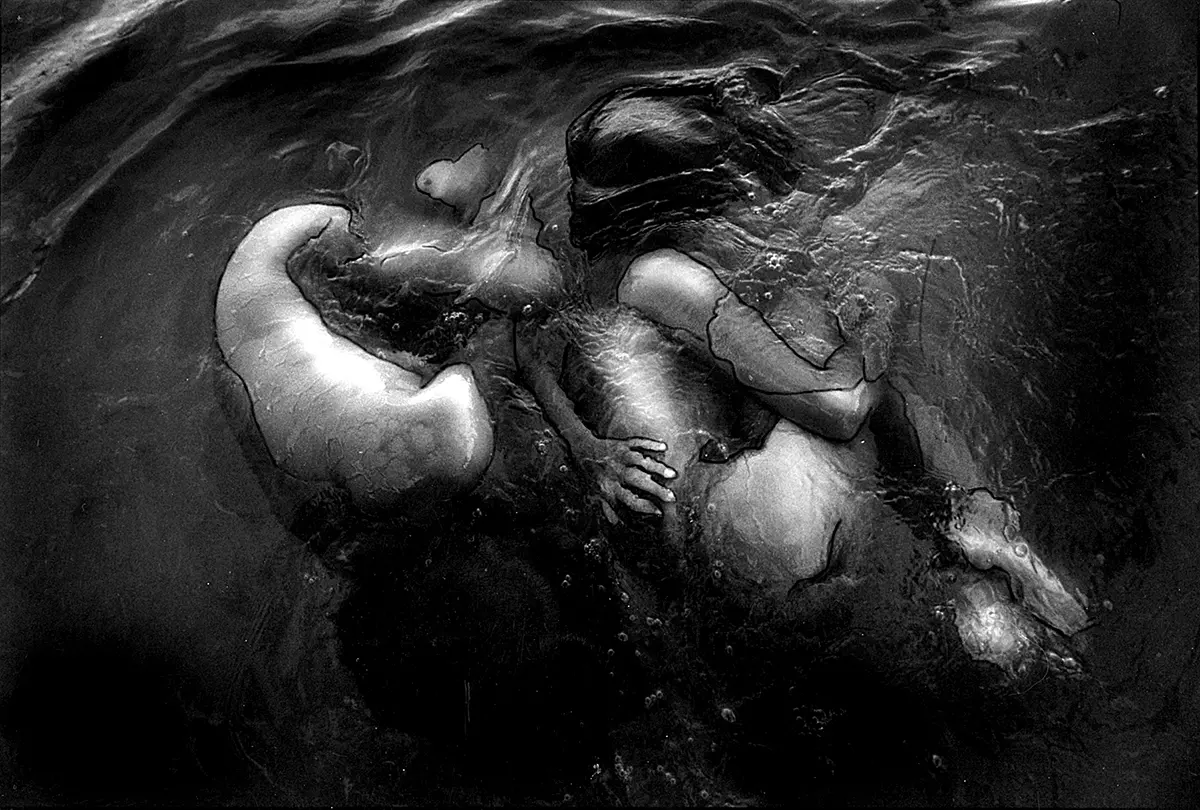
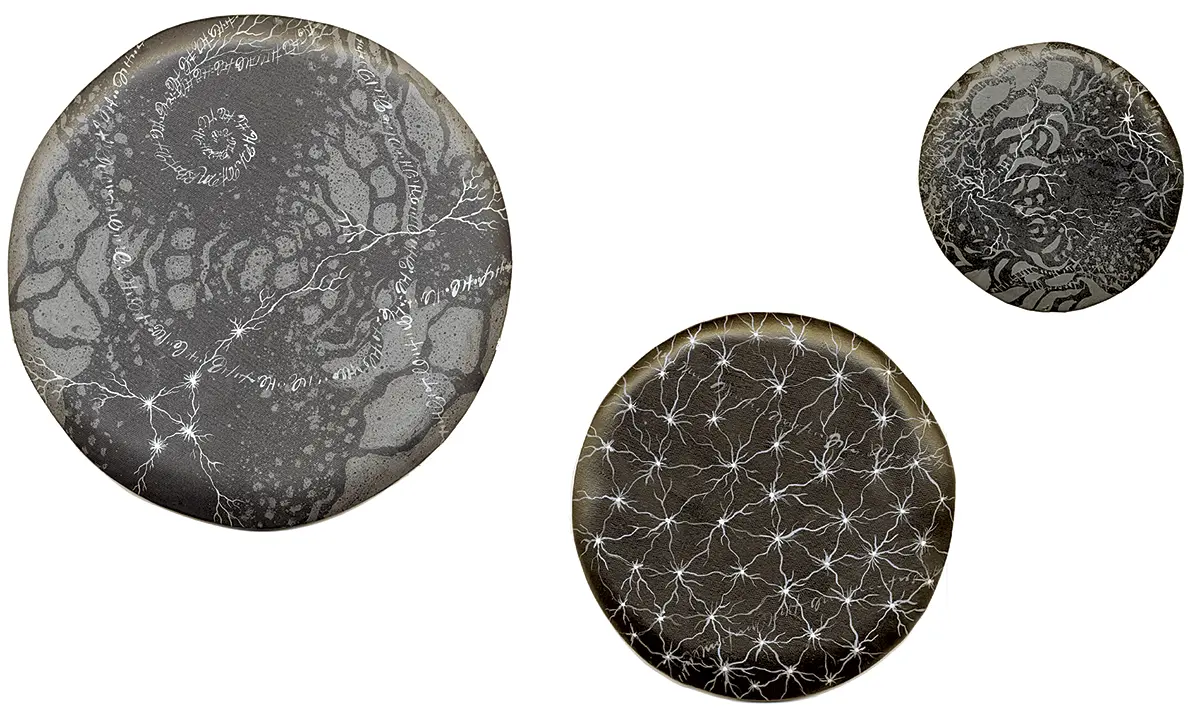
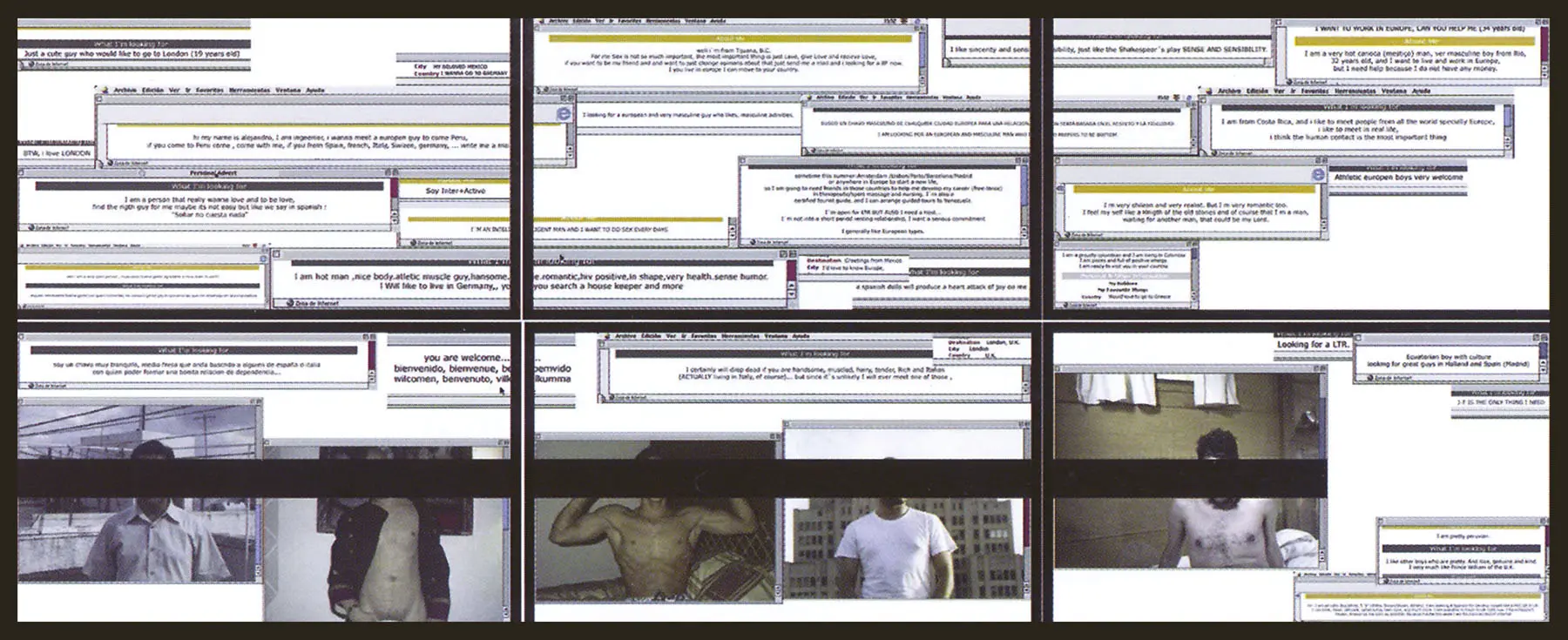
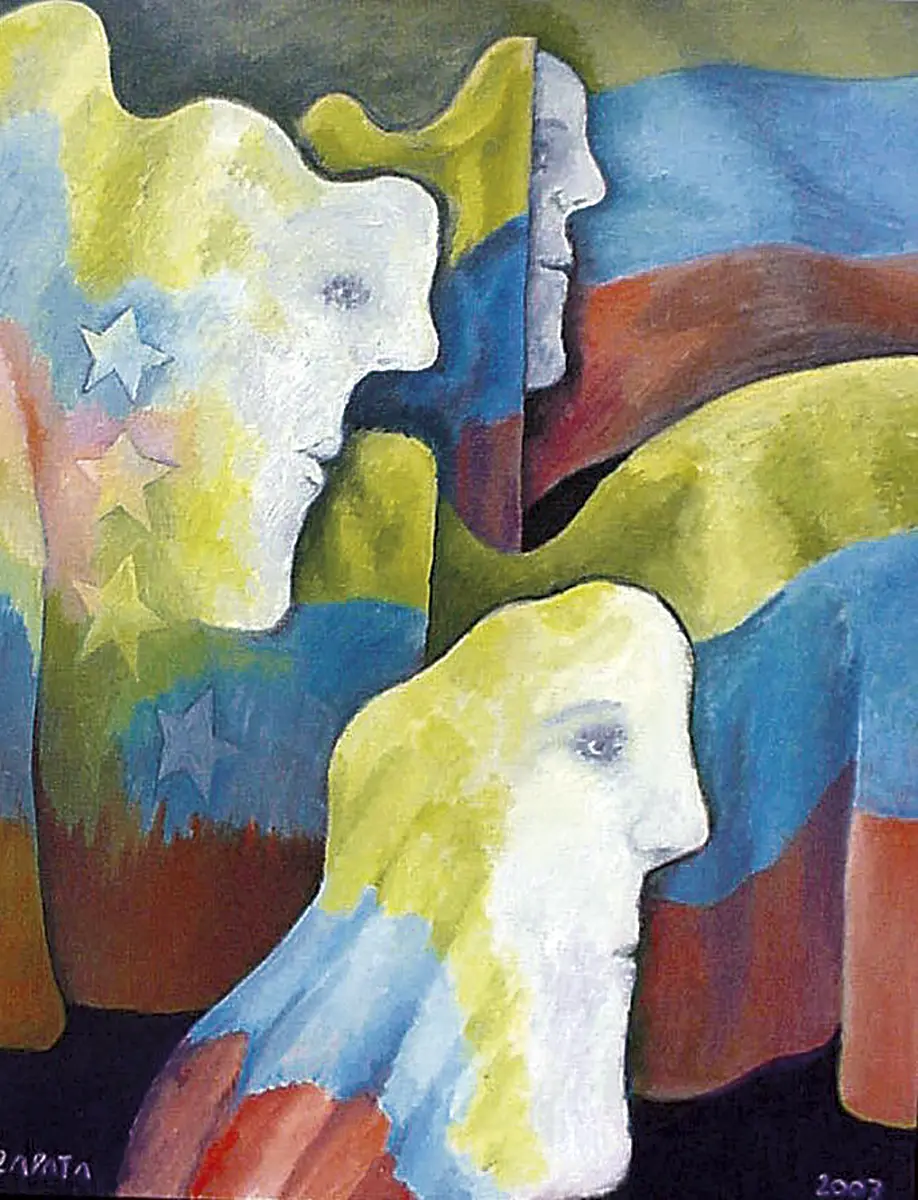
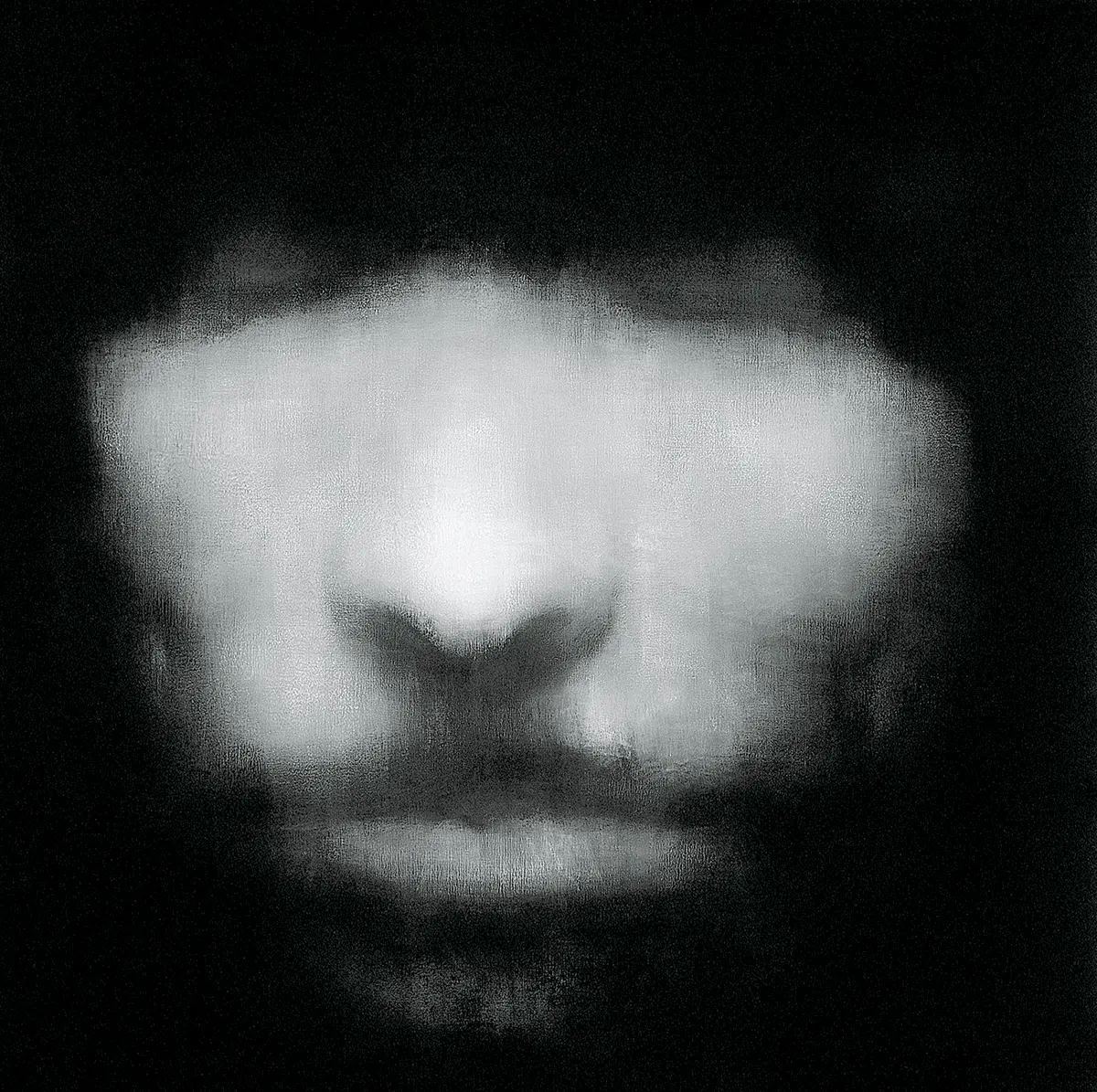
In terms of Venezuelan galleries, we need to mention Galería Muci’s representation of national masters from the late-nineteenth and twentieth centuries. Martín Tovar y Tovar, Arturo Michelena, Antonio Herrera Toro, Rafael Monasterios, and Armando Reverón, are but a few of the names exhibited by this popular gallery. This year, Banco Provincial presented landscapes created by Leonardo Figueroa between 1992 and 1994. A sober museography distinguished the montage created by Fundación Banco Mercantil, which on this occasion exhibited part of its eighteenth- and nineteenth-century Venezuelan art collection, including Pedro López’s beautiful painting Inmaculada Concepción. Grupo Li, Centro de Arte, also presented an attractive selection and a careful installation with the series La Familia, 2000 (mixed technique on paper) by Pedro León Zapata, an interesting offering thanks to the dramatic dimension the author impresses on his theme. Similarly, the series Banderas y Marchas, 2003 (mixed technique on canvas), offers an interpretation of the national symbol —the flag— that was prominent during the recent wave of protests in the country. This gallery also represents the Schuster/Zajac duo, as well as Karim Márquez. Among this group, special mention should be made of J. J. Moros’s recent sculptures in which the artist maintains his unified, sober geometry. Altamira Fine Art exhibited Iván Rojas’s latest paintings and Eduardo Arévalo’s polychrome carvings. Galería Ocre showed sculptures by Blanca Lemoine and paintings by Jorge Briceño, Luis Rocca Brito, and Enrique Etievan. In an individual show, Centro de Arte Contemporáneo presented work by Oswaldo Vigas (now in a larger format thanks to the technique of giclée, which permits printing in more vivid colors). Graphic Gallery offered a diverse selection of artists, among them an original piece made with matchboxes by Carlos Manrique. The presence of work by Gego at Galería Díaz Mancini is also worth noting. Similarly, the D’Museo gallery assembled a large group of artists from several generations that included Pedro Morales, who represented with his controversial City Rooms, 2002–03 (censorship of this work recently prevented Morales from representing Venezuela at the Venice Biennale). Galería 39 presented a wide selection of contemporary art that included photographs by Jenny Woodman, Milton Becerra, and Vicente Artonorsi, among many others. In a similar vein, Galería Alternativa presented pieces such as Clemencia Labin’s Anais, 2002; Jason Galarraga’s compositions; Carola Bravo’s interesting installation; and Mercedes Elena Gonzales’s Neurocosmografías, 2003, not to mention Mari Carmen Carrillo’s submission from the series Vestidos Heridos, 2002. María Babi’s fruits and vegetables occupied a large part of Galería Freite’s exhibition space, along with works by Vásquez Brito, Jacobo Borges, and Ángel Hurtado. Galería Dimaca exhibited works by Manuel de la Fuente, Mateo Manaure, Karim Borjas, and Alexis Fernández. Galleries such as Arte Ascaso, which gathered a notable group that included Alirio Palacios, José Antonio Dávila, Carmelo Niño, Jorge Seguí, and Julio César Briceño presented a coherent montage of work. Galería Medici gained primacy thanks to its large exhibition space; it presented works by Luisa Richter, Asdrúbal Colmenares, Manuel Quintana Castillo, Enrico Armas, and Frank Hyder. The landscapes of Roberto de la Fuente at Galería Art 3 captured the public’s attention. Korean artist Kwan Sung Park, represented by Galería Juan Ruiz, also captivated viewers. Under the title Ser y tener, 2002, this artist showed, through dramatic close-ups, fragments of human faces depicted through a pictorial technique that becomes indistinguishable from photography. Along with Carlos Quintana and Miguel Meza, the same gallery also presented interesting pieces by Austrian artist Helmut Grill.
Thanks to the efforts of its organizers, FIA 2003 was a five-day oasis for the soul. The massive response on the part of the public and the greetings exchanged daily between gallery owners, artists, and other visitors, once again confirms that, in the face of personal or collective crisis, art is the way to transcend temporal circumstances.
GLADYS YUNES
Art critic and frequent contributor to ArtNexus magazine.