The twelfth edition of ArteBA closed its doors on Sunday, June 23, after ten full exhibition days, more than one hundred thousand visitors, and the sale of approximately one thousand works of art for an estimated value of about a million dollars. Due in part to its continuity over twelve years, ArteBA has become an interesting venue for the exhibition of artworks and the commercialization of art in Latin America.
The prevailing spirit of what is now called the Contemporary Art Fair, and one in sync with Argentinean society’s current mood, was trust in the future. In keeping with the Fair’s new profile and mission to promote and move current art, the event’s organizers invited its participants to work under the motto: “Artists anticipate the future.”
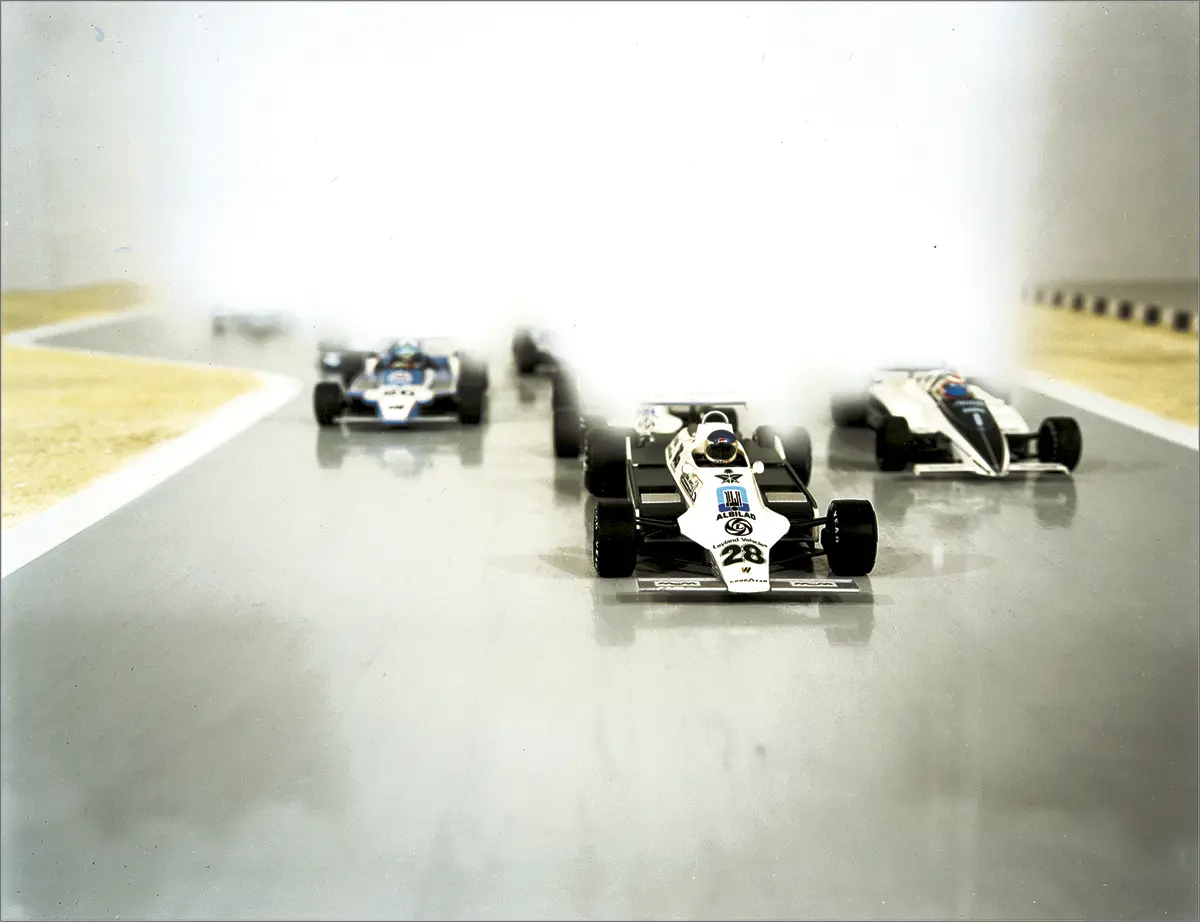
The 8,000 square-meter area of Pavilion B at La Rural—the Palermo exposition grounds where ArteBA 2003 set up shop—was divided among fifty galleries (Argentinean, as well as international galleries such as Thomas Cohn from São Paulo, who highlighted works by Pablo Queiroz; Sur from Montevideo, and Ramis Barquet from New York); ten art dealers (intermediaries with no gallery of their own); seventeen emerging art spaces; nine design spaces (that is, exhibiting art applied to utilitarian objects); thirty cultural institutions (National Arts Fund, Proa Foundation, Generalitat Valenciana); twelve art publications (including ArtNexus, among others); a corporate-sponsored, young-artist competition; an art bookstore; two bars; a restaurant; and a rest area (an environment of light-and-music created by the artists of the Sonoridad Amarilla/Jinetes Azules gallery).
Intent on achieving better representation from each gallery than in previous years, ArteBA 2003 had an admissions committee that, in general, avoided the most stereotypical and folkloric pieces, and instead highlighted the work of contemporary artists. Some of these were irrelevant, but many more were fresh and unprejudiced. Although the exposition was supposed to include only contemporary works, some excellent modernist pieces by Joaquín Torres-García, Rafael Barradas, and historic avant-garde figures, such as Raúl Lozza and Carmelo Arden Quin were also shown.
Made in Argentina
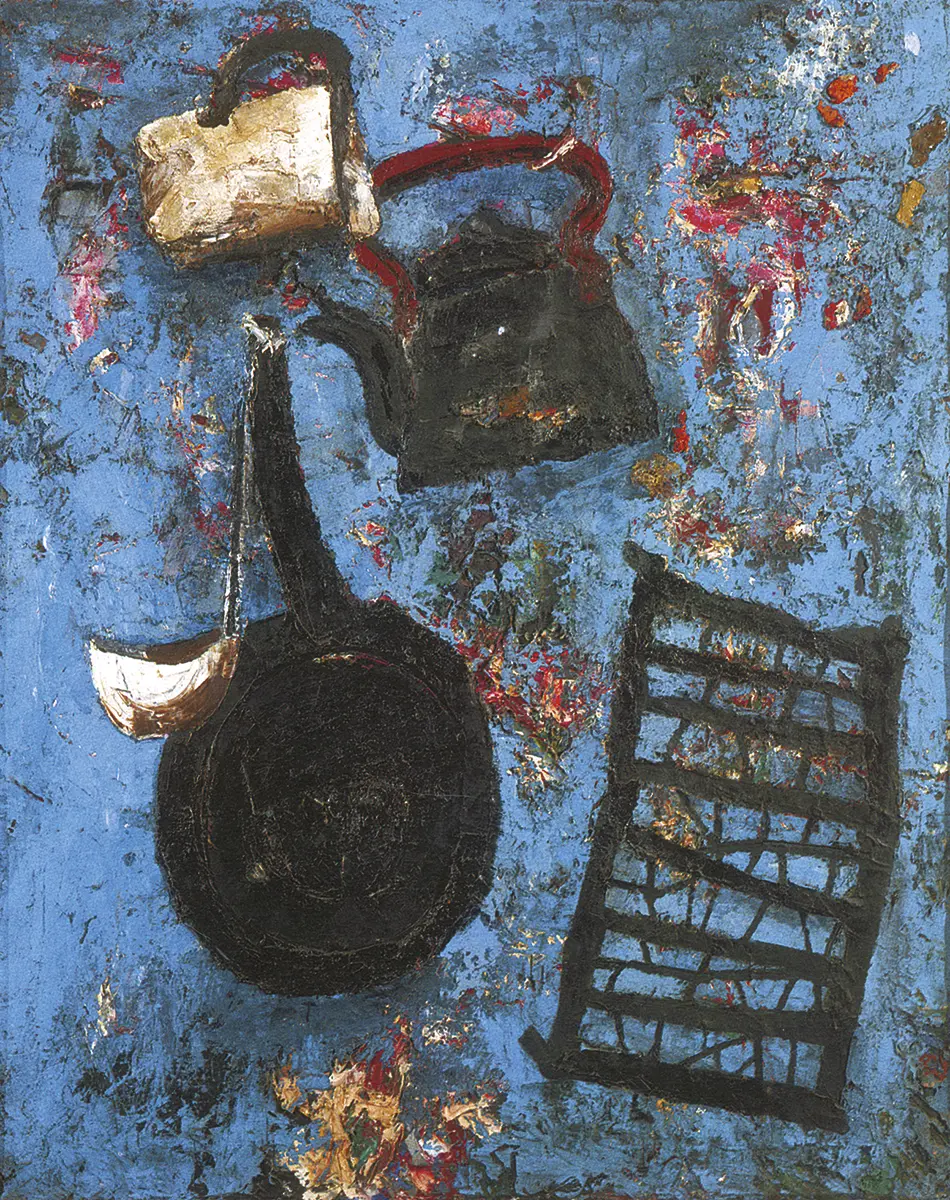
The impulse to “buy local” that was forcibly instilled in all aspects of the Argentinean economy in 2002 and awakened a tenacious determination to “live with what we have,” also flooded the art world. At that time Uruguay’s Galería Sur fetched the highest price for Antonio Berni’s Utensilios de cocina sobre un muro celeste, 1958: approximately $150,000. Other Uruguayan galleries participating in the fair, were Tejería Loppacher and La Casa.
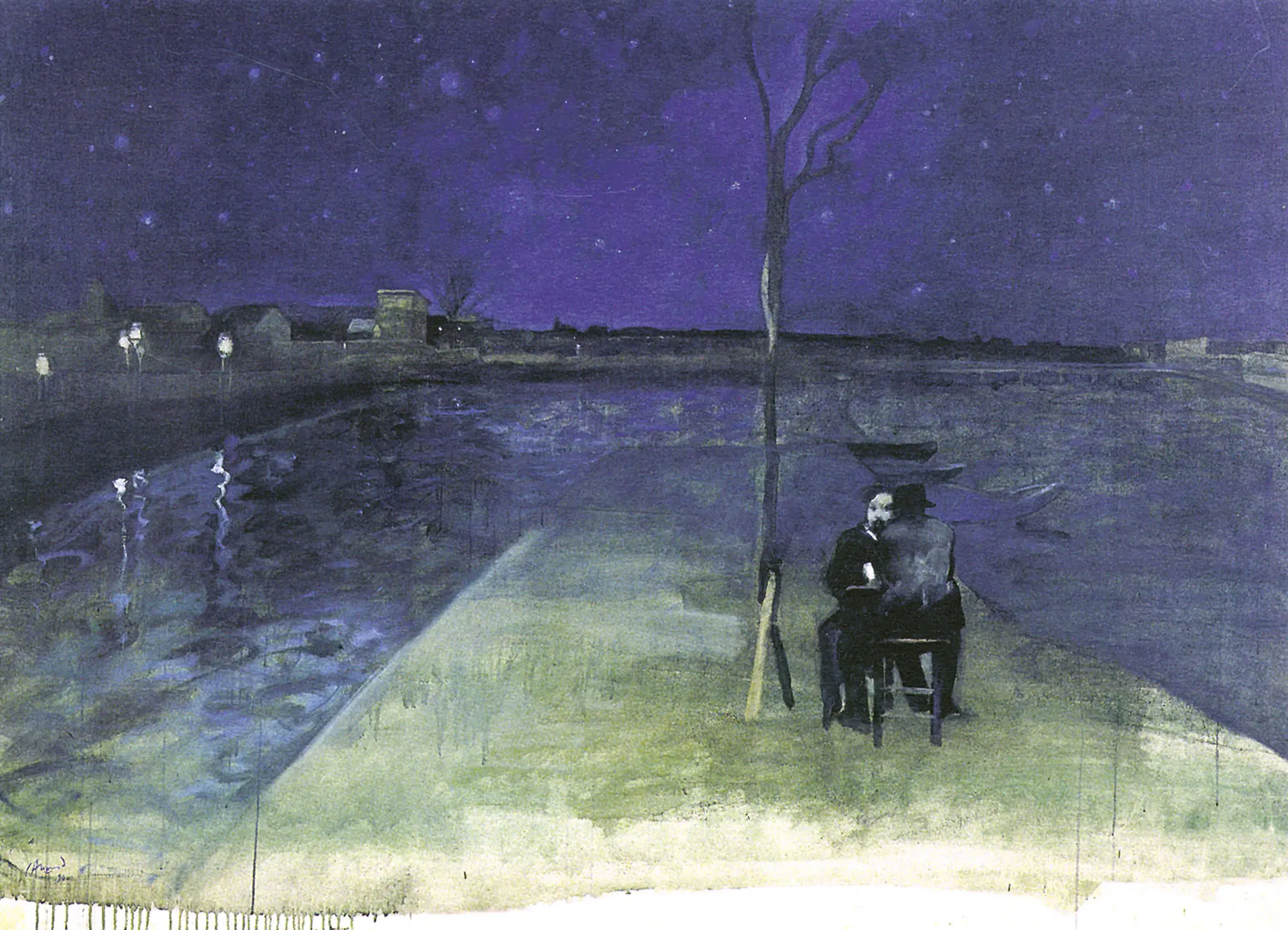
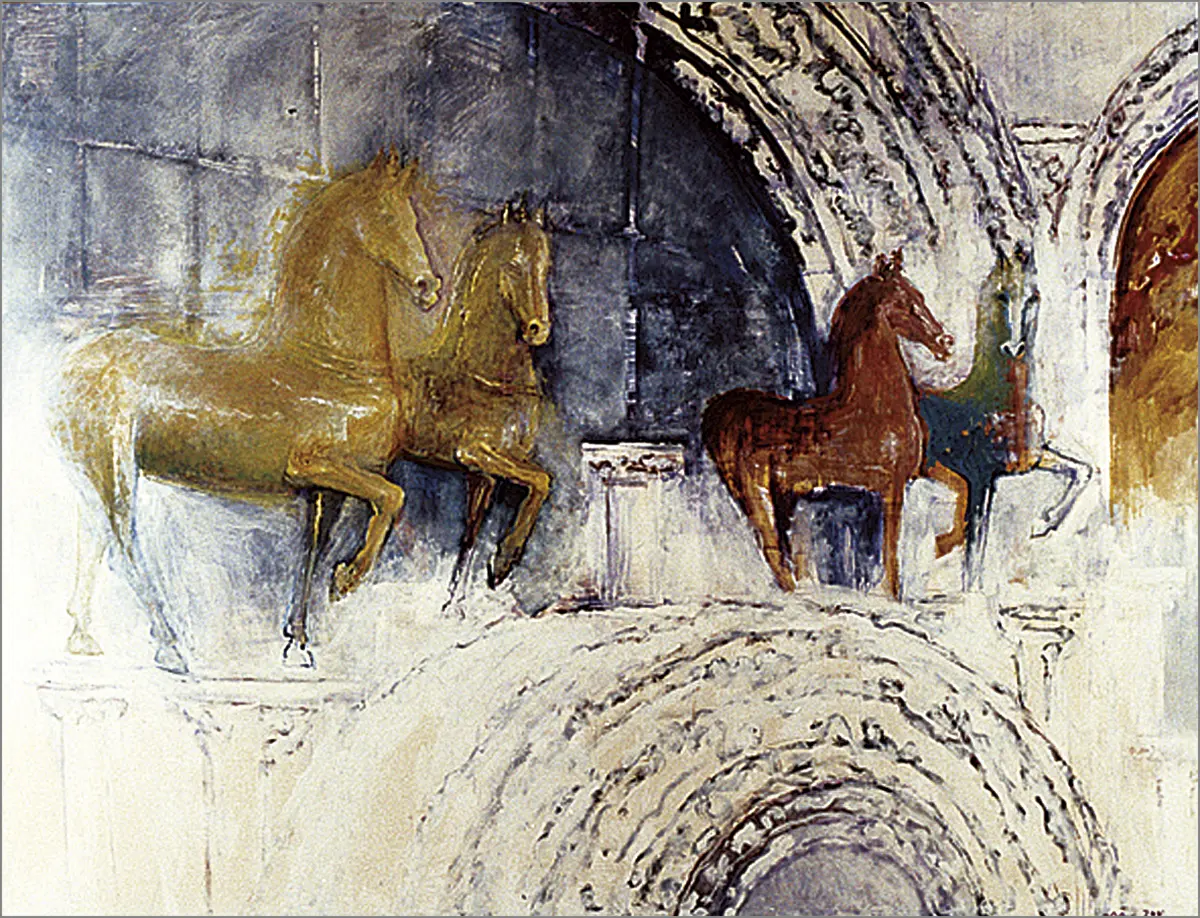
This year’s prices were somewhat lower, not only because galleries brought new art and smaller pieces to the fair, but because they followed a general trend in the local economy. In addition to so-called walk-ins, and people who bought works for between $100 and $1,000, important collectors also acquired at least twenty notable pieces from the 1960s by Alberto Greco, Sarah Grilo, Mario Pucciarelli, Antonio Seguí, Leónidas Gambartes, and Rómulo Macció, whose painting Caballos de San Marcos sold for $80,000, at Dharma Fine Arts.
The talented Daniel García and Jorge Macchi were the most solicited artists at Galería Ruth Benzacar; Dino Buzzone and Manuel Esnoz stood out at Dabbah-Torrejón; and Marcela Astorga and Hernán Marina attracted attention at Luisa Pedrouzo.
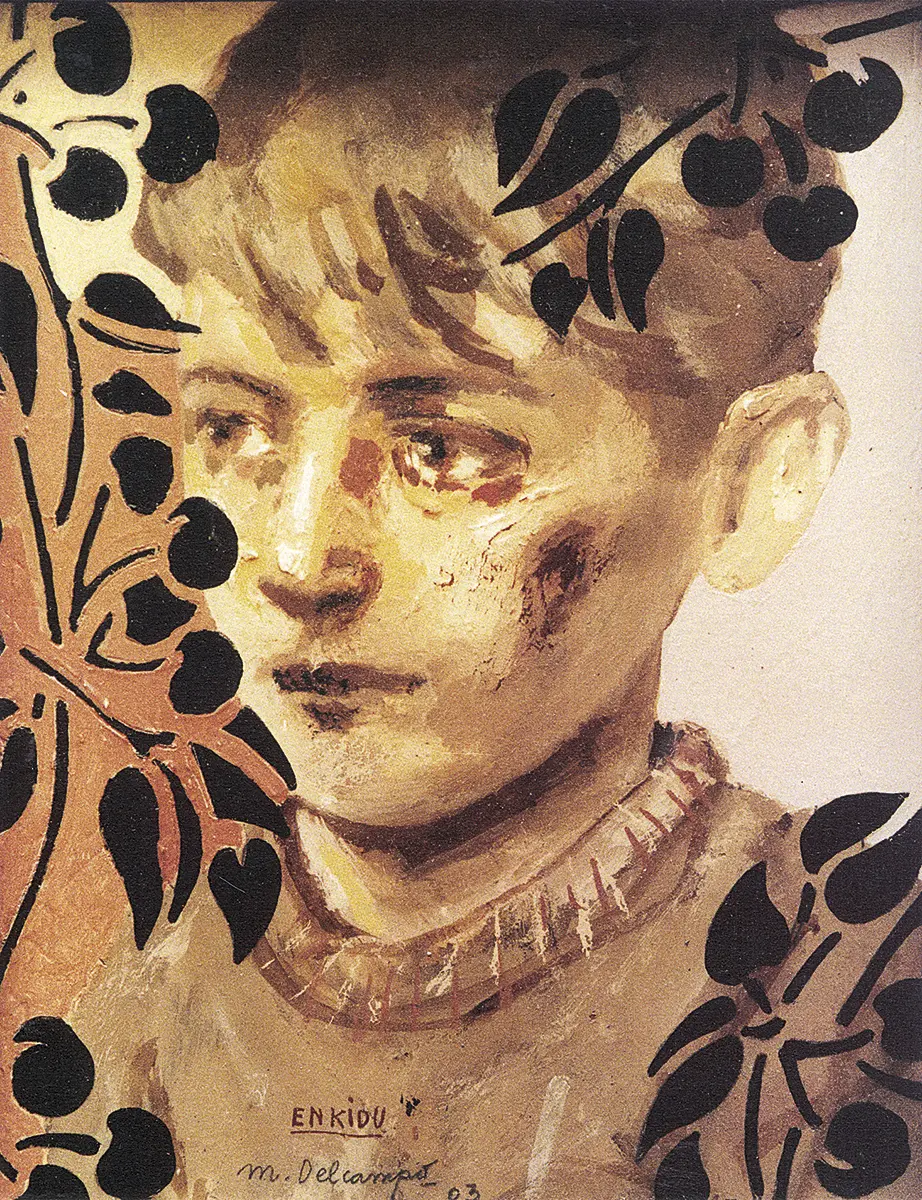
Special mention is due to the phenomenon of the remarkable Remo Bianchedi at the Sara García Uriburu gallery, who sold part of the series El poema de Gilgamesh before the fair’s doors were even open; by the final hour when the event closed with the traditional round of applause, Bianchedi had sold thirty pieces. On this occasion, the artist created small-format paintings on paper that were inspired by the ancient epic of Gilgamesh and imagined the king of Sumer (now Baghdad) and his contemporaries unwittingly referring to what is today the hottest conflict zone in the world (Iraq).
Other Argentinean galleries included in the fair were Alvaro Castagnino, Arte x Arte, Braga Menéndez Schuster Arte Contemporáneo, Daniel Maman Fine Art, Del Infinito Arte, Isabel Anchorena, Jorge Mara La Ruche, Palatina, Praxis Arte Internacional, Principium, Ro Galería de Arte, Suipacha and Vermeer.
New Expressions
The projects presented in the section entitled “New Artistic Expressions” surpassed all expectations. The organizers ultimately selected seventeen exhibition spaces that work with emerging artists or are managed by artists. The following were present: Belleza y Felicidad; Boquitas Pintadas; Córdoba 0351 (Córdoba); Daniel Abate for Galería Ramis Barquet (Mexico); El Ingenio (Tucumán); Lelé de Troya; MOTP Arte Contemporáneo (Mar del Plata); Espacio Joven Ruth Benzacar; and Valeria Fiterman, Fernando Ezpeleta, and Sonoridad Amarilla/Jinetes Azules, where the very young Víctor Florido exhibited his work. Time will tell what paths this experimental production will follow, but it was enormously appreciated, discussed, and purchased. It seems that nothing beats the exhilaration of discovering unknown talent at reasonable prices.
This local experience, modeled after the successful Madrid fair ARCO, also included an audio salon, free to the public, with a full program of book presentations, tributes, lectures, and panels about contemporary art. The fair ended with a big closing party and left everyone satisfied: organizers, sponsors, exhibitors, gallery owners, and artists. Although it would be an exaggeration to speak of solidarity, some collection owners spoke not only of the pleasure they find in living with works of art but also of their satisfaction in supporting Argentinean artists.
VICTORIA VERLICHAK
Journalist and art critic. Verlichak is a member of the Argentinean Association of Art Critics and the International Association of Art Critics.