The previous edition of the Basel art fair, no doubt influenced by that same summer’s Documenta, was characterized by a peculiar insistence on themes that are external to art and more specifically, by its presentation of a significant number of “social” works. It seems that the post-9/11 context forced participants to maintain a delicate balance between including pieces that alluded to clearly political issues, as well as artists and objects with enough legitimacy to guarantee a level of financial success. The abundance of works by Thomas Hirschhorn was a paradigmatic example in that respect.

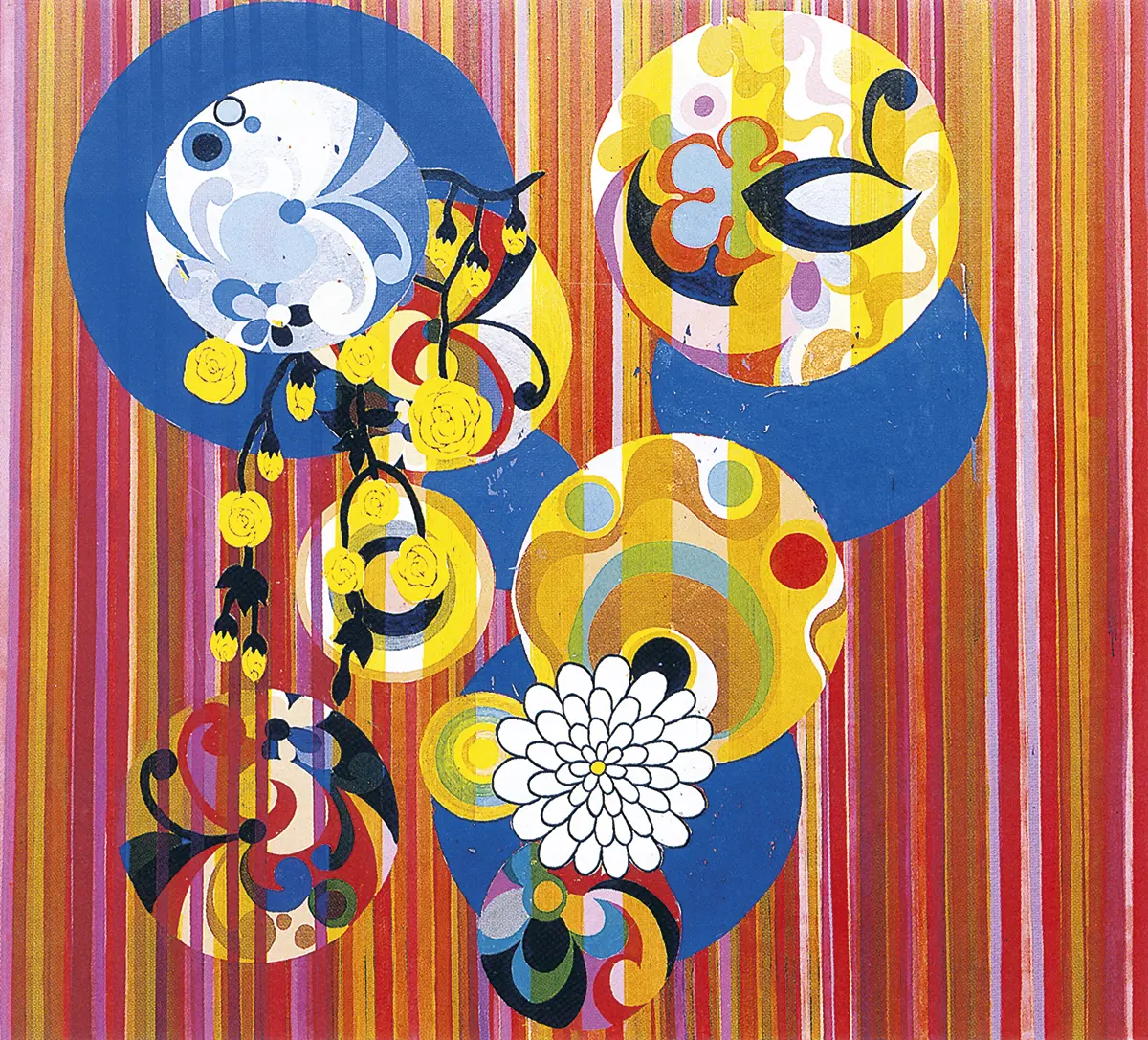
This year, with the economic consequences of the war in Iraq still unclear, prudence was the name of the game. ArtBasel 34 was in every respect a conservative event, always of course within the high level of quality that is customary. The roster of participating artists left no room for experimentation or the launching of new names (that purpose was served by the Venice Biennale), and in fact, artists with undeniable prestige and market clout, like Sol LeWitt, and Richard Serra —who presented two masterpieces, Single Double Torus and VT II (Basel), both from 2003, at the German Galerie M. Bochum— seemed omnipresent. The proliferation of painting in the second level of Hall 2 included excellent works by Alex Katz (Peter Bloom), and the reiterated presence of Niele Toroni, Robert Ryman, Ed Ruscha, and Agnes Martin, all of them more than legitimized. Even a space as experimental as Galerie Nächst St. Stephan’s Art Unlimited presented two very large paintings by Switzerland’s Helmut Federle. There were many examples of contemporary painting, from Beatriz Milhazes (Fortes Vilaça) to Prudencio Irazábal (Helga de Alvear), Takashi Murakami (Blum and Poe and Koyama), Jason Martin (Lisson), and Adrian Schiess (Kulli).
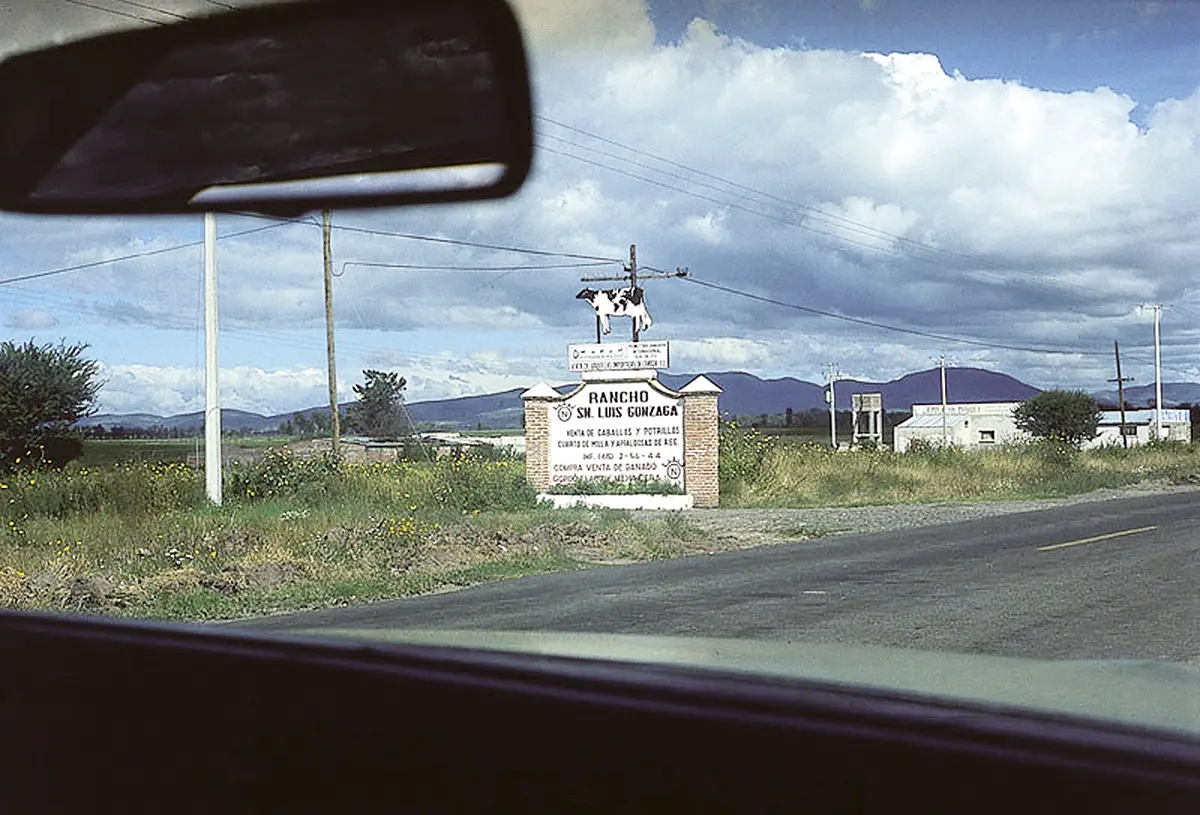
In a similar vein, large-format photography, which recent exhibitions have displayed in overabundance, was represented at ArtBasel 34 solely by well-established names such as Thomas Ruff, Jeff Wall, Thomas Struth, and Walter Nedermayr, each with works that are widely known and commercial in character (Ruff’s nudes, or Niedermayr’s extremely white snow scenes, for example).
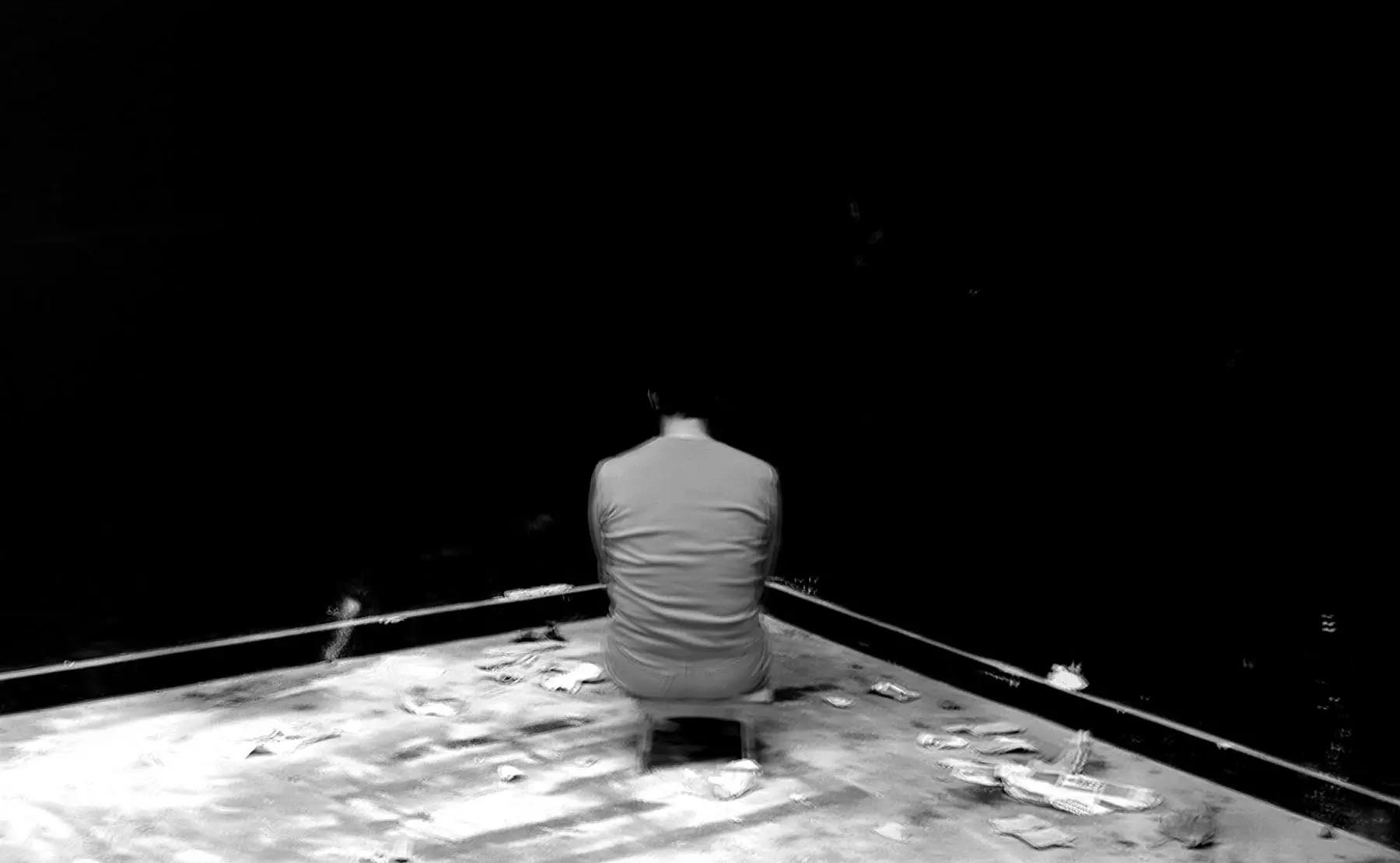
The feeling of déjà vu grew as one encountered not only exhibitors but also works that were being presented simultaneously in Venice as part of a Biennale that functioned as a backdrop for ArtBasel. The resulting exhibitions, however, could not be further apart: while the Biennale presented itself in terms of grand spectacle, ArtBasel demonstrated that at this level the market is an exceptional filter for art and artists. In Basel, what had seemed chaotic and fuzzy in the unavoidably politicized environment of Venice, acquired a greater definition and could be seen for what it was. Perhaps the definitive example of this contrast was the appearance of Santiago Sierra in Basel at Peter Kilchmann Gallery, which offered for sale the black hood (with its support) worn by the person seated in the Spanish pavilion at the Biennale on 1 May 2003, and present in Switzerland by means of a camera (Mujer con capirote sentada cara a la pared). The piece was described in the presentation leaflet as one of three in the controversial Biennale pavilion, and it may be the first time Sierra has presented anything other than the documentation of his actions for sale. A contrasting example may be that of Francis Alÿs, who did not participate in the Biennale, yet was selected by the three galleries that represent him —Kilchmann, Lambert, and Lisson— to illustrate their catalogs. His was the more significant presence since it was supported by the strength of his works, as well as his general aesthetic.
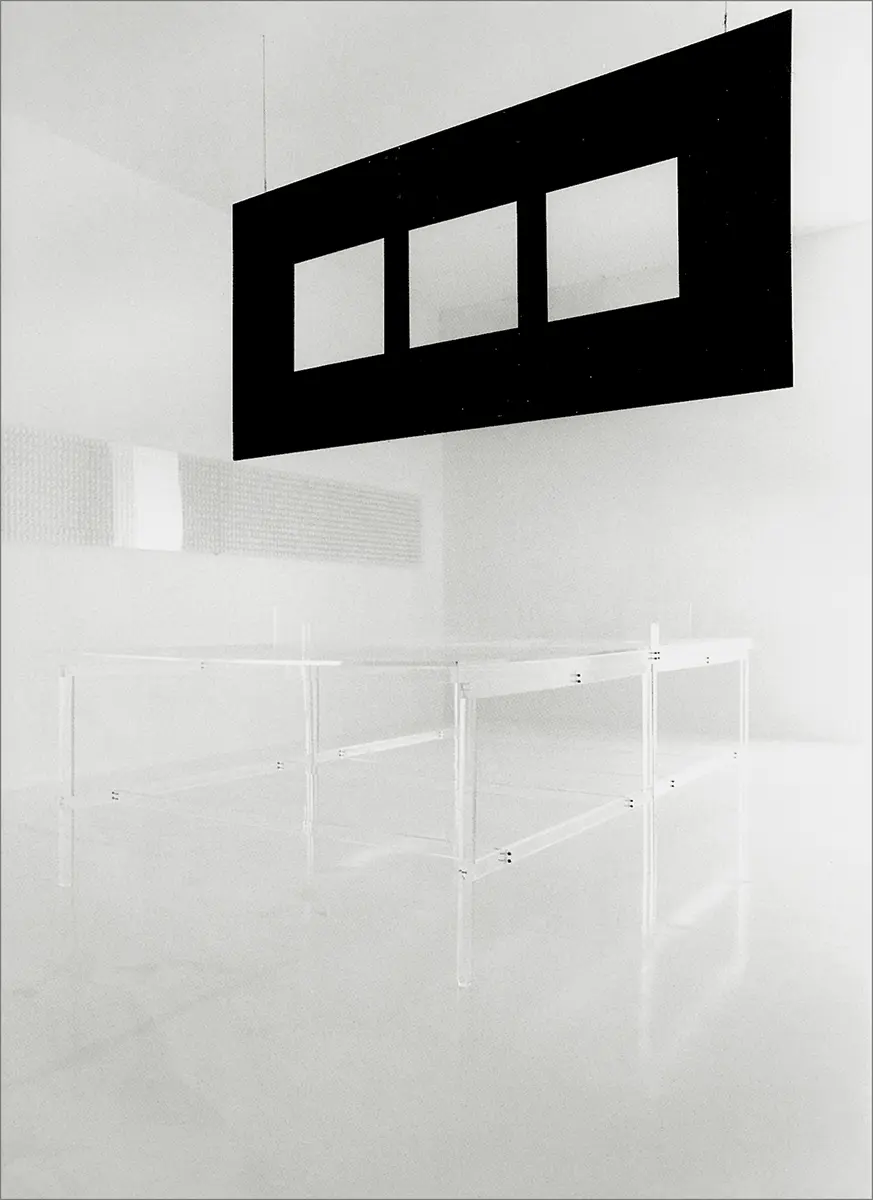
The Latin American section also included artists who were at both events, and in fact some of the most felicitous installations from the Biennale were represented at ArtBasel 34: Alicia Framis at the Szwajcer Gallery, Carlos Amorales at Yvon Lambert, Sierra at Kilchmann and Lisson, Fernanda Gomes, and Marepe, who presented a scale model of Recôncavo Embutido at Luisa Strina, and of course, Rivane Neuenschwander, also at Fortes Vilaça and Friedman, which housed the magnificent wall of desires that was seen in Paris some month ago at the Palais de Tokyo.
The presence of Latin American artists becomes more noticeable every year, even as the number of participating galleries decreases. This year, Nina Menocal’s absence reduced the number of Latin American galleries to five: Brito Cimino, Fortes Vilaça, Luisa Strina, OMR, and Diana Lowenstein (which, even though headquartered in Miami, works completely with Latin American artists). Practically all returned with artists who participated last year, and with very similar works: OMR with photographs and a video by Melanie Smith, whose career seems to have gained a second wind and is stronger and more interesting; as well as an installation by Félix Curto; paintings in a most contemporary style by Fernanda Brunet; and Límite, an excellent model/installation of a city made with letters by Sebastián Romo. Brito Cimino displayed Nelson Leirner’s irreverent maps, in which each region of the world is represented by cartoon characters, U.S. flags, dollar bills, skeletons, and other elements designed as an ironic commentary on the current state of economic and political relations on a global scale. In addition, a good sample of auction catalogs, also seen last year, was included. At Diana Lowenstein, Xawery Wolski’s delicate pieces representing images that resemble tattoos, or internal organs devoid of all carnality were the attention-grabbers.
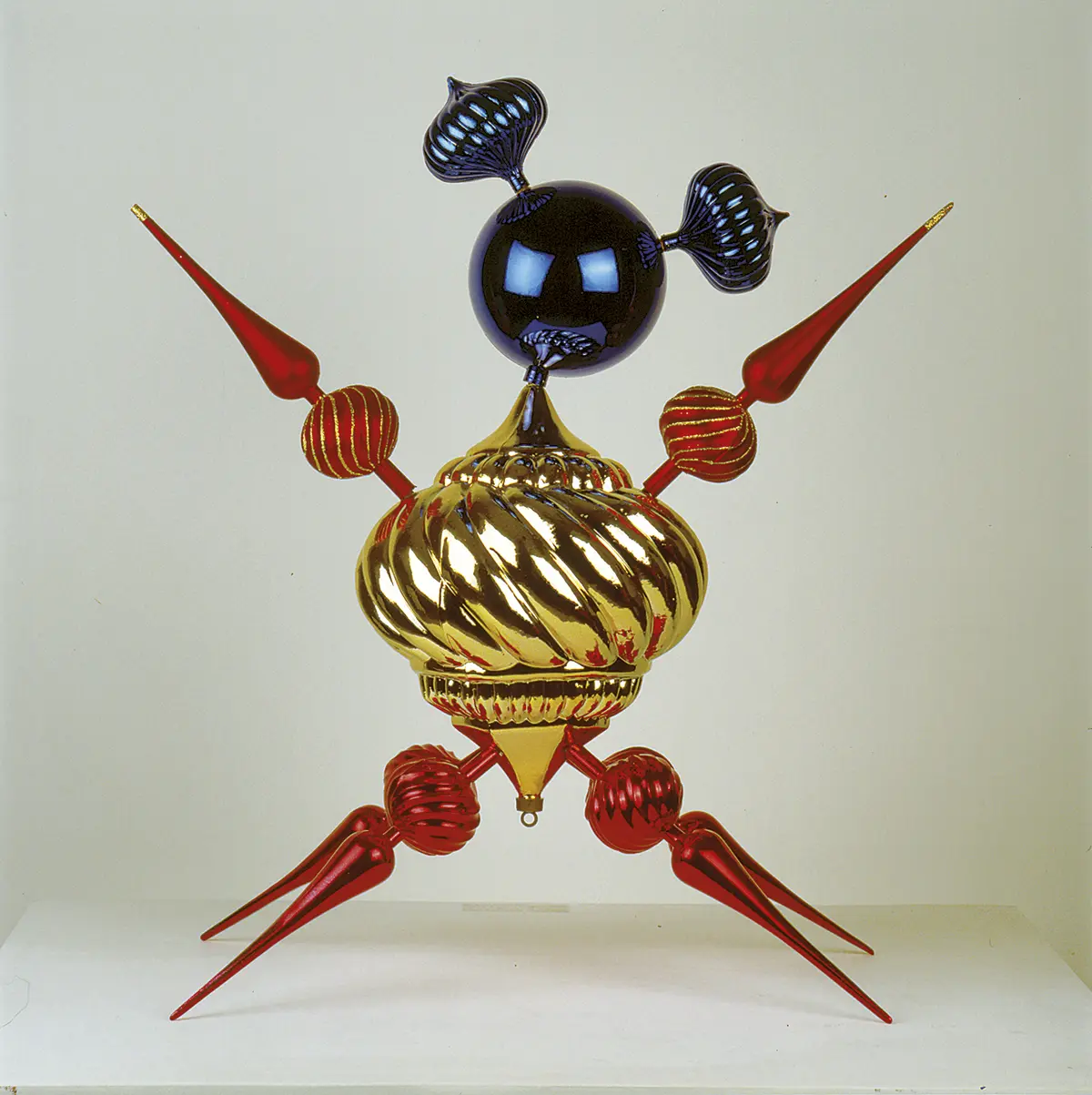
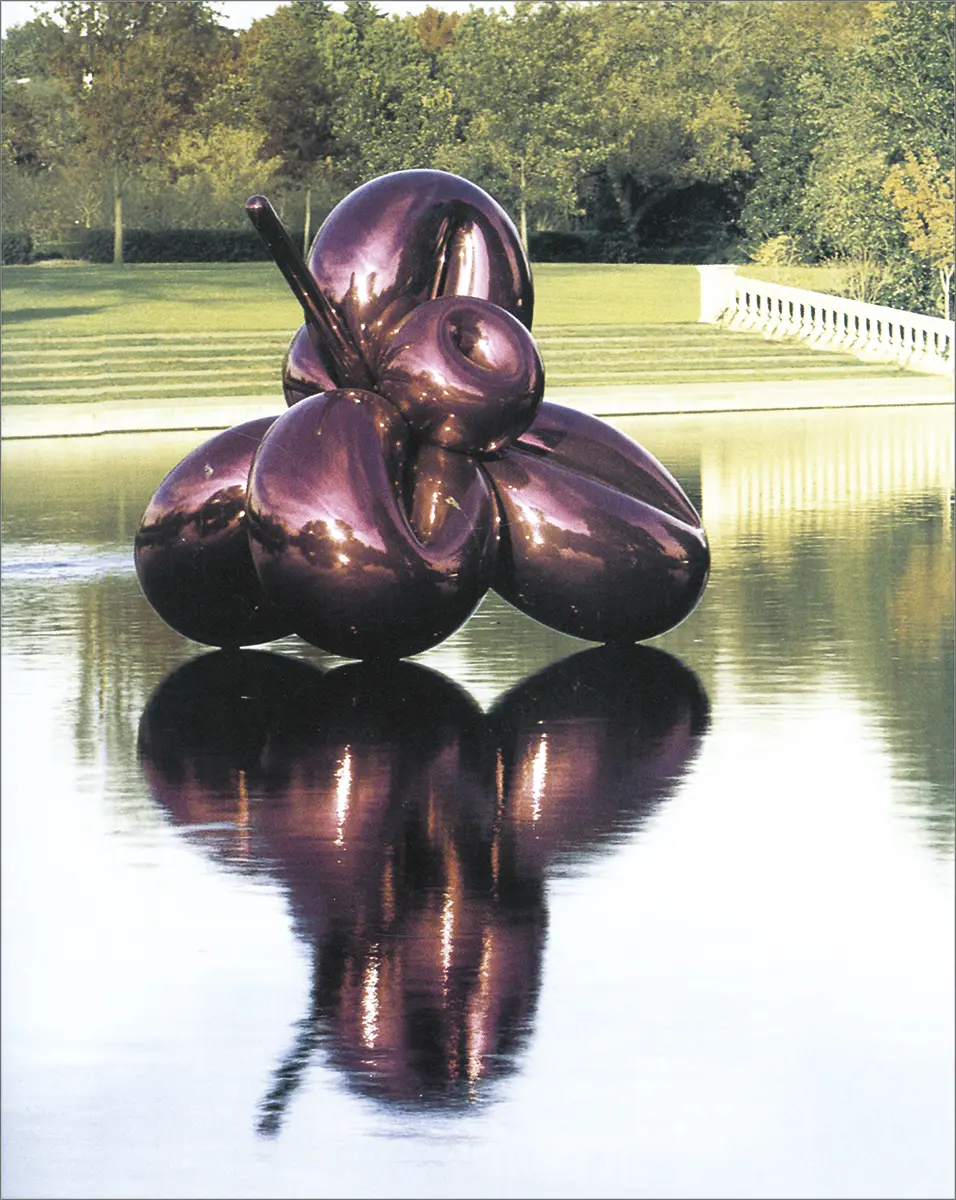
Also worthy of mention are works like Mike Kelly’s photographic series, edited by Patrick Painter Inc.; Jeff Koons’s Balloon Flower (presented by Gagosian only for the pleasure of showing it, since it was already sold); various Jonathan Monk pieces at several galleries, with their ironic references to the art world itself; and the Nitsch Gallery presentation of Olafur Eliasson’s edition Vibes, with scientific diagrams of all kinds of waves.
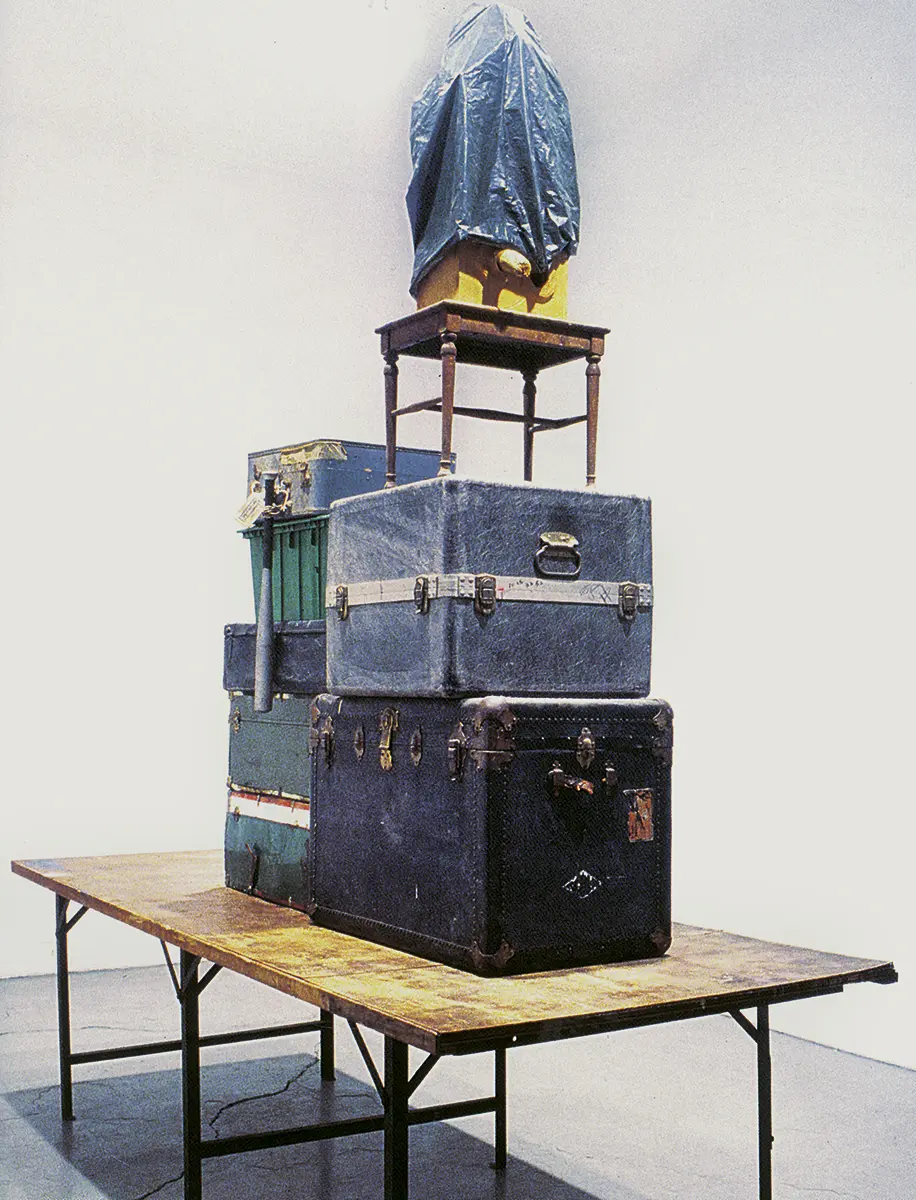
The Art Unlimited section deserves special mention. Although at first glance it seemed less impressive than previous versions, it was still possible to find many interesting works, as well as pieces by “contemporary masters” such as Carl André, Anthony Gormley, Gilbert and George, Christian Boltanski —with a surprisingly naïve installation for an artist of his experience— a ubiquitous Anish Kapoor, Art and Language, and the already-mentioned Serra. Perhaps the most surprising of all was Paul McCarthy, whose installation occupied the largest room in Hall 1; McCarthy created an impressive visual effect by covering the walls of the assigned space with photographs in identical format. The installation included six suitcases containing objects used in his performances between 1972 and 1984, which were, in fact, the same objects seen in the photographs.
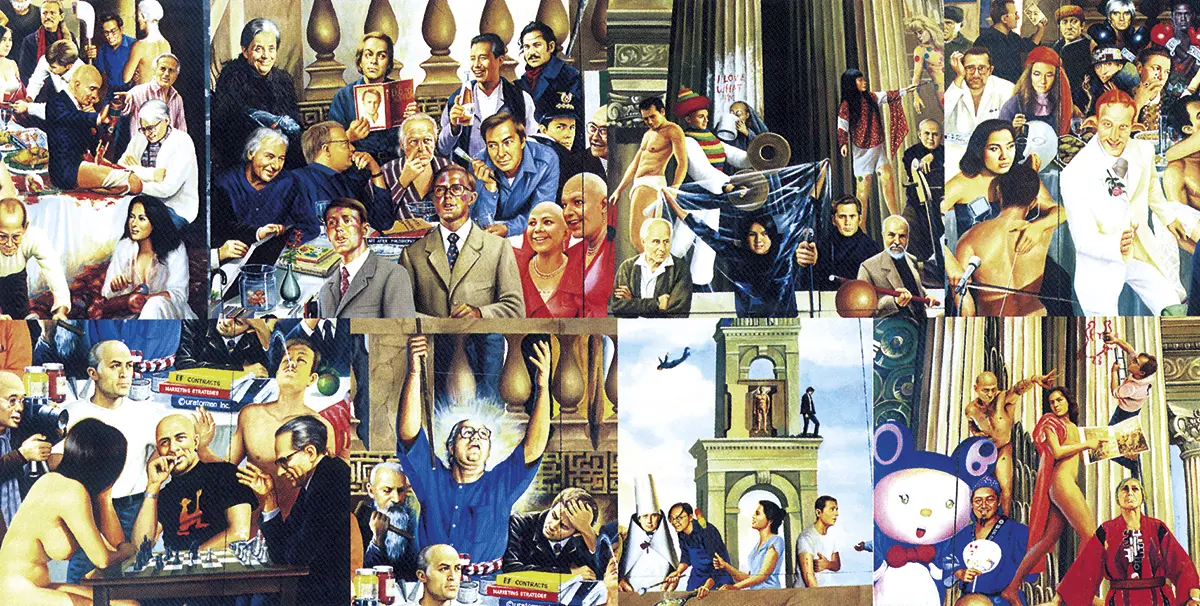
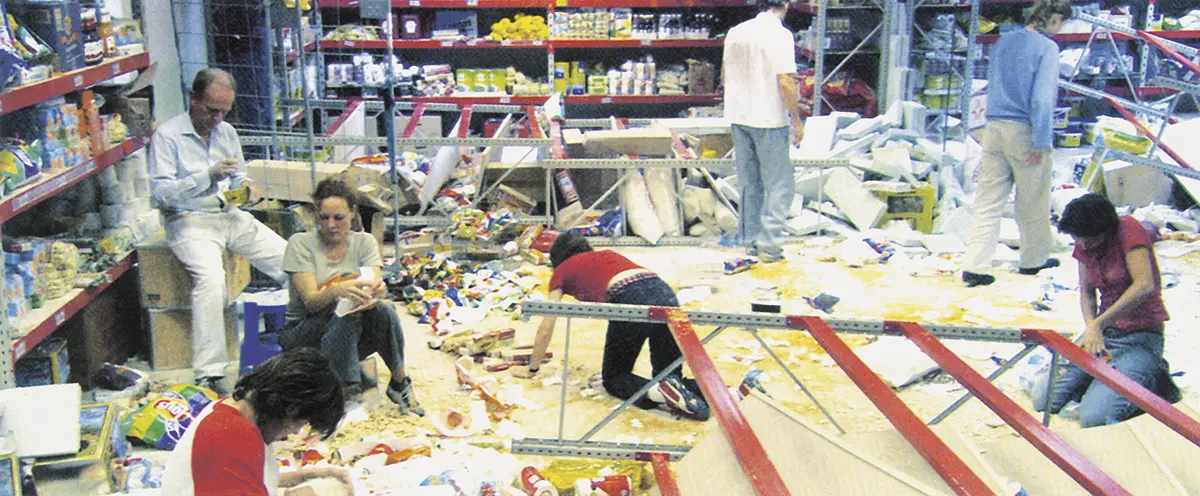
Among the younger artists, Aernot Mik presented a video titled Pulverous, with the Carlier|Gebauer gallery. An elongated, low-rising projection showed a group of people inside what seemed to be a grocery store, in the process of opening packages and destroying their contents. As in previous works, Mik shows, in a disquieting way, patterns of behavior in everyday situations that refuse to be completely commonplace. Navin Rawanchaikul presented his mural Art or (M)art (also seen over a year ago at the Palais de Tokyo) that comprised portraits of a who’s who in the international art world.
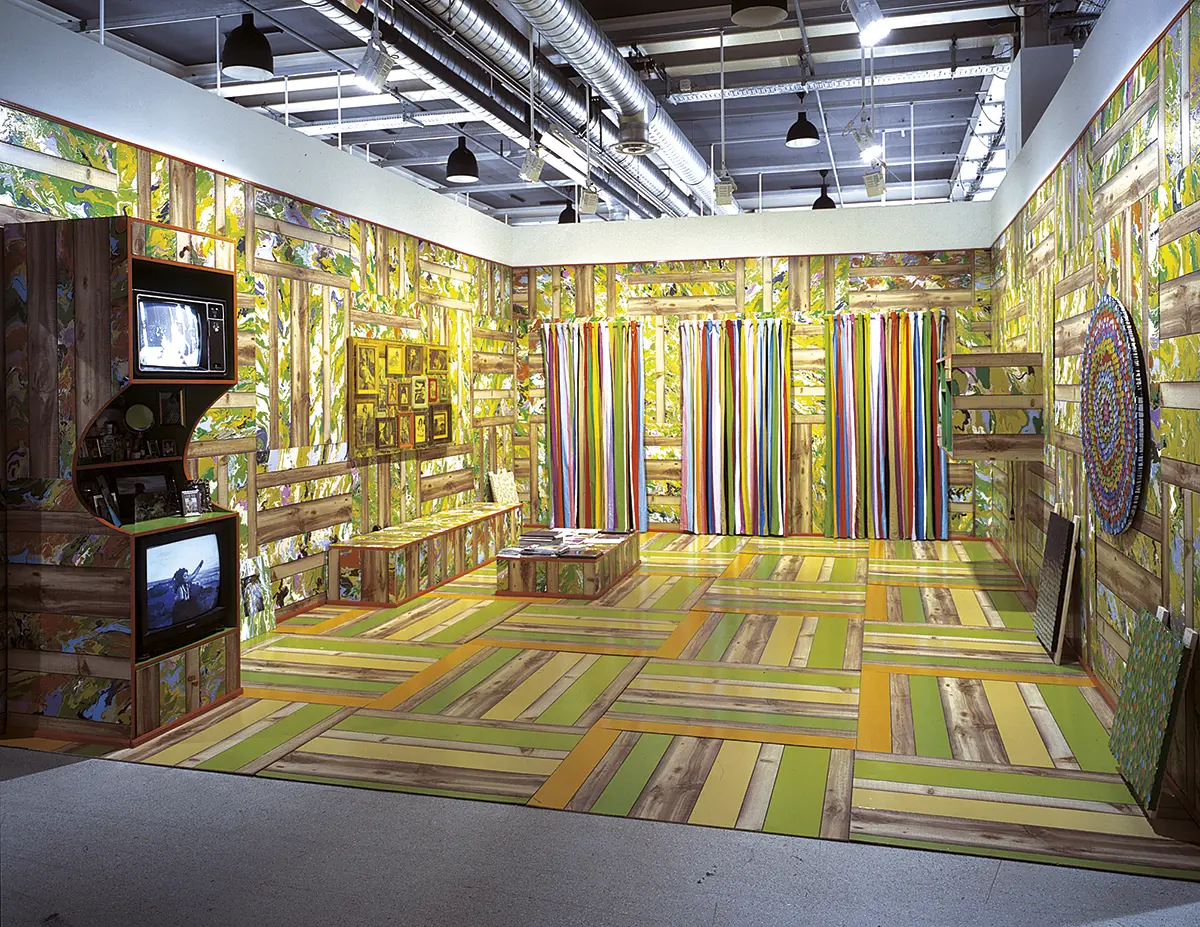
Two of the most significant works, thanks to their critical content, were the Chloe Piene video, Little David, and Christoph Draeger’s installation Black September. In the foreground of Little David, we see a twelve-year-old boy with a defiant attitude who threatens someone, describing in detail the violence he will inflict. What could be child’s play acquires a dramatic and disturbing tone due to the artist’s decision to use a filter to alter the boy’s voice making it deeper and slower. Draeger’s Black September, which was included in several Swiss exhibitions parallel to ARCO, recreates in striking detail the room where eleven members of the Israeli Olympic Team were kidnapped and murdered during the 1972 Munich games. Inside the room, Draeger recreates a semi-fictional sequence of events using documentary footage —the same footage the kidnappers saw on German TV. If, in many respects, the art of installation has lost some effectiveness, the mix of historical events with the very current threat of terrorism through the play of event and image, of event and broadcast, make this piece one of the most significant in recent times.
We all know that the market is, in principle conservative, and no other art fair represents the art market more clearly than ArtBasel. It is ironic that this clarity occurs in such an art fair rather than at events where there are no evident financial interests. In biennials, documentas, and large-scale exhibitions, the desire for promotion and visibility determine the contents and interpretations. While the presentation schemes of art fairs are not ideal for the contemplation of art, it is true that an art fair like Basel’s can become a neutral territory to approach the works of art and understand them for what they are. No more, no less.
ISSA MA. BENÍTEZ DUEÑAS
Art historian and specialist in contemporary art and art theory. She is currently a doctoral candidate at the Universidad Carlos III in Madrid.