New York's Museum of Modern Art presented a retrospective of the work of Aleksandr Rodchenko, one of the key artists of Russian Constructivism.1 Coming slightly after Malevich, Tatlin, and El Lissitzky, the interest in Rodchenko is not so much for his separation as for the paradigm he built on the relationship between artist and social revolution. Rodchenko (1891-1956), who began his work in 1915, was witness to the beginnings of the Russian Revolution and went through the entire cycle of Stalinism (the 20th Congress, which began the de-Stalinization process, took place in February of 1956, and December of the same year). Among his most outstanding colleagues (Malevich, 1878-1935; Tatlin, 1885-1953; El Lissitzky, 1890-1941), Rodchenko—number four in the Constructivist constellation—is the one who seems to have lived through the process with a more intense degree of engagement, at least if we take into account the moment at which these artists returned to more traditional painting (Malevich, toward the end of the '20s; Tatlin, in the '30s) and their relationship with the outside market. (El Lissitzky was the artist with the closest ties to western movements.) Rodchenko also ended up taking refuge in a figurative painting of a sentimental nature around 1935, but he maintained his activities as a designer and photographer until the end of his life.
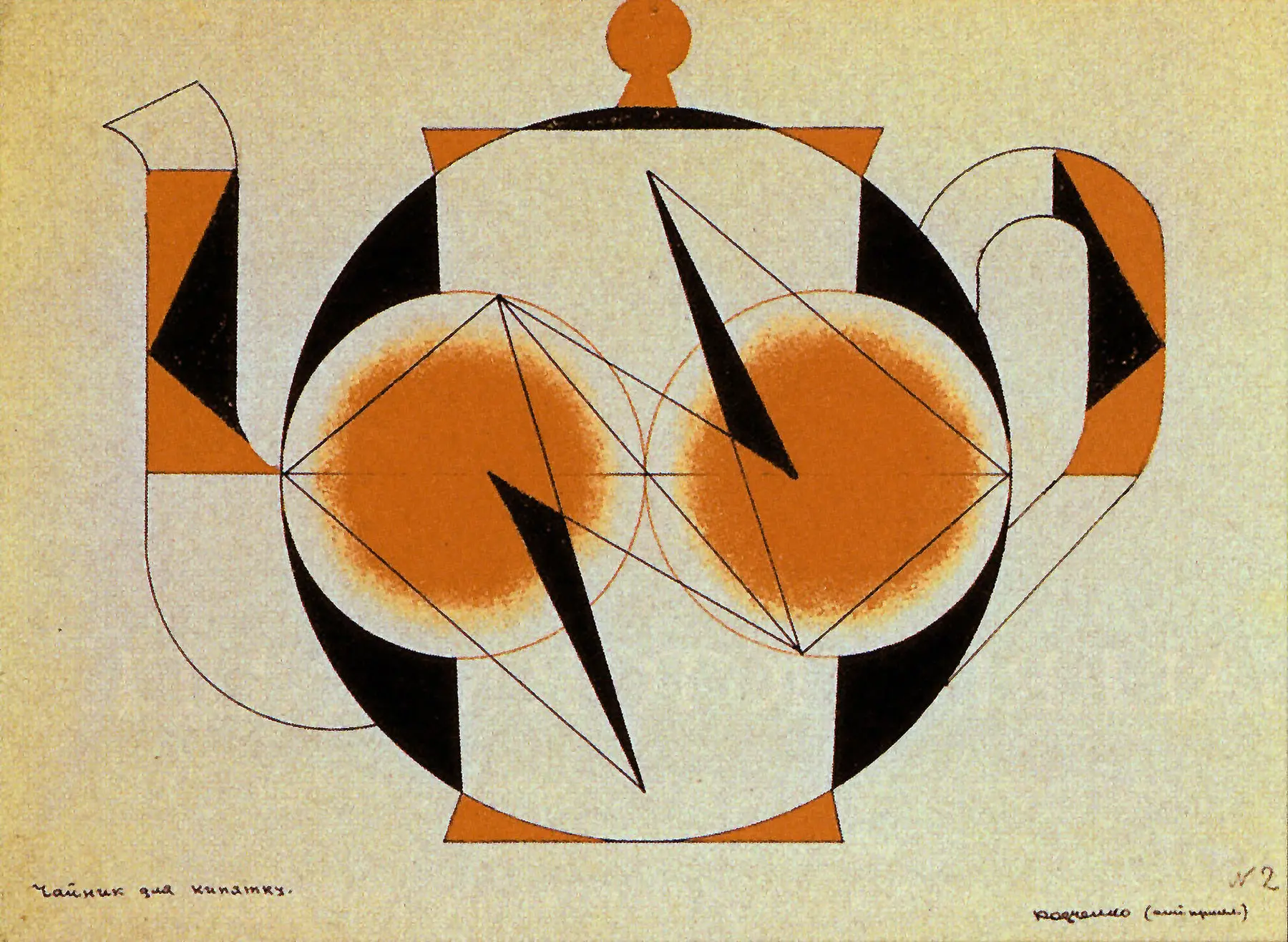
The show at the MoMA presents a panorama that spans the years from 1915 to 1939. The first part is dedicated to the formal speculations which refer specifically to art and include paintings and drawings, some etchings, and a sculpture. The show avoided the reconstruction of sculptures and did not even include those on exhibit in The Great Utopia at the Guggenheim Museum in 1992. This first period (with the exception of Two figures (1916), a Cubist-style painting that seems to interrupt an almost scientific process of investigation) is characterized by a formal rationalism in which Rodchenko, above all, aims at defining his own relationship with painting. The works seem to form part of an ethical elucidation more than of an aesthetic, with some interesting compositions (a small compass-and-ruler drawing from 1915, for example, seems to contain all the work of Al Held on one page) that, nevertheless, inexorably lead to his break with painting. He declared this in 1921 after making a series of three monochrome paintings in yellow, red, and blue. The objective of these paintings was to demonstrate that the "surface is formed," the "final achievement in the battle against representation, the illusion in art, and the fantastic. The battle with cheap imitations of reality."2
It is after this break—related to the dispute between the supporters of formalist Constructivism (like Gabo and Pevsner) and the Productivist utilitarians —that we first see Rodchenko who had an effect on the design we identify today with the Constructivist aesthetic, as reflected in posters, books, and magazines. Less purist and "artistic" than his colleagues, Rodchenko always sought to combine his formal knowledge with popular taste. More than any other artist, Rodchenko seems to have tried to situate himself "among the masses" in order to develop a new visual language that would adapt to his conception of a new social reality, without losing, at the same time, a visual conservative and artistically illiterate public.3
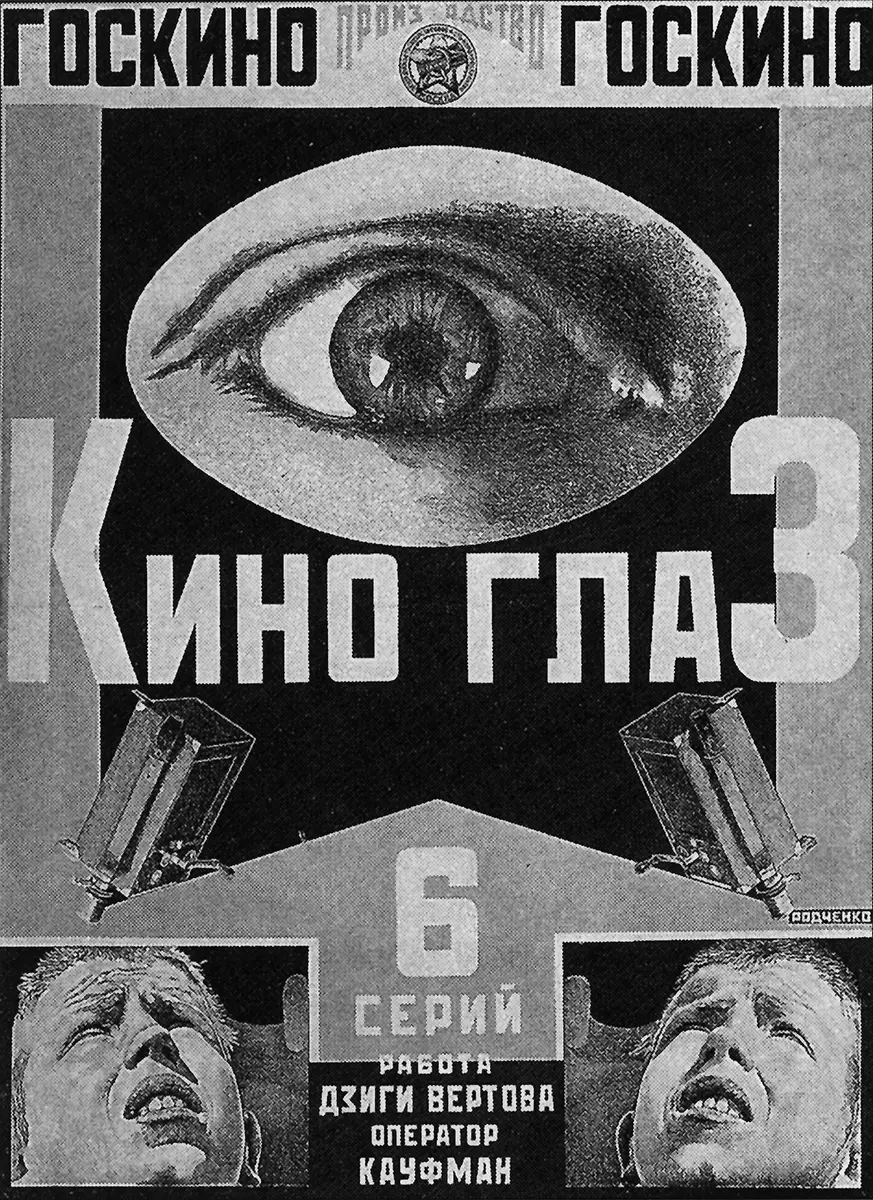
In this search, which the exhibition allows us to follow in a touching way, Rodchenko begins to develop a strange marketing mentality that would serve equally well for a western capitalist agency. In 1921, Lenin introduced the New Economic Policy (NEP), a less radical economic policy than had been proposed at the beginning of the Revolution. It allowed for capital investment and the opening of controlled markets, and it created the need for designers of logotypes and commercial ads to solicit a popular economic investment in state stocks. The corresponding advertisement was partially theorized by the poet Mayakovsky (who would write many of the advertising texts for Rodchenko's designs as part of his work for Mayakovsky-Rodchenko, Advertising-Constructor, their joint venture), who asserted that "we had to use all the weapons of our enemies, including advertising."4
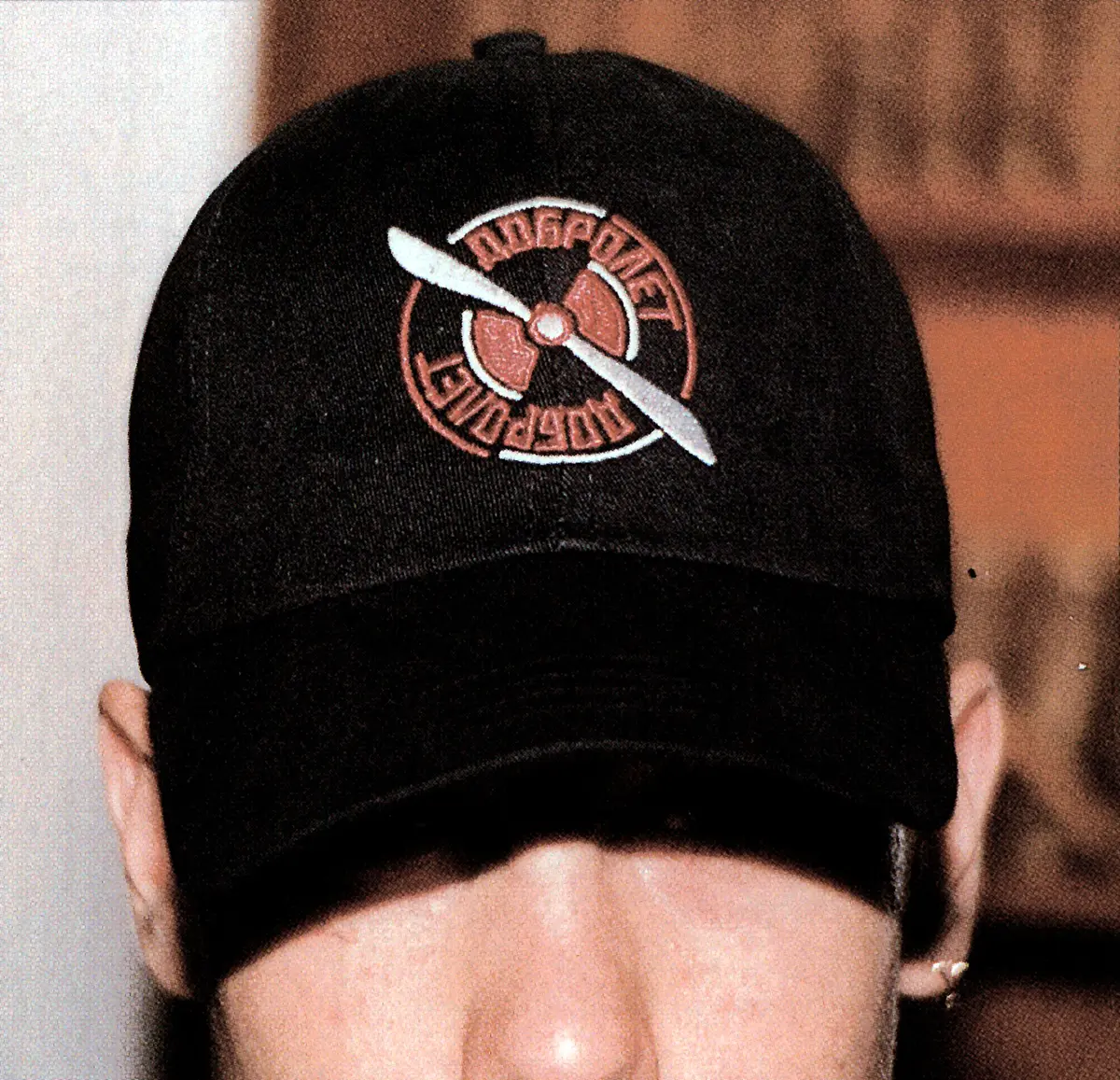
The resulting work makes up a collection of designs firmly anchored in the aesthetic of the period. This stylistic clarity is due in part to the fact that the works of this period were able to dictate certain visual laws, and also, partially, to the fact that the designs picked up visual resources already developed by Italian Futurism and Bauhaus. It is no coincidence that MoMA has collected those designs to produce its own merchandise that commemorates the show. There are coasters, broaches, refrigerator magnets, and even baseball caps, all with Rodchenko's logos and insignias. This production of souvenirs and commercial trivialization of works of art has become somewhat offensive, though normal at American museums (as well as in other countries that have picked up the influence but in Rodchenko's case it seems to make more sense. His designs were made for popular distribution outside of the museum setting. If one were to protest something in this show, perhaps it should be the other, "artistic", the part that makes these designs on the museum walls sacred.
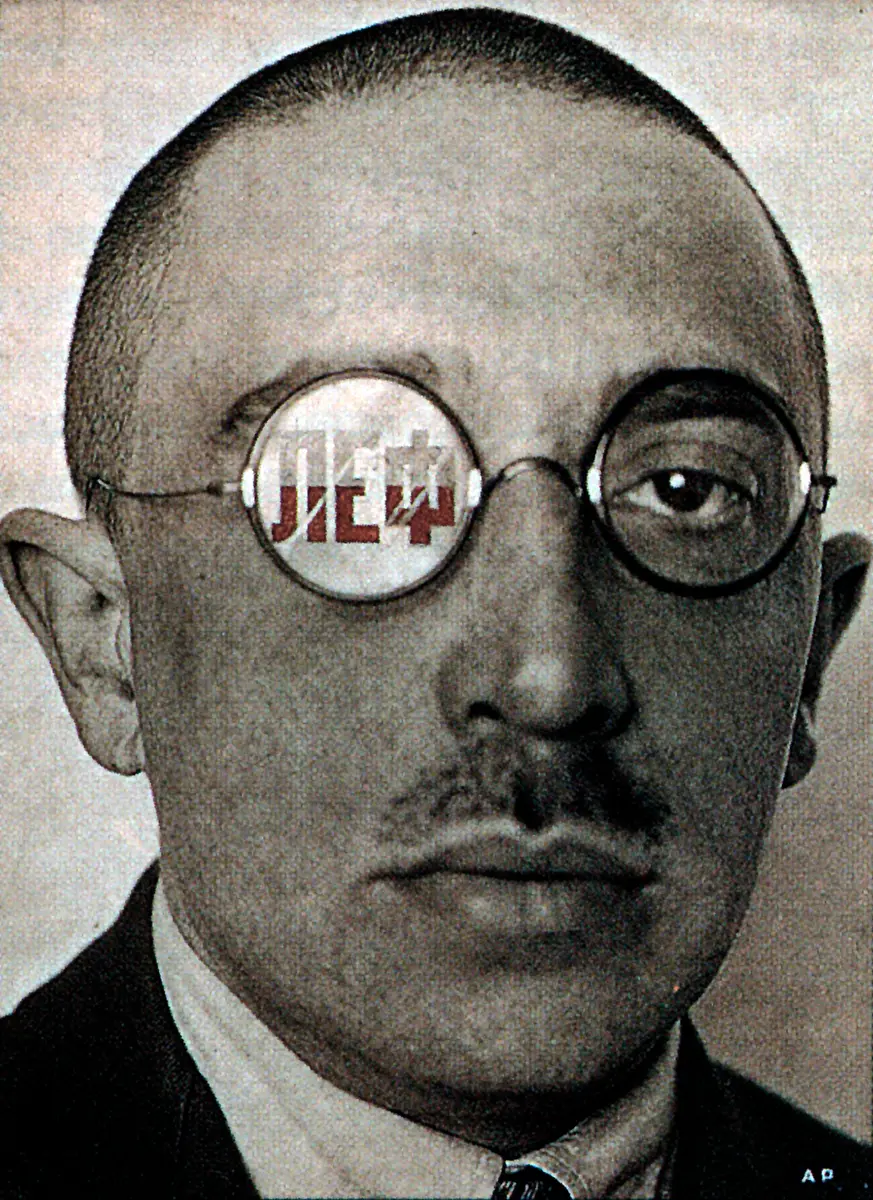
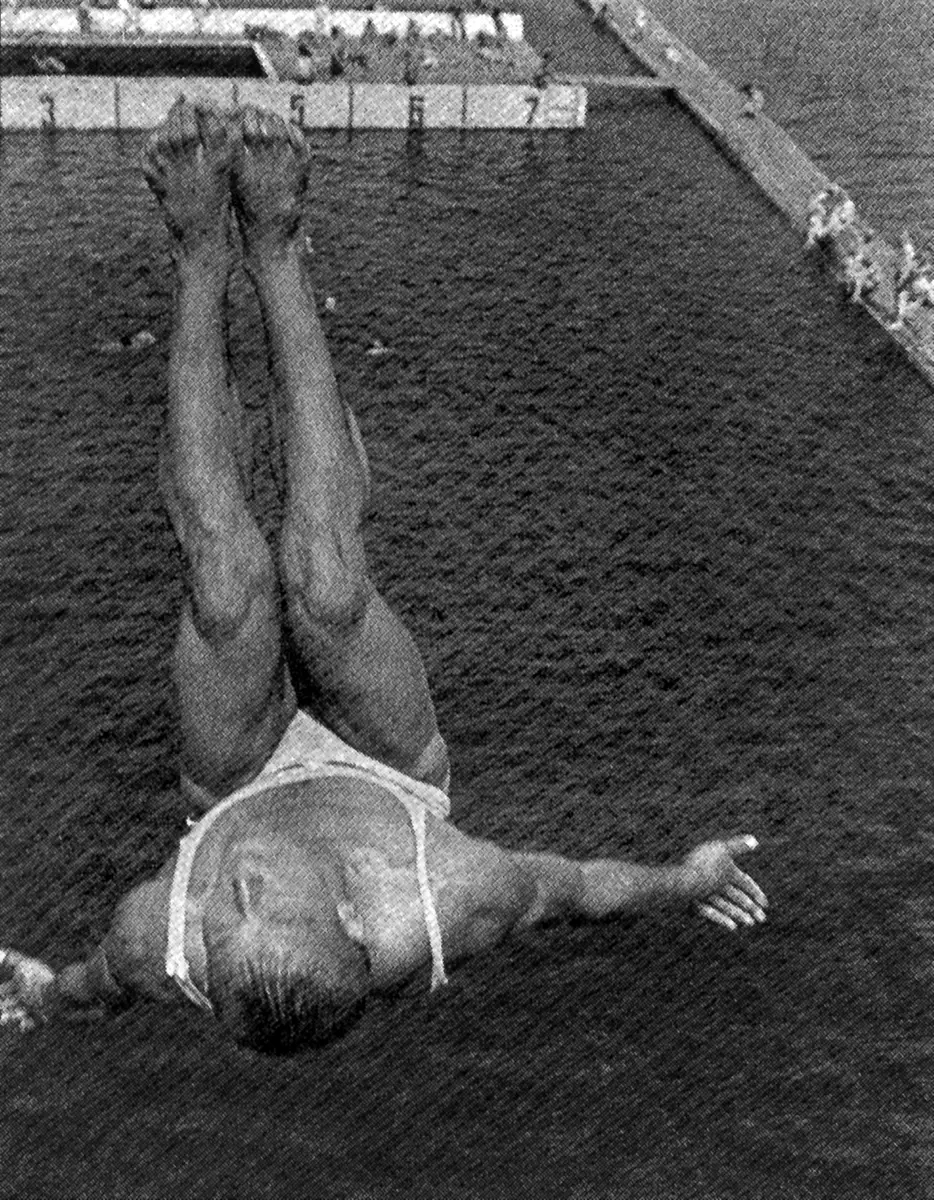
Rodchenko initiated the 1920s with the use of photography and photocollage. His most famous portraits, of Mayakovsky in particular, and one of his most powerful works, that of Osip Brik, made for the cover of the journal LEF (Left Front of the Arts), are from 1924. But it is in 1925 (on a trip to Paris where he purchased a Leica camera) that he began to concentrate more seriously on this medium. He practically stops calling himself an artist in the traditional sense in order to become a highly aestheticized graphic reporter. Newly recombining his background of high culture with the will to serve a popular taste, he elaborates a dynamic modernist and personal language in order to document jobs and situations of the Revolution. In a surprising way, his eye maintains the Constructivist composition that he had developed during the previous decade, in a process that continues to define itself over the years. In Bolshoi Theater Square (1932), the people, obviously placed at random, fill the page in a way similar to when Rodchenko used letters in his typographical works. That "eye," that internalized sense of composition, is precisely what gets him into trouble with the Stalinist bureaucracy. An organizing leader in the early decades, Rodchenko came to be a lesser civil servant, waiting for projects that did not always appear. His possible embitterment is reflected in the "private" paintings and drawings, circus scenes, and unexpectedly sweet images, that MoMA luckily does not show us, and which Rodchenko himself may not have wanted to exhibit. According to Karginov,5 they are works in which Rodchenko identifies himself as a clown. It is probably a fold of an alienating and disloyal Stalinism of his own revolutionary concept.
If we bear in mind that Rodchenko's past was charged with anarchist sympathies, we may perceive this fold made even more bitter by his concessions to the growing process of the centralization of power. These later works are more therapeutic than artistic. In 1939, he wrote in his autobiography (in the third person): "Imitated, however, he remains isolated. His friends do not dare to visit him. He thus decides to withdraw from photography, disillusioned and tired... And then, won't the socialist countries need ventriloquists, magicians, and minstrels? Fireworks, planetariums, flowers, kaleidoscopes?"6
The exhibition allows us to see the trajectory of a remarkably idealistic artist. We could even fall into the temptation of saying self-sacrificing. But the image of Rodchenko projected in this show is not one of self-sacrifice, but rather one of profound conviction. Here, martyrdom may only be attributed to those who believe that Rodchenko abandoned a satisfactory work form in order to embark upon a less agreeable form —purely out of loyalty to his political conscience and love of the Revolution. The work on display here, to the credit of the curators who organized it, gives the feeling of an inevitably creative totality where certain means, speculations, and plastic languages have lost their meaning. In their place, other parameters have been introduced, precisely those utilitarian parameters that created controversy in the early '20s, but which were integrated as something natural, not subject to a program imposed from outside. MoMA is a museum that has traditionally avoided dealing with political themes and which has guided its shows with fundamentally formalist criteria. If we consider this factor, the Rodchenko exhibition signals an unexpected tolerance, only explicable after the Cold War. But it also shows a surprising empathy with an artist in whom ideology and formal repertory are integrated into such an indissoluble form. In Rodchenko's work there do not seem to be any abrupt cuts or doubts. His illustrations of Mayakovsky's poem Pro eto (About this, 1923) respect the text at the same time as they seem to evoke more than what the poet achieves through his words. The same comfort in visualizing things is repeated with equal force when he embarks with Mayakovsky himself into the problems of advertising. Rodchenko's is an inexorable linear development that leads the viewer to admire the early formalist square as well as the airline ad, the photographic portrait, and the magazine design. In all these categories on exhibition, there are works grounded in memory, and one of these is the exemplary SSSR na Stroike (USSR in Construction, 1935), dedicated to parachuting and designed in collaboration with his companion Stepanova.7
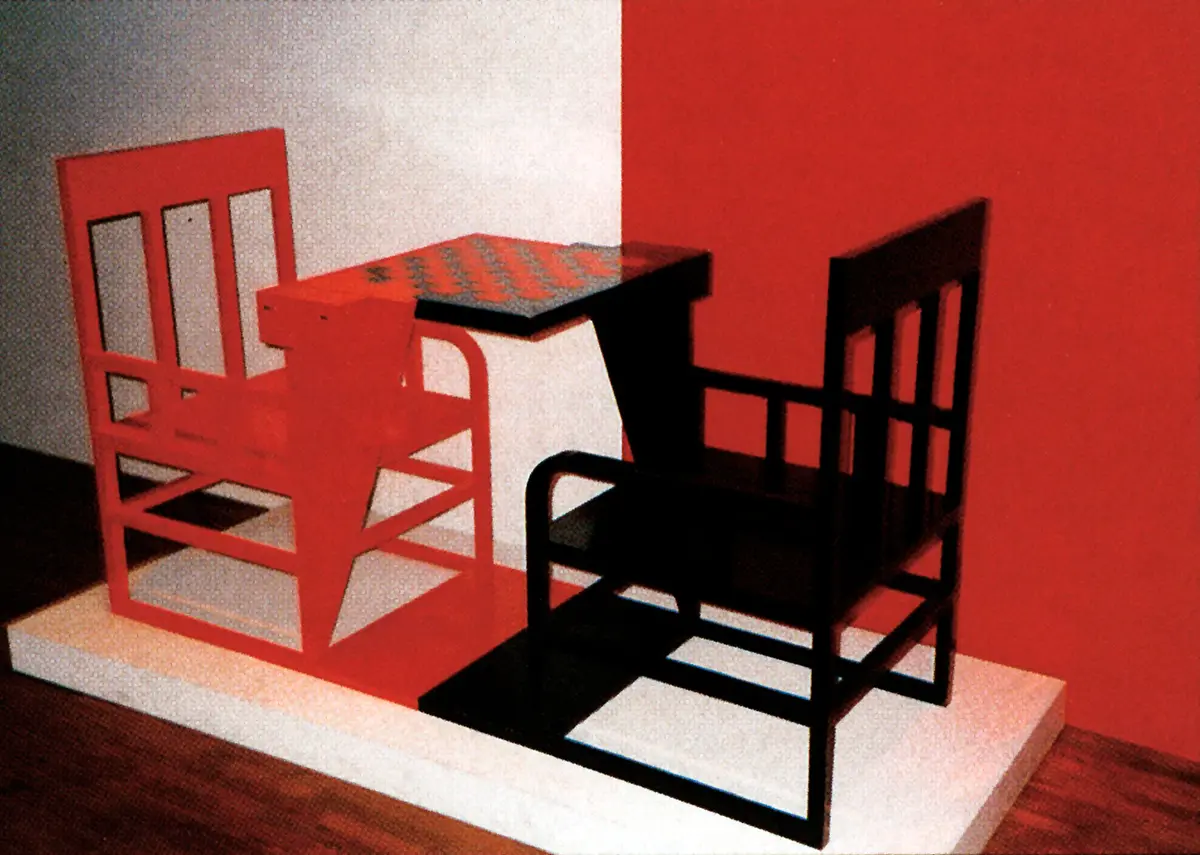
When he composed his Workers Club (1925), Rodchenko created a space that seemed like an unusable Constructivist stage set. It was constructed for the Exposition Internationale des Arts Decoratifs et Industriels Modernes in Paris in 1925 and was later donated to the French Communist Party. This is the only reconstruction that MoMA allowed for this show. The room was meticulously recreated with a photographic base in order for the public to consult the catalog (or play chess). The furniture in this space was not only a delight for the eyes but also surprisingly comfortable, and the work constitutes yet one more important step toward creating a portrait of Rodchenko. Another temptation arises: to see Rodchenko as a multifaceted artist. In reality, we simply have an artist who was able to break free of disciplines in order to establish himself, through a highly focused mind, in the pure act of creating. The ideological parameters that he uses as references do not seem to limit him; on the contrary, they stimulate him.
Of this century's artists celebrated in the major museums, Rodchenko is perhaps the one who was least interested in acting out the role of the artist as we know it. He was a true worker of culture, one who, without feeling ennobled by the title of artist, dedicated himself to creating for the general welfare without adorning himself with myths, without limiting himself to doing what he thought he had to do. It is this projection that lends the present show a touching quality. Rodchenko seems to possess a truth that small deviations like Stalinist barbarity and bureaucratic/communistic games cannot diminish or blur. The accusation, already hackneyed, that Soviet communism decayed and failed because it never listened to its artists, is given credibility in this show. The artist seems to know profoundly what his road is, and the exhibition portrays him as someone waiting with infinite patience. Waiting for the distractions of power games to pass, waiting for intermediate generations of corruption to disappear, waiting for the appearance of socialism for which he was prepared for so long. Rodchenko's most important work is perhaps not the collection of objects exhibited. Rather, it is present in his construction of the world, for which the objects and images on display are nothing more than small, secondary accessories that, today, help us to penetrate the force of his innovation and beliefs.
NOTES
1. Museum of Modern Art, New York, June 25-October 6, 1998.
2. Dabrowski, Dickerman, Galassi. Aleksandr Rodchenko, exhibition catalog (NewYork: Museum of Modem Art, 1998) 58. Taken from notes dictated to his future wife, Varvara Stepanova, in 1921.
3. Gerardo Mosquera pointed out that Rodchenko, together with Stepanova, had foreshadowed the American design of jeans and overalls. Gerardo Mosquera. El diseño se definió en octubre (Havana: Editorial Arte y literature, 1989) 240-42.
4. Mayakovosky, "Agitatsiia i reklama” (1923), cited in Aleksandr Rodchenko, 67.
5. Germán Karginov, RodchenkoiRome: Editori Riuniti, 1977).
6. Karginov, op. cit.
7. Rodchenko and Stepanova decided to get married only in 1942.
LUIS CAMNITZER
Uruguayan artist, Professor in the Department of Visual Arts at SUNY, Old Westbury.