Last November saw the organization of a long and intense day of thirty performances presented at a national gathering of creative artists. Although performance art has various origins in the work produced by the members of futurism, dadaism, surrealism, and the German Bauhaus group, the strong point of its tradition seems to lie in the renewed and inspired ritualistic painting of Pollock or in the anthropometric work of Klein, as well as the presentations of Fluxus and the members of the new realism. Its immediate predecessor would appear to be the happenings of the 1960s.
Photography and video have assumed the task of recording for posterity these acts which proclaim their ephemeral nature. In the 1970s, performance art was undoubtedly one of the more popular options available to creative artists. Photographic cameras made progress and the video camera emerged. Thus began a new era in the recording of public events, mises en scène, and private acts. Vito Acconci, Joseph Beuys, Daniel Buren, Dennis Oppenheim, Dan Graham, Hermann Nitsch, Gilbert and George, Luciano Castelli, Laurie Anderson, Rebecca Horn, Robert Wilson, and Lucinda Childs are some of the creators of these presentations or representations.
Last year, the First Performance Festival was organized by Wilson Díaz and Juan Mejía, and documented on video and in photographs. This year saw the second edition of the event, this time organized by a group of art students from the Departmental Institute of Fine Arts, and directed by Wilson Díaz. A series of preliminary lectures provided an introduction to the thirty events.
Performance art may reflect the impact of globalization, pessimism, the end of history, and the mood of ambivalent cynicism which is characteristic of our civilization at the end of the millennium. In this particular event, pluralism, diverse opinions, appropriation, recreation, and ludic elements were all used to project various ideas.
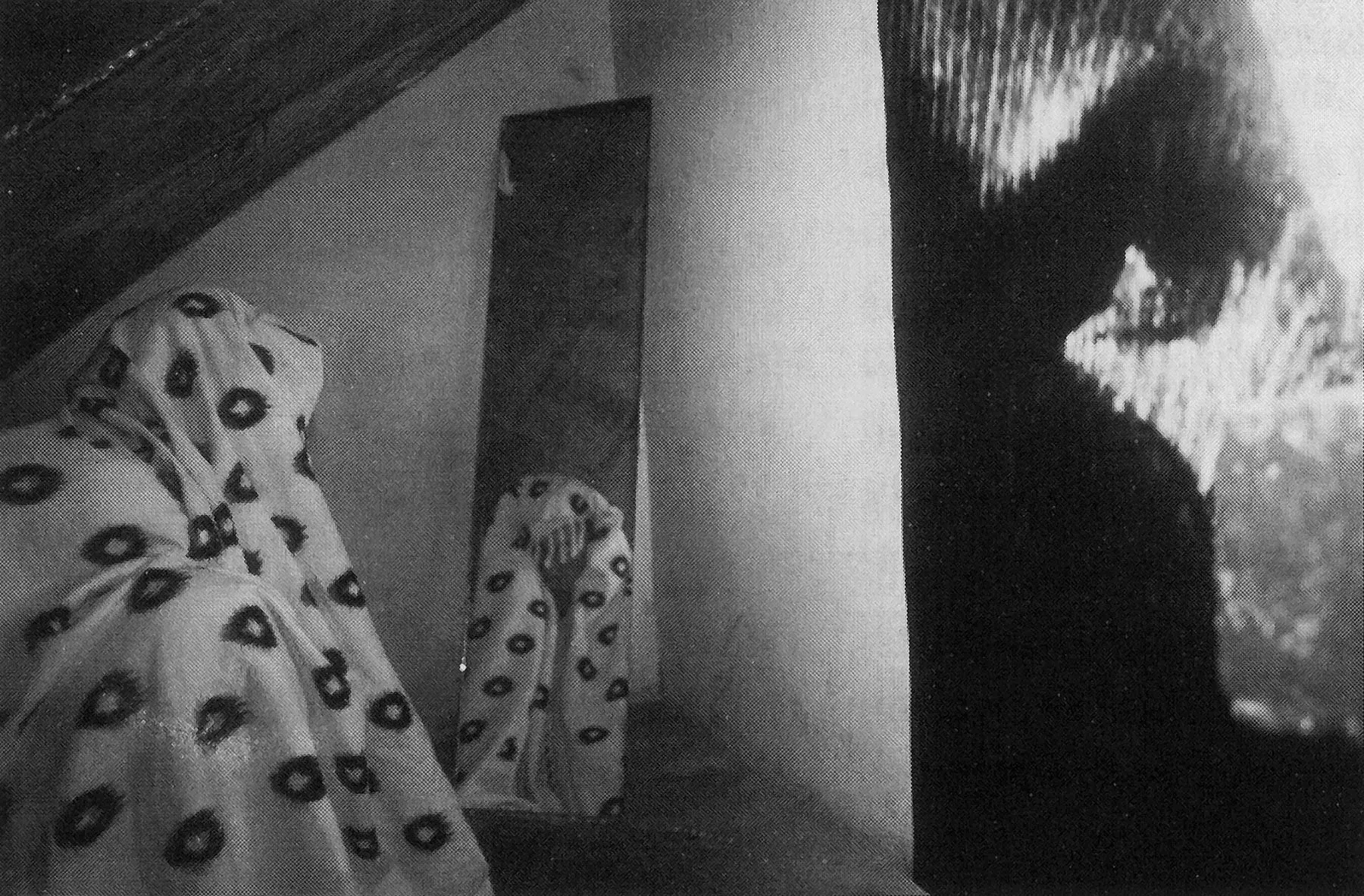
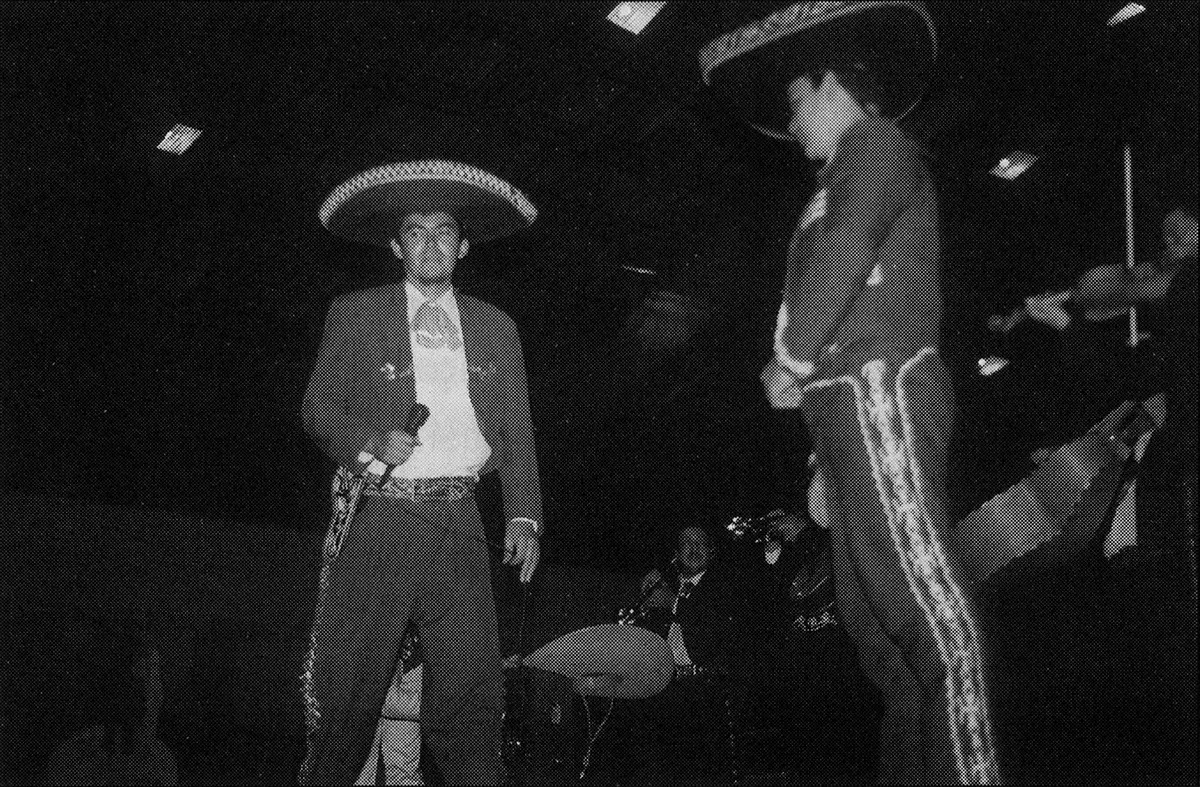
The festival included interactive actionism (Nómada Group, Fernando Hidalgo, Alejandra Gutiérrez, Luis Mondragón, Casa Guillermo Group, María Angélica Medina, Juan Toro, Mónica del Llano, Leonardo Herrera, Mauricio Vera, A-Clon Group, Catódico Group, Diana Lasso and Giovanni Vargas), single participant performances (Antonia Canal, Tomás Reyes, Francisco Camacho, El Esquimal, Janeth Blanco, María José Arjona, Raúl Naranjo), and politically-oriented social fictions (Claudia Patricia Sarria, Marian Ampudia, Rosemberg Sandoval). There were also “shows", as in the case of five players warming up from the jockey team in the Valle, and in the event presented by Diana Lasso and Giovanni Vargas, the two balancing artists participating in the performance by Fernando Hidalgo, and the group of mariachi musicians in the closing performance by Wilson Díaz. The actions went in different directions and satisfied various expectations of an aesthetic and allegorical kind, with a clear affirmation of the inevitable ludic element. Some focused on the themes of banality, chance, hazard, and the mastering of intuition. The action which tries to justify itself and by extension, denies the survival of the object, begins to disappear in the very moment in which it is happening.
Performance is now an art form well striving to gain academic recognition alongside painting, sculpture, photography, and installation. At least this has been the message from the national and international events in the contemporary art field. But it is always moving to see a living kind of exhibition, one which renews the life of a space (including the museum) through which people pass. As we reflect on the events of the last half-century, there is no doubt that performance art is one of the possible forms of visual language. In this respect, this presentation of thirty projects concerning artistic events and actions was a true reflection of the spirit of our times.
MIGUEL GONZÁLEZ