The impact of the economic crises surrounding the consumption of art has not been duly studied. Logic would indicate that the art market is veering into unstable situations; however, sometimes the opposite occurs. The case of Mexico, the last in a long line of crises, certainly seems to follow that first logic, and proof of this lies in the 7th International Contemporary Art Fair (FARCO). This annual exhibition of galleries opened its seventh edition in the midst of controversy over its own viability. FARCO's president, Gabriela López Rocha, proposed for the project’s continuity the need to create an administrative council and $350,000 in funds in order to finance grants and acquire works that would make up the tools of the Cultural Center of Contemporary Art in Guadalajara. We must keep in mind that the FARCO project receives state support as well as the support of private institutions like the National Council for Culture and Arts and the National Institute of Fine Arts. Even so, the culture sector has suffered the majority of budget cuts brought about by the chronic economic crises that weaken the country. And these crises have been accentuated in recent months as a result of international financial instability and low oil prices. This makes FARCO a vulnerable cultural undertaking that requires the support of private initiatives and the State.
On this occasion, only 42 galleries participated, less than half of those that participated last year. This generated rumors about the fair’s impending disappearance, but FARCO’s president affirmed that an ideal number would be around 50 to 52, resulting in a small but economically viable fair. In this sense, we must point out the difficulties that a project of this type must overcome, for even when there is a commercial aspect involved, it is essentially a cultural undertaking in a country where contemporary art is of interest to relatively few, and where conservative taste predominates. It is this characteristic that makes a project like FARCO important in a country that has no international biennials that open a more general view of international art events. The fair offers an approach to the output of other countries for many Mexican artists. This is where its cultural aspect takes root, even when its fundamental objective is to make an impression on the country’s feeble consumption of art.
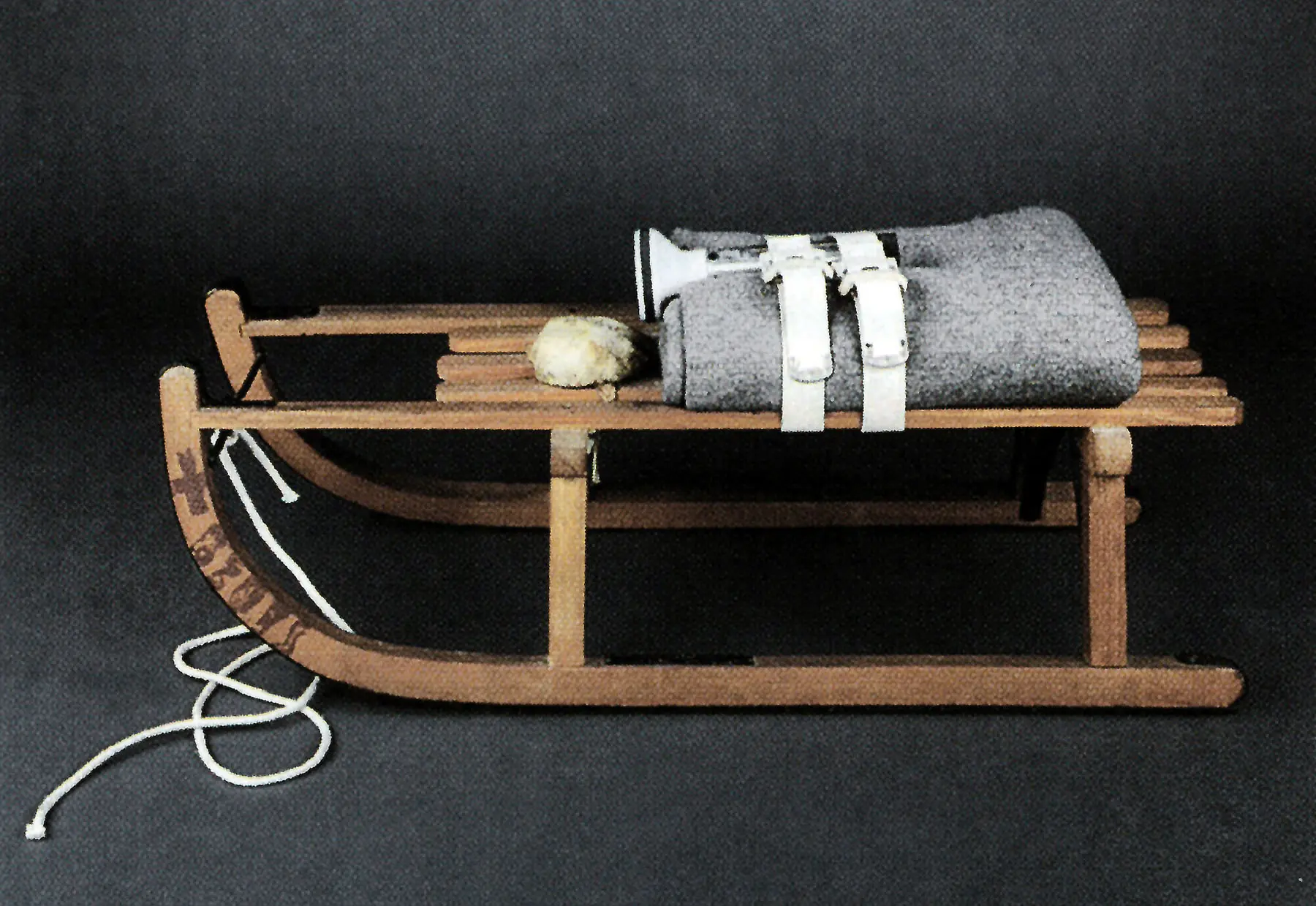
FARCO 98 was characterized by conceptual art, with works that paid homage to Duchamp, Beuys, and Warhol. This tendency, influential in the nineties, was reinforced on this occasion by a parallel touring exhibition of the collection of Tom Patchett titled Double Trouble, in which irony and humor predominate. Inside FARCO, the most important piece for sale was doubtless FBI plate (1984-85), by Jean Michel Basquiat and Warhol, an acrylic serigraph on canvas (197 cm x 276 cm) valued at $230,000 which was exhibited by the Espace d’Art Yvonamor Palix gallery, based in Paris and Mexico City.
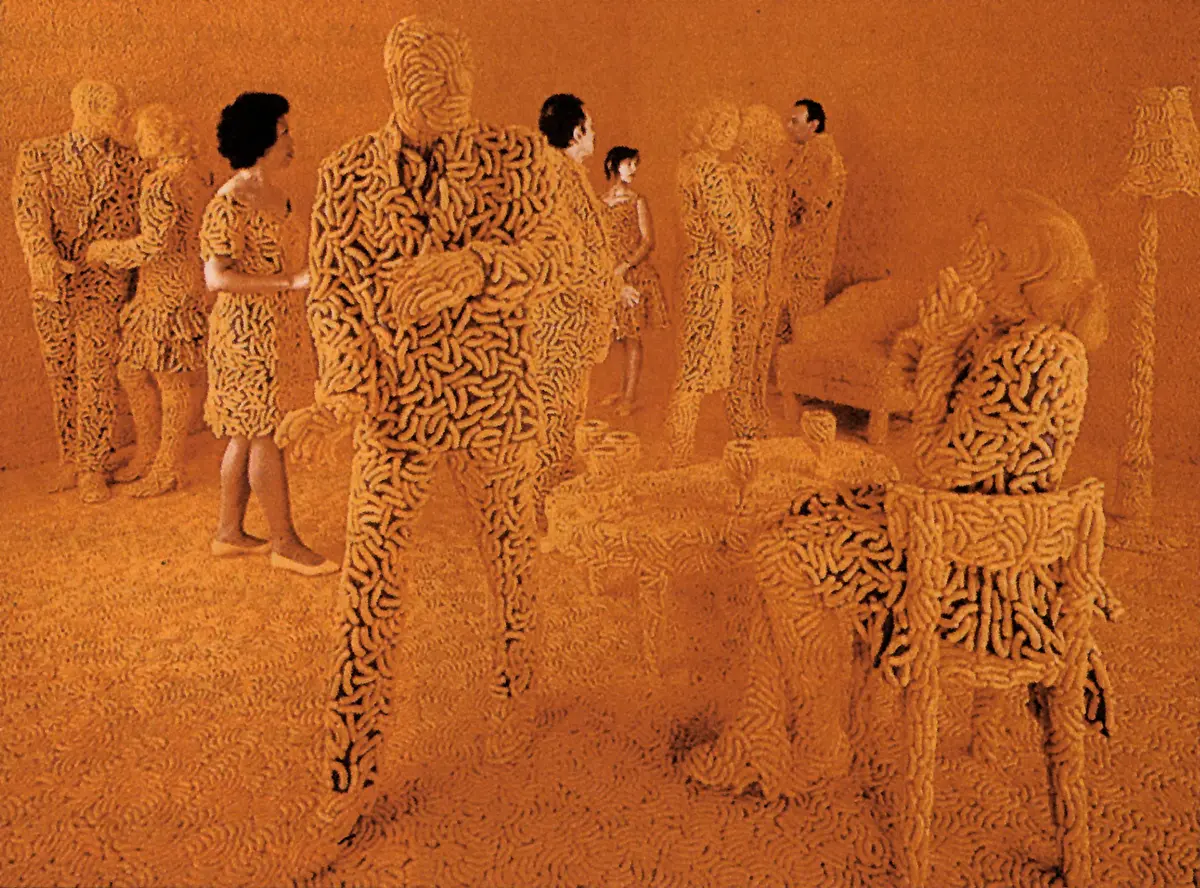
Canada's Art Metropole gallery exhibited multi-faceted art, accessible to a greater population, by artists like Jeff Koons. The gallery La B.F. from Monterrey, Mexico, presented the work of young artists, including work by Lorenzo Ventura for prices as low as $50. Within this context, Mexico’s Ramis Barquet gallery, which handles international firms, opted to present the work of young artist Marco Arce, with 100 small pieces selling for $200 each.
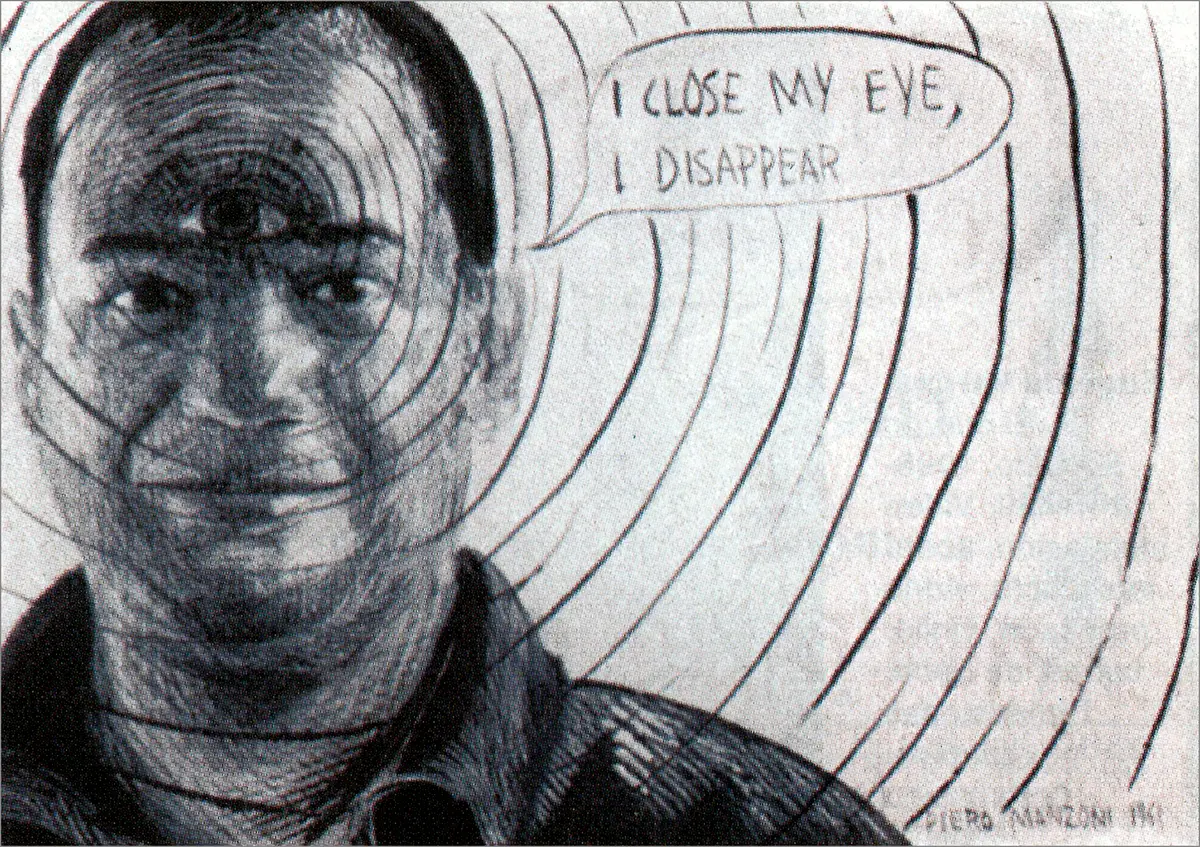
South American galleries constituted the fair's majority: Local, Sala Alternativa, and Sala Mendoza from Caracas, Venezuela; Camargo Villegas and Luisa Strina from São Paulo, Brazil; El Museo from Bogota, Colombia; Jacobo Karpio Atma from San José, Costa Rica. These are galleries whose efforts have spread works by Brazilian artists like Valeska Soares, Ernesto Neto, and Tunga; Colombian artists like Nadín Ospina and Rodrigo Facundo; Venezuelan artists like José Antonio Hernández Diez; and Chilean artists like Eugenia Vargas. These galleries also helped many other artists who had already exhibited in Mexico— for example in the group show Asiesta la cosa (That's how it is), in Mexico City’s now-defunct Cultural Center of Contemporary Art.
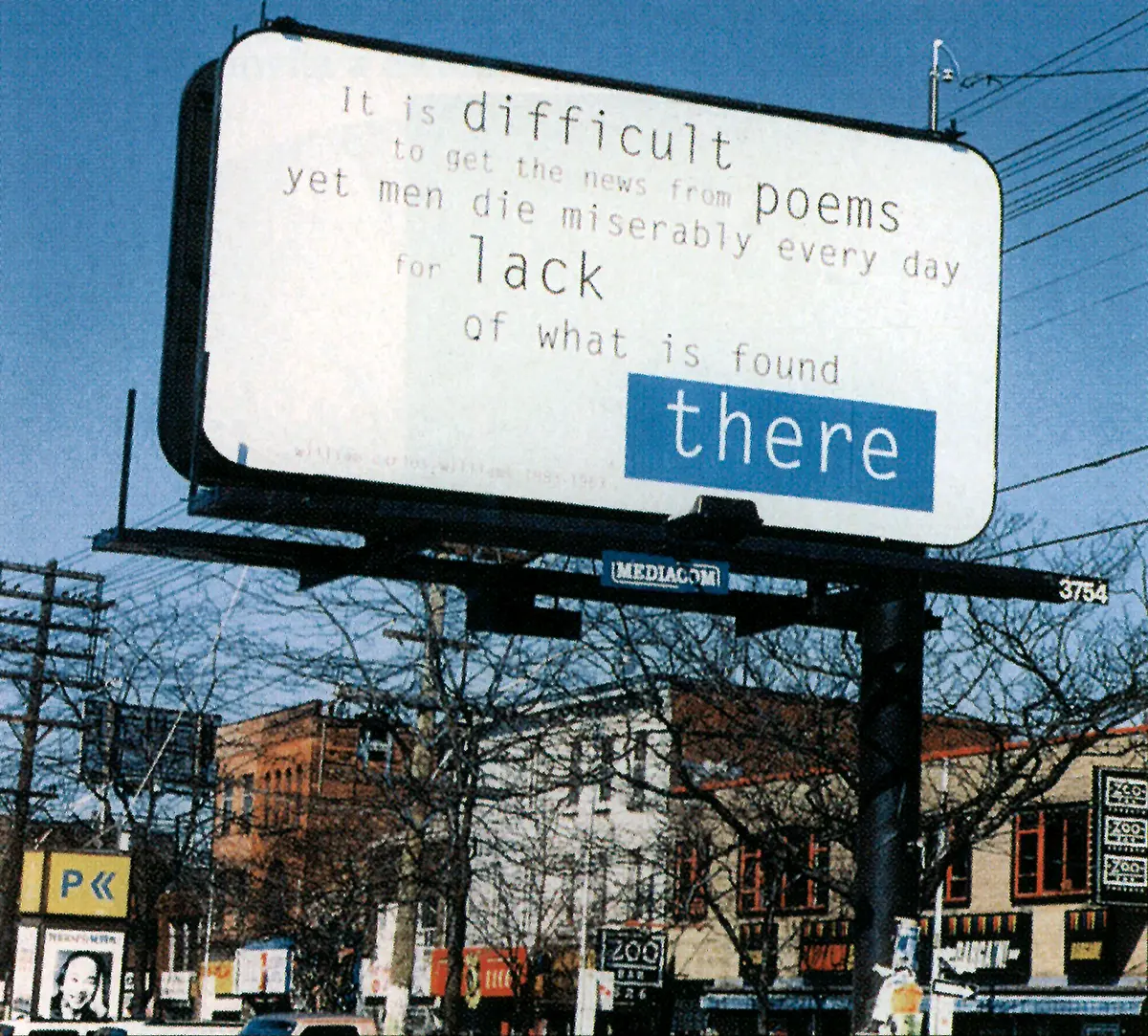
The majority of participating galleries presented works inscribed within the framework of conceptual art, and only two or three took works that one could describe as “real painting"—a slightly arbitrary term now given to any two-dimensional work on traditional support. The abundance of installations and object art, which is apparently presented at the majority of international shows from Venice to São Paulo, and from Madrid to Chicago, indicates the triumph of conceptual art over other artistic forms. It seems that what George Steiner said about Duchamp being better remembered than Picasso in the next century is becoming a reality, at least in terms of the market. This 7 ExpoArte Guadalajara, in spite of its limited and somewhat peripheral character, puts the art problems of our times on the table and, for many, whether we like it or not, it traces certain courses through which Mexico's plastic output will circulate.
ERNESTO SOSA