Ana Claudia Múnera recently presented an exposition of objects and an installation at the La Tertulia Museum of Modern Art. Múnera has been working on the theme of women and their crafts, creating unusual poetics using elements, textures, and machinery all related to domestic work. Her allegories offer a variety of readings that involve sexuality and allude to the inevitable presence of violence and death.
For this one-woman show, Múnera presented her video titled Wedding Dress (1997), an installation made of tulle and satin that featured two screens showing hands laboriously sewing a never-ending veil. In the background, a poem by Sor Juan de la Cruz telling of young lovers could be heard. Ronda (1998) consisted of a circle of old sewing machines, joined by red threads, which looked like veins, while the vibrating machines appeared to be torturers. Matrix (1998) was an object that contained a video of an ambiguous tongue that also appears to be an active sexual organ. The arrangement of the machines and the resolution of the final design create a form that graphically suggests fallopian tubes.
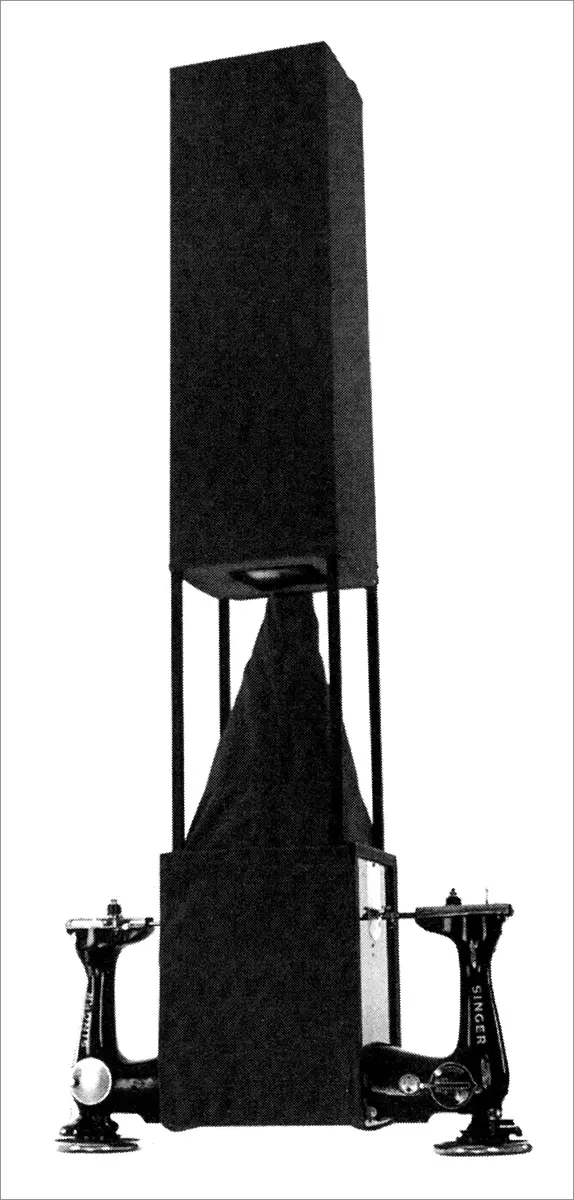
The other two works in the show used photography and serialization as their media. Self-Portrait and Canesú (1998) proposed moving and subverted images that evoked a feeling of conflict.
With their acute view of their surroundings, these works made singular use of video, installation, and objects to recreate situations in which a symbolic power dislocated used materials and elements.
Carlos Salas Silva presented an exhibition of large-format work that reflected his explorations in painting in the 1990s. During this time he has experimented with color and texture, as well as format, surface, and gesture, all of which he transforms into effective arguments which raise questions. In his work, the painting becomes a formal and mental adventure.
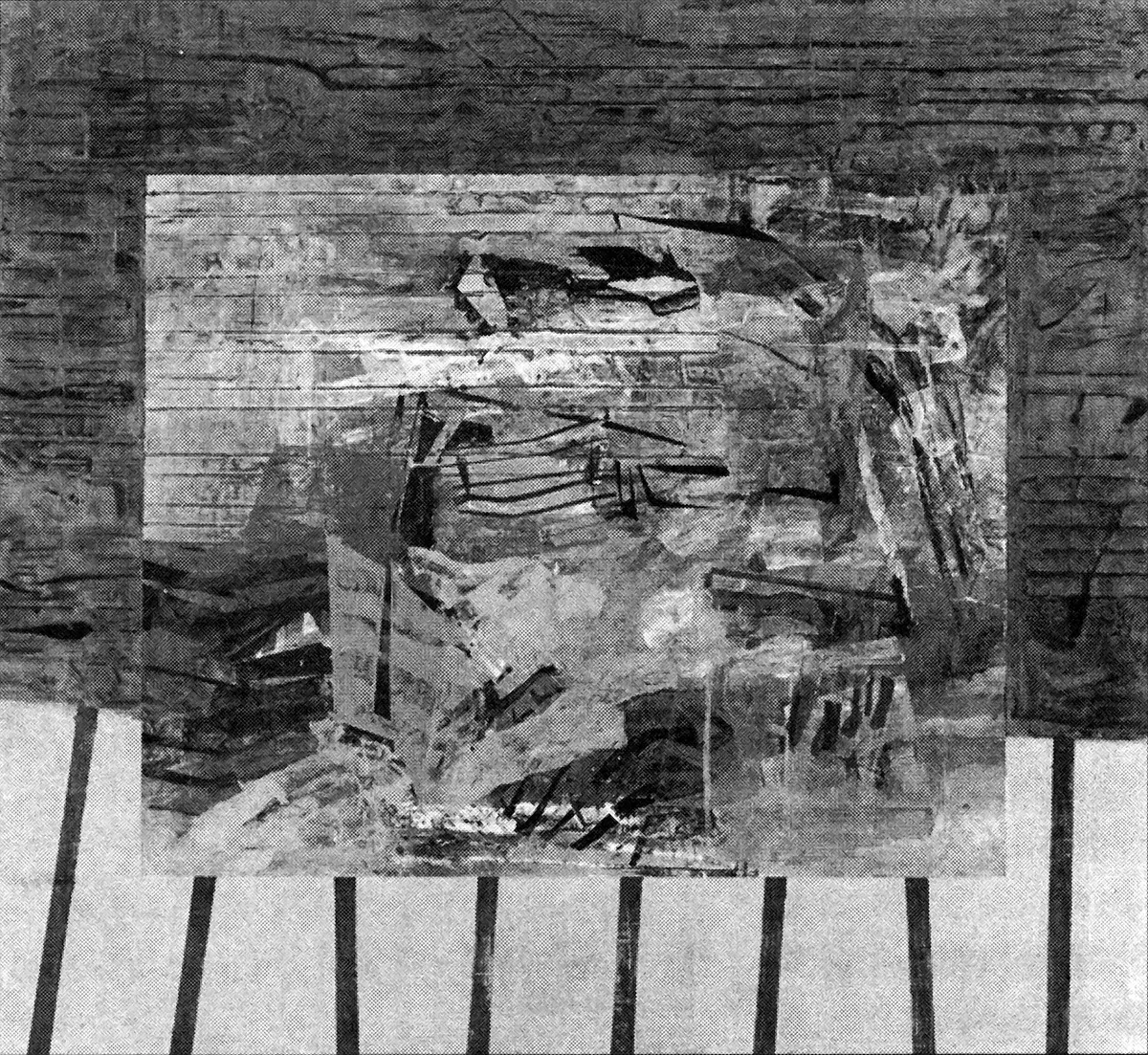
His projects use canvas, wood, acrylic, photography, and magnets to generate awareness of abstraction and to indicate the vulnerability of the surface in its relationship to composition. As Salas Silva has explained, "the unstable element in the reading generated by the pictorial fiction makes painting insoluble. It floats like drops of oil on the clear water of rational thought."
Salas Silva's preoccupations are centered on questions about the redefinition of pictorial elements. Curiously, a painting from 1993 is based on an affirmation by Degas: “Painting a picture is like committing a murder: you have to make sure you have lots of alibis." In line with such a vision and attitude, Salas Silva's abstractions appear to have a number of intentions.
They are disturbing and provocative, offering a multiplicity of gazes, interactive proposals, and effective counterpoints.
This selection of notable works done between 1990 and 1998 provided a timely anthology that commented on the views about the state and role of painting in the context of the other visual disciplines.
MINGUEL GONZÁLEZ