Under the presidency of Julio Landmann and the general curatorship of Paulo Herkenhoff, and with the assistance of Adriano Pedrosa, São Paulo’s most recent Biennial opened its doors on October 5th, and they will remain open for just over two months.
Compared to previous Biennials, especially the one held two years ago, the present exhibition has made several important modifications. The most significant was that of assuming as a point of departure an individual position: “to introduce the lens of Brazilian culture in order to visit history and contemporary art."1 Consequently, a top priority was to unify the show with a directive grounded in the complex idea of density —I’épaisseur— as an operative concept, according to Jean François Lyotard’s outlines.2 The dust jacket of one of the four books that make up the theoretical framework of this show reads thus: “In search of an extremely dense event in the history of Brazilian culture, curatorship...the moment and historical concept of cannibalism have arrived...." The Biennial’s slogan emanates from the manifesto of the same name, published by Oswald de Andrade in 1928: "Only cannibalism unites us." This Biennial proposes a new reading of the Cannibalism Manifesto and develops an exercise in hermeneutics as it rereads that work in accord with contemporary parameters. The majority of works shown take refuge in one or several of the many senses enveloped by the idea of cannibalism: from the literal illustration of tremendous acts that befell upon the Portuguese and Dutch colonists of the seventeenth century, to refined metaphors in accord with the global situation of culture at the end of the twentieth century.
The event is divided into four exhibition segments. Another important novelty cropped up when one of these segments was dedicated to contemporary art in Brazil itself. The other three segments are: “Historical Kernel," which replaces the former “Special Rooms”; “Roteiros...," the presence of different regions of the world under the command of ad hoc curators; and “National Representations," which highlights one single artist from each of the guest countries. The sectorization of a show of such importance seems inevitable. But this grouping resource generates, in turn, tensions and conflicts. Are we dealing with a Biennial or rather several exhibitions that have been juxtaposed? With the embellishment of cultural promotion that inevitably accompanies a show with works by Van Gogh or Magritte, it is obvious that the so-called “Historical Kernel" weighs much heavier than the section on national participation. On the other hand, “Roteiros,” like “Universalis" in the last Biennial, also constitutes a show in and of itself. The articulation of the biennial’s different segments may be clear on a theoretical level, but it is not so clear for the public, who rarely reads the curators' texts. Taken to the limit, this reflection might encompass the validity of mega-shows that propose very complex curatorial discourses to a mass public.
In the area of documentation, another questionable background change was issued forth: the traditional catalog was replaced with a much more complex editorial program coordinated by Pedrosa, the adjunct curator. The Biennial published four books3 with an emphasis on the curators’ essays as well as another series of useful writings. The merely organizing function has been suppressed. There is no list of works exhibited, and the biographical information on the artists has been reduced to a few lines at the end of each volume.4 Nor do we find in the publications, though illustrated, a photographic index of the show. To be sure, the books are an interesting complement, but the lack of traditional tools that condense, order, and conserve the show’s real history stands out. In addition to the books, there is a cyber-presentation of a website available within the Biennial itself,5 as well as audio guides that accompany the visitor through the show’s most celebrated pieces.
“Historical Kernel”
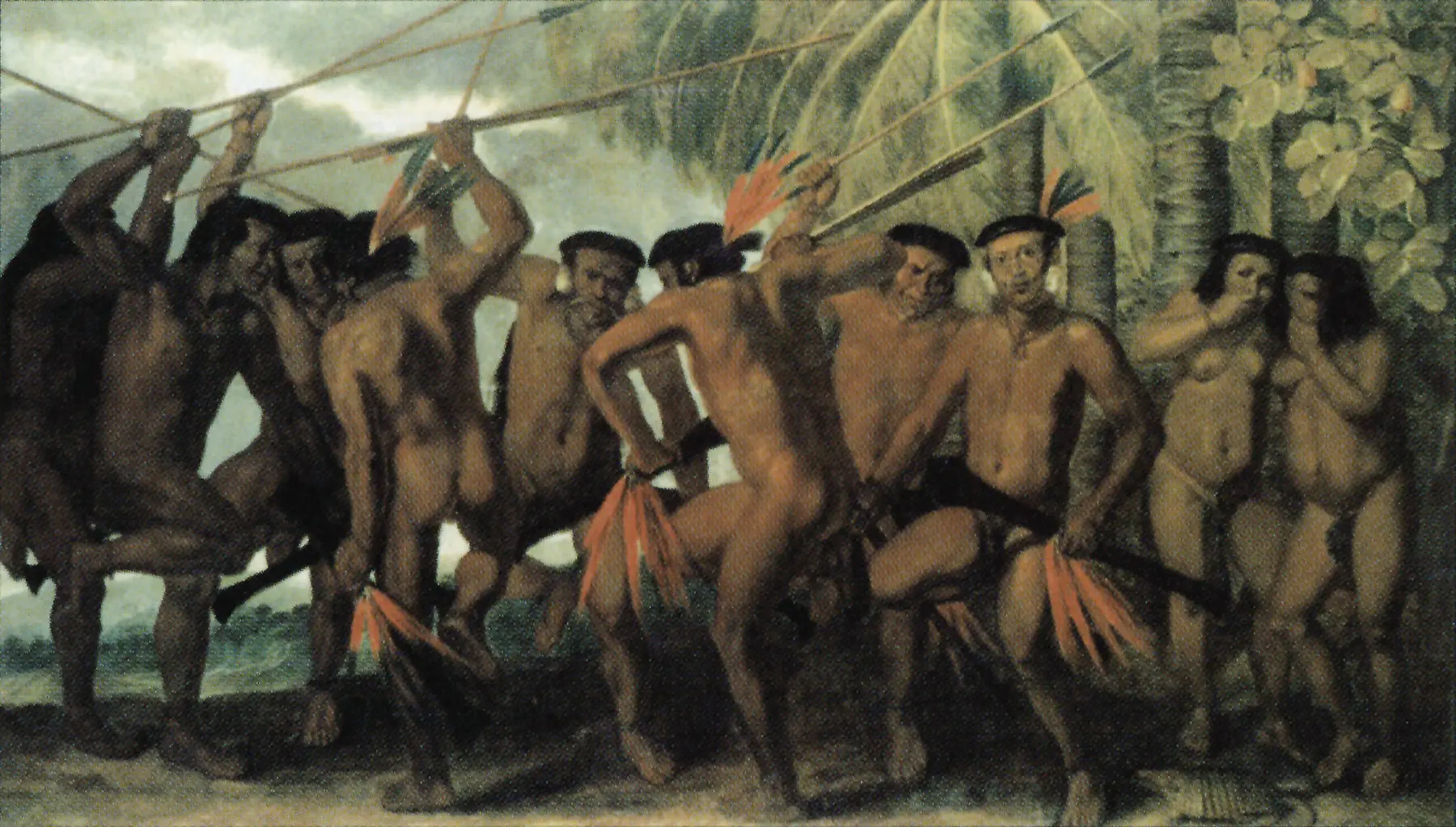
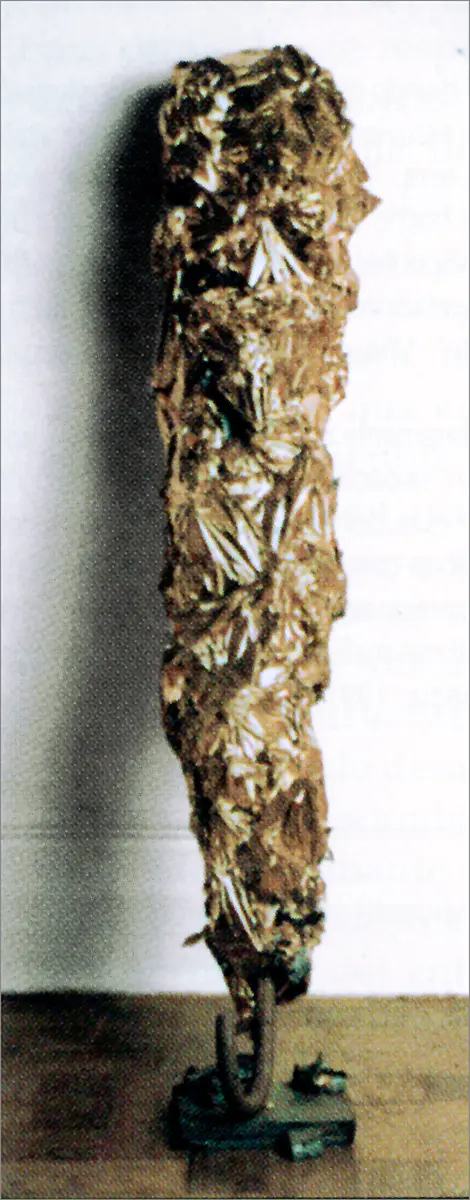
The conceptual guideline for density, grounded in Lyotard's thesis, refers (among other things) to a critical stance before history. With this tool, the curators established several significant moments in Brazilian art history: the baroque period; modernism; neoconcretism; and the ’60s and 70s. The “historical kernel” establishes a dialectical discourse between Brazilian production and its surroundings in western art, supporting the curatorial thesis through seemingly disparate works: from a Malevich, a Mondrian, and an Albers, to a room with twenty landscapes by Reverón, another with works by Magritte, and another with works by Bacon, just to mention the twentieth-century artists. It is an exhibition understood as a unified discourse, not the sum of special rooms of great historical artists, which was the formula employed in the previous Biennial. The proposal never ceases to be daring. Indeed, it illustrates the cannibalistic attitude commended by Oswald de Andrade, who serves as an immediate and instrumental referent in the entire Biennial. Here and there, works of contemporary Brazilian artists are grafted onto peripheral spaces of the installation. Tunga is there with his gigantic magnets; a TaCaPé the macanas (blackjacks) of the Tarairiu Indians painted by Eckhout; an Envoltorio sangriento (Bloody bundle) by Artur Barrio undermines the substructure of one of the panels with works by Bacon; a portrait of Sigmund Freud, worked in chocolate by Vic Muniz, stands six meters high above the surrealist space.
The concept of cannibalism as a metaphor for cultural assimilation was extensively analyzed in its most diverse meanings. Naturally, the “Historical Kernel” recounts some real episodes of the phenomenon, illustrated by European artists of the seventeenth century like Albert Eckhout and Théodore de Bry. Several expeditions of Portuguese, Dutch, and French colonists found native cannibals on the coasts of Brazil. The cannibal, for the European of the Enlightenment, embodied the paradigm of the savage, of the preculture reflected in tremendous ancestral myths, like that of Saturn. The cannibal also reflects the preculture of more recent, but no less terrifying, histories like those of Ugolino or the Raft of the Medusa. Some works by Rodin, Goya, and Géricault make up part of the artistic discourse between the seventeenth and the nineteenth centuries that was proposed by the curators.
However, let us observe that with the Christian mystery of the Eucharist being cannibalism’s most extended metaphor —“Take, eat: this is my body," as the Gospel says— the Biennial evaded this interpretive aspect. It also avoided any direct references to cannibalism as a symbol of erotic desire.
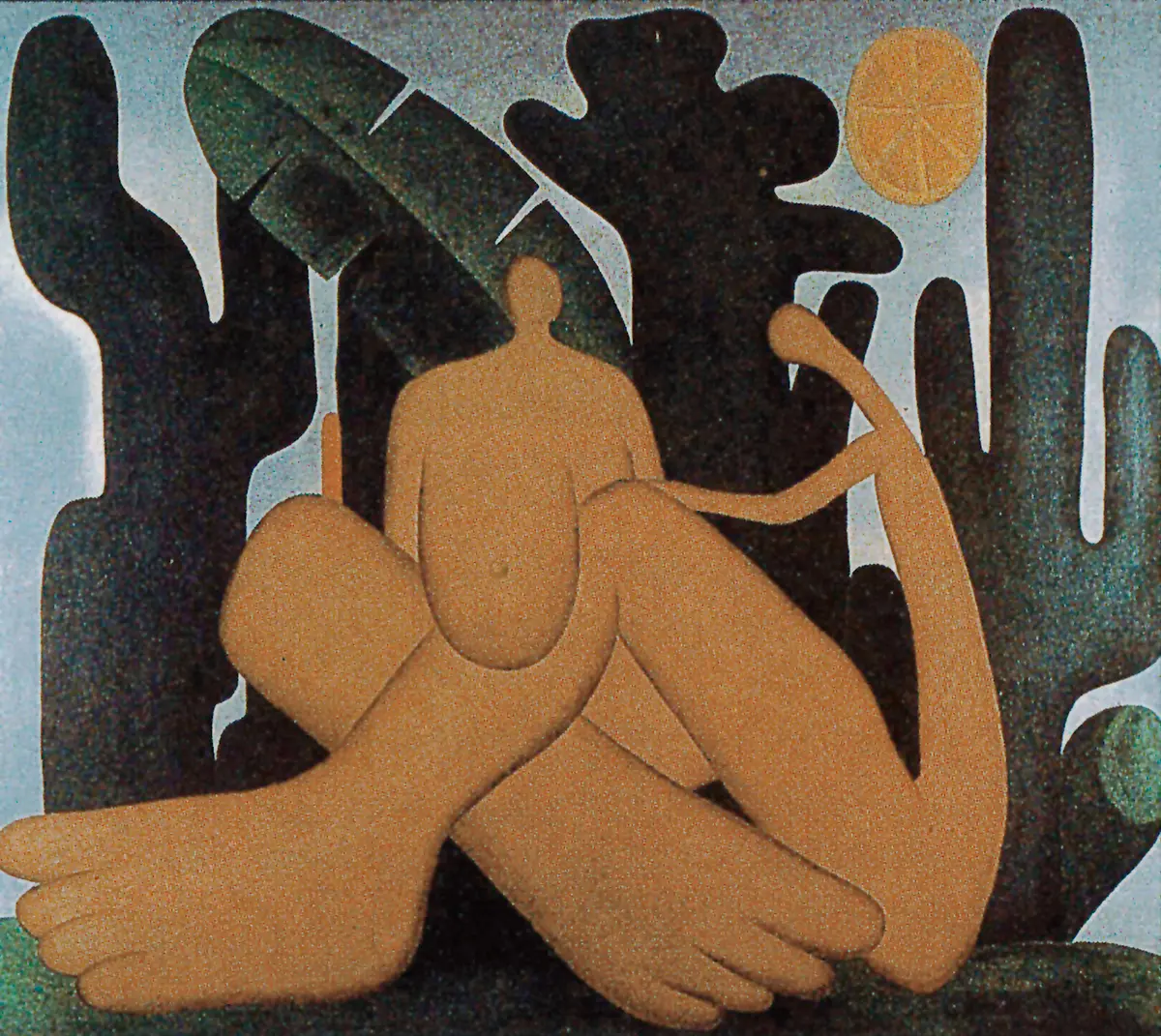
The most interesting thing about “Historical Kernel” deals with the Brazilian modernists themselves, beginning with Tarsila do Amaral (1886-1973). The group of paintings and drawings collected for the Biennial is extraordinary. And, precisely because they are well contextualized in their own period, they reveal the importance of this artist. We wonder, however, how it was possible that Antropofagia (Cannibalism, 1929) was not highlighted in the installation, a work that, with Abaporu (1928), magnificently condenses the attitude of the modernists.
As we tour through the closed section of Historical Kernel,6 we come across a respectable group of white paintings by Armando Reverón (the color devoured by light justifies their presence). We also find works by Magritte and Picabia, Francis Bacon, Siqueiros, Matta, Eva Hesse, Robert Smithson, Louise Bourgeois, and Bruce Nauman. In addition to complimentary names among the Brazilian modernists, we find Giacometti and María Martins, Lygia Clark and Volpi, Oiticica and Kuitca, the Cobra Group, and Denis Oppenheim. Some of the curators had to tighten the thematic thread quite a bit in order to tie the pieces to questions of density and/or cannibalism. This section contains museographical nuances, in spite of the claim for a unified discourse. Should the São Paulo Biennial be a museum? The argument for the educational function, employed by the directors and adjunct curators, may also turn out to be perfectly demagogic.
“Roteiros. Roteiros. Roteiros. Roteiros. Roteiros. Roteiros. Roteiros.”
This is the name of the space organized in the 24th Biennial by the different regions of the world, gathered together through each of the curators who acted as cartographers of their respective territories. We are warned that these ideal tours do not intend to be totalizing and that the curators have acted on the principle of “coming and going.” They have based their work on the concept of density “as the process of condensing meaning”7 and the idea of anthropology as a metaphor for transculturation.
The Portuguese term appears translated as “routes” in the English version of the sector’s books. The word, repeated seven times in de Andrade’s text, alludes to the heterogeneous experience of culture. In Spanish, we might call them derroteros (pilot charts). This section of the Biennial turns out to be extremely complex. It's like a small biennial within the Biennial. It reflects a power structure generated out of a general curatorship, superimposed onto national consignments, and justified in its ever more imperial desire for choosiness or selectivity.
The different curators make their ideas, programs, and methods of work explicit in the texts of the book Roteiros. Thus, Louise Neri proposes to explore—not master— Oceania through photographs, video, installation, and painting. Riña Carvajal confronts the subject of displacement in Latin America. Ivo Mesquita discusses matters related to art history and museographical institutions in the United States and Canada. Apinan Poshyananda grounds her research on Asia on cannibalism, while Bart de Baere and Maaretta Jaukkuri emphasize the European distancing of the same concept, calling their contribution "A-Antropofagía." Lorna Ferguson and Awa Meite propose a reading of Shakespeare’s The Tempest according to Aimé Césaire in order to present African artists. Ami Steinitz and Vasif Kortun work on the dis/appearance or annulment of distances in the Middle East.
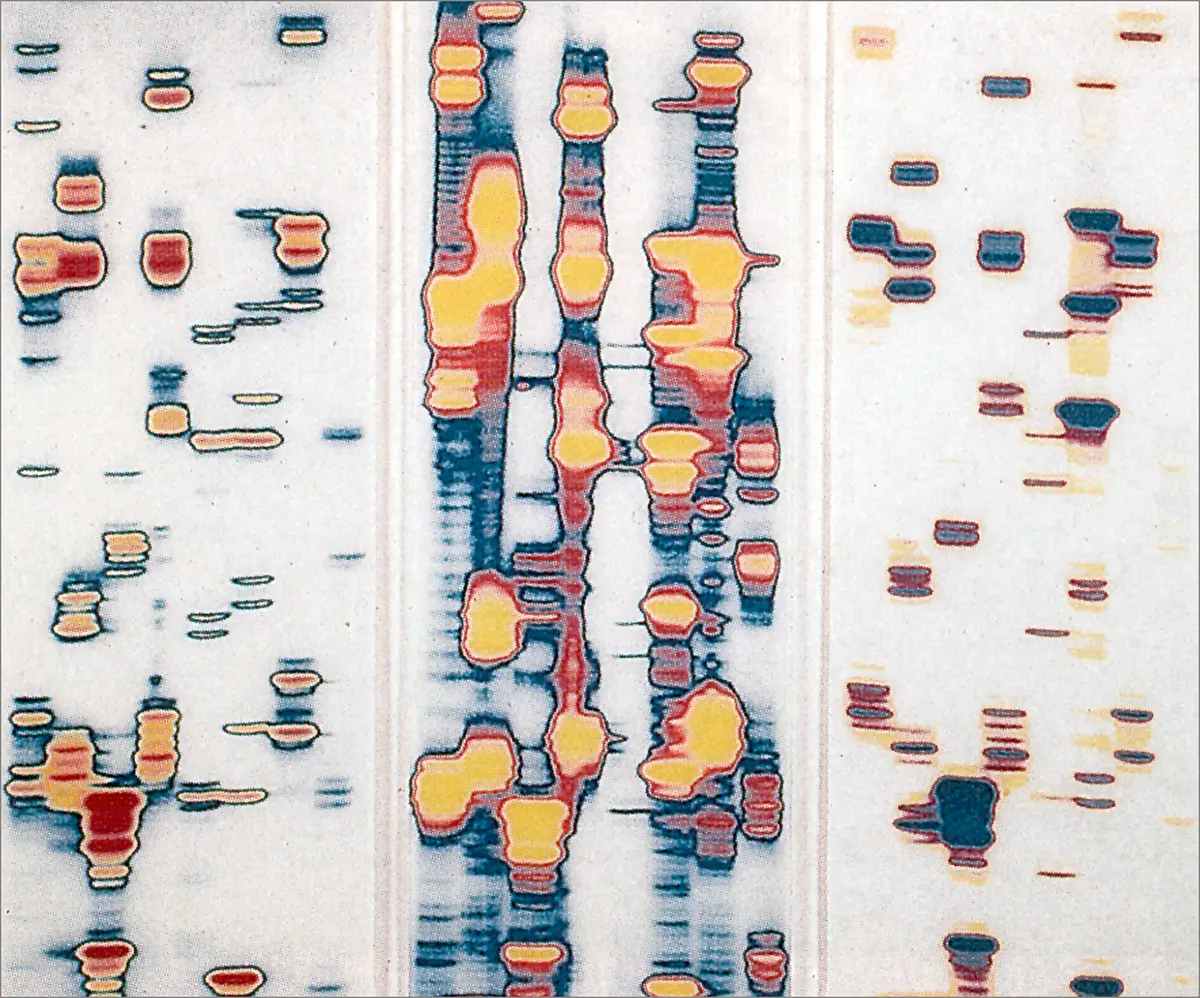
For this chronicle, I am selectively focusing on the Latin American rutas (routes) organized by Carvajal. Point of departure: a flat denial of all general characterizations for Latin American art. Time and again, the curator elucidates her conviction that contamination and the multiplicity of influences oppose all limits and conceptual borders, formal or geographical. On the continent, cannibalism serves as a metaphor for cultural assimilation, a “paradigm for the analysis of notions of decolonization and cultural emancipation."8 She also demands the valuation of the process of creative discourse in light of the icon of the finished work. García Canclini's appropriate agitation remains up in the air: “Will we soon be living a postmodernity in Latin America without having lived a modernity?”
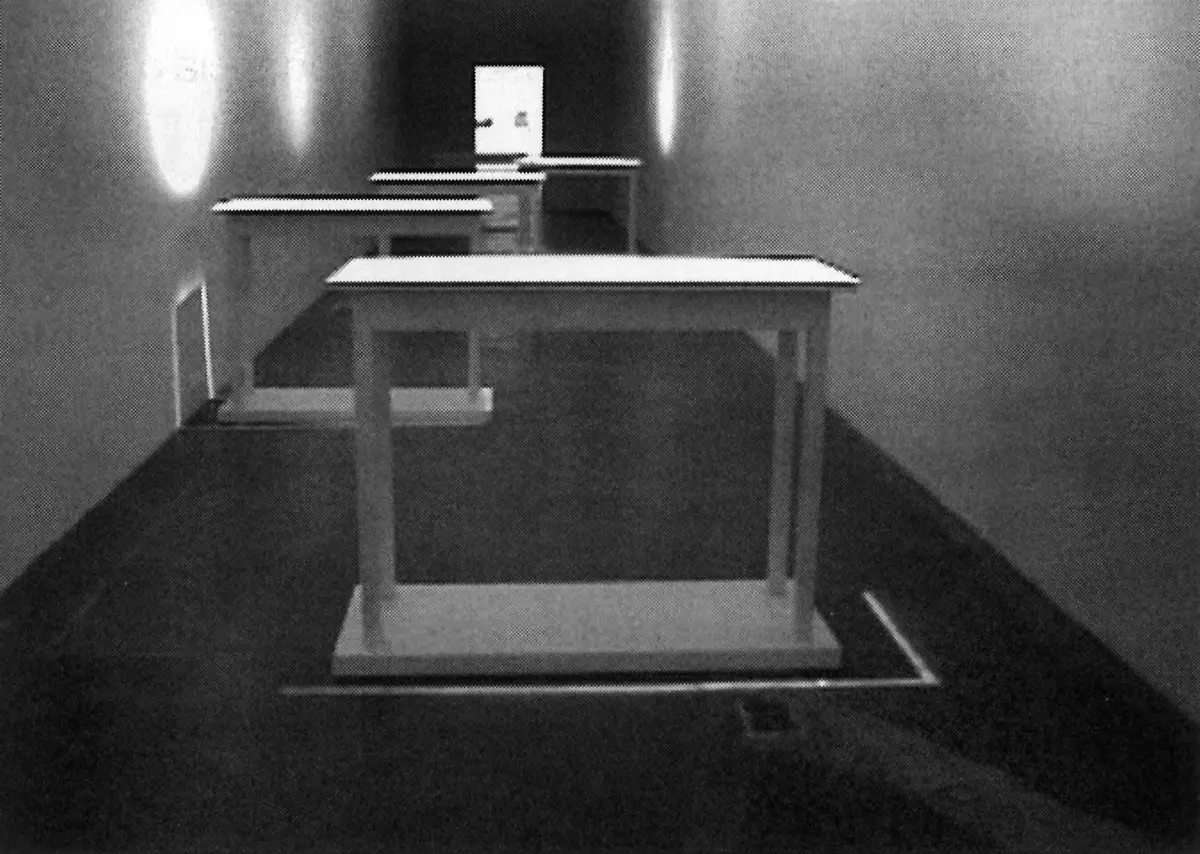
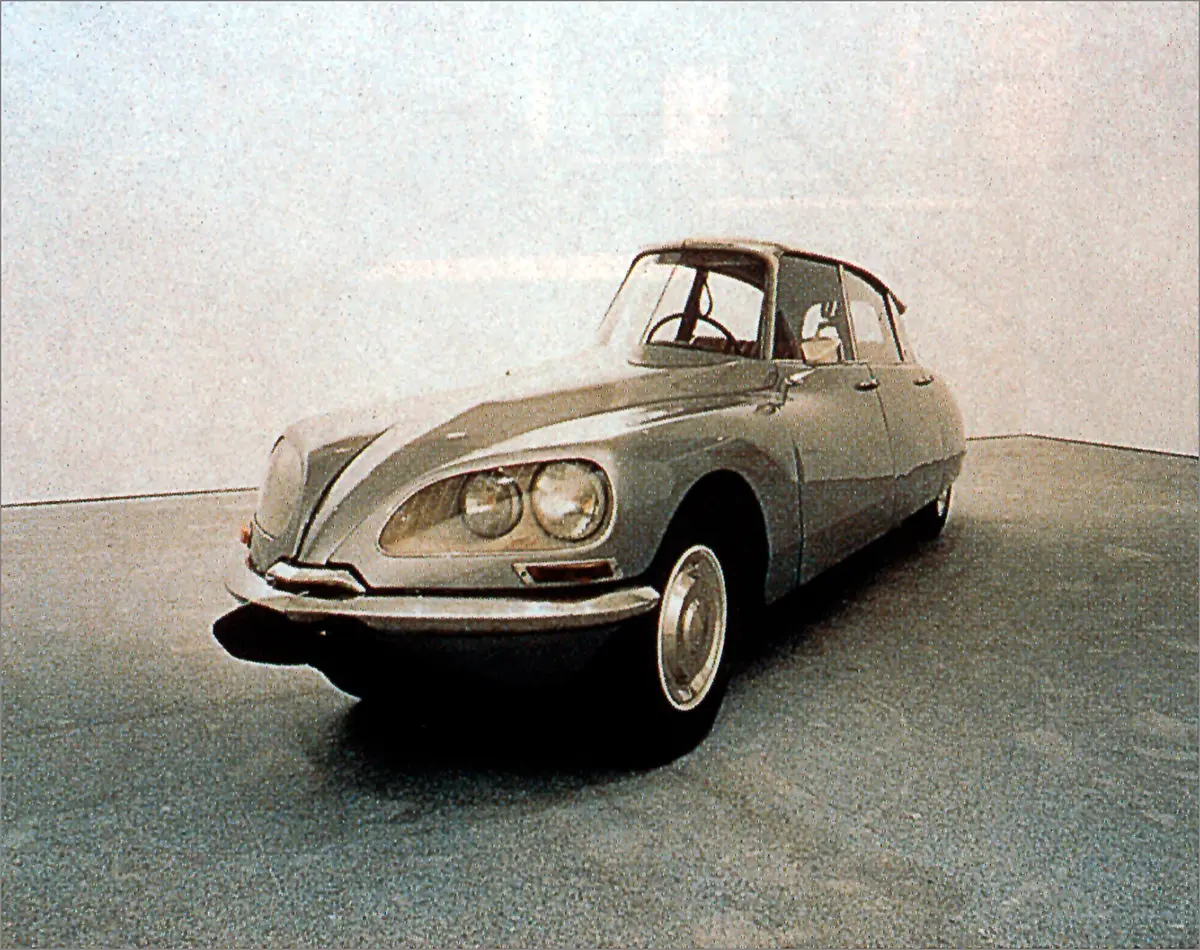
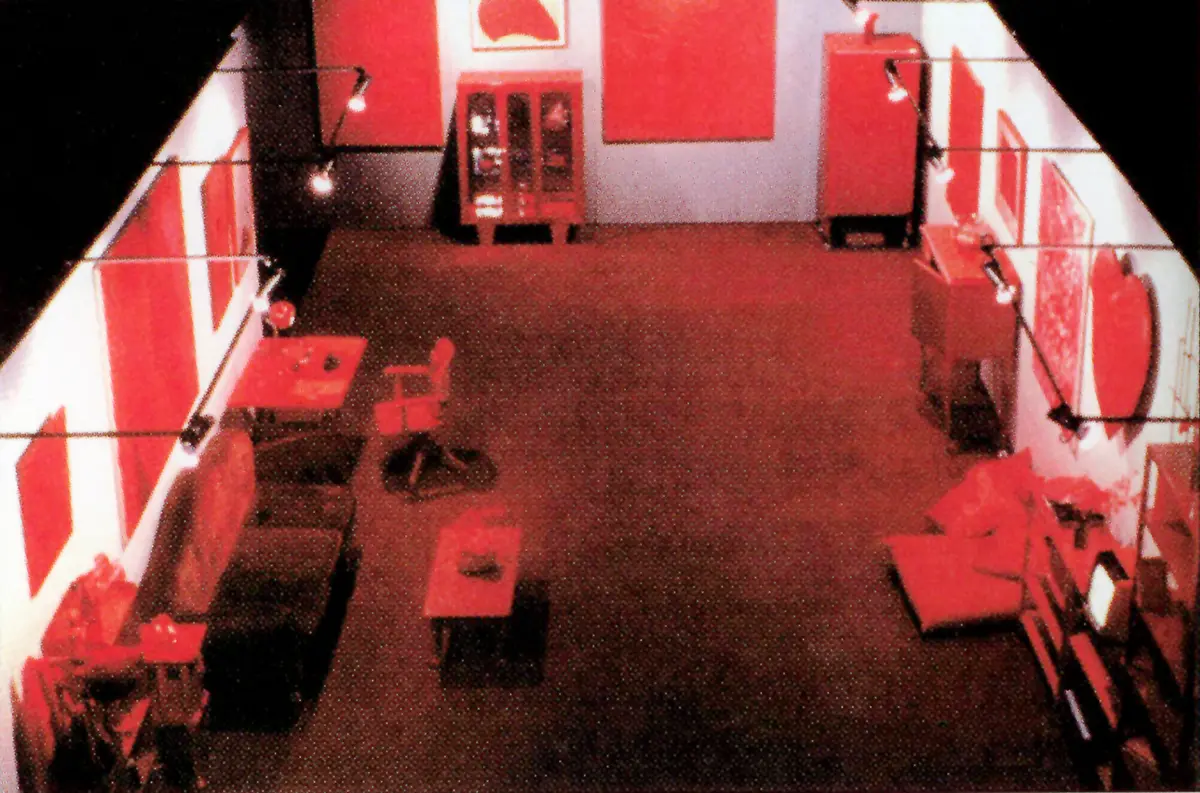
The exhibition is made up of works by the Mexican Gabriel Orozco (1962); the Brazilian —by adoption— Ana María Maiolino (1942); the Chilean —living in Australia— Juan Dávila (1946); the Belgian —living in Mexico City— Francis Alÿs (1959); Iñigo Manglano-Ovalle (1961), born in Madrid and living in the United States; the Venezuelan Meyer Vaisman (1960); the Colombians José Antonio Suárez (1955) and Doris Salcedo (1958); Miguel Río Branco (1946), a Canary Islander living in Río de Janeiro; and the Argentine Victor Grippo (1936). This is truly an irregular group of artists, generations, and, consequently, dispositions, influences, trajectories, and languages. There are objects, installations, sculptures, photography, and video, in addition to the aforementioned mixed media. The conceptual marrow of the curators is perfectly sustained: it is one of the best-structured pilot charts. The D-S Peugeot chopped by Orozco is pit against Doris Salcedo’s tremendous furniture sealed with concrete; From Alÿs’s photographically registered, melancholic wanderings through Mexico City, to Grippo's Mesas Blancas a la Espera (White tables in waiting). From Suárez's graphic introspection to Vaisman’s explicit introspection, and Maiolino’s manual, artisanal, and obsessive labor, to Manglano-Ovalle’s sophisticated technology of discourse. The possibilities of reading incessantly direct us to an irreducible otherness. The cliche of Latin America shatters into a thousand pieces.
The Roteiros share the second-floor space with a display of pieces by contemporary Brazilian artists. Next to widely recognized names like Tunga, Senise, and Meireles, or were not protected in their exhibition boxes, at least one visitor would surely try them on. Other interesting works included Antonio Manoel’s installation Fantasma (Ghost): Arthur Omar’s great wall of photographs; Anna Bella Geiger’s Lugar de acción (Scene of the action): and Claudia Andujar's photographs, at once intimate and distant.
As a rhetorical exercise, the works of contemporary Brazilians may be pitted against those of their historical predecessors. Many names essential to modernism uphold the Biennial’s historical kernel. Such works or groups of works turn out to be much more meaningful than recent productions, not only because of the prestigious patin of history but rather because they decidedly represent a moment with épaisseur, with a density absent from the most recent Brazilian production taken as a group.
“National Representations”
Installed almost without exception on the first floor of the pavilion, this section of the Biennial welcomes the works of artists sent by invited countries. It is the most traditional section and has been a constant in the history of the Brazilian exhibition. As stated above, each foreign country participates with just one artist, who may show one or several works. It is obvious that a single artist cannot very well "represent" the actual production of his or her country. More than one curator points out this difficulty.9 If this part of the Biennial were called “national consignments,” the title would better describe its content.
An outstanding fact at the installation level: this time all exhibitors received the same treatment and attention. There are no privileged sectors or disfavored areas. The building's entire area was treated in an open, almost octagonal, manner, thus avoiding as far as possible those labyrinths and dead spaces. The outcome was a much more legible and unified show. The hand of Paulo Mendes da Rocha, one of Brazil’s most prominent architects, was quite visible.
The overall reading of the first floor returns to two concepts that modify and sustain the entire group. On the one hand, there is the appropriating concept of cannibalism: de Andrade’s contention that, “I’m only interested in what is not mine." On the other hand, the atomizing idea stems from recognizing the differences and specificities of each work.
In its totality, the general level of national representation, 54 according to the corresponding book,10 is more than interesting. Good twenty-some works would deserve a detailed commentary, but the space of the present chronicle will not allow it.
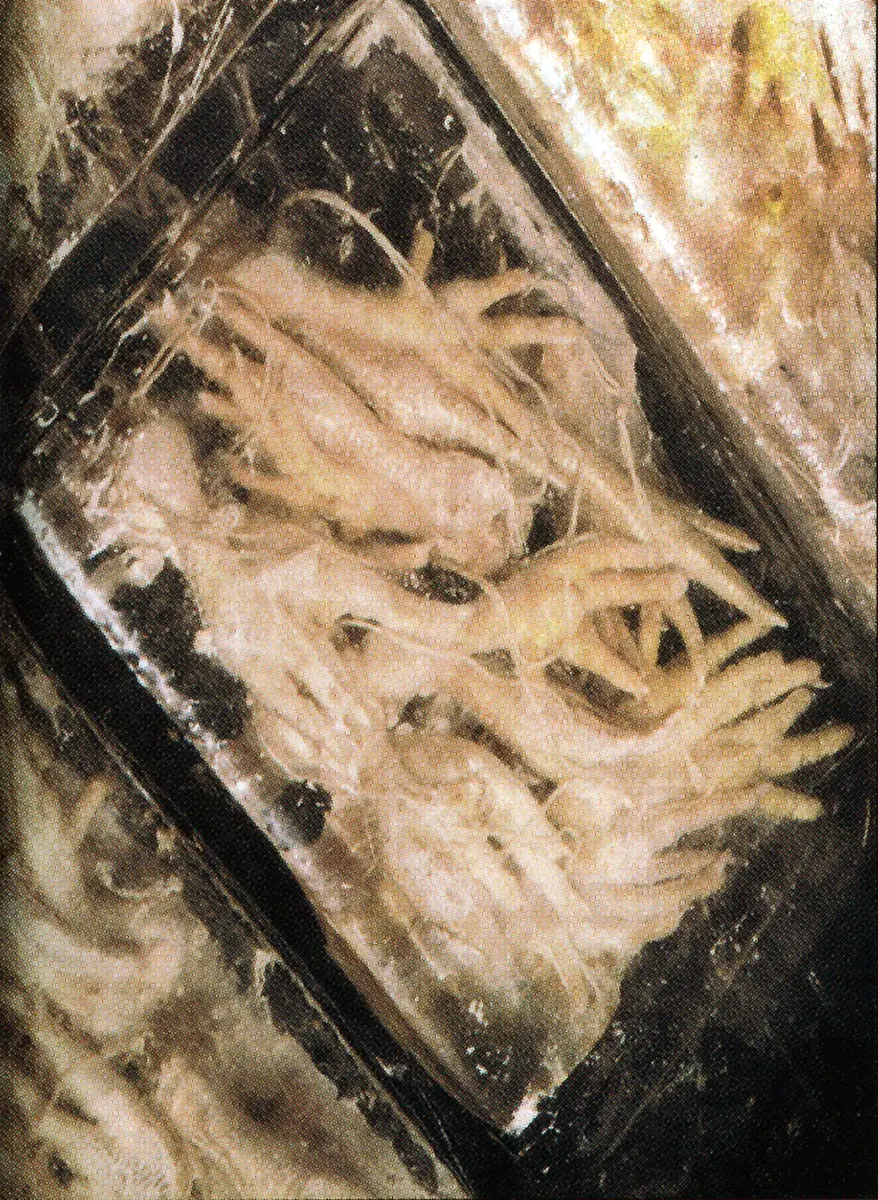
Let us begin with the artists situated in the eastern wing of the building: to the right, one of the two pieces by the Angolan Fernando Alvim (Luanda, 1963). It is a shrine whose interior walls have small horizontal roots standing on end-like bristles that point to the center. The floor is shaped by shallow boxes sealed with a transparent top. Each box contains hundreds of chicken feet. The first interpretive clue lies in an ancient myth that regards bound chicken feet as a symbol of bad luck. In order to annul it, one must urinate upon them. Another clue alludes to the internal war, to the diaspora imposed upon thousands of inhabitants throughout various regions of the African continent. It points to the upheaval and confusion of cultural memory generated by successive colonialisms. On the second floor, another of Alvim’s shrines (included in the African regional show) becomes equally stirring: a closed block in which an inner space opens to one side, like a chapel or funeral monument, urinal, or morgue, covered with small white floor tiles. One comer reveals the impact of several shots. The title refers to amnesia, the form of creating amnesia.
Next to the Angolan, the curators placed the works hailing from Central America and the Caribbean. Here there is a regional grouping, selected by one single curator, through the express request of Paulo Herkenhoff. This task was commissioned to Virginia Pérez-Ratton, director of Costa Rica’s Museum of Contemporary Art. The strategy to make the consignments from the American region cohere produced positive results, although it seems inevitable to raise at least two questions. First, why was a series of very different nations “regionalized” and grouped not in Roteiros—the area of the world's regions— but rather in the national consignments? And second, why does Cuba not deserve a different and specific treatment, considering its relative importance?
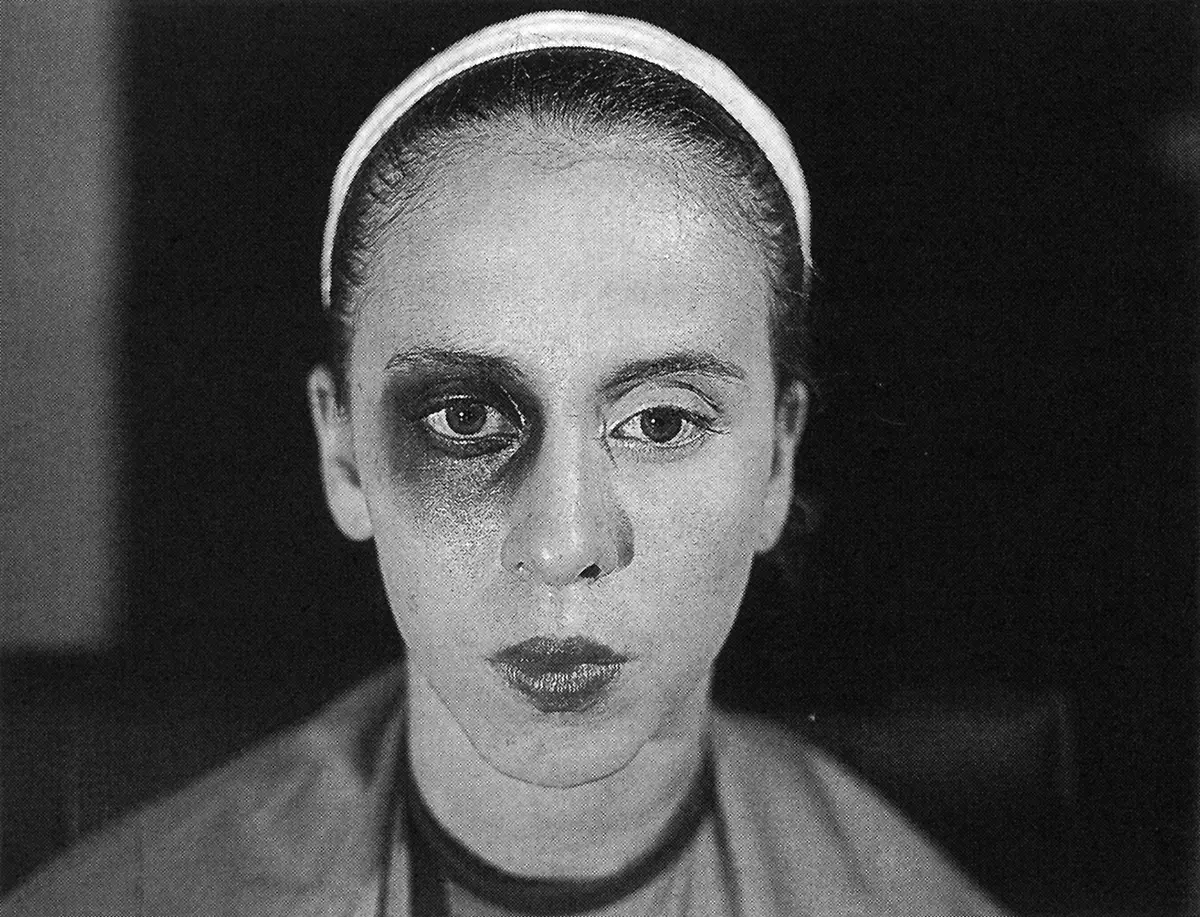
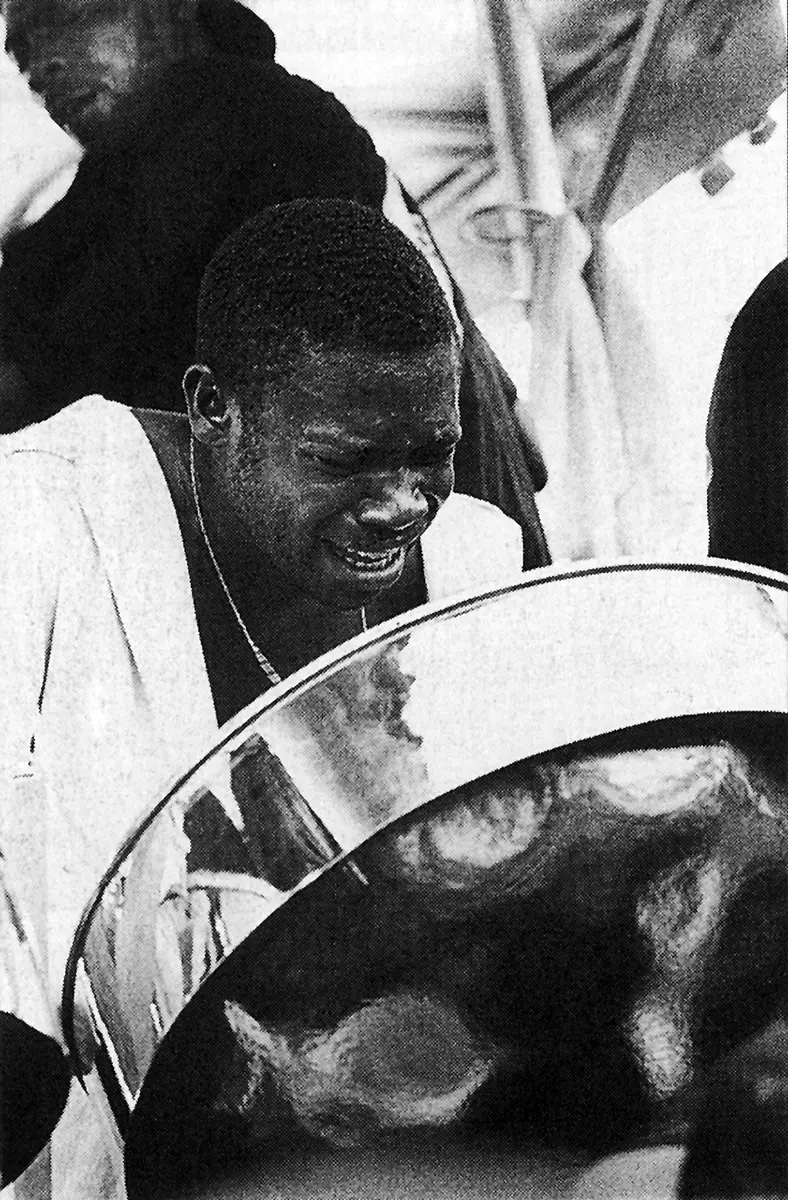
Virginia Pérez-Ratton articulated her selection concerning photography. The text “Una Historia en Blanco y negro” (A black and white history) and the corresponding group of works focus on a reality that breaks the touristic and chromatic cliches of the region. Refined irony in the montages photographed by Moisés Barrios (Guatemala, 1946) for his Cafe Malinovskf, the indigenous Panamanian world in Sandra Eleta (Panama, 1942) euphuistic lens; the nostalgia of the panyards, make-believe places, and popular concerts of steel drums, revealed by Abigail Hadeed (Trinidad, 1963); or Priscilla Monge’s (San Jose, 1968) chilling video, Lecciones de maquillaje (Lessons in makeup), in which, after four minutes of being professionally made up, a model (whom we see in profile) turns to show us the other half of her face, and we discover that she has been brutally beaten.
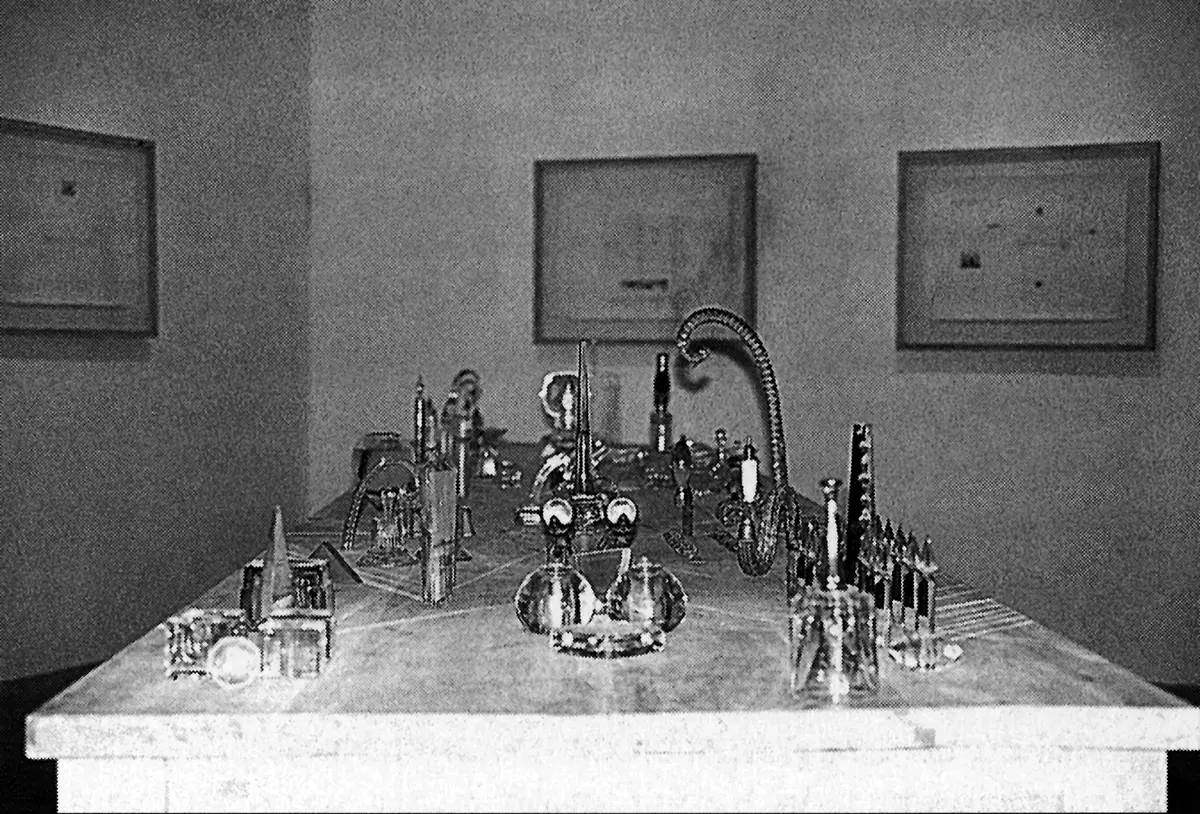
Photography, drawing, etching, and collage, plus an upholstered table with small glass objects that refer to Havana, all make up the work presented by Carlos Garaicoa (1967). The artist looks at his city with fondness and nostalgia. Like a retrospective utopia, a vague memory of the time of the glass spiders. The city is, beyond its current circumstance, the city that can be. Vista Urbana desde la mesa de casa (Urban view from the table at home) turns out to be one of the most poetic and unique installations at the Biennial, and it completely fulfills the proposal of “establishing a critical discourse on contemporary society”.11
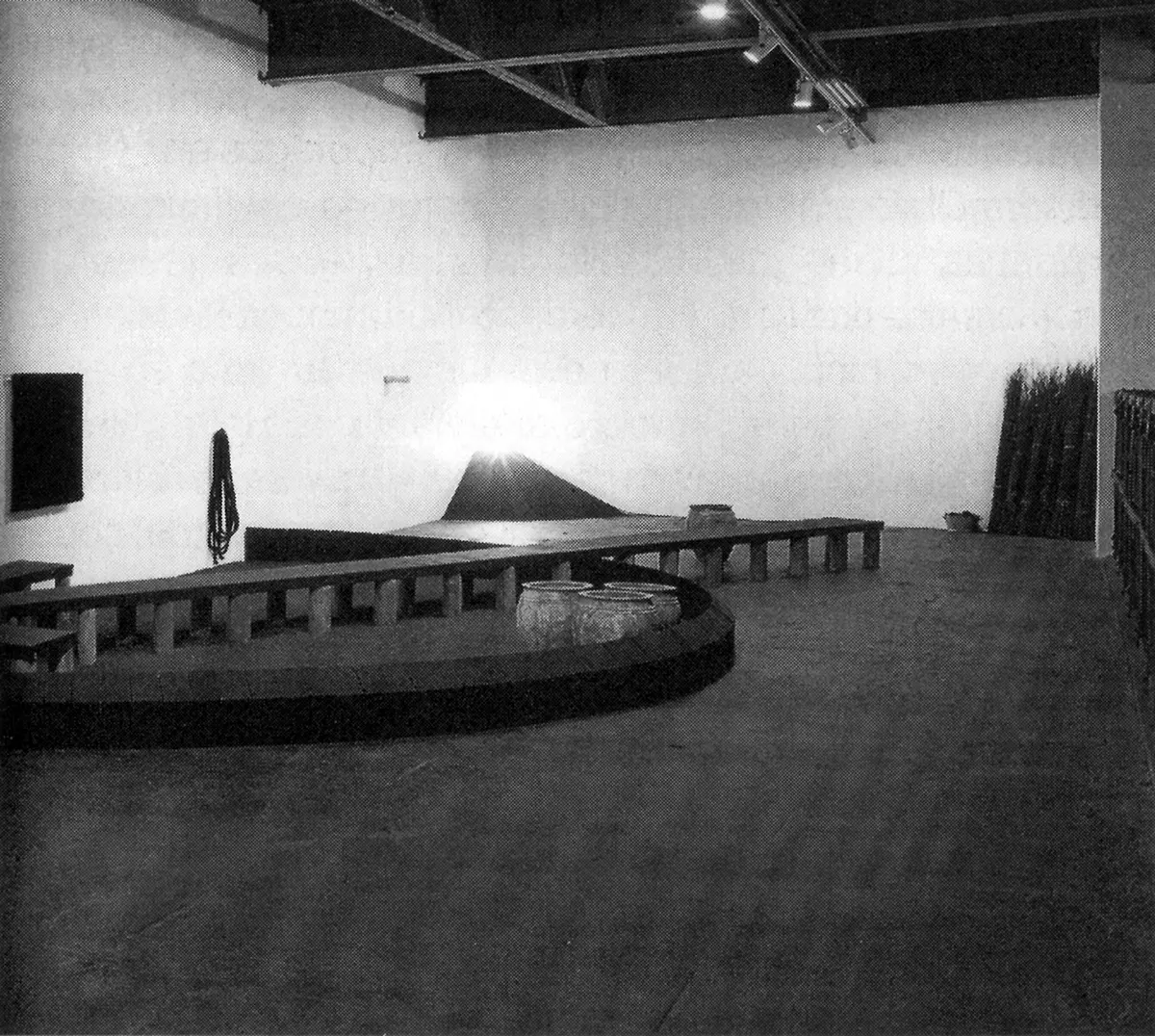
On the other side of the building, crossing its central space stands the beautiful installation of the Japanese Toshihiro Kuno (Obu, 1948). This artist uses objects of his daily world —ceramic vessels, coal, fabrics, dry branches— and elements like earth, ash, and salt. The meanings instituted into Kuno’s art do not depend so much on the objects in themselves, as on the combinatory ability demonstrated by the artist. With his back turned to globalization, to its massifying and banal activity, the Japanese artist delves into his world, attaining an unusual density. Kuno is the only Asian artist at the Biennial who does not seem to be seduced by the vociferous languages of western postmodernity.
His immediate neighbors are a couple of Portuguese artists, Lourdes Castro (Madeira, 1930) and Francisco Tropa (Lisbon, 1968). Until now, each one had developed a unique trajectory. Castro has worked extensively with shadows. Tropa is interested in the relationships between mass and space. For the Biennial they created a metaphor based on a large dressmaker’s table, centered in a dark space and covered with a piece of white cloth, yet to be cut.
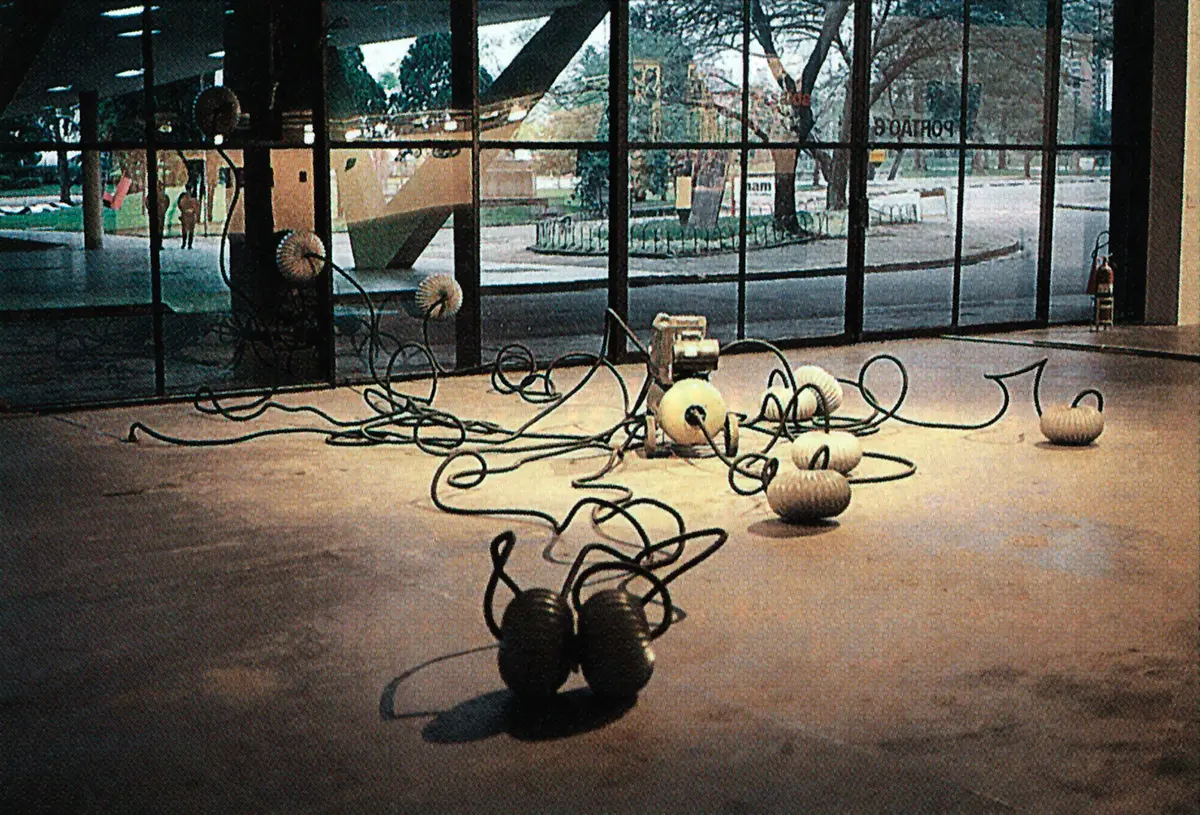
The work of the German Mischa Kuball (Dusseldorf, 1959) closes the central space of this floor. Actually, it is the visible trace of a complex artistic act centered on the meanings of determinate objects (electric lamps, in this case) and their use in both public and private settings. Some seventy families from the city of São Paulo went to exchange their own lamps — often a mere light bulb socket— for another, a unique model distributed by the artist. The lamps collected in this way, duly labeled with a card that shows the milieus from which they were retrieved, are on display next to a video monitor that gathers incandescent signs, fragmented or obliterated in such a way that the first letters of each sign end up composing the alphabet. Luz pública, luz privada (Public light, private light) brings a note of unusual humor to the Teutonic participation in this Biennial.
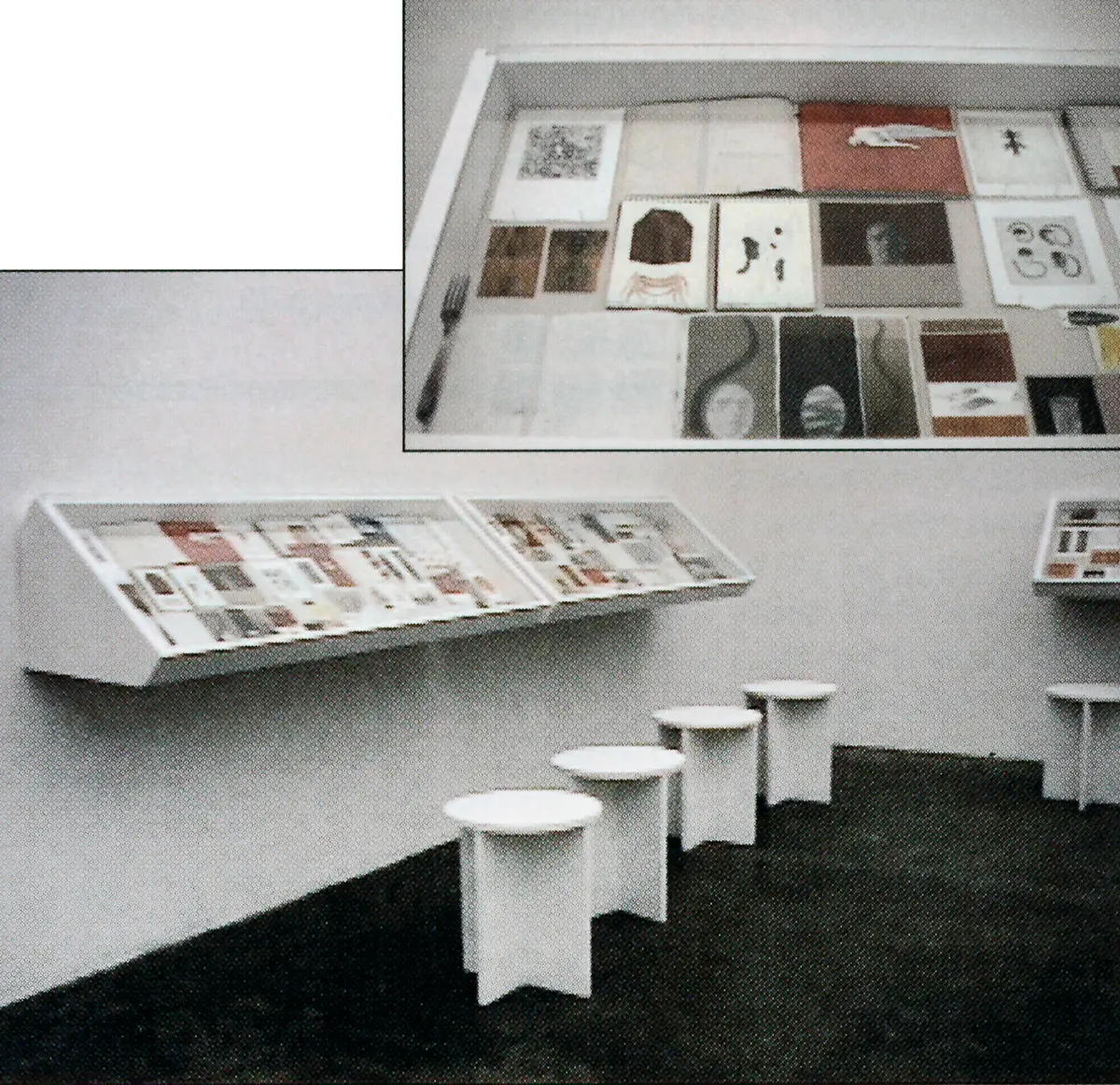
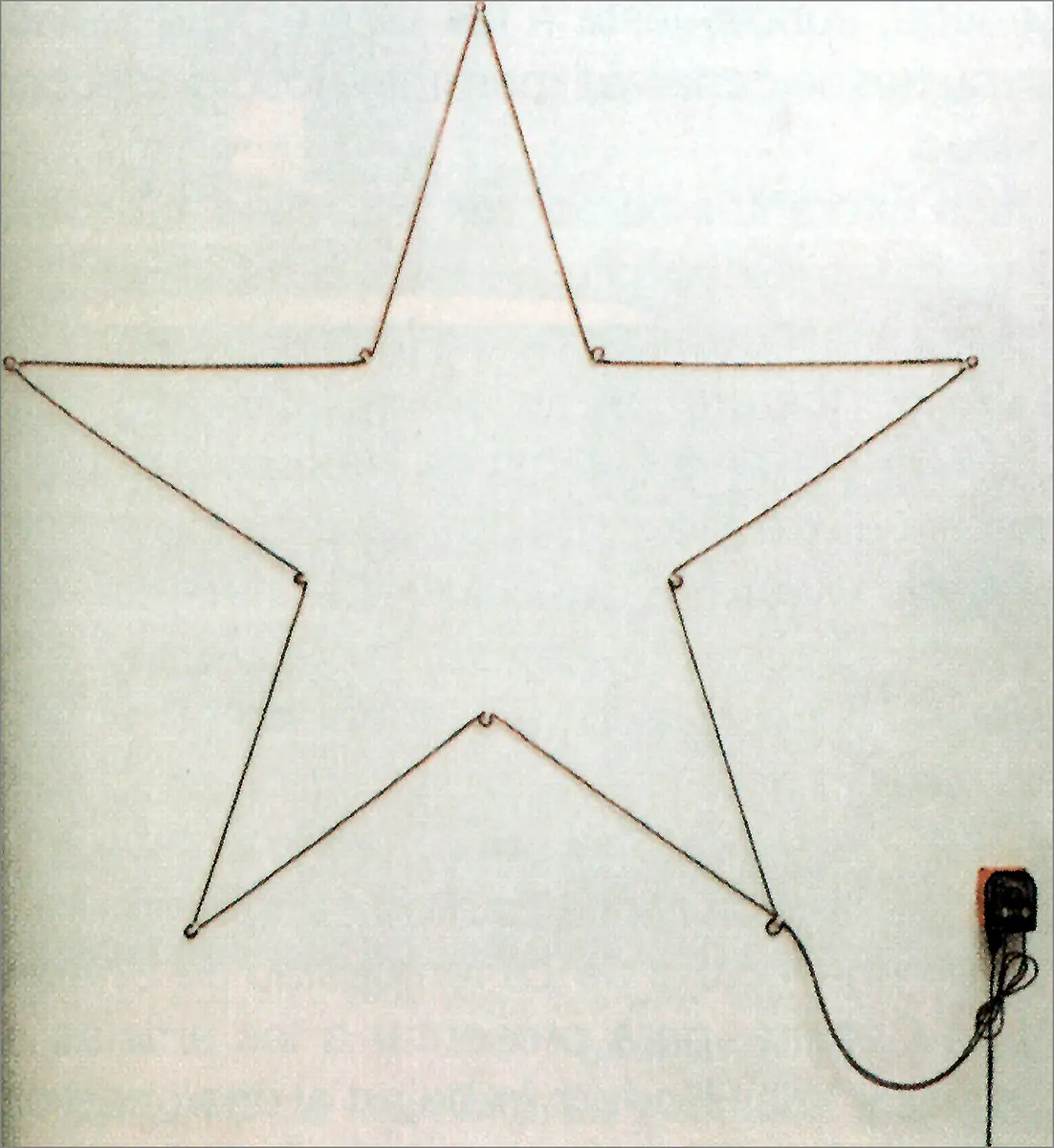
Arturo Duclos's (Santiago, 1959) installation, Pasaje n. 4 (Passage #4) is made up of four symbols mounted with catheters each on its own panel, insinuating a polygonal space. A fluid circulates through each symbol: milk in the cross, positioned toward the north; urine in the hammer and sickle, positioned toward the east; blood in the southern star; and saliva in the crossed swords of the west. Each fluid is propelled by an electric pump that recalls the rhythm of the human heart. Some words in Latin characterize each montage. A deconstruction or rereading of symbolic forms of western culture?
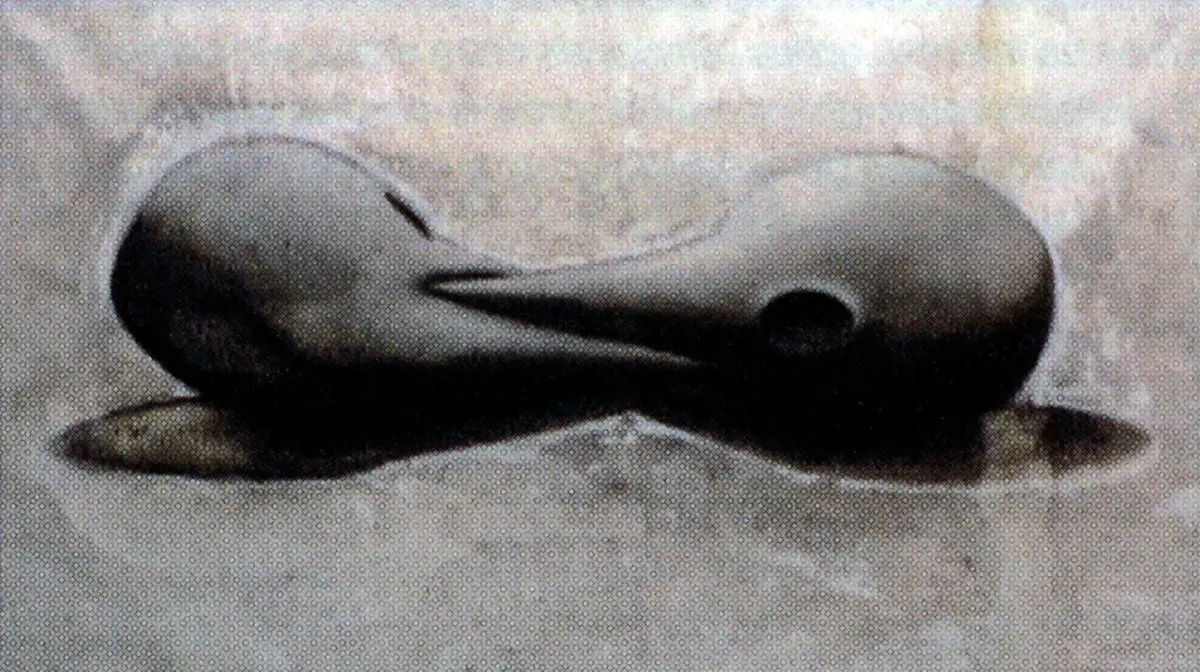
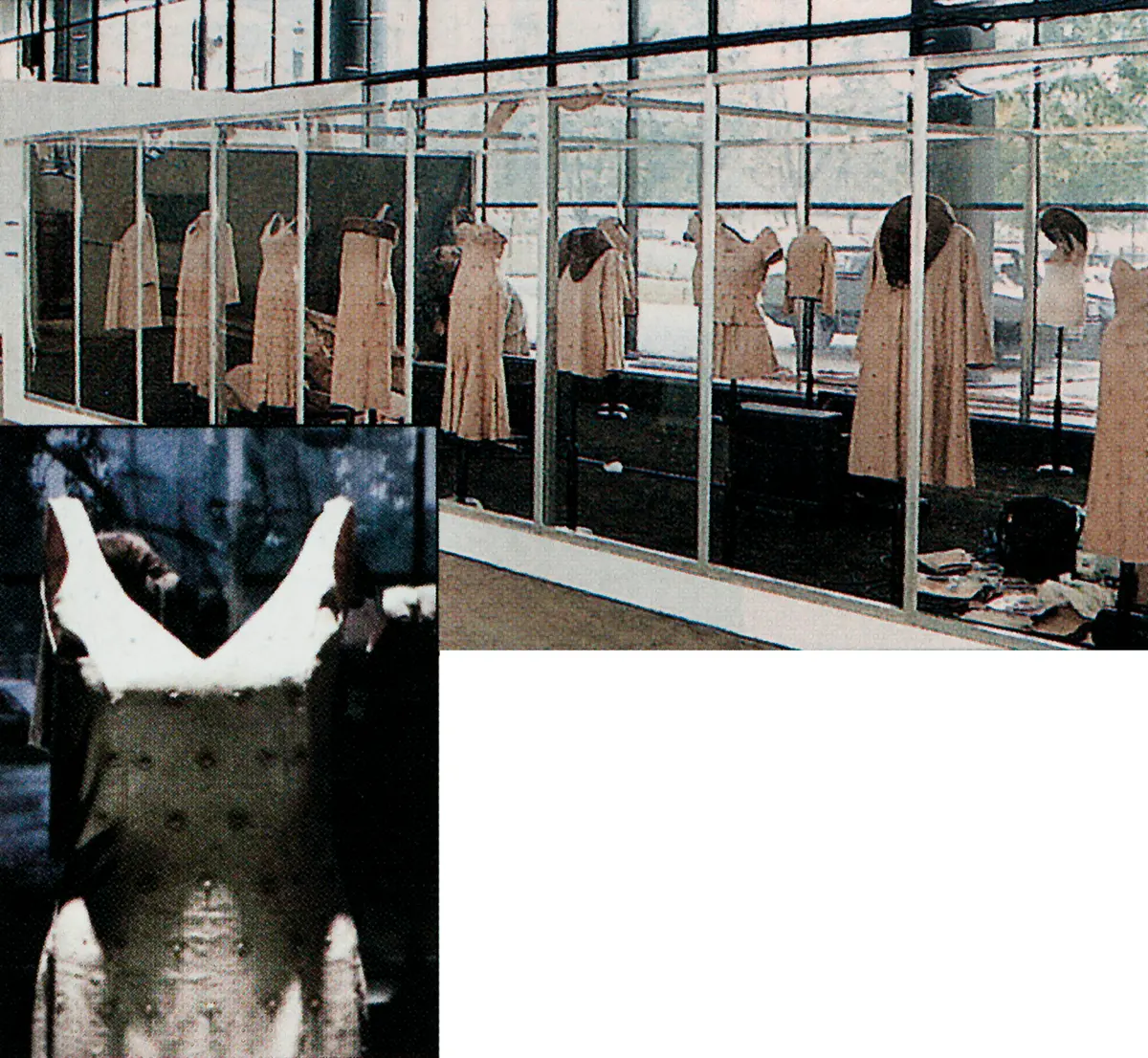
Three contributions stand out in the second half of the first floor. The first is that of the Argentine Nicola Constantino (Rosario, 1964): a deceitful fashion showcase, made with dresses worked in a synthetic material that imitates human skin. The material sports photoengravings of nipples, navels, etc., and human hair that constitutes necks and stoles —a perfect paraphrase of cannibalism. Next to this piece lies an immense pool of ice whose dimensions overflow the building of the Biennial and invade part of the adjoining garden. This work belongs to Olafur Eliasson (Iceland, 1967), an artist affiliated with land art movements. The public can walk, skate, roll, and touch. Andrade’s phrase —we are only interested in what is not ours— becomes a justifying link between the artist and the public. To be sure, ice is an element foreign to the daily experience of residents of São Paulo. Its use implies a technical challenge in order to maintain the installation, despite the nearly 30° centigrade time between October and December. In the back, against the glass facade that overlooks the park, we find the complex montage of Judy Pfaff (London, 1946) who represents the United States. Metallic tubes, scaffolding, dry tree stumps with roots sticking up a catwalk, and various white configurations placed over the floor visually blend with the structure of the building and the woodsy landscape of the backdrop. There is an immediate and direct reference to ecological worries and another, more subtle reference to the endophagic attitude of western culture.
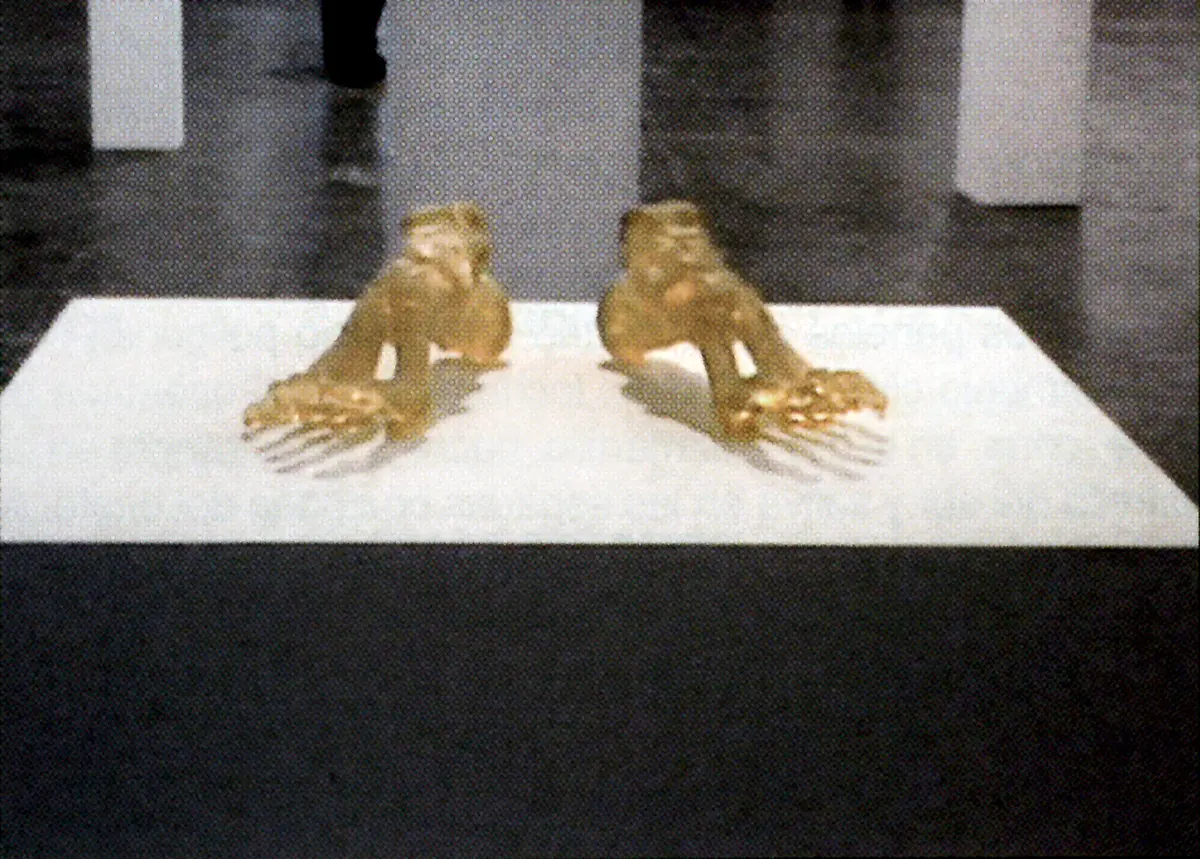
The participation of other invited countries —Colombia, Peru, Mexico, Canada, Korea, and Holland— is interesting as a series of particular events. However, given their distance from the concept of density, as well as from the discussion of cannibalism, they appear as isolated episodes in this section of the Biennial.
Having visited, seen, and reconsidered the exhibition, and in spite of the various problems pointed out, it is worth mentioning this 24th Biennial as one of the best in at least the last decade. I wish to quote from the brief opening address delivered by the Minister of Culture, Dr. Francisco Weffort: He reiterated the notion of cannibalism which, from the European point of view, constituted a primitive and barbaric practice contrary to the most elemental principles of humanity, Oswald de Andrade proposed an ironic and irreverent interpretation of how, in Brazil, alien influences are incorporated into the native body, transformed into nourishment that fortifies it without disfiguring it. In the era of globalization, that concept is universalized and may well be applied to many situations pertaining to contemporary art and artists.
NOTES
1. Paulo Herkenhoff, “Introduction general," Núcleo Histórico, p. 23.
2. Jean-François Lyotard. Discours, figure, 1974.
3. The volume corresponding to contemporary Brazilian artists will only be available beginning in November.
4. For the brief biographies at the end of the books, the artists are listed in alphabetical order according to their Christian names, a common practice in Brazil, though unheard of in the rest of the world.
5. www.uol.com.br/bienal/24bienal
6. For museographical reasons, the third floor is equipped with air conditioning.
7. Paulo Herkenhoff, ‘lr y venir," Roteiros, p. 22.
8. Riña Carvajal. "Rutas, America Latina," Roteiros, p. 76.
9. Jon Tuper, Canadian curator Representaciones Nacionales, p. 188.
10. China does not appear in the book Representaciones Nacionales, although its representative consignment was exhibited in the corresponding segment.
11. Carlos Garaicoa, cited by R. Carvajal, ‘Rutas, America Latina," Roteiros, p. 74.
MARÍA ELVIRA IRIARTE
Ph.D. in History of Art at the University of Paris. Teacher and research scholar based in Chile.