The XXIII Paiz Art Biennial was opened in Guatemala City on July 14 in a political context of great uncertainty in the country, with the threat of a possible blow to the electoral process that will lead to the second round of two totally opposed candidates. Between demonstrations and great perplexity, the biennial was inaugurated as a space to reflect on global experiences such as the new colonization of industries to local communities, gender discrimination and racism, the environmental threat of destruction to our ecosystems, and another series of reflections that the curators Francine Birbragher-Rozencwaig (USA) and Juan Canela (Spain) take as a starting point for the discussion of the works, alongside a curatorial assembly made up of Minia Biabiany (Guadalupe), Marilyn Boror Bor (Guatemala), Duen Neka’hen Sacchi (Argentina) and Juana Valdés (Cuba-USA). The curatorial text explains that some concepts that emerged from these conversations with the committee were “writing, orality, story, corporality, presence, movement, community, territoriality, landscape and nature,” words that also resonate in the tour of the five venues of this year’s biennial, sponsored as always by the Fundación Paiz para la Educación y la Cultura.
The first Paiz Art Biennial was inaugurated in 1978 as a contest to reward “national artistic talent.” In its 2010 edition, curated by the Colombian José Roca, the biennial abandoned its competition and established itself as an international exhibition event where curators build a dialogue between the local scene and international art. It is still a difficult question to answer. What role does an art biennial play in a country like Guatemala? Considering the political context of significant instability and the impossibility of dealing with issues such as feminism, sexual dissidence, and people’s rights in politics, the Paiz Art Biennial discusses these tensions through the practices of artists’ identities, experiences, and contexts, bringing their echoes closer to its audience through mediation programs. It is an act of resistance to continue producing an event of such magnitude in such a difficult country. Without a doubt, this year, its opening was not only a meeting point for narratives but also for other spaces and cultural agents that greatly benefited from the energy of the biennial.
Its last edition was delayed a year due to the COVID-19 pandemic. This is the first biennial, after the contingency, that is open to the public without sanitary restrictions and with the possibility of physically bringing together the participating artists, representatives of the media and international institutions, and a large number of people that gave the biennial unprecedented attendance at its inaugurations, despite the short duration of the event, which this year will open for only fifteen days. Undoubtedly, the pandemic and its isolating effects caused great enthusiasm in the country to once again receive an international audience and attend public events. Still, the national situation has also led to citizen participation in different spheres. These ideas of coexistence and collaboration surround the multiple axes of the curatorship of this biennial. Under the premise of imagining “futures that delve into the possibilities of lives in common,” the selection of artists includes a list of mostly women, Mayan artists, collectives, and names from other disciplines such as theater, poetry, music, dance, dissidence artists, and new media such as generative art and bio art. The 131 works presented in this edition of the Paiz Art Biennial are divided into five venues spread over two cities, Guatemala City and Antigua Guatemala, located 30 kilometers from the capital’s center.
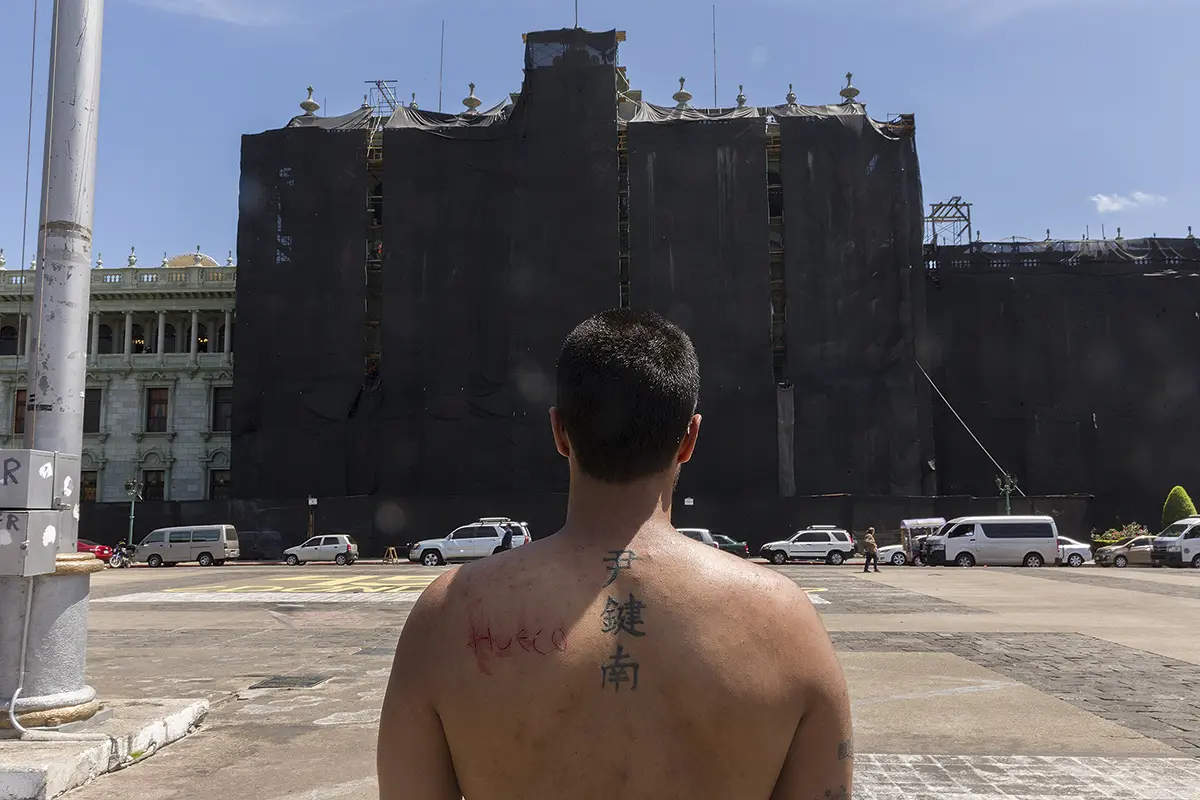
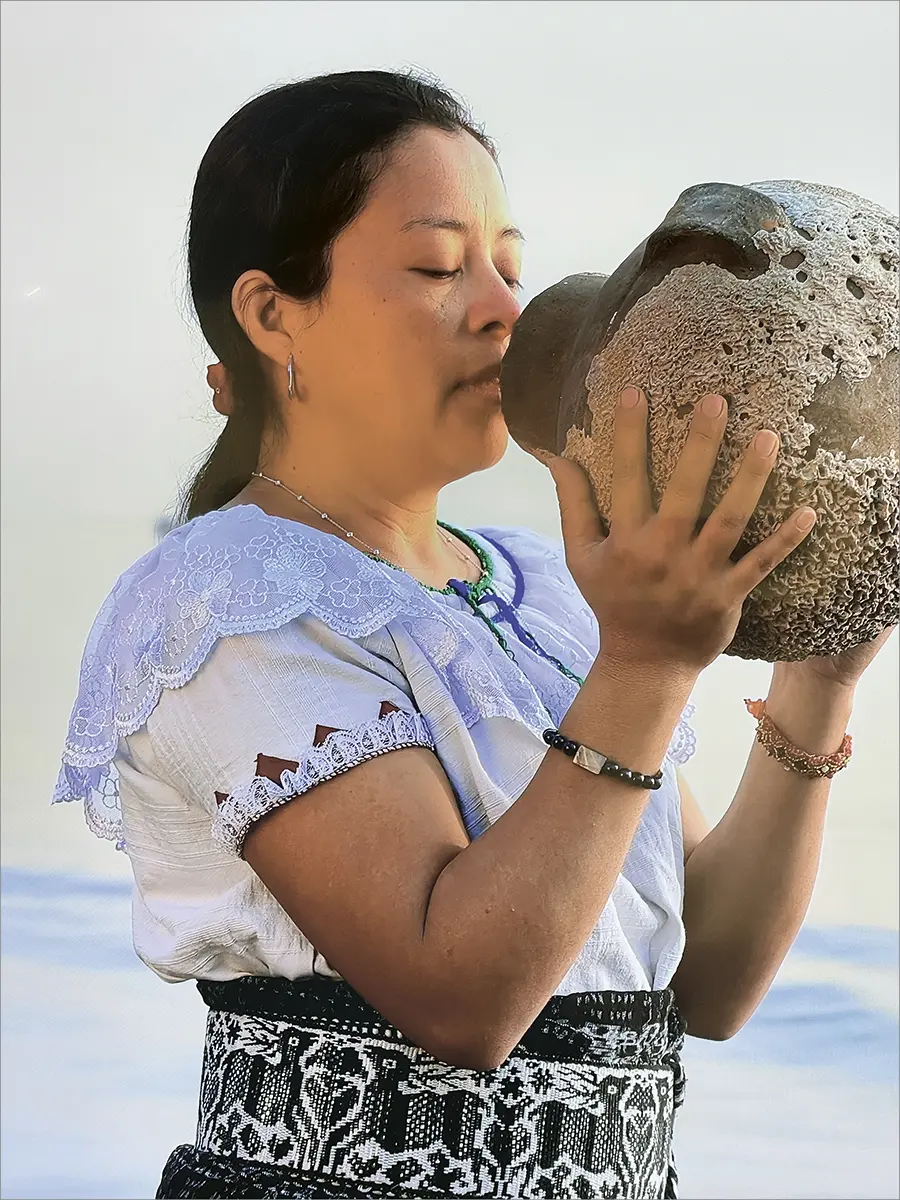
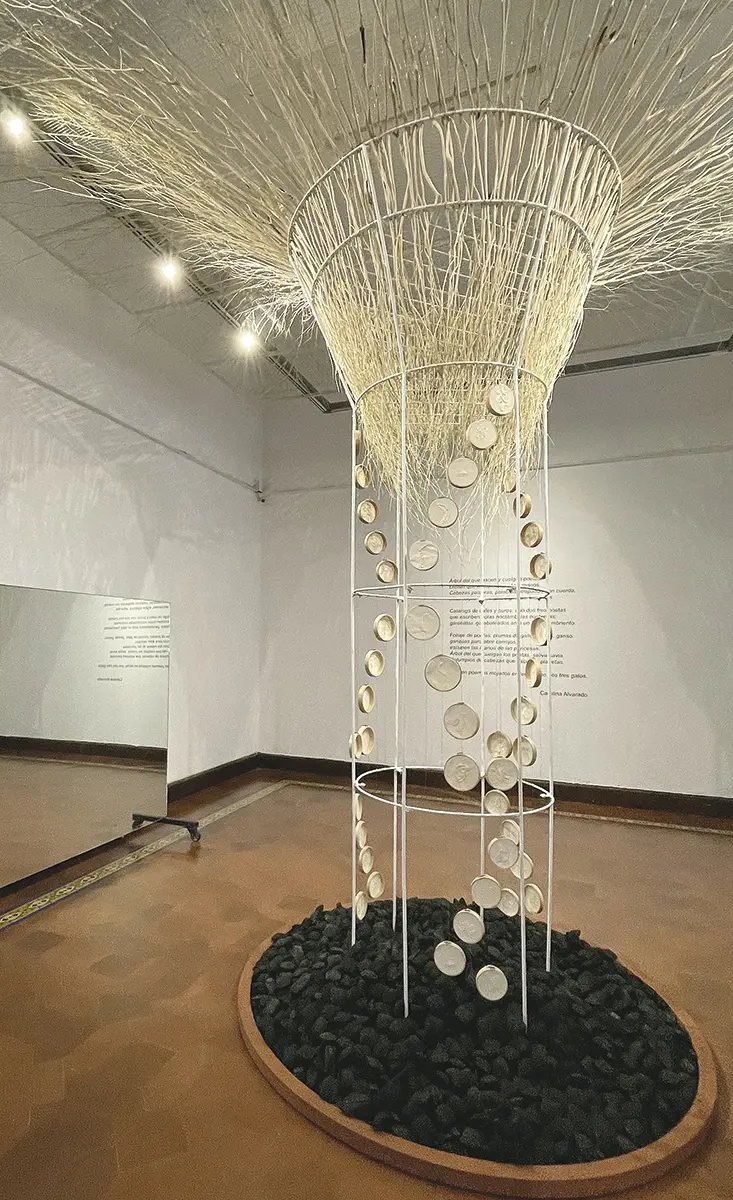
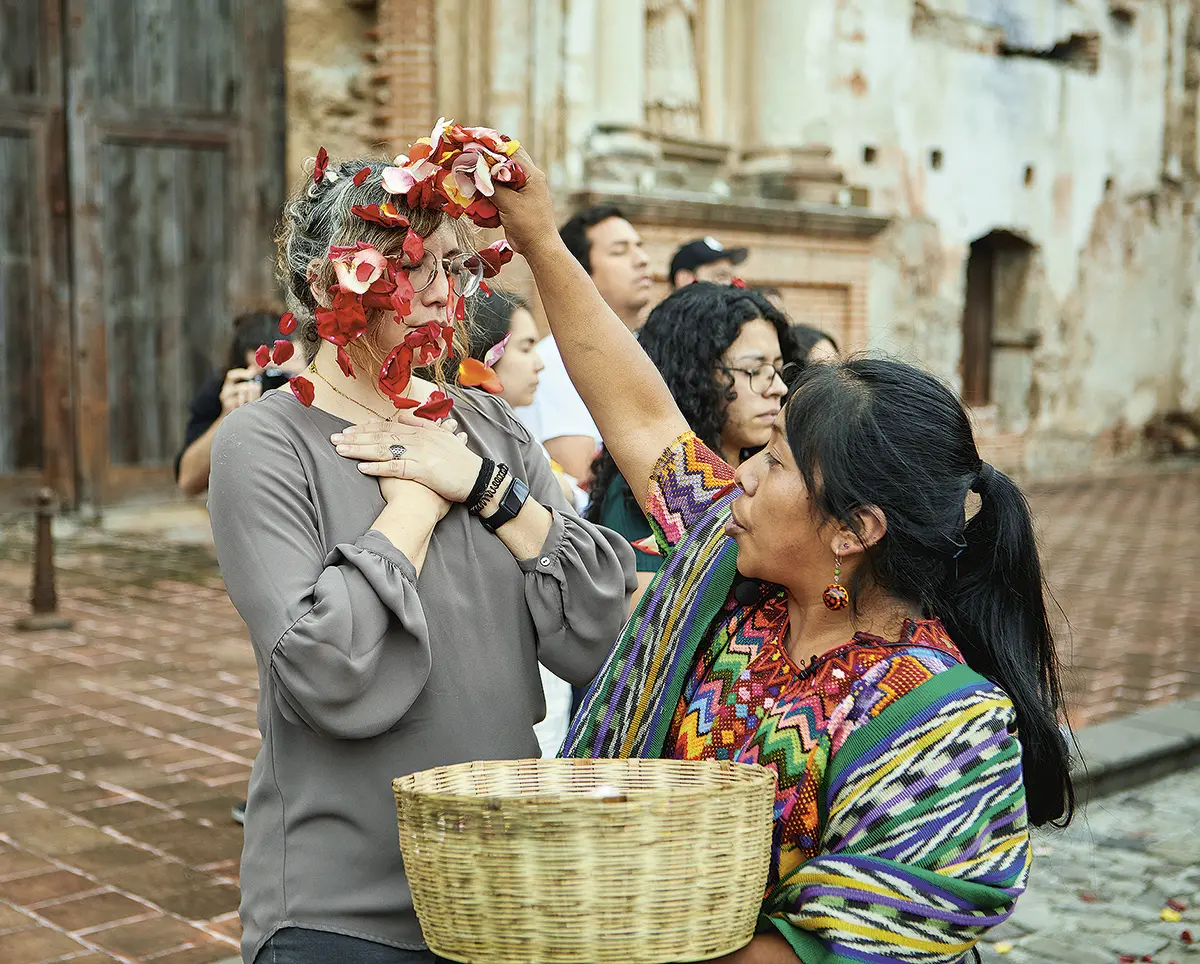
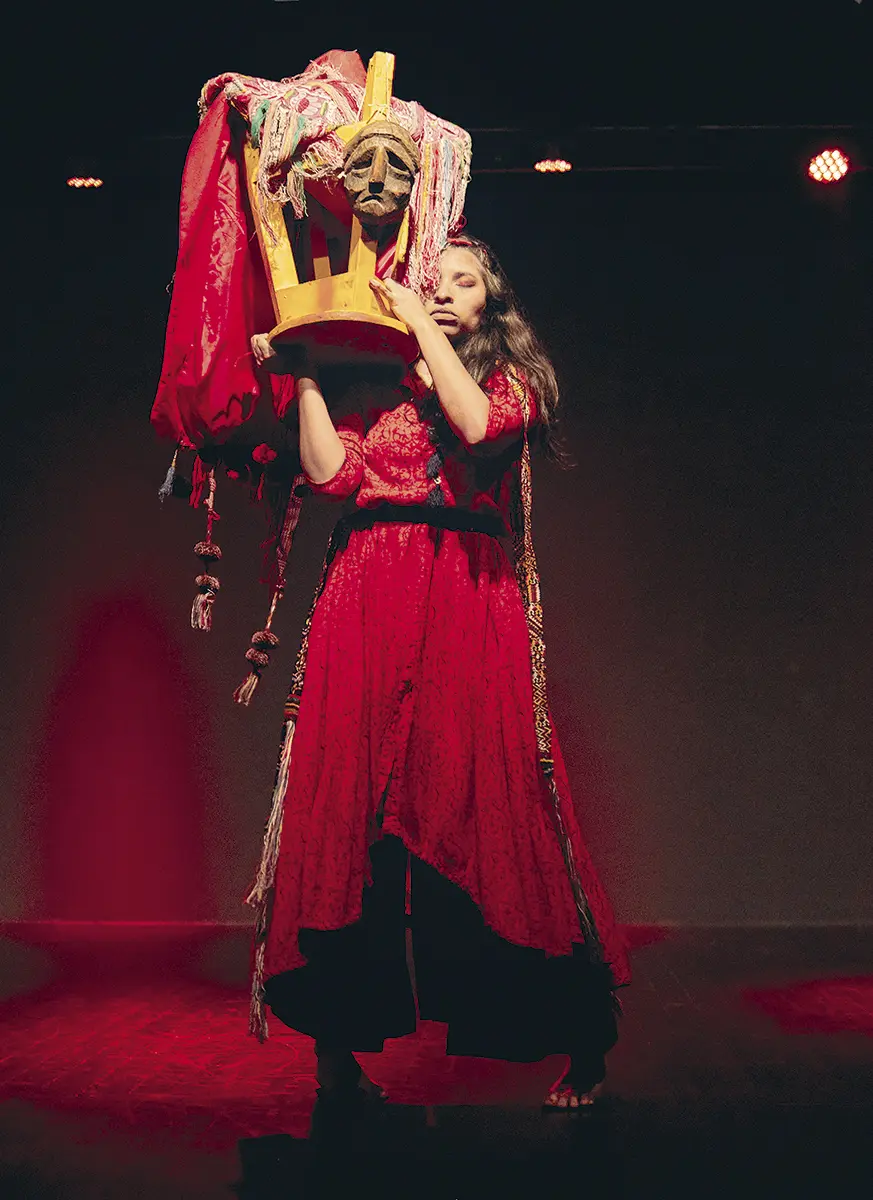
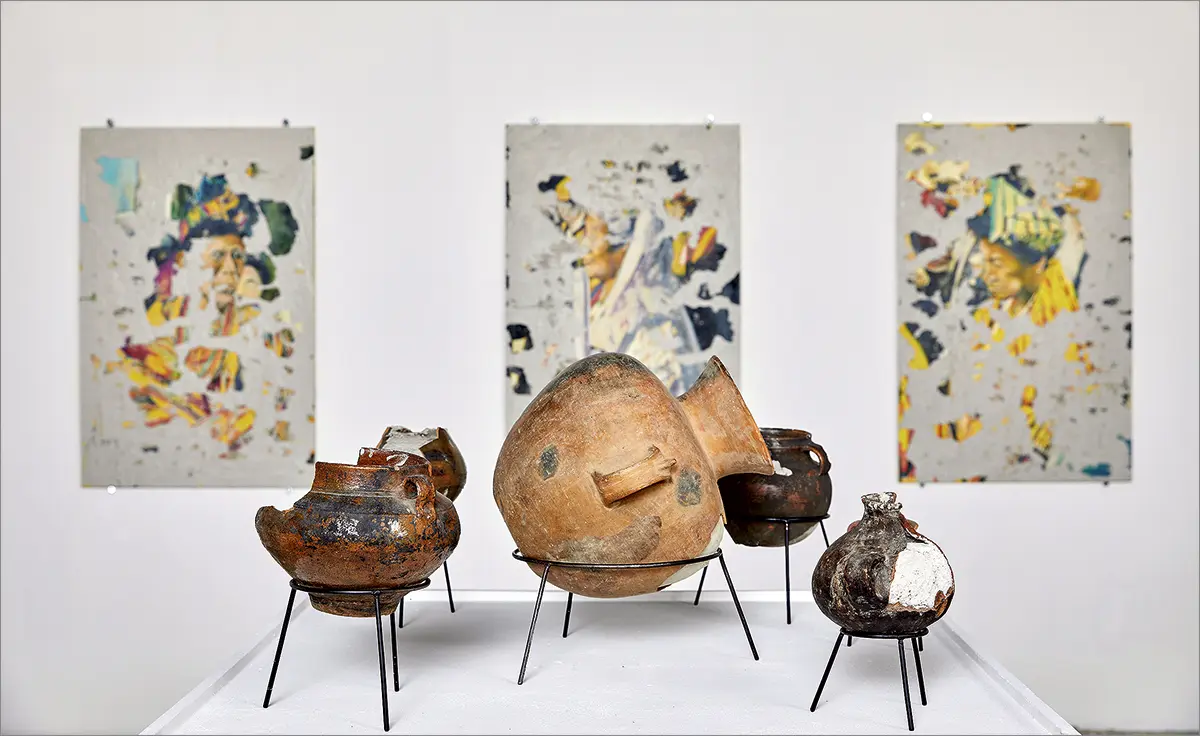
More like an open conversation and without vertical curatorial axes, the works are distributed throughout the venues in dialogue with each other. The idea of shared lives is palpable in various Guatemalan works such as the healing rituals of the Ixqcrear Collective, made up of Elena Caal Hub, Ixmukane Quib Caal, and Ixmayab’ Quib Caal, Maya Q’eqchi artists from Tac Tic in Alta Verapaz; the Tz’aqol Collective made up of Víctor Manuel Barillas and Marta Tuyuc, originally from San Juan Comalapa, Chimaltenango; and the work from the contemporary dance by Josué Castro. These are healing rituals between a violent past, the body’s vindication, and the self-naming of its voices. These healing images are juxtaposed with denunciations and demonstrations that demand rights for coexistence. For example, the works of Marilyn Boror Bor (Guatemala) and Martín Wannam (Guatemala) demand rights and knowledge for their communities and their spaces. Boror Bor refers to the situation affecting the community of San Juan Sacatepéquez, where a cement company has cut off the population’s water supply. The project consists of an installation of clay vessels used to transport water by Mayan women from various communities. Each one is filled with cement, which, when it hardens, leaves ceramic fragments as a metaphor for the exploitation of resources and violence against the population of San Juan. While the work of Martín Wannam refers to the homophobia suffered by LGTBIQ+ communities in an intolerant country like Guatemala and shares his own path of self-discovery linked to his family history. At the same venue, the project by the Dominican artist Eliazar Ortiz Roa also relates the political history of his community to the element of water and earth. Specifically referring to the border points between the Dominican Republic and Haiti and the dynamics of encounter and rejection between the two countries.
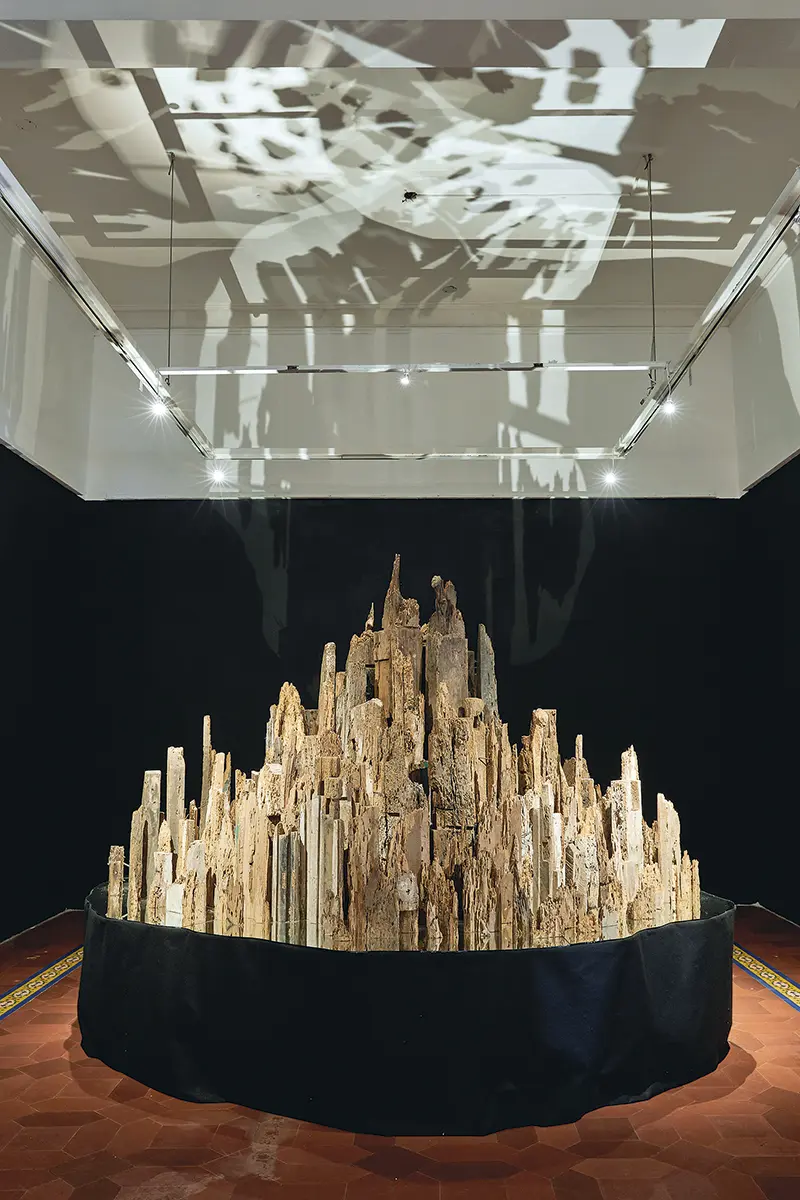
The relationships between human beings and nature are another common discourse among some works, especially from the need to stop the Anthropocene’s actions and live in a community with different species. In this regard, the project by La Nueva Cultural Material—Valeria Leiva and Bryan Castro (Guatemala)—stands out. Made up of the Pleurotus ostreatus fungus and a code, they create a biomural with the mycelium of this species and an immersive digital experience of generative art. Also, the work of Lourdes de la Riva (Guatemala), where in collaboration with termites, she shows moth-eaten logs and wooden beams from 1870. The artist seeks to highlight the organic forms that these create in the wood, thinking about the aesthetics of the destruction of matter and the construction that occurs in that same process of relationships between species.
As a pioneer on the subject, the artist Fina Miralles’ (Spain) work renewed Spanish art’s discourses in the 1970s by presenting small gestures and experimentation of her body with nature. Three of her works are shown at the biennial, including Dona Arbre from 1973, where her body is seen buried halfway in the ground, and Relació del cos amb la palla from 1974, where her body is lost in a garden by camouflaging with the grass. Miralles’ sensitivity, as well as the importance of her career for the legacy of other women artists, is a common theme at the headquarters of La Nueva Fábrica, which also exhibits paintings by the Brazilian based in Colombia Maria Thereza Negreiros, two videos and a quipu poem by Cecilia Vicuña, four works by Ana Mendieta, and three paintings and an installation by the Guatemalan artist Margarita Azurdia, who dialogues with all of the above about the importance of her work for feminism and body art.
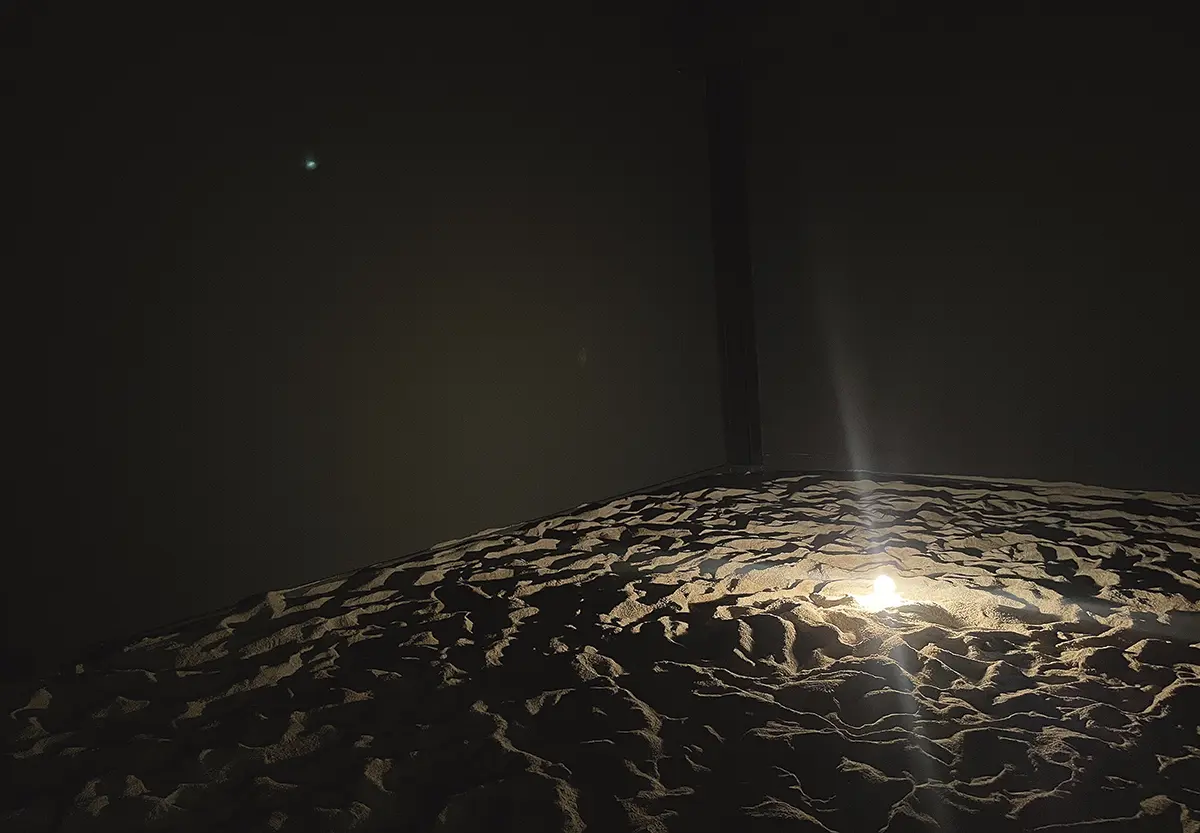
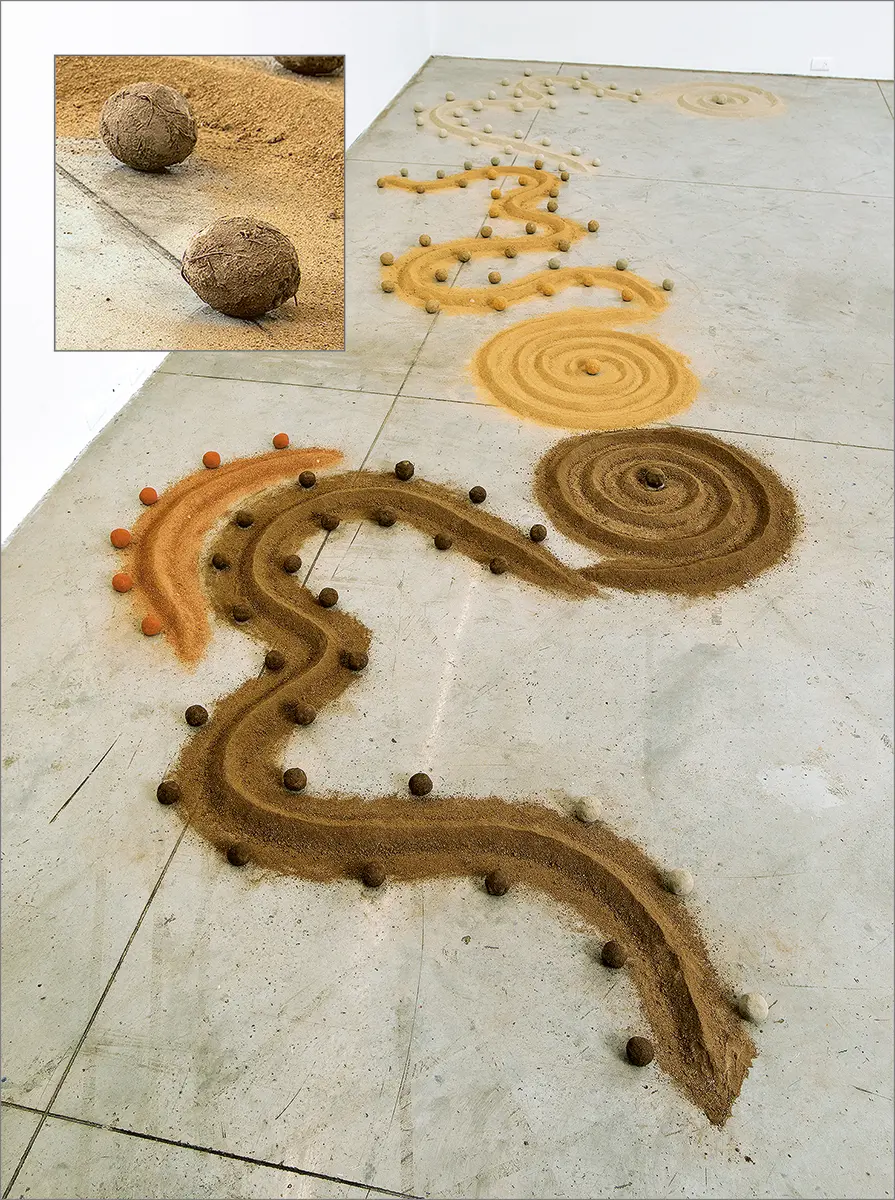
Margarita Azurdia (1931-1998) pioneered performance art, feminist art, and abstraction in Guatemala. Her geometric works were inspired by the designs of the country’s Mayan textiles at a time when local art was dominated by figurative art and expressions committed to the internal armed conflict in the country, which lasted 36 years. Margarita chose to speak of Guatemala from abstraction, sculpture, and her own body, carrying out performances that at the time she called “rituals” and pieces such as Favor quitarse los zapatos (Please Take Off Your Shoes), exhibited in this edition of the Paiz Art Biennial, which allows the viewers to enter into their own awareness of their bodies and their environments. This work was presented for the first time at the II Coltejer Biennial in 1970 in Colombia, and it is the first time it has been replicated for an exhibition in Guatemala. The work is a dark room filled with wet sand with a lit light bulb in the center. Spectators enter the room one by one, entirely barefoot, to feel the sensation of the sand and the reflections that a space for contemplating silence allows.
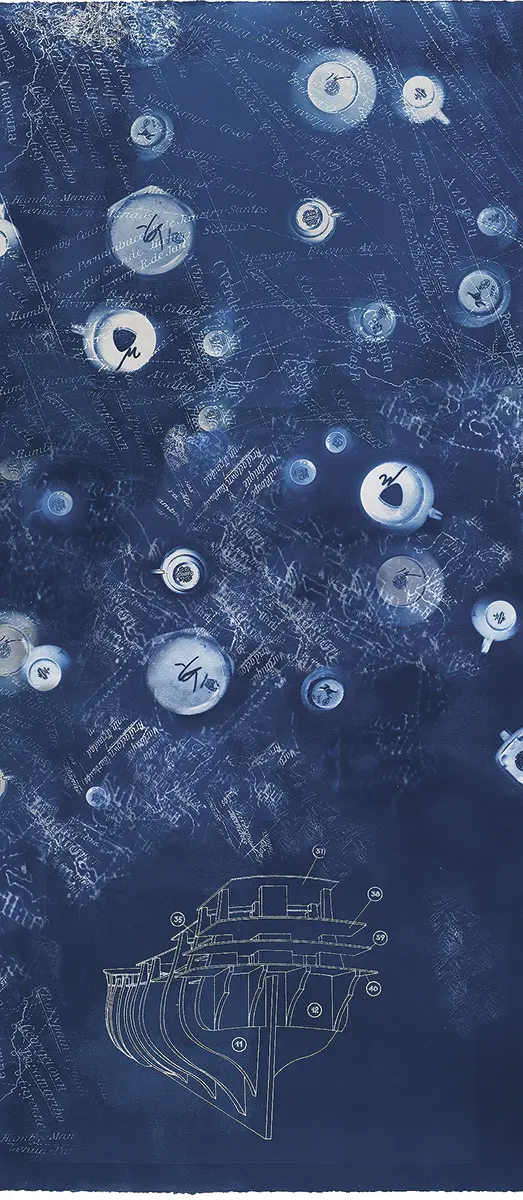
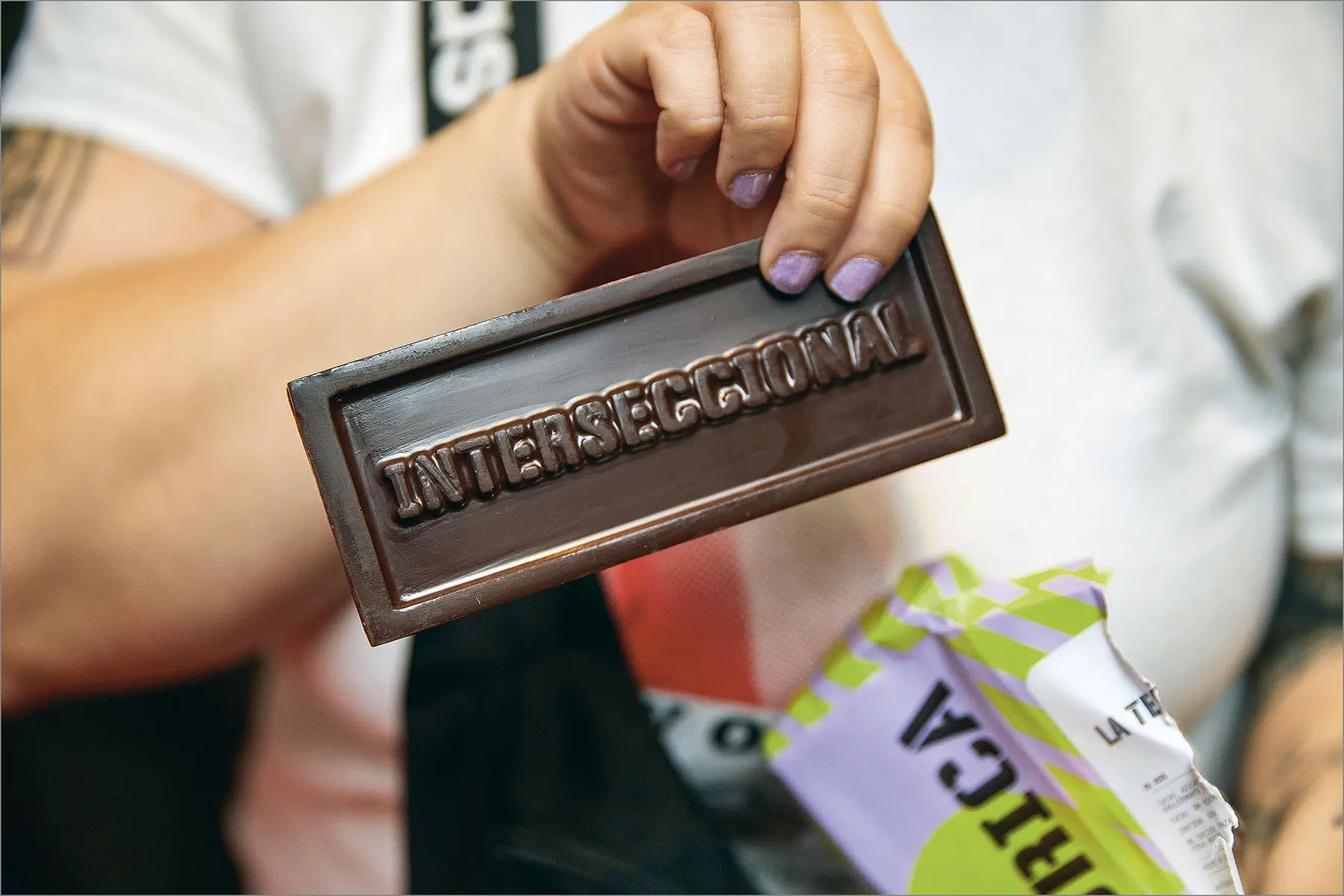
Writing as a tool to transmit knowledge is another common discourse. Yahveni de León’s (Guatemala) work, Ingesta teórica (Theoretical Intake), is a research project and an institutional critique based on satire and writing. The artist chose the eight concepts that are most repeated in texts written for exhibitions he has visited in Guatemala since the beginning of his career as an artist, questioning his own training and consumption as an art spectator. These were replicated in chocolate bars he sold in a performance during the biennial’s opening. The words demarcate a trend in the artistic and theoretical thought of the country and the impositions that theory has had towards artistic production. Also, regarding words, the work from the collaboration of the Tz’aqaat Collective—Chen (Cortez) and Manuel Chavajay (Guatemala)—refers to dreams and uses the spoken and written word to capture their knowledge. The work Diario de sueños (Diary of Dreams) by Itziar Okariz (Spain) presents concrete poems that abstract the content of her dreams during the biennial’s period, and Comen poemas mojados en leche, uno dos tres gatos (They Eat Poems Wet in Milk, One Two Three Cats) by the poet Carolina Alvarado (Mexico-Guatemala) uses the visual resource to represent the poetics of words and connect them with elements of the Mayan worldview, as a tribute to disappeared and silenced poets. Words and poetry are so crucial that the curatorial texts for each venue are poems written in collaboration by the two curators, reflecting on the conversations between each web. The biennial’s title is also a verse from the poem “Nací mujer” (I Was Born a Woman) by Maya Cú. The value of the text is also reflected in the work involved in producing and publishing the catalog for this edition as a tool and guide to accompany the journey. This document also includes translations of the pieces in the original languages of the peoples and communities into English and Spanish.
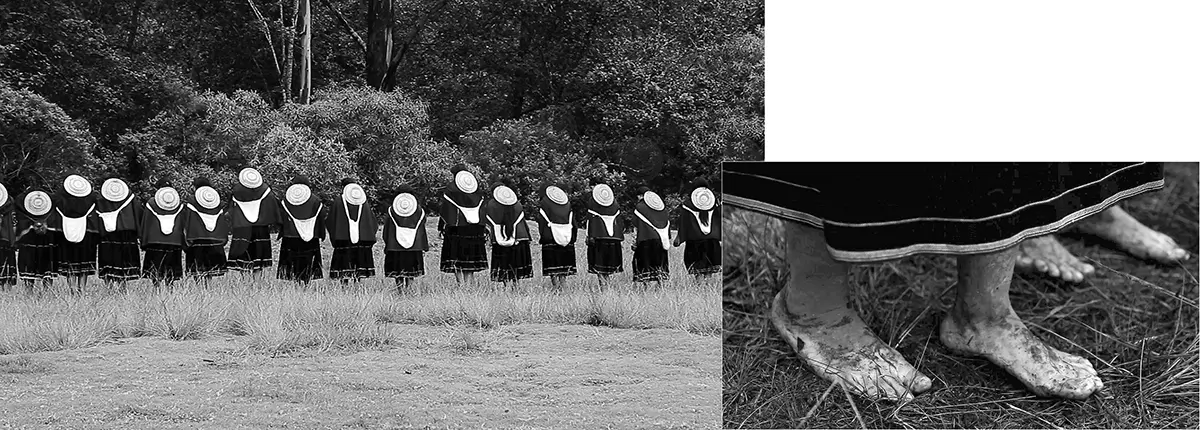
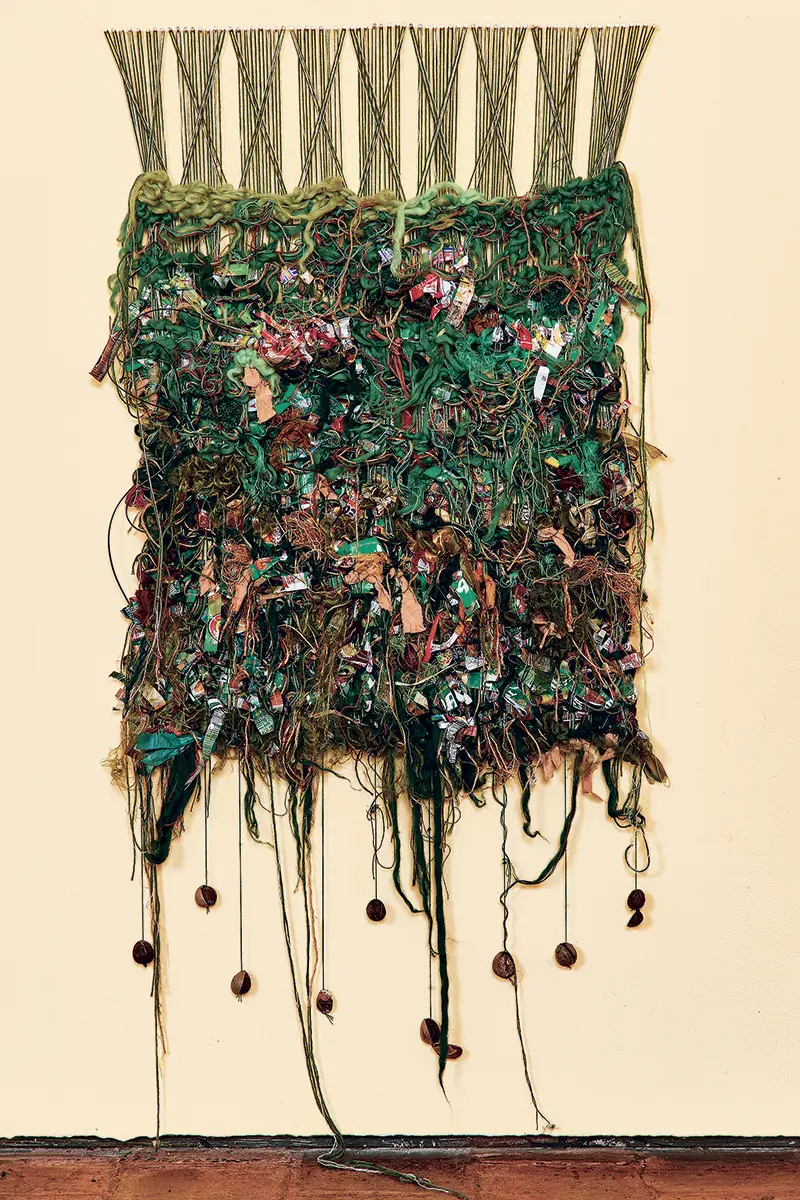
The word is also manifested in another language, such as woven fabric. Just as Vicuña unites words and textiles in her poem “Quipu Mapocho niño” (Quipu Mapocho Child), other artists show textiles as texts or canvases to capture their identities, bodies, and territories. For example, Julieth Morales (Colombia) combines textiles with a video installation where she reflects on a ritual tradition in the Misak community in Colombia. Zoila Coc-Chang (Guatemala-USA) uses textiles and intervenes them using organic materials and packaging to talk about her contemporary experience. Verónica Navas (Costa Rica) uses them as a statement about indigenous displacements to the cities. And thus, word, thread, and text intertwine as united narratives of meaning.
The themes that this biennial reflects in its different venues are diverse and current. There are narratives of denunciation and reunion, violence and healing, criticism and care. It is undoubtedly a plural biennial that allowed an entire artistic scene and different lives and contexts to come together to think about a shared future within a context where the fragility of structures, bodies, and lives is the day-to-day reality.
* Photo: Byron Mármol. Courtesy: Fundación Paiz.
** Photo: Francine Birbragher-Rozencwaig.
JOSSELINE PINTO