An important exhibition of works by Lihie Talmor opened at Casa Hacienda La Trinidad Parque Cultural last May. It happened at a significant moment for the graphic arts, as the same institution inaugurated in parallel the 17 Graphic Miniature Biennial, in homage to Luisa Palacios, and a retrospective with the prize winners from the previous 16 editions of the event at the CAF Gallery in Altamira, another area of Caracas.
Exhibiting the work of Lihie Talmor acquired a particular importance in this context. First, because she is one of the most relevant graphic artists in the Venezuelan and international landscapes. Second, because this specific exhibition consisted in an anthology of series created between 2001 and 2023, curated by Lorena González Inneco and with museography by the artist Manuel Eduardo González. It was made possible by an alliance between Casa Hacienda La Trinidad Parque Cultural and SPAZIO ZERO Galería.
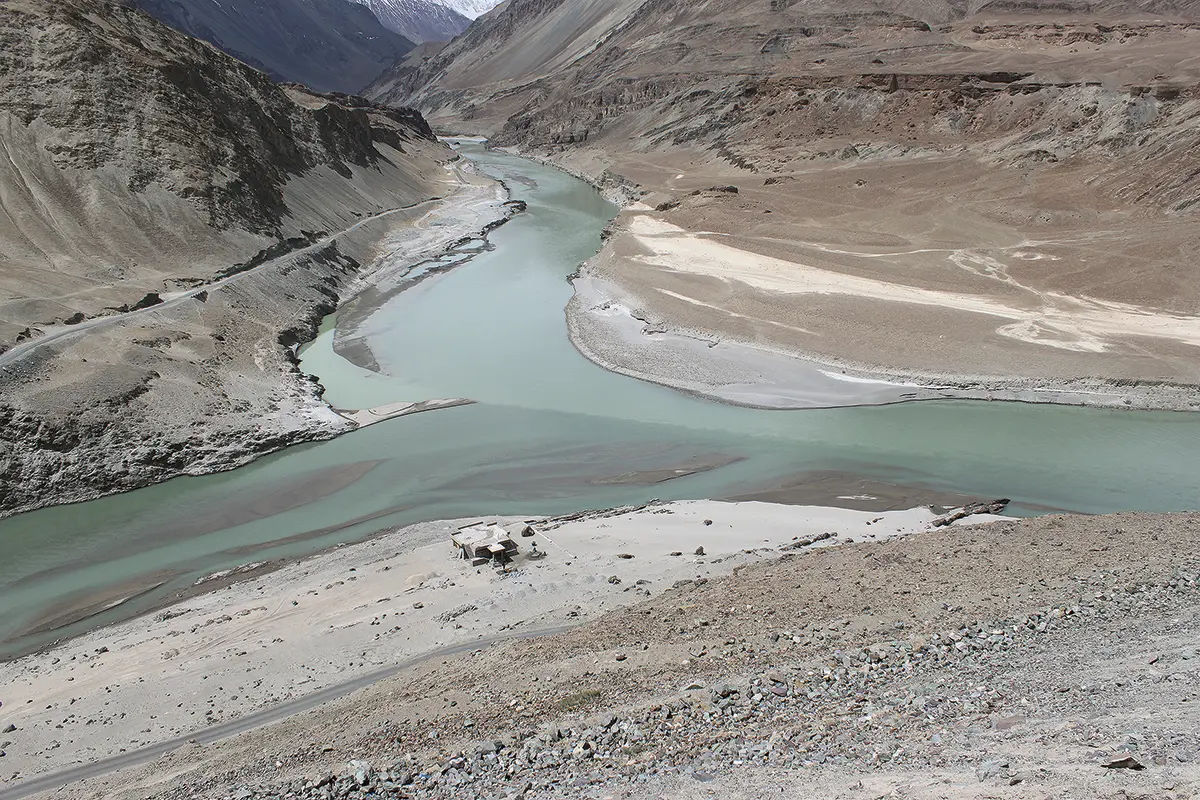
The show featured a generous selection from Talmor’s well-known series: The Water Falls Outside of the War / El agua queda fuera de la disputa (2001); Password / Contraseña (2002); Near, Far / Separación, unión (2004); Lo inconcebible simplemente es (The inconceivable simply is, 2013), Mikveh (2014); Valle / Emek, (2014); Selma / Harmony (2015); Fotos prohibidas (Forbidden Photograph, 2015); Serrefugio (Being-Refuge, 2015-2016); Everything Remembered Is Dear, Everything Remembered Is There (2018), along with ceramic items, videos, and books of prints, among them Nostos Algos (2015) and Ría (2022), the most recent one, featuring texts by the artist’s daughter, Ruti Talmor. In sum, a thick, personal, somewhat complex anthology derived both from Talmor’s sustained travels in various countries and a profound process of introspection. As Lorena González notes: “In Talmor’s work, the wounds of the image overlap, always an interpellation of the shadow, in debate at the place where words wobble.” Later, she adds: “The history of a single territory becomes the passage of many others, while the place of the human is interwoven with many sediments and layers of content.” The landscapes and spaces photographed by Talmor in her travels denote “fissures” or “wounds” that are geographically tangible and, at the same time, emotionally charged, and later transfigure into prints. The density of Talmor’s atmospheres varies according to the intensity of light and shadow, since tonal variation is an essential expressive element in her graphic oeuvre.
Lihie Talmor uses many procedures to re/construct her images, be it by salvaging her memory of a place or by reformulating aspects of its history: photogravure, lithography, metal-plate etching, aquatint, dry point, etc. In a gallery text, the artist says that photography allows her to “capture the invisible traces of the past,” which she is able to render visible by means of “the invention of printing over the photograph.” This testimony defines the foundation of Talmor’s process. She allows herself the latitude to freely rework a given context. An eloquent example is provided by the series Lo inconcebible simplemente es (The inconceivable simply is), made in 2013 after visiting the Auschwitz-Birkenau concentration camp with a group that included Israeli Jews, Palestinian Muslims, and Palestinian Christians. For that series, Talmor selected images from the “real” record of the experience, but the pain in others was so unbearable that some distance became necessary. Without dismantling the series’ conceptual axis, she borrowed other people’s photographs, other photos she had taken, and also photographs from a variety of historical documents; all these images were then transfigured using various print techniques. In sum, the artist retained the series’ original goal and intent: to call attention to amorality and indifference in the face of horror.
Given all this, we can deduce another constant in Talmor’s work: the importance of place. This Venezuelan-Israeli artist is, above all, a traveler. What we see is the visual narrative of her physical and emotional journeys. A narrative where memory gives new meanings to the places with connotations provided by the magic of printmaking as a means of creation and transformation.
The show’s three subtitles complete its intention: Néfesh, Rúaj, Neshamah. Lorena González explains that “[...] these are three instances in which Hebrew culture symbolizes the essential states of a human being’s development. Néfesh refers to the essential breath of physical existence, the instinctive that generates action; Rúaj is the spirit that drives emotion and shapes the order around us; finally, Neshamah is thought, intellect, the ground that gives creation its vigor. The totality of the soul depends on the interconnected functioning of these elements, as do the goodness of its course and the consciousness of its destiny in each space and time where it has been fated to live.” These are, for sure, the three states indispensable for creation. La imagen herida (The Wounded Image) is the result of the sustained doing, shaping and creating that have driven Lihie Talmor’s work over the last twenty-two years.
SUSANA BENKO