
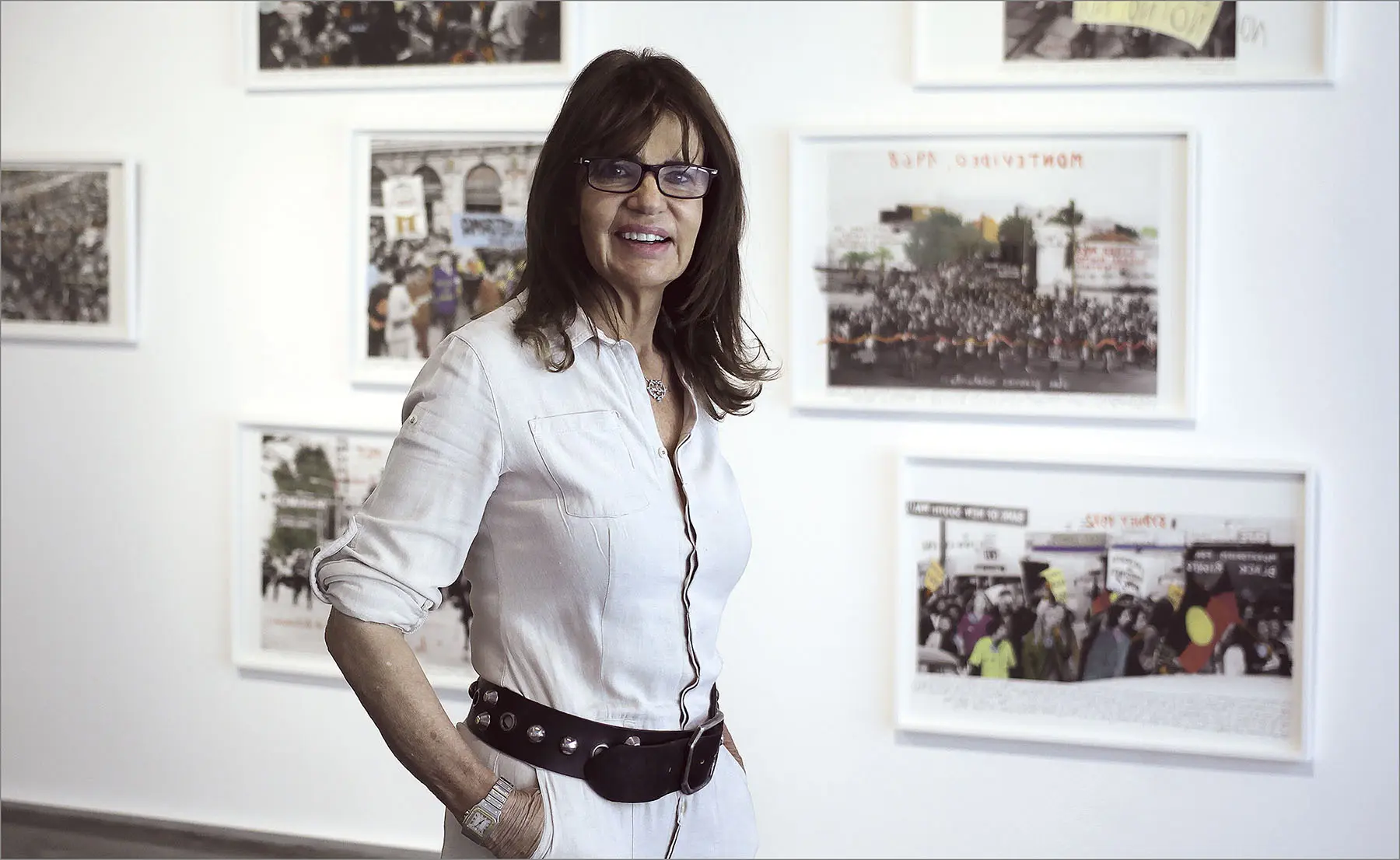
As if she were revisiting her life in a movie, Isabel Aninat navigates through the documents of her history. She comes across things she had completely forgotten and is surprised with each discovery. She doesn’t dwell on the past or keep track of dates. “I’m totally spaced out,” she admits. And she really is. It seems like she’s always hovering a few meters above the ground. And that is how she has evolved in her long journey as a gallery owner, without looking back or sideways. It’s been forty years of uninterrupted work.
A graduate in Philosophy and Aesthetics, she wanted to be a literary critic. But in 1982, while teaching at the Pedagógico, two art dealers offered her to start a gallery together. At first she rejected the idea because she viewed art as sacred and considered it almost immoral to negotiate with it. But she consulted with Chilean art critic Milan Ivelic, whom she was assisting, and he encouraged her to get involved in what became her first gallery, Plástica 3, on Bucarest street. Ivelic told her not to be intolerant and that, with her eye and energy, she could make a contribution.
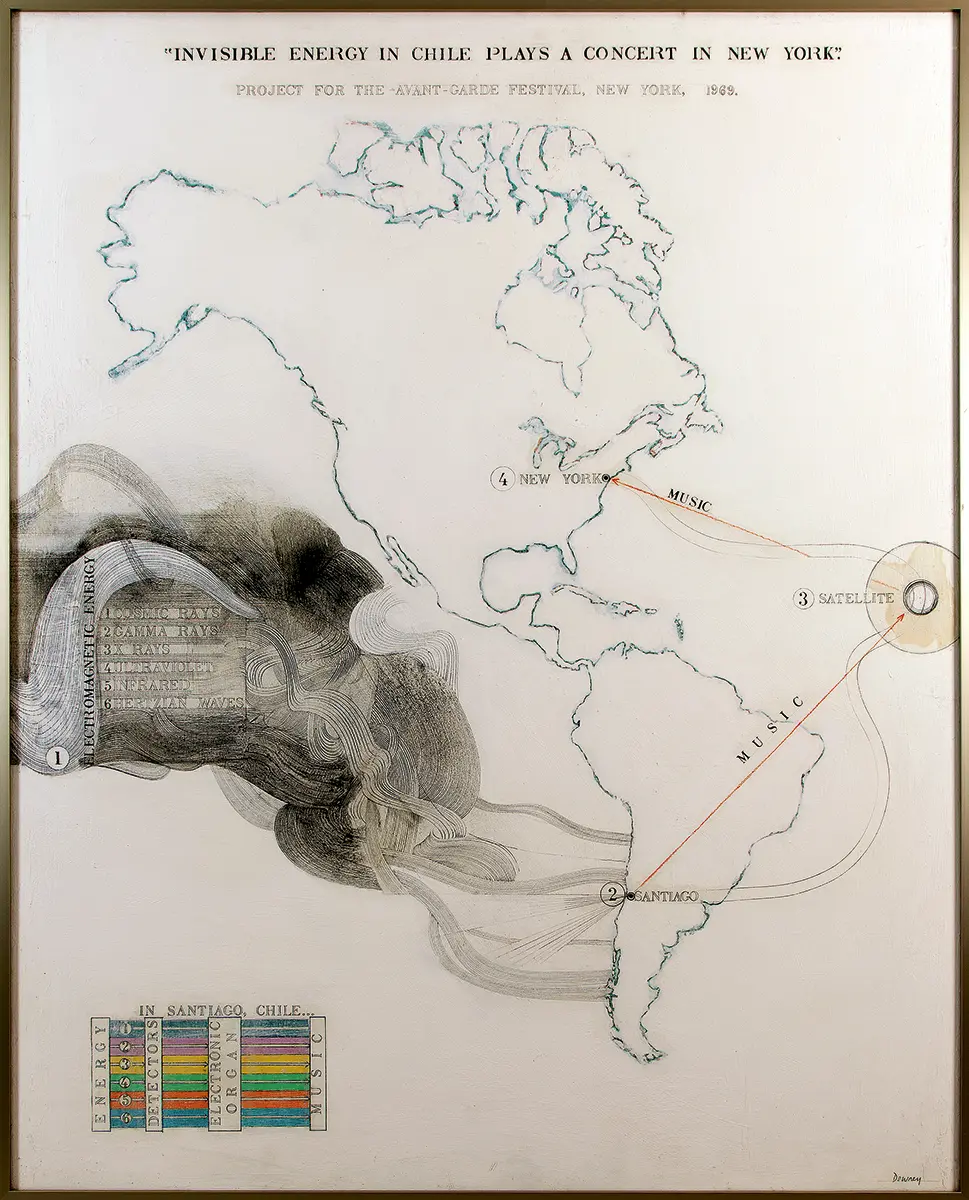
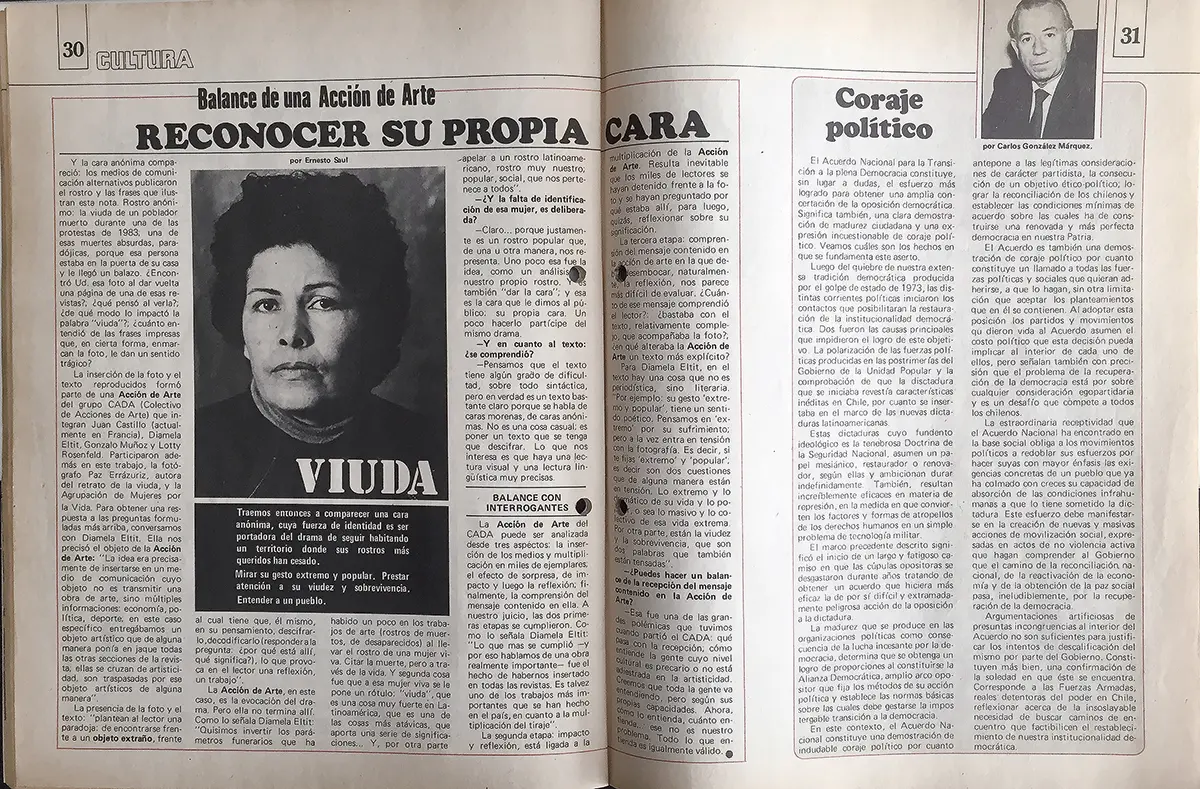
This gallery space sealed her perspective on art. We are talking about a cultural act that was made during the dictatorship and whose influence is undeniable. In Plástica 3, many artists in exile exhibited their works: Balmes, Juan Downey, Toral, for example, and others who lived in Chile, like Carlos Leppe and Juan Pablo Langlois Vicuña. They had always been critical, political, experimental, and disruptive artists. “Art is not decoration; it reflects a view of the world,” is the motto that Isabel Aninat has upheld throughout her career. This led her to become independent and, in 1986, establish Plástica Nueva, whose slogan was “expand the circle,” as a way to connect the gallery with the workings of society. Hence, after the plebiscite that said “NO” to extending Pinochet’s dictatorship, she invited the presidential pre-candidates to her gallery, one by one, to discuss their cultural programs with the artists. This was not without controversy. “An art gallery should be a place for reflection,” she says. “A connection between the artist, the art, and the public. It should expand beyond its physical space in order to influence society.”
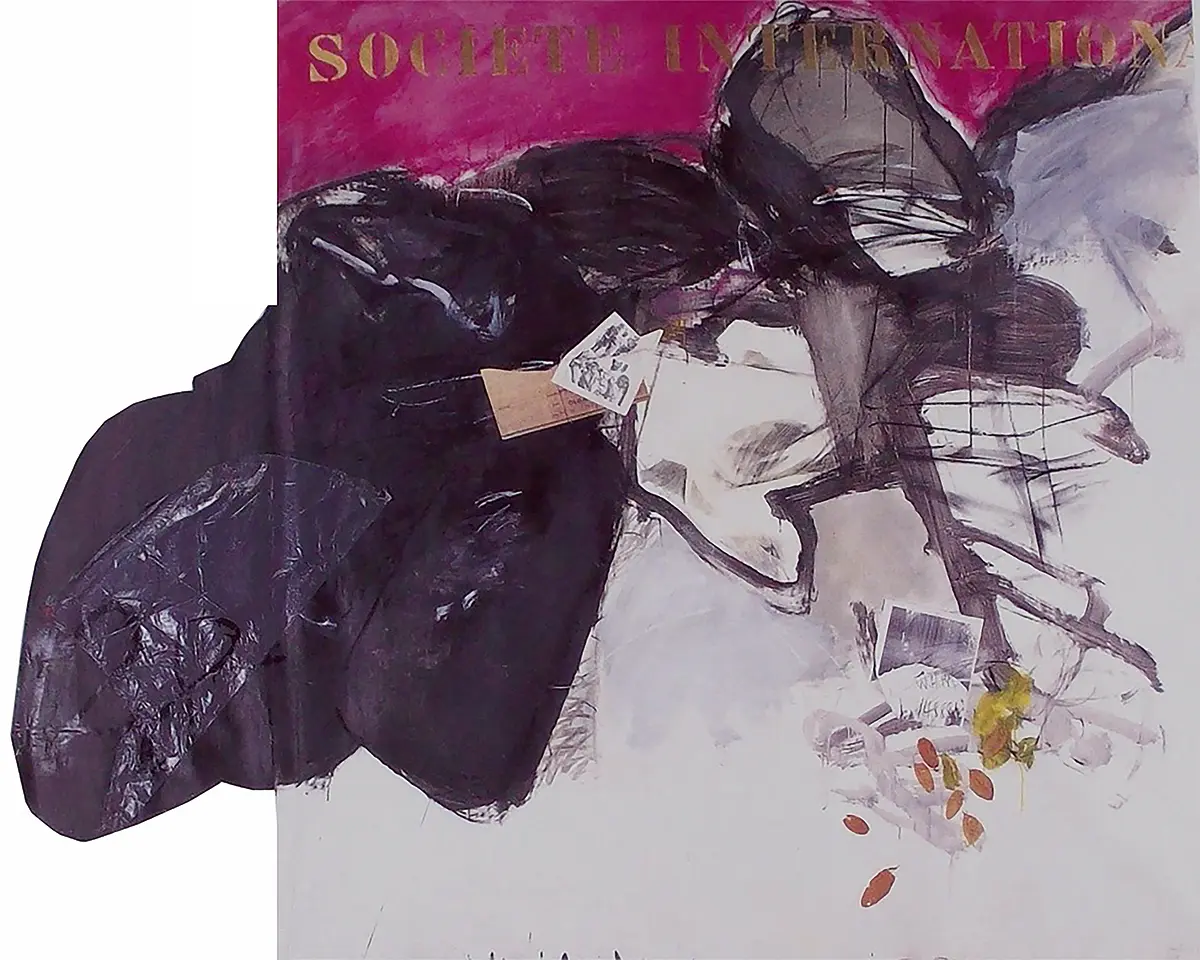
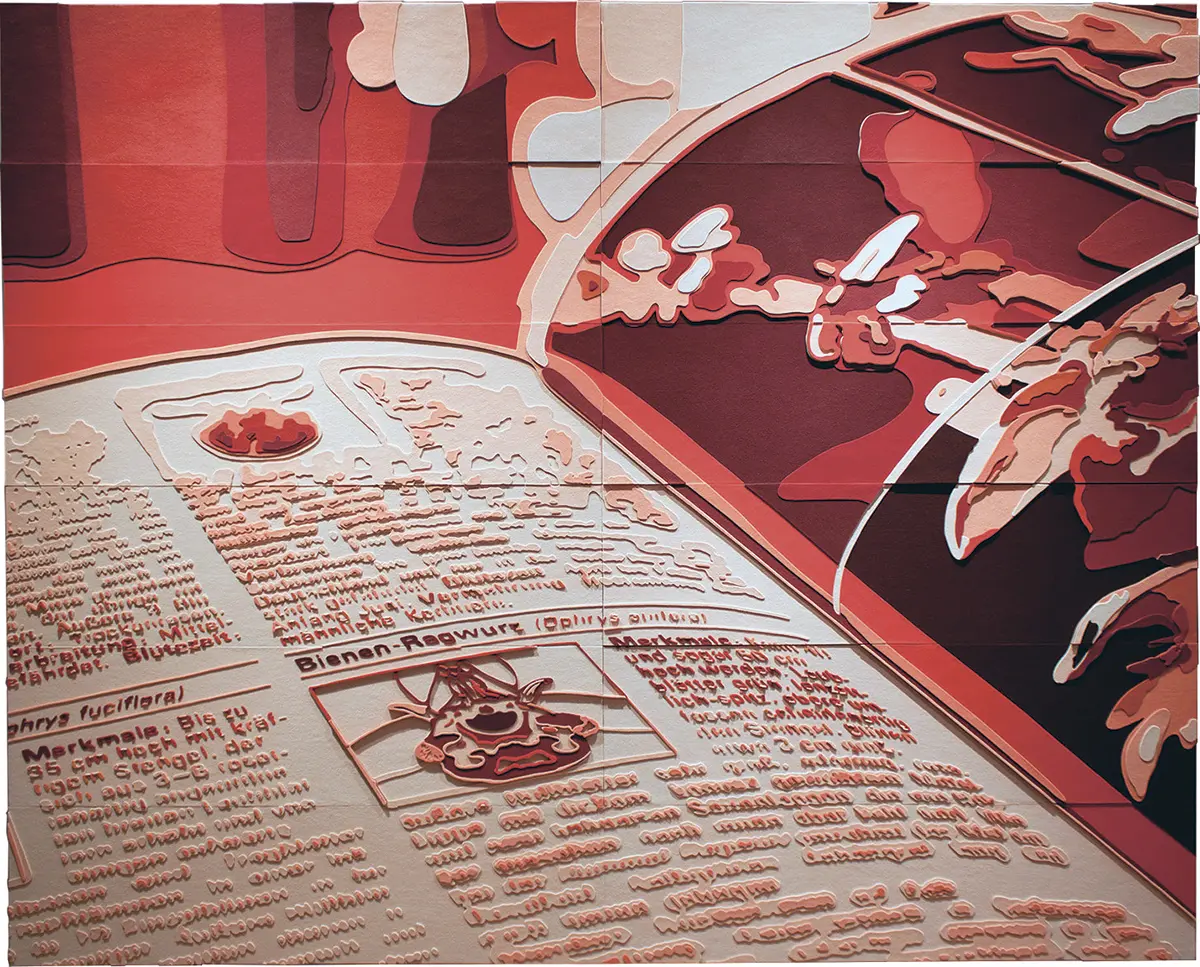
Another characteristic that sets Isabel Aninat apart is her love of differences. From the beginning, she mixed emerging artists with established ones in her gallery: an idea that was not always well received, but that she has kept on doing until this day. She has incessantly been interested in observing how different generations interact, how each artwork is capable of standing the test of time, and how younger artists can learn from history. More than 300 artists have passed through her gallery, which has changed names and locations: Plástica 3 on Bucarest Street, Plástica Nueva on San Crescente Street, and eventually renamed Galería Isabel Aninat on Espoz Street because people would say, “I’m going to Aninat’s,” without mentioning the gallery’s name. After her daughter, art historian Javiera García-Huidobro, joined her, it became Aninat Galería on Alonso de Córdoba Street. And this year, she opened a branch in London.
From the beginning, Isabel Aninat was determined to make Chilean artists known and validated for their own merits and identities, breaking the borders of a country that always seemed closed, insular, prejudiced, and subject to foreign dictates. For this reason, almost thirty years ago, she began to take artists to international fairs and becoming the first Chilean gallery to be present at significant events such as ARCO in Madrid, ArteBA in Buenos Aires, Art Basel in Switzerland, and Armory Show in New York, among others. Nothing has been easy because she does everything from scratch. “I’m like a street vendor: I carry paintings under my arm,” she has often remarked.
Outspoken and spontaneous, Isabel Aninat has also been a controversial figure because her opinions are unfiltered. Over the years, she has become more moderate. “When I read my early interviews, I feel like I had no tact,” she now admits. And this is precisely how she appears in the interviews she gave, especially in the 1990s, when she reached a peak of success thanks to a new market opening up for art.
It has been hard for you to take on the commercial side.
Coming from a family that gave absolute priority to culture, there was a certain prejudice against those who focused solely on making money. My father left the legal profession to be a poet. So, to deal with the fact that the gallery had to work as a business was the toughest aspect for me. I had to struggle against these prejudices to such an extent that I went to see a psychologist about it. To acknowledge that I am a businesswoman, even after winning the Best Businesswoman of the Year Award in 2002, was very weird to me. Now I understand that money is a form of energy that must exist to accomplish things; it’s a means, not an end in itself. I wish I would have had more financial resources.
What would you have done with more money?
I would have bought art. I have an eye for it. The few pieces I acquired from non-established artists significantly increased in value later on. I would have liked to buy from all the artists I’ve represented. Especially from Mónica Bengoa, whom I consider one of the best Chilean artists. I think it’s a way of showing that a gallery believes in its artists. Having had more resources, I would have taken more risks in the gallery with artists who were good but difficult to sell, like I did with Lotty Rosenfeld. Along with my daughter Javiera, after insisting on showcasing her in many international fairs, we managed to have her work acquired by the most important museums in the world, like Tate Modern, Guggenheim, and MoMA, among others. The same with Raúl Zurita, whom people only saw as a poet, unaware of his facet as a visual artist. He has the unique ability to unite worlds.
How do you reconcile your view of art as a critical proposal with your need to sell artworks?
That’s the difficult part. I’ve had exhibitions where nothing was sold. But I believe that conflict is resolved when I visit the artists’ studios and talk with them about their creative trajectories, their views of the world. I then feel the irresistible urge for their work to be exhibited.
You’ve showcased different artists from different generations, styles, and countries.
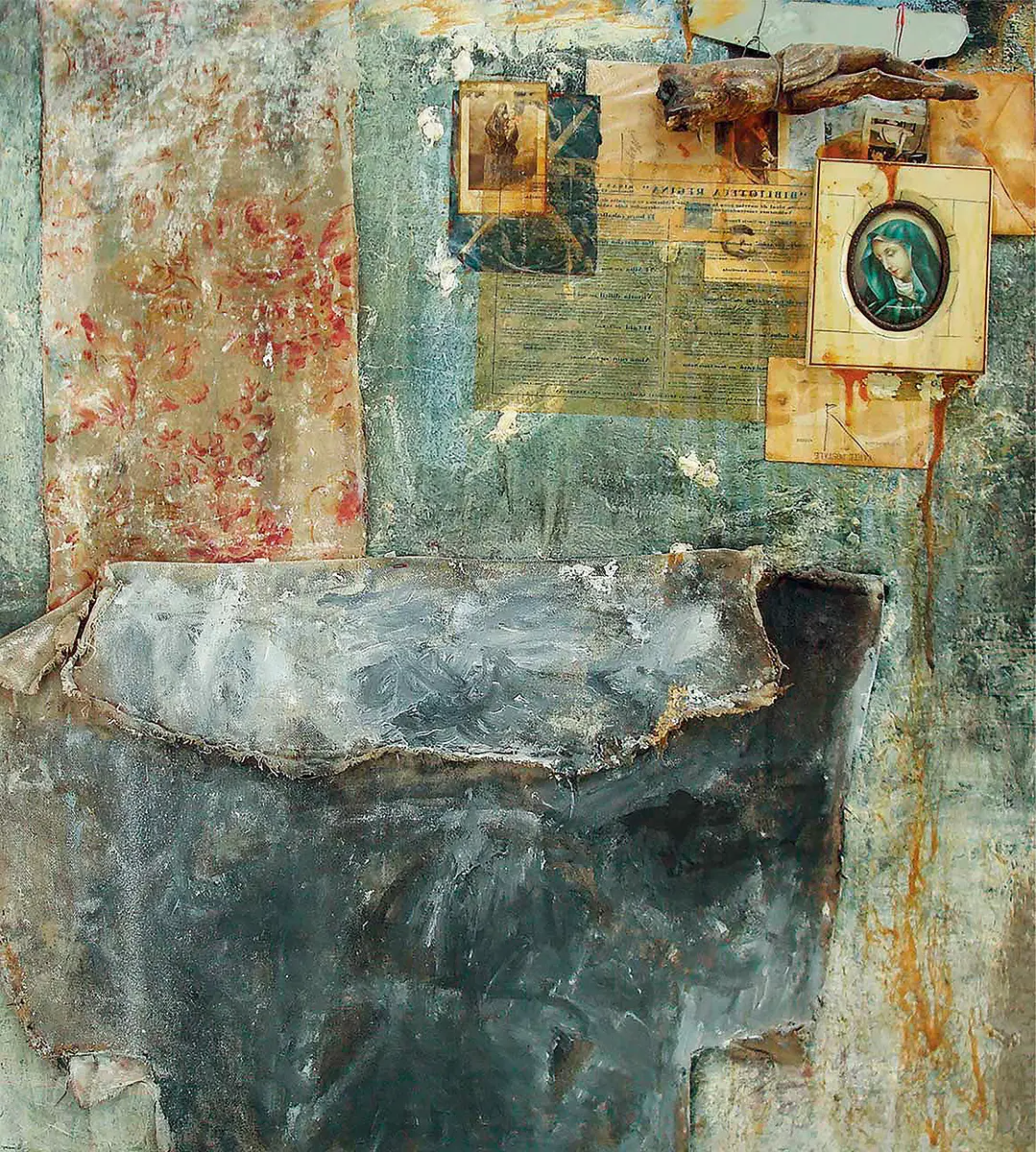
I’ve always felt that young people lack information about art history, so I like to connect them to older artists. Truly connect them: having them exhibit together. I have done that many times. I’m interested in observing how a renowned artist’s work stands being next to a young artist’s work, how they resist together; if the older artist remains relevant and if the younger one can absorb something from tradition. This was criticized. People said: “Isabel doesn’t have a clear focus; she shifts from a young artist to a renowned one.” But what interests me is intersection and diversity. Today, multiple perspectives coexist and one must embrace that multiplicity. But that’s hard in Chile. In contrast, significant spaces worldwide combine the modern with the contemporary within thematic exhibitions.
Why?
Because here there’s a brutal fear of difference. Chile operates in castes and ghettos, and that’s why we’re in the state we’re in. Businesspeople deal with businesspeople, athletes with athletes, artists with artists of their same style... That harms us. Dialogue is fundamental. Having an open mind is the only way to understand art and life.
You move between worlds, but do you feel part of any world? For example, do you identify with the gallery owners’ community?
I feel that I’ve followed my own path alone, and today with my daughter Javiera, who brings a fresh perspective. I never look sideways. I have a very independent mind.

What do you think distinguishes you as a gallery owner?
The desire to promote Latin American art internationally. But, most importantly, I think that to possess academic knowledge is crucial, because if you’re going to introduce art to others, you have a tremendous responsibility. A gallery owner has authority. He or she chooses who’s in and who’s out. And to justify that, one must have arguments and knowledge.
And how do you feel when you disqualify or exclude an artist?
That’s what hurts me the most because I can make mistakes too, and I have. Ultimately, only time will have the final say in art. It’s intense because when an artist shows you their work, they’re revealing their life’s story. So, if you tell them, “I’m not interested in your work,” it’s as if you’re saying, “I’m not interested in you.” That deeply affects me; I’m quite sentimental. I can’t dismiss people without hearing them out, discussing their work and spending more time than perhaps I should debating about their work and finding ways to guide them.
Looking back at your career as a gallery owner, collector, and curator, what criteria do you use in selecting artworks and artists?
I’m interested in being surprised by the work, that it isn’t obvious, that it has a critical edge, that it’s poetic, that it compels me to reflect, that it challenges me, that it has depth. I trust my judgment. I don’t understand a gallery that has a curator. What’s a gallery owner for? If you’re not brave enough to choose your artworks and artists, you’re not a gallery owner.
What does a gallery owner mean to you?
A curator. Someone who connects. This is a creative and intellectual job. In the trajectory of a gallery owner, you can see their eye, their thoughts, what they likes. Gallery owners aren’t just salespersons; they interact with the artist and try to understand their work to convey it to the public and to stimulate collecting. That’s why, in my exhibitions, I always organize meetings and conversations, not just with people from the art world but from various fields.
You have criticized the fact that Chilean artists seek legitimacy abroad and so it’s the foreign curators or gallery owners who decide what is good and what is bad in Chilean art.
Artists’ subservience, which is now even greater than before, also annoys me. I feel they’re looking at what’s happening outside instead of looking within themselves. They want to show foreigners that they can create something to their liking. This causes me tremendous distress. People want to see something different, something surprising, not something similar to what’s already established in the international system.
What do you think of the art being produced by young artists today?
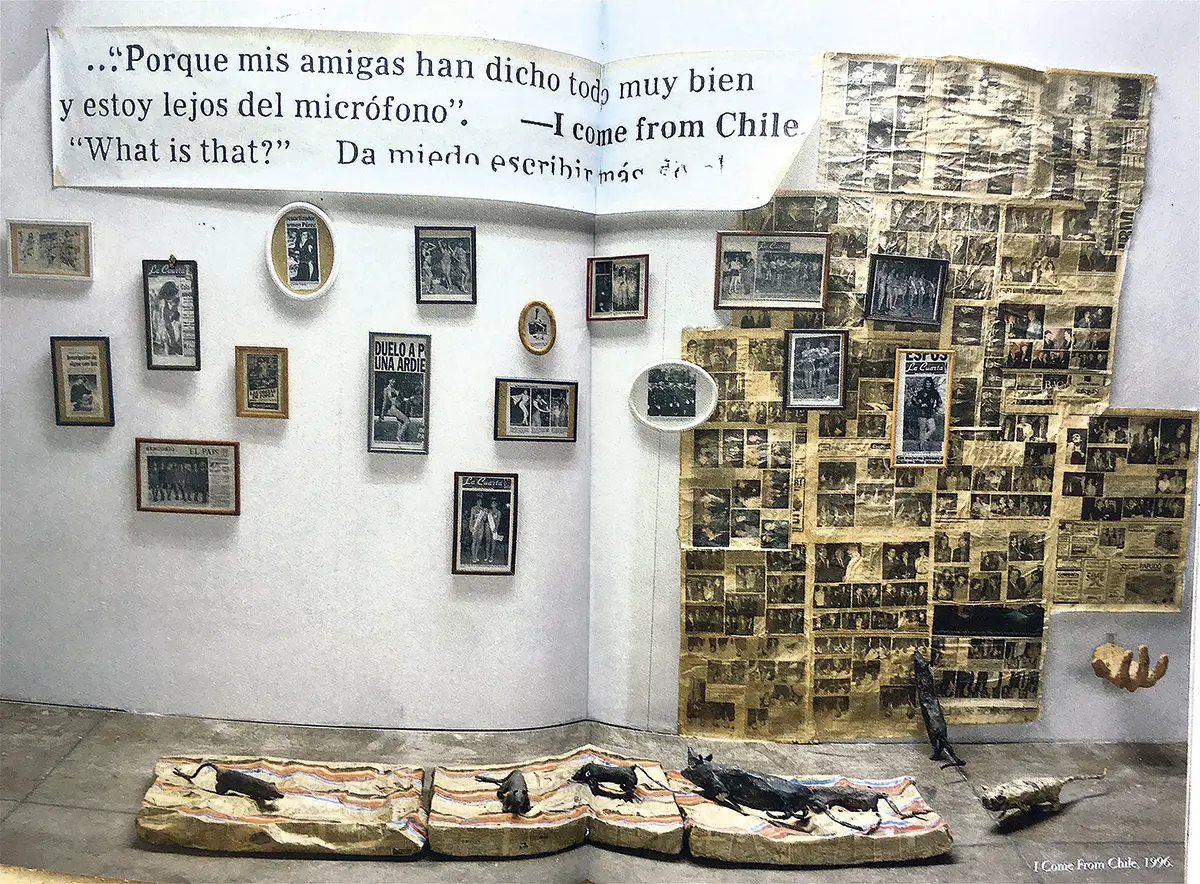
There’s an artists boom today. That could be detrimental to art, though it helps to refine the selection process. Many young artists don’t interest me because I find they’re more concerned with trendy topics than with creating their own perspectives, so their work appears obvious and literal. For example, I feel that way about photographs of the social uprisings, the graffiti on the walls… It all seems too obvious. Political artists who created art during the dictatorship worked with veiled languages, metaphors, symbols. It’s precisely the intersection between the political and the poetic what makes those works powerful. The works I like are poems. In fact, I’ve had a close relationship with poets.
You’ve mentioned that artworks are like people: they have their own character, energy, mystery.
Exactly. The same as people. There’s an initial emotional connection, an intuition, but artworks need more time to be understood.
You have said that we Chileans have a moral constraint that makes us feel that if we step out of the guidelines, we are exposing ourselves to enormous retribution. Have you ever felt that retribution?
Not so much, but I have censored myself. Many times, I have felt like doing a bolder, more critical or controversial action, but I didn’t because I did not want to expose myself.
In your early interviews you came across as a freedom seeker, audacious, open-minded... Did you feel that your environment was more conservative than you were?
I would say I’m more open than combative, because I also have my Catholic side. But I’ve always hung out with people who think differently from me; we argue, but they’re friends. I’m friends with artists, politicians, businesspeople, collectors... And I speak my mind. I don’t like to fight; I like to debate.
This more organic view of society is also threatened by the imposition of an individualistic and success-oriented model since the 1990s, where everyone seeks to save only themselves and to reach individual “success.” There is little collaboration and loads of competition.
When I paid homage to Carmen Waugh, almost no artists came. I ask young people who Carmen Waugh is and they don’t know. This is also a problem with universities; they don’t teach the history and realities of gallery ownership. Artists graduate without knowing how to work with a gallery or how to deal with a collector. They are disoriented. Sometimes their relatives buy their works at awfully high prices and they believe that’s their real value. I must deal with those things and adjust the prices to the reality of their resumés.
In the 1990s, you argued that artists were marketing themselves and that they had to be locked in their studios, doing their work. How do you feel about artists who want to succeed?
I find it complicated because the depth of their art gets lost. Artists need silence to concentrate and to delve into themselves so they can offer us a perspective that may enrich us profoundly. Someone else should do the work of showcasing and selling it.
Do you feel that artists who self-promote lose that capacity for reflection?
I believe they do. In fact, during the 1990s art boom there was a parallel depoliticization of artworks; they became lighter. Many artists achieved success at that time. They did really well, but I doubt those artworks will endure over time, even if they’re in a museum.
You have a close connection with collectors. What’s your opinion of Chilean collectors?
It’s still a small world in Chile because collectors don’t have the cultural prestige they deserve. They’re essential, but their contribution hasn’t been emphasized enough. The great prejudice against collectors is directly related to the prejudice against money. But they’re the ones who preserve our heritage; their role is extremely important. They should be much more integrated with other cultural actors. Since Chile is a place of ghettos, that doesn’t happen. I believe art and life are a fabric, and if one thread is missing, it unravels. The museum, the collector, the gallery owner, the critic, the curator, the artist, the observer: they all have to be intertwined for there to be a structure. That’s what’s lacking in the Chilean art system.
* Courtesy: Aninat Galería
CATALINA MENA LARRAÍN