Those who have only minimal knowledge of African-derived religions (or who are simply prejudiced) often compare Exu to some kind of evil force or demonic being. A recent example of this was the series of targeted attacks against black leaders by religious fundamentalists after the Grande Rio samba school won the 2022 Rio carnival competition for performing a thematic samba in homage to Exu. Scholars of Yoruba culture must often confront these misguided interpretations, not only concerning Exu, but African religions in general. This shows how Eurocentric narratives continue to dominate and influence the ways non-hegemonic cultural manifestations are perceived.
Gustavo Nazareno finds inspiration for his artistic pursuits precisely within the pantheon of Yoruba orixás (Afro-Brazilian deities), and Exu in particular. A young self-taught artist born in Minas Gerais and based in São Paulo since 2018, Nazareno has been developing excellent skills in drawing and painting to illuminate elements of African worldviews in dialogue with the current context. The artist adds his own fables to traditional narratives. The written word, whether in prose or in poetry, is of great importance to him, although it’s not his only recourse. Several other crafts are involved in the development of his pieces, from drawing and dressmaking, with a special focus on the human anatomy.
His solo exhibition Bará at the Museu Afro Brasil Emanoel Araújo was the result of the time the artist spent producing images that he defines as offerings. It is organized as the gradual account of a day-long celebration that the spectators are invited to. As curator Deri Andrade described it, “Bará is the divinity that communicates with his body’s movement and dance.” Here, Exu is in charge. One must ask him permission to enter, since he is the “orixá” that establishes the connection between the worlds of the living and the dead. Exu guards the entrance between the earthly and the metaphysical planes, enabling them to communicate with each other.
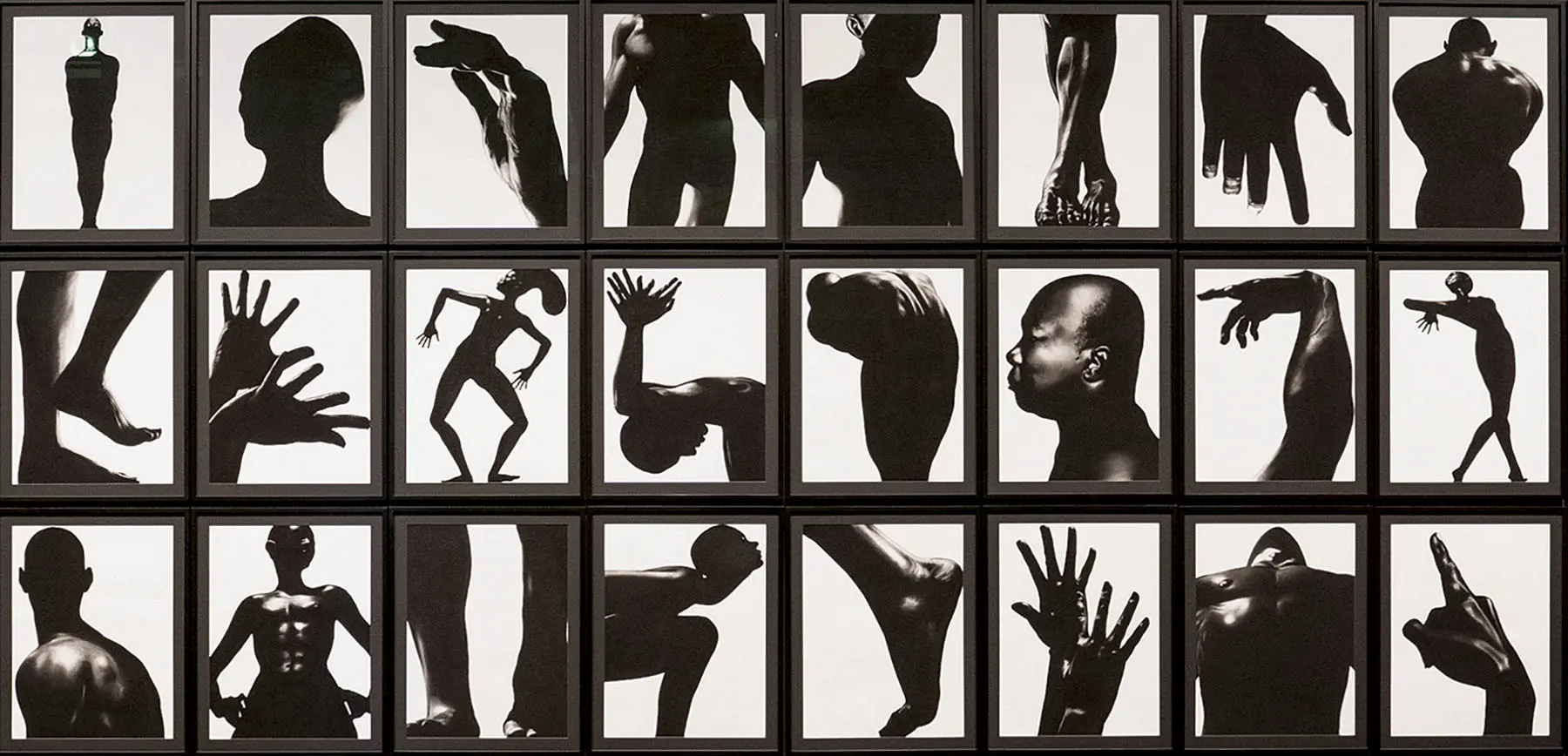
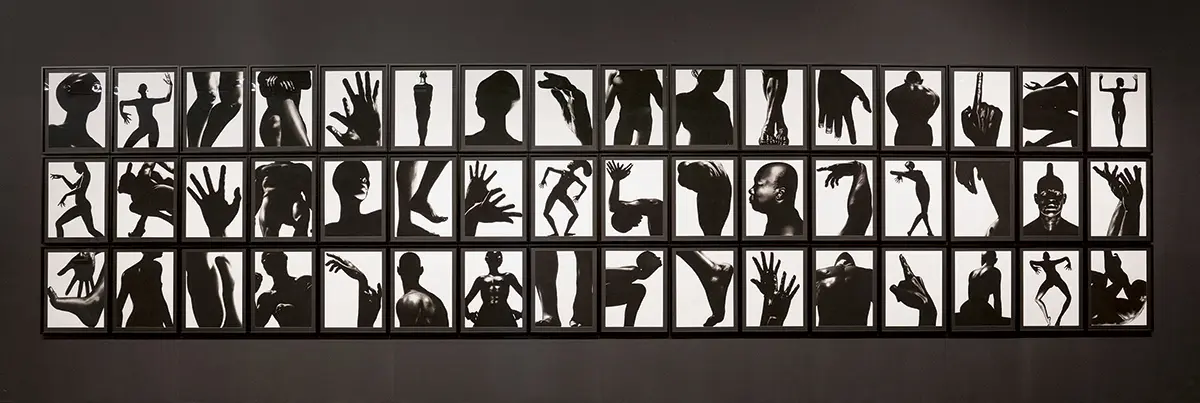
The exhibition’s journey unfolded almost in a spiral, culminating with the Bará series (2019-2023): a large central panel composed of charcoal drawings. Against a white background, several bodies dance with emphatic, celebratory gestures. The exhibition rooms that led to this nucleus feature alternating landscapes and characters, some of which possess peculiar configurations that differ from the usual representations of the Umbanda and Candomblé religions. There was also ample space to pay tribute to significant black historical and cultural figures, such as Mestre Didi, Heitor dos Prazeres, and Maria Auxiliadora. Even Emanoel Araújo, whose name was added to the museum after his passing in 2022, is portrayed in [Emanoel Araújo como Preto Velho, (Emanoel Araújo as an Old Black Man), 2023].
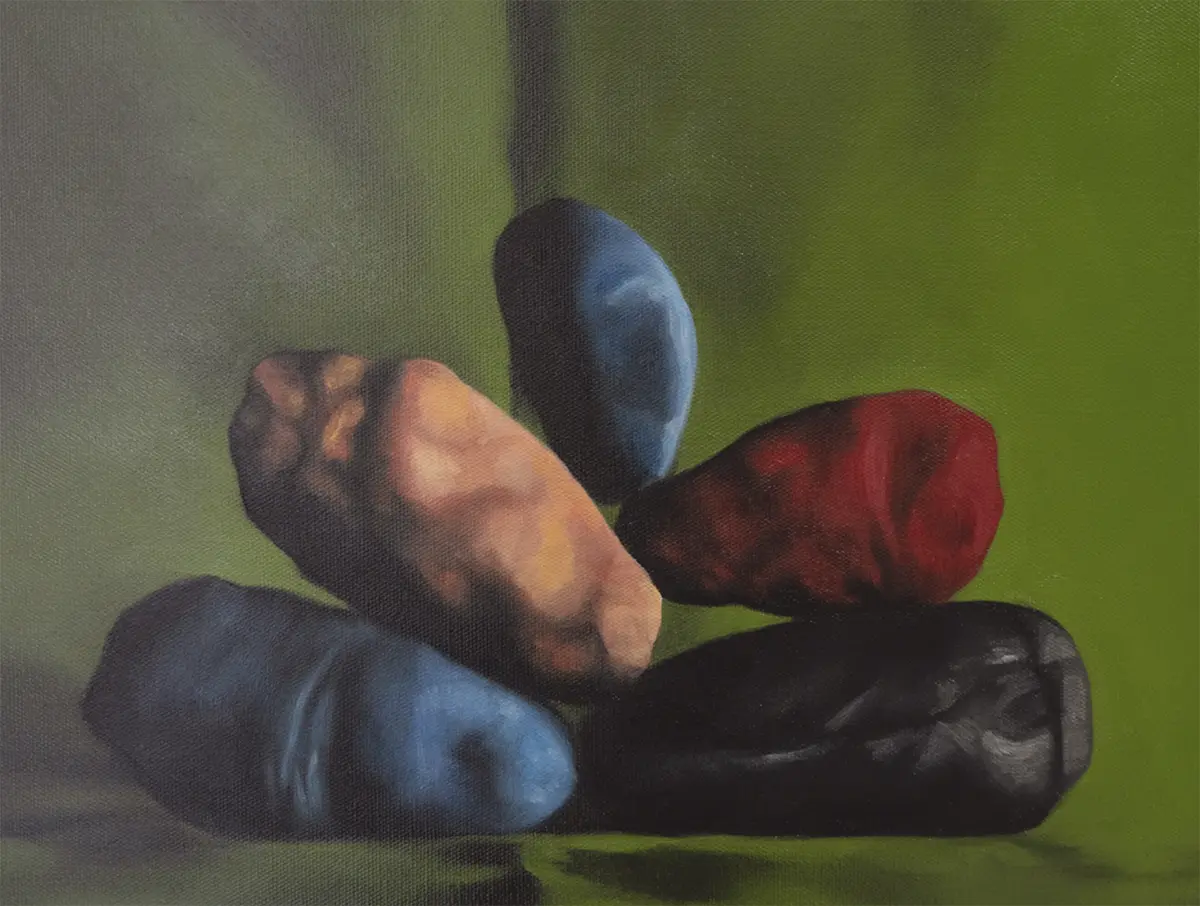
In both his charcoal drawings and oil paintings, Gustavo Nazareno showcases his mastery of techniques. His charcoal pieces have an incredibly luminous quality, with a rendering that can deceive the eye, resembling the language of fashion photography when the subjects are human beings or deities, and printmaking when focused on plants or animals. His compositions, centered and in close-up, exclude everything that is not essential. While these works are detailed, the compositions are “clean” and devoid of any element without purpose.
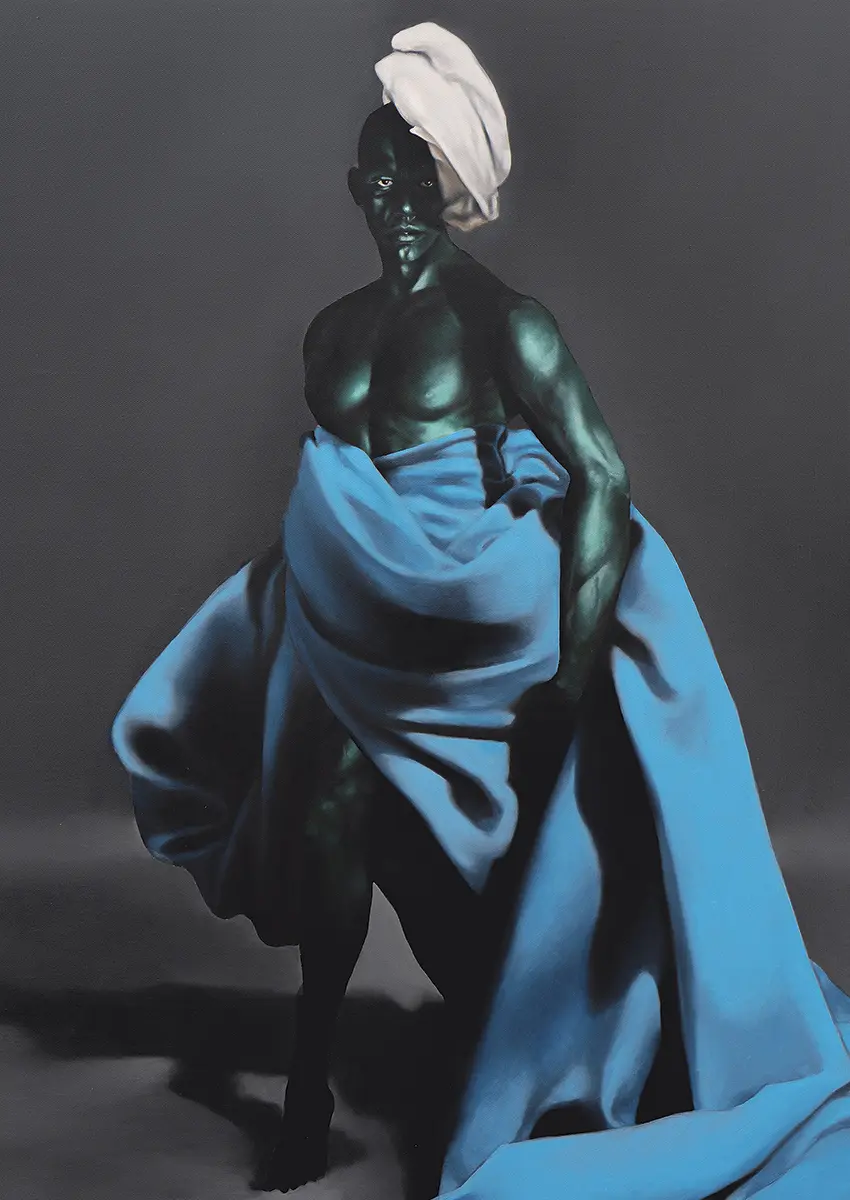
The treatment given to the oil paintings is equally meticulous. Volumes, shadows, and lights are carefully constructed in visually impactful compositions, even if the palette is limited to a few colors. As a rule, his compositions focus on essential narrative elements in the foreground, while the background is divided into sky and ground in desert-like atmospheres, landscapes, or scenic settings, as in O truque das visões III (The Ruse of Visions III, 2023) or Entrada de Oxóssi em Esmeralda (Oxossi’s Entrance in Esmeralda, 2022).
This world may be the reflection or counterpoint of another one. The world where Nazareno’s beings reside is not ours. We would probably only be able to enter that other plane by performing the traditional ritual of asking Exu to grant us passage.
*Photo: Anna Carolina Bueno © Courtesy: Gustavo Nazareno Studio.
SYLVIA WERNECK