To revisit the myth of El Dorado in the Americas and explore its implications became the chief motivation for the three directors of Fundación PROA in Buenos Aires, Americas Society in New York, and Museo Amparo in Puebla to collaborate over a period of two years in encounters involving historians, anthropologists, philosophers, and a curatorial committee composed of Aimé Iglesias Lukin (United States), Ramiro Martínez (Mexico), and Adriana Rosenberg (Argentina). The reexamination of this myth opened up the opportunity to delve into the territory and learn about all the raw materials and vast resources that changed the daily lives of both the East and the West from the sixteenth century onward. Today, some resources are still being extracted with colonial undertones, including lithium, which holds immense significance in the digital era.
They decided to add the subtitle “A Territory,” and—given the wide array of perspectives—that each institution would produce its own curatorial version. Therefore, this initial exhibition at Fundación Proa—featuring artists from Mexico, Argentina, Peru, Bolivia, Guatemala, and Colombia—is not a traveling show but rather the first instance of an evolving constellation that will incorporate images, texts, and artworks throughout 2023 and 2024 across three institutions in three different cities. The artists aren’t necessarily addressing the myth itself, the conquest in particular, nor a specific array of raw materials, but their works do relate to the curatorial themes referencing the ambitions of wealth, greed, trade, and voyages, as well as the heaven-and-hell that this adventure left on the land in its wake.
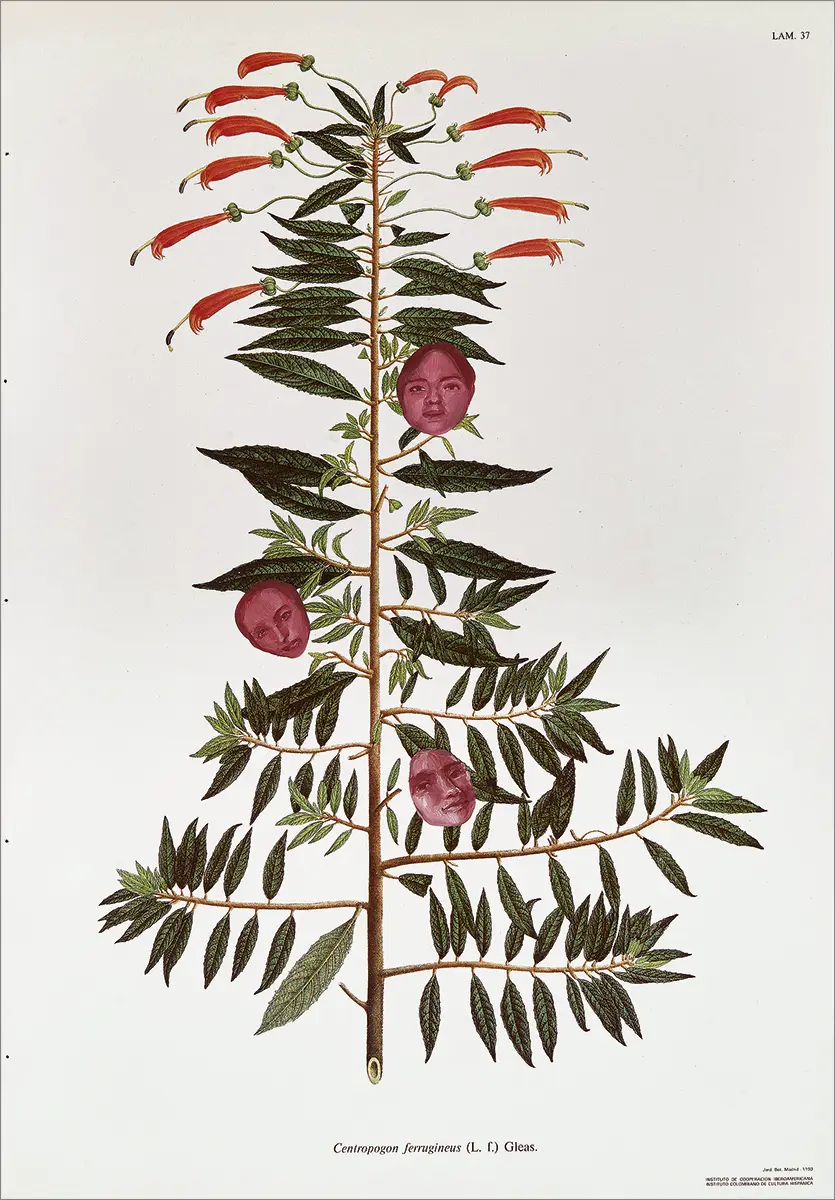
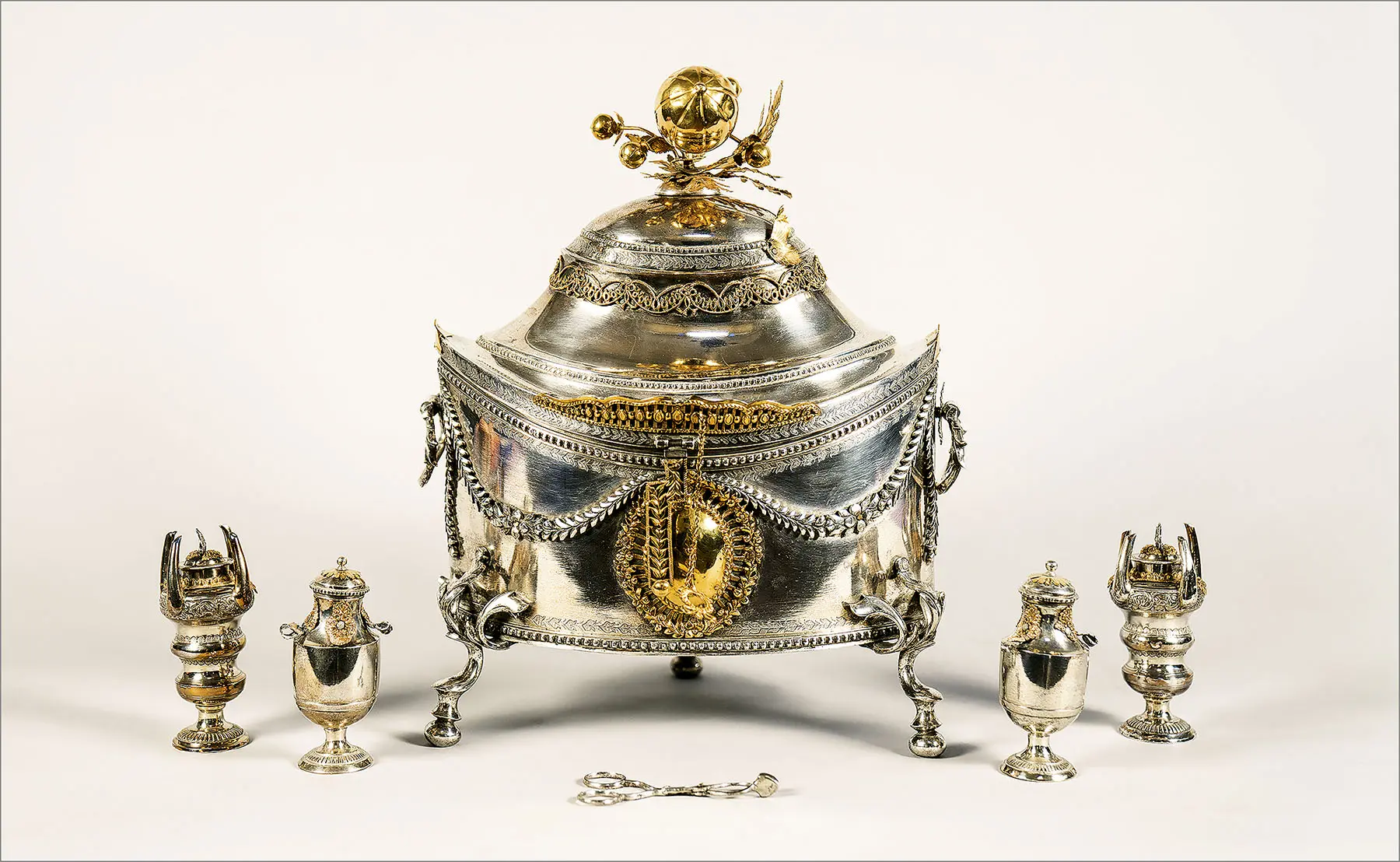
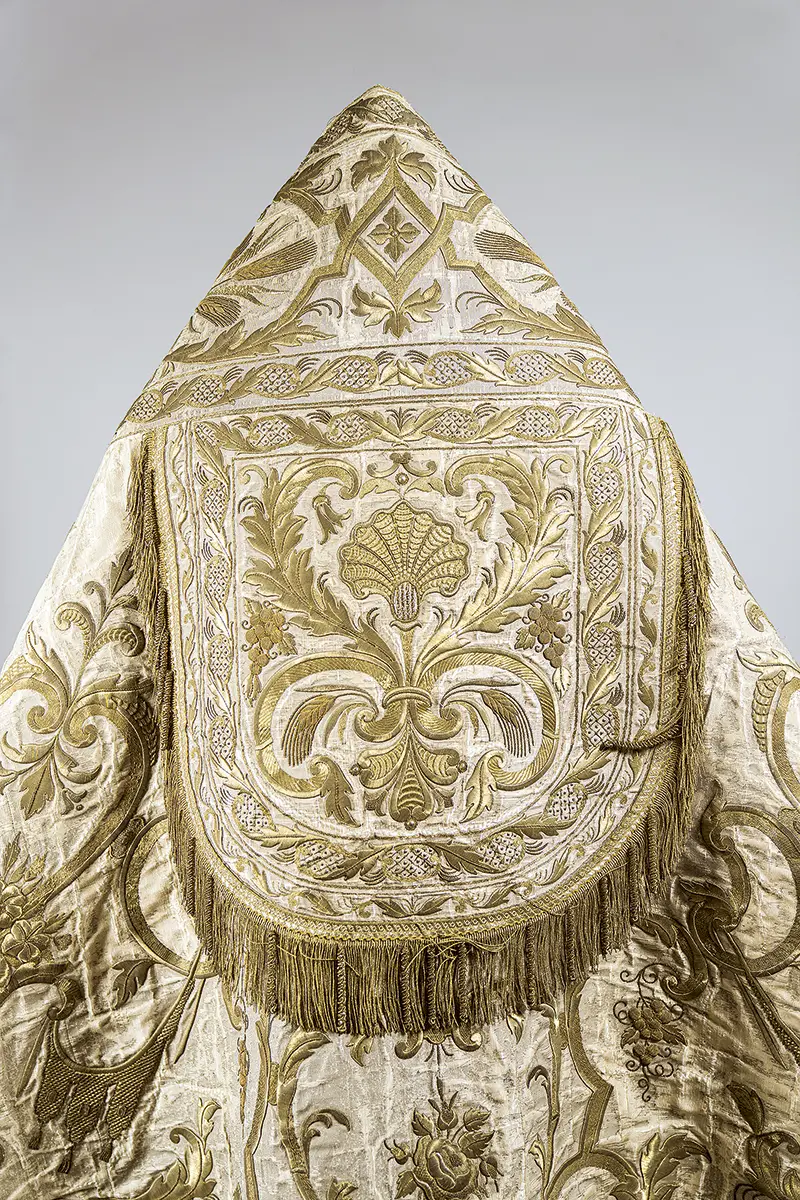
Certain native raw materials from the Americas altered the world’s cultural history, such as the tomato, a fruit native to the Andes, or the cocoa tree, originating in the Amazon and cultivated by the Maya people for over 2,500 years. Potatoes originated in Peru and were domesticated for consumption, with over 5,000 known species; today, it’s one of the most important foods worldwide. The use of Amazonian rubber extracted from the “weeping tree” led to a bloody exploitation. Chili peppers reached Spain around 1493, and replaced the pepper. And cochineal, a parasite that produces an intense red substance when dried, was used to dye the most luxurious fabrics. In fact, it was the most exported product after gold and silver, and the second-most profitable for those involved in its trade, both for the Spaniards and the indigenous peoples. With this wealth of possibilities, the exhibition El Dorado. A Territory— recently named the Best International Exhibition Project by the Association of Museologists and Museographers of Andalusia, EXPONE Awards 3rd edition/2023—includes contemporary artworks in contrast with those of another historical epoch. Also, objects on loan from the Museo Hispanoamericano Isaac Fernández Blanco are also displayed, including finely embroidered bishop’s capes and a coquera (coca leaves box) made by the Upper Peru School, both from the late eighteenth century, when gold and silver were signifiers for the powers of State and Church.
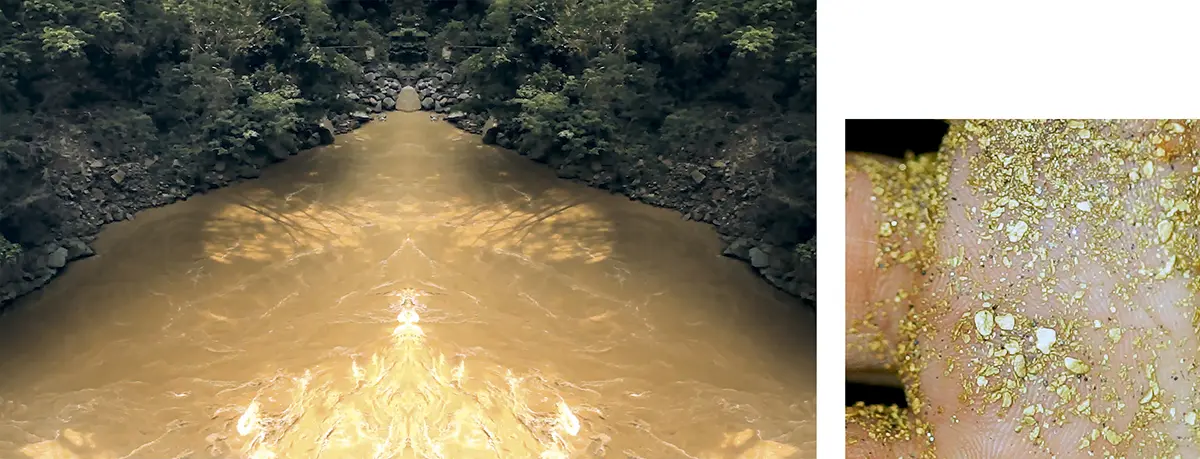
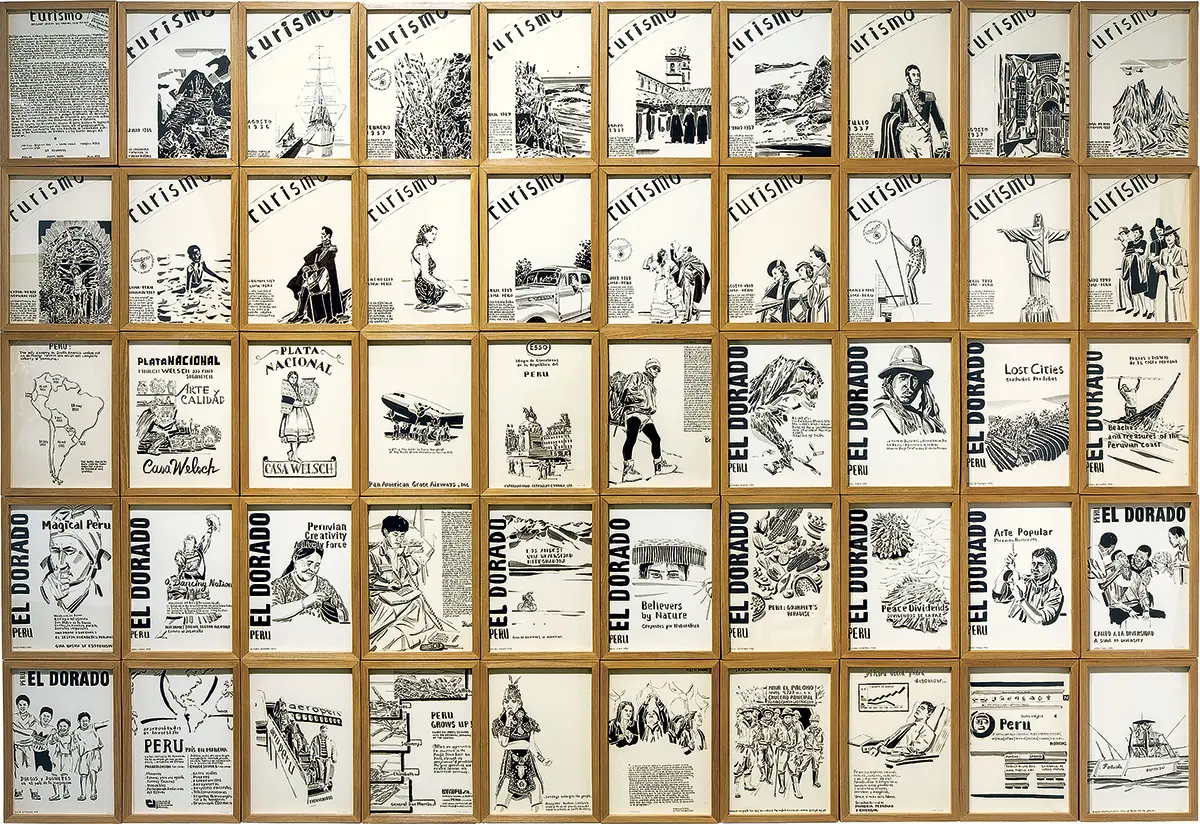
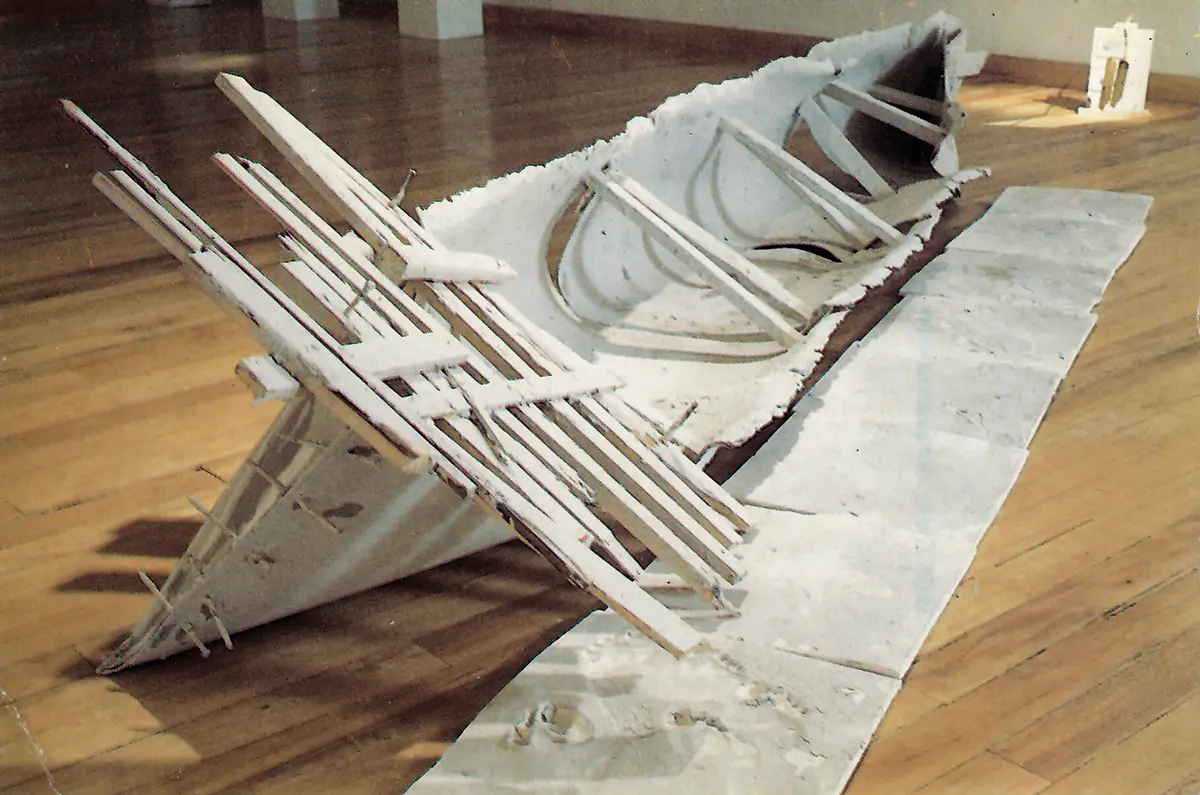
On the ground floor, we are confronted with metaphors for voyages, precariousness, illusion, and greed. The immersive artwork Patrón mono: ríos libres, pueblos vivos (Blonde Boss: Wild Rivers, Living Peoples, 2018-2022), by Carolina Caycedo, takes us on a journey down the Cauca River, where gold nuggets were seen floating. Last September, this artwork was projected in Times Square, drawing attention to the ancient bond between communities and rivers. El espejito dorado (The Little Golden Mirror, 1990), by Clorindo Testa, is an unnavigable vessel lying in fragments on the floor, and nearby, Víctor Grippo’s device alludes to ships and to a mirror-mirage of a golden egg in its small box. Both were part of the exhibition “El Dorado,” organized by Jorge Glusberg in 1990, on the eve of the 500th anniversary of the “discovery” of America in 1992. Also on display is Turismo/El Dorado (Tourism/El Dorado), Fernando Bryce’s polyptych of billboards that promote El Dorado’s exploratory tourism.
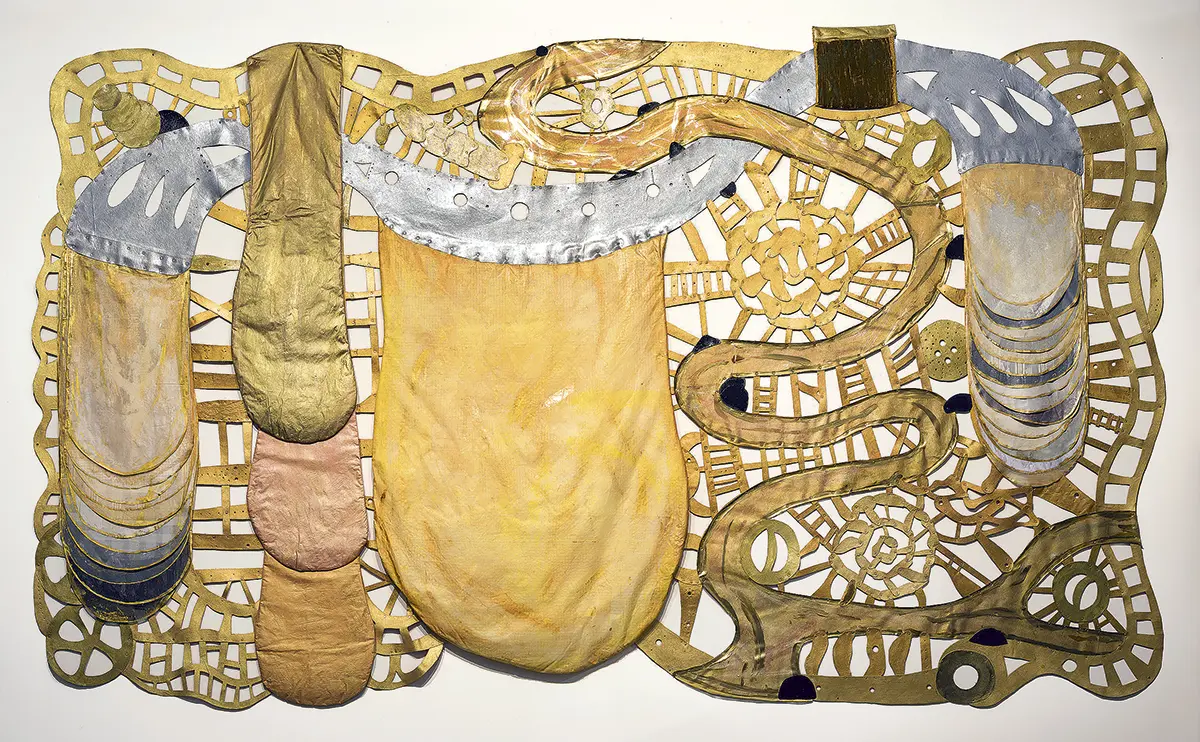
The second room is filled with shimmering gold and is dimly illuminated to enable silent contemplation while traversing the monochromatic works by Mathias Goeritz; the capes hanging from the ceiling, made by Olga de Amaral with textile techniques and other materials; or the materiality of Dorado II, a textile piece by Leda Catunda. A video by Pedro Terán reconstructs the ritual ceremonies of the Muisca people located at the Guatavita lagoon, and also featuring a votive offering of about 20 x 10 cm, which represents the transfer of power and gave rise to the legend of a golden city in South America. The ceremony involves immersing the new chief in the lagoon with his body previously covered in gold dust and aboard a small raft filled with objects made of the precious metal.
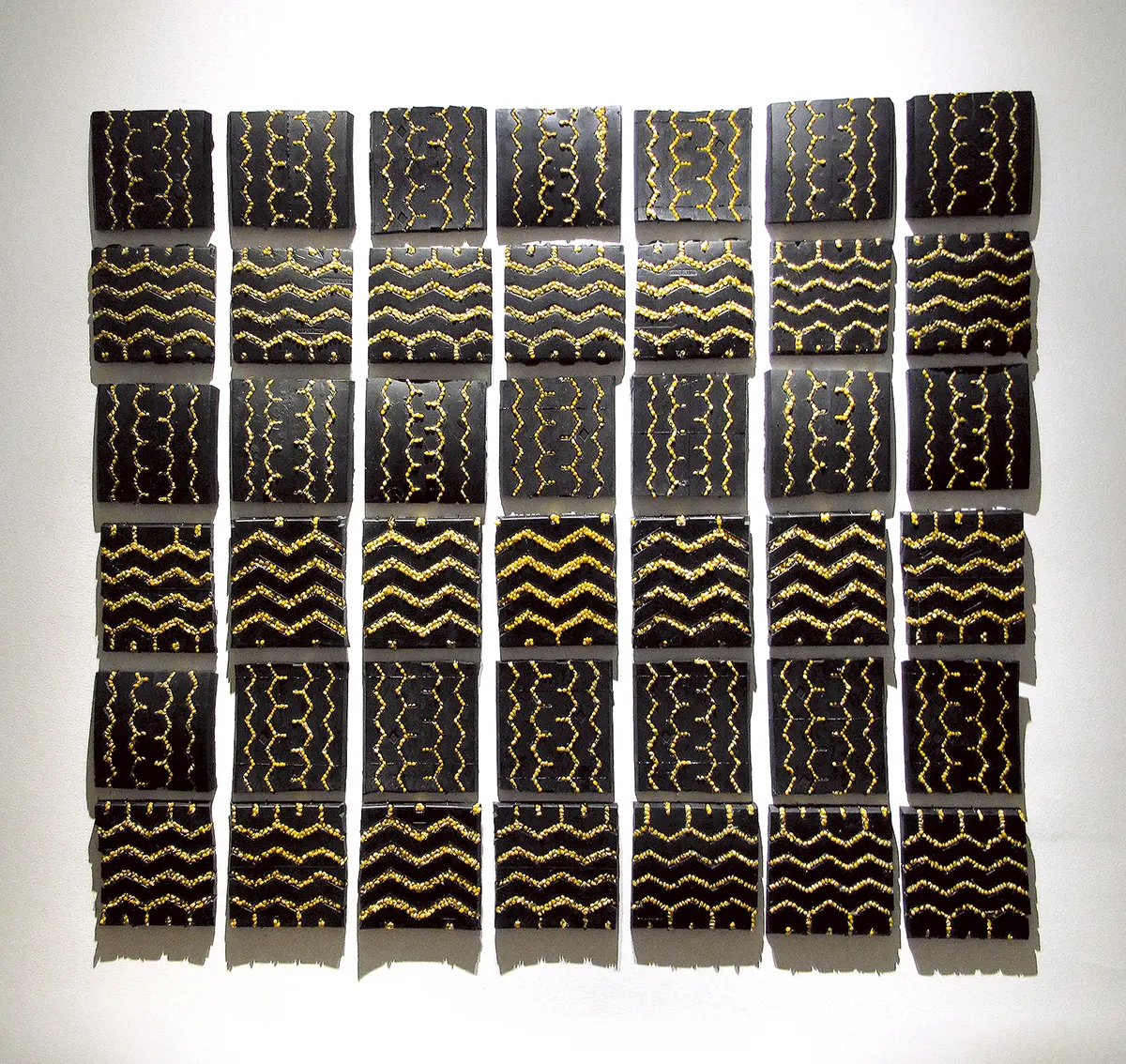
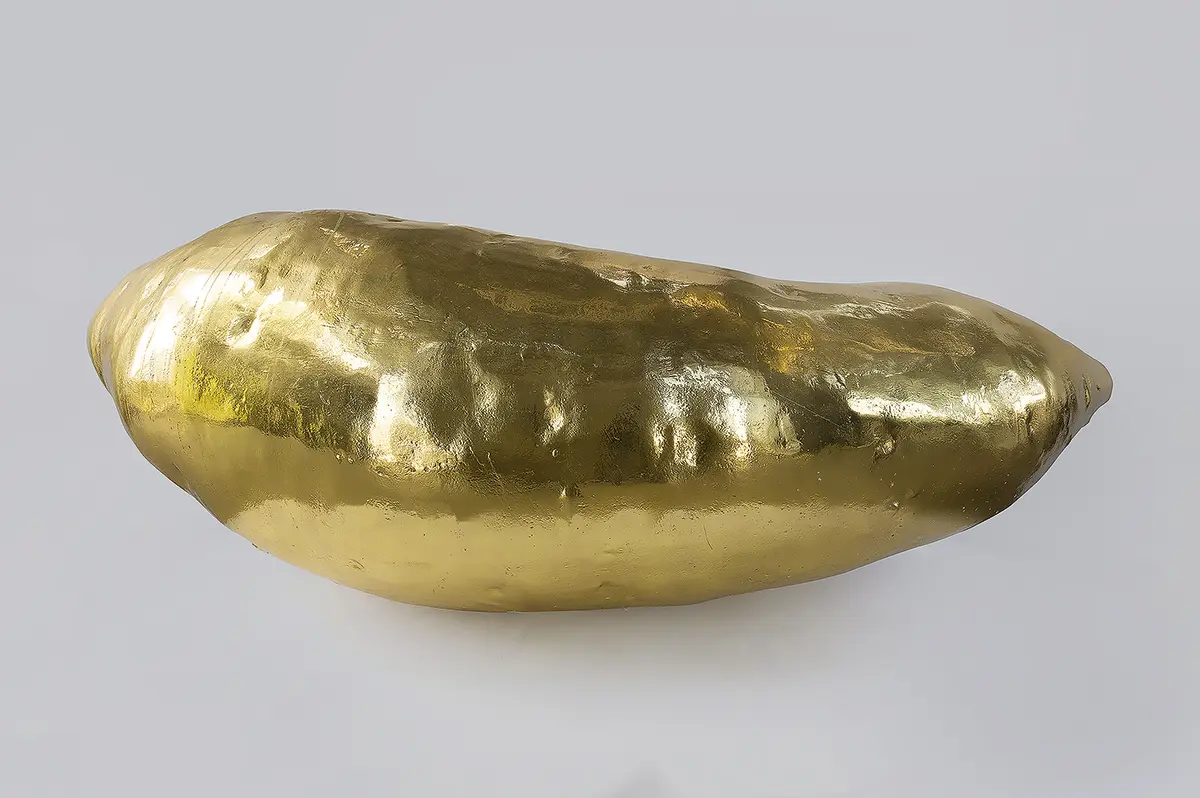
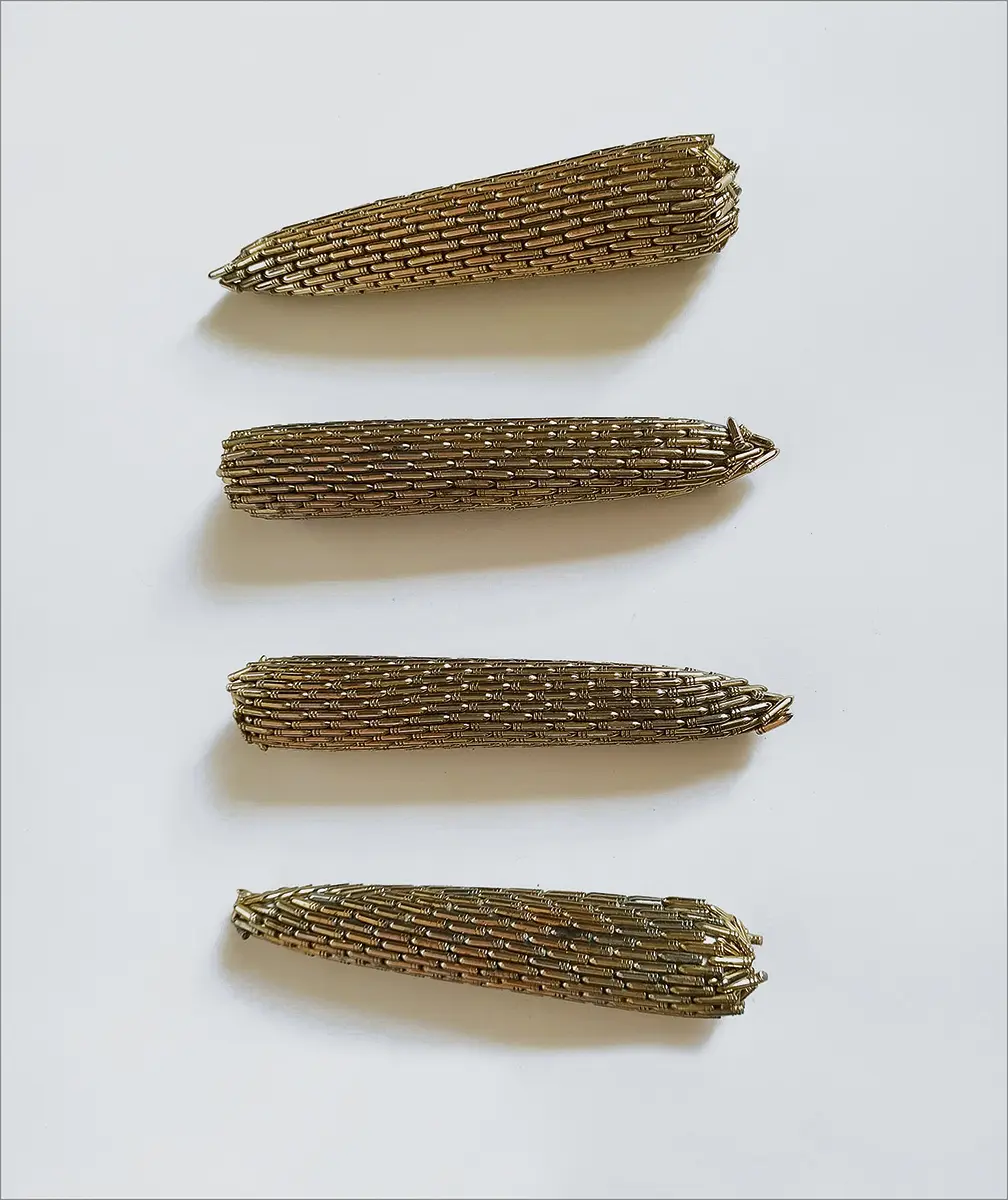
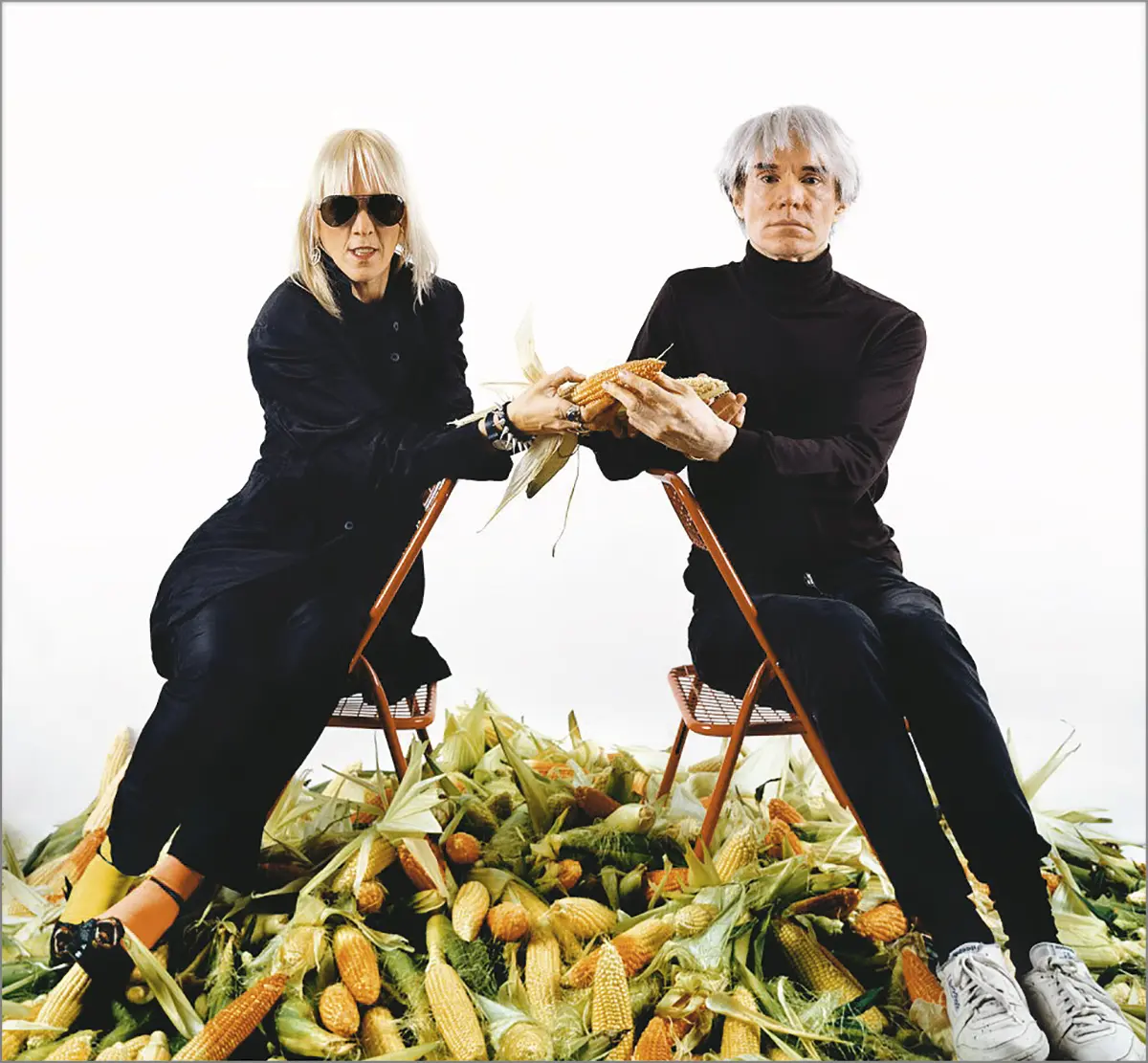
An example of the various forms a territory can be conjures is the display of different colors of earth brought by artist Teresa Pereda from different regions through exchanges with locals, and placed in mounds on a map-like table. Next to it is Naturalizar al hombre. Humanizar la naturaleza (Naturalize Man. Humanize Nature), by Víctor Grippo: a large table filled with potatoes and laboratory containers, which was first exhibited in the 1977 São Paulo Biennial. These potential forms coexist with the Colombian jungle: an intervened image by the collective Mazenett & Quiroga is coupled with pages depicting continental flora and Sandra Gamarra’s added drawings. Standing out as a critical metaphor for the exploitation of rubber is Betsabeé Romero’s Guerreros en cautiverio (Captive warriors, 2008): tractor wheels on which the artist carved abstract patterns that she then covered with gold leaves. Corn, known as the “Latin American gold,” takes center stage in Marta Minujín’s recreation of her performance at The Factory in New York: Pago de la deuda externa argentina a Andy Warhol (Payment of Argentina’s foreign debt to Andy Warhol, 1985). In this occasion she remade the setting as an installation for selfies, alongside the video recording of the original action and photographic documentation. In the work Elote de balas (Bullet Corn, 2016) by Guatemalan artist Benvenuto Chavajay Ixtetela, ears of corn made from bullets encapsulate the violence suffered by indigenous people and peasants, which has claimed the lives of 250,000 Guatemalans between 1960 and 1996. The husks or chalas that cover the corn cobs are presented by Evi Tártari, from Tucumán, as a potential refuge. The global value of the potato is depicted in the large-format photograph Ezequiel Arce and his Potato Crop (1922-1928) by Martín Chambi, portraying a family of harvesters; of the red bell pepper (also native to these lands), by Florencia Sadir’s land art installation; and of the sweet potato, made into a giant sculpture from aluminum and gold leaf, by Iván Argote. Nearby are the beautiful works by Tania Candiani, embroidered and dyed with cochineal. All of them present conflicts and the ways in which the two positions—colonialist and post-colonialist—pierce contemporary life.
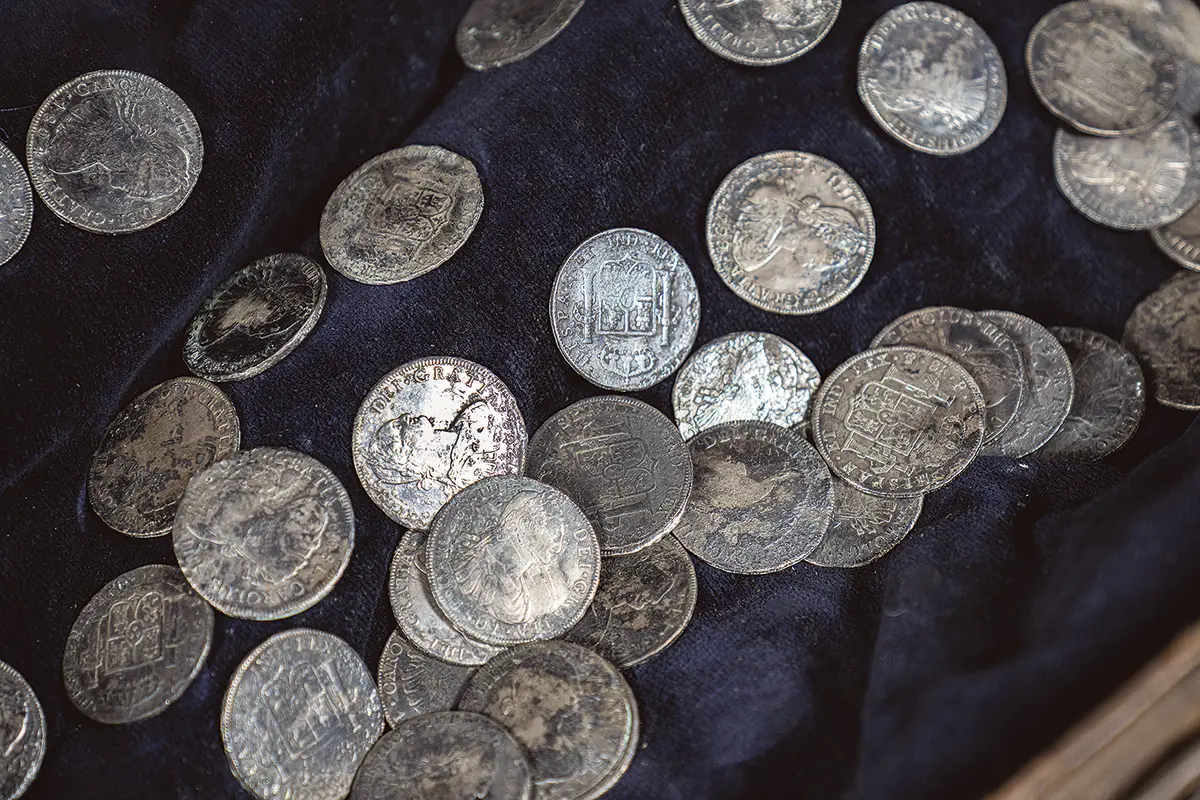
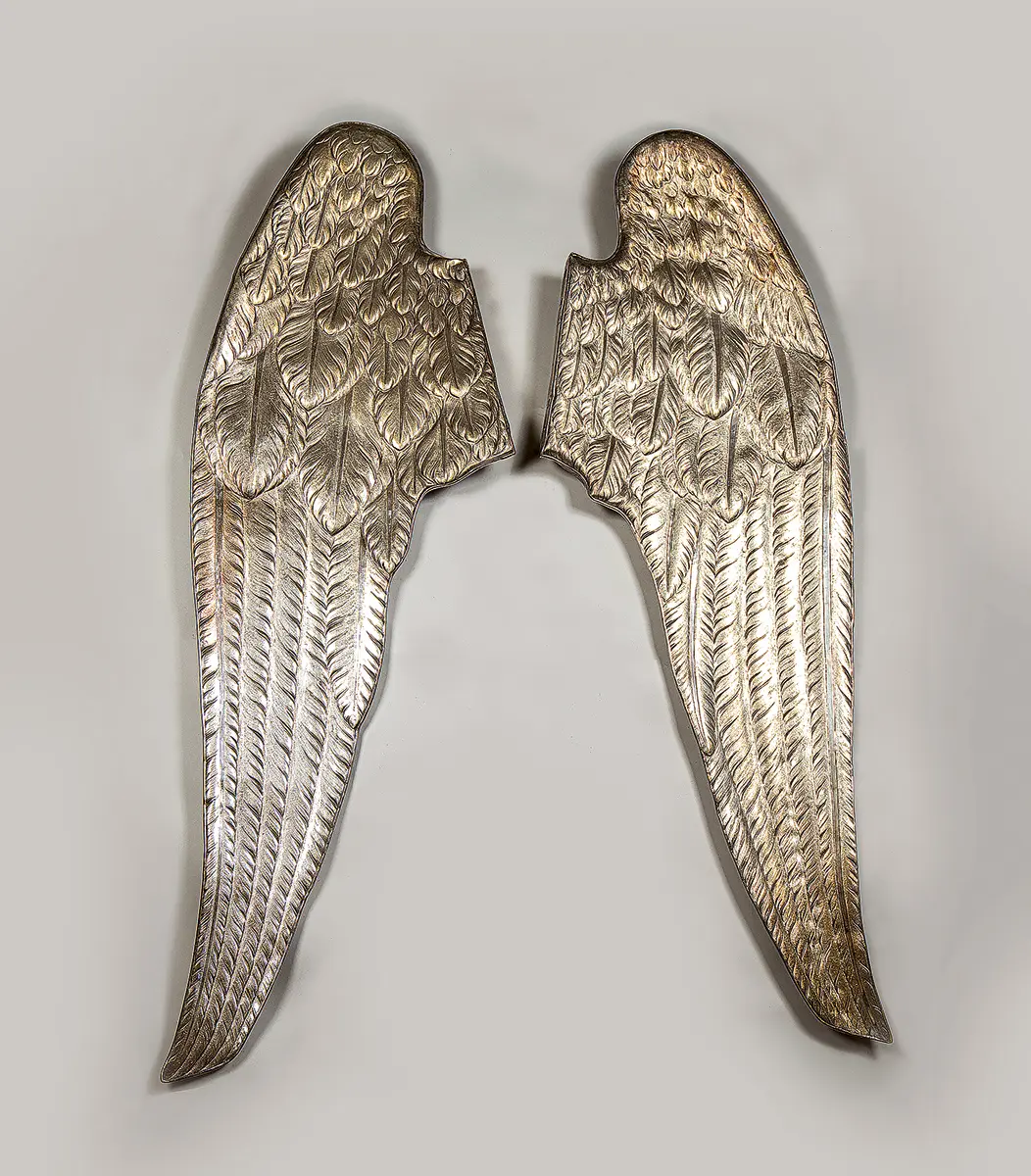
Santiago Montoya, a Colombian artist based in Miami, sculpted two chocolate pieces for this exhibition. Pirámide en chocolate (Pyramid in Chocolate, 2023) combines the golden pyramid with a base of processed chocolate. As a desirable and valuable raw material, this work relates to the old silver coins found, as in a time capsule, at the base of the May Pyramid when it was moved to the Plaza de Mayo in Buenos Aires. Two large wings made of the same precious metal, invite the visitor to play the role of an angel for their selfie. Andrés Bedoya works with silver, which is historically relevant due to colonial extraction in the Potosí mines and serves as a historical-conceptual anchor for an installation of hundreds of flies made of silver. These allude to cycles of life, death, rise, and decline. The objective value of the metal with which these are made rouses an attraction directly proportional to our instinctive rejection of flies.
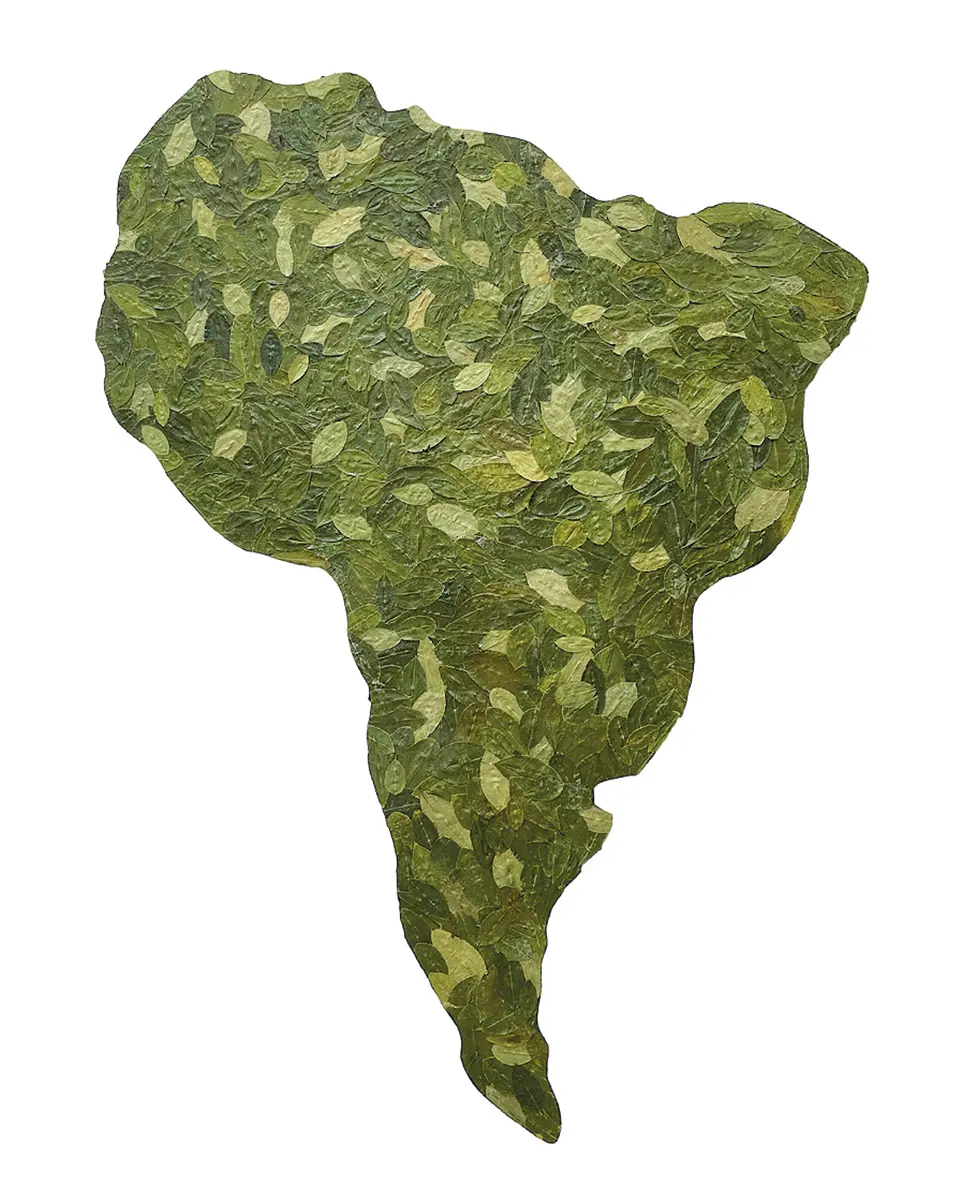
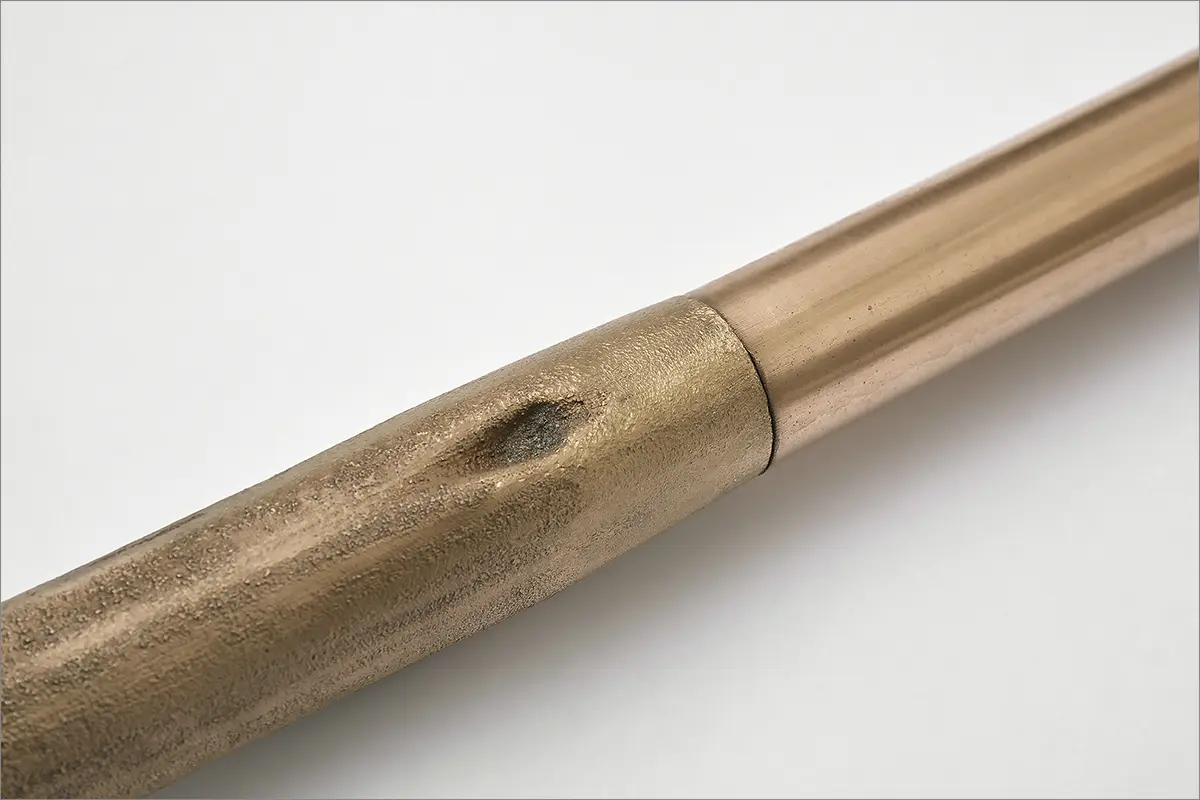
Ximena Garrido-Lecca, a Peruvian artist based in New York, creates subtle works by binding native wood species with rods of copper, a material that has proven to have a greater connectivity than any other of its kind. Bolivian artist Gastón Ugalde lays out coca leaves on a map of South America. The exhibition concludes with an almost immaterial artwork suspended from a ceiling installation and separated from the rest of the room. These embossed pieces by Estela Pereda take the form of ammonites, a subclass of cephalopod mollusks that existed in the seas from 400 million years ago until their extinction 66 million years ago. This temporal perspective seems to indicate that, despite the injustices and hardships inflicted on the local communities that were the first owners of these lands, nature in this bountiful territory evokes poetics and keeps embracing innovation, cultures, and economies.