

The Galerie Peter Kilchmann is one of the most important in Zurich for the commitment that he has maintained throughout history to the most innovative trends on the international art scene and for his firm commitment to contemporary Latin American art. Artists such as Teresa Margolles from Mexico, Jorge Macchi from Argentina, and Fernanda Gomes from Brazil have exhibited in it. It is a place of reference for Latin American art in Zurich that has acquired even greater relevance after the Daros Latinamerica Collection closed its headquarters in Zurich.
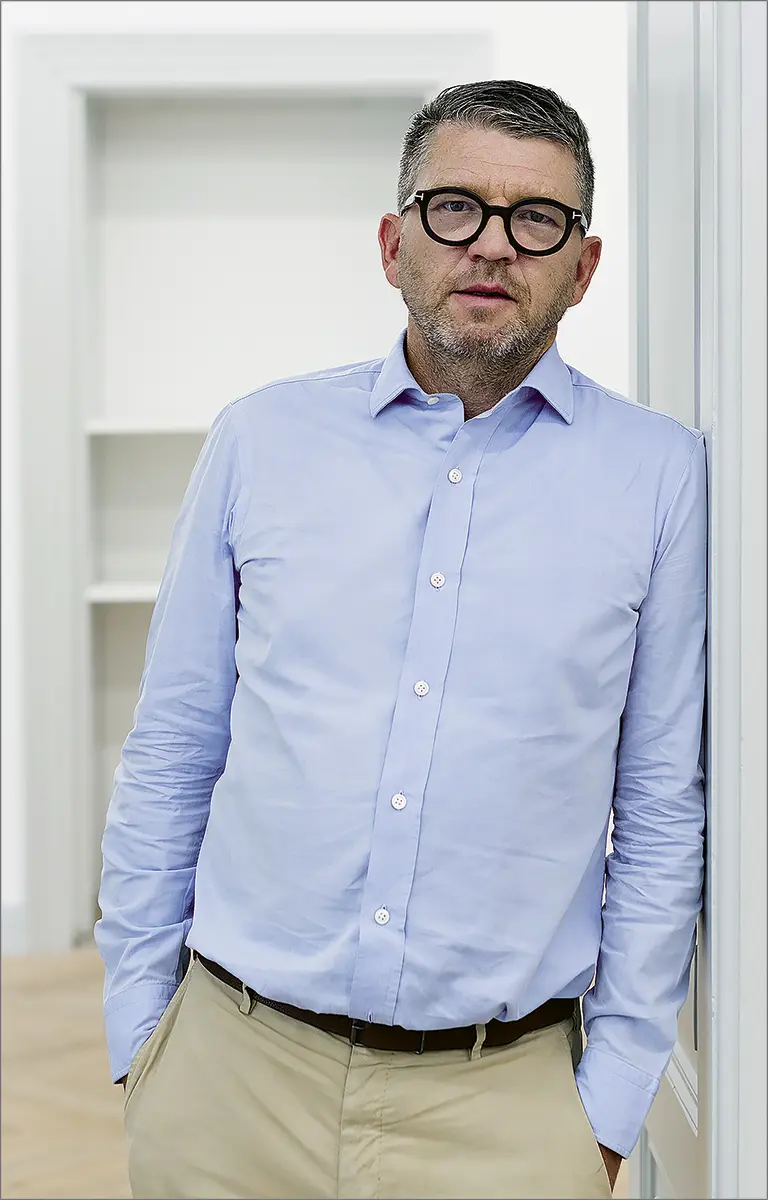
Peter Kilchmann, its owner, was born in Lucerne and studied Art History in Paris before traveling to New York in the 1980s, where he worked as an assistant in an art gallery. There, he learned firsthand the city’s vibrant art scene. On his return to Switzerland, he settled in Zurich, and after stints with an auction house, he opened his gallery in a derelict industrial complex, where he shared with gallery owners such as Iwan Wirth of Hauser & Wirth and with studios of young artists. After four years, he moved to renowned Loewenbrau building with several galleries, Zurich Kunsthalle and Daros Latinamerica Collection. Since 2011 the headquarters are located at Maag in a white cube gallery with an outpost in a townhouse in the city center located on Rämistrasse. And recently, he opened a new venue in Paris.
Why did you decide to become a gallery owner?
I opened the gallery on August 27, 1992, with a show by Irish artist Willie Doherty. I was studying art history and had been interested in opening a gallery for a couple of years. By the end of the 80s, I worked as a gallery intern in New York City. I liked the job. Back in Switzerland, I worked for Schneider Auctions in Zurich in the photography department. This auction house went bankrupt in 1991. It was the time of the first Gulf War, and economies went really down. After this bankruptcy, I was on the street and decided to take the risk of opening my own gallery.
Why did you open your gallery for the first time in an old factory converted into a space for art studios and galleries?
This old factory complex was empty and about to be demolished in a couple of years; during this period, different galleries occupied it; also, the Zurich Kunsthalle was located there. I decided to open at the complex because it had a good scene and atmosphere. From day one, I had visitors in the gallery since this complex was the place to see art.
What memories do you have of that experience?
I have very good memories from the four years I had my gallery in this complex before I moved to the Löwenbräu factory in 1996. Since the rent was not expensive, I could function without many sales and take my time for the gallery to be fully operational. I could also make mistakes without consequences.
What have been your work lines in your 30 years as a gallery owner?
I opened up the gallery promoting only artists working in photography at the beginning. The reason was that there were very good artists around working with photography (like Andreas Gursky, Thomas Struth, and Thomas Demand), but they were not accepted as artists. I wanted to correct this. But I kept this line only for two years since it was too limited for me not to be able to present any other artists. Also, I was not interested in the media but in the context. Later, artists working with photography were also included in other galleries, and they were accepted as artists. My goal was there.
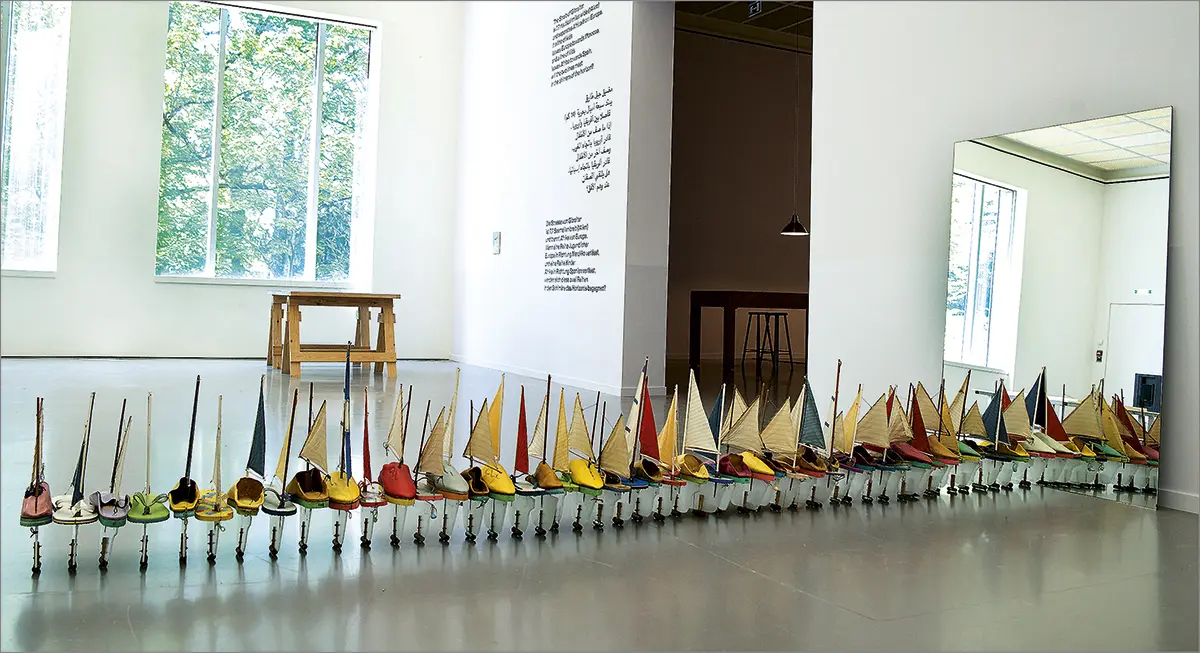
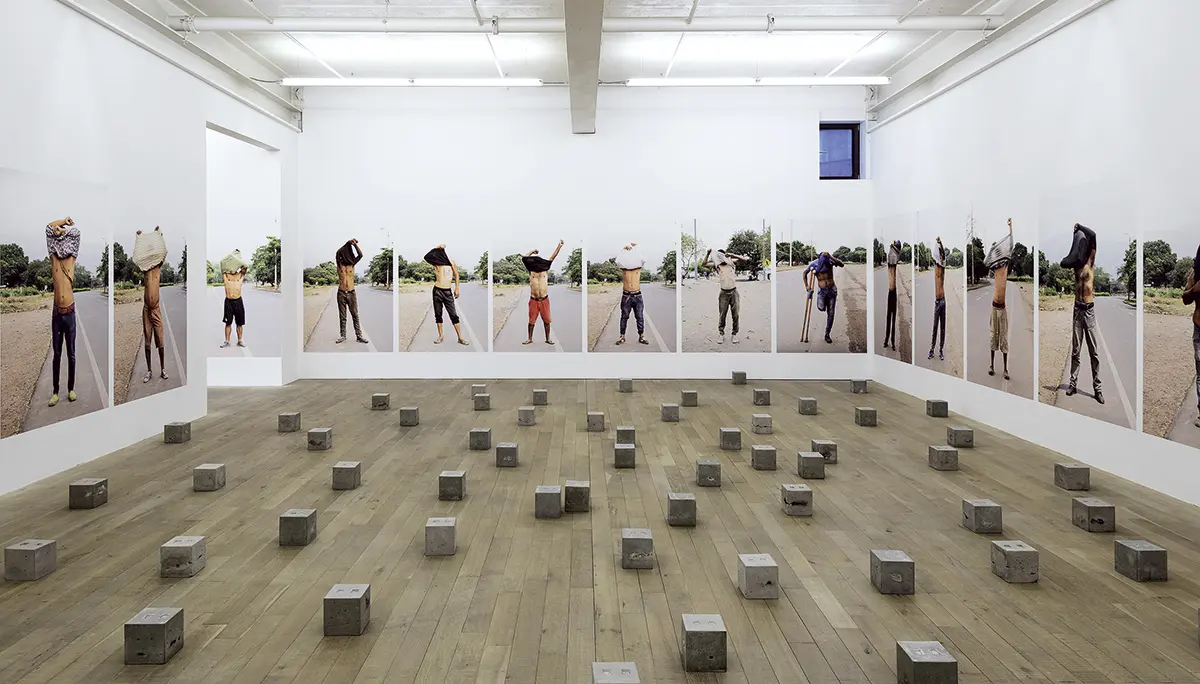
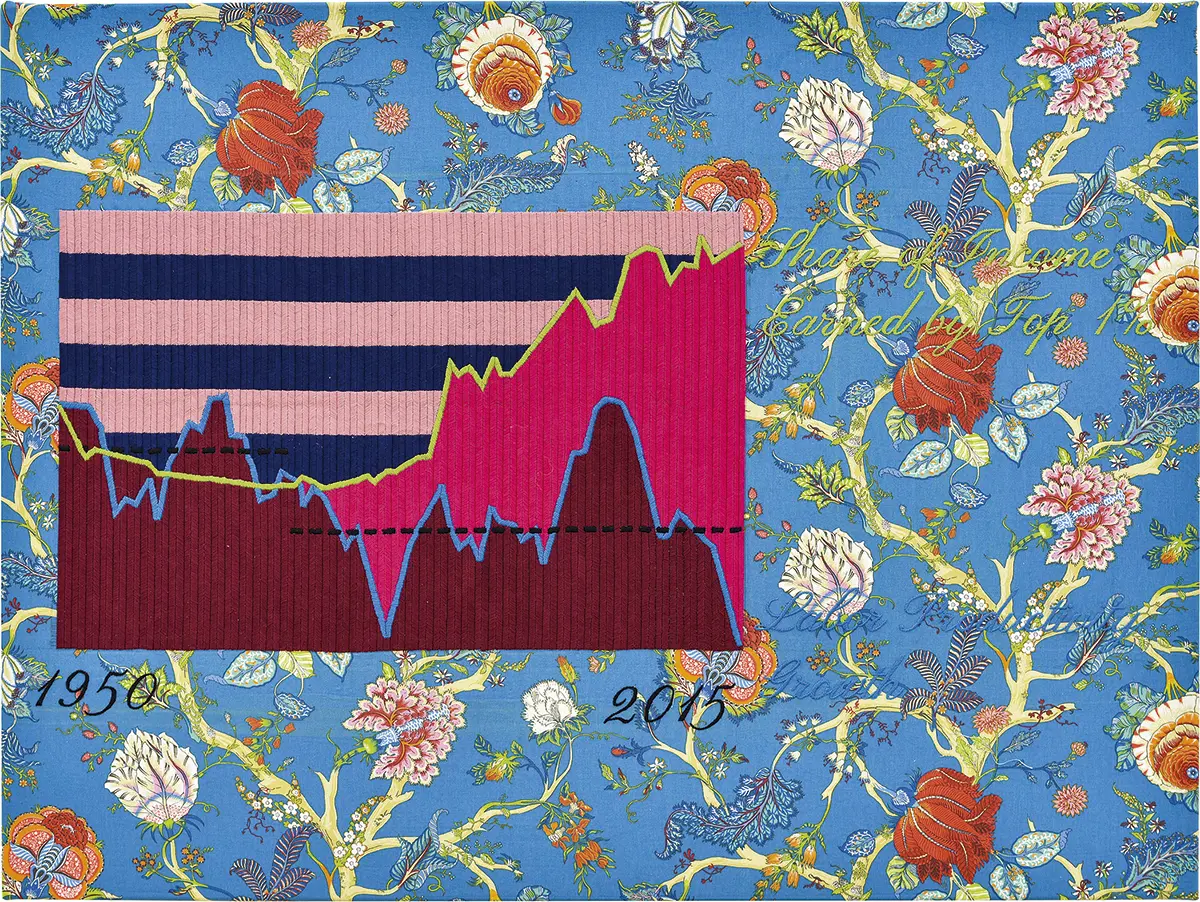
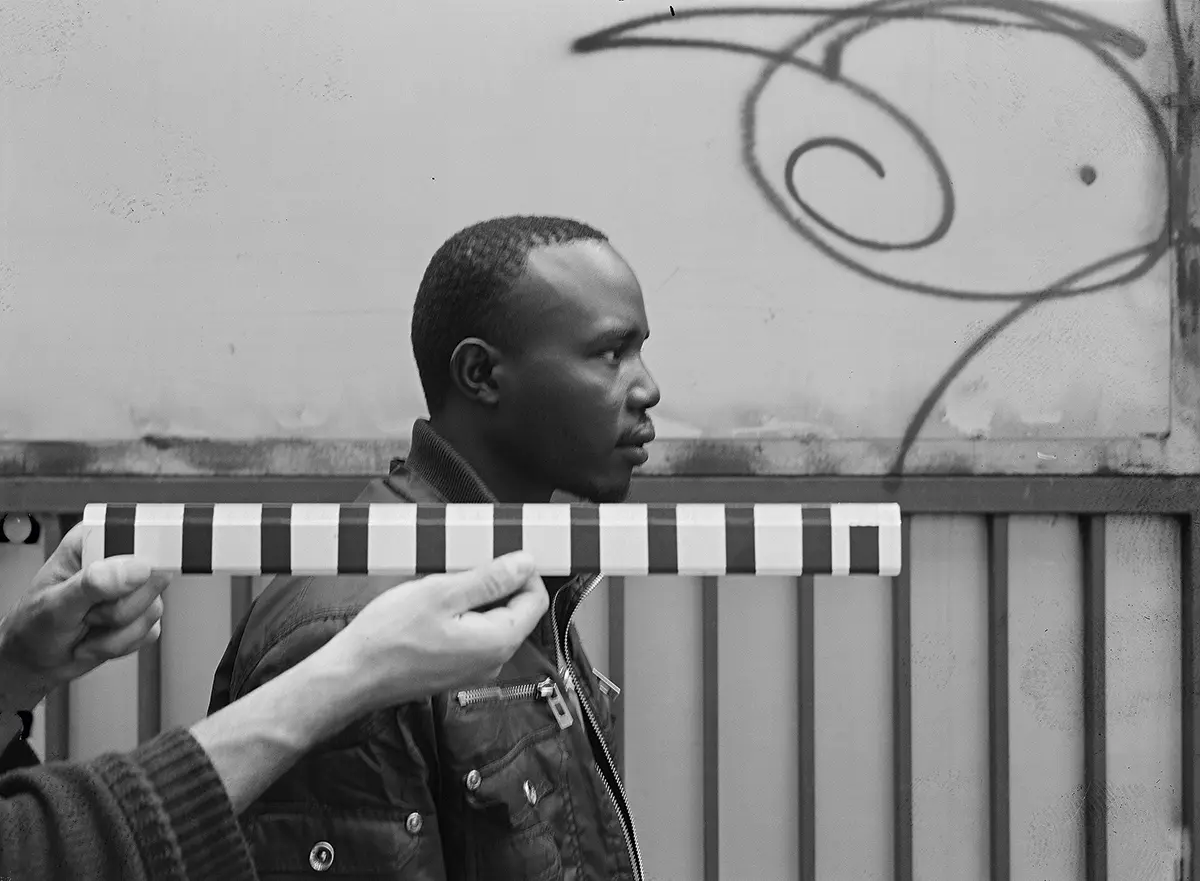
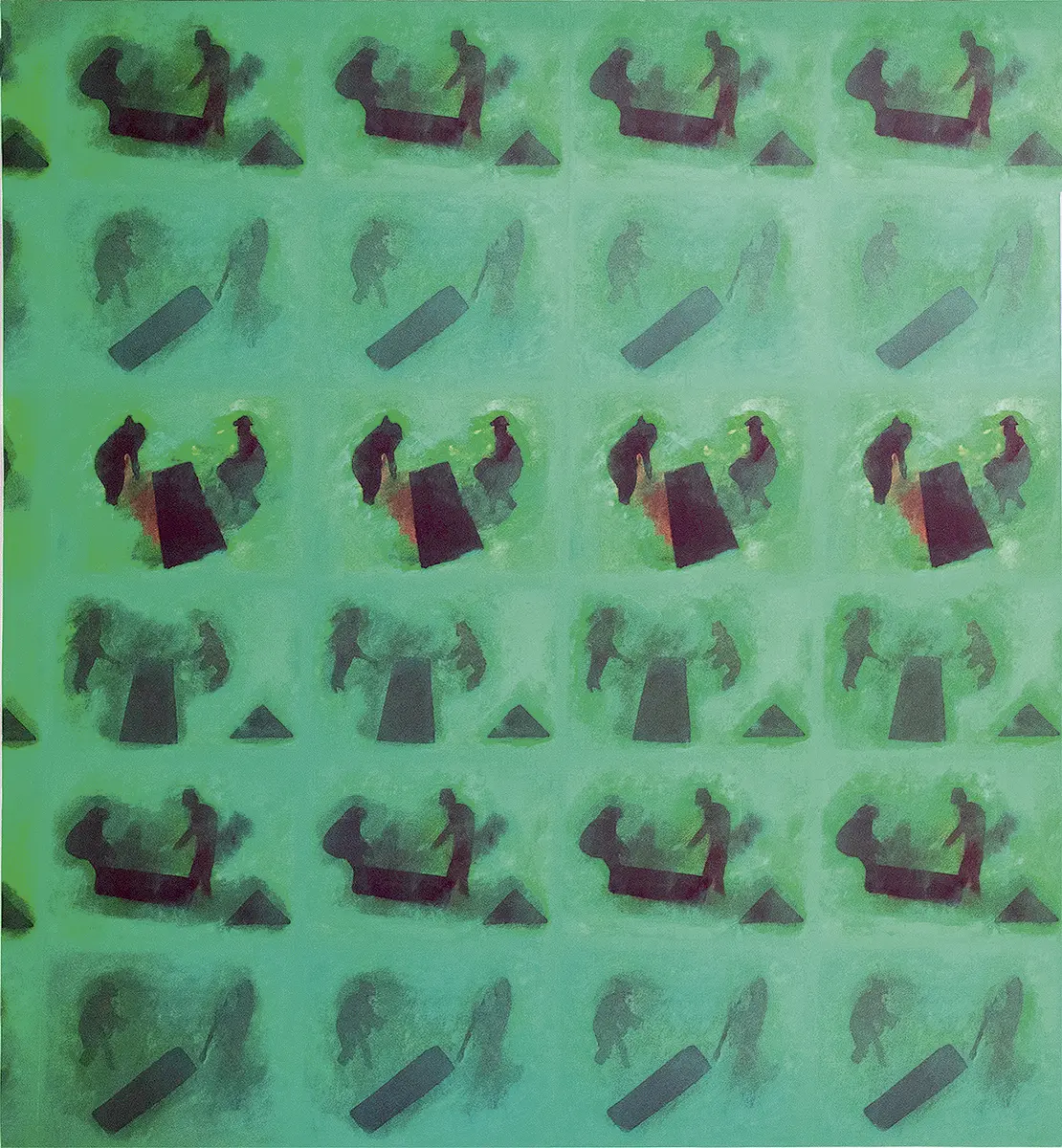
I have always been interested in artists working in politics and society; It was important to me. At this time, the countries in Eastern Europe opened up, and we could travel there. I started to work with artists like Artur Zmijewksi from Poland, Adrian Paci from Albania, and Maja Bajevic of Bosnia. All these artists were dealing in their work with the changes in their countries from communism to capitalism; Artur in photography and video, Adrian in painting and video, and Maja in different media. It was the moment for photography and video; these media were fast, honest, and modern. It was uncool to be a painter in the young generation at this time. This led me to other countries, and I began to travel to Latin America, where I found a lively art scene. I started to work with Francis Alÿs, Santiago Sierra, Teresa Margolles, Melanie Smith, Jorge Macchi, Fernanda Gomes, Beatriz González and Erika Verzutti.
Can it be said that the art of social or political commitment has been a constant in your work as a gallery owner?
As I said, it has been a constant, and I am still very interested. Art should have a message, and I believe in art as a catalyst for a better life. But I also realize that as a gallery, it is more rewarding and better for your art community to open up the gallery program and include different movements, such as conceptual artists and painters. Today I represent painters such as Hernan Bas, Andriu Deplazes, Valerie Favre, Leiko Ikemura, and others.
Why do you exhibit artists like Teresa Margolles and Dagoberto Rodríguez?
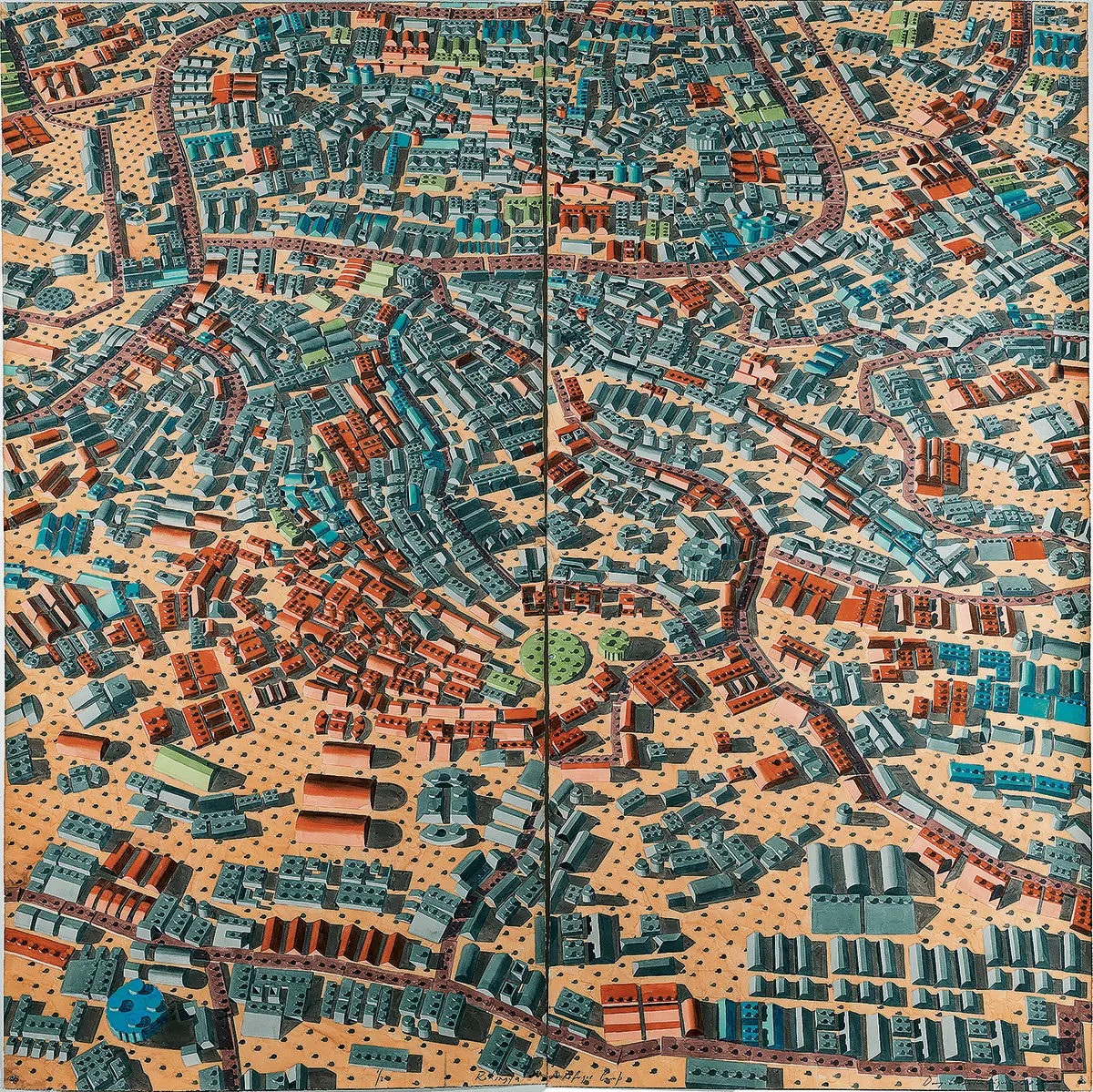
With Teresa Margolles, I started working early; Santiago Sierra introduced us. Teresa is critical in pointing out the hard life of groups on the margins of society, mainly in Mexico but also in different parts of the world. She has also been working on narco-traffic problems. With Dagoberto Rodriguez, I started to work when he was still a member of the collective Los Carpinteros. When they split in 2018, I kept working with Dagoberto. On April, we closed an exhibition of new works in our gallery in Paris.
What do you think of multiculturalism?
Multiculturalism has been very important to me in allowing different cultural groups and societies to experience their culture, language, and heritage, talking about respect and diversity. The world has already lost too many such societies through bad and arrogant governance and politics. Also essential is education. And art is part of this.
How important are international art fairs to you?
Art Fairs are a puzzle in the activities of a gallery; there, you can meet new collectors and art agents. It is a place for exchanging ideas, selling and showing works, and also for advertising.
Do you find the visits to Documenta Kassel and the Venice Biennale useful? Or do other contemporary art exhibitions inspire you more?
My first documenta and Venice Biennale were in 1982 when I was 18. I have visited these events ever since. They have been significant and relevant in my biography, to discover and to understand. Their importance has reduced over the last couple of years since so much more is happening, many more biennials and exhibitions.
Why have you opened a new location for your gallery in Paris and not in London or New York?
I wanted to open my gallery in Europe, so Paris was the only possible city; it is currently the most interesting and vibrant place for art on the old continent. Also commuting is very easy, I can travel by train in four hours without having to worry about planes.
*Courtesy of the artist and Galerie Peter Kilchmann, Zurich/Paris
CARLOS JIMÉNEZ