All art is political. From where we stand, we may want to influence or separate art from its inherent nature and elevate it above its reasons, without considering that this stripping or sublimation supposes in itself a political act open to multiple interpretations in the vast cultural, social, and political field of exchanges that defines it at every moment for better or worse and from one place or the next. We would like to think of art as something good that justifies or defines it as beautiful. Beauty transcends all metaphysical premises, along with the evolution of the affections that declare it, discover it, or define it in the world, whether as appearance or as representation. Thus considered, what is arranged and exhibited in museums follows a series of disjunctions that seek to exhaustively update the scope and outlook of art and its makers based on very specific lines of discussion. Therefore, we have the continuous malaise of culture feeding like a hydra on the simile provided by the vacuum cleaner as cleansing agent: always insufficient, noisy, and working at strange and dissimilar hours.
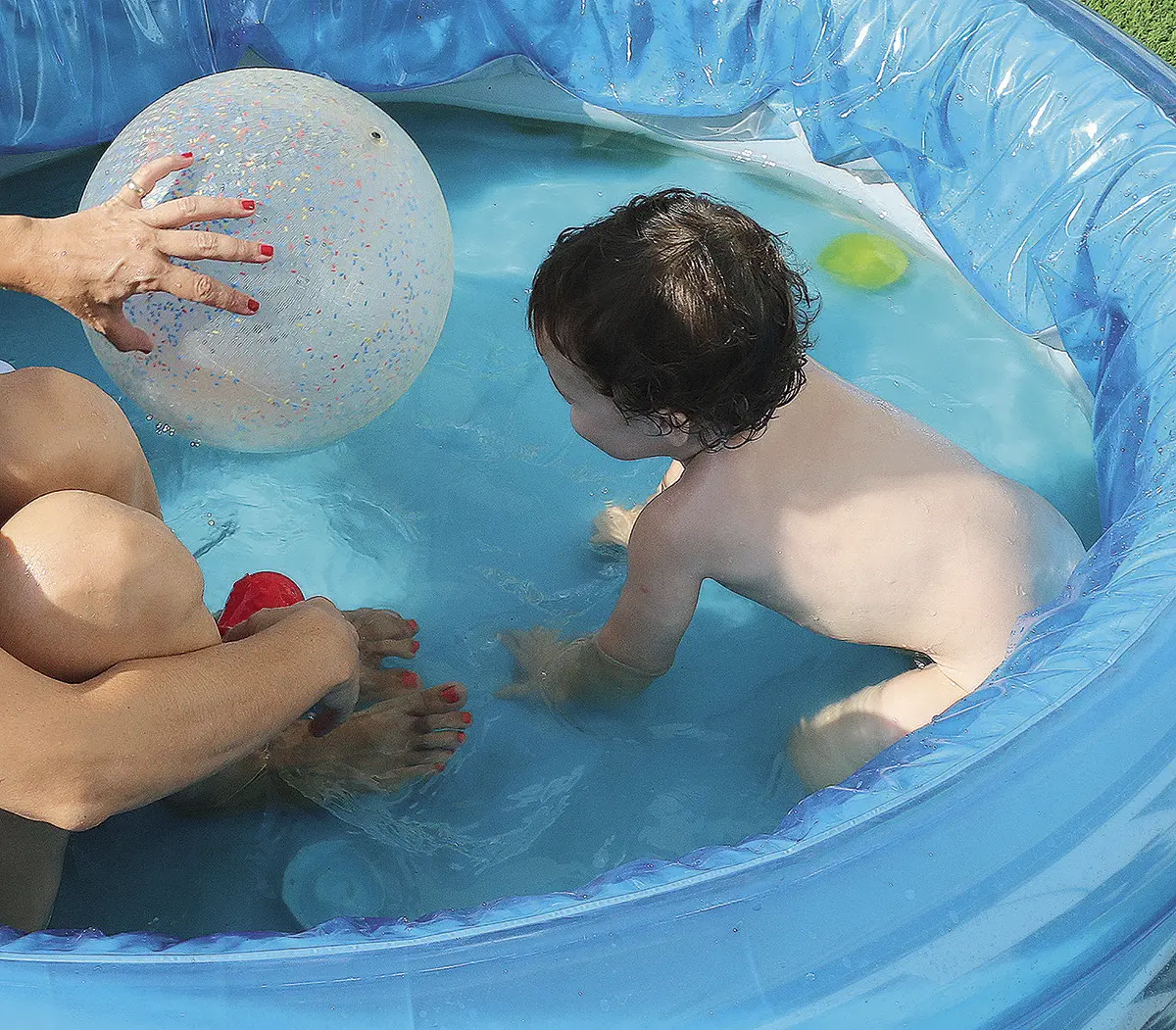
Curators Helena Chávez Mac Gregor and Alejandra Labastida discovered a specific vein, nurtured by Italian thinkers such as Silvia Federici, which enabled them to formulate a line of discussion and assemble a corresponding corpus of works. This was evident in their group show “Maternar” (Mothering), based on the premise that compares (re)production with the Stockholm Syndrome. The series of cultural and artistic manifestations in the exhibition aimed to break, expose, revise, or transform the paradoxes between instinct and convention. The underlying premise is that the mother’s unconditional love for her children abducts her, and she becomes their stalwart. There are those who may rise up angrily against this premise, based either on their assumptions, experience, or conditioning. The violence of this statement unnerves these critics because their socioeconomic and political conditioning lead to the believe that it opposes that which is natural—if this word even applies. It remains to be seen, of course, to what extent these detractors are against abortion and—according to them—in favor of life. In view of the anti-abortion laws imposed in several states in the U.S., this leads us to think that their much-touted freedom for this and that is like a franchise—one of many out there—promoting a product that allows political jokes in the media, while every public demonstration is gunned down by the forces of law and order.
Based on their own experience as mothers, Helena Chávez Mac Gregor and Alejandra Labastida embarked on a five-year research project on the paradoxes of motherhood in art, often created by men as a symbolic tool of “love, sacrifice, dedication, fertility, and sometimes even madness.” The curators also pointed to the art made by women since the 1960s-—from artists of international renown, such as Louise Bourgeois and Lea Lublin, to the Mexican scene, where the group Polvo Gallina Negra, made up of Maris Bustamante, Monica Mayer, and Herminia Dosal, stands out—to underscore the uses and abuses, paths and handicaps that allow or impede a possible career for women within the art world. English artist Tracey Emin’s statement, quoted by the curators, is blunt and unequivocal: “There are good artists that have children. Of course there are. They are called men.”
Accordingly, they displayed a catalogue raisonné that essentially departed from two emblematic pieces. One was Aphrodite (2017), by Spaniard Núria Güell, who, according to Alejandra Labastida, seeks to “invert the feminist premise of turning reproduction work into production, by turning artistic production into reproduction.” The work documents the negotiation between the artist and the MUAC so that, in her own words, “the money allotted for the production of the work would go to pay for my social security quotas during seven months: the minimum required to be able to collect maternity leave benefits.” As the artist recounts, she wanted this “model clause” to be included in the contract she signed with the museum. The museum agreed to make the payments, and did so, but refused to include the clause in the contract, so as not to set a legal precedent.
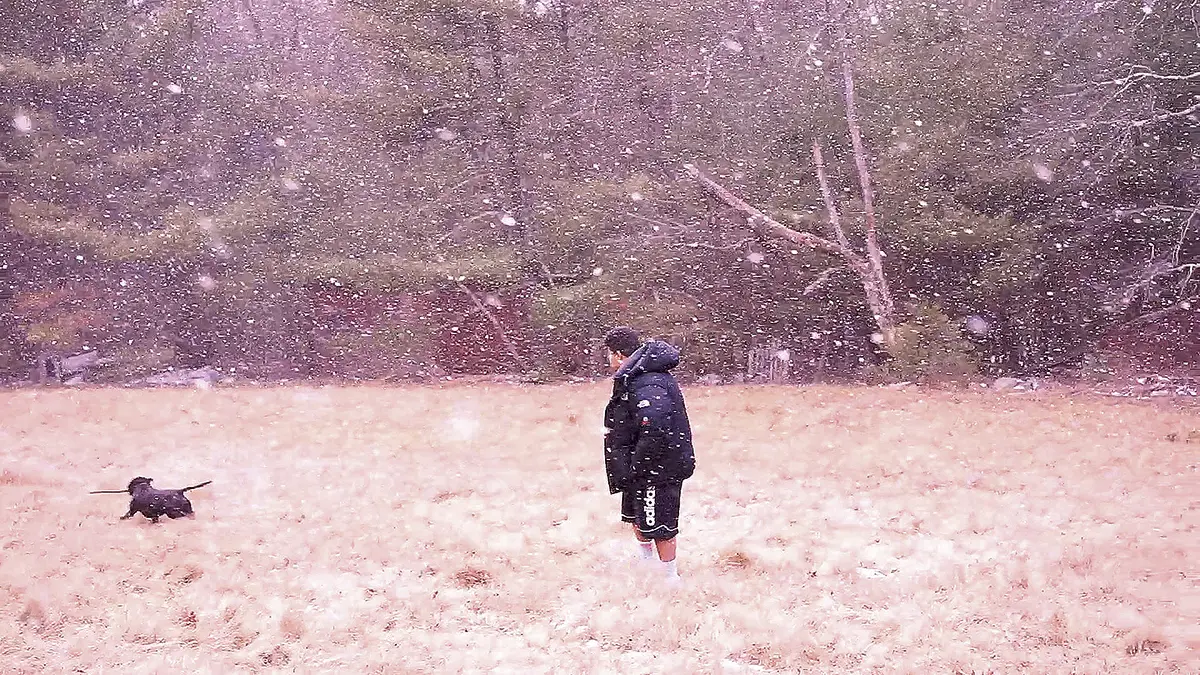
The second work is Hemlock Forest (2016), by Canadian Moyra Davey, a confessional video sequel to The Goddesses. Both pieces provided the content for a book published in 2018. While Núria Güell’s work focuses on action taken to a judicial extreme in a game where action and reaction can run parallel with production and reproduction, Moyra Davey’s piece is reflexive to the verge of the literary, drawing links between her experiences, thoughts on the books she has read, fears, and aspirations; the very name of the video speaks of the forest as refuge, but also as a place full of venom.
Between actions and reflections on social, cultural, economic, and gender-related themes, this exhibition documented the inherent and ineffable violence of the central premise exposed by the curators, which was turned into a slogan that shifted all possible dialogue to a place that is extreme to extreme traditionalists full of received conventions. We are talking about centuries of living erroneously. Seen in perspective, this may be true. It is not a question here, however, of denouncing our millenarian wrongdoings, but of documenting the day-to-day survival in a world that validates production and efficiency over a quality of life that must adjust to these demands. Reproduction, for example, can be postponed; extended as a future value to be kept in freezers that are rented by companies as benefits for their employees.
How was and will motherhood—with its duties and demands—lived and be lived on a daily basis? How is it represented? Beyond nativities and annunciations, or references always full of Freudian allusions, how is it registered beyond that which objectifies, by extension, women and mothers? The parallel made by Chávez Mac Gregor and Labastida with the Stockholm Syndrome, as precise as it is lacerating, remains as a mark or emblem imposing itself on the subject and the production of what it wants to document. It is not an aggiornamento, but a signaling of the process of cultural and political resistance that precedes it and that even in its apparent visibility—like this exhibition—must stress the impositions of capital and of a patriarchy that refuses to die, or that, being already dead, comes back to life as a threatening zombie that existed and may continue to exist.
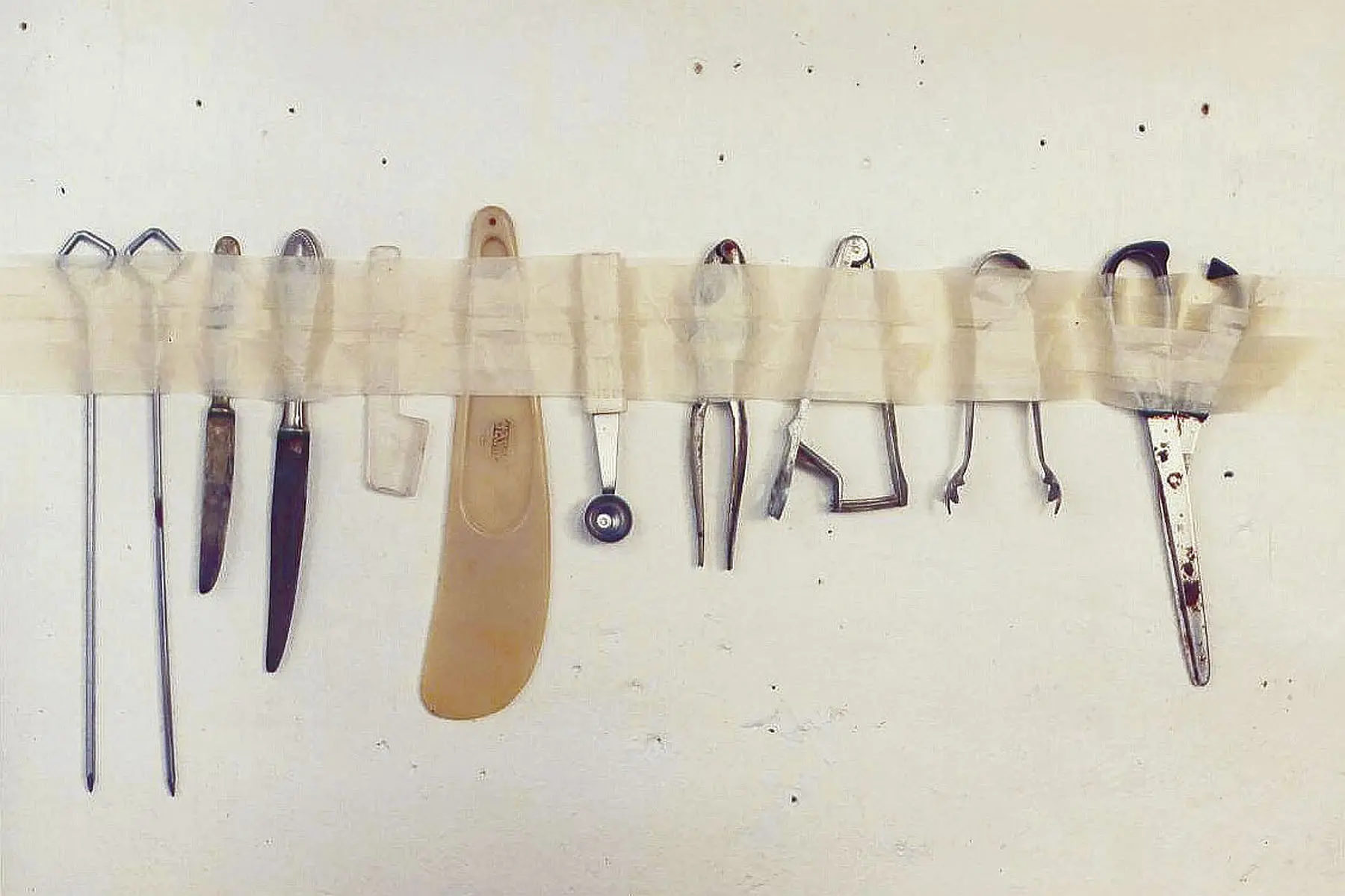
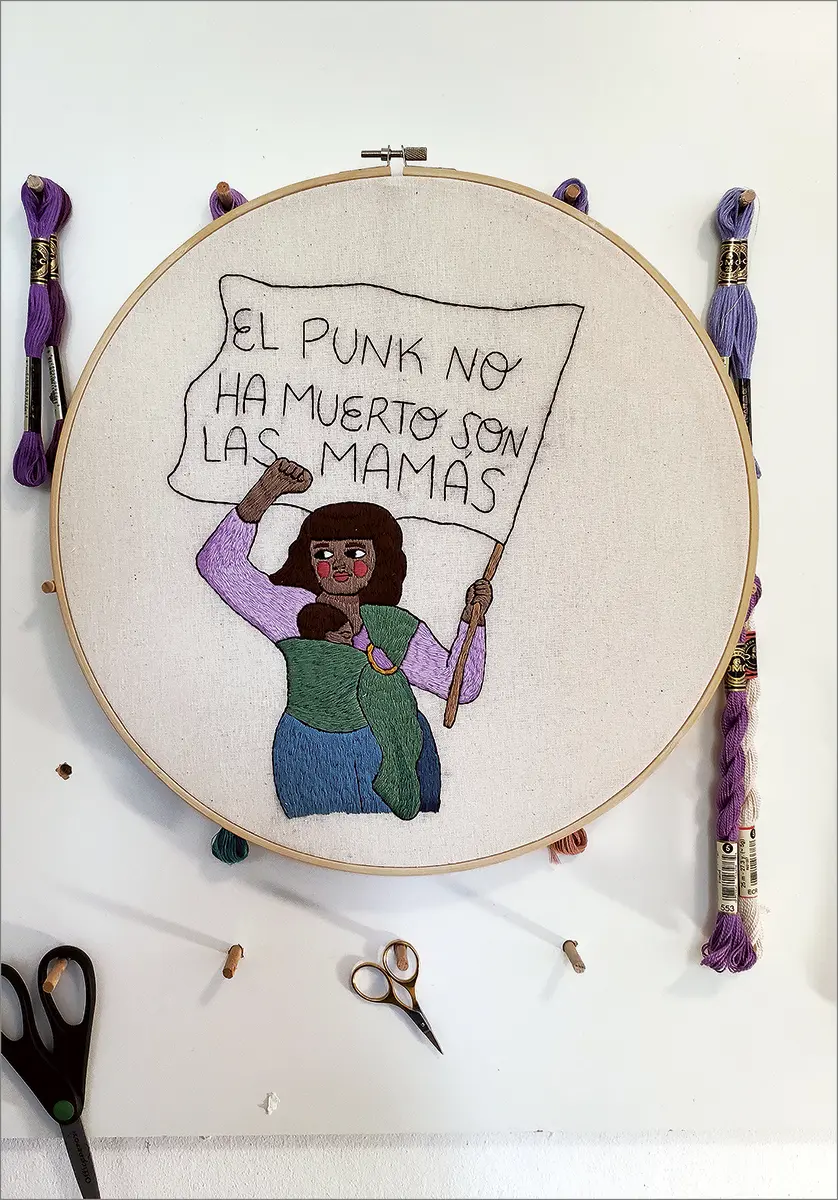
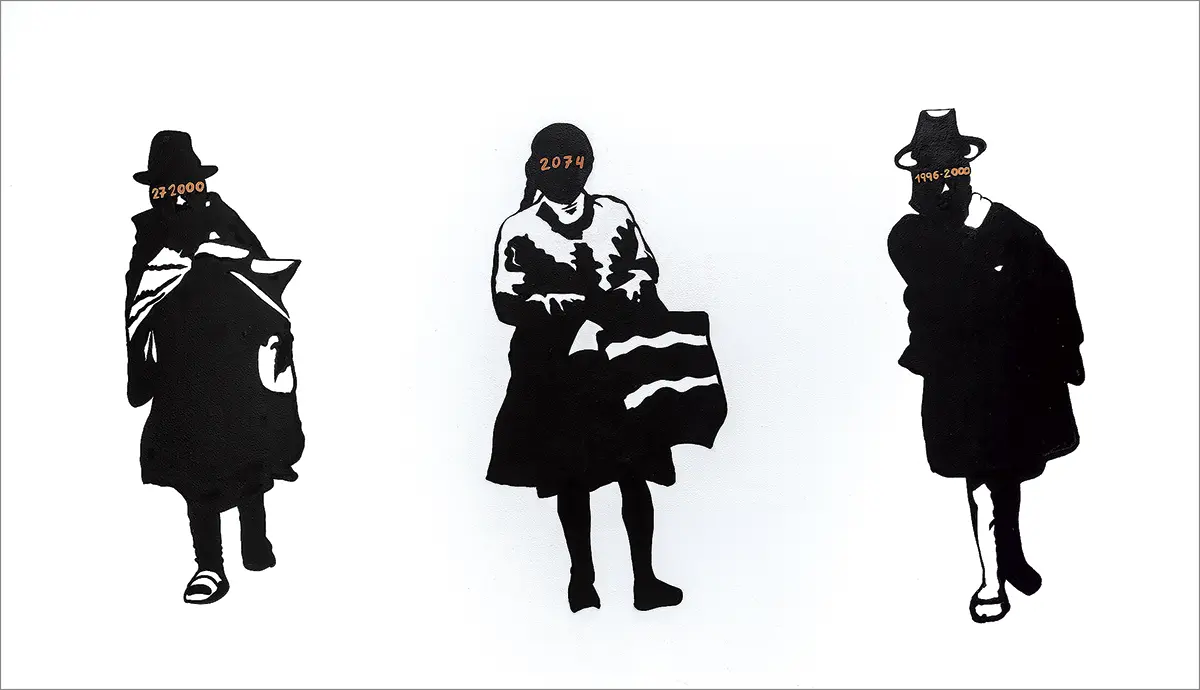
Notable among the multinational list of works exhibited—how unfair not to mention all of them—are Skeptical Manifesto (1998) by Argentinian Ana Gallardo: plastic bags or small dismembered branches constructed with knives and other tools; Punk is Not Dead, altarpieces embroidered with slogans and political data by Jaliscan artist Paulina León; a video documenting the performance American Family Prison, by Guatemalan Regina José Galindo—commissioned by Artpace in San Antonio, Texas—for which a portable family cell was rented from a specialized company in Oklahoma and lived there with her daughter and husband during 36 hours; and the monumental graphic documentation of the performance My Body is Not Your Battlefield, executed by the Peruvian collective No Sin Mi Permiso, in memory of the forced sterilizations carried out during the government of Alberto Fujimori.
RICARDO POHLENZ