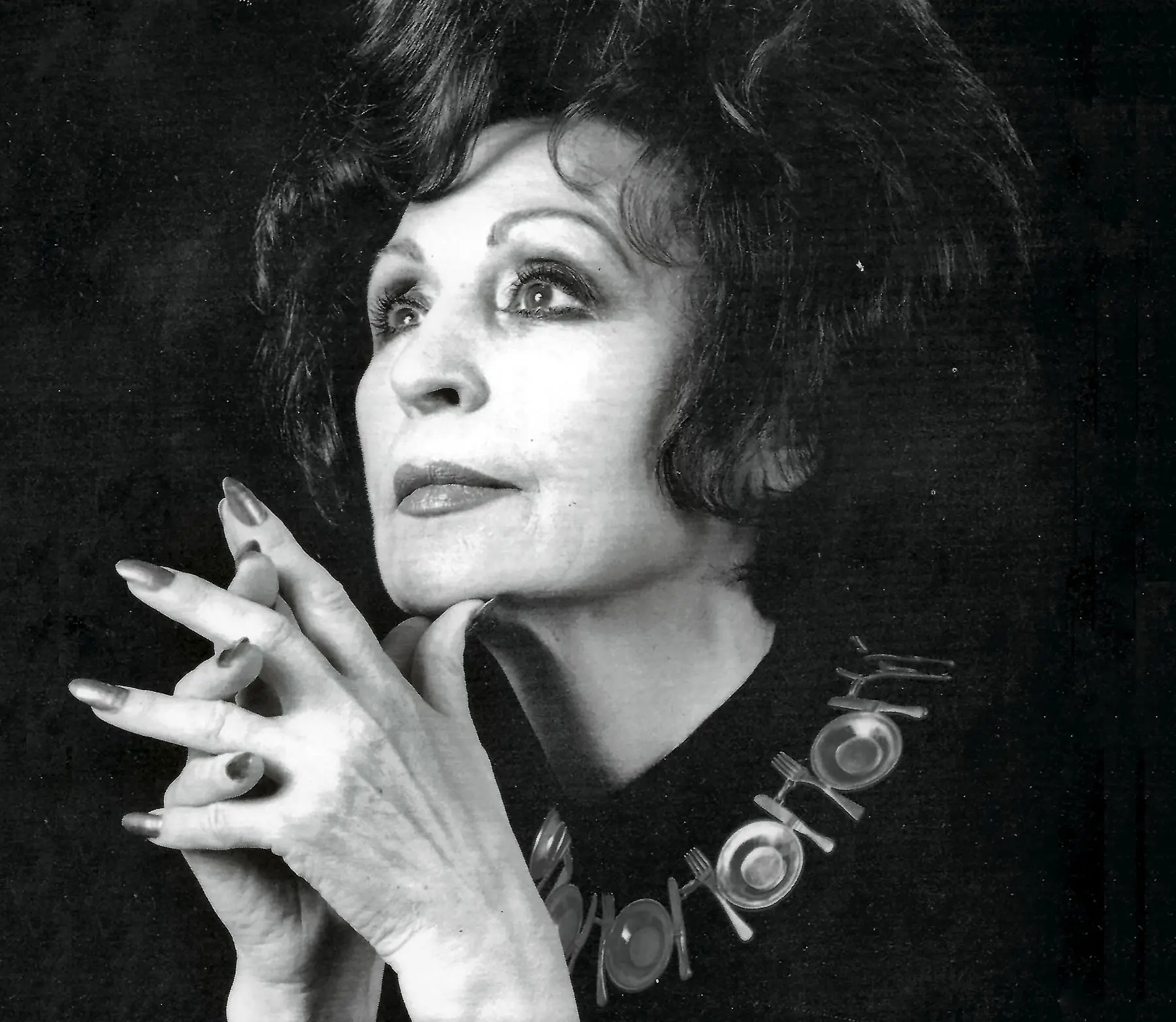
“Women should stand out for what they do and not simply for being women”
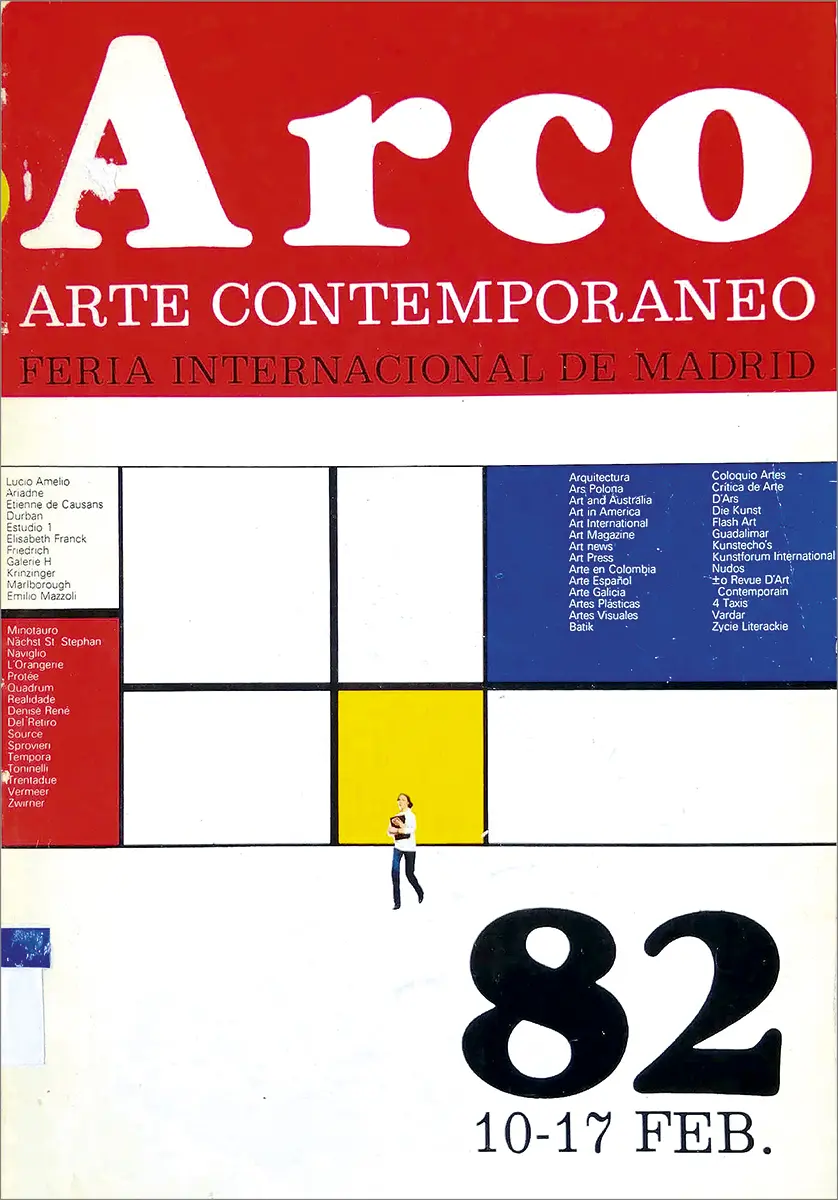
As a brilliant cultural manager, her achievements include the creation of ARCO in 1982, Madrid’s Contemporary Art Fair whose first three editions she directed, and the International Biennial of Contemporary Art of Seville (BIACS), which she led during its first edition in 2003.
Juana de Aizpuru is an exceptional character. For half a century she has directed an art gallery that is an unavoidable reference in the Spanish art world and whose spaces, first in Seville and then in Madrid, have hosted the work of both Spanish and foreign artists, without whose contribution neither contemporary art, nor its acceptance by Spanish art lovers, nor the remarkable growth of its collecting would be understood. However extraordinary, these are not her only merits. She is also a brilliant cultural manager, whose achievements include the creation of ARCO in 1982, Madrid’s Contemporary Art Fair whose first three editions she directed, and the International Biennial of Contemporary Art of Seville (BIACS), which she led during its first edition in 2003, under the curatorship of Okwui Enwezor.
When I asked her for an interview, she first refused, overwhelmed by the numerous interviews granted to different media on account of her gallery’s fiftieth anniversary. She changed her mind at once when she realized it was for ArtNexus. “If it’s for Celia’s magazine, I’ll grant it. Celia is a great friend of mine. I love her very much. We have known each other for many years, ever since ARCO’s beginnings. She was surprised to receive my invitation to have a stand at ARCO because she thought that her magazine, which was just starting back then, was unknown in Europe, and even in Spain. It was very stimulating for her to share the section of the fair dedicated to international magazines such as Flash Art, Artforum, and Art in America.”
I asked her how she got into contact with Celia and she replied that it was one of the positive consequences of her extensive promotional work before launching ARCO. “Spain had no art fairs at that time, so I realized that if I did not travel to Europe, to the United States, and to Latin America to personally promote the fair as I did, the important art galleries would hesitate to come. I remember, for instance, Sidney Janis, the prestigious New York gallery owner. I knew that if he accepted, other galleries in that city would be encouraged to come to a fair that was just being born.” Juana then devised a strategy to seduce him. Consistent with his innovative spirit despite his advanced age, Janis had put on an impressive exhibition of street graffiti artists, a fact that she took to heart when she traveled to New York, and proposed to him: “Janis, in Madrid there is a lot of interest in graffiti and no one better than you to satisfy that curiosity. Your graffiti artists could go there two weeks before the fair and create the works that you’ll exhibit at your own stand.’ He gladly accepted.”
The fair provided the graffiti artists with a pavilion in the Casa de Campo and lodging in a downtown hotel. Juana went on: “One day they called me to let me know that the graffiti artists were emptying their minibars every night and partying until the wee hours. I informed them that we would only take care of room and breakfast, so they would have to pay for their drinks out of their own pockets. The parties ended and the kids began to concentrate on the works they were to exhibit with Sidney Janis at ARCO.”
She also has good memories of the gallery owner Lucio Amelio: “He was very nice and very handsome. He could have been a film star. He encouraged his Italian colleagues to come to the fair.” The 1980s were the years of the “return to painting,” German Neo-expressionism, and the Transvanguardia promoted by the Italian critic Achille Bonito Oliva. The gallery offer was hence unsurprisingly dominated by these trends and Juana reaped a great success as the fair’s director in its initial editions. “I thought it would be good for a contemporary art fair to offer a program of conferences by leading international figures. I invited the likes of Nicholas Serota, Kaspar Koenig, and Jean Hut. This practice has been kept until today, but now there is such an extensive program that the conferences overlap with the galleries’ opening hours. Instead, I scheduled only two conferences a day: one in the morning and the other in late afternoon,” such as a debate between Giulio Carlo Argan and Achille Bonito Oliva.
“It was amazing,” she exclaimed. “The audience filled the lecture hall and even the corridors. They were good friends, but Argan held the thesis that art was dead while Bonito Oliva insisted that art was more alive than ever. The debate was so passionate that it went well beyond the allotted time. It should have ended at 8:00 pm, but they kept at it until 9:00 despite protests by the coordinators because security and service personnel were hired until 8:00. It was astonishing.”
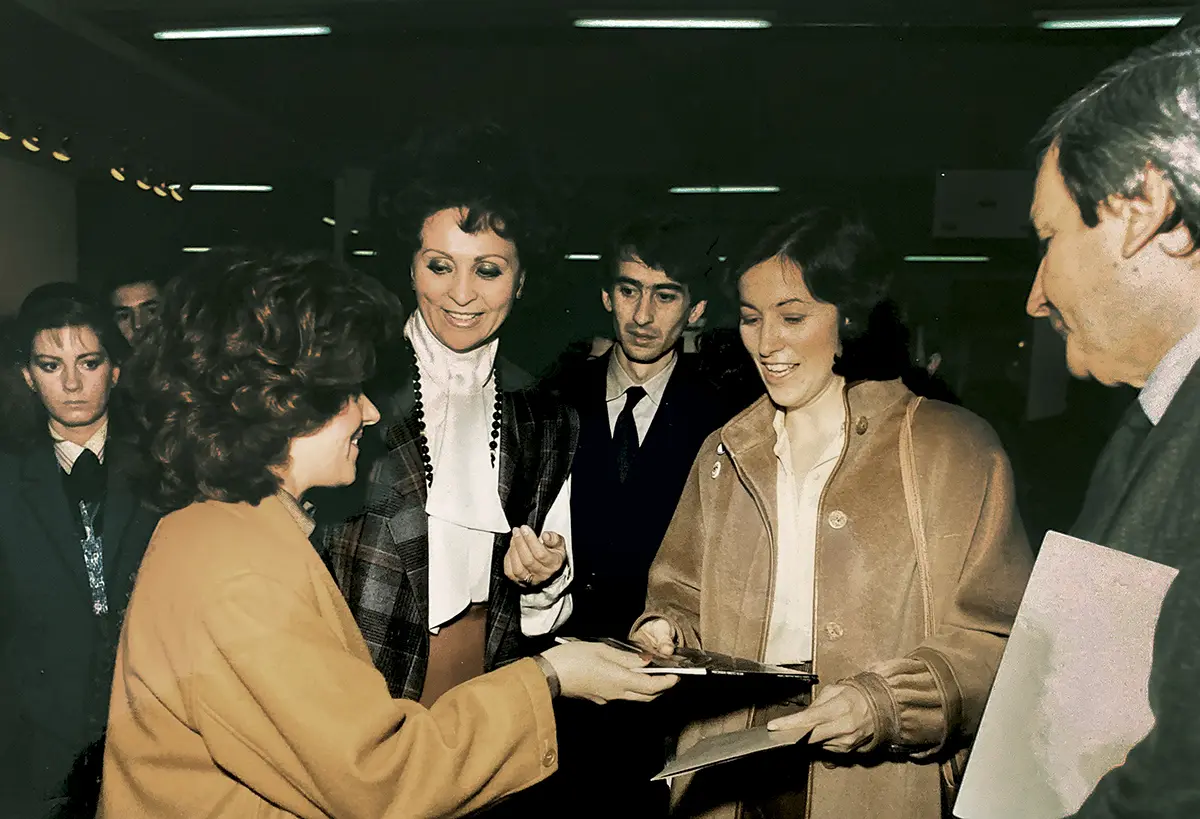
Fervent demonstrations such as this one were common during the first editions of ARCO, a fair that enjoyed, like no other of its kind in Europe and America, the massive and enthusiastic support of the general public. “It was a dedicated public, who in many cases visited the fair every day,” recalls Juana. “I remember that on the opening day of the first edition, the authorities that were supposed to inaugurate it were running late. I looked out a window and was amazed at the huge crowd waiting to enter, and who then overflowed the exhibition space, which was very small compared to the current pavilions of IFEMA [Fair Institution of Madrid].”
The enthusiastic reception at the time can be attributed in part to the fact that ARCO was born in a period marked by the end of dictator Francisco Franco’s regime, its replacement by a parliamentary monarchy, and the landslide victory in the 1982 general elections of Felipe González, leader of the Spanish Socialists. This air of freedom in turn became associated with contemporary art: hence the interest aroused by the fair. Juana de Aizpuru took full advantage of this favorable turn of events and worked tirelessly with the press. “ARCO enjoyed the favor of the media from day one; not by chance, but due to my full determination to keep them continuously informed of our activities. Not a day went by without my press officer sending them fresh news. People knew about us way before the fair opened. By then, a huge expectation had been created.
In all justice, one can avow that Juana de Aizpuru is a self-made woman. All the impressive knowledge that she has acquired about the art world and its market, both domestic and foreign, is the result of her willingness to learn by doing, ever since the 1970s when, as the wife of a high-ranking government official in Seville, she decided to open an art gallery. “I had already come into contact with the city’s young artists. I bought their works and encouraged the wives of the American officers at the Morón military base to do so as well. I believed that what Seville needed was a gallery that would enrich its cultural life and at the same time offer opportunities for young talent. And the truth is that I was very successful. In 1973, I founded my gallery, which soon became a point of reference in the city: a meeting place frequented by architects, intellectuals, and young artists who felt at home. It was awesome.”
“But I wanted to go further,” she continued. “I didn’t want to remain only in Seville. I often traveled to Barcelona, where I bought graphic work by the established artists of the time: Miró, Tàpies, Chillida, Equipo Crónica, and so forth. It wasn’t long before I decided to participate in the international art fairs, which were just beginning. Among others, I went to Cologne and Basel. Thanks to these experiences I learned a lot and decided that there had to be an international contemporary art fair in Spain. I first proposed the idea to Manuel Coronado, who was the director of the Barcelona Fair, but he refused. However, Franco died and democracy came. IFEMA was founded in Madrid and its first president, Adrián Piera, brought Manuel from Barcelona and appointed him director. We got together and I told him that now he had to listen to me. He and Piera went down to Seville and we met at El Burladero restaurant. I explained what kind of fair I had in mind; they agreed and suggested that I be its first director. The name ARCO was Piera’s idea, who wrote it on a napkin.” Juana’s obligations as director led her in 1983 to open a new branch for her gallery in Madrid; the one in Seville closed in 2004.
Juana’s participation at Art Cologne put her in contact with the so-called German Neo-expressionists, which aroused her interest in representing them, both because she thought some were very good painters and that if she managed to exhibit their work, her space would reach the ranks of an international gallery. However, she had a hard time achieving this. Her art dealer in Cologne kept her on hold. Finally, fate stepped in and the problem was solved. “Jiří Georg Dokoupil was at that time one of the rising stars of young German art,” explained Christian Domínguez, Juana’s nephew. “As chance would have it, he missed his flight connection to the Canary Islands at the Madrid airport, so he decided to stay in the city and visit the gallery. My aunt was convalescing from an eye operation, but I was there and Dokoupil liked me, among other things because I speak German, since I was born and raised in Berlin.” As a result of that unexpected visit, Dokoupil decided to exhibit in Juana’s gallery and his decision stimulated two other young painters of his generation: Albert Oehlen and Martin Kippenberger. And after them, such outstanding figures as Wolfgang Tillmans, Heimo Zobernig, and Joseph Kossuth.
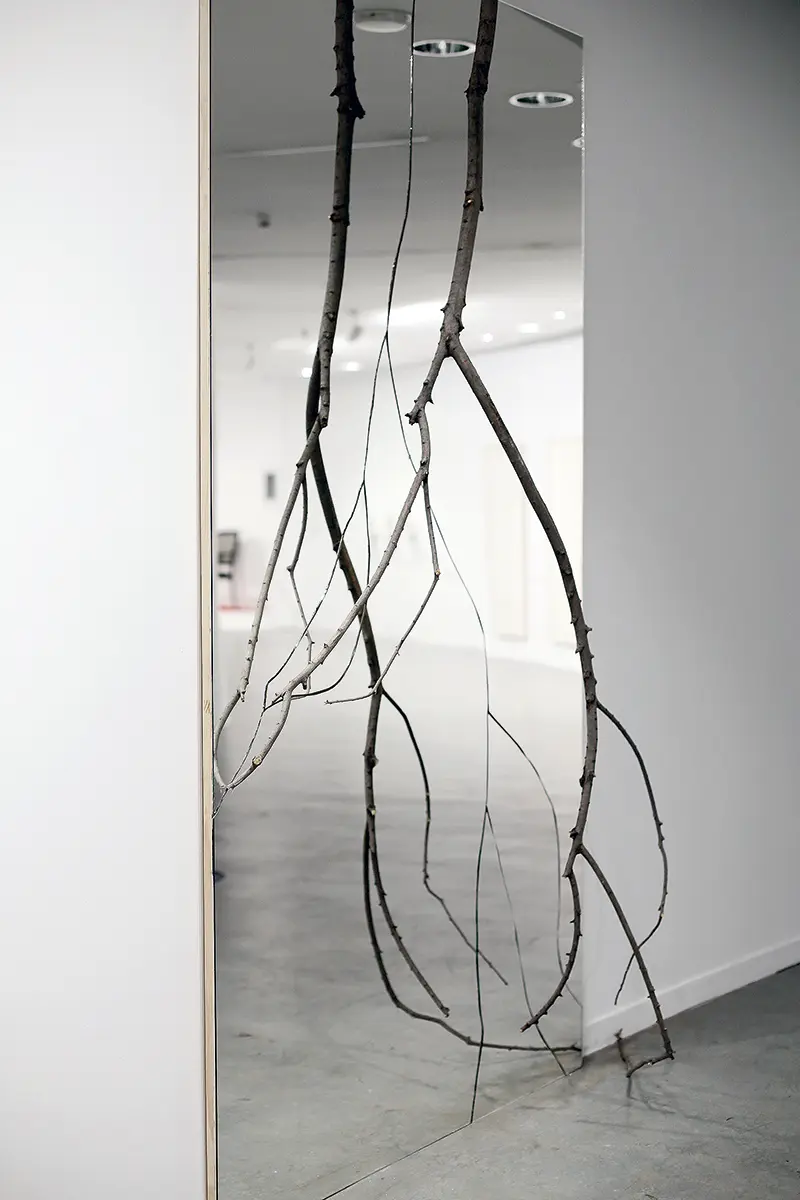
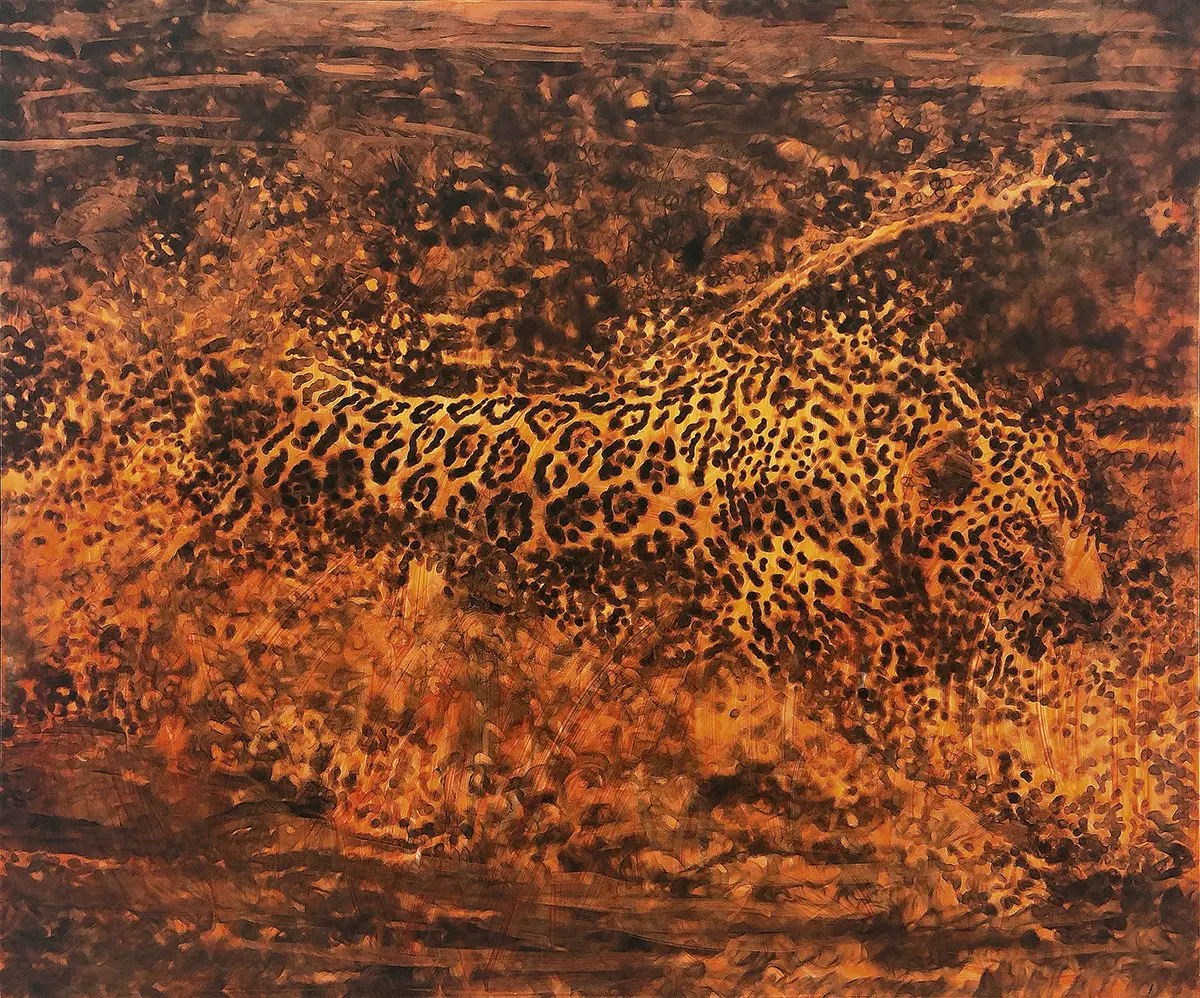
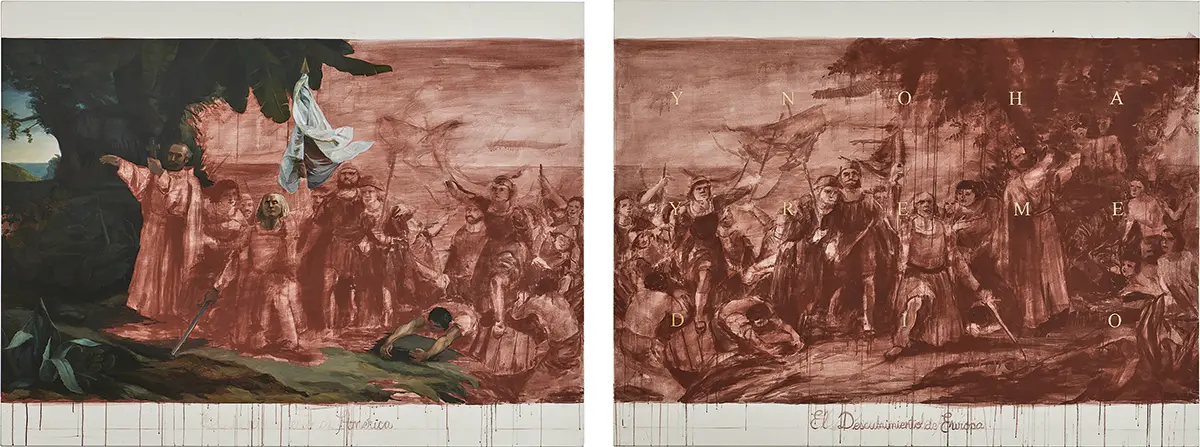
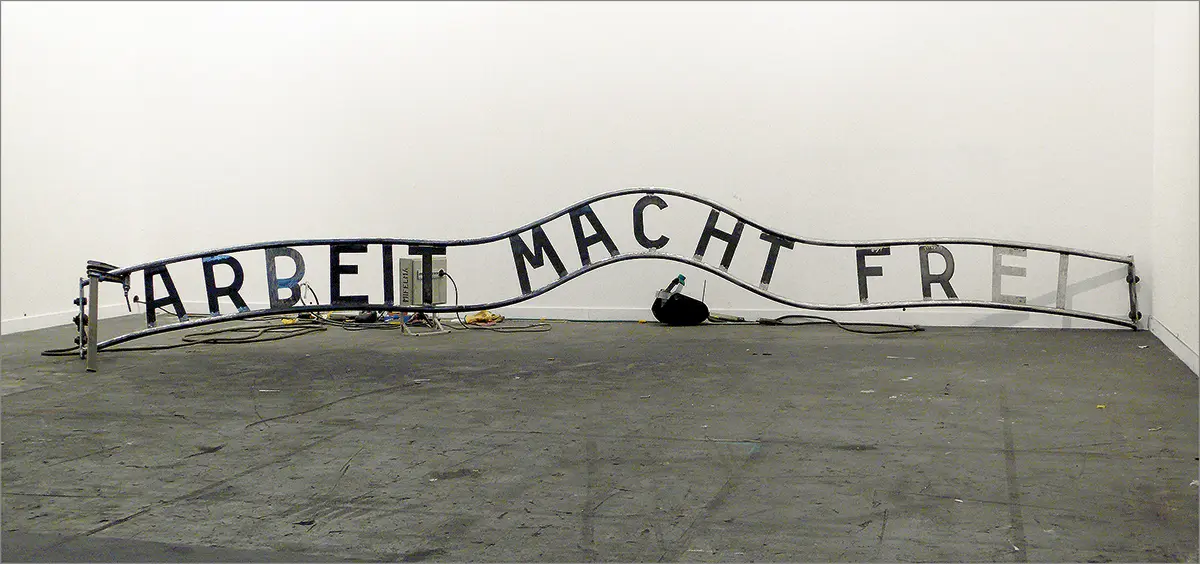
Juana’s gallery has also excelled with women artists. Included in her current list are the Spaniards Alicia Framis, Dora García, Cristina de Middel, Cristina García Rodero, and Carmela García, as well as the Cuban Glenda León, the Peruvian Sandra Gamarra, and last but not least, the Cuban Tania Bruguera, who also made a performance for the gallery. “I have not chosen these artists because they are women,” she stressed, “but because of the quality of their work. Women should stand out for what they do and not simply for being women.”
As a final question, I asked her who has impressed her the most among all the artists she has exhibited in her long career as a gallery owner. Visibly moved, she paused and then replied: “Kippenberger. Martin was very special: bold, talented, intelligent, funny.” And then, she fell silent.
(Interview conducted by Carlos Jiménez on May 5 and 6, 2022)
CARLOS JIMÉNEZ