In celebration of 35 years of intense artistic activity, Rosângela Rennó presents a panoramic exhibition of her oeuvre at the Pinacoteca de São Paulo, curated by Ana María Maia. The exhibition features 130 works produced between 1987 and 2021, and is titled Pequena Ecologia da Imagem (Little Ecology of the Image). Skillfully organized by Ana María Maia, the exhibition makes it possible for visitors to experience the power of the visual language deployed by Rennó in the construction of a unique poetic, immersed in what is known as expanded photography. Rennó’s seal is the establishment of a dialog between her feelings, her emotions, her questions in the face of society, in which she uses and abuses her precise technique, the authorial elements with which she explores her sentiment, her soul, in the service of social critique and human value.
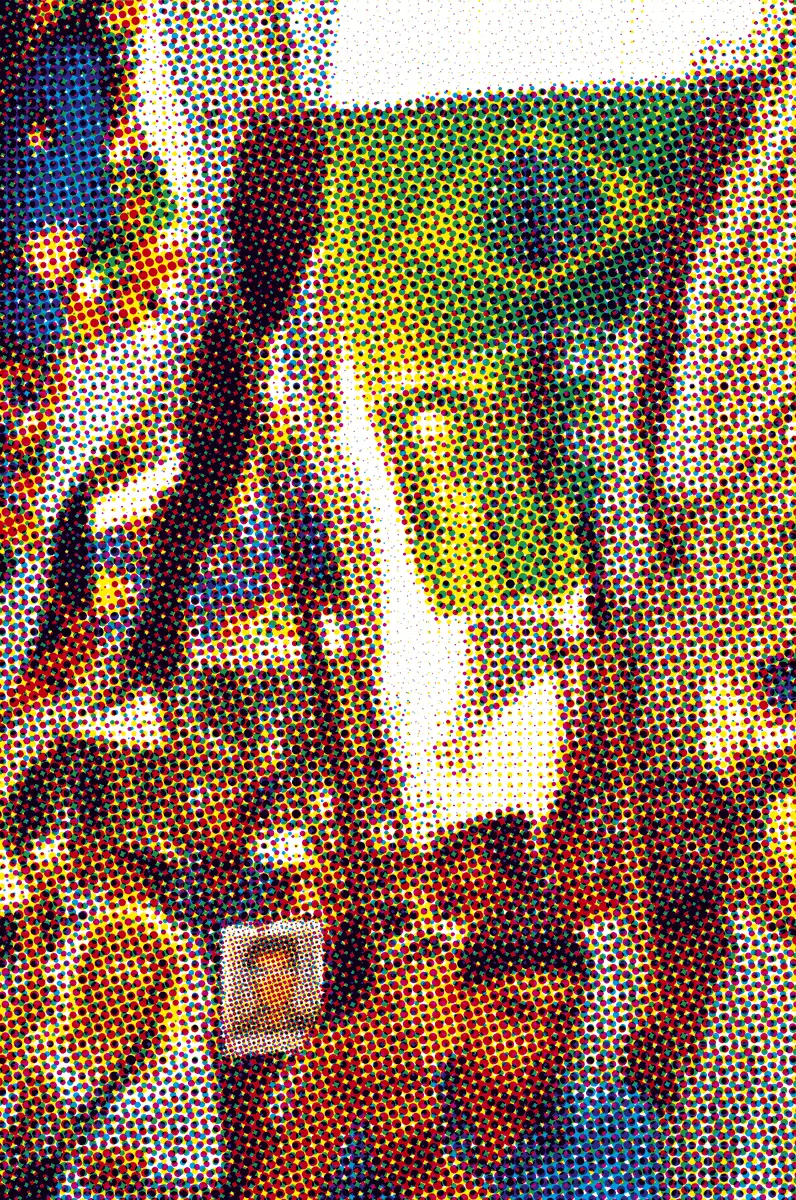
The exhibition encompasses the diversity of Rennó’s languages, immersing visitors in the vastness of the artist’s experience through her photographs, collections, objects, installations, as well as audiovisual works installed on the fourth level of the Pinacoteca. This multiplicity of resources and supports corroborates the modes and operations by means of which Rennó brings to light the Brazilian imaginary and, at the same time, challenges the system and denounces social issues in her artistic narratives.
The curator chose to eschew a chronological format in the presentation of Rennó’s 35-year career, instead building the possibility of dialog on the basis of a journey into the artist’s universe determined by the topics she has pursued. According to the curator, “the artist sees photography as a pretext to interrogate archives, narratives, and power relations that mean for some images to exist and circulate, while others remain invisible and, in consequence, forgotten. In that sense, inasmuch as the photographic language is predominant as the support and matter of her work, it appears in an expanded form, which implies assuming its frameworks, exercising critiques and deconstructions, and interconnecting it with texts, machines, objects, and collections.”
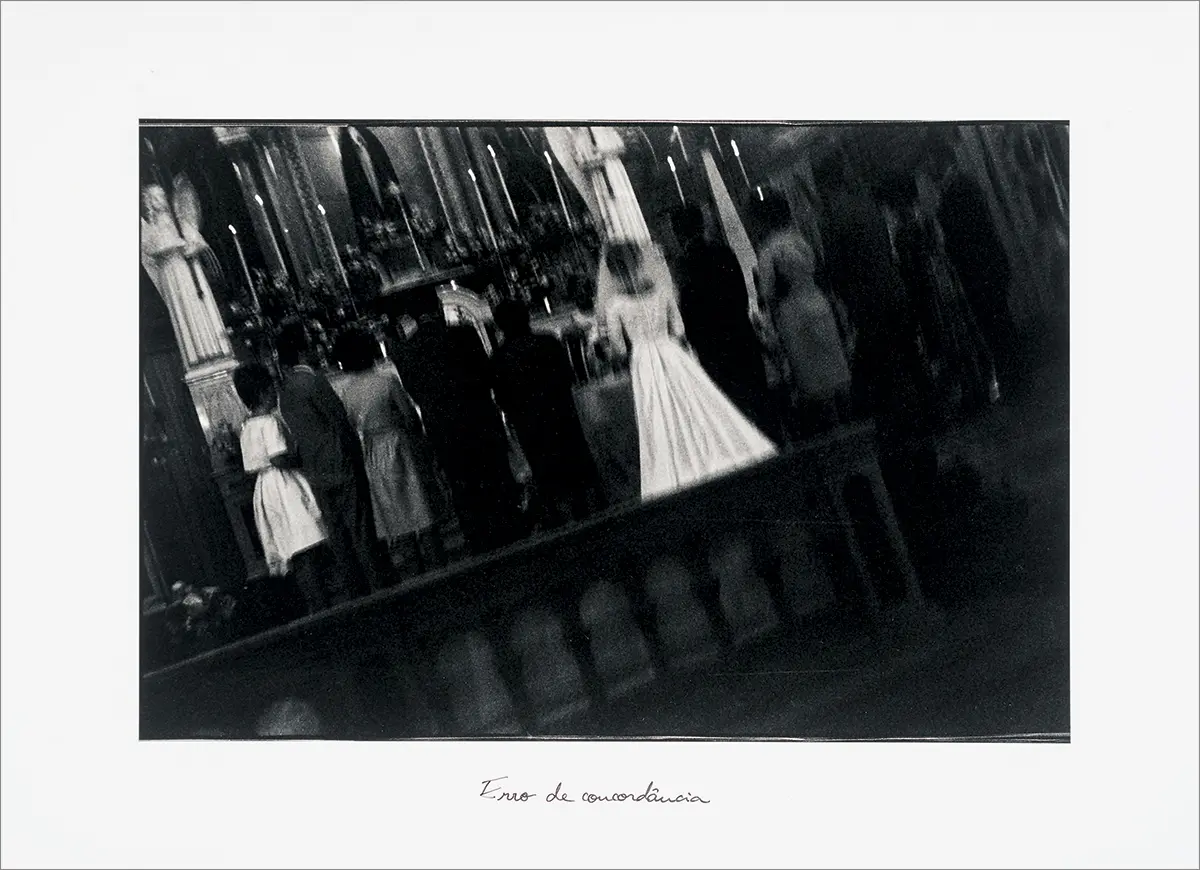
The exhibition occupies three galleries, exploring three different thematic nuclei. In the first gallery, the gaze is directed towards issues of the subject and the politics of memory. There we can see works from the artist’s early years. with an emphasis on family archives. Beyond an autobiographical narrative, Rennó focused on exploring photographic materials available in that period, salvaging family histories and memories. The title for the exposition as a whole was taken from Pequena Ecologia da Imagem, made in 1988. On the basis of family albums he made, the artist reinvented her father’s original stories in order to infer images through manipulations. In that operation, Rosângela Rennó takes advantage of one of photography’s essential principles: the killing of time. By intervening family album photographs, she resignifies and brings back a congealed past, which, through her actions, acquires a new dimension. In this way, Rosângela Rennó brings forth her concerns and her critiques by means of the essence of photography, its chiaroscuros, silhouettes, presences and absences.
Taking place in the same gallery is a dialogical challenge with works from 2003, Corpo da Alma. With this series, Rennó brought into the scene images published in newspapers of the families of the disappeared carrying pictures of the individuals they were looking for. Appropriating these images, the artist imposes her thought about the role of photography as a testimony of existence; the new presence of the disappeared subject acquires much greater prominence than the issue of memory.
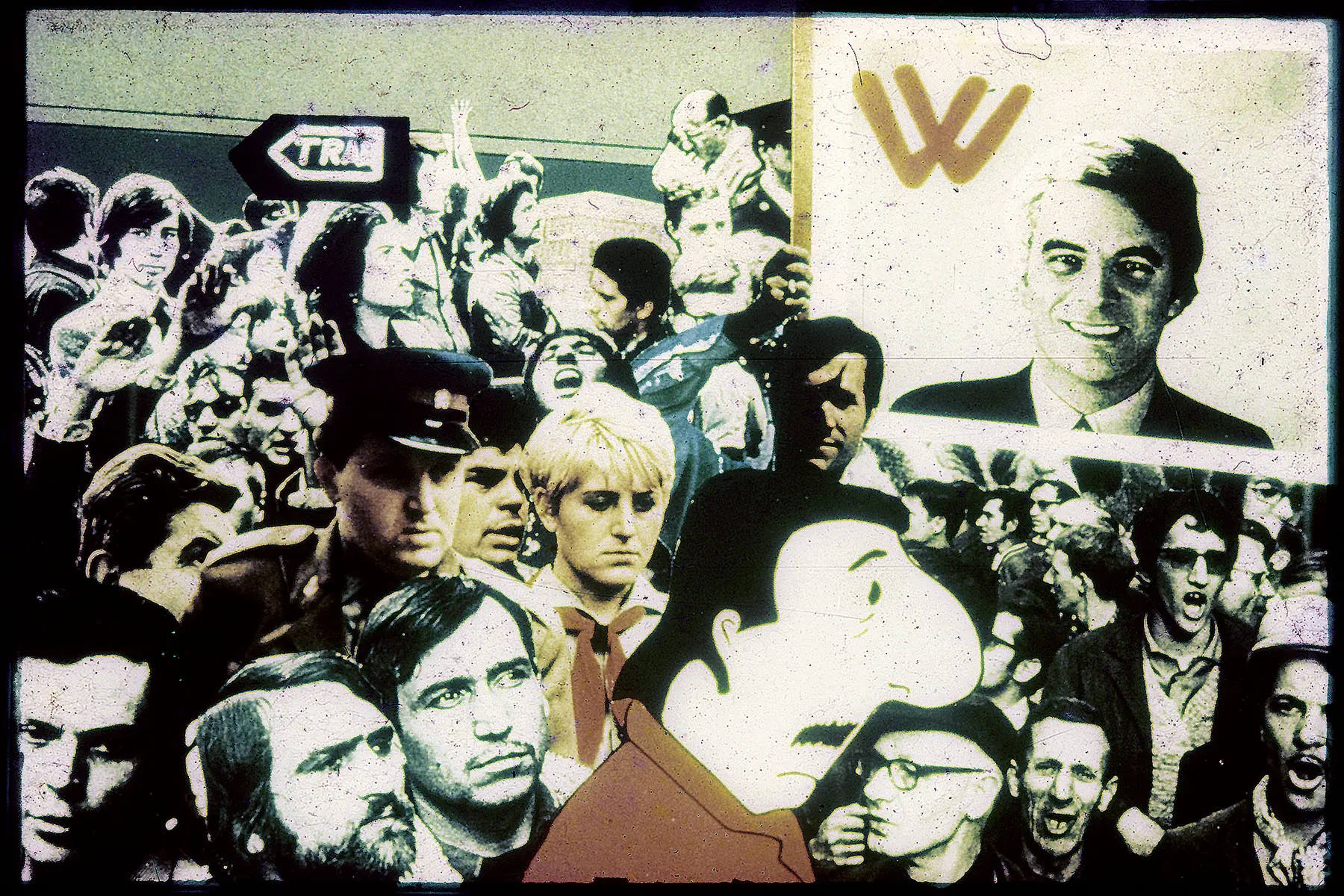
The second thematic axis of the exhibition has to do with productions related to the artist’s view of the State, the press, and other public institutions of social formation and control. Rennó›s critique of the operations though which these public institutions shape individuals and collectivities is based on the issue of identity. In this section, visitors will encounter the project Arquivo Universal (Universal Archive), from 1992, and Hipocampo (Hippocampus), produced between 1995 and 1998.
The third segment of the exhibition presents Rosângela Rennó’s reflections on colonialism, a line of inquiry that has always been present in her artistic work and which gains greater relevance in her current, in-progress production, a project she has been developing since 2020: Eaux descolonies. On the basis of installations mounted on perfume bottles, Rennó discusses the social and economic control exerted by colonizers, and even the violence perpetuated by the class system and the scars left by the enslavement of people. Eaux descolonies, which resulted from Rennó’s artist residence in Cologne, Germany, in 2020, explores the 300-year-plus history of eau de cologne as a commodity in trade routes between Europe and its colonies.
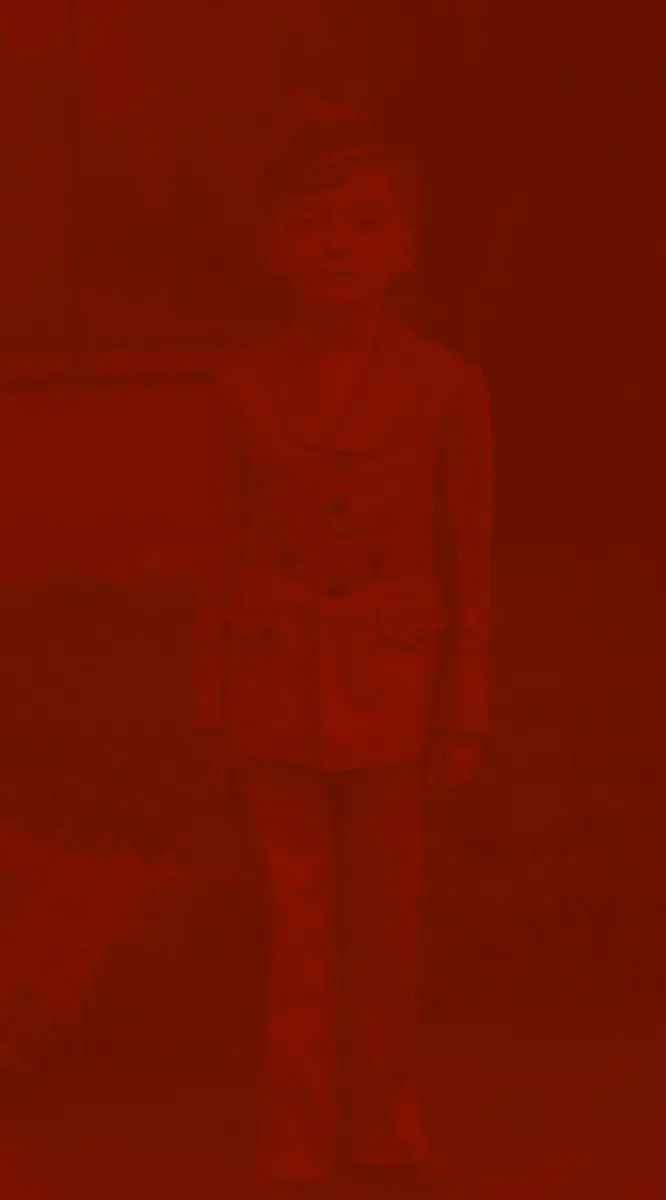
The exhibition also includes the video installation Terra de José Ninguém (Land of José Nobody, 2021), commissioned by the Pinacoteca specifically for this exhibition, which brings together a set of video-lessons distributed by the Catholic Church in 1980 about the civil and political rights struggle of common citizens. Also accessible to visitors are Realismo fantástico (Fantastic Realism, 1991); Série Vermelha (Militares) (Red Series [Military], 2000) and Arquivo Universal (Universal Archive, 1992).
HÉLCIO MAGALHÃES
Master and Doctor at the University of São Paulo (ECA and PROLAM) Scientific Researcher at the University of São Paulo (PROLAM) - part of the international research group on Urban Imaginaries of Latin America, Cultural Producer and Art Critic.