From the beginning, María Martínez-Cañas’ career has been marked by her innate curiosity and a passionate interest in experimenting with different photographic techniques. On a thematic level, her work is intimately linked to her personal life, particularly her close connection with her family and identity. Martínez-Cañas was born in Havana on May 19, 1960, and was just three months old when her family left Cuba. They traveled to Miami but eventually settled in Puerto Rico in 1964. From her adolescence on the Isla del Encanto, the artist remembers the musical appreciation meetings organized by her parents on Sundays and the Cuban artist Cundo Bermúdez’s stay in their house.
At the young age of eight, Martínez-Cañas discovered among the things her parents had taken from Cuba a Twin Lens Rolleiflex camera that an uncle had gifted his mother. She remembers that when she found it in her closet, she asked permission to clean it because she “fell in love with it.”1 Eventually, her mother gave it to her, and she still has it. She received a Kodak developer kit as a Christmas present a few months later. The box contained trays, fixer, developer, and a white bulb with which contacts could be printed by exposing the developed film under the bulb’s light. At eight years old, she developed her first roll of film, and she was “hooked.”2 She began taking pictures with a Polaroid Swinger camera and developing film in a darkroom set up by her parents at her house. She won her first prize at the Colegio Puertorriqueño de Niñas’ art festival as a teenager. She continued to develop her passion for the medium while in high school, and she presented her first exhibition, Reflections (1977), at Casa Aboy Gallery, in San Juan. From that moment on, she dedicated herself entirely to photography and forging her career as a visual artist.
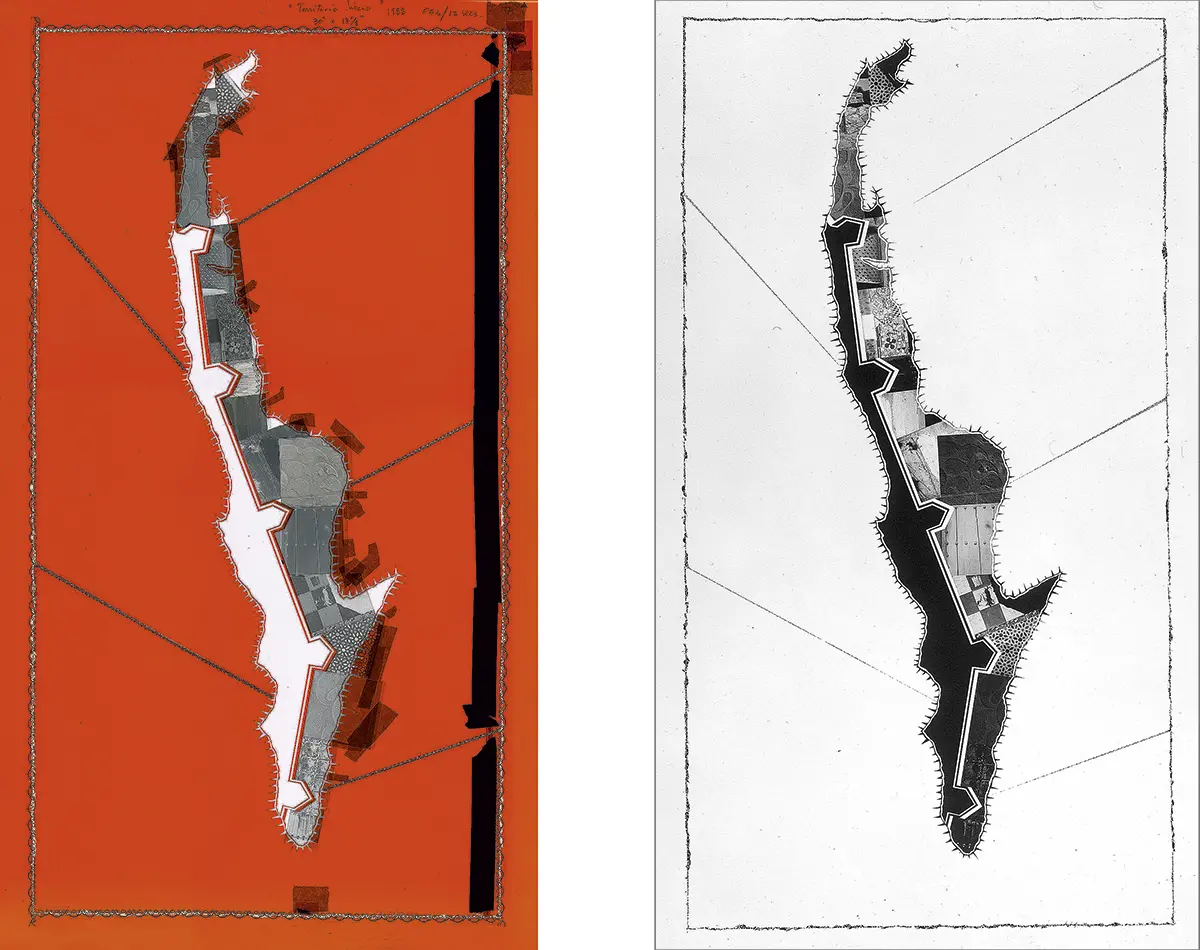
The first step was to study at the Philadelphia College of Art, where she received her Bachelor of Fine Arts (1982). During those four years, she devoted herself to developing her own language and defining herself as a visual artist. At that time, she had many questions about her identity, and her search led her to work with family photos, maps, and abstract ideas. She remembers that she had to present a still life for a class. She figured out a way to incorporate it hidden in a black work that looked like a music score.3 For this assignment, she used Rubylith from Ulano, an orange material that blocks light not to expose covered areas. Black Series (1980-1981) was prescient to the extent that she has continued to use this technique throughout her career, and black has played a key role in her work. With this project and with Fragment Pieces (1980-1981), for which she did not use film negatives but simply scratched Rubylith material, she definitively broke up with traditional photography and began to define her own language.
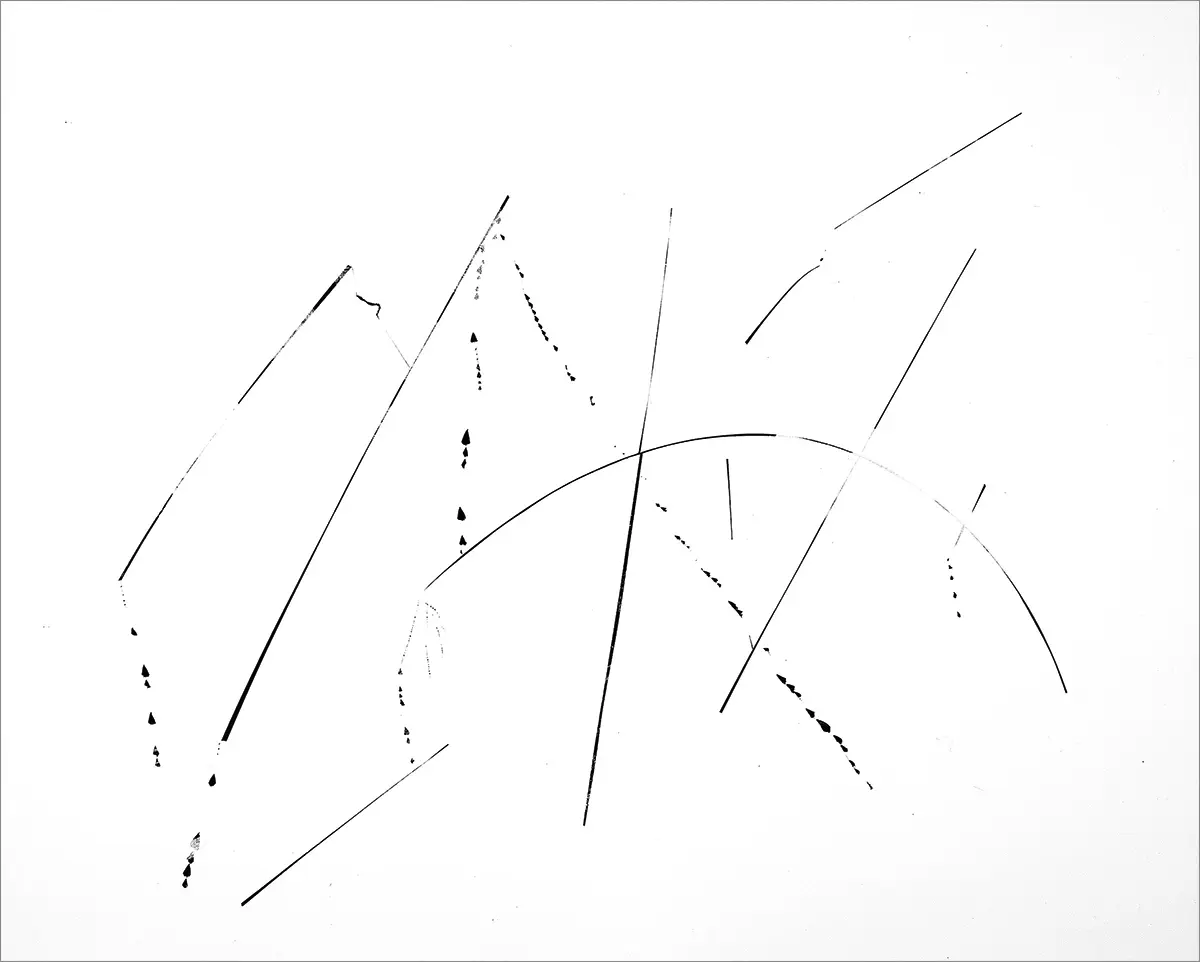
Another project that she had to carry out for a class and marked a milestone in her career is Concert Book (1981), for which she decided to combine music and photography. Music was essential for her family. She and her mother played the piano and her father the violin. To carry out the book project, she was inspired by a violin concerto by Max Bruch. Her goal was to convey the melody visually, in the same way that an oscilloscope can display sound waves on a screen. The result was an abstract work made from gelatin silver prints in which delicate marks or lines appear on sheets of white photographic paper. This project defined the path to follow in terms of her visual language.
In 1982, Martínez-Cañas received a scholarship to pursue a master’s degree at the School of The Art Institute of Chicago (1982-1984). At 22, she was the youngest student in the prestigious program that featured outstanding teachers, including Barbara Crane, Ray Metzker, Joyce Neimanas—then Robert Heinecken’s partner—and Robert “Bob” Loescher. According to her, attending graduate school helped her become stronger as a person and an artist.4 At a formal level, she began to work with negatives and with a material that she used to block the light so that, when exposed, it generated positive works. Using this technique, she made horizontal pieces that she presented as part of her thesis project (Triptychs, 1984). Those works show an abstract language that she continued to develop later.
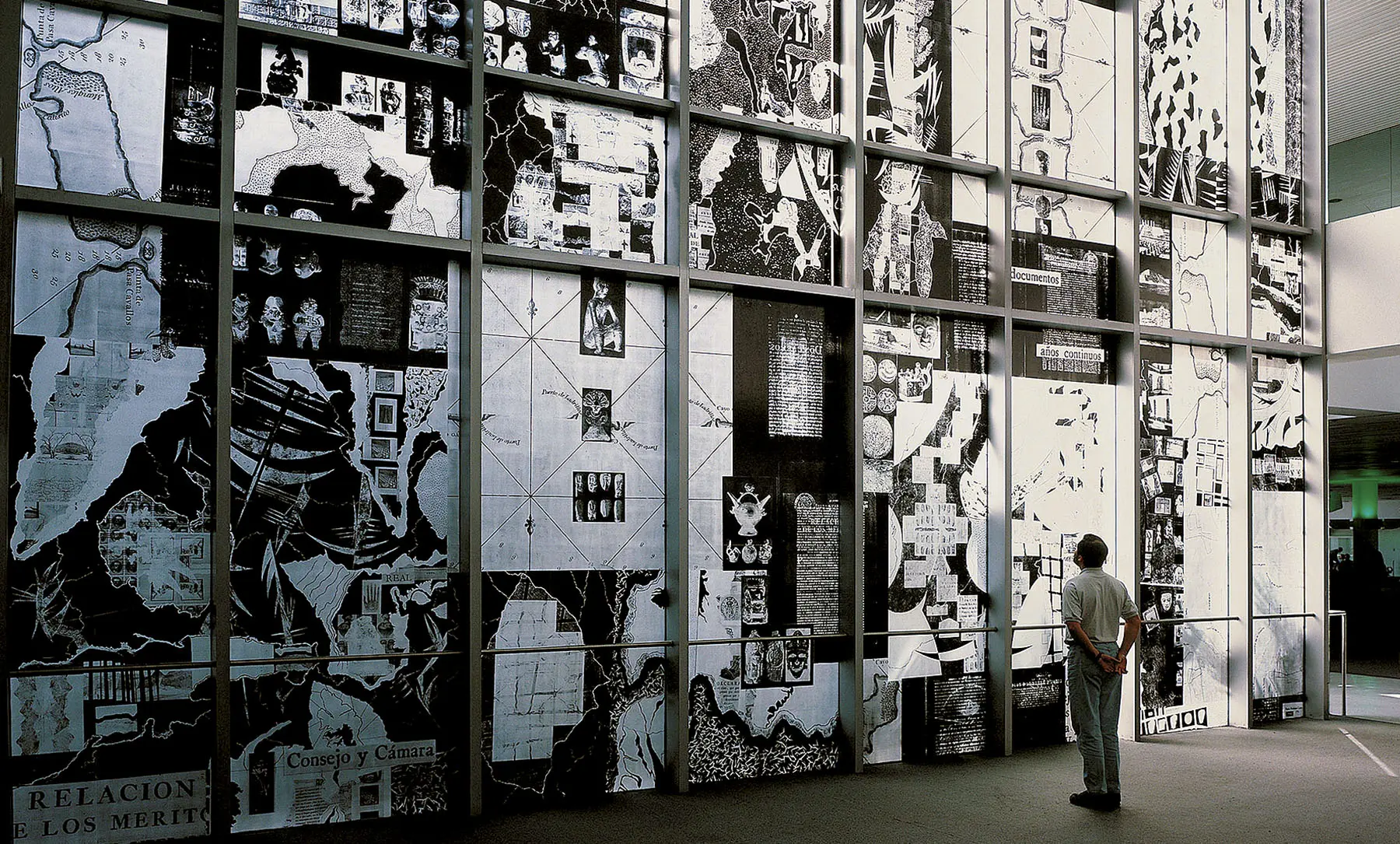
While still a graduate student, she presented her first individual museum exhibition, María Martínez-Cañas: Photographs, at the Museo de Historia, Antropología y Arte de la Universidad de Puerto Rico in 1983. After completing her master’s degree, she traveled to Spain with a Fulbright-Hays scholarship. She researched the maps, charts, and plans made during the voyages of Christopher Columbus to America. For a year she visited, among others, the Archivo General de Indias de Sevilla, the Archivo General de Simancas de Valladolid, and the Biblioteca Nacional de España in Madrid. She collected maps and plans of Cuba that she used to create works such as Fortaleza y Muralla (Fortress and Wall, 1986-1987) and Plano de Ciudad (City Map, 1986-1987). She also made some negatives and acquired Cuban stamps with which she would later make one of her series.
She returned to the United States in 1986 and traveled to Miami, where she planned to stay for a few months. However, the fact that she did not feel part of a minority—being an emigrant is the rule and not the exception—and, above all, being close to her family, who by then had settled there, were enough reasons to stay definitively in South Florida. In her first studio located in Coconut Grove, she continued to work on pieces inspired by her Cuban roots and her experience as an exile, combining fragmented maps and navigation charts with old photographs. In 1991 she developed the portfolio Quince Sellos Cubanos (Fifteen Cuban Stamps, 1991-1992) based on a collection of stamps that her sister had given her. The last piece of the portfolio is the work Amelia Peláez: El Mantel Blanco (Amelia Peláez: The White Tablecloth, 1992) based on the work by Peláez that bears the same name made in 1935.
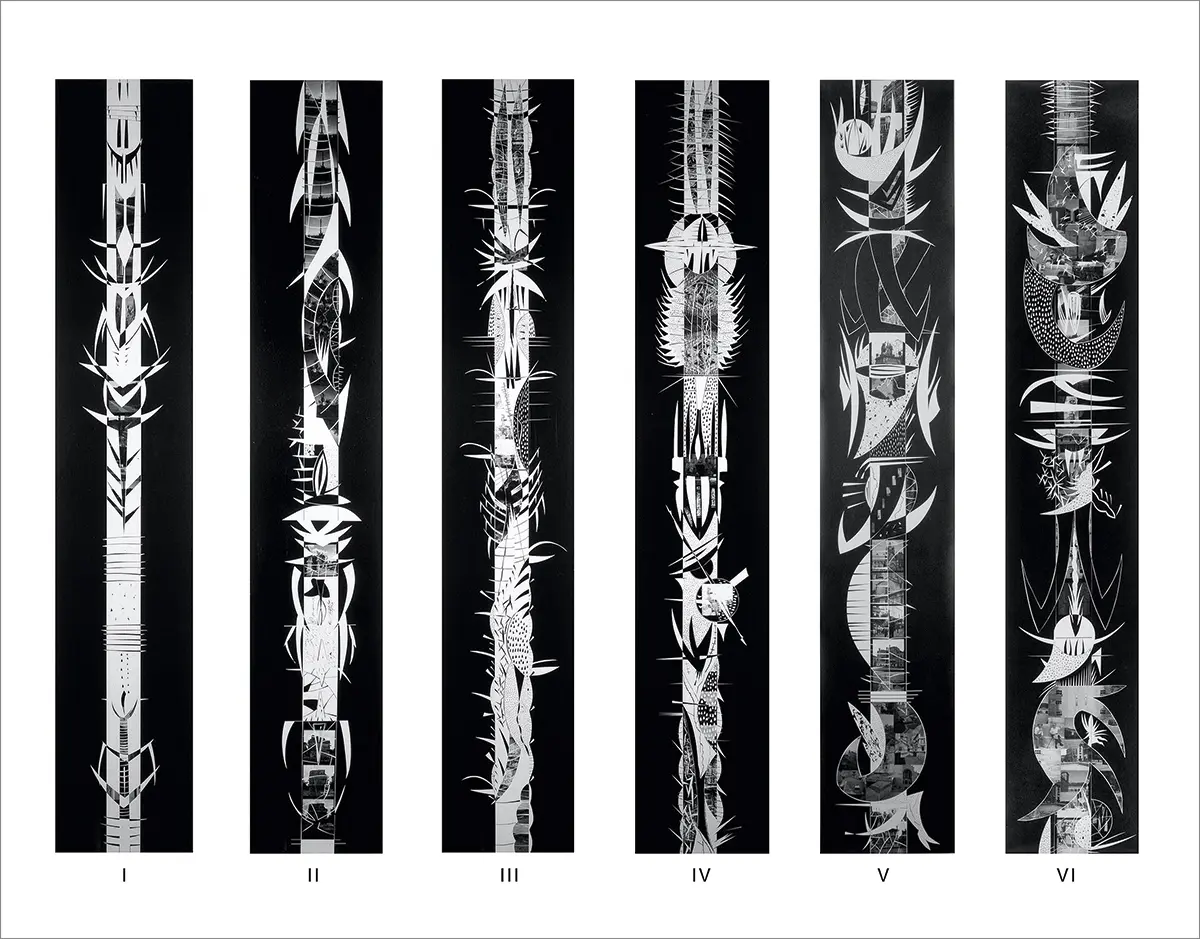
Her trip to Spain marked her deeply and intensified her sense of identity. There she found her roots and began to include images related to Cuba in her work. In the same way, she began to realize how important some artists such as Pablo Picasso and Wifredo Lam were for her. She decided to include some of the masters’ paintings in her works as if they were maps. Lam’s work is fundamental in the development of two important series by Martínez-Cañas entitled Tótems Blancos (White Totems, 1989) and Tótems Negros (Black Totems, 1990-1992). Conceptually, she is interested in the meaning of the totem as an object that serves as an emblem of a family or clan and the concept of descent. To the extent that the totem represents a family history, it acquires a special meaning in her own history. She continued to develop works with black backgrounds based on Lam’s paintings using larger negatives for three years. The transition to larger sizes occurred during her residency at Light Work in Syracuse, New York. Then-director Jeffrey Hoone had invited her, but she had initially declined the offer. However, she reconsidered the offer upon receiving an invitation to present a solo show at The Center for Creative Photography in Tucson, Arizona. At Light Work, she learned to work on a large scale, produced five large negatives, and printed some works such as Ciudad Jungla (Jungle City, 1990).
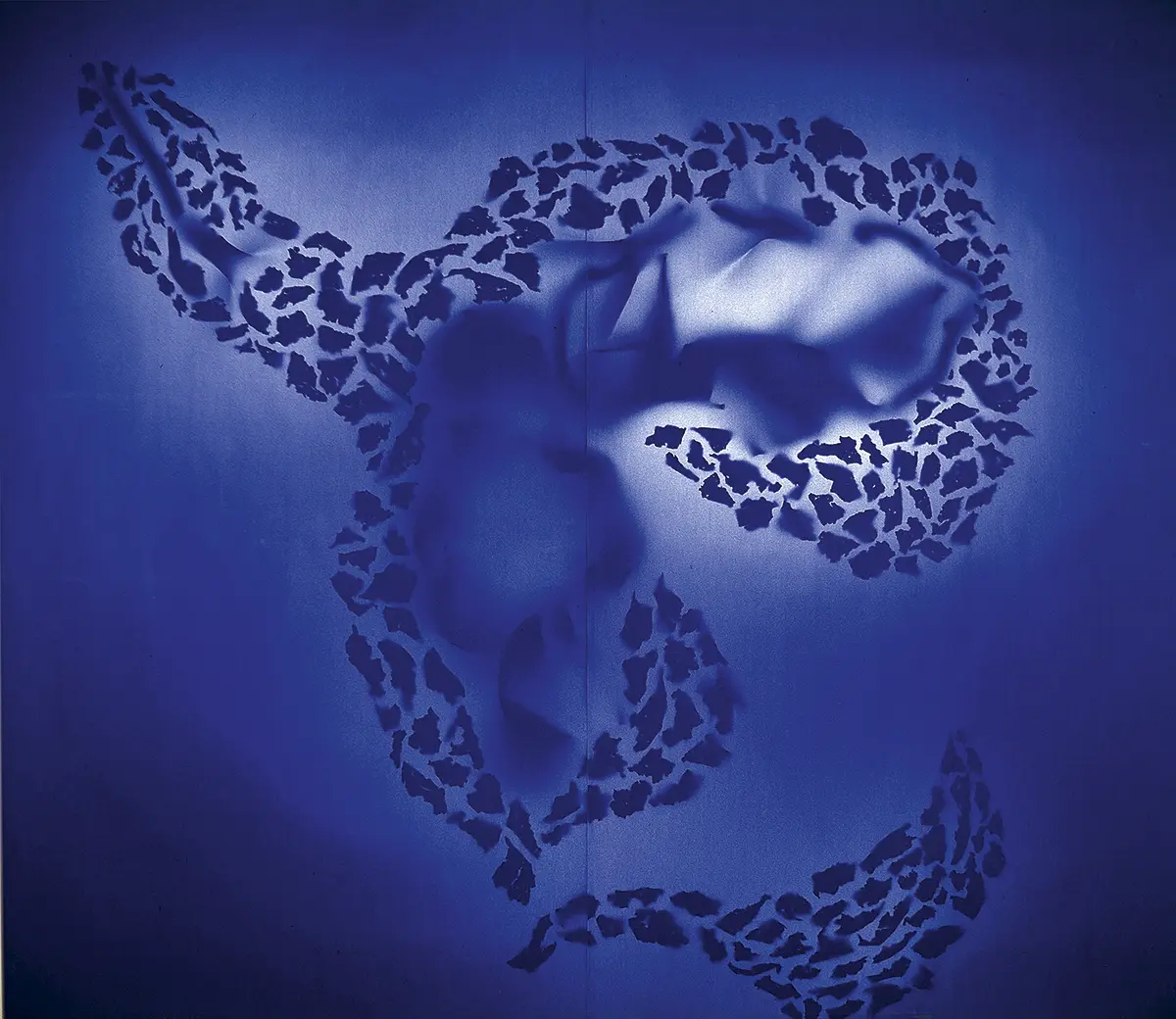
She continued working along the same lines until the mid-1990s when several of her close friends, including Luis Calzadilla and Carlos Alfonzo, fell ill and died of AIDS. That painful experience prevented her from working for a while. When she returned to the studio, she experimented and used the work as a catharsis. For series such as Prima Materia (Raw Material, 1998) and Flight (Hospital Bed) (1998), she used X-rays and her own body, physically capturing the nightmares that tormented her. She eventually told herself that she had to get over that stage. She called a friend, architect Peter Menéndez, and asked him to help her get Diazo paper to experiment with a new material. Upon contact with sunlight and without the need for development in a laboratory, the paper that Menéndez provided her with took on blue tones and allowed her to produce her first series with color: Traces of Nature (1999), Large Diazos (1999), and Naturaleza Perdida (Lost Nature, 2000). As the artist explains, “this type of paper is very sensitive, and you have to work with it very carefully, but it has a great quality: it can be processed without having to be in a dark room.”5 The flexibility of creating the work anywhere was liberating and allowed her to present the installation Humid: Impermanent Evidence (2001), curated by Dominic Molon at The Moore Space in Miami.
In 2004, she met artist Kim Brown in Munich, Germany, and became fascinated by her work with “dust.” Upon returning to the United States, Martínez-Cañas asked Brown to send her some slides of her work and invited her to Miami to carry out a joint project. They produced 41 pieces in 10 days, in which they combined the dust from household vacuum cleaner bags, texts, and photographs, experimenting with ideas as “crazy” as putting the dust and photographs in the food processor. Bonnie Clearwater visited the studio, and when she saw the work, she suggested they present an exhibition at the Museum of Contemporary Art in North Miami. They showed their collaborative installation entitled Trading Places (2005) at MOCA the following year.
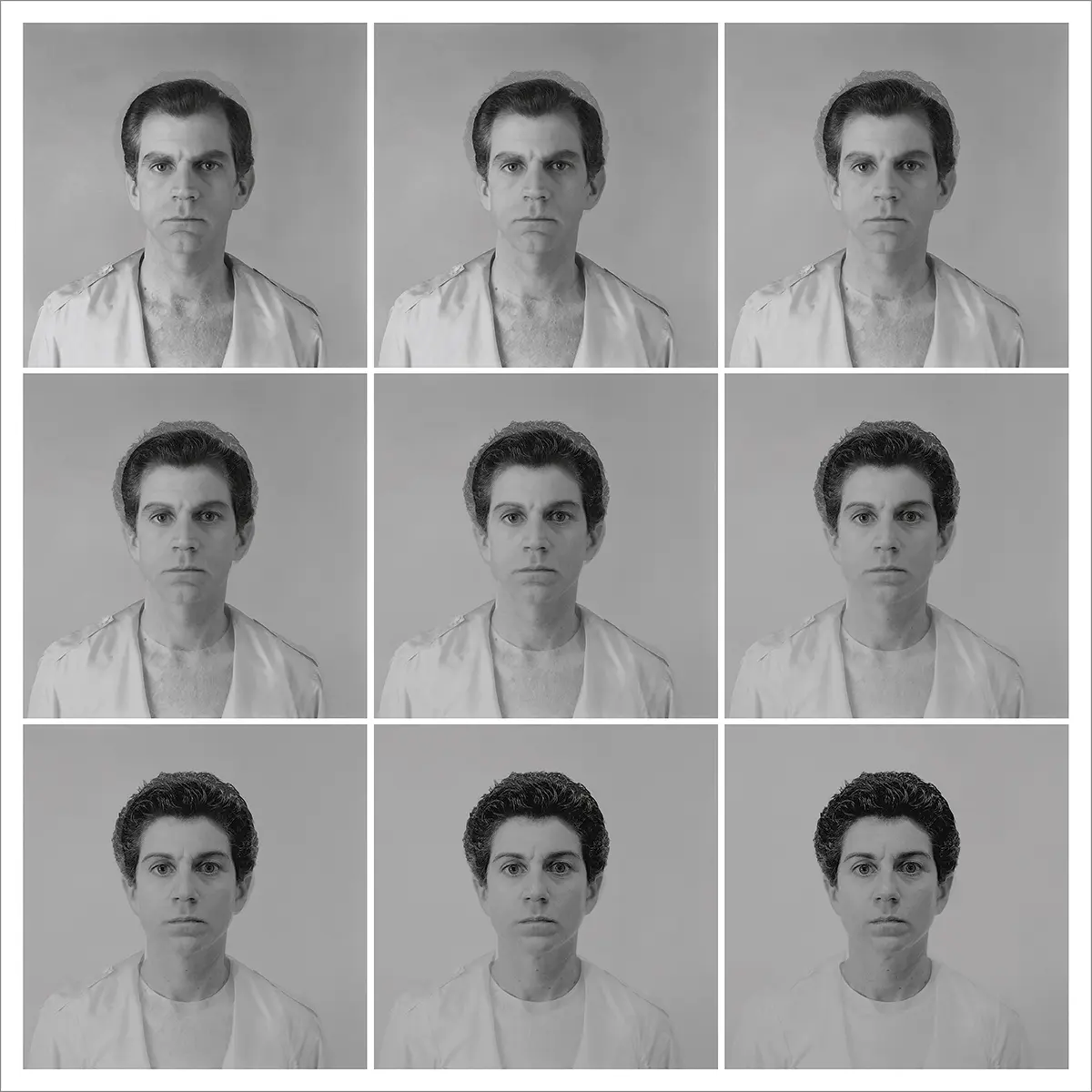
In the series she made from 2005 to 2008, Lies (2005), Adaptation (2006), Tracing (2007), and Duplicity as Identity (2008), she used different techniques to approach photography more conceptually. The works have multiple connotations that the public can only capture by talking to the artist or reading the descriptions on the labels that accompany them in the exhibitions. The blurry images of Lies appear to be naive or even funny when they are associated with crime and violence. Adaptation’s works incorporate documents and photographs from the archive of Cuban critic and researcher José Gómez Sicre, a gift from her father, José Martínez-Cañas. In Duplicity as Identity, she returned to the theme of identity. In one of the works, she used her self-portrait, transforming her face into her father’s.
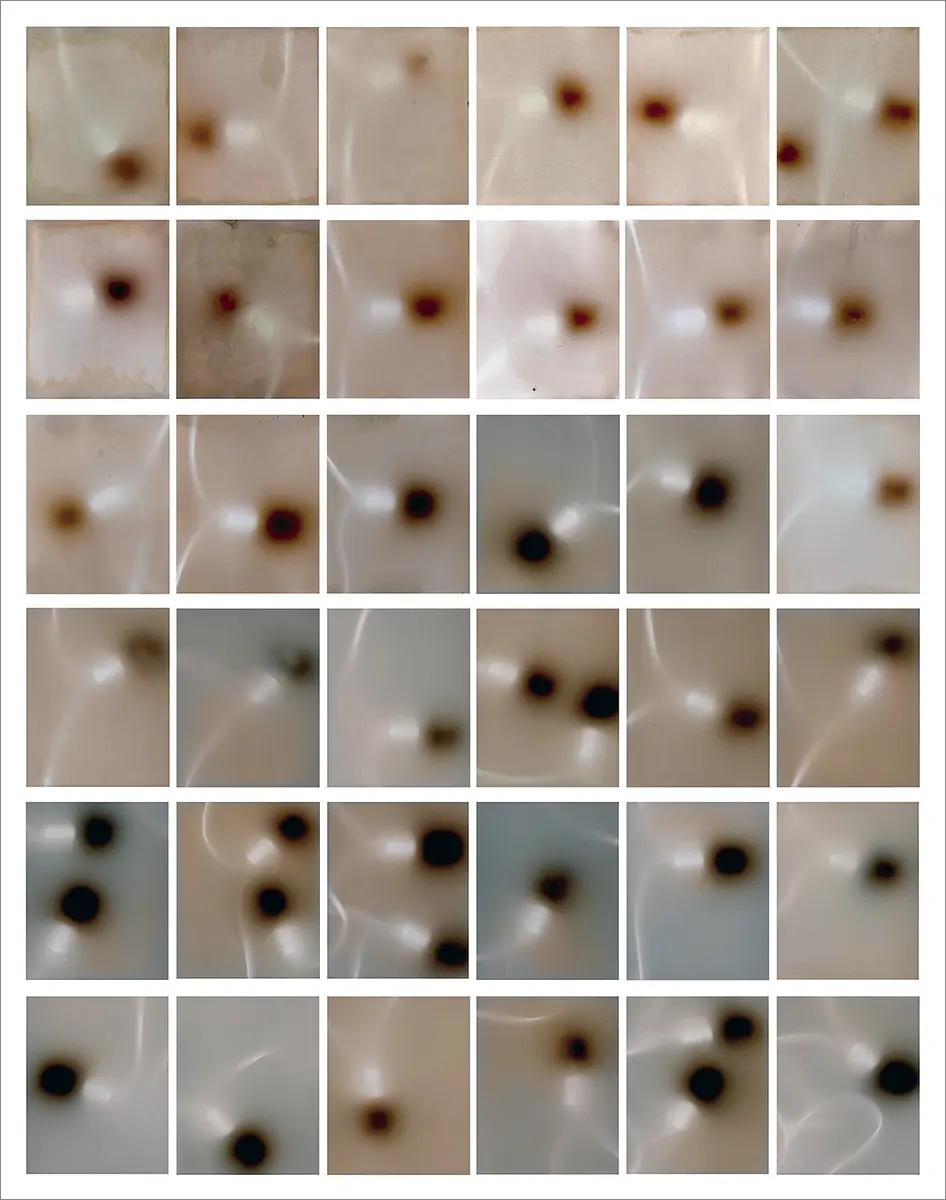
Following a more conceptual line, the artist made an intervention in the space of the de la Cruz Collection in Miami, using the work Untitled (America #3) (1992) by Felix González-Torres. Martínez-Cañas and González-Torres met when they were students. Making a piece using the installation of light bulbs displayed in a spiral shape on the floor was a way of tacitly collaborating with him and honoring his memory. To produce FGT Untitled [Photogram] (2011), she used 36 sheets of Printing-Out-Paper, which she placed under each of the light bulbs of González-Torres’ installation. When she exposed the papers to the bulbs’ light, they were printed without the need for an enlarger. This project clearly illustrates the close relationship that she has maintained with other artists from the beginning and the importance of the dialogue she establishes with them and their work in her career as a visual artist.
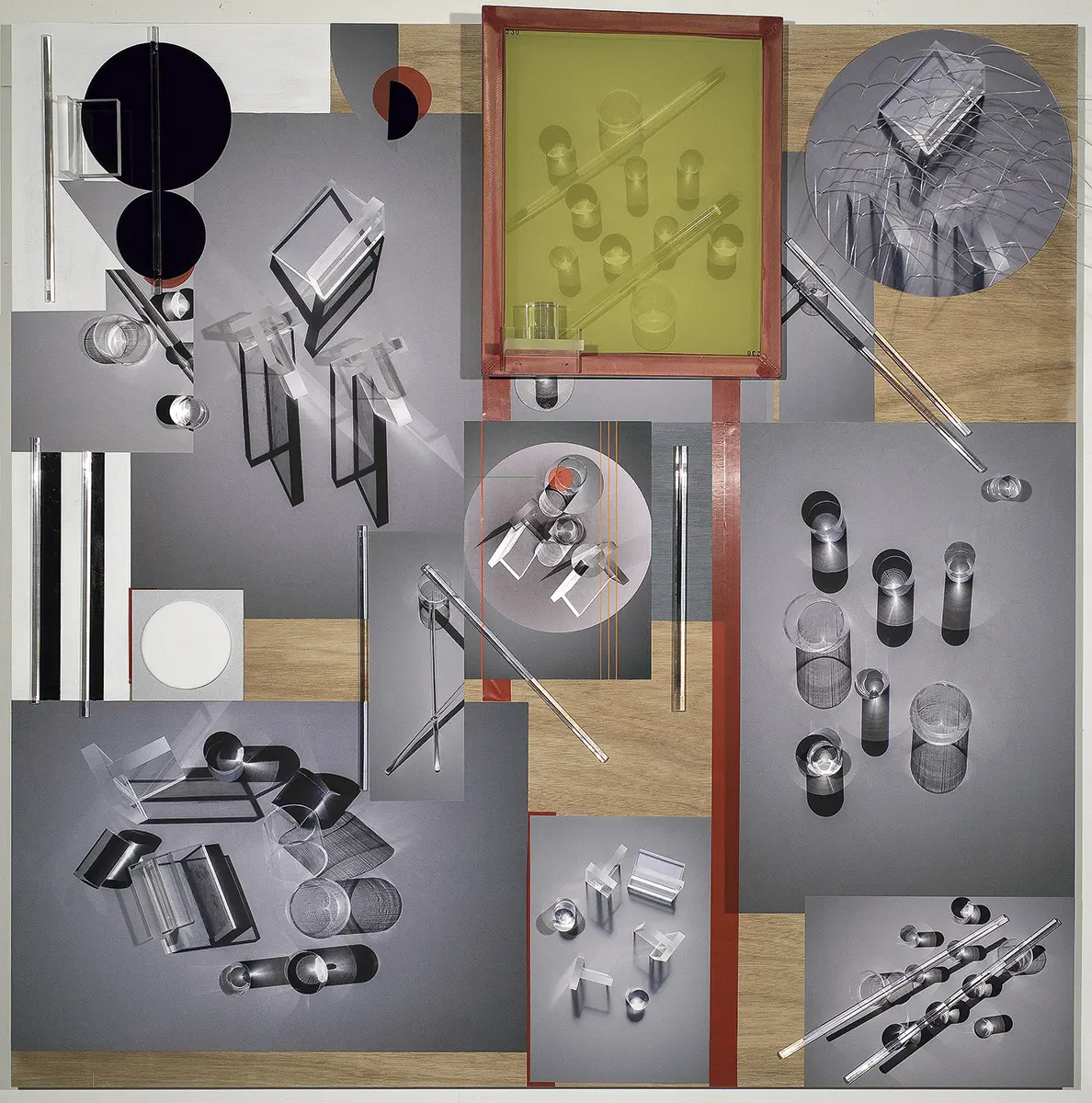
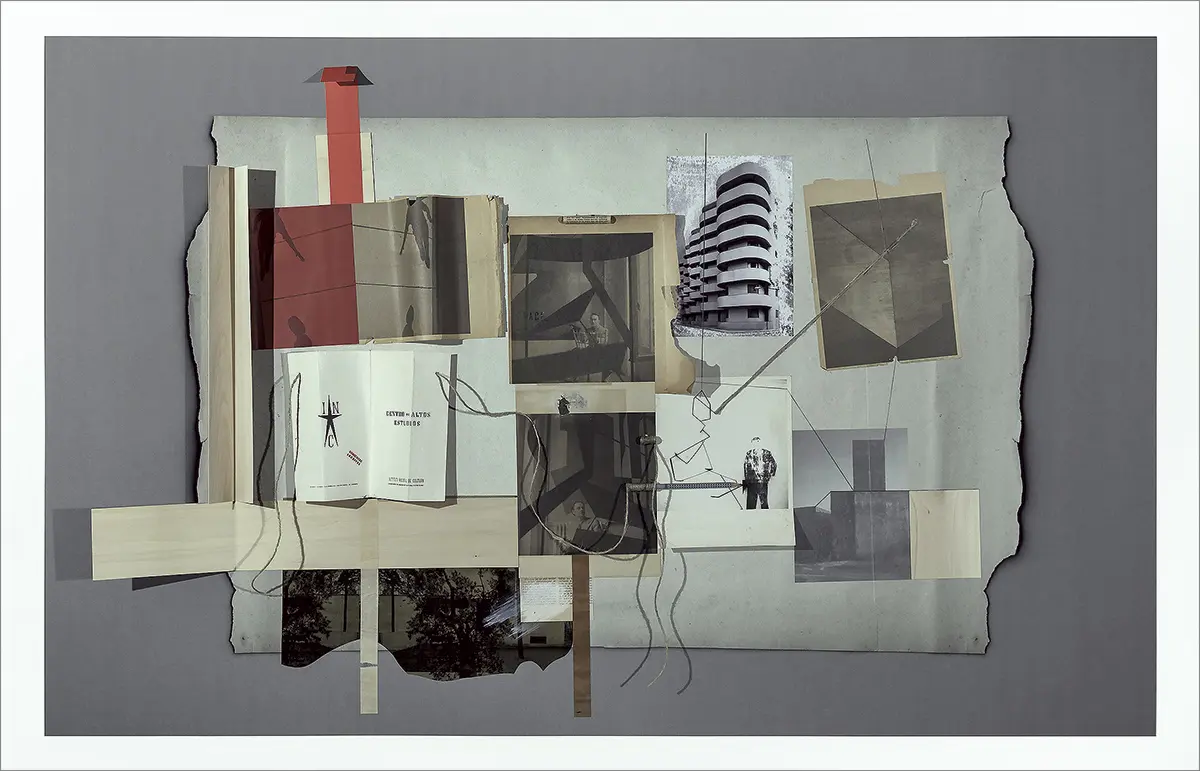
Throughout the last decade (2011-2021), the artist has continued to experiment and use photography in unconventional ways to create complex works. In the series Rebus + Diversions (2016), produced thanks to a grant from The Pollock-Krasner Foundation, she used images, clippings, and texts from the José Gómez Sicre archive. This time, the work became three-dimensional through collage and media as diverse as metal, thread, and wood. She also produced the Transformative Structures series (2017), in which she combined prints with objects made of wood, metal, and plastic to create large three-dimensional installations. The complexity of the compositions stands out in this series due to the large number of elements used and the references to the artists that are still present, as is the case of Jesús Soto, to whom he alludes using the cover of one of his books.
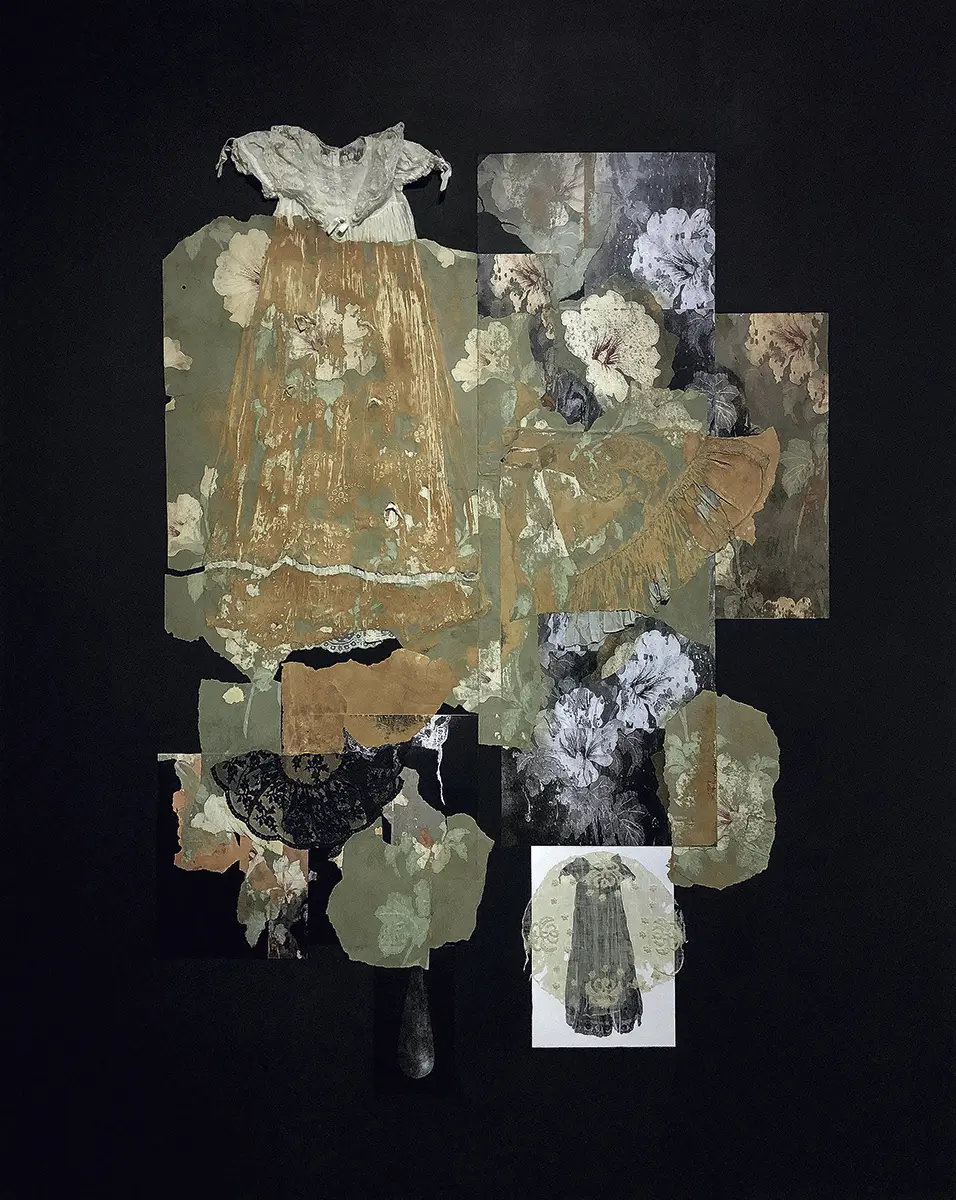
At the end of 2021, after the unexpected death of her mother, she began to make a new series, Absence Revealed (2021-2022). Although her work has always had a biographical character, this time, the artist openly conveys feelings of loss and connection with her mother and her family history. On large wooden panels painted with black plaster, the artist superimposes pieces of wallpaper that she discovered in her house while remodeling; pieces of lace from shirts, linens, and even the baptismal dress worn by her and her two sisters, which she inherited from her mother; and photographs that she intersperses in multiple layers. Visually, it is difficult to appreciate what is real and what is not due to the meticulous way in which she works with transparencies. What is clear is that this work is the product of the pain that this significant loss has caused her, symbolized by the tears that delicately seal each of her paintings.
For more than four decades, María Martínez-Cañas’ work has evolved through constant experimentation with different photographic techniques. For the art historian Carol Damian, “María Martínez-Cañas’s photographs are images of a search for identity captured in fragments of history and memory. They are the visual document of a woman fascinated with the past, but very present.”6 The past and the present are undoubtedly the essences of her artistic production, especially of the ten paintings of the Absence Revealed series, which will be exhibited in the upcoming solo show that will open at the Bass Museum in Miami Beach in April 2022.
NOTES
1. María Martínez-Cañas conversation with the author, Miami, January 10, 2022.
2. Ibid.
3. Ibid.
4. Ibid.
5. Ibid.
6. Damian, Carol. “María Martínez-Cañas. The Voyage Home.” ArtNexus no. 8, April-June 1993, 187.
* Courtesy of the artist and Fredric Snitzer Gallery
FRANCINE BIRBRAGHER-ROZENCWAIG PHD