One of the great attractions of the face-to-face art exhibition reopening process in Brazil is the 34th São Paulo Biennial, which inaugurated on September 4 and will be open until December 5, 2021. The Biennial is enforcing the required sanitary protocols, and visitors to the show must provide proof of Covid-19 vaccination before entering the premises.
Though It’s Dark, Still I Sing points to the central theme of the exhibition, which has acquired a special character in the unforeseen context of the pandemic that has struck the world. General curator Jacopo Crivelli Visconti extracted the verse from a poem that Thiago de Mello published in 1965, also a year of uncertainty in Brazil. This verse embodies—now and then—a double cry for resistance and hope.
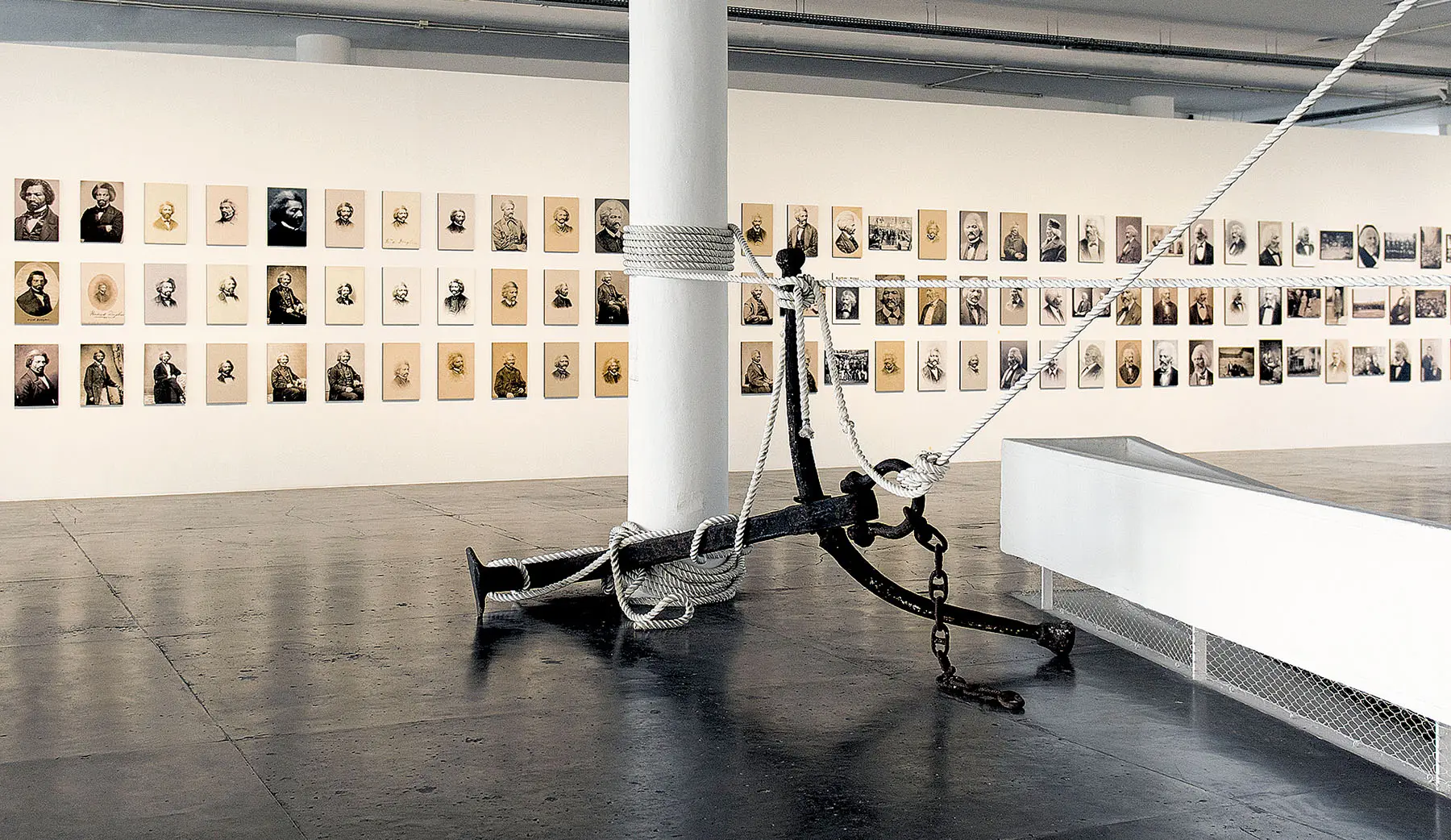
This 34th edition marks the 70th anniversary of the biennial’s creation, which was conceived in 2019 and scheduled for 2020, but had to be cancelled due to the pandemic. However, many online events took place during the span of an entire year and a half, in keeping with the original idea: an event extending over time; an open essay under construction; a work in progress. In reality, the 34th Biennial began in February 2020 with a face-to-face solo exhibition and a performance by Ximena Garrido-Lecca, followed by events via digital platforms. In November 2020, with strict sanitary security protocols, the exhibition entitled “Wind” was presented to the public as a metaphor for the distancing imposed on people: only 60 works were distributed throughout architect Oscar Niemeyer’s massive biennial pavilion.
It’s worth noting that the attempt to establish dialogues with the most diverse publics and spaces in the city led to expand the project to other São Paulo institutions, museums and cultural entities, such as the Museu de Arte Moderna (MAM), Museu de Arte Contemporânea da Universidade de São Paulo (MAC USP), the Pinacoteca, Itaú Cultural, the Moreira Salles Institute, and Japan House, which hosted important exhibitions related to this event.
This edition presents the works of about 100 artists of different generations who created a polyphony of voices that interpreted the curatorial theme. The official public statement stated the following: “The curatorial project of the 34th São Paulo Biennial intends to expand the exhibition, multiplying the opportunities to encounter art, and claims at the same time the right to opacity of both artistic expressions and the identities of subjects and social groups.”
The project prepared by Crivelli and his curatorial team–Paulo Miyada (adjunct curator), Carla Zaccagnini, Francesco Stocchi, and Ruth Estévez–proposes an exhibition that emphasizes “the urgency of the problems that challenge life in the current world, while underscoring the need for art as a field of resistance, rupture and transformation.” Participating artists worked with issues that motivate gestures of resistance and search for change.
The curators also stated that project’s main theoretical sustenance derives from the thought of Martinican thinker Édouard Glissant, author of Le discours antillais (Caribbean Discourse). In these times, marked by the debate on decolonization, proposals by Latin American and Caribbean authors acquire special meaning. The Biennial curators are particularly interested in the concepts of opacity and rhizome, as Glissant developed them. Opacity indicates that reality is never fully revealed, and rhizome is the metaphor for the sharing of a “root-system” with an interconnected plot that spreads out without damaging its branches. This manifests the desire to demonstrate the possibility for the coexistence of differences without the imposition of truths.
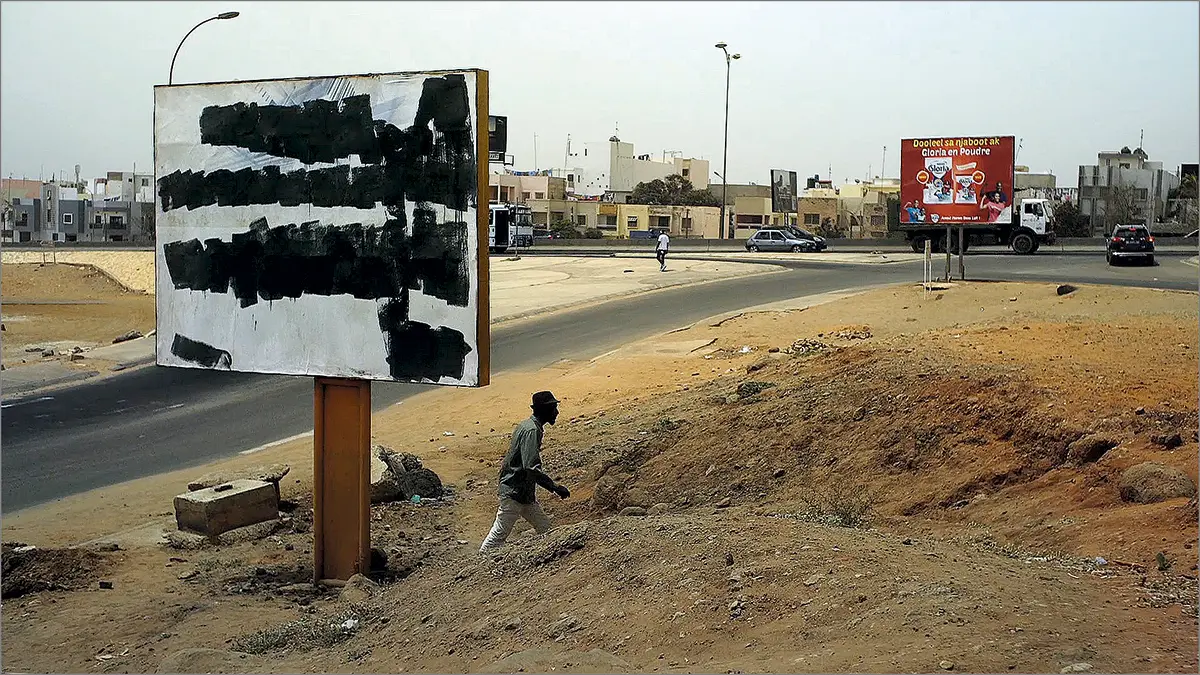
According to the organizers, Though It’s Dark, Still I Sing claims the right to complexity, both for expressions of art and culture, as for individual and communal subjectivities. The biennial deems it necessary to recognize the importance of contemporary indigenous art and the voices of blackness. These two vectors are prominently represented here, and the reflections in this brief critical exercise will be focused on them. As a strategy to expose the main curatorial premise, the comments that follow will reproduce statements brought forth by the institution, and the work of selected artists will serve as examples. *
Arjan Martins (1960), an artist living in Rio de Janeiro, is present with cartographies and maritime images referring to the voyages that initiated the formation of the “Atlantic triangle” of the slave economy articulating Europe, Africa, and the Americas. This artist reenacts the black diaspora to which he belongs. In his paintings he “recombines symbols found in different latitudes and longitudes—such as the silhouette of a mountain in Guanabara Bay, the structure of a 19th-century British ship, and the enigmatic face of a girl photographed in New York in the 1960s—often existing together in the same pictorial space.”
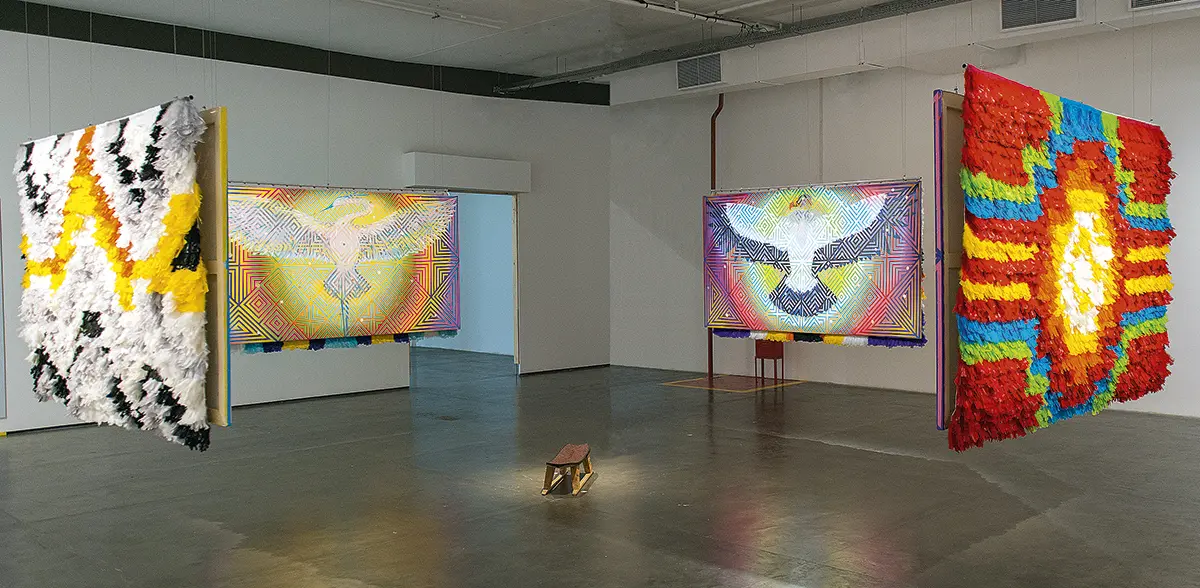
Daira Hori (1982, São Paulo) belongs to the Tukano people, from the Amazon region of the Upper Rio Negro. When she was born, her family was living in São Paulo and belonged to the indigenous movement that preceded the 1987-88 Constituent Assembly. An artist with a postgraduate degree in human rights, a teacher, an activist for indigenous rights, and a communicator, Daiara investigates “indigenous peoples’ right to truth and memory.” Her work is inseparable from her ancestral culture. Influenced by native ritual practice, “whose mystical visions, known as Hori, permeate all Tukano visual culture, Daiara produces images that evoke aspects of existence that are usually invisible to the eye.”
She considers images to be messages with a value that transcends all aesthetic dimension. At the 34th Biennial, Daiara presents Festa no ceu (Party in Heaven), “a set of four suspended paintings representing the sacred birds: the harpy eagle, the king vulture, the capped heron, and the red-and-green macaw—the miriã porã mahsã—who, according to the Tukano people, perform a ceremony to hold up the sky and stop the sun from burning fertile soil.”
Frida Orupabo (1986, Norway) denounces the objectification of the black woman’s body, which has been present since colonial times. Frida is a digital artist and her practice appropriates images available on the internet, decontextualizing and transforming them. “More recently, her work has also unfolded in physical objects, but her Instagram profile (@nemiepeba) continues to be the ‘most advanced iteration of her practice’…. Orupabo records and exposes the long-standing legacy of colonialism in scenes and images that range from extremely explicit racism and sexism to examples of domestic violence as well as issues involving gender and identity.”
Hanny Kamaly (1988, Norway) lives in Stockholm, Sweden. Her work materializes in films, performances and publications in which she explores how colonial paradigms and their residues can be found in public monuments, in scientific discourses, and in museum collections. Kamaly’s practice is based on research: the presence of the human body and its representation and control mechanisms. The biennial also shows another segment of this artist’s production: “sculptures that could be called abstract. Always titled after a person who has been the victim of State violence, these sculptures are silent monuments.”
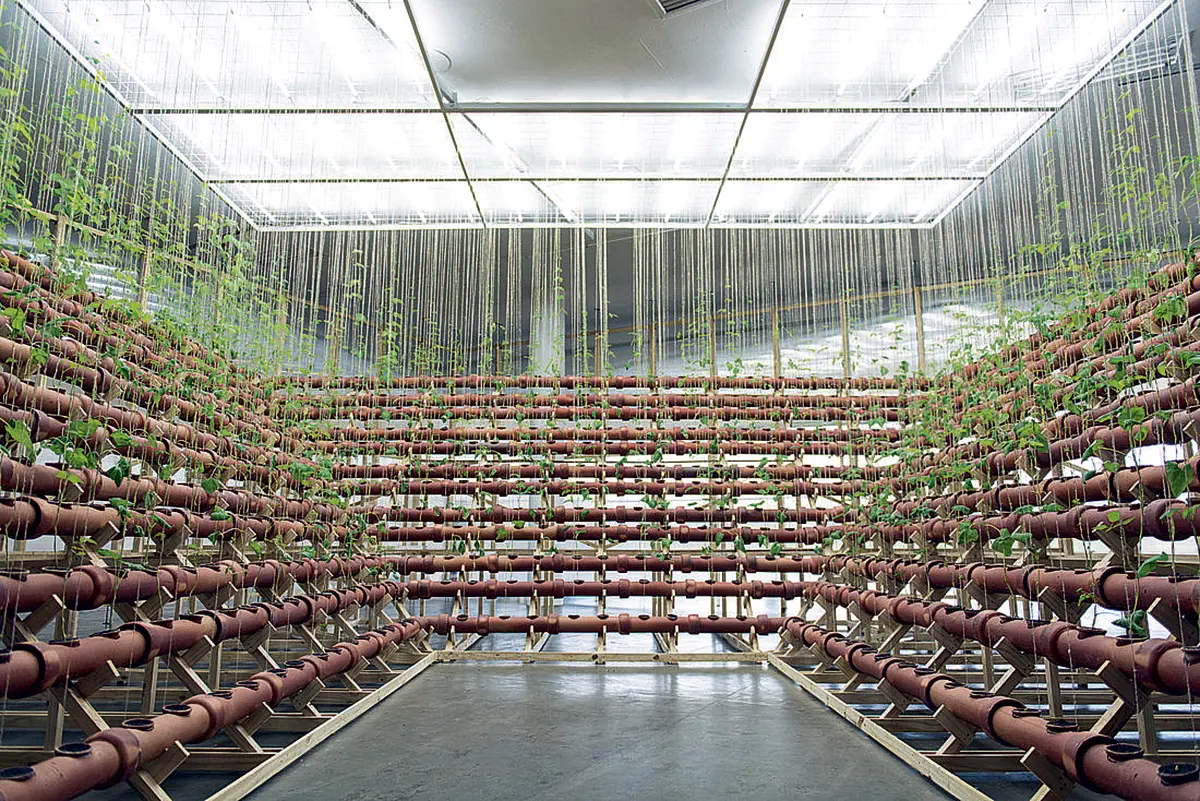
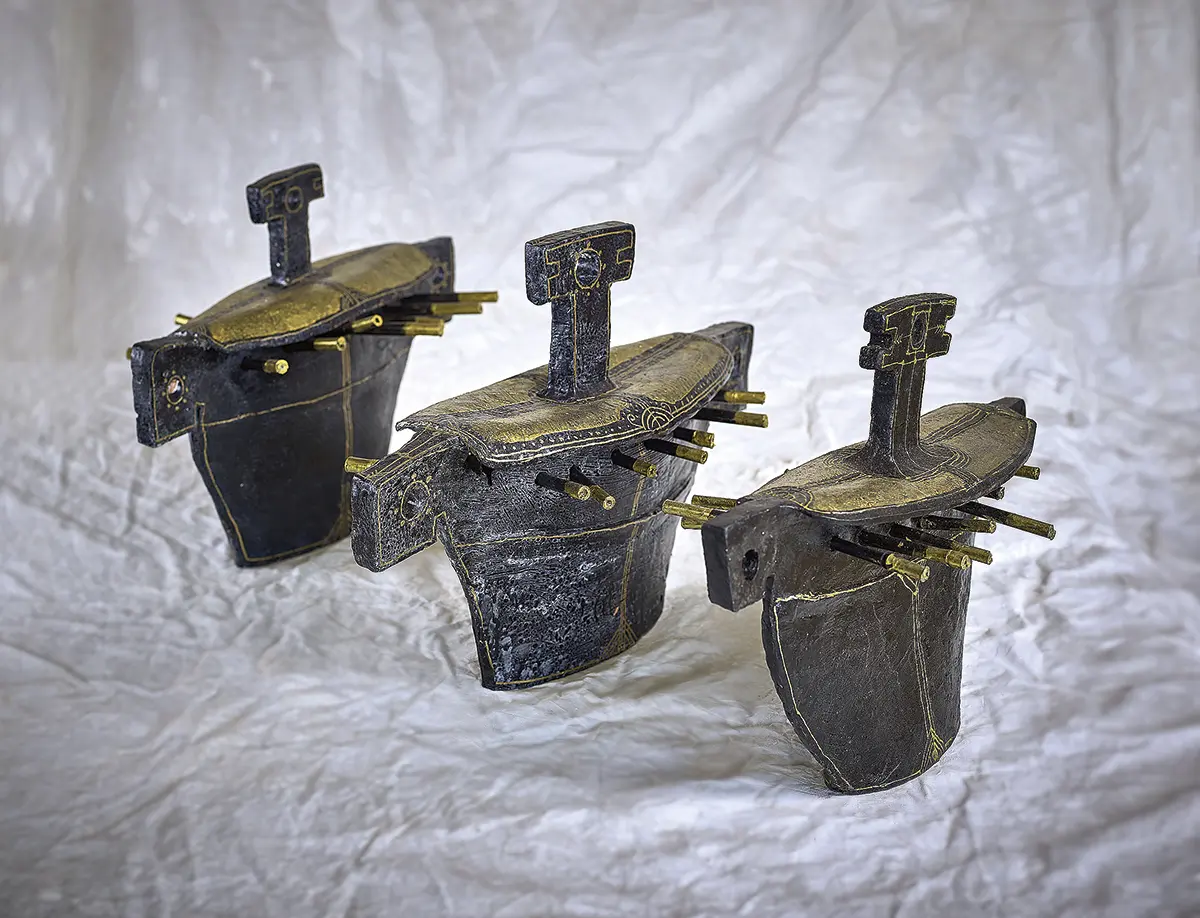
The work of Victor Anicet (1938, Martinique), made in ceramic, rescues testimonies of the Martinican people. “His father a fisherman and his mother a worker at the sugar mill of a habitation (an extension of the colonial production regime based on slave labor), Anicet’s first contact with the ceramics of the Amerindian Arawak people was as a child while assisting the archeological excavations organized by Father Pinchon at the Adoration site in Le Marigot, in the north of Martinique. Years later, while studying in Paris, he visited the Musée de L’Homme and realized how far he and his people had distanced themselves from their history, which had remained in the hands and voices of the colonizers.”
Anicet “has been exploring recollections of the lives of African slaves and their descendants, as well as of Caribbean Amerindians and Hindu families who immigrated to Martinique in the last century.” One of his best-known works is The Presence of the Multiple East, which marks the grave of Édouard Glissant, in Martinique.
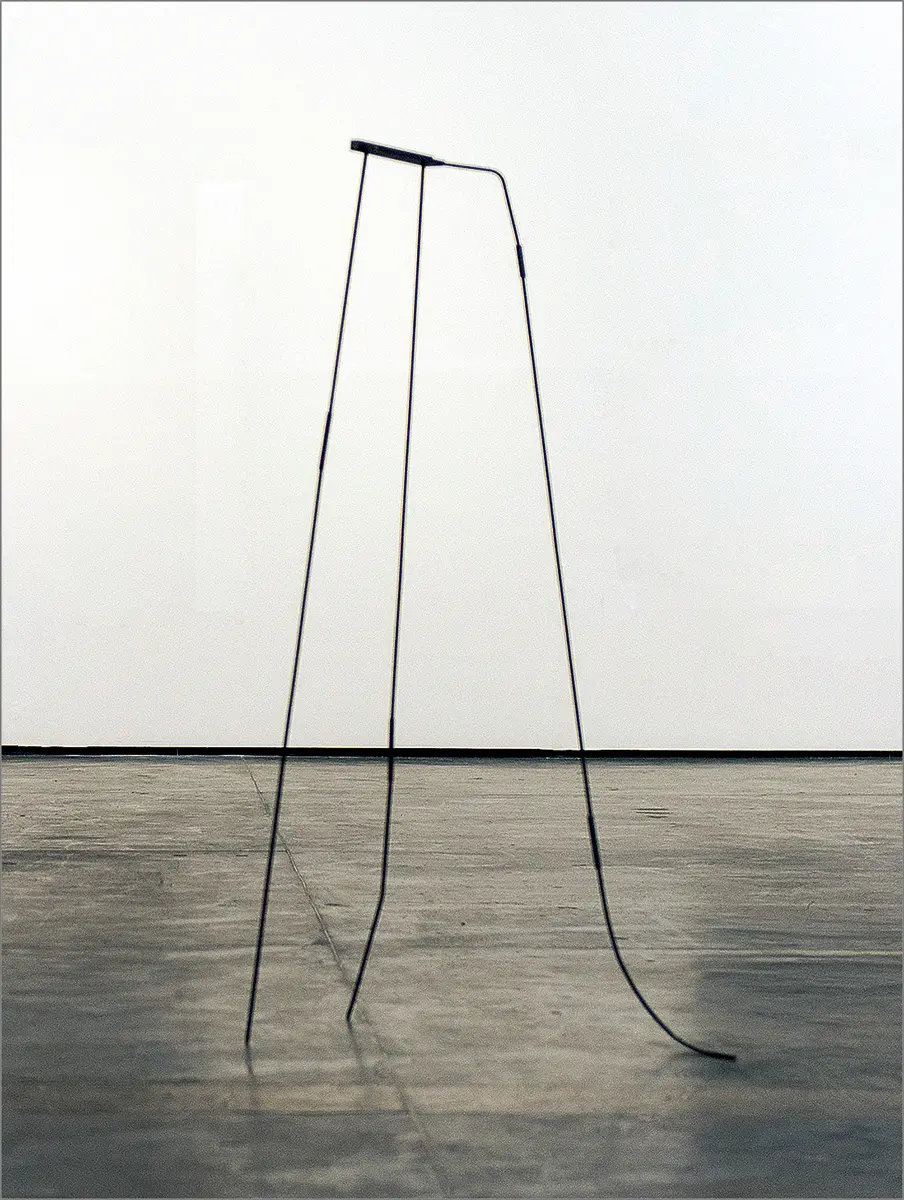
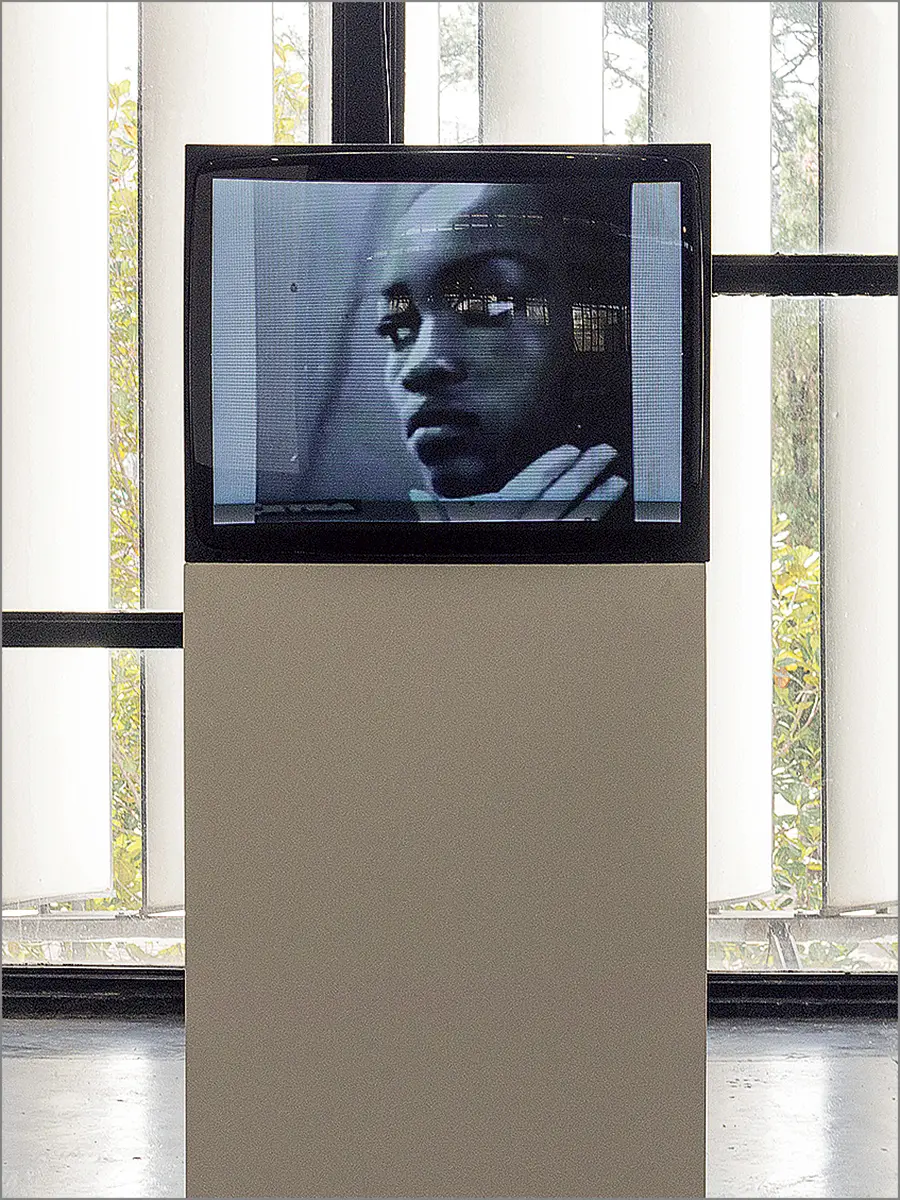
In keeping with the texts produced for the exhibition, let’s take a look at the artist and filmmaker Vincent Meessen (1971, Baltimore, USA), who “combines criticism of colonial models used to write history with an affective attention to certain disruptive actions of the past. While investigating political movements, projects, artworks, and essays that confronted the political and social contradictions of their times, Meessen develops installations, publications, and films that challenge viewers to question the forms of silencing faced by such movements, and about the factors that keep them pertinent, even today.”
In her work, Sung Tieu (1987, Hải Dương, Vietnam) uses a wide variety of media: installation, sound, video, sculpture, photography and performance. The artist “accumulates, superimposes and contaminates factual, fictional, plausible and possible narrative layers until they become inseparable from one another. Her research departs from issues of migration and displacement to explore the political interests that regulate these movements; in recent works, exemplified by the so-called “Havana Syndrome” and its lasting impact on the geopolitical tensions between the United States and Cuba (In Cold Print, 2020) and her analysis of the bureaucratic state apparatus through a bureaucrat’s life and workplace (Zugzwang, 2020).” Tieu works with sets of contradictory information on the same incident, highlighting the impossibility of reconstructing an objective “truth” of the events.
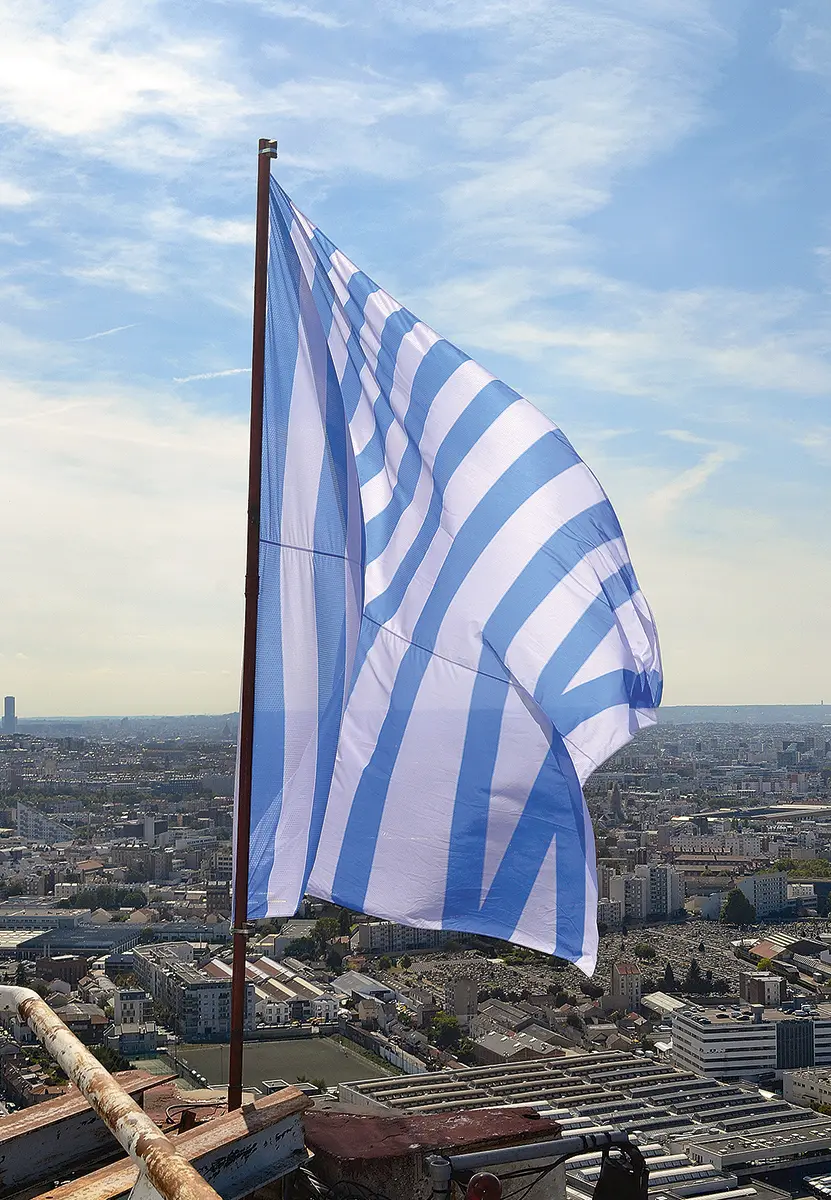
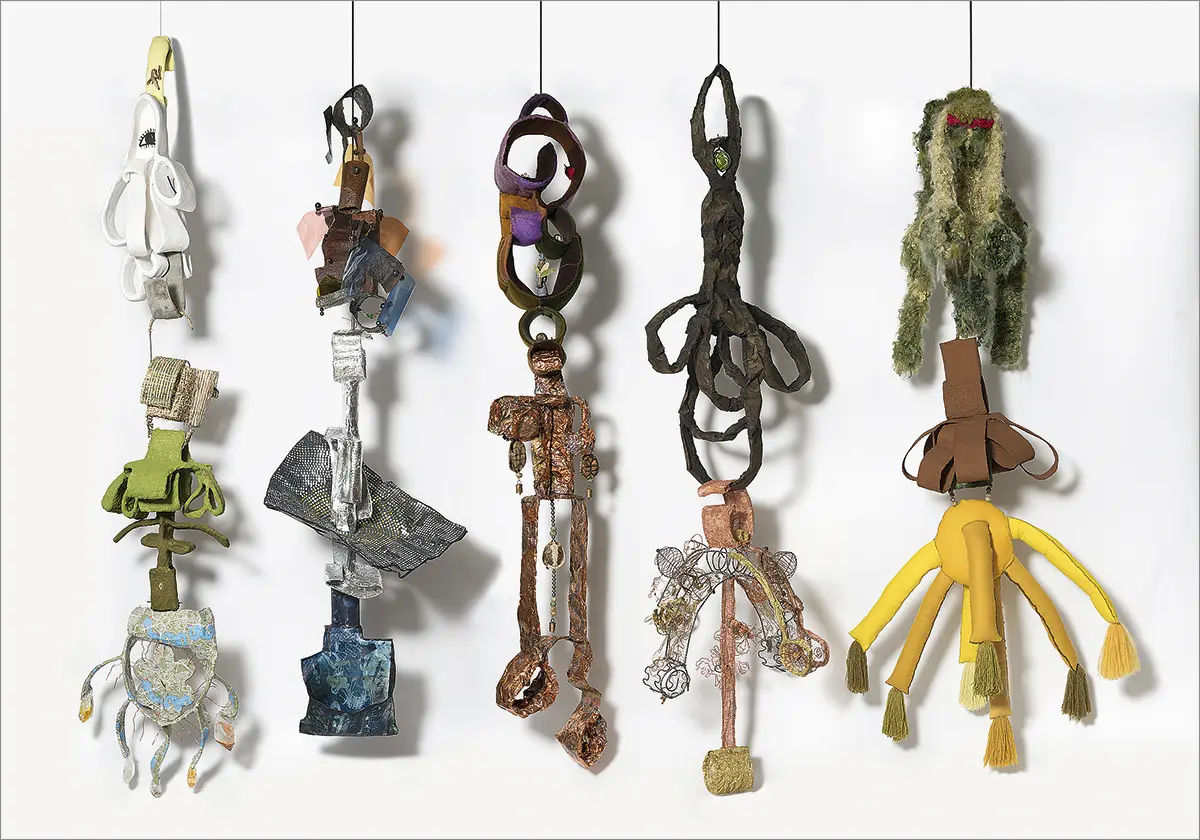
Tamara Henderson (1982, Sackville, Canada) uses performance, painting, poetry, cinema, textiles, sculpture. and installation. “Her work often departs from an open-ended investigation on different states of consciousness. While the notes, observations, patterns or ideas that she includes in her work might be derived from what she sees in her everyday life, Henderson then elaborates them in order to compose a kind of oneiric mythology that she further complexifies through different filters of perception.” She is absorbed by the flow between the conscious and the unconscious.
Most of the works by Eric Beaudelaire (1973, Salt Lake City, Utah, USA) arise from the intersection of historical episodes “with broad political or social analyzes; studies of cinematic iconography that reveal revolutionary visions of the world; imaginary correspondences that anticipate or echo real exchanges; in-depth and meticulous sociopolitical research that transforms, almost imperceptibly, into fantastical stories.” For the biennial, Beaudelaire is presenting the documentary Un film dramatique (A Dramatic Film, 2019), where he “follows the daily lives of elementary students at the Dora Maar school in Saint-Denis, a Parisian suburb home to mostly first and second-generation immigrants who are often marginalized and discriminated against by French society.”
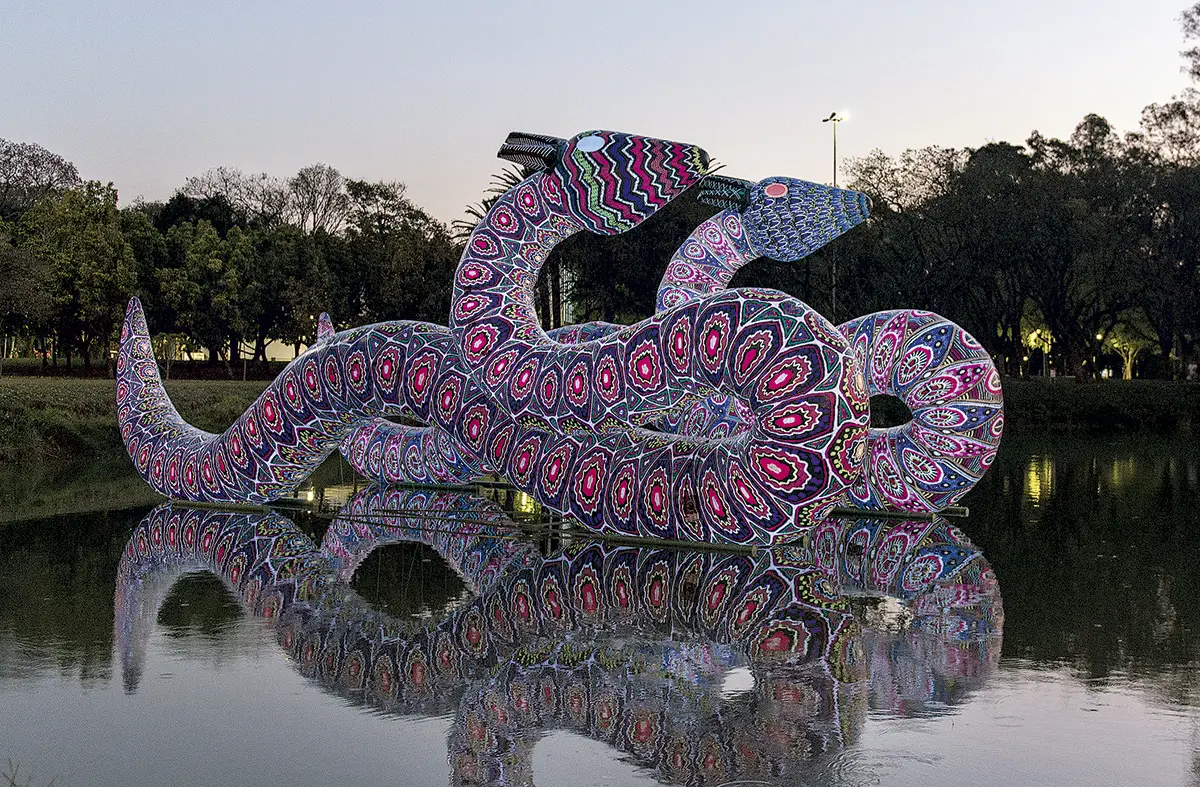
Jaider Esbell (1979, Roraima, Brazil) was born in the region called Raposa Serra do Sol Indigenous Land. A Macuxi artist and writer since 2103, when he organized the First Meeting of All Peoples, Esbell “has played a central role in the movement for consolidating contemporary indigenous art in the Brazilian context, acting in a multiple and interdisciplinary way, combining the role of artist, curator, writer, educator, activist, promoter and cultural catalyzer. In his first literary work, Terreiro de Makunaima: mitos, lendas e estórias em vivências (Terreiro de Makunaima: Myths, Legends and Stories in Experiences, 2010), Esbell sees himself as the grandson of Macunaíma and espouses the reappropriation of this figure by the indigenous people, considering that in the Macuxi culture, Makunaima is one of the “children of the Sun’ responsible for the mythical creation of all the edible plants existing in the forest, and therefore very different from the “characterless hero” in the eponymous novel by Mário de Andrade (1928).”
Beatriz Santiago Muñoz (1972, San Juan, Puerto Rico) feels that cinematographic practice possesses the force of a ritual. She seeks to sensibly envelop the viewers and broaden their perception; “many of her films contribute to create an imaginary of an authentically decolonized Caribbean, rooted in alternative ways of seeing and experiencing the contradictions of the region.”
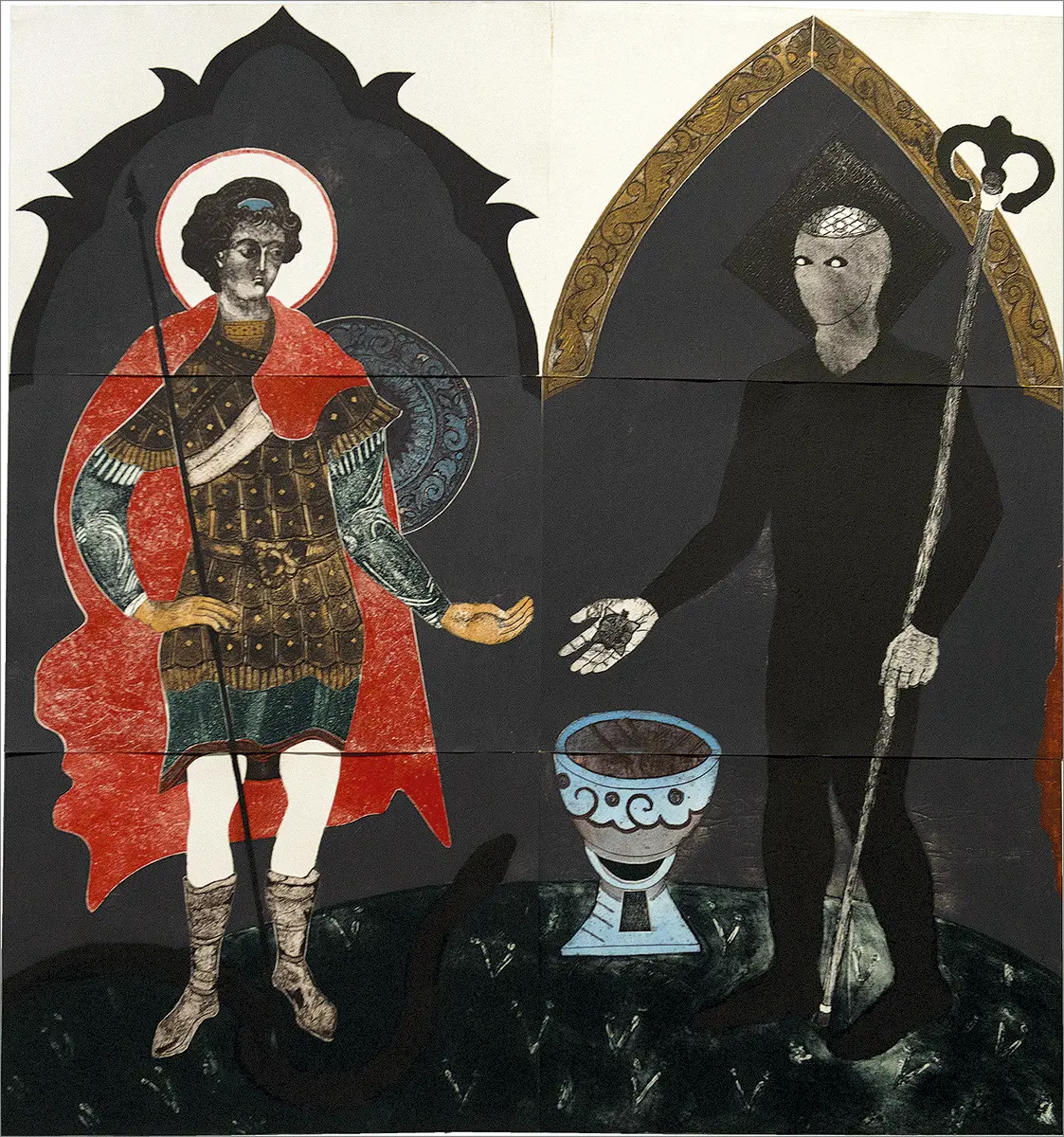
Naomi Rincón Gallardo lives in Mexico City and is dedicated to performance and video. Her stories go back to myths, stories, and testimonies related to “resistance against heteropatriarchal and colonial dispossession.” Ancestral beliefs intertwine with DIY and queer aesthetics.
Lothar Baumgarten (1944 Rheinsberg, Germany- 2018, Berlin, Germany) acquired ethnographic knowledge and imbued it with aesthetic concerns as well as concern for the European relationship to indigenous peoples and cultures. “He continuously interrogated one of the most complex subjects in Western history: the exploitation of indigenous cultures, lands, and bodies.” Through his examination of scientific collections, Baumgarten identified aspects of colonial violence perpetrated by “discoverers,” “conquerors,” and explorers.” Baumgarten lived with the Kashorawë and the Yapitawë-theri, Yanomami villages in the region of the border between Venezuela and Brazil. During this period, the artist produced a series of films, photographs, and audio recordings.
Belkis Ayón (Havana, Cuba 1967-1999) investigated the Afro-Cuban secret society Abakuá, whose foundations were formed in colonial times and whose rituals are reserved exclusively for its initiates (only men are admitted). She was interested in the figure of Sikán, who was recorded by the anthropologist Lydia Cabrera, in a 1969 text, as “the true owner of power” and whom men killed to seize her secret. Often, the artist portrayed herself as Sikan. She adopted collagraphy as her main technical medium, working on a large scale and developing elaborate combinations of colors and textures, or of blacks and whites with shades of gray.
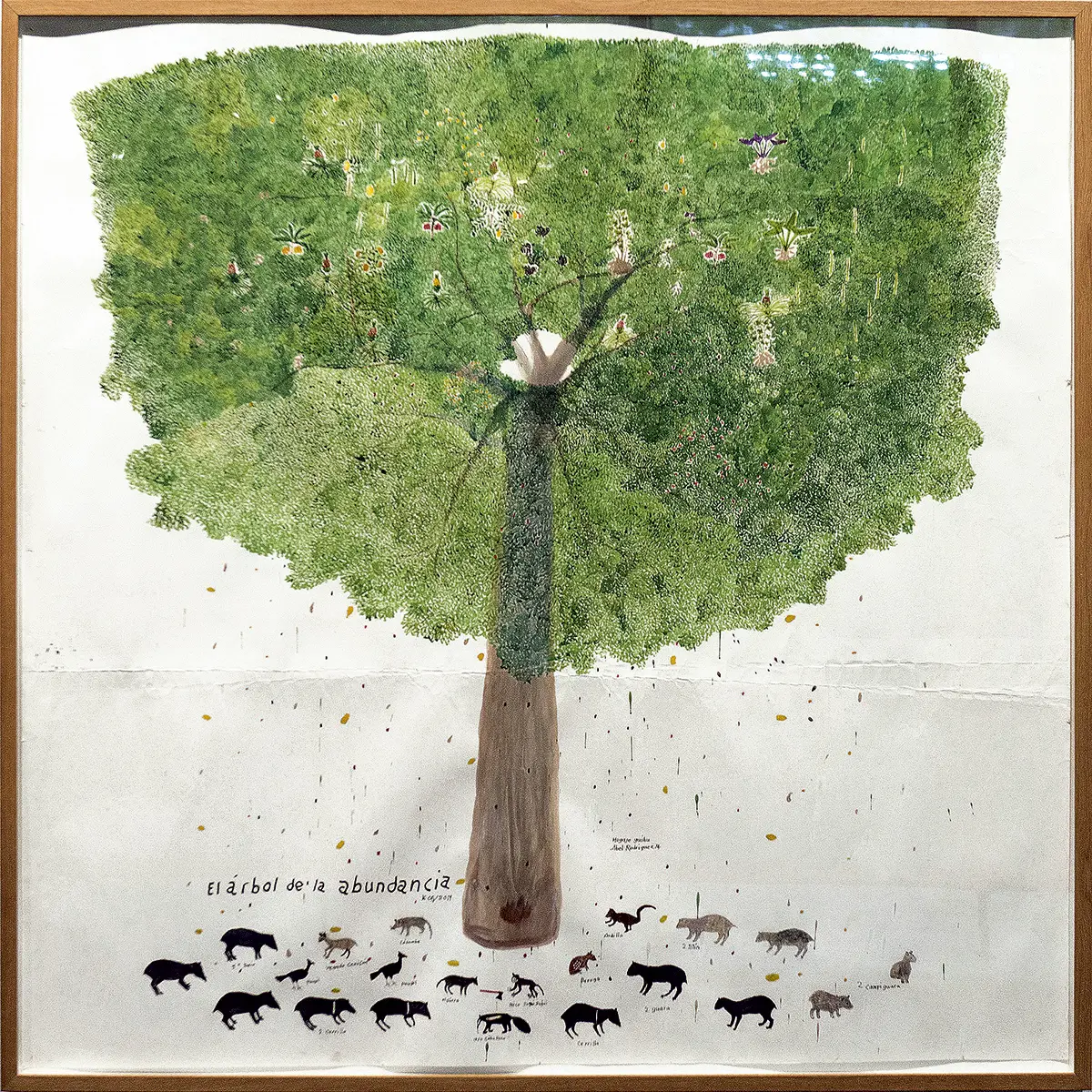
Abel Rodríguez (1944, Cahuinarí, Colombia), known as Don Abel and whose name is Mogaje Guihu in his native Nonuya language, was born in the Colombian Amazon and was trained from childhood to be a “connoisseur of plants.” He became a notorious expert on the various botanical species, their practical uses, and their ritual importance. Living in Bogotá, he draws the memory of the forest and constructs a narrative about the power of the Amazon ecosystem.
To sum up, this Biennial, its artists, and their works espouse a commitment to cultural roots, social reality, and activist dynamics. A good number focus on cultural origins with an anthropological perspective. The ecological issue, as a necessary alarm in current times, is also very present. Though It’s Dark, Still I Sing sends a message of urgent resistance.
The exhibition especially seeks to define indigenous production as contemporary art. This understanding appears in the way the curatorship structures the exhibition as evidenced in its expography. The treatment of blackness is also far removed from the ethnographic and exotic gaze. The underlying message points to the urgency of considering art under a broader spectrum, far beyond the Eurocentric interpretation and following the paths opened by the theory of decolonization.
*Author’s note: All quoted material belongs to texts provided by the biennial’s curators in the catalogue, press kits, and other media, which espouse the main concepts driving the discourse of this exhibition.
*Photo: © Levi Fanan. Courtesy: Fundação Bienal de São Paulo
LISBETH REBOLLO GONÇALVES