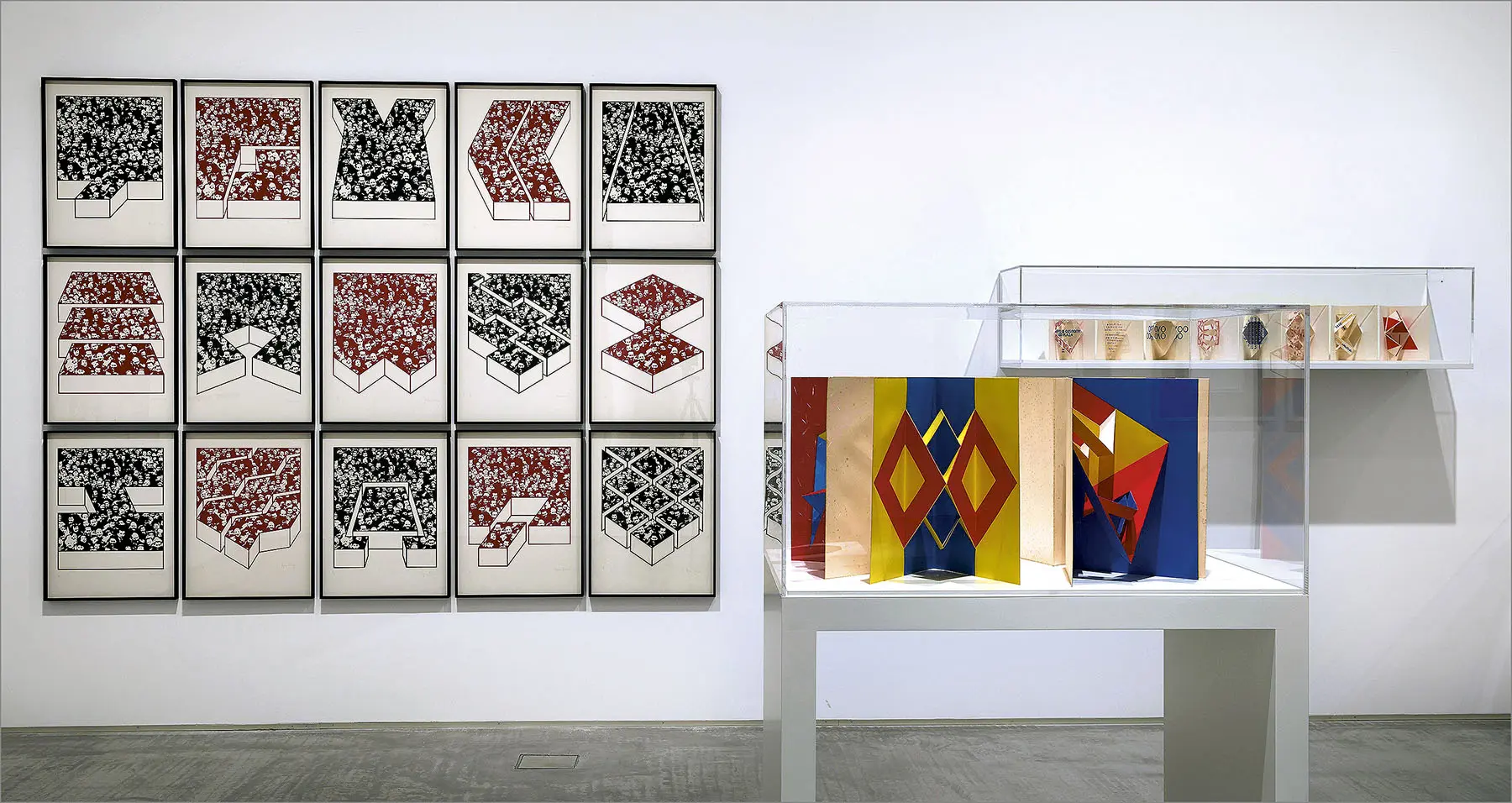
“Enemies of Poetry: Resistance in Latin America (1964-1987)” is the second installment of Manuel Borja-Villel’s project designed to profoundly alter the significance of the collection of the most important museum in Spain and one of the most outstanding in Europe, by rehanging its pieces. A very ambitious rearrangement, whose scope and dimensions are reflected in the fact that it’s only the second of five programmed sections. The present one was preceded by “They See Us: From Modernity to Developmentalism” and will be followed by “Lost Thought: Autarchy and Exile.” The fourth and fifth installments will open in the fall of this year. The entire series will have cyclopean dimensions. It will include more than two thousand pieces, such as sculptures, posters, drawings, photographs, paintings, installations, books and publications of various kinds. This project’s heterogeneity is characteristic of Borja-Villel’s curatorial work. The museum for him is not so much, or not only, a place of conservation and exhibition of artworks, but above all “a research center and a source of knowledge.”
Neither does this rearrangement of the museum’s collections, covering the period between the end of the Spanish Civil War in 1939 and the mobilizations of the 15-M Movement of 2011 in Spain, follow the classic concept of accrochage. For Borja-Villel, this rehang goes beyond the simple selection of works that are renewed periodically in order to advertise the collections of a museum, since they cannot be shown all at once given their volume. “This new methodological approach involves a different way of working, of creating a non-monumental exhibition structure. What you call installments,” he clarifies, “for me are episodes, like those of a television series if you will, which will offer the possibility of interpreting the collection in ways that would otherwise be too difficult if offered all at once. Keep in mind that the collection is huge, that this hang will occupy six floors of the museum, and that most of the works have not been shown before. This requires dosing the narrative.”
The format is also flexible to allow for changes and additions. If it’s true that the collection is the product of many years of work and research by all the museum’s departments, it’s also true that the more one investigates, the more one needs to continue investigating. There are always gaps to fill. This requires flexibility in the design of these episodes and opens the door to many combinations of the works and materials on display.
The museum’s collection dates back to the 19th century, but this current general reordering has become very contemporary, not only because it now reaches up to our times, but also because its proposals respond to the purpose of giving us tools to understand the present.
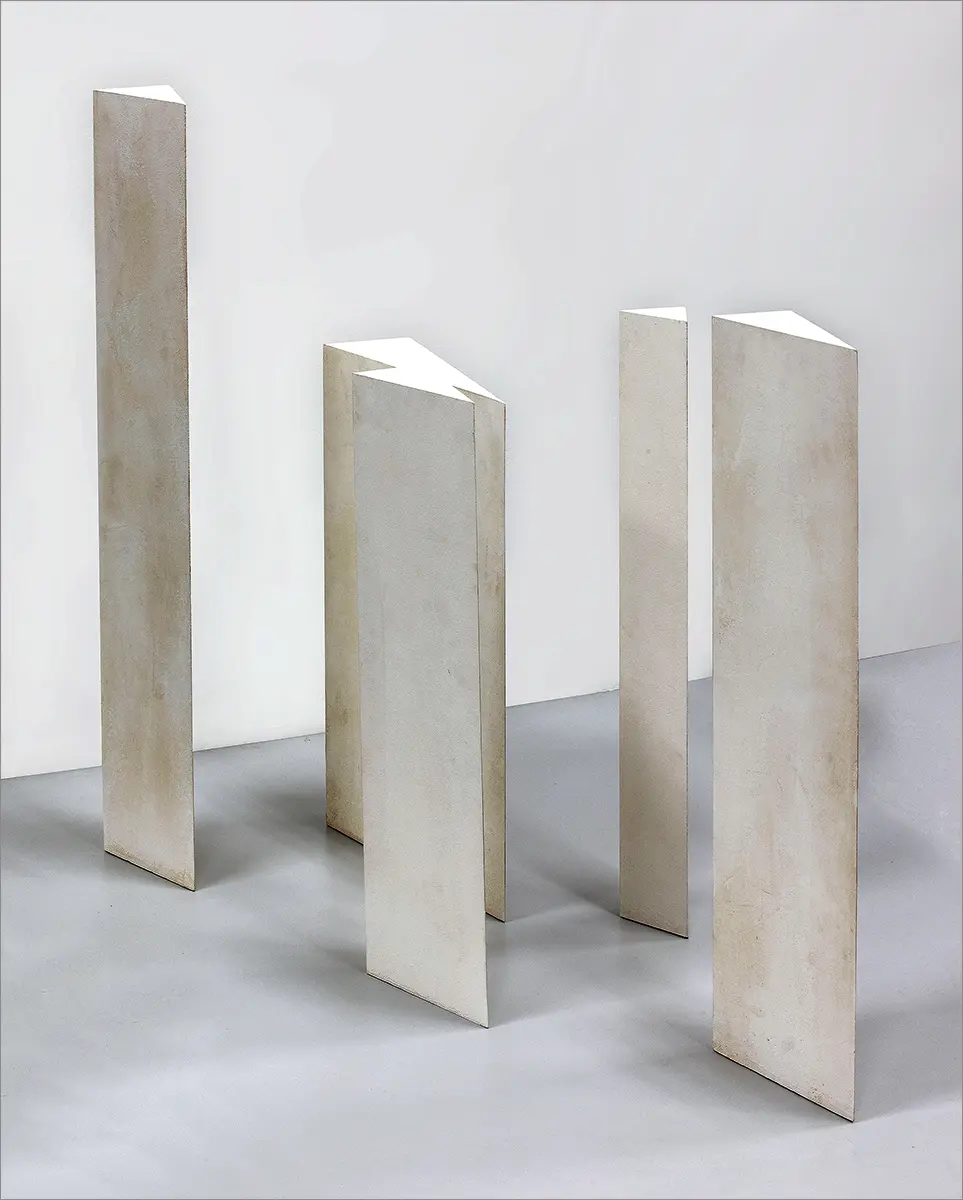
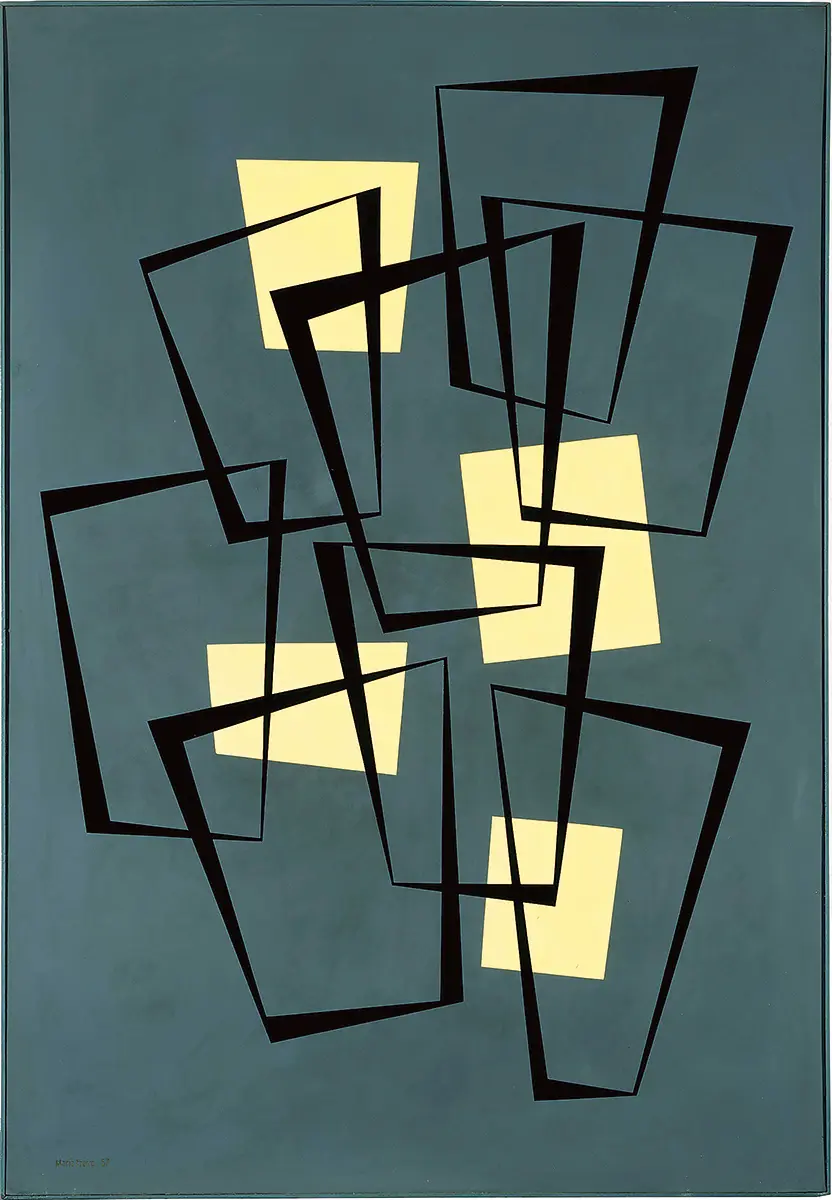
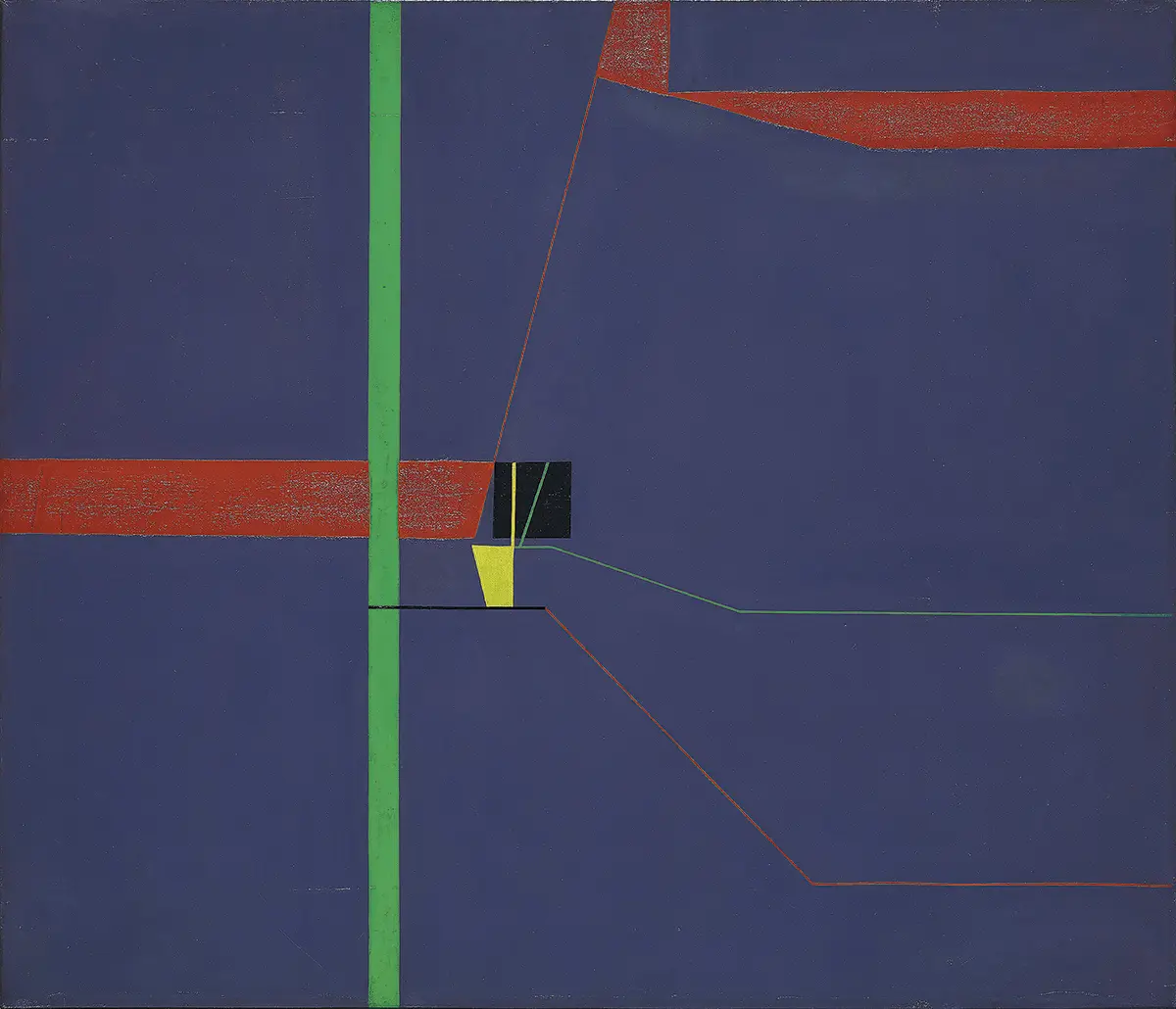
This “series”—in the sense that this concept currently has in digital platforms—allows us to establish connections between the different episodes. This is the case with Latin American art, which, although central to the exhibition “Enemies of Poetry,” also plays a role in both the preceding and the following episodes. “They See Us: from Modernity to Developmentalism,” for example, is centered on Spain in the 1960s: “the moment of American hegemony, of the liberal, suburban, and heteronormative subject, but also grants a role to Latin American art,” explains Borja-Villel. He is referring to the section under the heading “The Concrete Invention. The Patricia Phelps de Cisneros Collection,” which brings together works by Lygia Clark, José Pedro Costiglioto, María Freire, Mathias Goeritz, Alfredo Hlito, and photographs by Grete Stern and Horacio Coppola, among others.
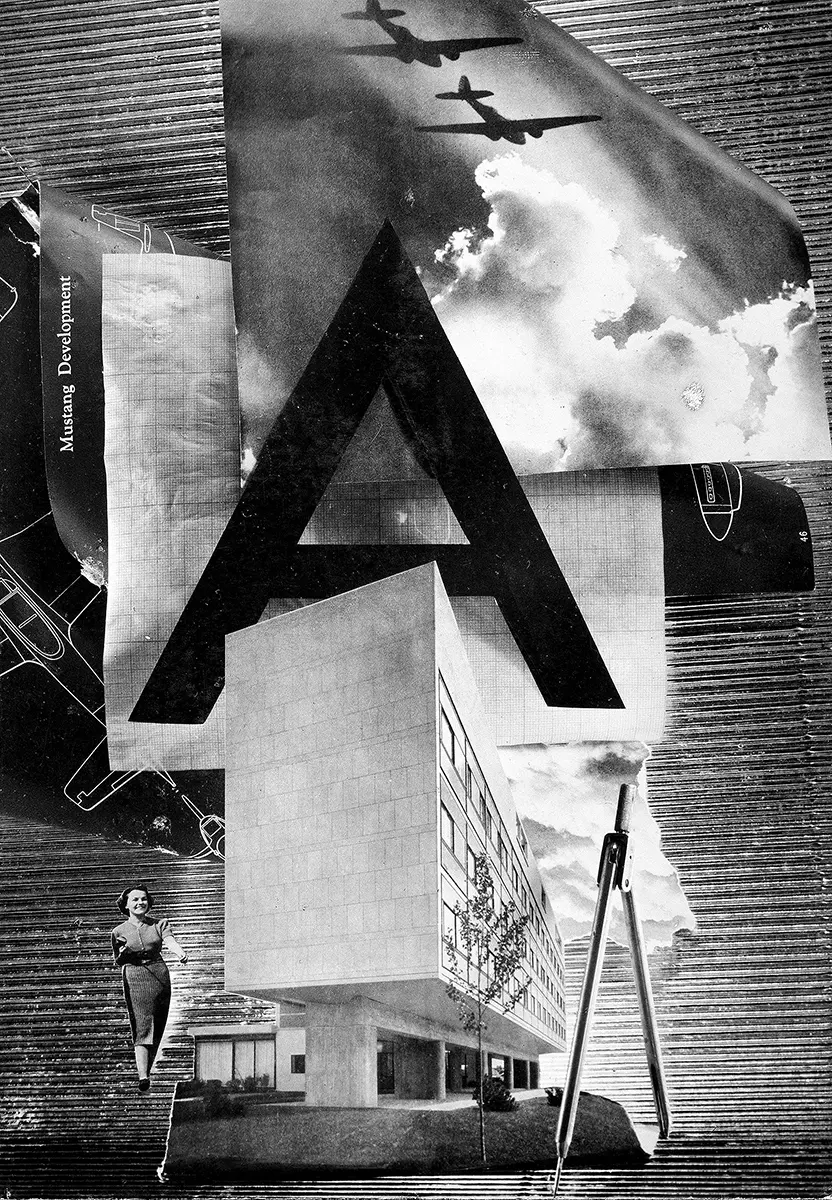
The presence of Latin America is not limited in that episode to those emblematic names. Another section, called “American Way of Life,” not only refers to the well-known slogan, but also to the title of the extraordinary set of 59 photomontages that the Spanish artist Josep Renau made in Mexico, where he went into exile at the end of the Spanish Civil War. In addition, Jusep Torres Campalans is the name of the book by author Max Aub, another Spaniard exiled in Mexico, centered on a fictional Cubist painter whom the narrator rescues from oblivion and interviews in Chiapas. This biography of an imaginary artist is a direct precedent of “Pedro Manrique Figueroa: Colombia’s Forerunner of Collage,” a remarkable exhibition project by François Bucher, Bernardo Ortiz, and Lucas Ospina, which was brought to the big screen Colombian filmmaker Luis Ospina.
Max Aub and Josep Renau, along with Mexican engraver Guadalupe Posada and the Taller de Gráfica Popular (Workshop for Popular Graphic Art) reappear in the third episode, “Lost Thought: Autarchy and Exile”, which will also be dedicated to Spanish art.
In the episode “Enemies of Poetry: Resistance in Latin America,” this relationship is reversed, so that the works of Spanish artists such as Antoni Muntadas, Julio Plaza, Àngels Ribé and Isidoro Valcárcel Medina will be intertwined with those of Latin American artists.
Borja-Villel refrains from answering my question about the connections and differences between this second episode and “Versions of the South: Five proposals on Art in the Americas,” a megaproject carried out in 2001 at the Museo Reina Sofía, arguing that he was not the museum’s director back then. But it is clear to me that the curatorial strategy of bringing Latin American artists in dialogue with Europeans, and even with North Americans, in the same exhibition, had a notable precedent in “Versions of the South.” This is especially true in “It’s Not Just What You See. Perverting Minimalism,” the show curated by Gerardo Mosquera, which brought together works by artists such as the Belgian Wim Delvoye, the Palestinian Mona Hatoum, and the Spaniard Santiago Sierra, with those by the Paraguayan Fatima Martin, the Brazilian Cildo Meireles and the Costa Rican Priscilla Monge. The subtitle of this megaproject, whose center of gravity was Latin American art, “Five Proposals on Art in the Americas”, revealed the intention of the large group of Latin American curators in charge to deterritorialize art made in that continent; to free it from the tendency to typecast and stereotype, which had confined it to the fringes of the international scene.
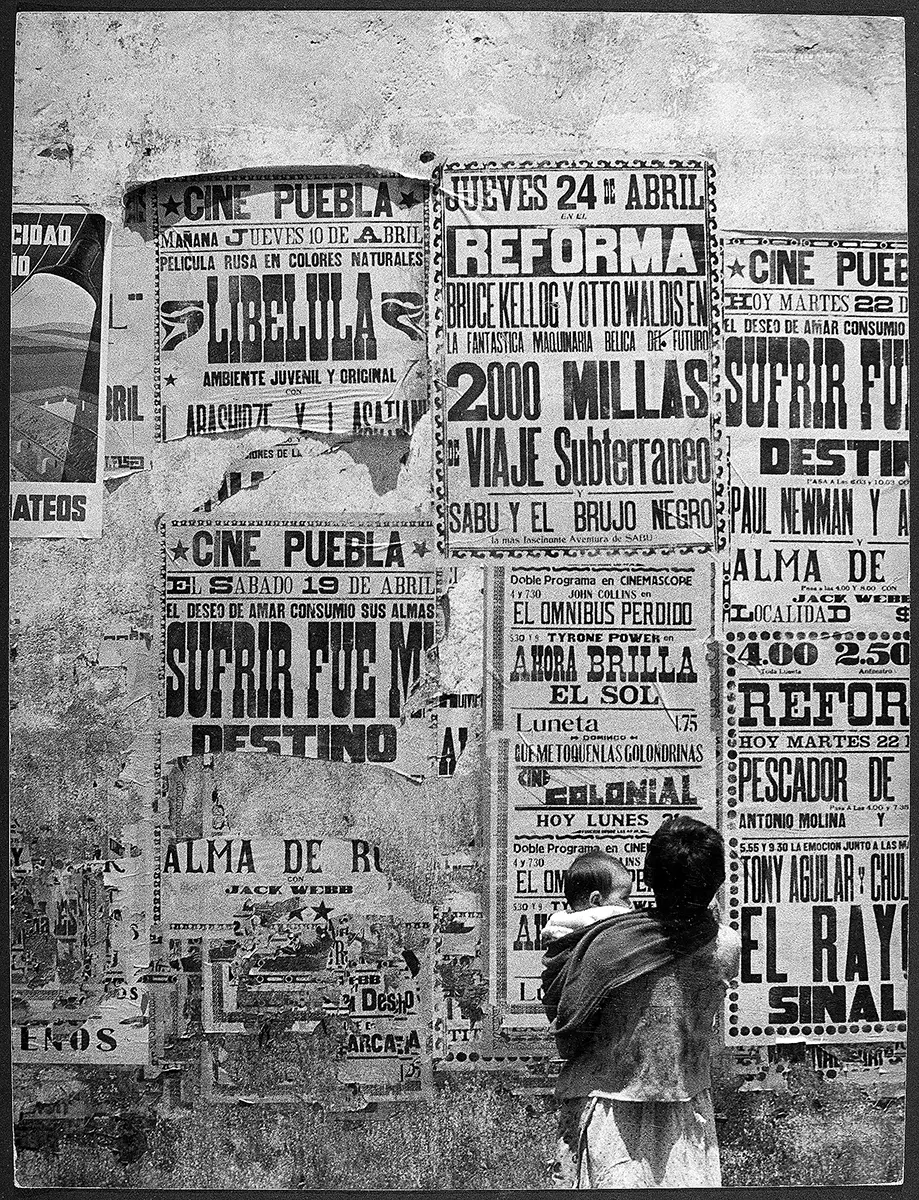
Borja-Villel nevertheless distances himself from this strategy, stating that “it is essential to highlight the importance of territory,” expounding that “ Latin America is a European concept that artists are disputing by asking what the Americas really consist of. They explore the idea of territory and expand these concepts on the street.” This exploration of one’s own territory, he continues, “constitutes a complex and very plural concept made up of several countries with autochthonous identities and features.” He completes his reflections on this crucial point by explaining what, in his opinion, are the differences between the North American art that served as a reference to artists whose works are gathered in the episode “They See Us: from Modernity to Developmentalism,” and the art by Latin American artists whose works predominate in “Enemies of Poetry.” “If the United States promoted an individual way of experiencing art, focused on an abstract world dominated by optical compositions, Latin American artists instead showed a willingness to work collectively and explored the possibilities of transdisciplinary formats.”
To my question about the connections and contrasts between “Enemies of Poetry” and “Losing the Human Form. A Seismic Image of the 1980s in Latin America”—the group exhibition held at the Reina Sofía in 2012-2013—he invites me to make that assessment myself. He explains that “Losing the Human Form” was a project in charge of the Red de Conceptualismos del Sur, a collective of art critics and curators “that was on the verge of breaking up due to a proposal to write a statement backing Hugo Chavez.” He also highlights the importance that the contribution of donations and loans of artworks from members of the Fundación Museo Reina Sofía has had in “Enemies of Poetry,” which have been “fundamental in times when the museum, due to the 2008 economic crisis and especially to COVID-19, has suffered important budget cuts.”
I’ll conclude by saying that if we compare the contents of these two exhibitions, both seem to favor art committed to human rights and gender claims made by feminist and the LGBTI movement, without ruling out signs of political radicalism. Secondly, both give preeminence to works of artists and activists from Argentina, Brazil, Chile, and Peru, in contrast to those of countries such as Colombia, Cuba, Venezuela, or Mexico. A flaw that to some extent is rectified in “Enemies of Poetry,” especially in photography represented by such relevant figures as the Italian Paolo Gasparini, based in Venezuela, Fernell Franco from Colombia, Iván Cañas from Cuba, or the Mexican Enrique Bostelmann. Also, “Enemies of Poetry” tempers the political radicalism of “Losing the Human Form” by giving a role to constructivism and geometric abstraction, which was denied by the earlier exhibition. I miss Alfredo Jaar in both.
*Courtesy: Museo Nacional Centro de Arte Reina Sofía
CARLOS JIMÉNEZ