Ralph Rugoff chose the expression May You Live in Interesting Times as the title for the latest edition of the Venice Biennale because, although ambivalent and perhaps even apocryphal, it invites us to wonder whether the times we live in are actually “interesting”—and, if they are, why. The fact is that they are turbulent: wars spread; internal conflicts in many countries become more acute; massive numbers of people are displaced; global warming increases and so does economic inequality between social classes and between countries. The question, then, is: how can so much suffering be “interesting”? How is this “a window of opportunity,” as Hilary Clinton said of the 2008 financial crisis when she was the United States’ Secretary of State? Rugoff prefers to let artists provide their own answers. In his presentation of this edition of the Biennale, of which he is Artistic Director, Rugoff defends, first, art’s specificity: art, he claims, is different from “journalism and historical reportage” because it distances itself from facts “through an affirmation of form.” Then, he declares that, if these times are truly interesting, works of art “can serve as a kind of guide for how to live and think,” as they “challenge existing habits of thought and open up our readings of objects and images, gestures and situations. Art of this kind grows out of a practice of entertaining multiple perspectives: of holding in mind seemingly contradictory and incompatible notions and juggling diverse ways of making sense of the world.” Rugoff places special value on that ability in “a polarized era when platforms for public communication favor ever more reductive memes and the bandwidth of public discourse have become ever narrower.” He closes by asserting that “this exhibition seeks to highlight ways in which the complexity of art, its illumination of contradictions and its signals, themselves marked by contradiction and ambivalence, can shed light on aspects of our current social and psychological relationships.”
For me, Rugoff’s assertions are plausible, yet insufficient for a full account of what truly distinguishes the work of the 78 artists brought together in the exhibition he curated, which was expected to reflect his views on art, society, and politics. In reality, these were two separate exhibitions. The first one, laconically titled “Proposition A,” was held in the ample spaces of the Arsenale and featured the work of 78 artists. The second one, “Proposition B,” was held at the Central Pavilion, in the Giardini, and featured works by the same artists. Rugoff’s decision to organize two separate exhibitions with works by the same artists may have been a gesture in the direction of the figure of the Doppelgänger, the legendary uncanny double that inspires Stan Douglas’ installation of the same name in the Central Pavilion. But I believe it derived from the significantly dissimilar works that most of the artists produce within their own oeuvre, which makes it very difficult to find a common denominator. Their purposes and techniques, as well are their stylistic and rhetorical resources, are just too disparate for that. A double exhibition made it possible to catch glimpses of precisely this aspect of the work, which the artists selected by Rugoff share with practically all their contemporary colleagues.
But if finding a common denominator among works by a single artist is difficult, finding it for the works exhibited in the 68 official national pavilions—plus Catalonia, Scotland, Wales, and Hong Kong—is virtually impossible.
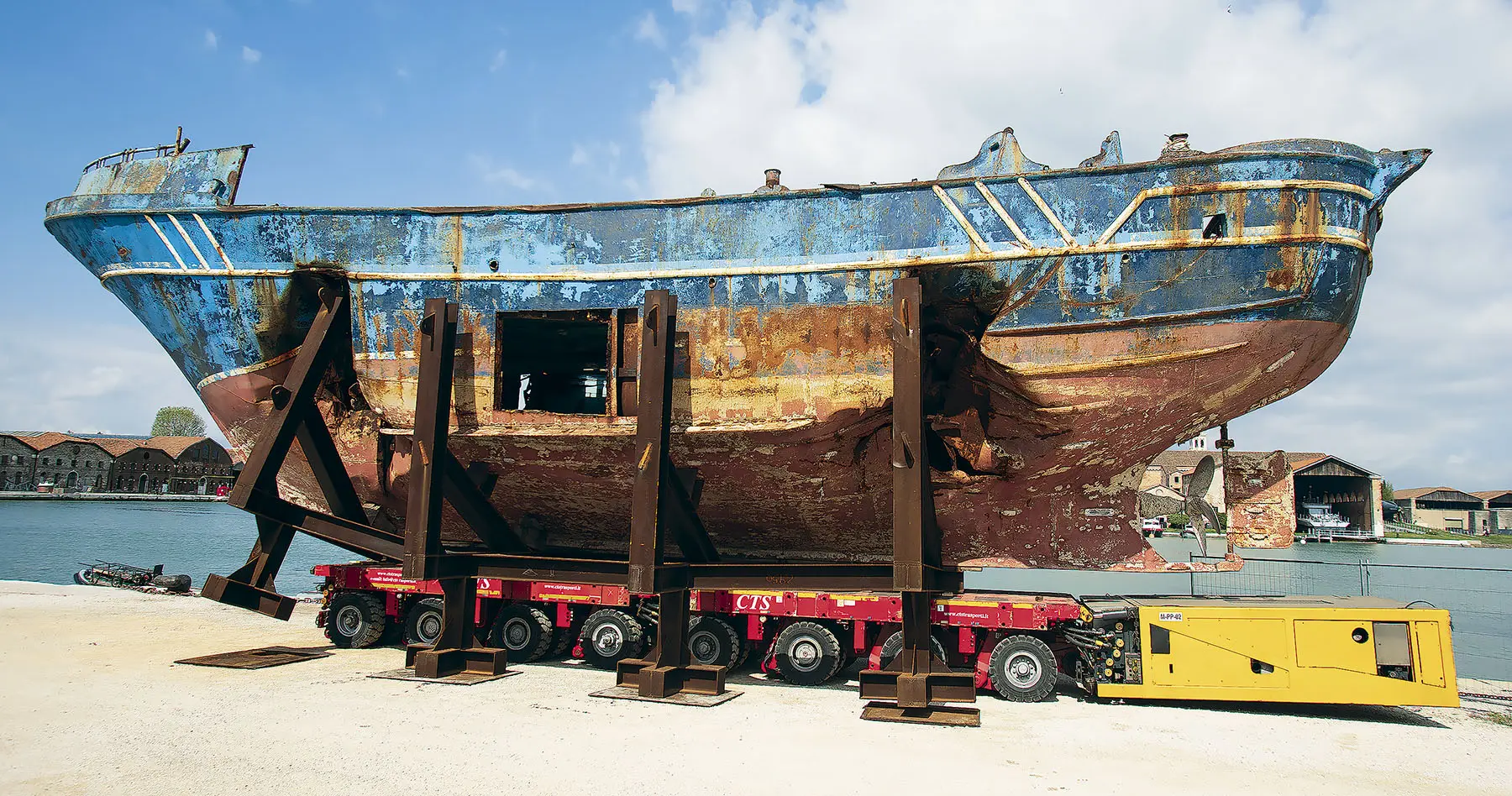
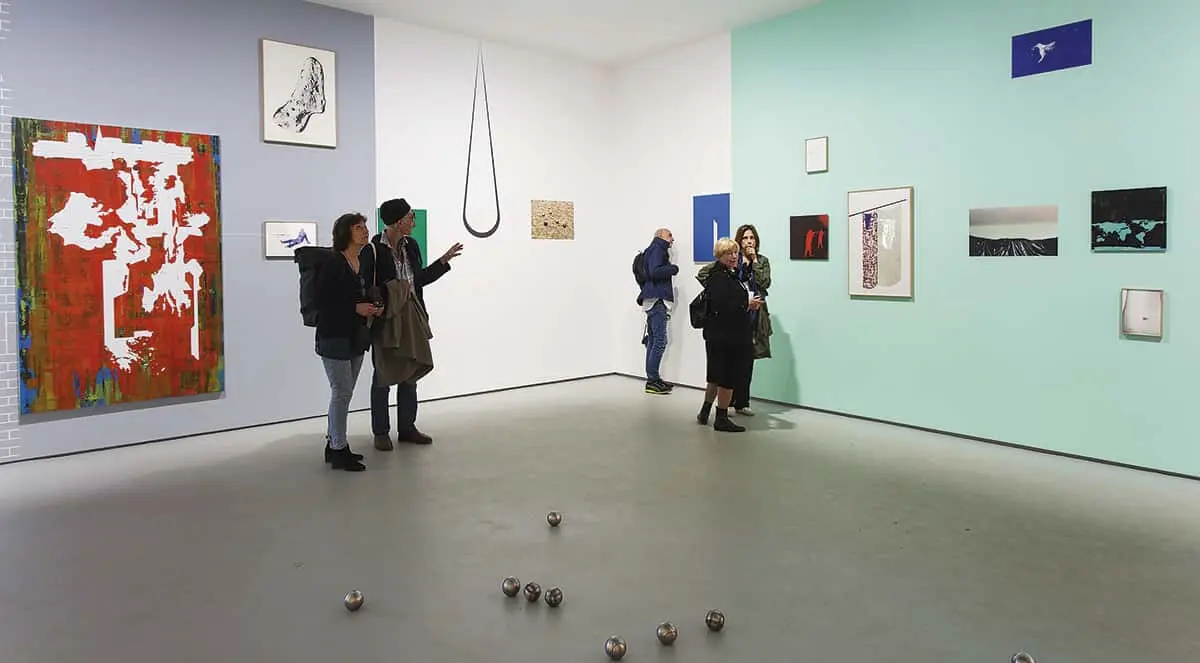
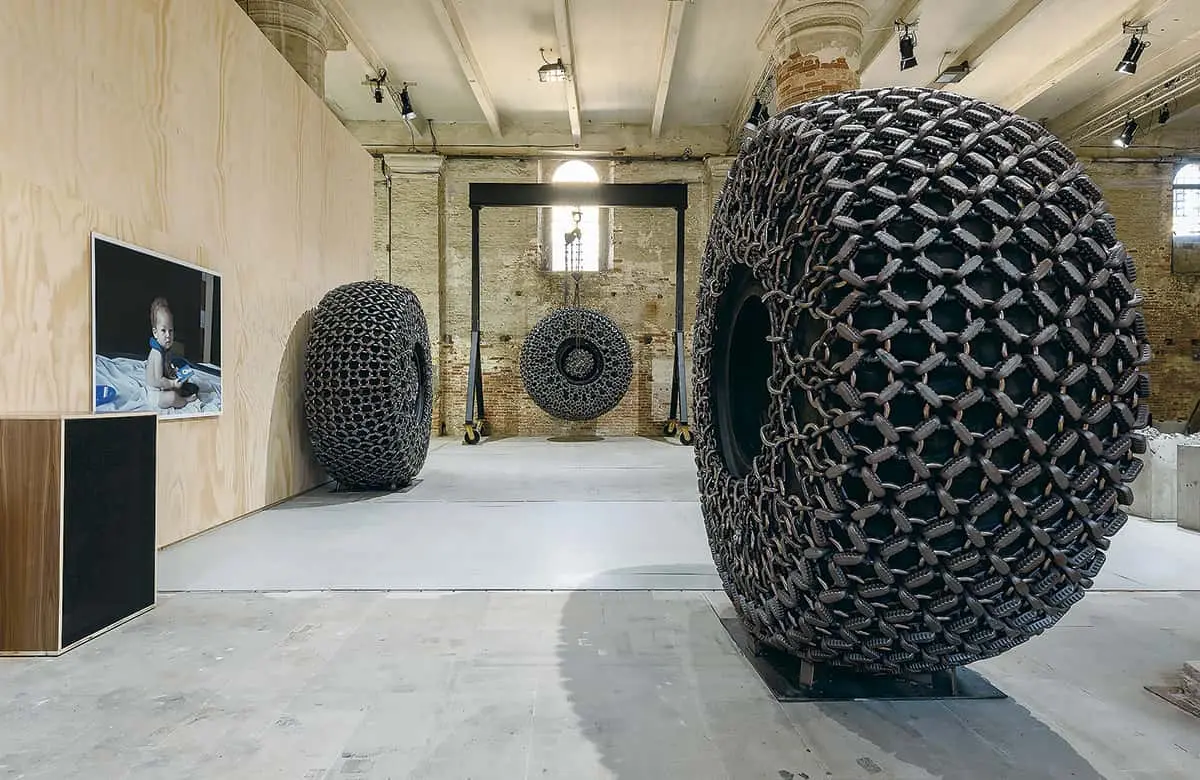
The only recourse—inevitably, given the volume and the unfathomable heterogeneity of the exhibits in this Biennale—is to paint a panoramic view in broad strokes and to highlight what I found more striking or interesting. I will begin with the double show curated by Rugoff, where I noticed a return of sculpture in its more forceful modalities, in the work of artist like Yin Xiuzheng, Sun Yuan & Peng Yu, and Liu Wei, from China; the Iranian Nairy Baghramian; the American Arthur Jafa; Carol Bove, from Switzerland; and even in Jimmie Durham’s Black Serpentine. Christoph Büchel’s heart-rending Barca nostra could also be added to the list: it features the wrecked hull of a boat carrying 700-plus refugees that sank in the Mediterranean on April 18 of 2015, leaving only 28 survivors. Büchel promoted and coordinated the salvage of the wreck and its transport to the Arsenale docks. It is a silent, stirring memorial to the thousands of refugees who have drowned in the Mediterranean during the last decade. These artists’ reclamation of sculpture is connected to Martin Puryear’s, whose monumental works were exhibited under the general title of Liberty/Libertà in the US Pavilion. Liberty/Libertà was among the peak points in this reassertion of the genre, after a period of such dominance of installation as to prompt musings about the end of sculpture’s relevance as a spatial art.
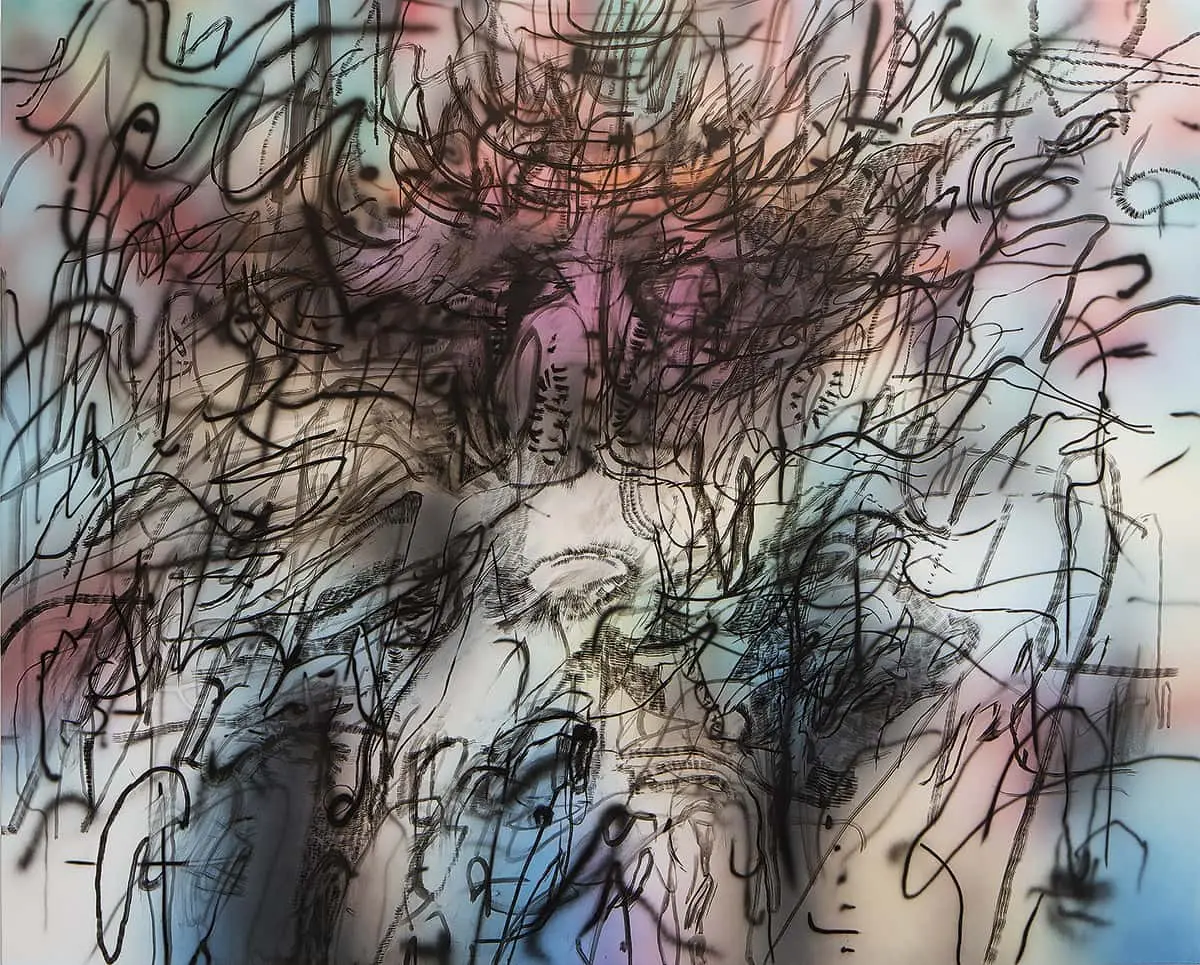
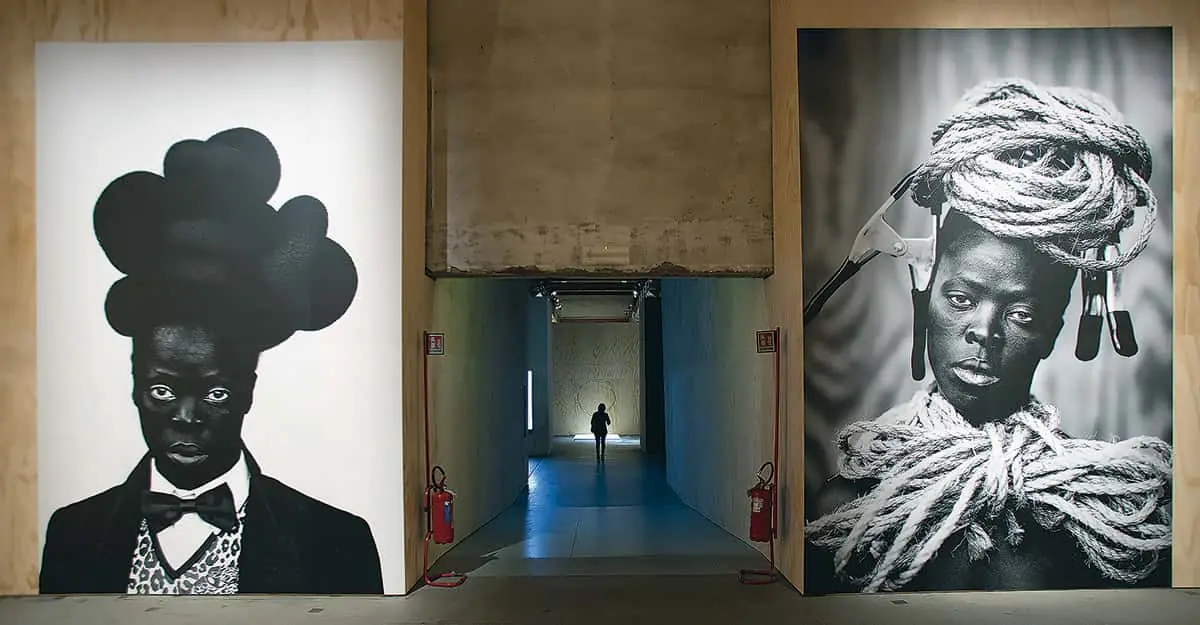
From “Proposition A,” I want to highlight also the work of South African artist Zanele Muholi. Muholi’s black-and-white self-portraits were hung throughout the Arsenale spaces, with gestures and attitudes that reflected the series’ defiant title: Look at Me, I Am Black, I Am Lesbian, I Am a Force to Be Reckoned With. For me, this work served clear notice that black artists, both from Africa and from the Americas, are here to stay in the international scene. Indeed, Rugoff gave considerable space in “Proposition B” to Ethiopian artist Julie Mehretu’s large-format canvases. He did even more: he singled Mehretu out in his presentation of the Biennale with these words: “Julie Mehretu’s large canvases (…) combine pictorial rhythms with the ghostly traces of real-world upheavals. She made them by painting against a ground of photographic images depicting conflicts, right-wing rallies, and counter protests (…) Abstraction appears here not as an art of pure surfaces, but as a vessel for memories and a testimony of the struggles of the artist’s era.”
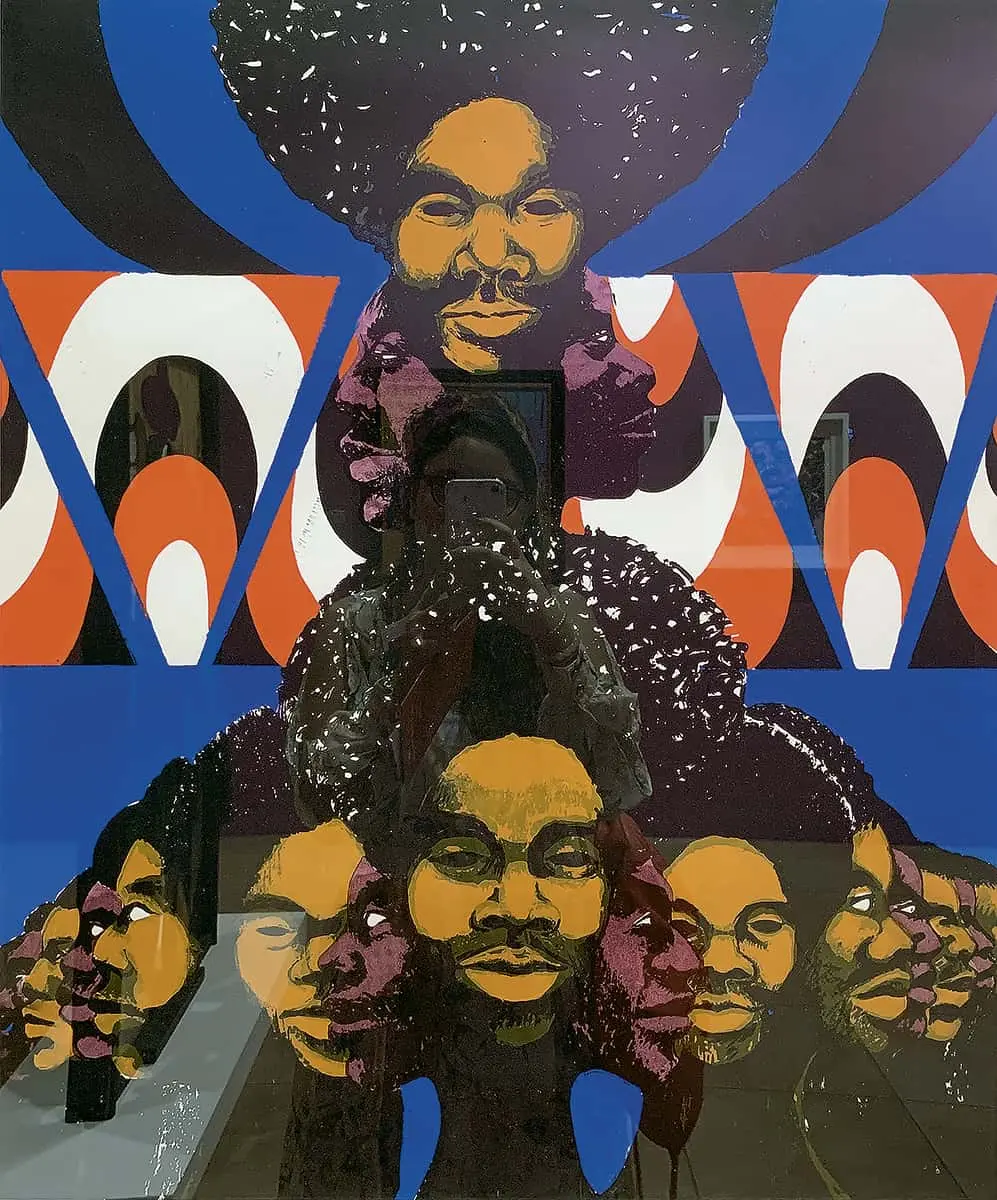
A line can be traced between the notable role played by Muholi and Mehretu in this Biennale and an exhibition outside the main program but included as a parallel event. I am talking about “AFRICOBRA: Nation Time,” a group show curated by Jeffreen Hayes with works by the AfriCobra collective. Launched in South Chicago in 1968, AfriCobra was part of the period’s vital Black Arts Movement, which saw its mission as contributing to black liberation. Hayes sees this exhibition as an extension of “AFRICOBRA: Messages to People,” which opened at the Museum of Contemporary Art North Miami in November of 2018, right before the opening of Art Basel Miami Beach. In the same connection, I should mention the excellence of two national pavilions from Africa: Ghana and Madagascar. The former stood out for a spectacular design incorporating art and audiovisual documentation, intended to extoll a sub-Saharan nation that obtained its independence in 1957. The second, for its focus on the work of Joël Andrianomearisoa, as subtle and refined as the artist himself.
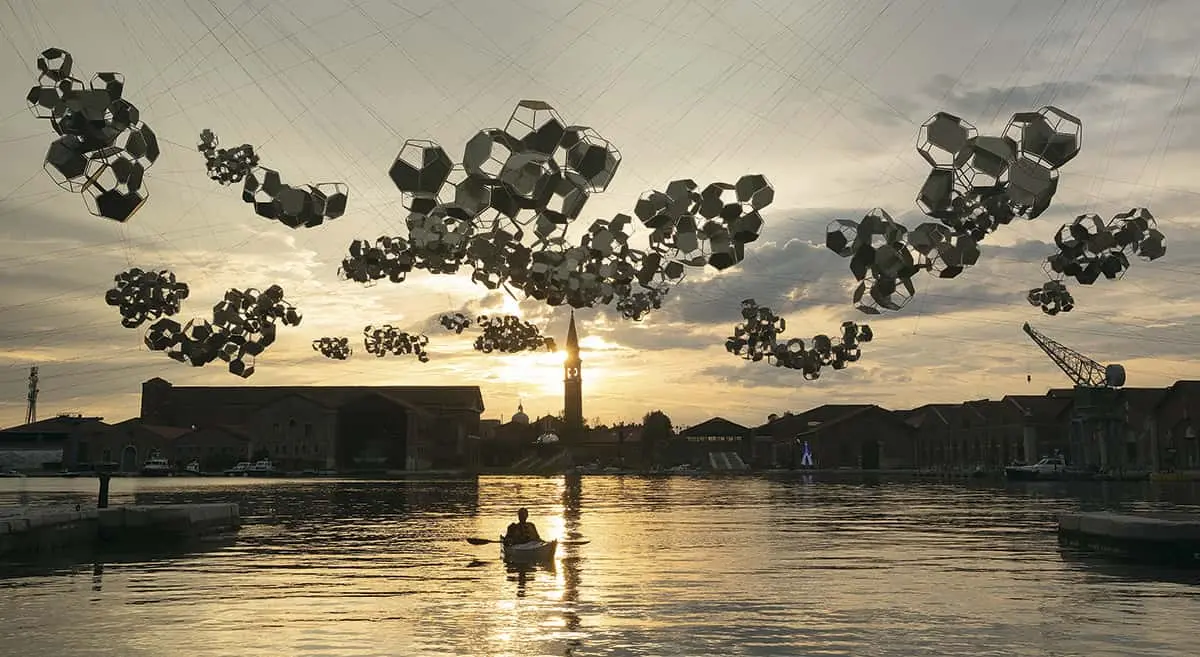
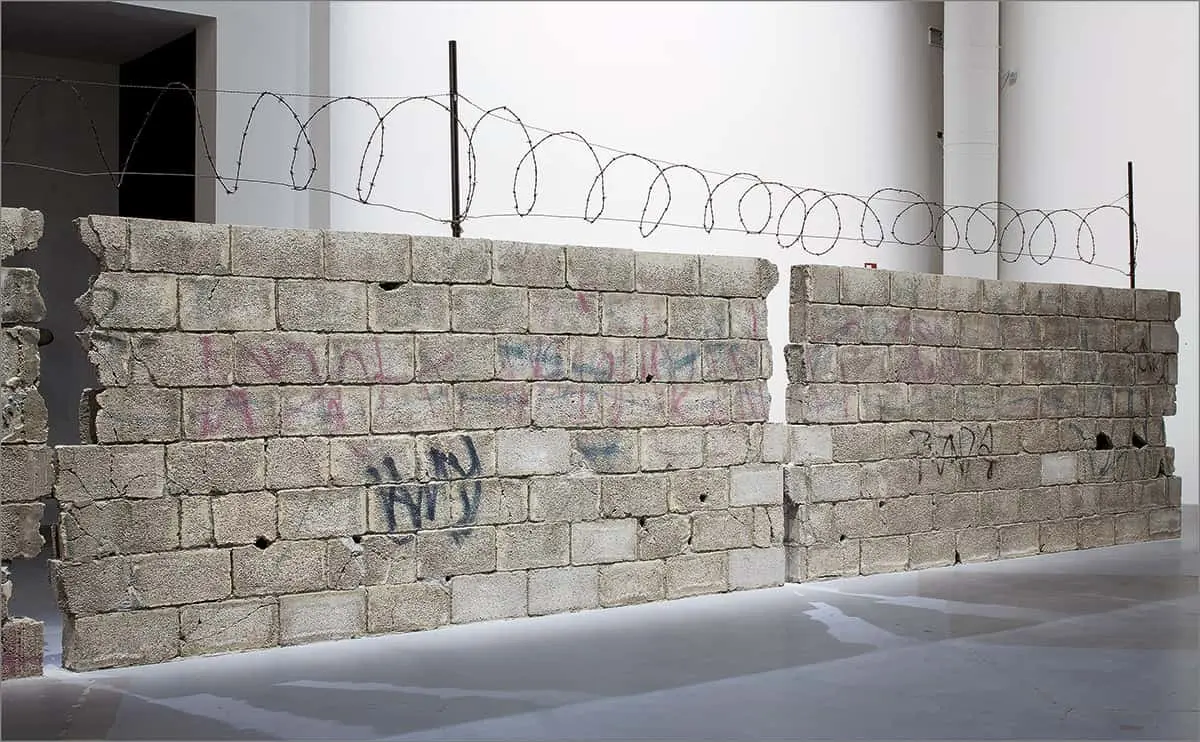
I will close this review of Rugoff’s curatorial work lamenting the scant presence of contemporary Latin American artists. There were only four of them among the seventy-eight participants: Mexico’s Teresa Margolles and Gabriel Rico, Uruguay’s Jill Mulleady, and Argentina’s Tomás Saraceno. True, Teresa Margolles’ Muro Ciudad Juárez (Ciudad Juárez Wall), in “Proposition B,” was impressive, as her work usually is. So was Tomás Saraceno’s proposal in a dock at the Arsenale. Its title: Aero(s)cene: When breath becomes air when the atmosphere becomes the movement for a post-fossil fuel era against capitalist clouds. Its desire: for a future when, unlike today, 102,465 airplanes do not fly daily, carrying 8.3 million people. Nevertheless, the continent’s artistic scene deserved a more generous sampling.
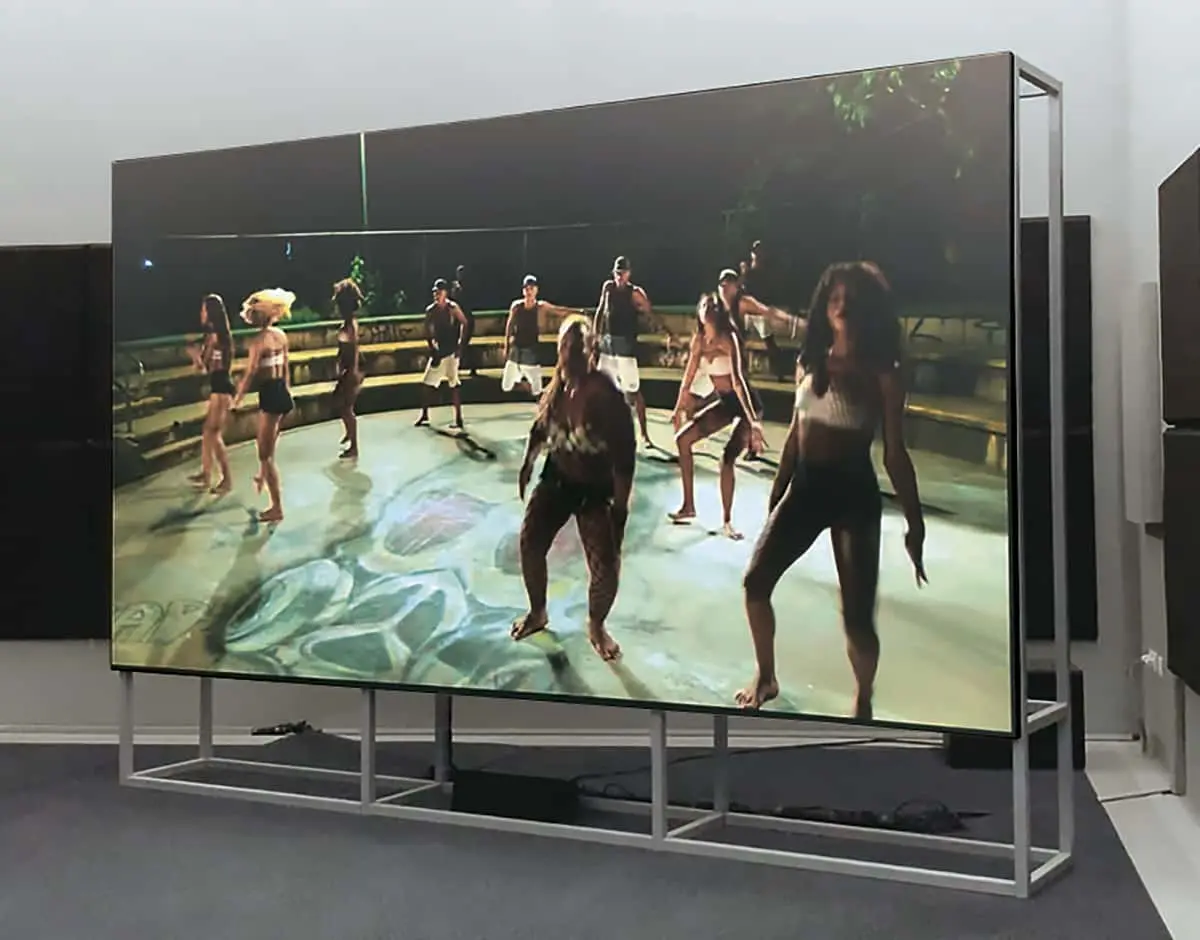
Fortunately, the number and quality of national pavilions from Latin America compensated for it. Aside from the historical ones in the Giardini (Brazil, Uruguay, and Venezuela), there were pavilions for Argentina, Chile, Cuba, Haiti, Guatemala, the Dominican Republic, Mexico, and Peru. A vast selection where, once again, one missed a Colombian entry; the country’s political and cultural authorities seem to have vetoed Venice forever. The quality of the works on exhibit was, however, uneven. For instance, Brazil—undoubtedly a cultural and artistic powerhouse—presented Swinguerra, a project intended to showcase a dance style and a growing subculture in Brazilian cities, which may undoubtedly be of great importance but were approached more like a report on urban folklore than as a reflection about their meaning and their reach. The Argentinian, Cuban, and Mexican Pavilions were, in my view, adequate, and Yamandú Canosa’s intervention in the Uruguay Pavilion was well-thought and exquisitely executed. But the two countries whose national participation I found genuinely outstanding were Chile and Peru.
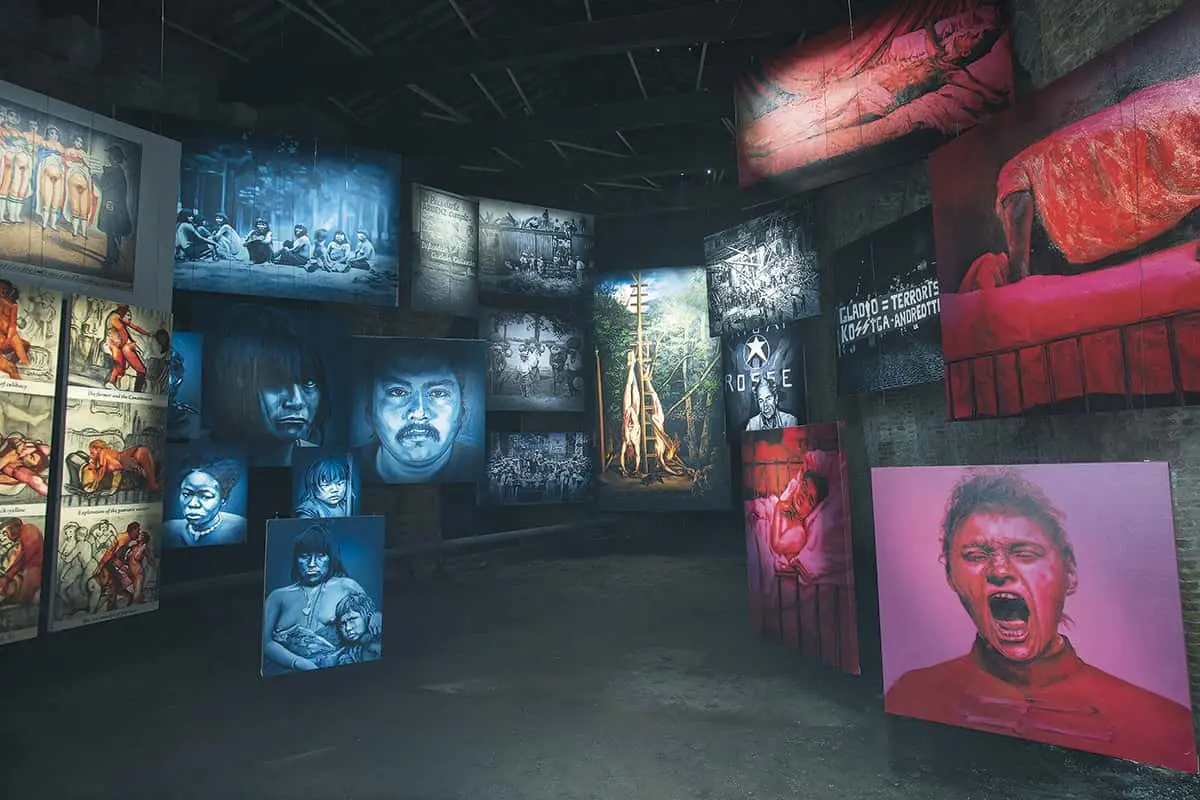
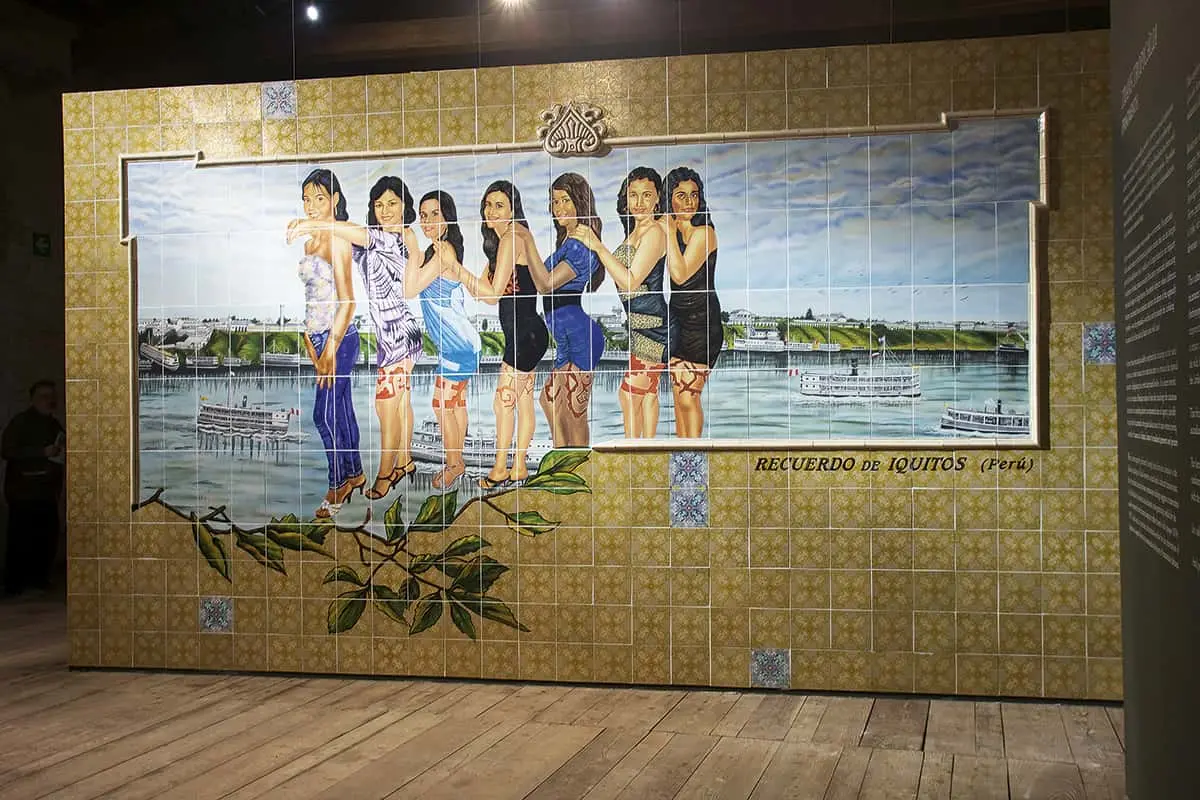
The protagonist of the Chile Pavilion was Altered Views, a complex and sophisticated installation by Voluspa Jarpa that interrogated, from a de-colonial perspective, the colonial past and its still-active, disturbing legacy in the realms of art and culture. The Peru Pavilion was just as exciting, or more, albeit with entirely different aspirations and aesthetics. It focused on “Indios antropófagos” A Butterfly Garden in the (Urban) Jungle, a project resulting from the collaboration between artist Christian Bendayán and curator Gustavo Buntinx. It also probed the colonial past, critiquing the stereotypes forged by colonizers past and present in their attempt to devalue the human condition of the original peoples of the Amazon rainforest, legitimizing their subjugation or their extermination. To that end, Bendayán and Buntinx deployed wit and parody as their resources. This was even embodied in the exhibition’s very mise-en-scène, which mocked those stereotypes as well as the “exotic Amazon” image peddled by tour operators.
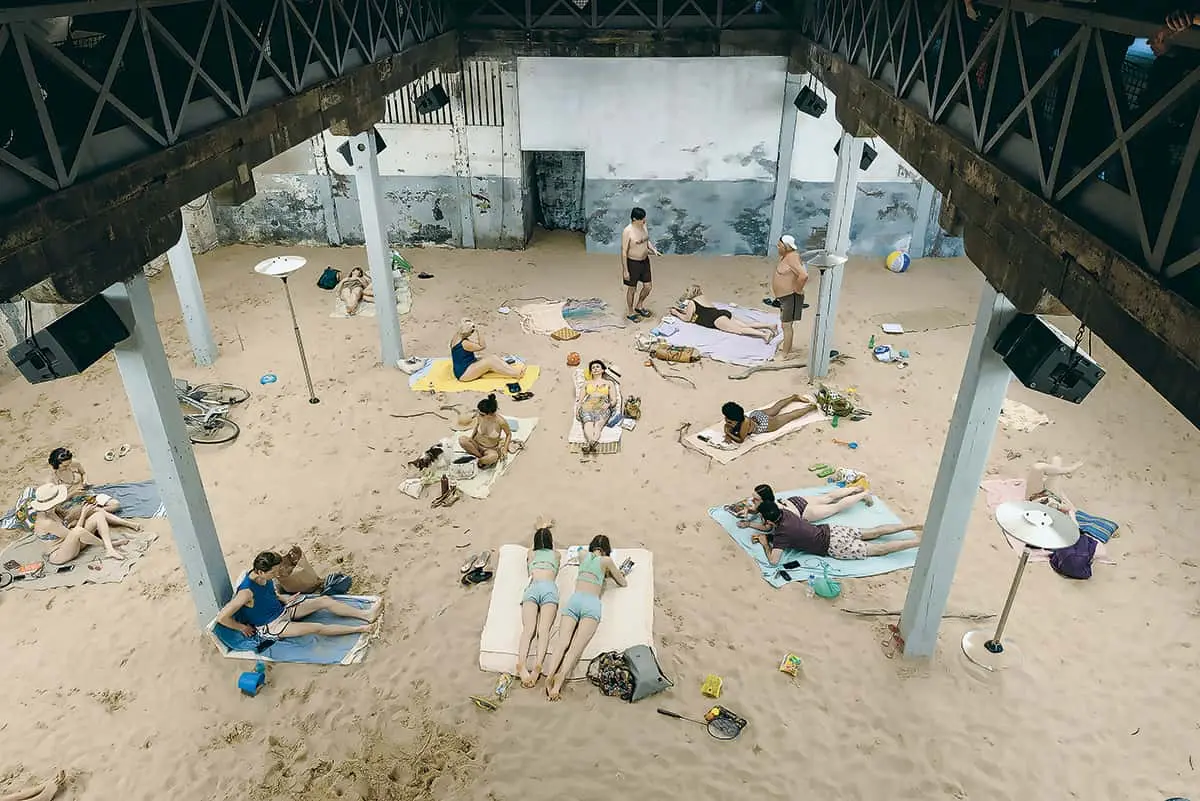
The Biennale jury gave the Best National Participation award to Lithuania, and with good reason. The Lithuanian Pavilion was a large bi-level installation. The lower level was occupied by a swimsuit-clad singing group whose lyrics denounced the lethal consequences of global warming. The upper level was reserved for viewers who had stood in long lines to obtain a ticket for the spectacle. Without detracting from the merits of this peculiar opera, I must note how unsettling and allegorical the Ukraine Pavilion was. On May 9, coinciding with the opening of the Biennale, an Antonov An-225 Mriya—the largest airplane ever built—flew over the gardens, projecting its shadow onto them. The plane carried an extensive database with all the information available about every Ukrainian artist, including their hopes, dreams, and nightmares. The shadow lasted for a few moments and then disappeared forever.
CARLOS JIMÉNEZ
Historian, art critic and essayist