The photographer Antonio Caballero was born in 1940, in the Guerrero neighborhood of Mexico City. Interested in photography since his early teens, he began to portray his everyday life in the streets. Back then—when he was thirteen to be exact—he became the assistant of the great photographer Héctor García. It was from him that he learned the trade, which was initially focused on photojournalism. But his interests went beyond this genre, and he also ventured into social photography and portraiture.
Despite exhibiting his work in various countries such as Spain, France, Italy, Korea, and the United States, he was sidelined from the artistic scene for a long time. Since 2004, when researcher Alfonso Morales and gallery owner Ramón López Quiroga took an interest in his work, his long career began to be reappraised by critics, curators, and collectors.
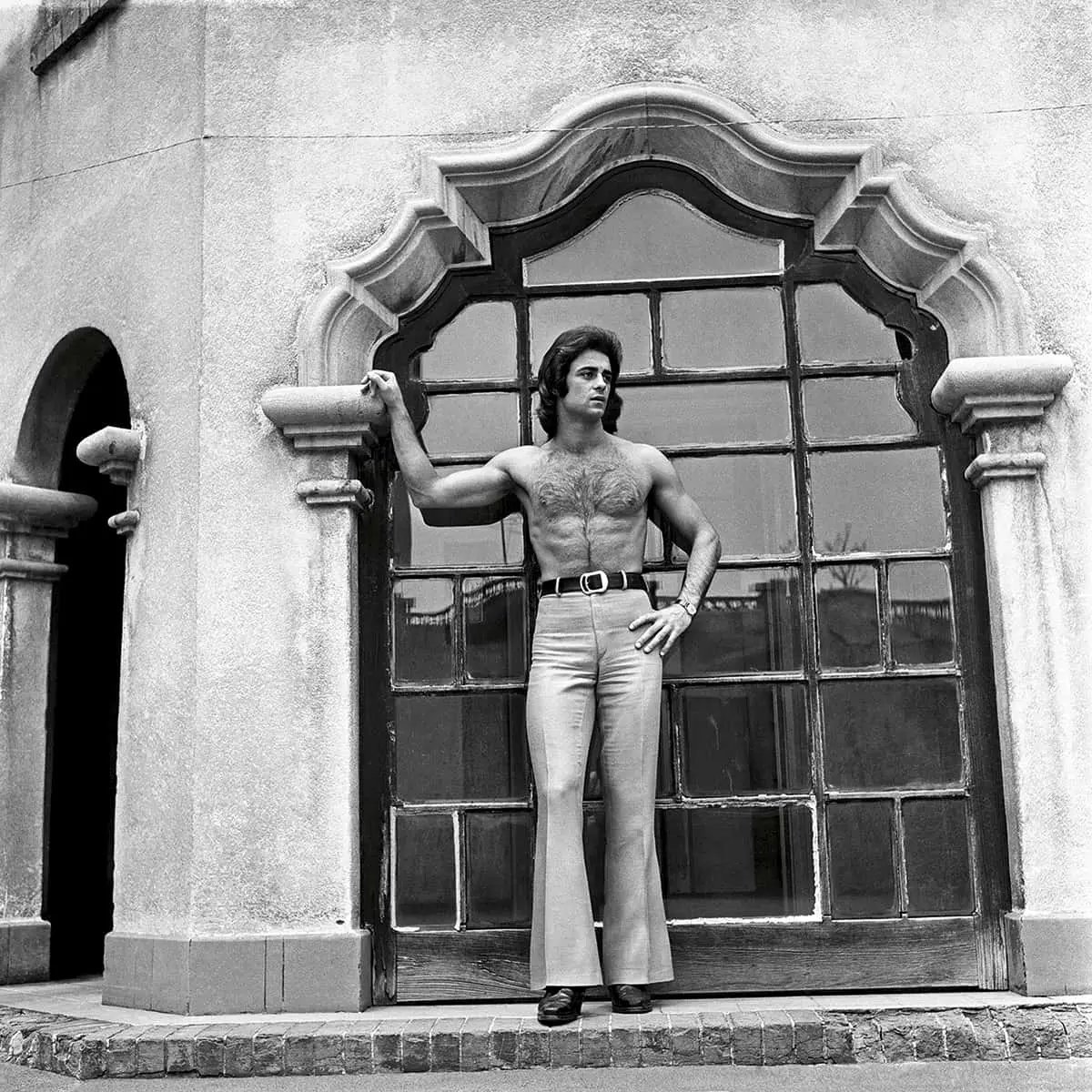
His first retrospective in Mexico coincides with the tenth anniversary of the inclusion of his work in the collection of the Instituto Nacional de Bellas Artes y Literatura, the institution that oversees the Museo de Arte Moderno.
The show is divided into four sections. The first one gives an account of Caballero’s early work and involvement with photojournalism. He captures the brutality of crime reporting and excels in other subjects such as architecture and fashion shoots for magazines of that period in Guerra al crimen (War on Crime), Revista de Policía (Police Magazine), and Nota Roja (Red News).
In 1955, he began working for the magazine Cine Mundial, which marked a turning point in his career: there he discovered a passion for show business.
The section titled “The Many Faces of Portraiture” shows images of the celebrities of the time. These include the famous photographs of Marilyn Monroe visiting Mexico in 1962, whose authorship was not recognized until years later, but which are now absolutely iconic.
His stories appeared in the most important local and international magazines and newspapers of the time: Le Figaro, Crónica, Jueves de Excelsior, Vogue, Revista de Revistas, Mañana, Siempre!, and Madame, among many others.
He is considered to be a great portraitist, and his archive in this field is very comprehensive, including studio shots, commissions, advertising, journalism, and even album covers. Aside from film celebrities, his clientele also included politicians—he was particularly admired by President Adolfo López Mateos—, models, writers, singers, and athletes.
In the world of show business, Caballero not only took photographs but also founded his own agency, Representaciones Artísticas Cinematográficas, in 1960. It allowed him to manage artists from several countries and handle public relations for the most renowned Mexican artists of the time. In this way, he built the image of numerous celebrities and created a network of important actors, which he later brought to the pages of “fotonovelas” (photonovels).1
Without a doubt, a key achievement in Caballero’s career is to be considered the father of the Mexican photonovel. His first, Generación Jet (Generation Jet, 1965), was entirely written, photographed, and assembled by him.
The original idea was to insert them in magazines such as Nocturno and Rutas de Pasión, but they were so successful that the public demanded whole issues of these romantic and often melodramatic stories.
Photonovels entailed many challenges besides having a good cast, which Caballero already counted on thanks to his good relations with the artistic milieu. These involved not only the photographs, but also staff in charge of costumes, make-up, lighting, settings, and so on; just like in television.
With a remarkable production ability, each edition had approximately 32 pages, with Caballero taking as many as 300 photographs, out of which he selected around 120. In twenty years, Caballero created more than 500 photonovels, establishing a very successful genre. However, as television evolved as mass-media, this type of publication ceased to be a profitable business.
The 1985 earthquake destroyed the photographer’s studio—along with part of his archive—in the Roma neighborhood, forcing him to retire. Years later, he returned to his camera, this time focusing on scientific documentation.
The present overview of Caballero’s career, consisting of 143 of his works, reveals a three-decade panorama of Mexico’s political, social, and cultural events, seen through the precise gaze of the artist.
NOTE
1. Graphic stories with photos (t/n).
ISAURA RUIZ