The Pinakotheke São Paulo presented the exhibition titled Estética de una amistad: Alfredo Volpi and Bruno Giorgi. It remained open until May 25 and immediately after it was shown at the gallery’s headquarters in Rio de Janeiro. The exhibition was curated by Max Perlingueiro and Pedro Mastrobuono.
The two artists were born in Tuscany, Italy, but met in Brazil in 1936. Giorgi had emigrated from the old continent that year while Volpi had moved to Brazil with his family when he was just one year old. They met in the studio of the Grupo Santa Helena, in São Paulo, where the painter and sculptor Joaquín Figueira, very active at the time, introduced Bruno Giorgi to other artists from a then young generation of creators (Rebolo, Bonadei, Clóvis Graciano, Zanini, Manoel Martins, Humberto Rosa). The two studios of the group at Praça da Sé—Cathedral Square—were a meeting place for artists and intellectuals.
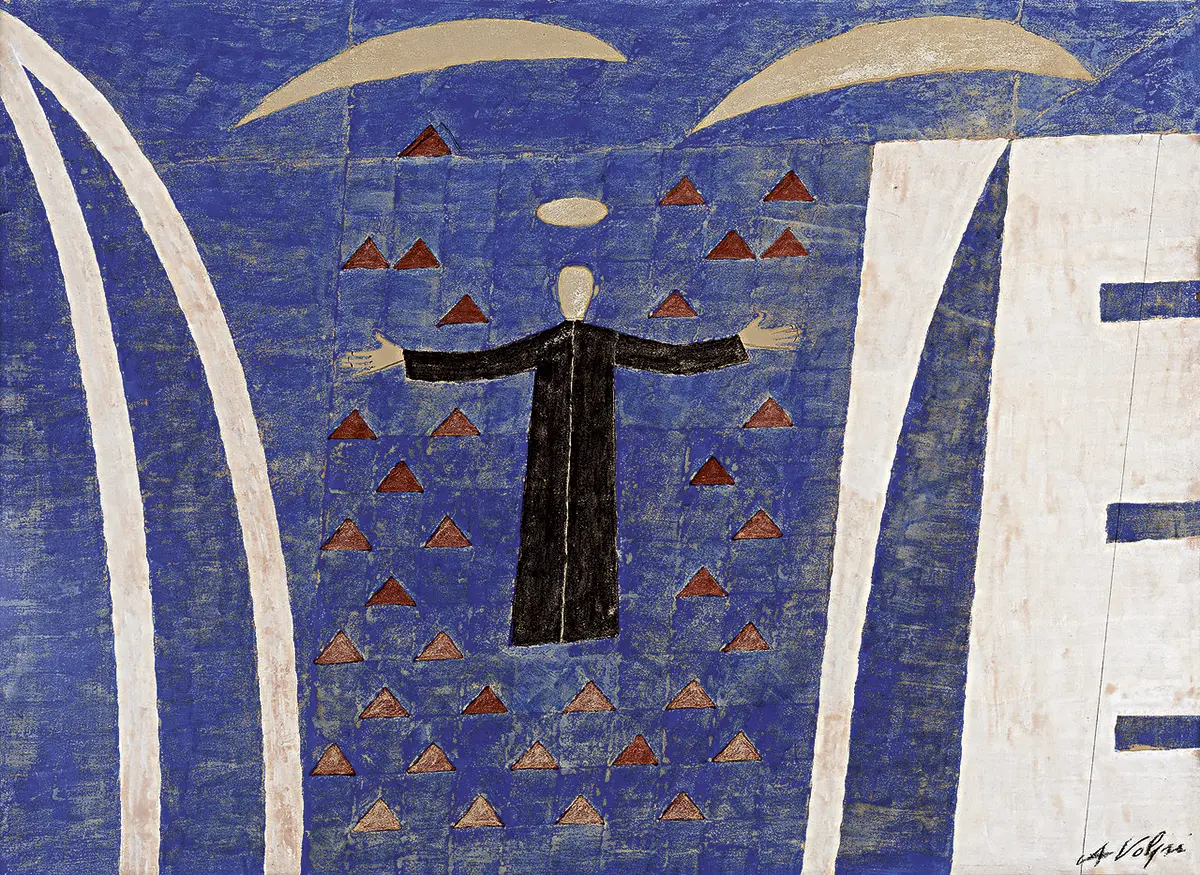
Bruno Giorgi and Alfredo Volpi are consecrated artists renowned for the impact of their careers in the history of Brazilian art. In addition to the time they spent together cultivating their long-lasting friendship, the fifty-two years of this relationship also included joint participation in many events that marked the period: group exhibitions by the young modernist generation that they became part of, São Paulo biennials, the Venice Biennale and, later, historical revisionist shows in Brazil. Both received awards during the 2nd São Paulo Biennial. Their works are points of reference in Brasilia, the capital of Brazil since 1960, declared World Heritage Site by UNESCO due to its architecture and urban planning (projects by architects Oscar Niemeyer and Lúcio Costa, and structural engineer Joaquim Cardoso). Brasilia is the symbol of Brazil›s modernity and has a strong presence in the visual arts. There, standing as a referent is the mural by Volpi titled Don Bosco located in the sanctuary of the same name. Across from the Itamaraty Palace are the sculptures Meteoro (Meteor) and Os Candangos (the name given in Brasilia to construction workers) by Bruno Giorgi. The projects for these works are included in the show.
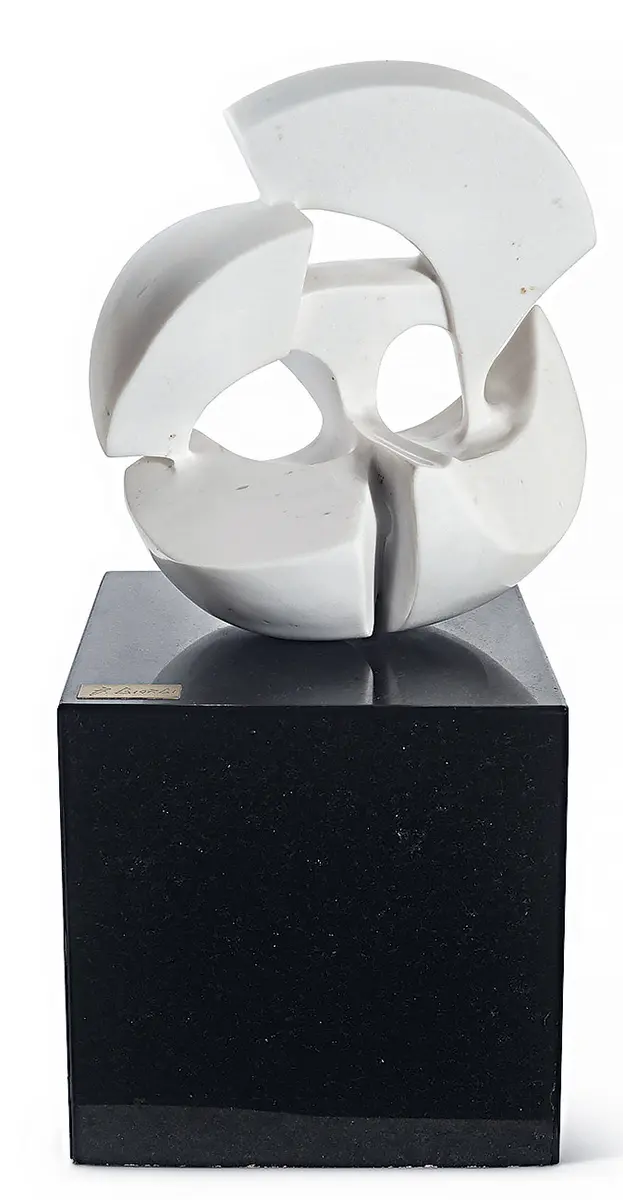
The exhibition consists of 120 works, many of which are shown to the public for the first time. These include sculptures by Bruno Giorgi created with the “lost-wax” method and a terracotta bust of the sculpture/monument Mário de Andrade, in honor of a key figure of the modernist project in Brazil.
A large number of the works by Bruno Giorgi displayed in the exhibition came from the collection of Leontina Giorgi, the artist’s widow, as well as from the Volpi family and other private collections. The presentation of the works in the exhibition is complemented by documents, testimonies, and recordings of narratives that illustrate the friendship between the two artists and underscore the essential aspects of their trajectories in the cultural scene.
Visitors also encounter pieces that resulted from the friendship between these two artists, like portraits of Leontina, who was married to Giorgi, painted on canvas by Volpi.
The catalog of the exhibition features an unprecedented chronology that intersects information about these two artists, revealing facts about their relationship.
The exhibition begins in the 1930s when they first met. Visitors find landscapes by Volpi that marked his artistic production from the mid-1930s to the 1940s, the period when he was part of the Grupo Santa Helena. Works by Giorgi include drawings and a strange sculpture created in Paris, from the time he studied under Aristide Maillol. Many important works from the 1950s and forward are also featured, including some of Volpi’s famous “façades” and paintings in which figurative references have disappeared altogether or are barely suggested. In addition to a group of torsos by Giorgi, there are also sculptures that showcase his exploration of abstraction as well as sketches of monument mockups, built or not.
This exhibition offers the opportunity to revisit significant tendencies and moments in Brazilian art based on an encounter with works by two artists. While pieces by Alfredo Volpi are more frequently shown at galleries and museums, it has been a while since a significant group of works by Bruno Giorgi has been seen.
LISBETH REBOLLO GONÇALVES