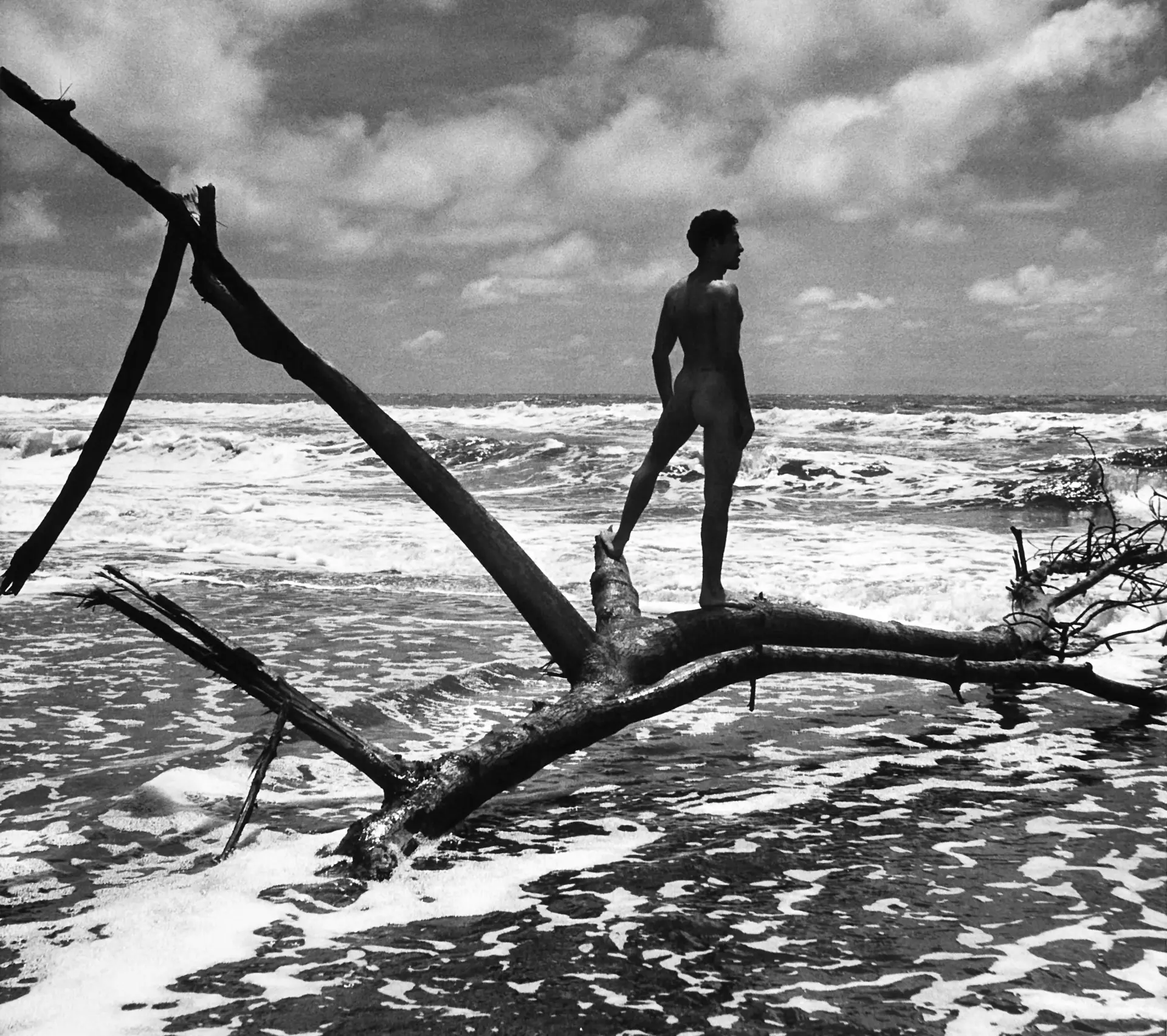
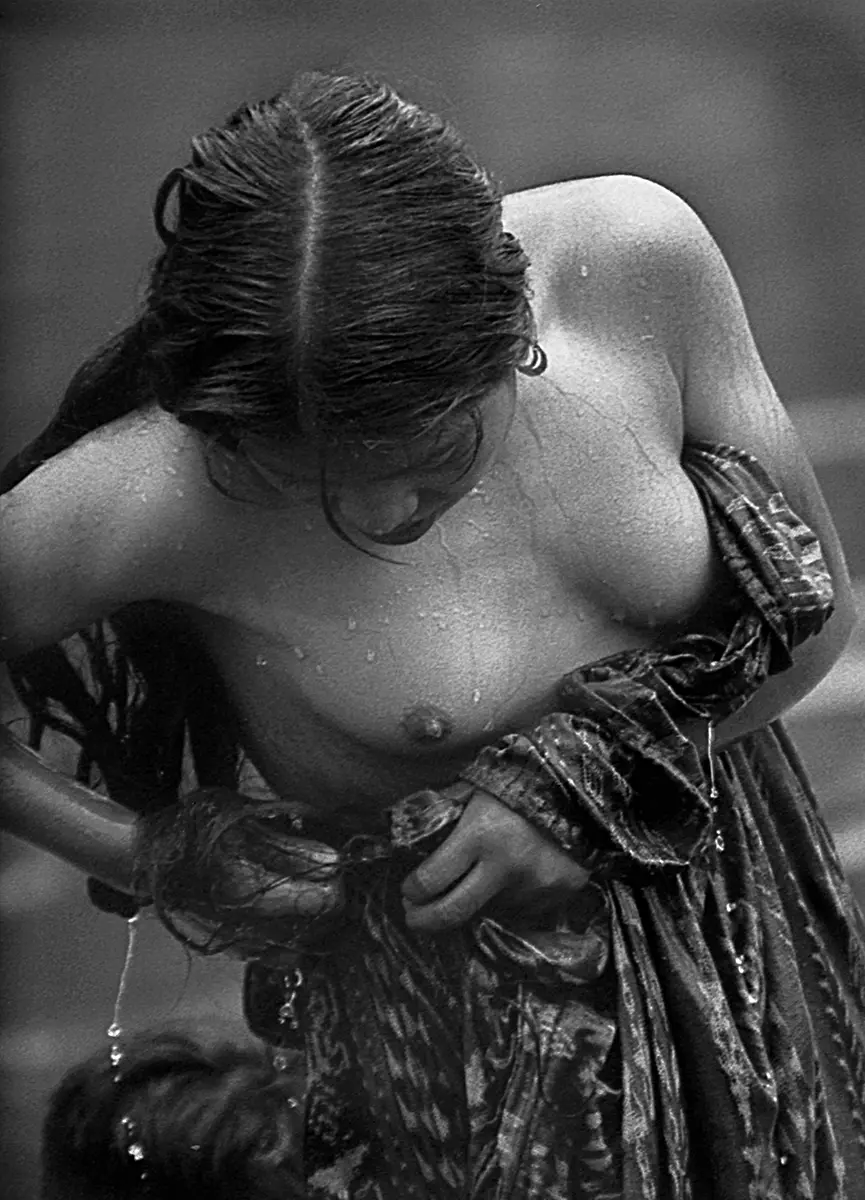
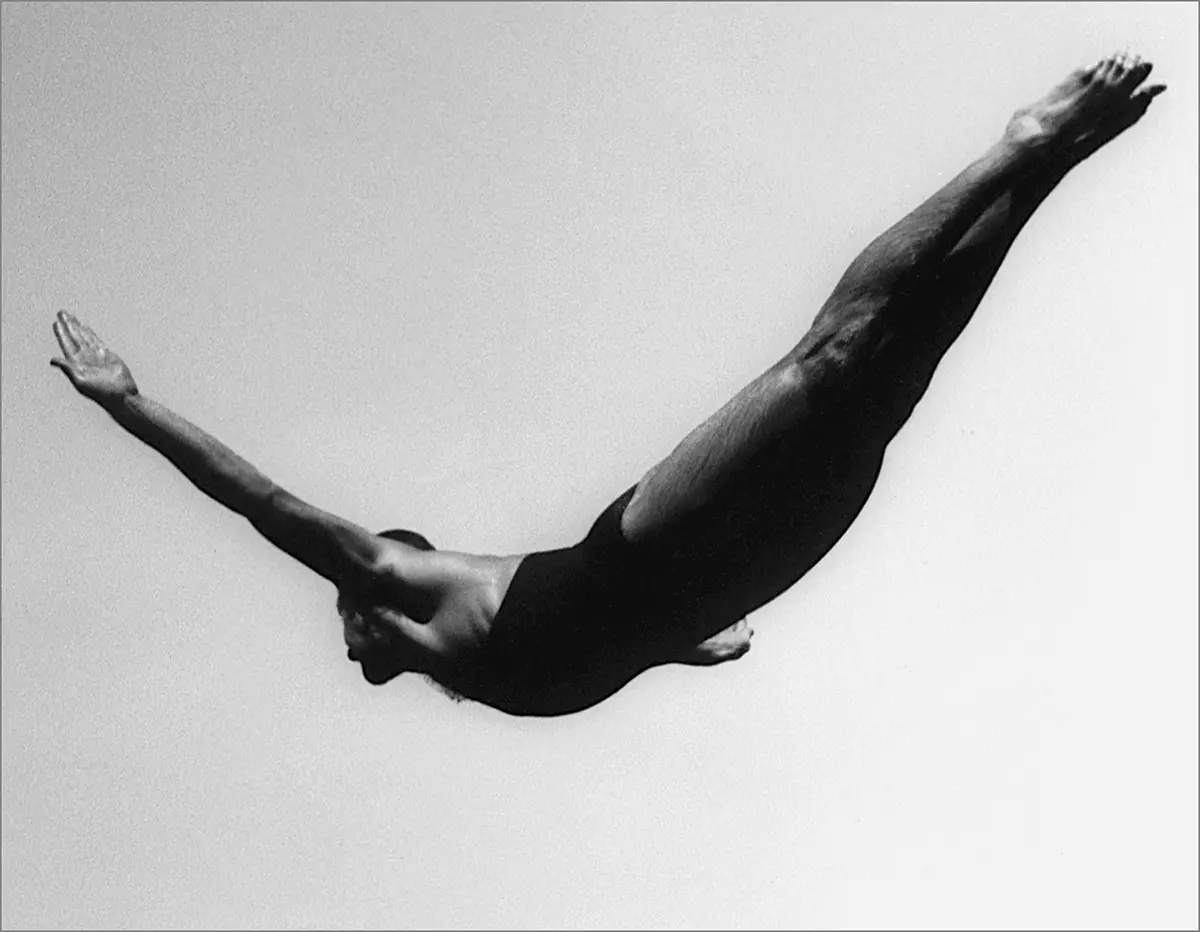
It is impossible to tell whether Guatemalan photographer Julio Zadik (1916-2002), when creating his images of indigenous women unabashedly displaying breasts and thighs, or of young, athletic swimmers posing nude before strikingly beautiful landscapes, was proposing a specific exploration of the eroticism of an “other” body or, by means of a synecdoche, articulating a different gaze upon the nation. These are just two of the many questions on the table of the debate about Zadik’s work. Ever since it was rescued and revalued, there has been no room for doubt: it is an inexhaustible source of images, readings, and thesis. To return to Zadik, not taking his greatness for granted, is a way of insisting on the urgency of revisiting the entire photographic production of a country that has been unable to understand the importance of photography in the construction of its memory and the evolution of its history. In other words, Guatemala.
Julio Guillermo Zadik Bachmann, known as Julio Zadik, was born in Guatemala City on August 18, 1916. His father, Byron Zadik Krolik, was an American who settled in Guatemala as part of the earliest waves of Jewish immigration in the country and in 1926 established a lithography company, Litografía Byron Zadik y Compañía, that would become widely renowned across the region. The company was key to prod young Julio Zadik’s interest in the graphic arts, art in general, and photography in particular, starting with his father’s initiative to publish lithographic portfolios of works by such essential artists as Carlos Mérida and the painters Humberto Garavito and Alfredo Gálvez Suárez, the latter also Artistic Director at the company between 1928 and 1939. It was in this environment that Julio Zadik gained his first familiarity with the art world and Guatemala’s fledgling modernity in the early Twentieth Century, and it was there that he developed a unique sensibility for images and photography. This was his background when he decided to move to New York and study photography, which happened between 1935 and 1936.
The initial research into Zadik’s career and oeuvre1 confirmed the impossibility of determining the name of the academy or photography studio where he received his technical education. However, some inferences can be made from observing the context of his arrival. We can be certain that Julio Zadik witnessed the scene that gave rise to the entire experimental movement in New York. Coming from Guatemala, from a city without even traces of modernity, Zadik found himself in the midst of the labyrinth of shiny skyscrapers that had risen during the previous decade, as part of an unprecedented construction boom. Figures like Alfred Stieglitz, at the helm of a gallery devoted to photography, and the presence of photographer associations like Photo League alongside publishing houses, a wide variety of photo-centric journals and exhibition spaces, and a growing interest in images connected to the fashion and film worlds, had without a doubt a significant impact on young Zadik’s education. No effort should be spared to connect his formative period with a city that years later, and despite the Great Depression, would become the new epicenter of the avant-garde and of Western culture. As Serge Guilbaut put it, New York was the place that “stole the idea of Modern Art” from centers like Paris. The die was cast, and the effect of modern creative practices was beginning to be felt by individuals like Julio Zadik.
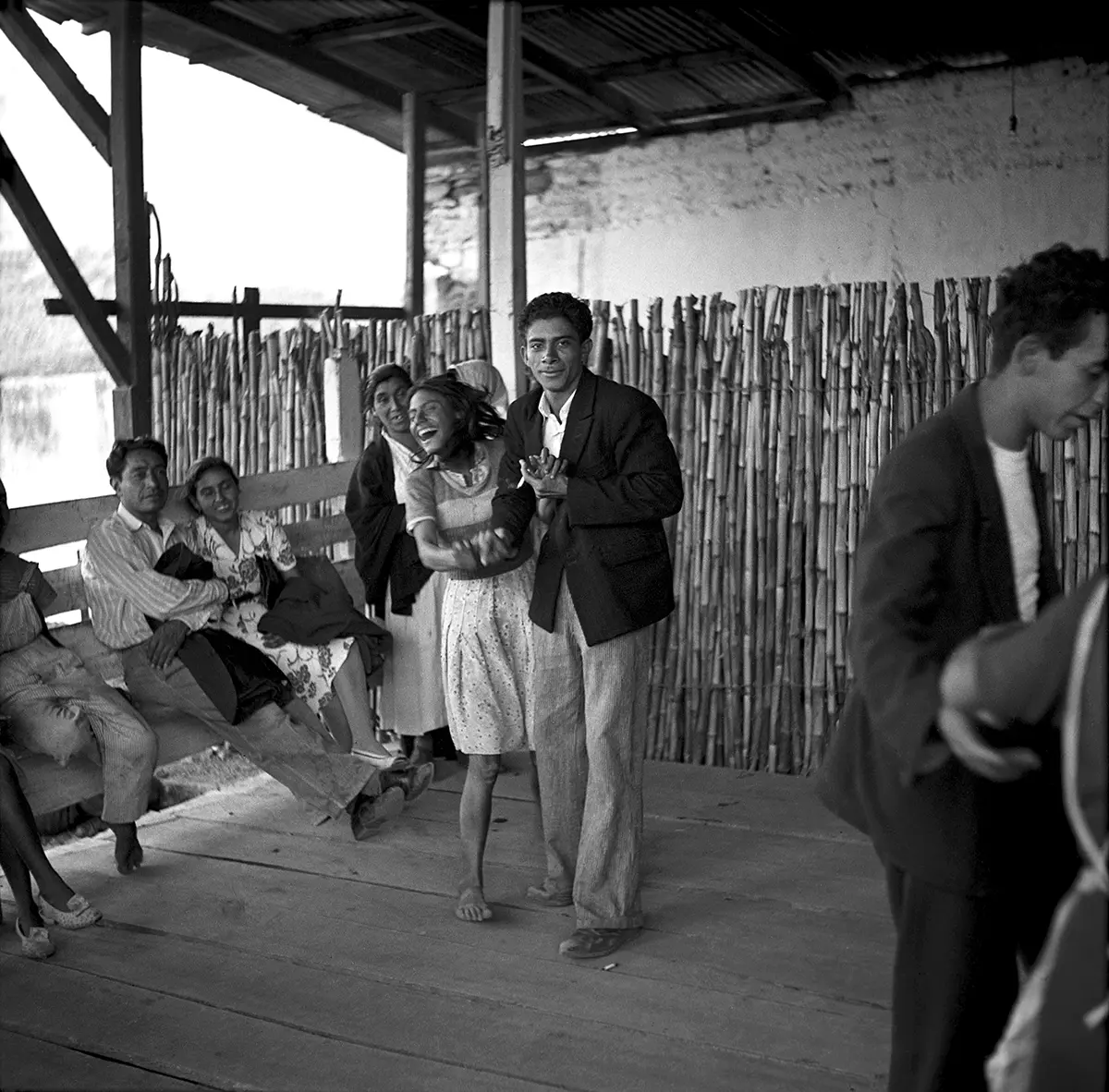
Impossible as it may seem, after his return to Guatemala Zadik began to establish himself as a point of reference for local photography. Through his family company, some of his images were reproduced in postcards and circulated massively in the country and abroad. He also won several national and international competitions, particularly significant among them The Camera Monthly Photographic Contest, in 1948, given to Pipe Interior Pattern, one of the most interesting works in Zadik’s oeuvre for its unique composition proposal. That same year started appearing in important exhibitions, such as his presentation alongside Guillermo Grajeda Mena at the Sala de Turismo in Guatemala City, signaling the high regard in which his work was held and his insertion in the art world. He also had a solo show that year, at the Pubic Education Ministry’s gallery in Santiago de Chile, and a catalog with an essay about his work, written by the Guatemalan artist Carlos Mérida, was published. Art critics expressed their appreciation for Zadik’s work, which was reviewed in many specialized journals with international circulation.
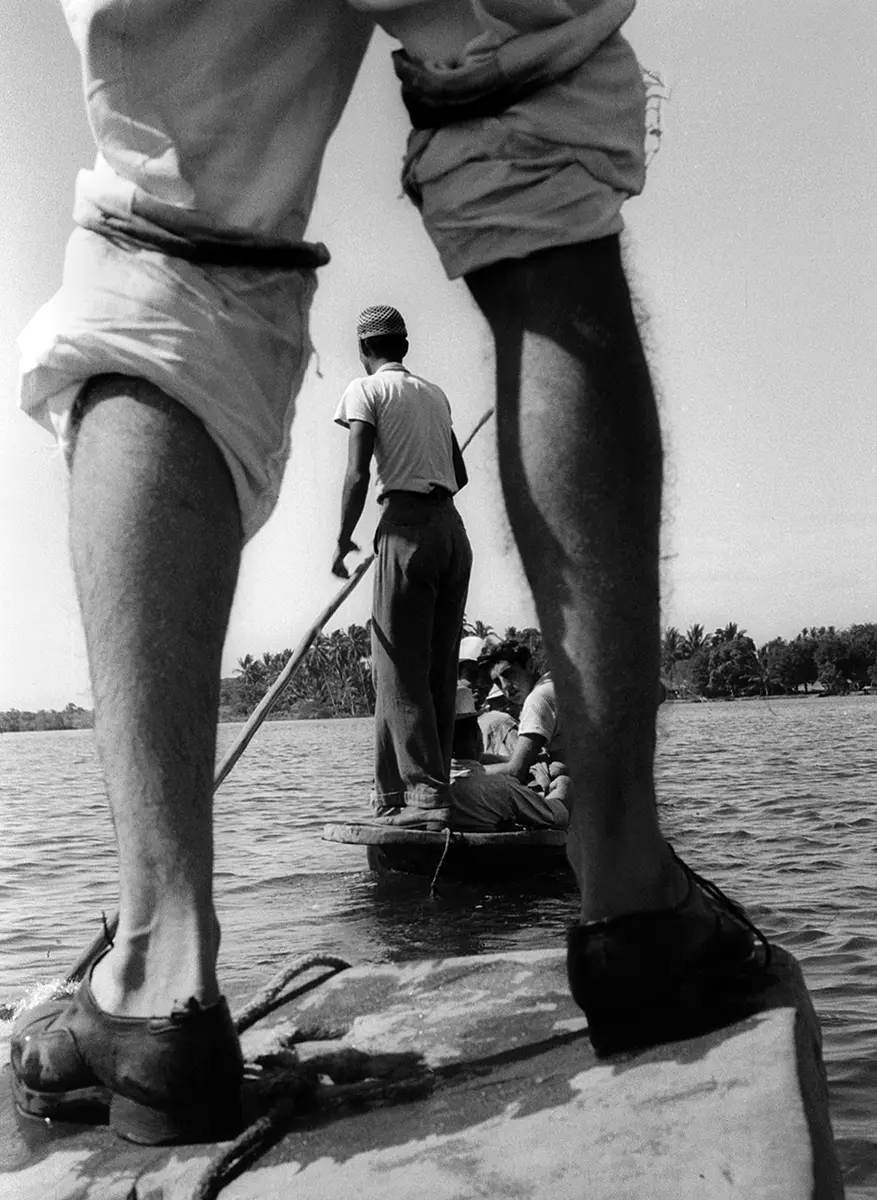
The following year (1949), Julio Zadik was selected to participate in the First International Exhibition of Latin American Photography, organized by Cuban critic José Gómez Sicre (1916-1991) at the Panamerican Union in Washington, DC, alongside artists from several countries and important practitioners of the genre like Lola Álvarez Bravo, Martín Chambi, and Alfredo Boulton. On that occasion, in a letter to potential institutional sponsors, Gómez Sicre referred to the subject matter that would dominate the exhibition as “national in character.”2 His generalization insisted on the then-preferred models for the representation of Latin American art (landscapes, street images, customs, rituals and ceremonies, indigenous faces or products), feeding into a canon that had been under construction in the United States since WWII and was undoubtedly marked by the politics of the Cold War.
The interesting fact about Zadik’s work, however, is the way in which it was positioned as one of the major representatives of Guatemalan indigenismo, which was woven from specific historical contexts that need to be reviewed. After the Liberal revolution of 1871 but before the emergence of an indigenista ideology, there existed a nationalist cultural apparatus that emphasized a specific way of thinking about and making art. Before indigenismo, between the 1920s and 30s, the weight given to landscape painting, local-color scenes, and documentations of indigenous types was crucial for the continuation of a structure of privilege formed in the colonial era. Landscape painting, in particular, represented agricultural lands where indigenous individuals existed as labor force, an extension of the territory recognizable as “private property”. An entity capable of researching, understanding, and supporting the integration of indigenous peoples into the productive life of society was established only after the overthrow of Jorge Ubico and the October Revolution (1945-1954). The Instituto Indigenista Nacional, set up in 1945,3 appeared to give a new turn to ideas about indigenous cultures and peoples in Guatemala —the concepts and theories that came to be known as indigenismo were forged there—and to all art forms where indigenous figures were given preeminence and a central role. Nevertheless, many critics of those art forms and of the Instituto have highlighted its “paternalistic” orientation.
Julio Zadik cannot be said to have remained aloof from that way of understanding the indigenous world, in particular the Maya universe. He was an artist of his time, and his work was permeated by such narratives traversed by nationalism, indigenismo, and even mysticism, exoticism, and many variants of folklore, all of which continued on their course for many decades, given the deep difficulties we Guatemalans have—as individuals and as a society—to comprehend such immense cultural paradoxes. Although the theses on which the contemporary critique of our constructed ways of seeing the indigenous are founded were in circulation since the 1970s,4 it was not until the 1980s that artists and art critics began to reflect more keenly on their many complexities.
Today, at a distance of decades and with better critical instruments to engage in those debates, it is possible to consider Zadik’s contributions with greater fairness, and even to expand the analysis into terrains seldom explored before. Sexuality and eroticism in rural contexts, for instance. At any rate, in his vast archive, which comprises more than 35,000 negatives, there is always a promise of new theses or aesthetics suggestions. In that sense, some of his images from Guatemala and Mexico invite speculation about the influence that film photography may have had on Zadik’s art, especially his work with landscapes and rural scenes. While during the decade of the Ubico dictatorship everything having to do with Mexico was banned, the years of the Revolution not only fostered co-productions between the two countries, but also saw a great opening for the exhibition of Mexican films in local theaters. In the inevitable comparison, one can certainly find coincidences between Zadik’s work and the director of photography Gabriel Figueroa, who influenced an entire era and a whole way of shooting landscapes. It is also possible to find connections with Manuel Álvarez Bravo, but that would require many more pages of analysis and a review of the routes of cultural exchange that existed between Guatemala and Mexico in that period.
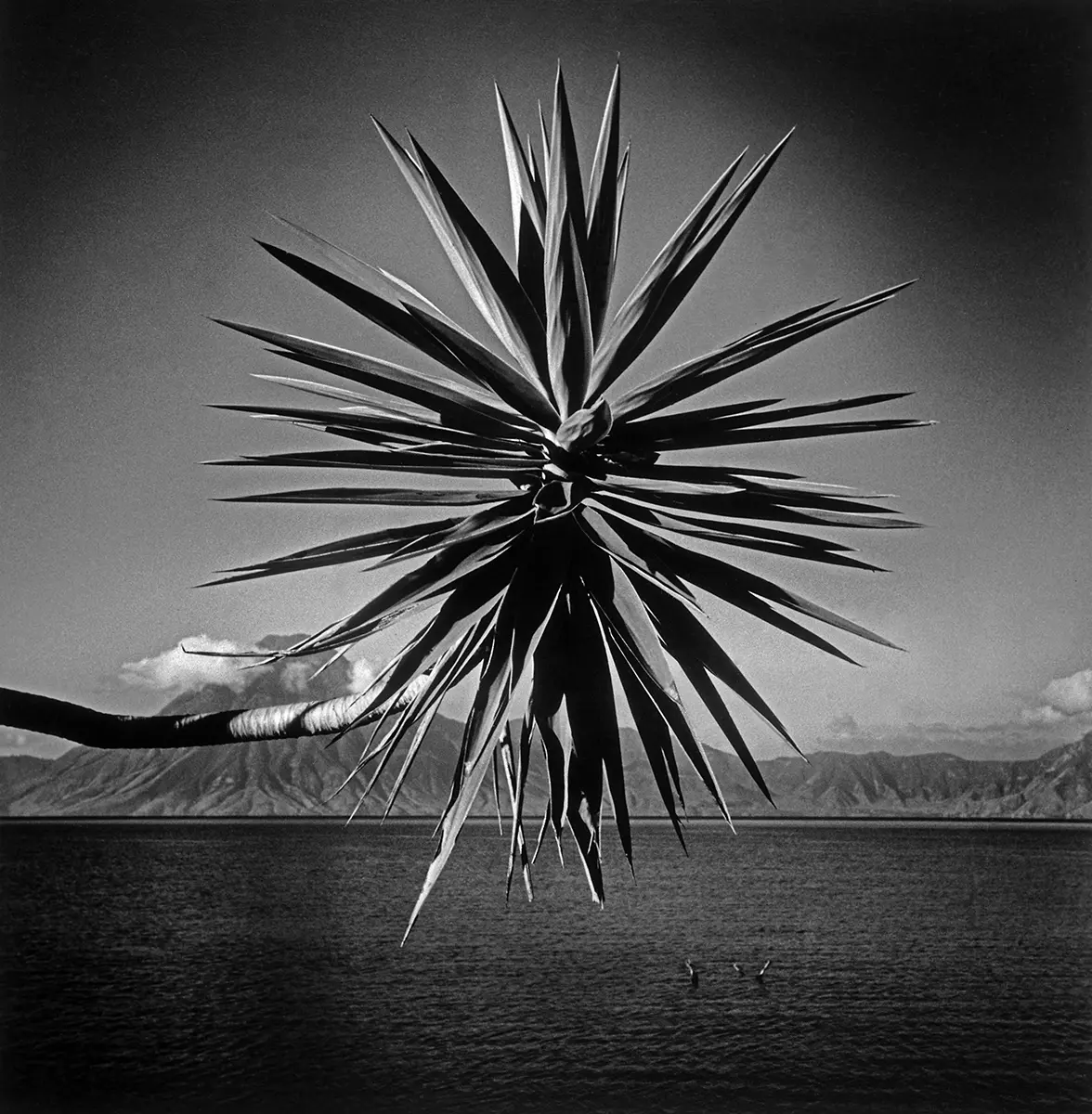
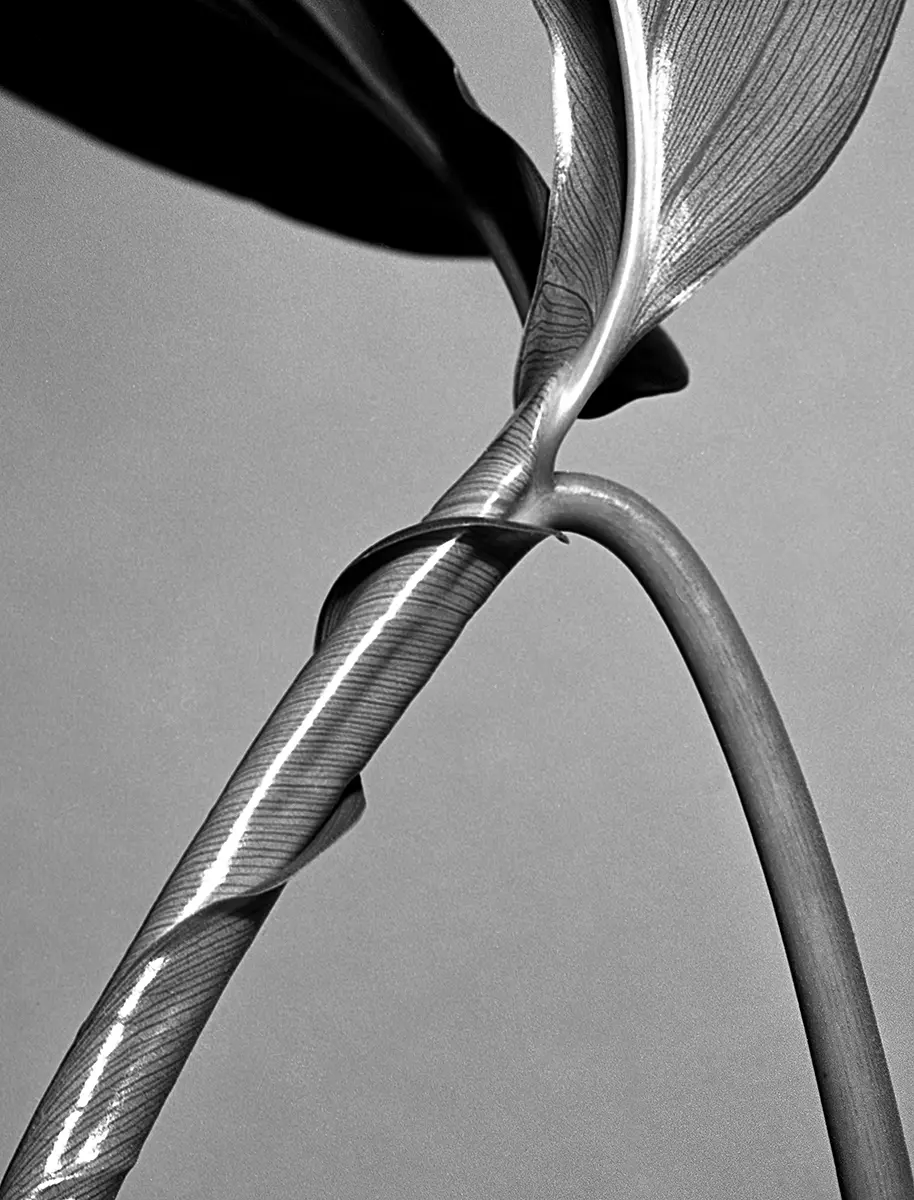
Included in this vast universe are images of details of plants and elements like water and sand, which speak to Zadik’s intense disposition to explore and understand the virtues of abstraction and the interstices drawn by nature itself, something already investigated since the 1920s by artists like Tina Modotti, Imogen Cunningham, and Edward Weston. Perhaps unwittingly, Zadik opened that door in Guatemala, proposing a new kind of photography that distanced itself from the stereotypes of tropical exuberance. In his details of plants, in the subtlety of their forms, and in the beauty and elegance they acquired based on the light effects and their surroundings, Zadik reached a point of great mastery of the composition and created wholly autonomous works. Unfortunately, his ideas and observations did not create a school. In my view, they are the best evidence of Zadik’s “modern eye”, the fruit of a certain intuitive need for an aesthetic renewal that would leave the sentimentality and the pictorialism that dominated the Guatemalan scene wholly behind.
After taking part in a large number of art shows and competitions, and after writing several articles for specialist media, Julio Zadik decided to stop exhibiting his work in public. In 1963, in collaboration with the recently established Guatemalan Photography Club, he gave a lecture titled “Artistic aspects of photography”, and his last foray would be what is considered his last solo show, “Sixty photographs by the notable Guatemalan artist Julio Zadik”, held on July 29 of that year at the Guatemala Club. Despite the high regard for his work among local photographers and artist, his true greatness was never fully recognized. The long absence of specialized academics in the country and the dominance of panting and other visual arts in those years contributed to the retreat of artistic photography in general. In the period’s photography competitions and exhibitions, technical innovations, lenses, and equipment were discussed more often than ideas, theories, or experiences.
Julio Zadik dies on June 29, 2002. In 2007, the Julio Zadik Estate organization began the task of rescuing his archive, which had remained untouched since the artist’s passing. While this essay talks about the need to continue tying up loose ends, speculating, and not taking anything for granted, what is inescapable is the fact that the name Julio Zadik—as established by Garzón and Navarrete—is one of the pillars of modernity in Guatemalan art.
NOTES
1. The research project that launched the revision of Julio Zadik’s work and career was carried out by curators and historians Valia Garzón and José Antonio Navarrete. It was the basis for the book Julio Zadik, un fotógrafo moderno en Guatemala 1937-1965, published by Estate Julio Zadik, Guatemala, 2008.
2. José Antonio Navarrete: “Hacerse visible. Julio Zadik y la fotografía moderna”, in Julio Zadik. Un fotógrafo moderno en Guatemala. 1937-1965, published by Estate Julio Zadik, Guatemala, 2008, p. 24.
3. The origins of the Instituto Indigenista Nacional lie on the inter-American indigenista movement that evolved at the turn of the Twentieth Century. The resolutions of the First Inter-American Indigenista Congress, held in Pátzcuaro in 1940, were signed by representatives of 72 countries, Guatemala included. However, the Guatemalan government, then headed by dictator Jorge Ubico, refused to follow their recommendations.
4. For further reading to expand on the topic, I suggest La patria del criollo, by Severo Martínez Peláez, and Guatemala, una interpretación histórica social, by the sociologists Carlos Guzmán Böckler and Jean-Loup Herbert. Both books were first published in 1970.
* Courtesy: Estate Julio Zadik.
ROSINA CAZALI
Independent curator and researcher working and living in Guatemala.