Utopia is one of the most often deployed concepts of the contemporary era, be it in a critical or a transcendental sense. The word, imbued with several meanings, defined the border between ethics and aesthetics in the exhibition Arte democracia utopia - Quem não iuta tá morto (Art Democracy Utopia - Whoever Does not Fight, Dies), at the Museu de Arte do Rio (MAR). Emmanuel Nassar’s Bandeira negra (Black Flag) became the show’s emblem, depicting the Brazilian flag covered entirely in black to emphasize the country’s current situation under a new government that continuously threatens its very democracy.
Art and the search for the common good were the banner themes of this show organized by Moacir dos Anjos, one of Brazil’s most salient curators, who has participated in the São Paulo and Venice biennials. The exhibition is part of the institutions 5-year curatorial plan and featured more than sixty artworks in a variety of supports. It once again demonstrated that the MAR, under the management of Instituto Odeon, is attentive to the most significant issues affecting society and fosters debates on such topics as housing rights, urban violence, racism, and violence against women and other gender matters.
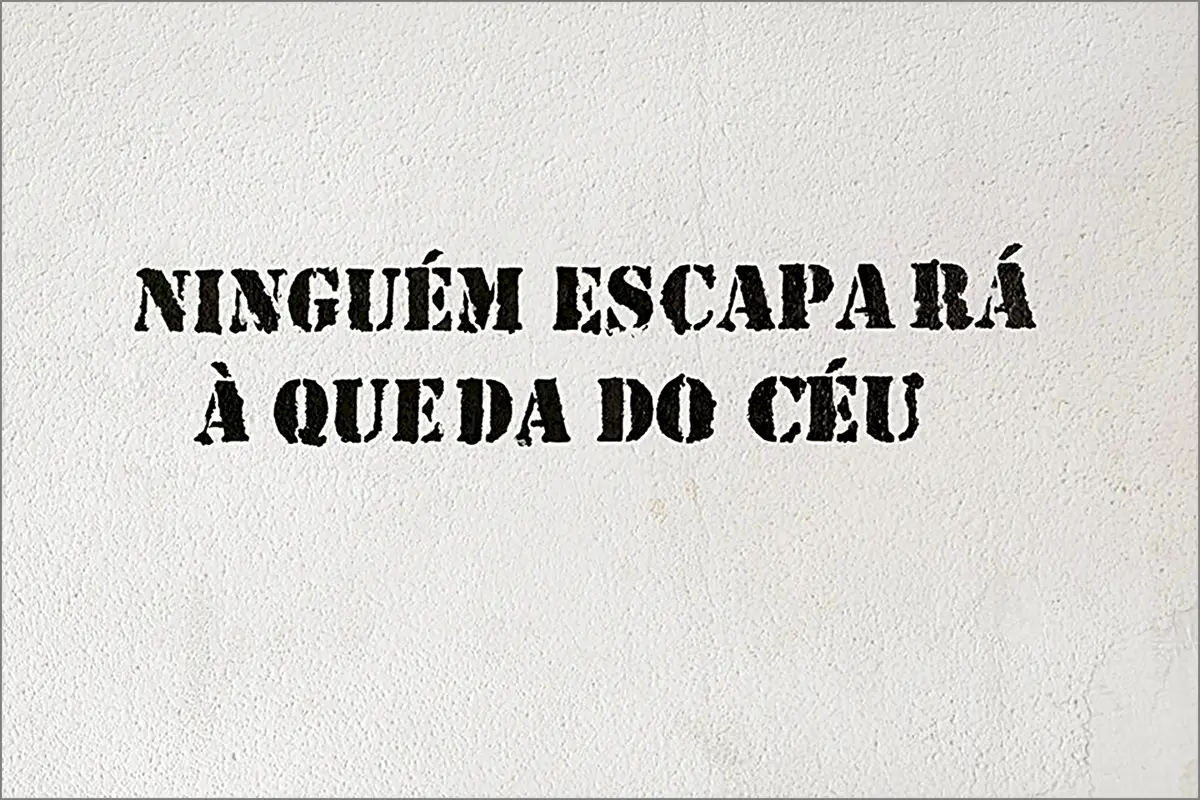
An exhibition of this political relevance sheds the light of art’s potential for emancipation, and it was a more than appropriate initiative in Rio de Janeiro, given the current situation in a city that recently witnessed the murder of councilwoman Marielle Franco. “Utopian thinking is essentially political,” Moacir dos Anjos explains. “It announces and denounces the inequalities that often are at the foundation of a given social context. It confronts a set of institutional and subjective devices that support a situation where access to rights is limited to the few, proclaiming the idea of a different world, one organized in more egalitarian and just ways. The condition for the exercise of utopian thinking, in consequence, is the existence of democracy.”
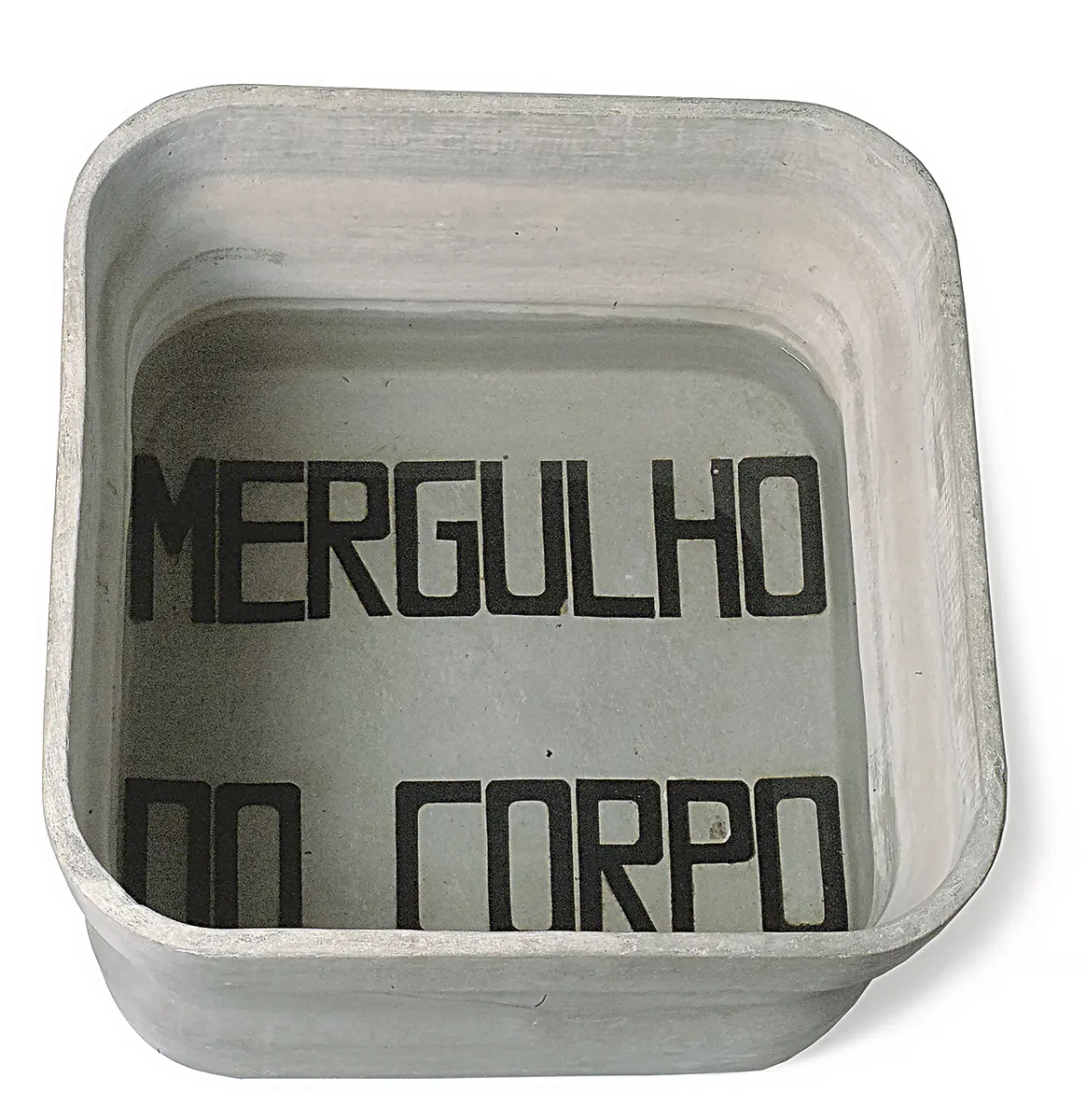
With no pretension to be a definitive overview, the exhibition brought forth examples of utopian thinking in recent Brazilian art. In order to provide a sense of continuity, it also included works from previous periods, such as Hélio Oiticica’s Mergulho do Corpo (Body Plunge, 1966-67). Alongside it were proposals and actions by several community groups, associations, and other civil society actors, all intended to help build structures for political and social action.
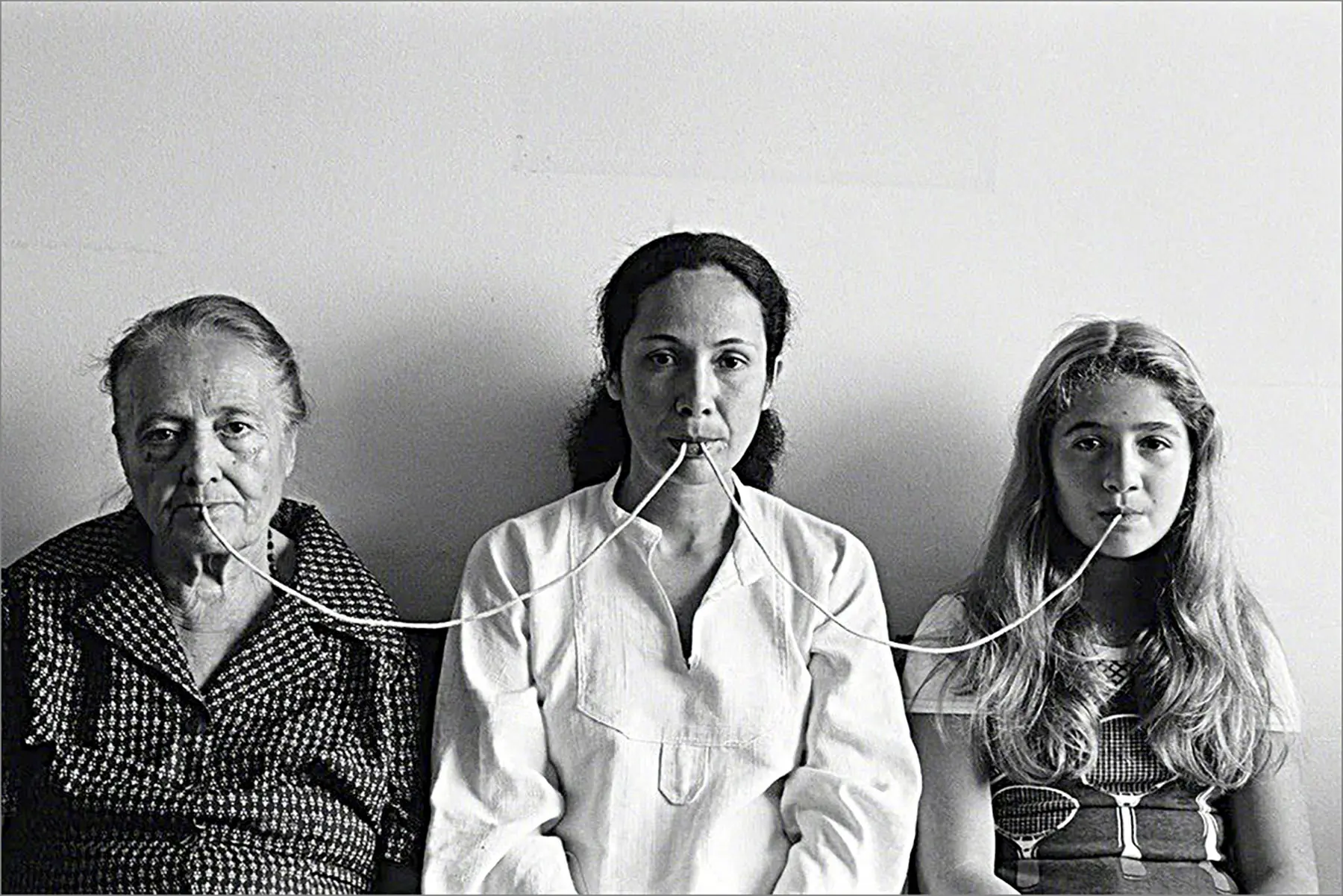
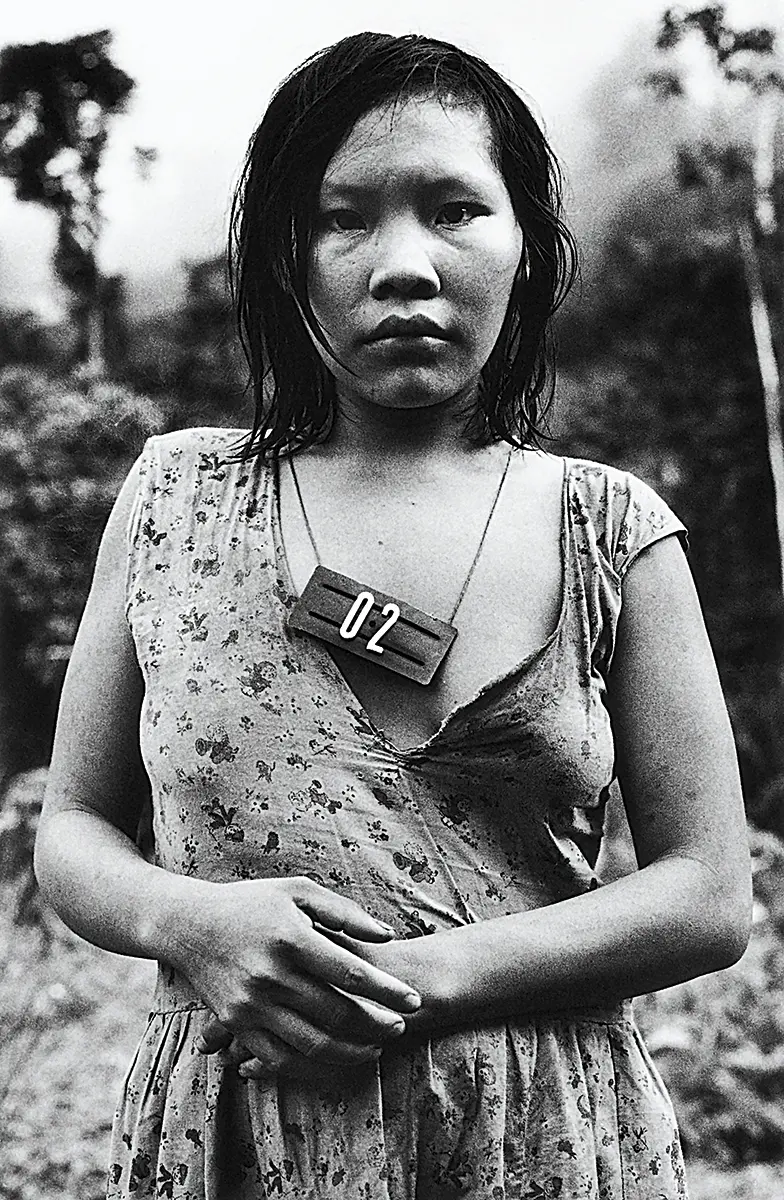
Seven works were commissioned specially for this exhibition, among them one by Virginia de Medeiros that gives its name to the entire show. The other commissions went to the groups Amò and #cóleraalegria and the artists Graziela Kunsch, Raphael Escobar, Trapev, and Jota Mombaça. The selection also included works by well-established figures like Anna Maria Maiolino, Claudia Andujar, Paulo Bruscky, and Cildo Meireles.
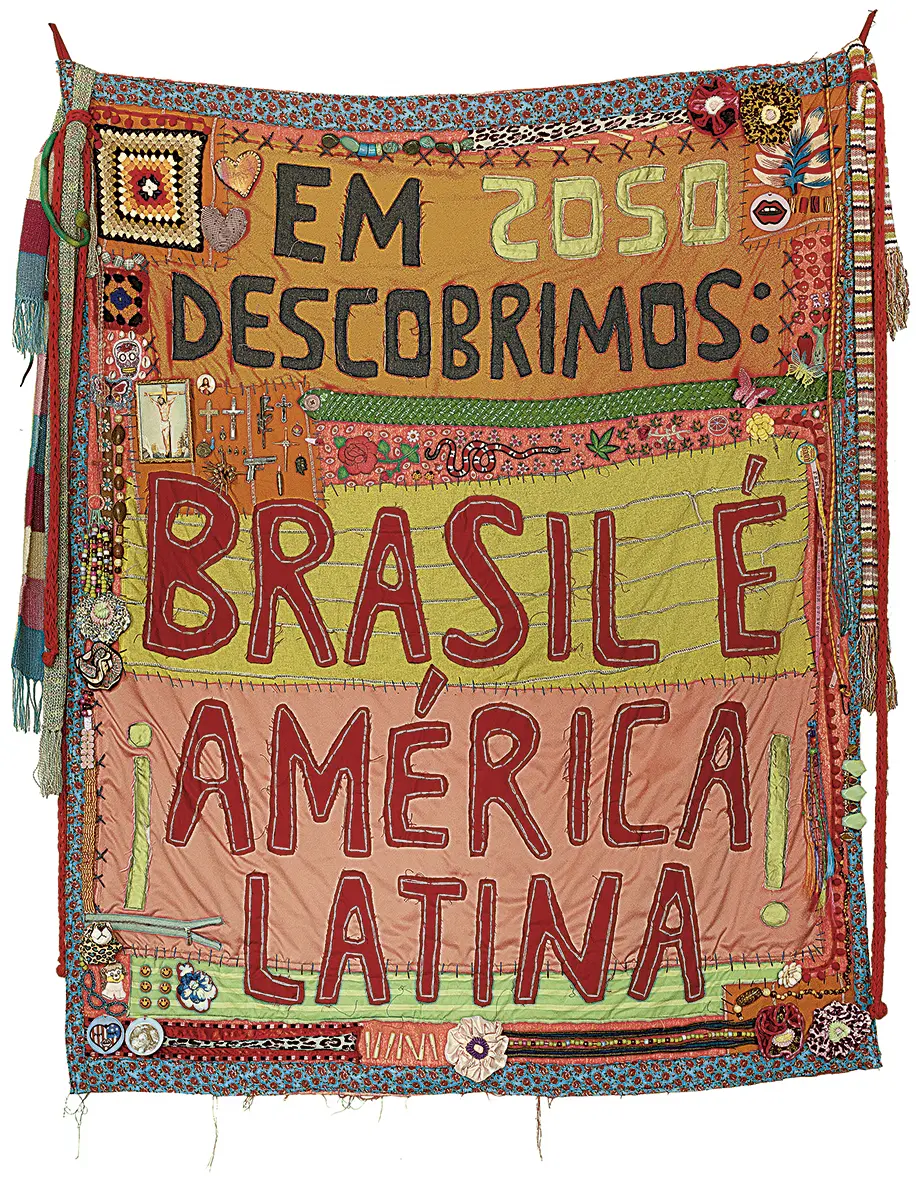
Many of the works on exhibited revealed a sense of non-conformity with reality. For example, Rosana Palazyan’s embroideries, which represent the pain and hollowness felt by mothers who have lost their children to everyday violence. Also working with embroidery, Randolpho Lamonier created veritable banners with activist messages in his series Profecias (Prophecies). Many of the works also signaled the possibility of creating sites of hope, some proposing healing processes (Ayrson Heráclito promoted a spiritual cleansing ritual) and others promoting learning (Traplev carried out a literacy program with his Almofadas Pedagógicas, or Teaching Pillows)
Some of the works were able to overcome the utopia/reality dichotomy. For instance, Rio Utópico, (Utopian Rio) by Rosãngela Rennó, which created a spontaneous photographic mapping of communities across Rio de Janeiro whose names suggest a utopian situation. Rennó worked with youths from those communities in photographing and researching the places they inhabit, and the images were later selected, printed, and added to the work.
Several actions were also carried out to emphasize the possibilities of expanding art’s legitimizing spaces. The architects of Estúdio Chão (chão means “ground” or “floor”) created a project titled Transborda, with playful structures that invited the audience to climb the museum’s glass walls. In turn, the artist Graziela Kunsch and the psychoanalyst Gabriel Guimarães, both members of the Public Psychoanalysis Clinic, installed a “listening place” with devices for practices of “mutual listening,” like chairs arranged in a large circle.
Several layers of connection between art and politics were present in this exhibition. There were subtly psychological, political, and activist approaches, in unexpected processes for the production and reception of works of art. Those artworks set in resistance to barbarity or intentionally revolutionary marked the history of modern art. In the contemporary era, meanwhile, those relationships are more necessary than ever. Fueled by postcolonial studies, by debates around bio-power, by feminism and the LGTB movement, by racism, and by the material investigation of the language of art, a new discursive network is increasingly more present, making it possible to produce art addressed to other subjectivities and communities. In a country, as turbulent as Brazil is today, nothing could be more pertinent than the proposal under review.