There is a tacit hierarchy in the visual arts, clear in a global marketplace where photography accounts for barely 2% of total sales.1 Over the years, such inequality has been justified on the basis of oppositions: art’s symbolic capacity versus photography’s mechanical reproduction, and artistic singularity versus photographic reproducibility.
Such classifications are extensive to photojournalism. Despite using the language of the visual arts, it is considered non-artistic because of its reportorial intent and its subjection to the media where it appears, which can influence our reading of it with a headline or a caption. In photojournalism, authorship is often unnoticed, since many press images are identified as “archival” or attributed to a news agency, without credit to the photographer. Unlike art, the “acquisition” of photojournalism depends on copyright issues and whether the photographer is a salaried employee, a freelancer, or an agency member. Photojournalists belong to an industry that is always in flux due to the proliferation of online consumption and new distribution channels, the expansion of media monopolies, and the economic fluctuations that alternative media and independent professionals constantly face.
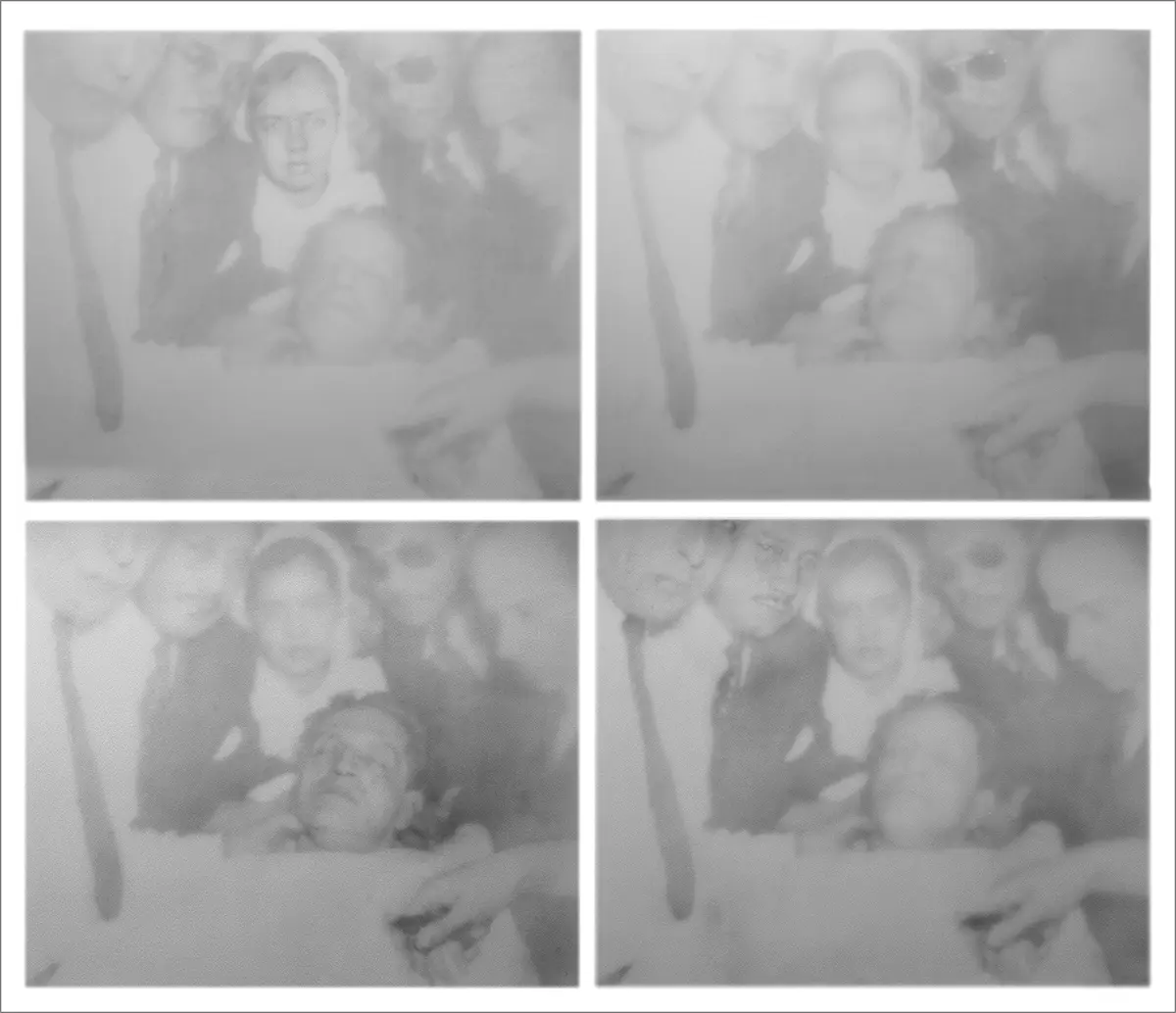
In Colombia, meanwhile, there are additional issues. Photojournalism has been a powerful instrument for the recording of the country’s recent history, and, for a society where the salvaging of historical memory is critically imperative, it provides an essential public archive. Yet, it is true that the flood of violent images accumulated in a 60-year conflict surpasses the public’s capacity to register and process them. This is the message intimated by Óscar Muñoz’s Impresiones débiles (Weak Impressions, 2011). In it, photojournalistic images of historical import, such as the assassination of Jorge Eliécer Gaitán as captured by Sady González, are blown up in barely perceptible coal dust prints; their tenuous appearance is suggested as a metaphor for historical amnesia.
The use of black and white is a commonly deployed strategy in photojournalism, perhaps as a counterweight to the daily chronicle of atrocities and to attenuate the graphic intensity of the violence on display. For example, after the murder of journalist and humorist Jaime Garzón, in August of 1999, the newscasts of four TV channels began to present news about political violence in black and white, which they did only for a few weeks.
Such a documentary strategy and the frequent harshness of the images in the media are fundamentally different from the symbolic and conceptual languages of contemporary art. Thus, photojournalism faces a jumble of contradictions about the public’s right to know, historical amnesia, and art’s indirect approaches to the issue of political violence in the country.
In Colombia, photography-based, documentary-intended artistic practices have a complex relationship with visual journalism. They operate in incompatible circuits: photojournalism circulates in the mass media (and eventually in specialized publications and exhibitions), while “documentary” art belongs to the discursive spaces of museums, galleries, fairs, and art-history or art-theory texts. Like Muñoz, some artists build their discourse on the appropriation of photojournalistic images, while others have adopted the genre’s strategies. Similarly, there are photojournalists who have expanded the customary boundaries of their practice, developing more abstract or conceptual visual aesthetics that are informed by art or film. The intersection between such categories becomes gradually more ambiguous.
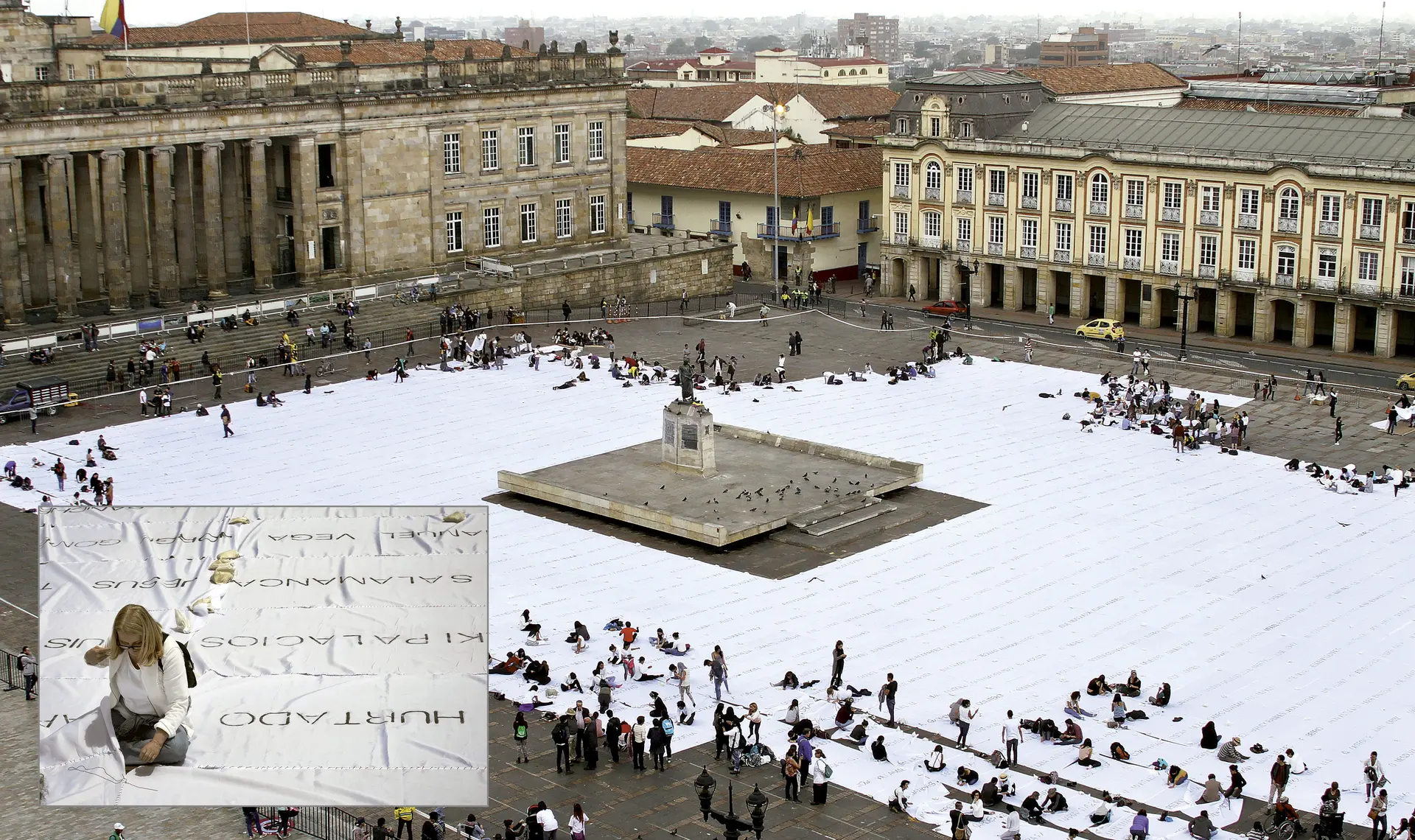
Doris Salcedo’s Sumando ausencias (Adding Absences, 2016) is a unique case. It took place at Bogotá’s Plaza de Bolívar as a tribute to the victims of the conflict and in defense of the peace process, a week after the plebiscite won by those opposed to the agreements signed between the State and the Revolutionary Armed Forces of Colombia (FARC, in its Spanish acronym.) Initially, this work of ephemeral art consisted in a three-day public group action where thousands of volunteers sew together 2,200 fabric segments to create a 7-kilometer white cover for the square; each segment had the name of a victim written in ash. Once finalized, the work became a media item—an image—seen around the world.
In order to have an open public space in which to work, the artist demanded the displacement of the Camp for Peace—a symbol of civic resistance—that had been installed a few days prior by groups of students, victim’s relatives, and other defenders of the peace accord. Perhaps Salcedo would have accepted sharing the space with the Camp had it been only a collective action2; this would have enhanced the action’s symbolic potential. However, it was conceived as an image: for the artist, moving the Camp was necessary to achieve “aesthetic perfection” 3 as she had envisioned it. The sequence—the establishment of the Camp, its removal, and the collective art action—was recorded by photojournalists, and the final image was fixed in that context, paradoxically cementing the ephemeral fiction of the square covered in white and transforming the action into a media event.
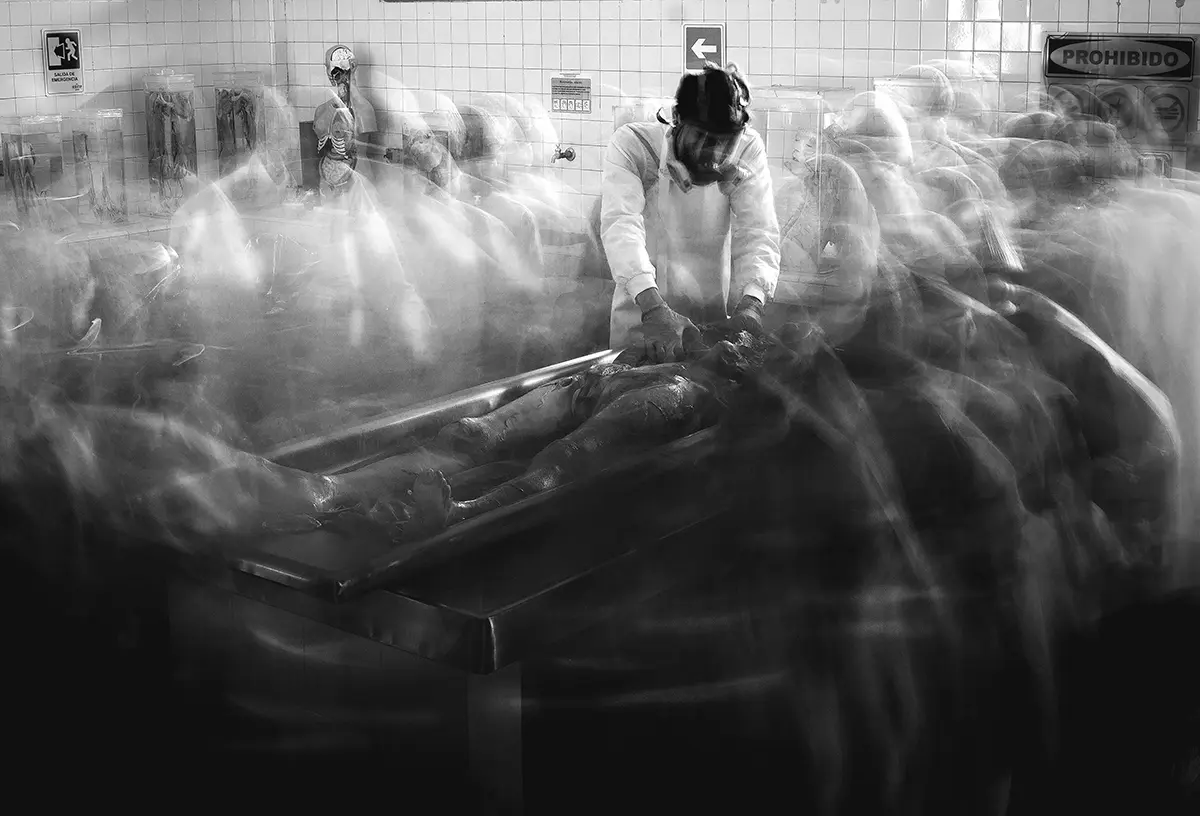
There are correlations between photojournalism and art, especially in terms of their subject matter. For example, the reflections about the body as witness and register of history that one finds in several works by José Alejandro Restrepo or in Henry Agudelo’s Jóvenes que embellecen la muerte (Youths Who Make Death Beautiful, 2017), a black-and-white, long-exposure photograph documenting a group of embalming students restoring the bodies of unidentified victims of violence, like a ritual healing of the wounds of barbarism.
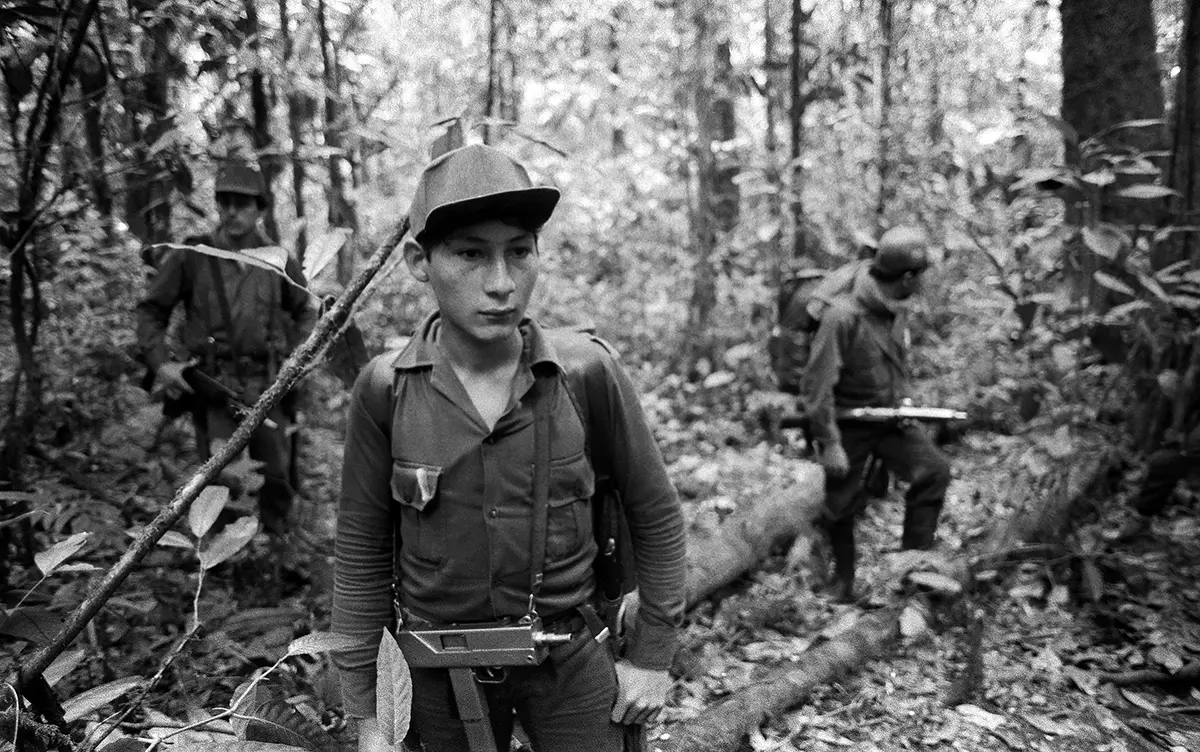
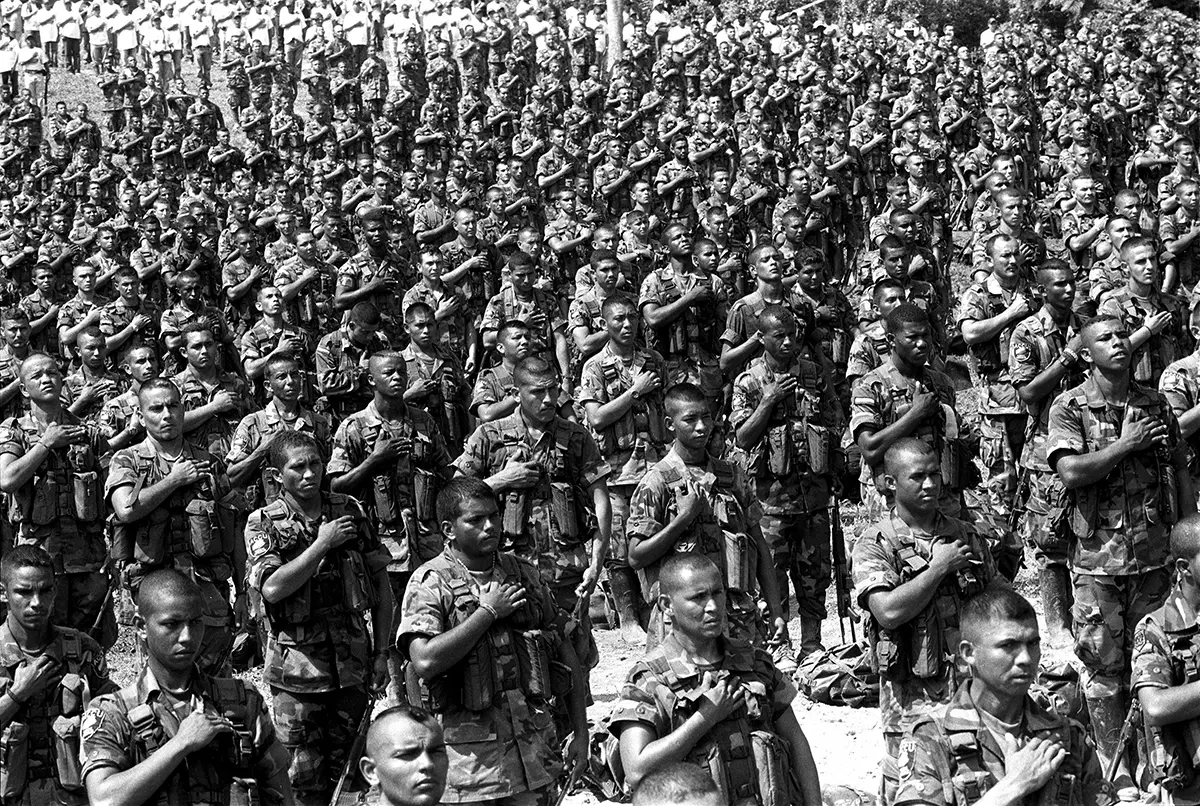
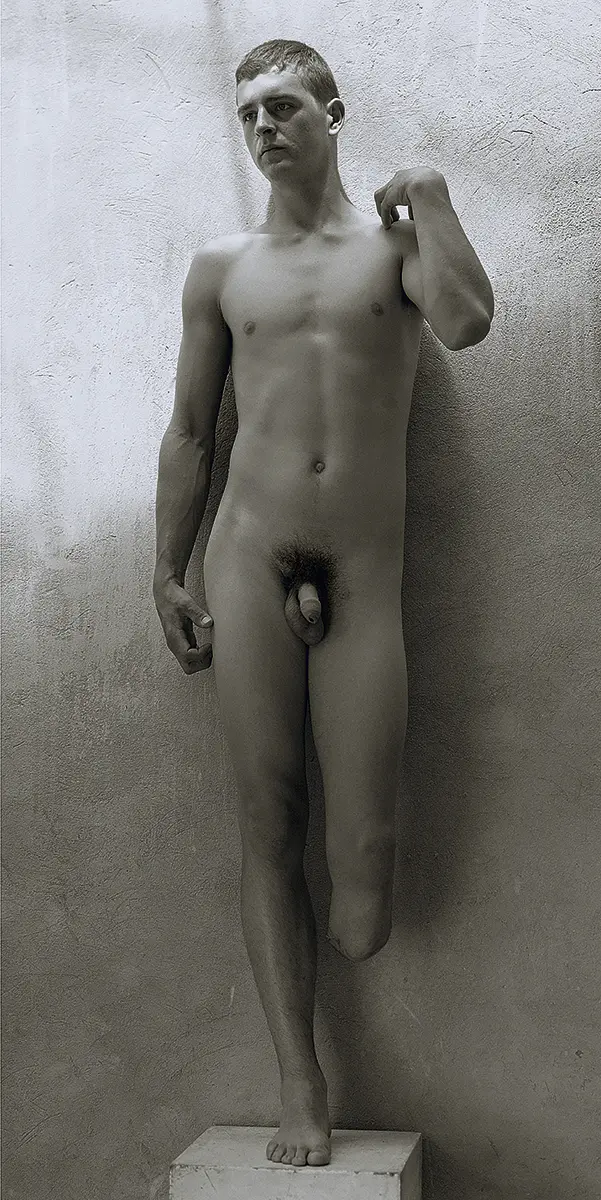
Photojournalist Zoraida Díaz, who accompanied the government’s peace negotiations with the FARC in the late 1980s, captured the tenderly youthful face of a combatant in her portrait Los muchachos (The Guys, 1988). Similarly, David (2004), by Miguel Ángel Rojas, features a young National Army soldier wounded by an antipersonnel mine—beautiful, nude, and “fractured” like a canonical ancient Greek sculpture. Despite their use of differing visual economies, in both photographs physical beauty serves to signal the recruitment of young people for the war and to evoke the lost innocence of a country whose rites of passage take place in an armed conflict.
The metaphorical potential of derelict, ruin-like classrooms hastily abandoned due to the forced displacement of people was captured with emotion by photographer and journalist Jesús Abad Colorado as well as by artist Juan Manuel Echavarría in his series Silencios (Silences, 2010-2017). Nevertheless, Abad Colorado’s photographs come across as visual information connected to specific events, places, and moments in time, while Echavarría’s belong to the symbolic space of contemporary art; the discrepancies between the circuits and legitimization mechanisms of different visual genres come once again to the fore. Although it is true that Abad Colorado is the photojournalist who has come the closest to crossing over to the field of art (museums, galleries, exhibitions, markets, collections, and publications), the informative and social function of his photographs dominates any other possible reading.
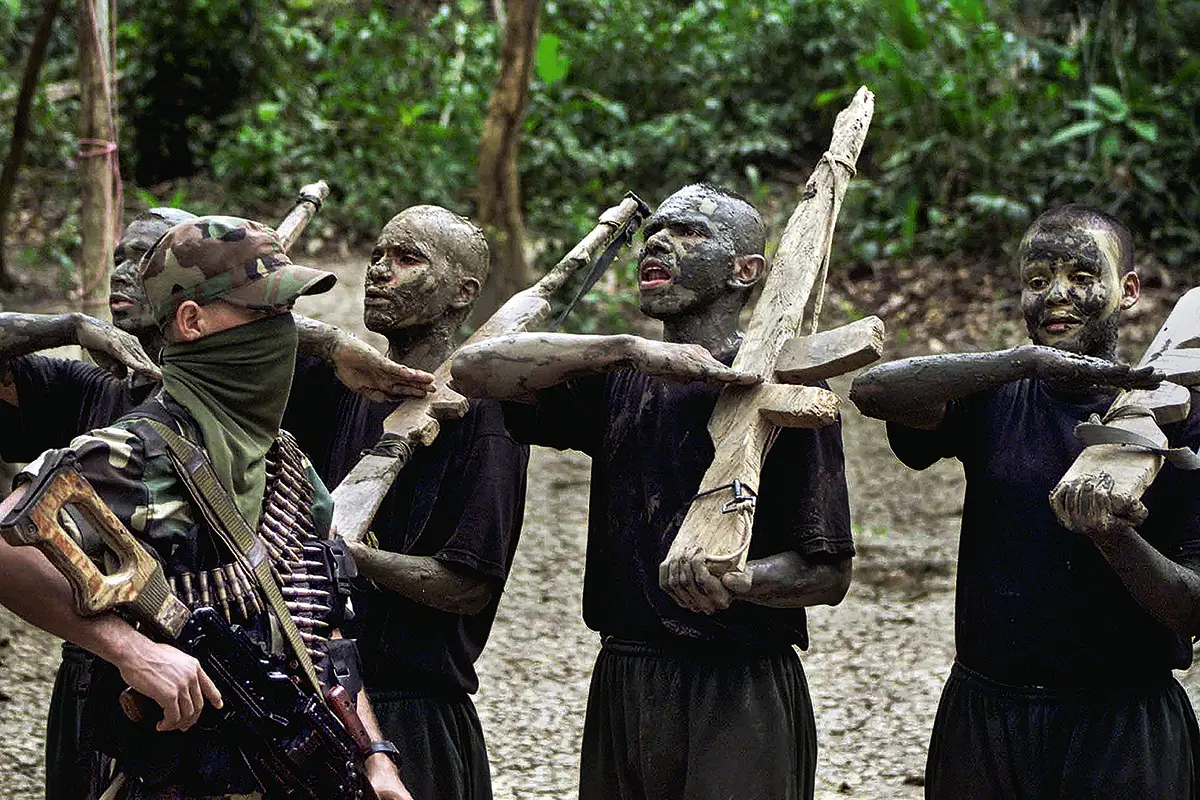
The dualism between war and religion is a frequent subject in press photography. The raw power of Albeiro Lopera’s photographic style suggests an implicit fervor in the transfigured faces of paramilitary recruits, capturing aspects of the war that transcend the specific instant. 4 In turn, Colorado’s photographs of the religious amulets carried by various combatants reveal a similar sentiment, and so do his images of the wooden Christ carried by a man like one more victim of the eviction of 4,500 people, and his photograph of a Christ painted on the only wall that remained among the ruins left by a guerilla assault, like a distant point of flight between the tragic and the divine. 5
“Faith and War” is a recursive subject also in José Alejandro Restrepo’s work. Bendición (Blessing, 2011) reproduces a press photograph of a chaplain blessing a Colombian army Black Hawk helicopter. Without intervening it in any way, Restrepo appropriates the journalistic image—perhaps a public-domain readymade—and transfers it to his symbolic universe, where it reveals itself as a satire of the endemic linkages between theological, political, and military power in the country and their surrender to Plan Colombia, a bilateral agreement with the United States for the financing of the anti-guerilla and anti-drug war. What makes a given image art in one case and not in the other? Perhaps the different spaces of circulation, or even the habit of understanding journalistic photography in a literal way.
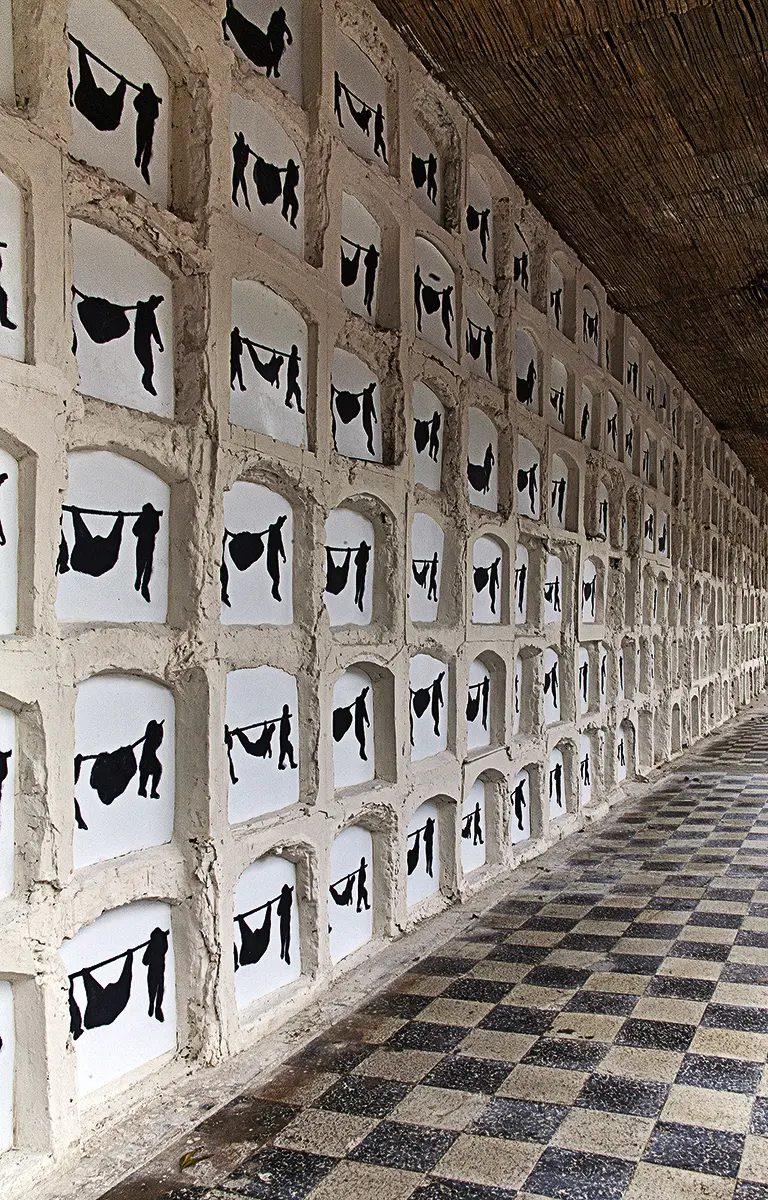
Other artists have found in photojournalism a system of signs to be deciphered in order to reveal the symbolic construction of cultural identity, history, and national memory. A pioneer of this practice is Beatriz González, who since 1995 has developed a pictorial oeuvre based mainly on press images. Auras anónimas (Anonymous Auras, 2009), her work with the greatest public transcendence, is an intervention on 8.957 columbarium gravestones from Bogotá’s Central Cemetery. Based on eight photographs from Colombian newspapers depicting civilian victims carrying a corpse, the artist created a graphic scene that, multiplied and framed by a solemn architecture, rises as a monument against the politics of oblivion.
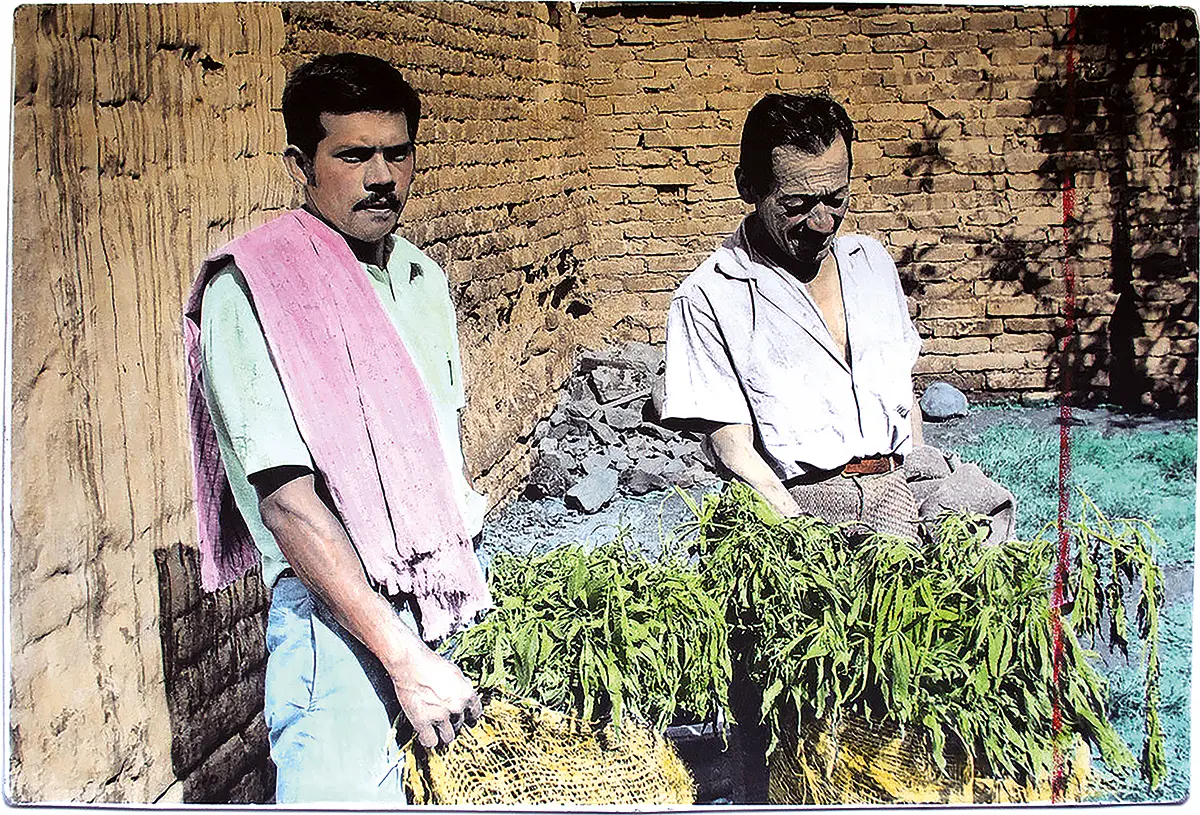
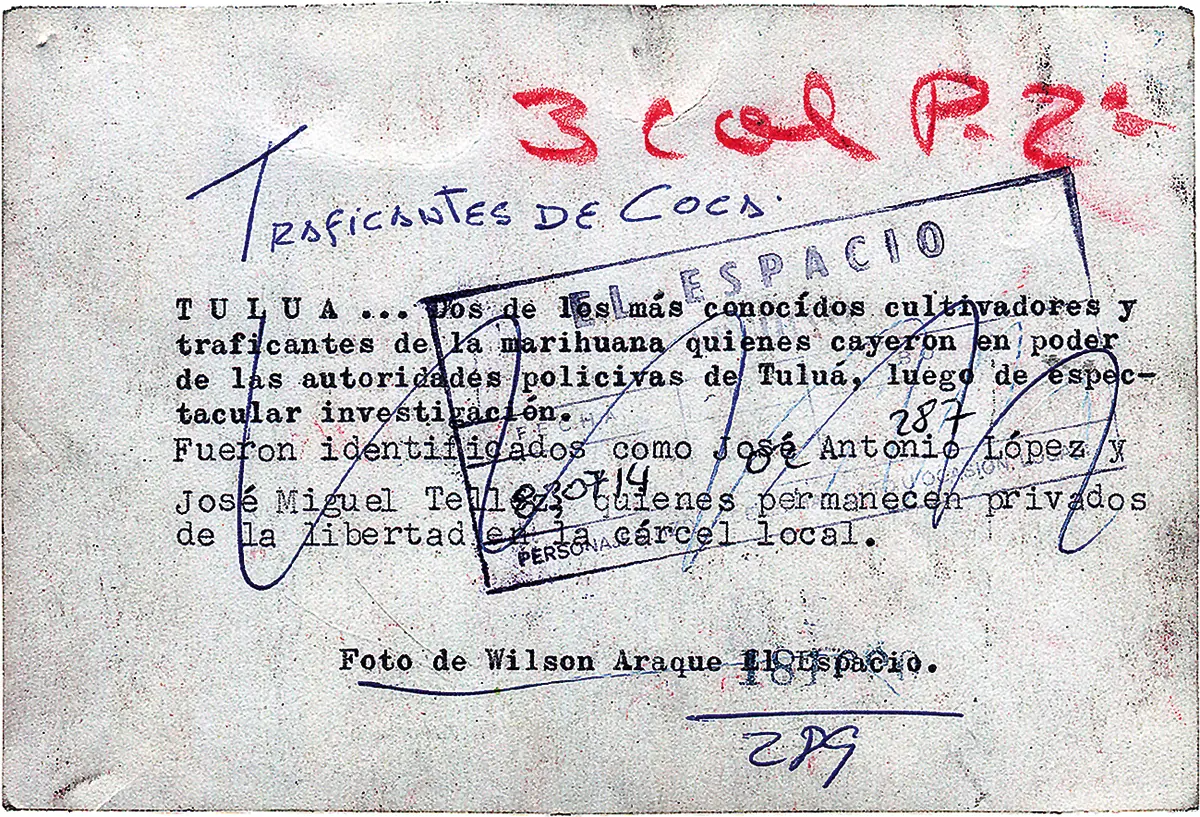
Andrés Felipe Orjuela’s Archivo muerto (Dead Archive) takes as its point of departure images from the El Espacio daily, specialized in crime reporting, that were produced in the 1960s as evidence of police successes in the fight against crime and the then-fledgling scourge of drug trafficking. Orjuela reinforces the questionable “truth” of the documentary by hand-painting the photographs and including in the titles of his works the original headlines with the publication’s inescapable ideological bias.
In many of the instances of artistic appropriation mentioned here, attribution to the original photographer is lacking. Although authorship should always be noted, the omission is often carried from the original source. It is a symptom of the fact that journalistic photography tends to be seen as a vast and anonymous archive in the public domain.
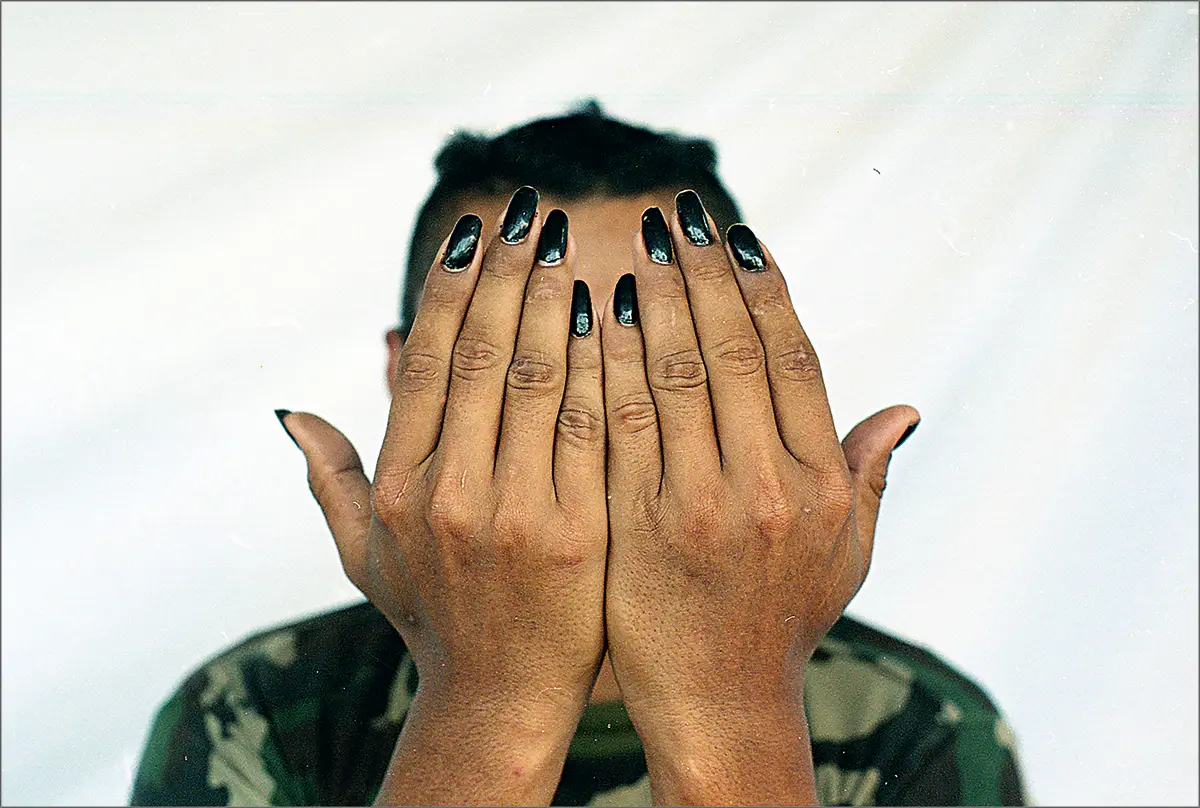
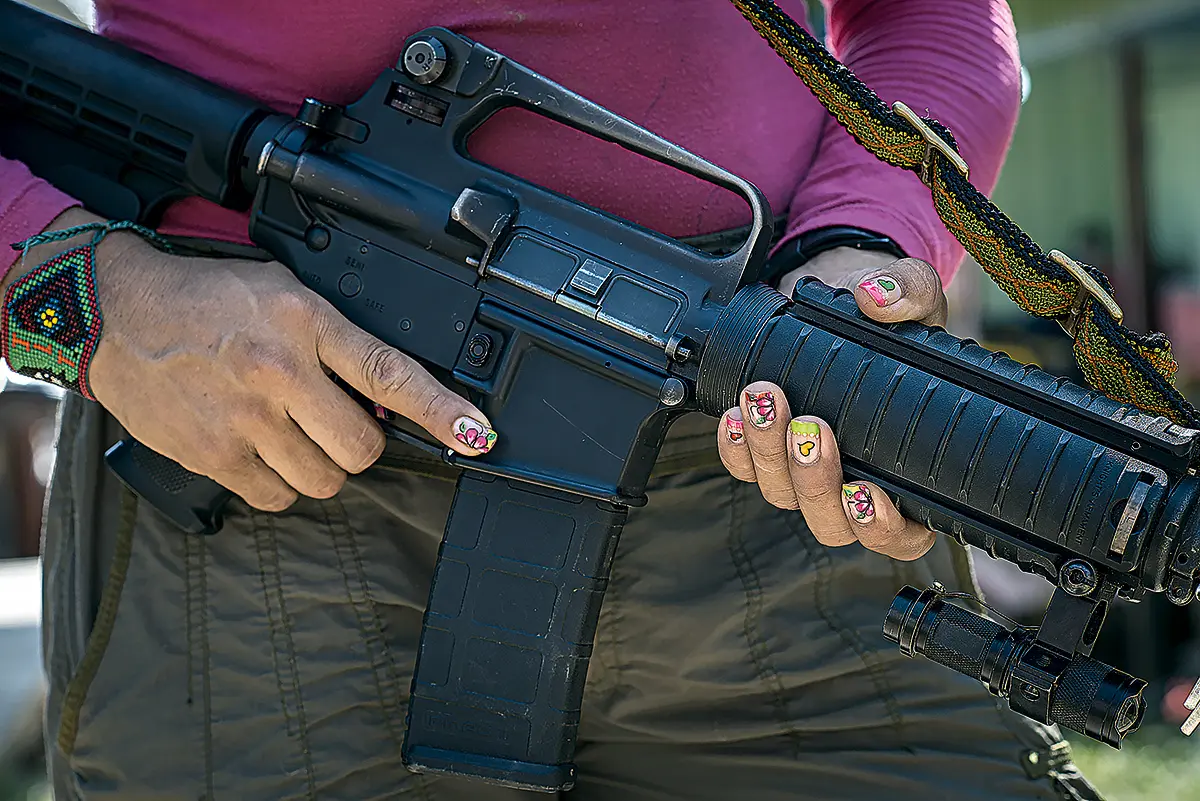
A set of seven analog photographs depicts the hands of members of a paramilitary sect—the “Crusaders”—whose long fingernails, painted black, indicate the practice of magic to gain protection from death and fend off the spirits of those they have murdered. At once feminine and sinister, they allow glimpses of the unfathomable psyche of the murderers and of war’s complex human aspects. Titled Jesús y Satán (Jesus and Satan, 2004), this work by Paulo Licona exemplifies an artistic practice that adopts documentary images in ways barely distinguishable from photojournalism; it even illustrated a reportage about the subject in El Espectador.6 From a journalistic point of view, a similar ambivalence is found in Nadège Mazars’ photograph centered on the AK-47 rifle held by a female FARC recruit, her fingernails decorated with flowers and a heart.
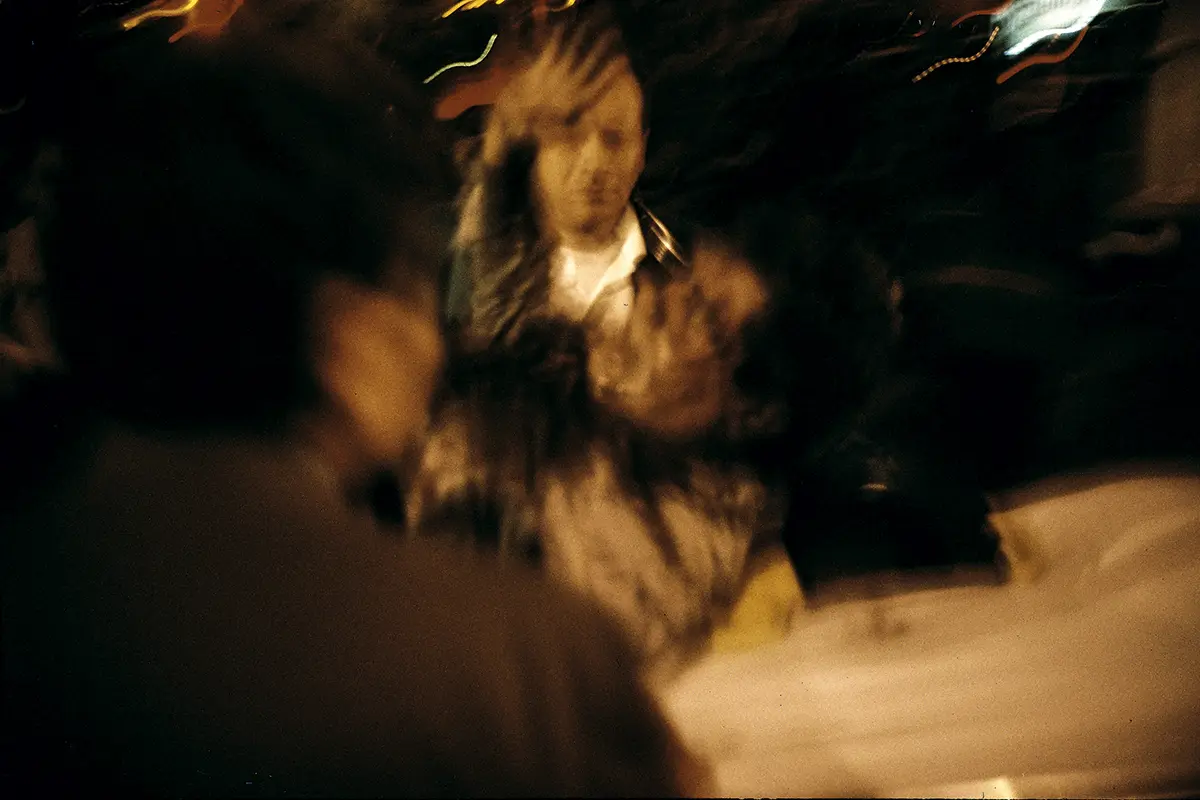
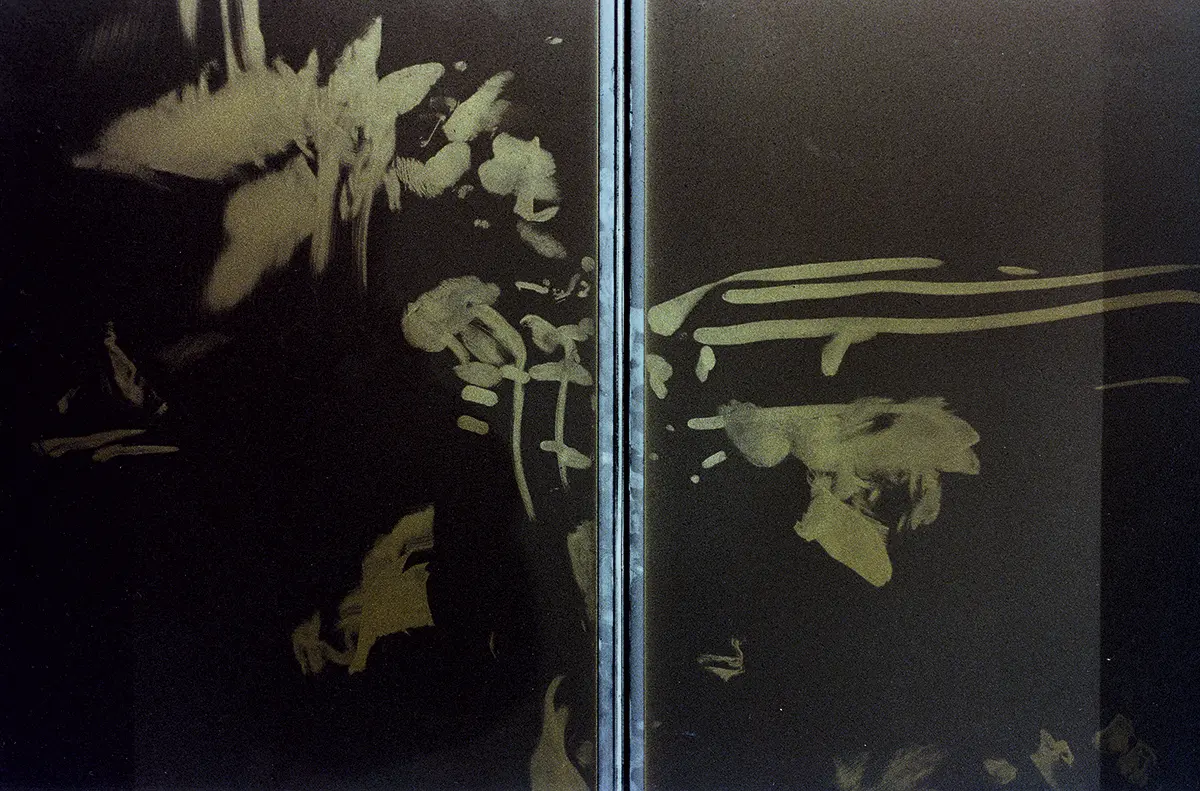
Desde adentro (From the Inside, 2003), by María Elvira Escallón, appears to the gaze as a series of pictorial representations, until upon closer examination we discover they are photographs documenting the traces left behind by victims searching for escape routes in a Bogotá social club after an attack. Covering the same event, Stephen Ferry, a journalist who describes himself as a “non-fiction photographer”, captured the image of a victim without revealing any concrete details (the subject’s identity or his specific location, for example.) Ferry prioritizes a subjective approach in an ambiguous atmosphere of confusion, chaos, and enclosure. 7 Like Escallón, he has chosen to represent the event using a visual strategy that destabilizes the gaze, demonstrating the flexibility of the documentary function in contemporary photojournalism to communicate specific or latent information.
Artistic practice can easily disregard the rules of “non-fiction photography”, such as the command not to doctor, intervene, or stage the shot. Nevertheless, the photo reporter plays with the randomness of the situation and the conditions at the moment of shooting, controls the image, selects the film stock, specifies the lens and the camera, and handles editing (be it digital or darkroom): the boundary between “documentary” art and photojournalism is blurred in those processes.
Is it valid to ask who is an artist, and who decides?
Over time, a historical photograph acquires an imaginary patina that enhances its meaning. It is as if temporal distance gave it gravitas and imbued it with the qualities more often associated with art: sensibility, uniqueness, precision. Photojournalists like Luis B. Ramos, Luis Gaitán, Sady González, Leo Matiz, and Carlos Caicedo, active at different points between the 1930s and the 1990s, are widely recognized today by name, as authors. While internationally the opposite is for the most part true, in Colombia, outside the world of the press and with only a handful of exceptions, such recognition for working photographers is highly unlikely despite the contributions that, like those mentioned above and many others, they make to the genre. How much time needs to pass for a photographic document—the actual image on which will not change—to be loaded with what it already contains? It is a paradox. Our perception of photojournalism suffers from a “yesterday’s news” syndrome: if temporal distance is required for its visual achievements to be seen, this is due, again, to the tacit hierarchies and the arbitrary constraints imposed on the photographic genre.
At a time when artistic practices are characterized by the dislocation of boundaries between disciplines, it behooves us to consider the visual, critical, and sensible capacities of photojournalism and to recognize its practitioners as creators—here, now—of unique, autonomous, auteur images that are loaded with meaning to be deciphered, pathos, and, oftentimes, the audacity to confront great physical risk.
The important issue is not whether photojournalism is art, or how to separate it from its informational function and see it exclusively in aesthetic terms, or how to make it into a new market commodity. A journalistic photograph’s primary function is intrinsic to its conception, and in that measure, uprooting it from its reason for being or reducing it to formal qualities only generates new problems: namely, those associated with the aesthetization of violence and the exploitation of the victims, a critic often lodged against photographers who—like, for example, Sebastião Salgado—have been able to cross the invisible border. Given the urgency of confronting and subverting historical amnesia, it would be more productive for art institutions—research, curatorial efforts, criticism, museums, collections, publications—to suspend the norms that separate them from so vast a capital, to recognize it as an integral part of our visual culture, and to bring it into their image-centered discursive spaces. To that end, a politics of the gaze able to transcend aesthetic boundaries, commonplace views, and mistaken justifications of art’s exclusivity is greatly needed.
NOTES
1. Heyman, Stephen. “Photography’s Place in the Global Art Market”, The New York Times, May 6, 2015.
2. https://www.radionacional.co/noticia/cultura/sumando-ausencias-tributo-artista-doris-salcedo-a-las-victimas. Accessed on: 5/10/2018.
3. https://www.revistaarcadia.com/agenda/articulo/defensa-a-sumando-ausencias-de-doris-salcedo/57113. Accessed on: 5/10/2018.
4. Buitrago Londoño, Alfonso. El 9, Albeiro Lopera, un fotógrafo en guerra. (Medellin, Tragaluz Editores, 2015).
5. Ponce de León, Carolina. Jesús Abad Colorado: Mirar de la vida profunda. (Bogotá, Planeta, 2015).
6. Gallón Salazar, Angélica. “Las uñas negras de los cruzados”, El Espectador. October 16, 2011.
7. Ferry, Stephen. Violentología: Un manual del conflicto colombiano. (Bogotá: Icono Ediciones, 2012).
* Based on a lecture at OjoRojo Fábrica Visual, Bogotá, March 8, 2018.
CAROLINA PONCE DE LEÓN
Independent curator, researcher, and art critic.