The scope of The Metropolis in Latin America, 1830-1930 strains against its confinement to three rooms. It is an intense experience in its dedication to a sprawling period of more than 100 years of geography, structural changes, and themes across six major cities and countries of Latin and South America. The thematic pathway was chosen for the major cities – Buenos Aires, Havana, Lima, Mexico City, Rio de Janeiro, and Santiago de Chile –is their physical transformation from pre- and colonial cities to what is designated as “republican metropolises.” The forces directing the changes are necessarily reduced to those of colonization, independence and national identity, and the modern socioeconomic transformation of the Western world under the impact of the rationalizing forces of capital production.
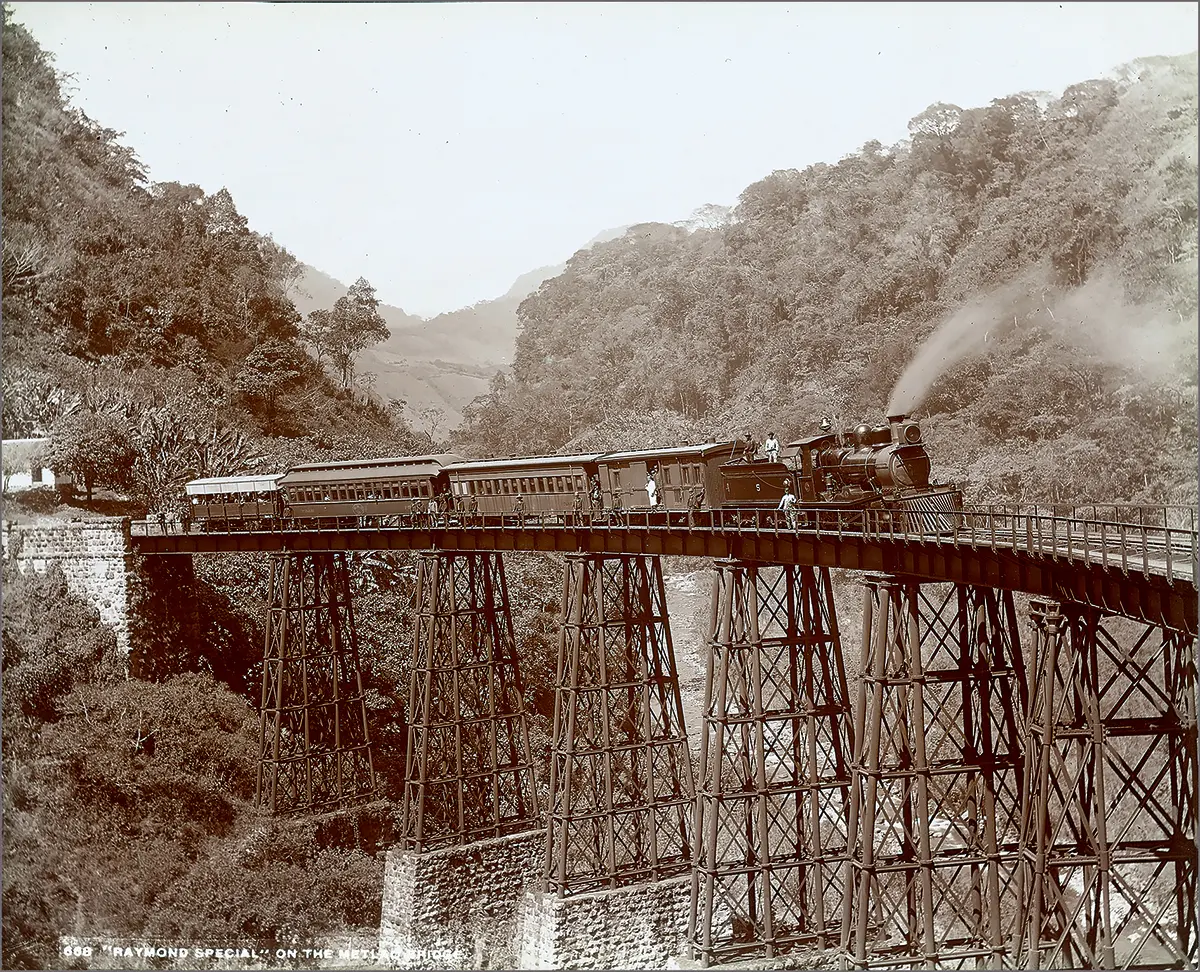
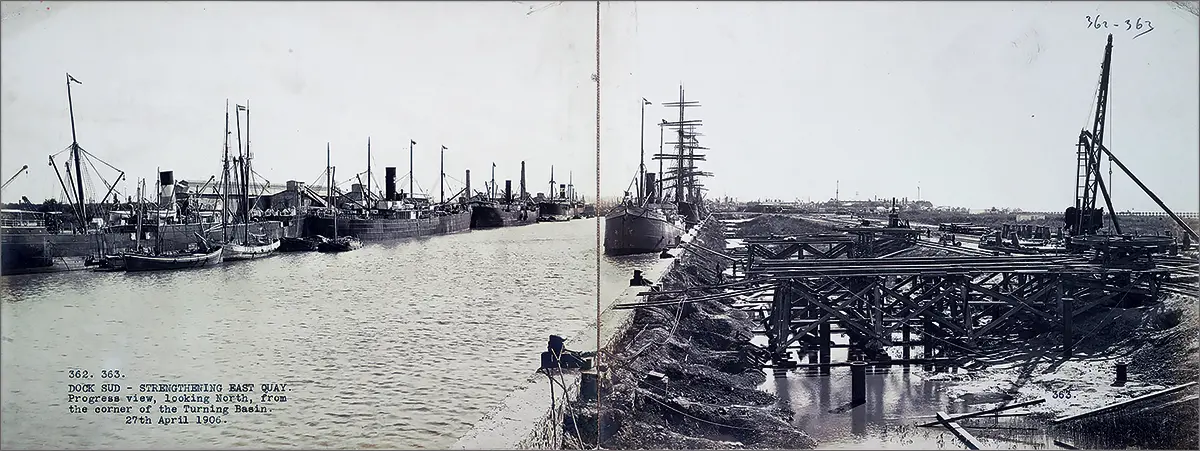
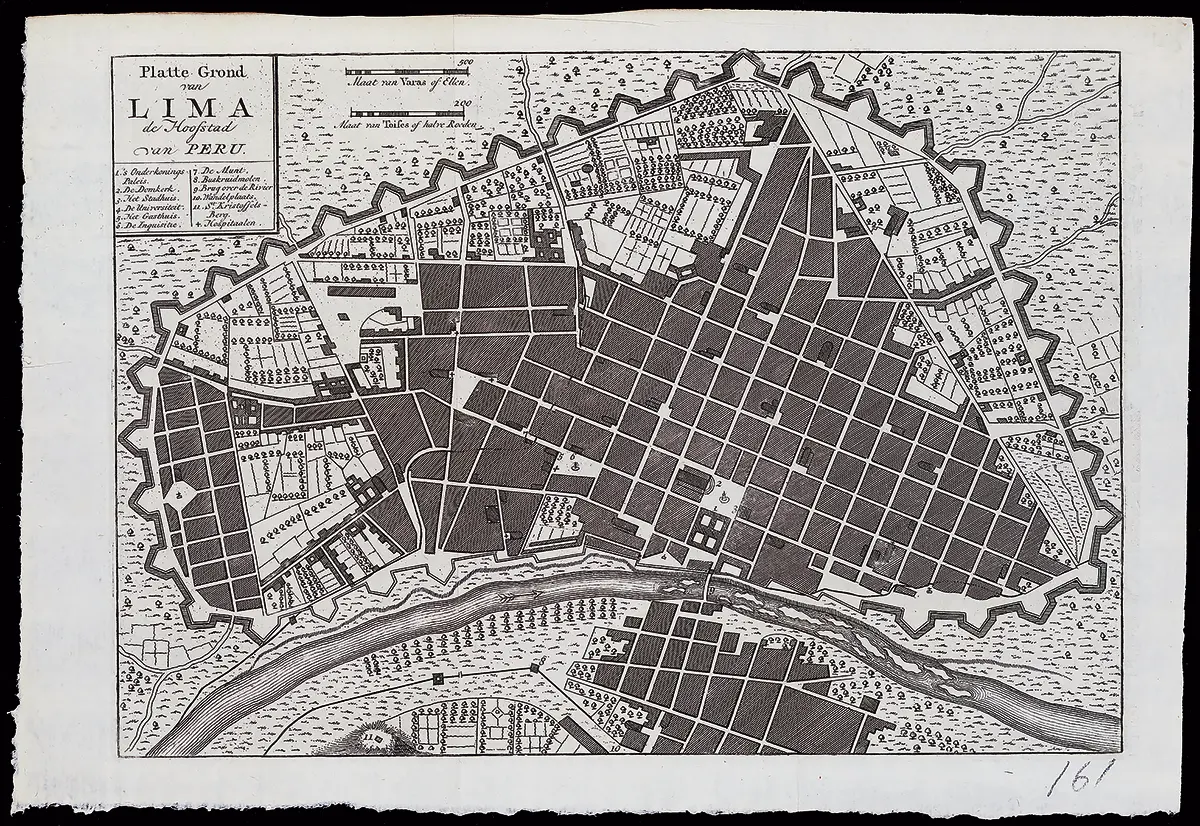
The means for measuring the transformations are a survey of the physical changes in city planning, architectural styles and forms, and public monuments as responses to the increases in scale and kind of population, commerce, status, and emergent leisure classes. These are presented through an array of maps, photographs, plans, and signage. There is an emphasis on the dialogues with European powers but the exhibition attempts to indicate a sense of the local negotiations in the long trajectory from indigenous to early modernism. Such a vast scope necessarily reduces the individual number of variations by city and country. This is obviously an impossible task and a curatorial nightmare, but results are quite effective and the attentive viewer comes away with more than a generalized overview.
A central insight offered to begin the exhibition but not available within the chronological confines is the pre-Hispanic Amerindian use of rationalized city planning well before the colonizing import of the European grid system developed within the Renaissance “ideal city” and enforced by royal decrees, especially from Spain, for application across many of the Latin cities. Two brief examples greet you immediately as a prologue: the rectilinear patterns and four-section layouts for the city of Cuzco prior to the Spanish arrival, and the map of Tenochtitlán (renamed Mexico City by the Spaniards) with its well-known center square utilizing the Aztec system of multiple pyramid temple and plaza constructions. Like Cuzco, it too used an urban grid (likely borrowed from Tula and Teotihuacán) and a four-precinct system distributed in terms of functions and classes, but all of which shared a cosmological orientation, unlike the later European imports.
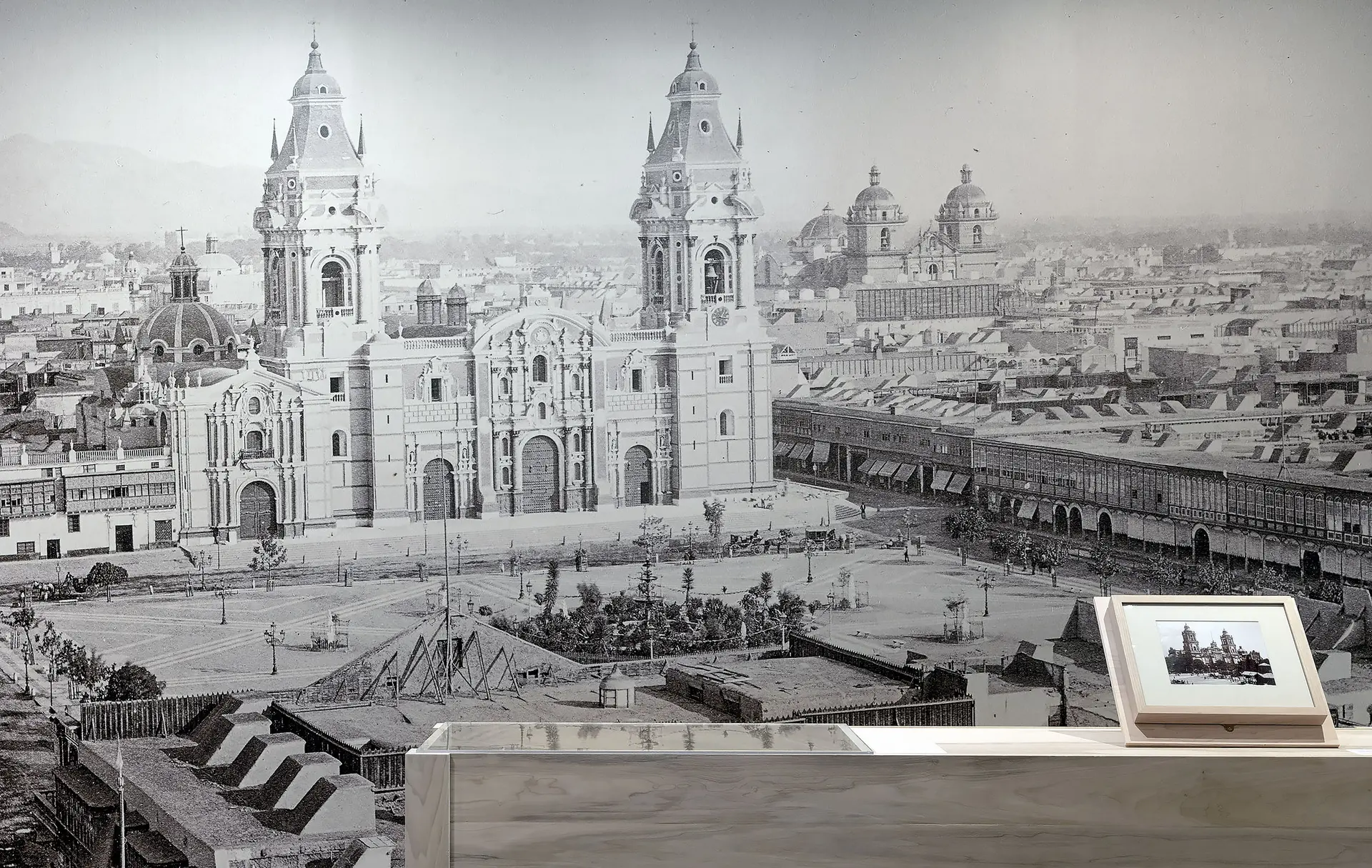
The point is emphasized in the same room with a 20 x 12-foot photograph from the 1870s of the Plaza de Armas with its cathedral in Lima, Peru, a city founded in 1535 by the conquistador Francisco Pizarro according to the dictates for the new colonial cities which were grids centered on the square shape of a central plaza. In this context, it is seen as a blind self-proclaimed triumph within the self-centered ideologies of European efforts to civilize an already rational world.
The large photograph also provides a bridge to the central issue of the 19th century, as this square in Lima is where General José de San Martin (1778-1850), like so many liberators across the Americas, delivered the Proclamation of Independence, which ushers in various periods of national self-examination but one certainly not unhinged from the European continent, a dialogue that provides the basis for the rest of the exhibition.
The development of the 19th century republican cities is a result of the well-known socioeconomic forces moving through the industrialized mercantile systems of the day, at a time when post-colonial independence, from the 1820s forward, slowly organized itself into resurgent forces of self-examination and issues of identity by the 1870s. The same forces also pressured a homogenization that eventually manifested in what we today recognize, in its varying forms as perhaps the first global modernism – or modernisms – whose golden period came in the post-WW I period of the 1920s and 30s. This is the overall arc of the exhibition.
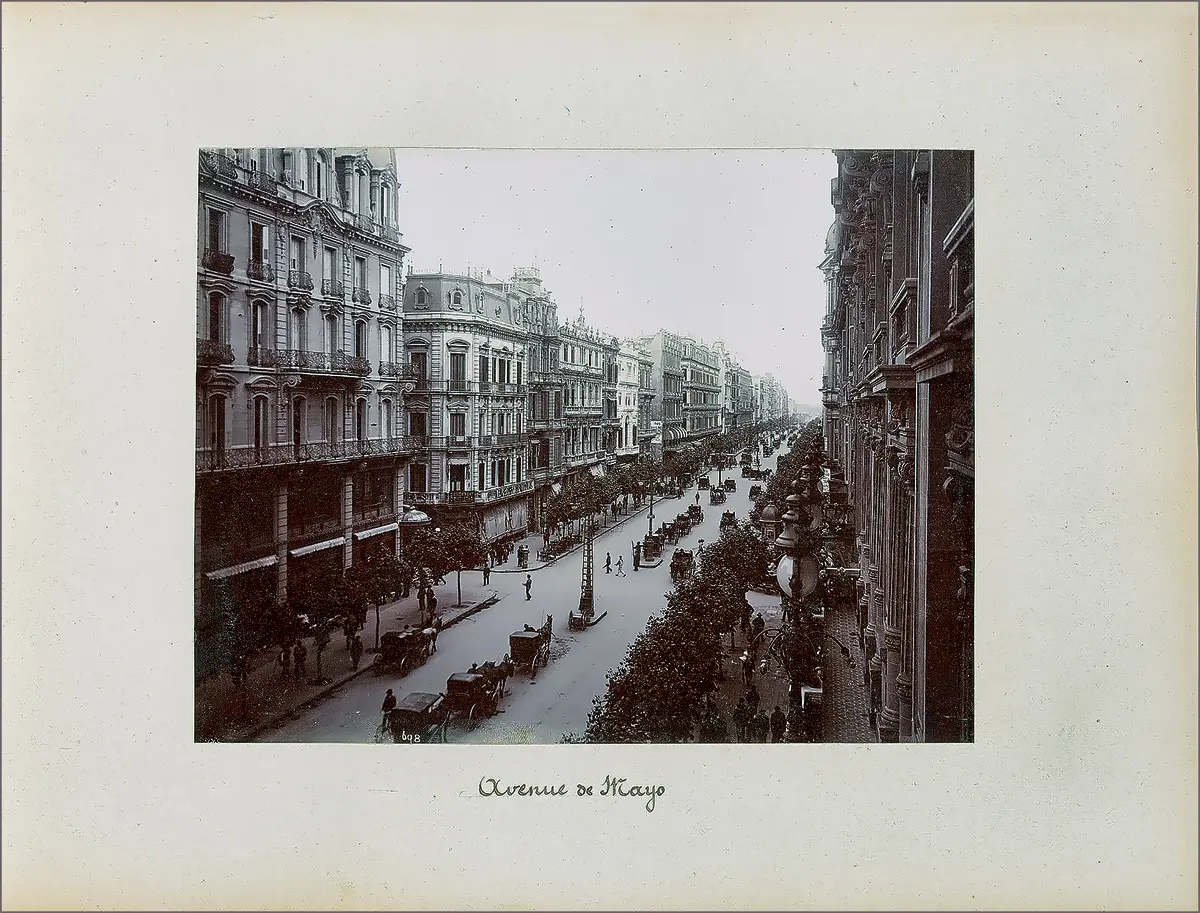
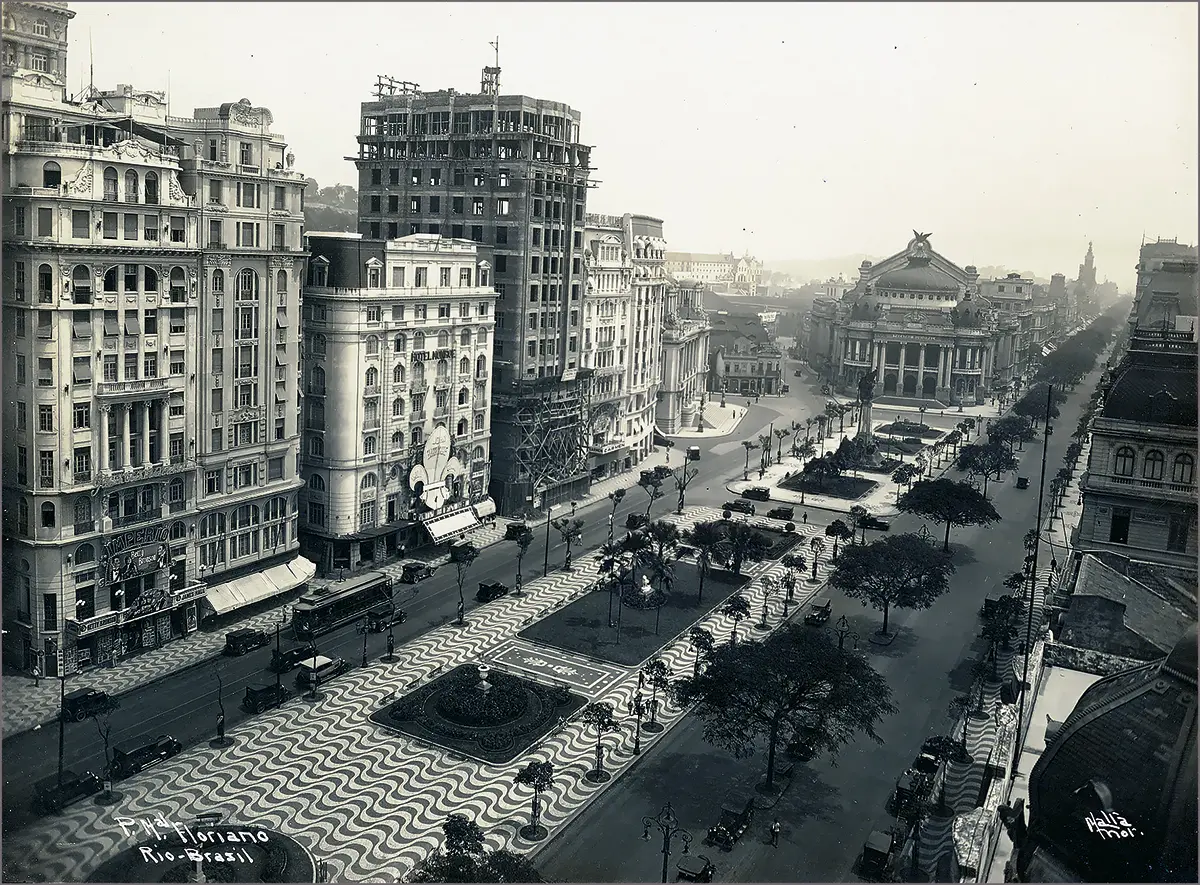
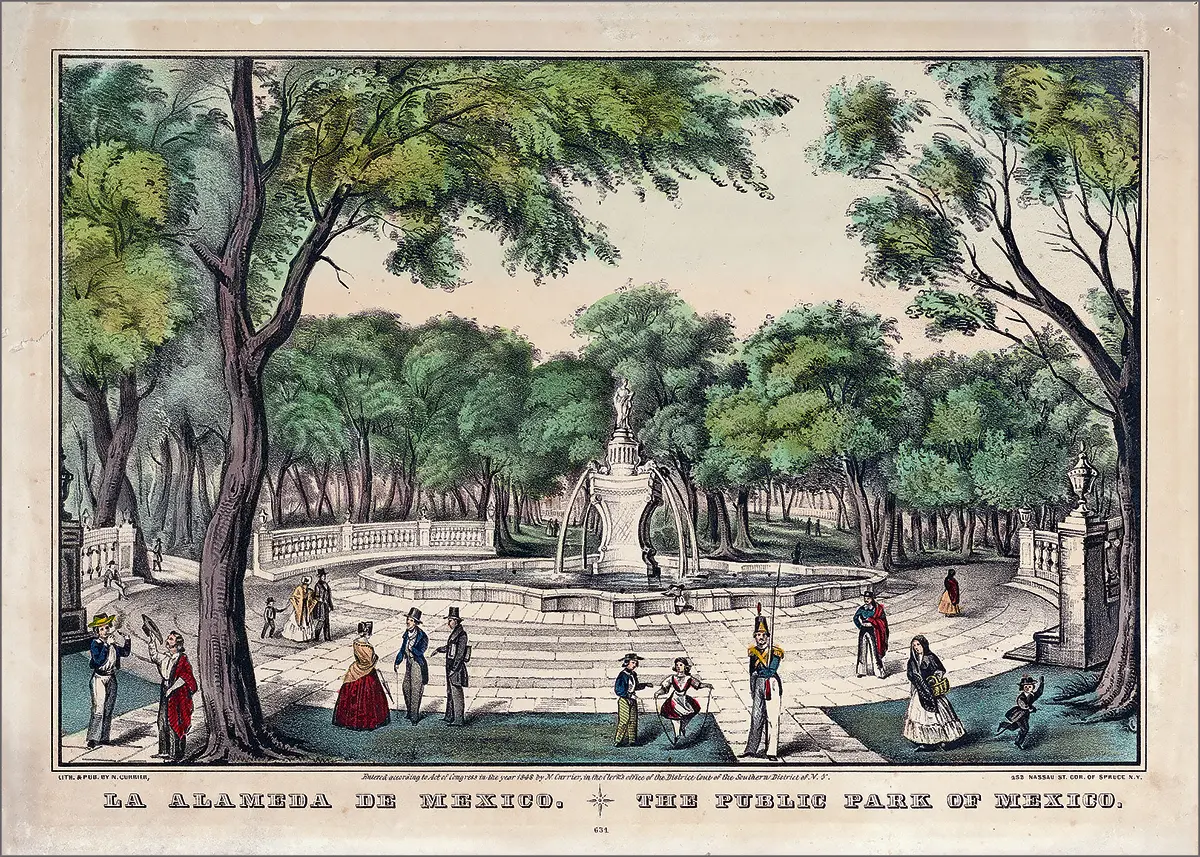
Emphasis is on the import of the European grand boulevards and radiating avenues with their parks and fountains into Latin metropolises. A small French chromolithograph of an afternoon promenade (“paseo”) in the reconstructed section of La Cañada, Santiago de Chile, shows huge crowds of leisurely strollers in colorful, elegant dresses and tailored suits with top hats found in so many images across European cities. Other images show the new cultural spaces of museums, theatres, and cinema buildings, along paved streets with electric-powered streetcars; the fruits of modernism for the new bourgeoisie.
And here the exhibition slightly opens a door it could not as yet walkthrough. Acknowledging Rio de Janeiro as the “Paris of Latin America” is a well-deserved historical nod to its cosmopolitanism, but is far less interesting than how it does not imitate Paris. The exhibition is clearly aware of such necessary limits and uses several smaller examples to make the important point of localized hybridity.
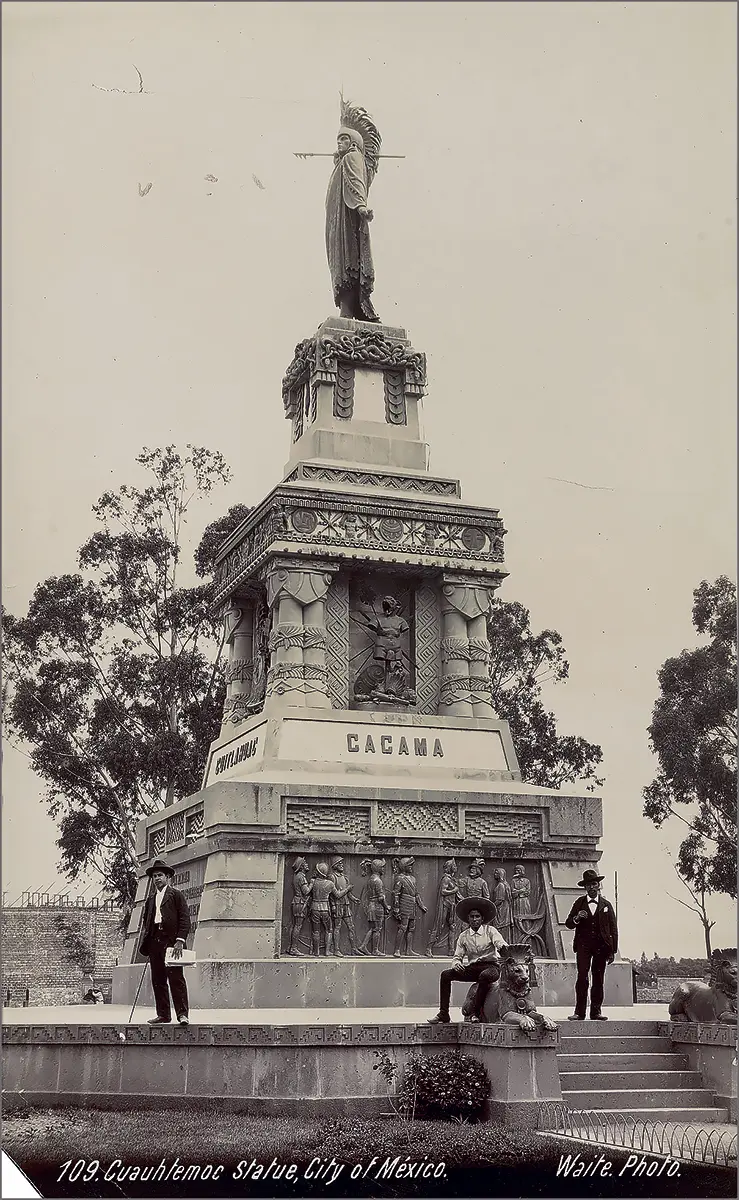
The use of the European monumental mounted equestrian public sculpture was adopted in 1862 for the liberator of Rio de Janeiro, Dom Pedro I, cast in France and used the typical allegorical figures of “local” natives to represent the four rivers of Brazil. In contrast, a 1907 statue of Cuauhtémoc, the last Aztec ruler of Tenochtitlán and executed by Cortés for his resistance to colonialism, dressed him in his own clothing with local implements of war and geometric fret patterns from Mayan sites to revive and integrate the pre-Hispanic into a new fusion on the grand boulevard. The reassessment of national identities had already produced similar admixtures for which the Argentine writer Ricardo Rojas (1882-1957) in 1924 proposed to apply the Spanish for miscegenation, the process of mixing ancestries, “mestizaje,” for the blend of Spanish and indigenous forms. The purest return to pre-Hispanic roots was in the Mexico pavilion for the Paris Exposition of 1889. This is the negotiated modernism of greatest interest and the next step in the conversations between the local and the global at a time when concern for national identities has returned.
*Los Angeles, Getty Research Institute.
RICHARD LESLIE
Author, critic, historian. Teaches cultural theory, global and media studies at the School of Visual Arts, New York.