

Sexuality has always played a significant role in the collective imagination. Beyond the representation of the body in the arts, the subject of sexuality underscores complex political and social matters. The exhibition Histórias da sexualidade (Histories of Sexuality), at MASP, offered a wide-ranging panorama of the subject at an opportune time for debate in Brazil, where recent events have bought to the fore issues concerning sexuality and the boundary between individual liberty and freedom of expression, amidst public clashes, protests, and violent expressions in the media.
The show was curated by Adriano Pedrosa, artistic director; Camila Bechelany, assistant curator; Lilia Schwarcz, adjunct curator of histories; and Pablo León de la Barra, adjunct curator of Latin American art, all at MASP. It traversed times, geographies, and various languages, and was the result of a long and intense process that included two international seminars held in September of 2016 and May of 2017. Histórias da sexualidade was part of the museum’s year-round program entirely devoted to histories of sexuality, which in 2017 featured solo exhibitions by Teresinha Soares, Wanda Pimentel, Miguel Rio Branco, Henri de Toulouse-Lautrec, Tracey Moffatt, Pedro Correia de Araújo, Guerrilla Girls, and Tunga.
This MASP initiative brings together art and sexuality as a way to foster understanding of the processes that involve both the production of artistic images and the discourses produced around them, especially with regards to the establishment of sexual and gender identities. Reading images from that standpoint was a powerful exercise in the enjoyment of three hundred works of art grouped into the following thematic (not chronological) nodes: Nude bodies; Totemisms; Religiosities; Gender Performativities; Sexual Games; Sexual Markets; Languages; Voyeurisms; Body Politics; and Activisms.
Displayed in new contexts, some works by artists that were central to the exhibition—like Edgar Degas, Maria Auxiliadora da Silva, Pablo Picasso, Paul Gauguin, Suzanne Valadon, and Victor Meirelles—found new possibilities for their reading and understanding. Next to them, a selection of works in different formats, from different periods and territories, made truly multiple histories possible, challenging hierarchies and boundaries between the types and categories of objects of a more conventional Art History: from pre-Columbian to Modern art; from folk to contemporary art; from sacred to conceptual art; featuring art from Africa, Asia, Europe, and the Americas and including paintings, drawings, sculptures, photographs, photocopies, videos, documents, publications, among others.
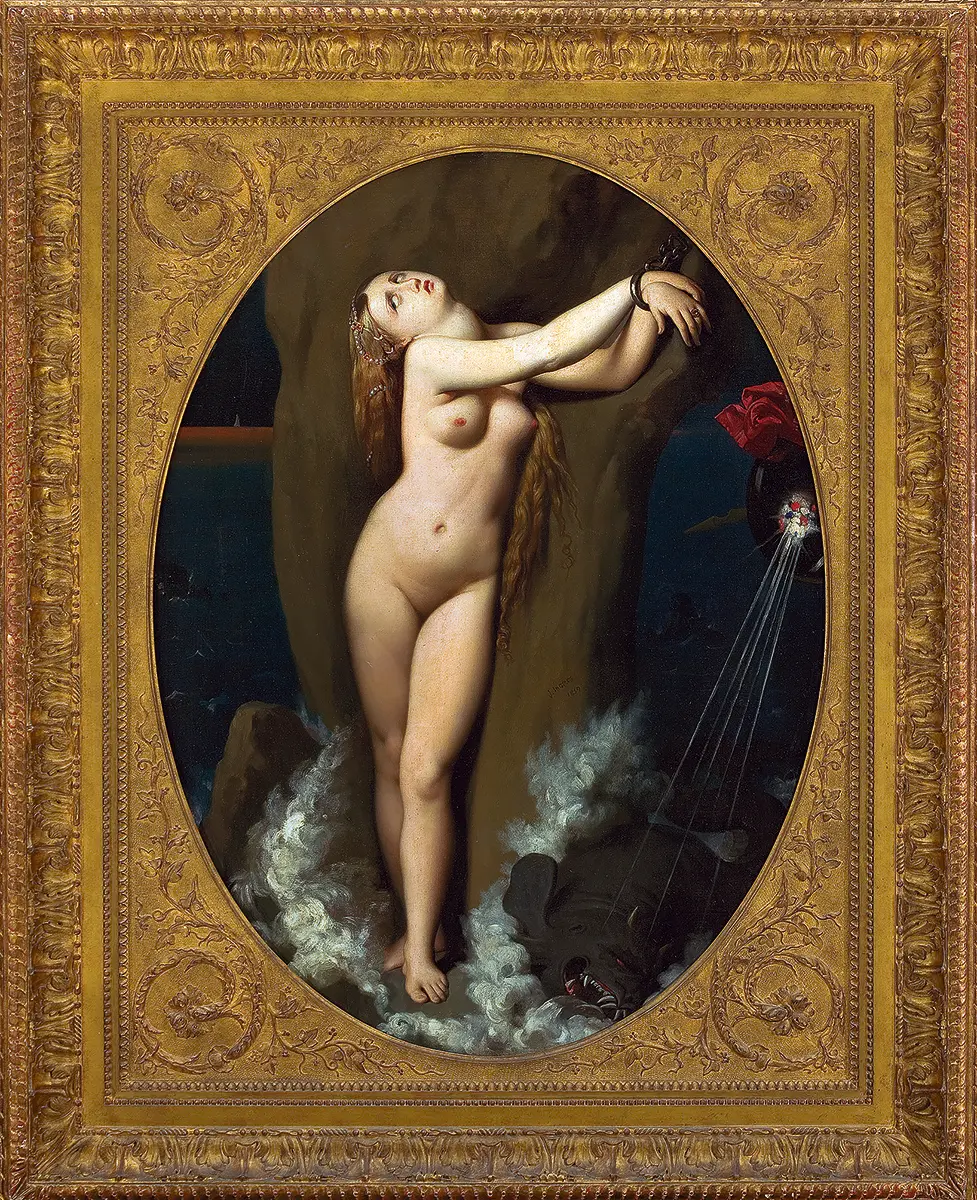
Many of these works made explicit how, in the course of the history of Western art, the female body was a recursive theme on the basis of a male gaze extended over the idealized image of women. Paintings like Angelica in Chains, from 1859, by Jean-Auguste Dominique Ingres, and Moema, from 1866, by Victor Meirelles, both included in the Nude Bodies section, illustrating the way in which the so-called “universal art history” solidified the depiction of female submissiveness under a tyrannical male gaze, albeit under the cover of allegory and the “nude genre” (which, by the way, was until then devoted only to women’s bodies.)
We must remember that, historically, women were barred from drawing from live nude models, a practice that was for centuries the foundation of academic training in the arts. Ultimately, female artists needed to be subjected to control in one way or another, and they were forbidden to train outside the domestic aesthetic context. Interior decoration, floral arrangements, and piano playing were more “feminine” practices.
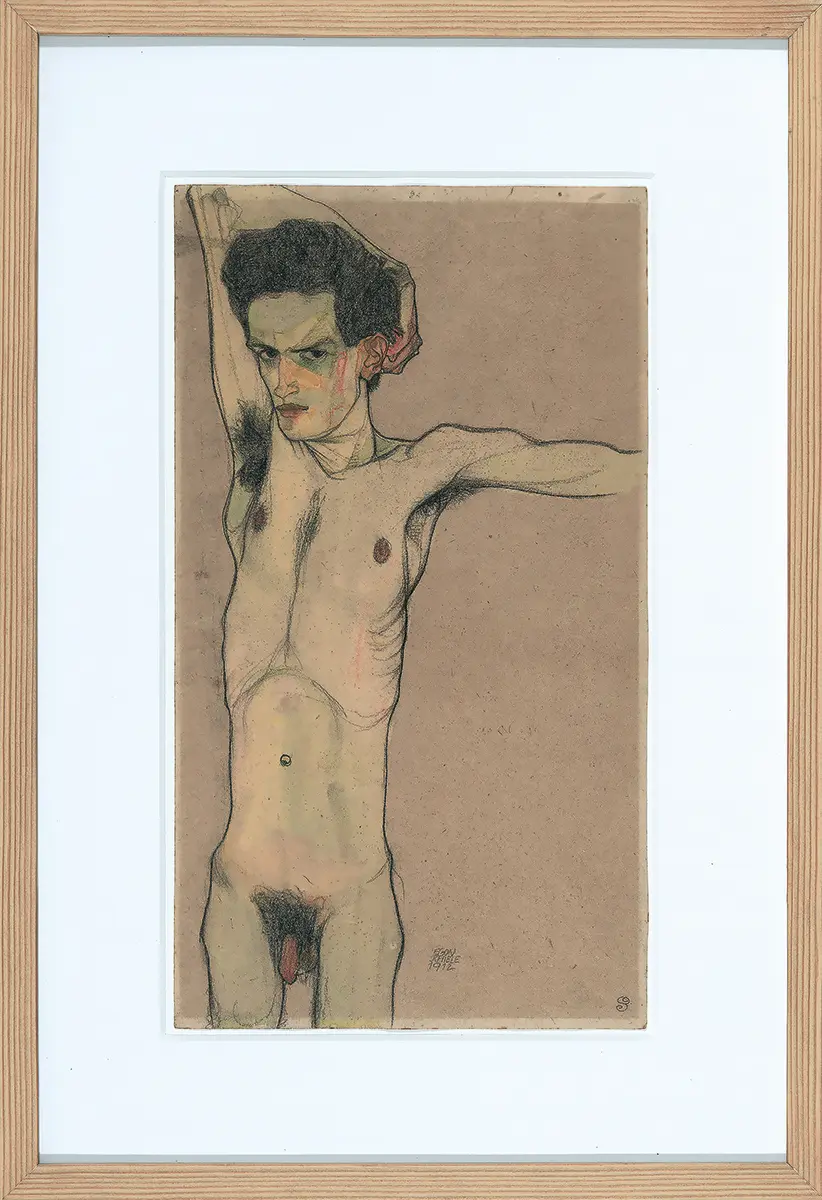
All of this began to change at the turn of the Twentieth Century. Egon Schiele’s 1910 Nude Self-Portrait marked the advent of Modernism, which brought about a paradigm shift even as some artists continued to depict bordellos and prostitutes from a decidedly male gaze. Schiele proved to be an emblematic case, given that his markedly erotic repertoire encompassed issues of sexuality and gender from a point of view that was entirely new for his era. Under the apparently eccentric subjectivity of his images is a unique perspective on the hybrid character of gender, something that became an accepted subject for debate only in the contemporary period. Schiele appears as a harbinger of debates that would bubble up to the surface many decades later, especially under the influx of postcolonial theory in contemporary art.
It was indeed on the basis of this new way of looking, in a gambit towards artistic practices emerged outside the United States and Europe, in particular those from the Middle East and Latin America, that feminism and gender theory debates expanded beyond a narrow conceptual frame and engaged in an ever more pluralistic and less stereotypical understanding of sexual diversity. This expansion in turn generated the queer theorization of the overflow of gender identities that marks not only academic discourses today but also the art field.
Several contemporary artists took these new principles as their platform in order to deconstruct essentialist notions of gender, articulating an interesting and complex relationship between artistic practice and post-identifying discussions. A number of works included in the exhibition express this view. Untitled (gay), from the Deaf Gay series, is part of a set of photographs by American artist Dean Sameshima that compose a “wonderland” permeated by nude male bodies. The photograph titled Movimento de Arte Pornô - Performance na praia de Ipanema (Porn Art Movement – Performance at Ipanema Beach, 1981) documents an action by Brazilian artist Eduardo Kac, who was part of a Rio de Janeiro experimental-art movement that launched programmatic interventions over the course of two years, with a number of public actions and publications proposing “Pornism” as a poetic movement.

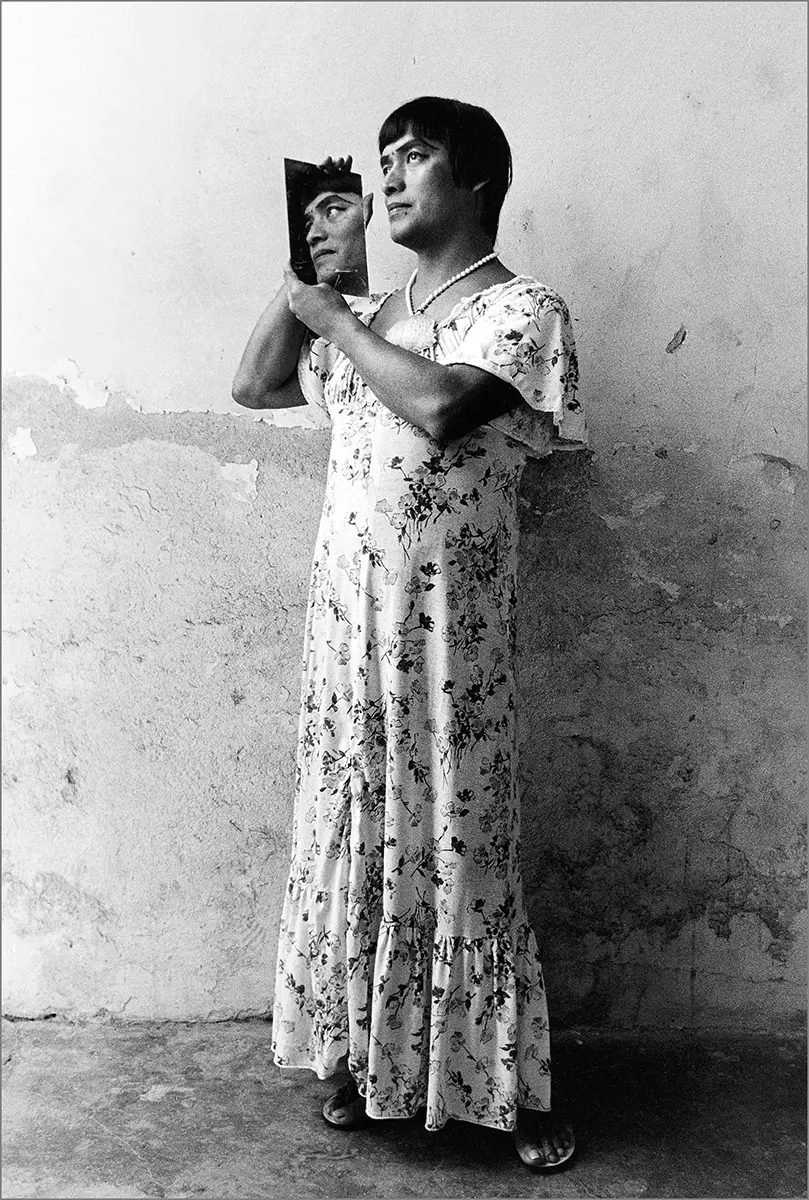
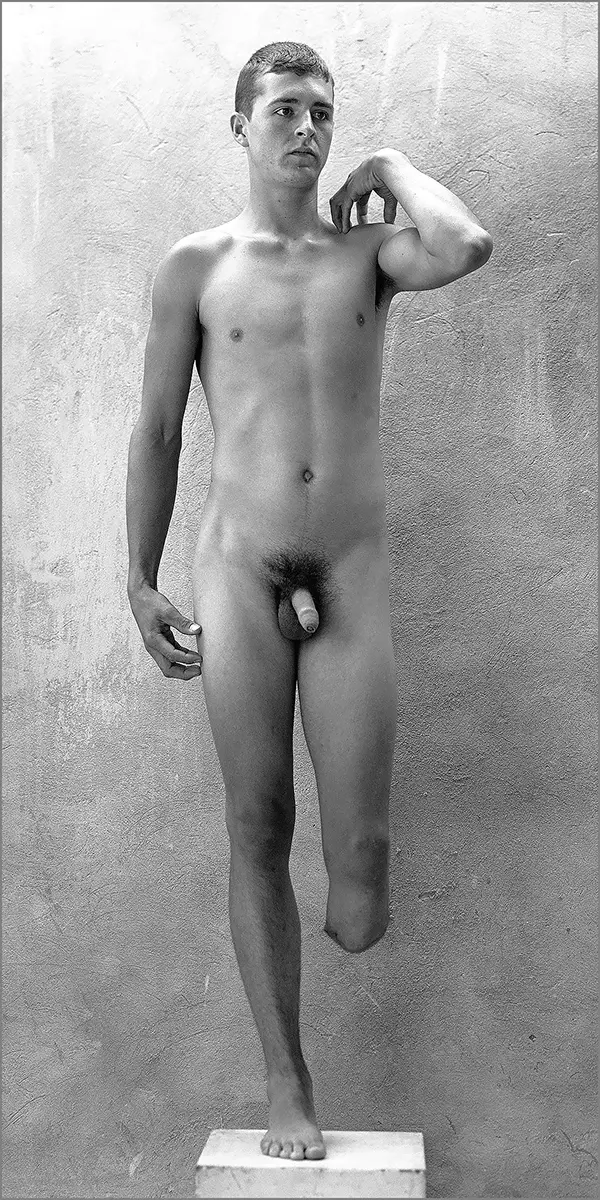
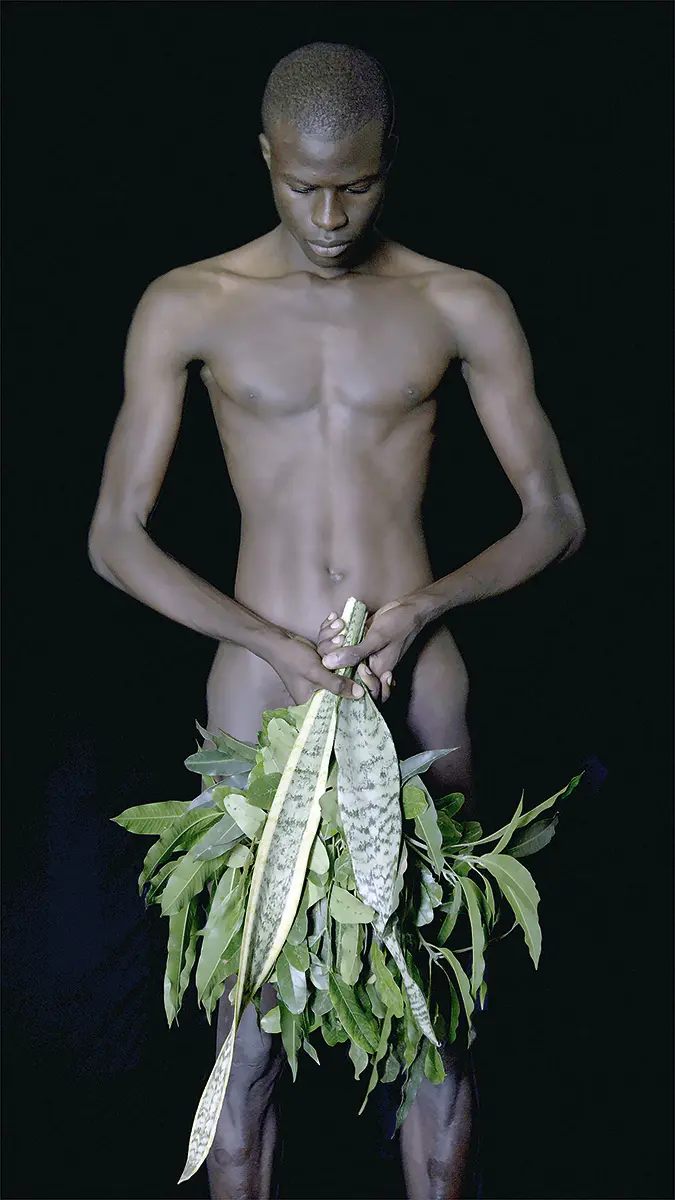
Heterodox thematic connections became recurrent. Magnolia con espejo, Juchitán (Magnolia with Mirror, Juchitán, 1986), by Mexican artist Graciela Iturbide, engages gender typology from a unique ethno-artistic perspective. Gaye com folhas Gu (Gaye with Gu Leaves, 2015), a photograph by Brazil’s Ayrson Heráclito, depicts the ancestral afro-Brazilian element by means of a semi-nude black body whose genitals are covered by plants of powerful religious symbolism. The work of Colombian artist Miguel Ángel Rojas shows a connection between sexuality, underground culture, and violence. In his David (reference to Michelangelo included), the legend of the young man who defeated a giant is transposed into the story of a soldier who lost a leg to an antipersonnel mine left behind by the war. Rojas convinced the soldier to pose nude, questioning the prototype of classical beauty, translated in this work in the rare sadness of a young man and his stolen beauty.
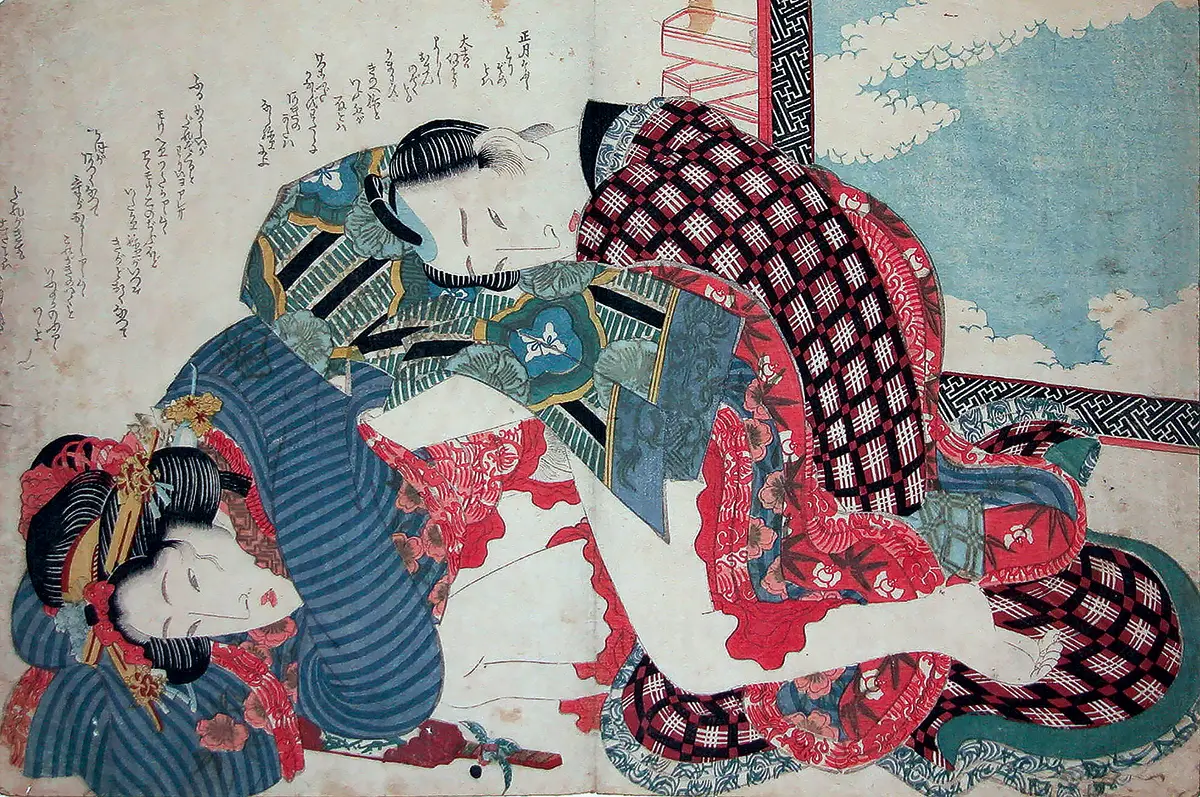
Histórias da sexualidade highlighted, above all, the fact that there are no absolute or definitive truths when it comes to sexuality. Among many European and indigenous peoples, for example, nudity in public places is seen as natural; polygamy is customary in some Muslim societies; sex work is a legally accepted practice in some countries but continues to be criminalized in others; there are places where abortion is legal and places where it is prohibited. Even the notion of childhood has changed over time, as have the norms for specifying age. With emancipatory subjectivities, artists proved that the boundaries of the morally acceptable can be changed. This is the case of Guanaroca (Esculturas rupestres) [First Woman (Rupestrian Sculptures),1981], by Ana Mendieta, which refers to the totemic vulvas in pre-historic art, and also the Japanese engraving New Year’s Day, by Eisen, an exemplar of the Asian style of art where sex was portrayed in explicit ways.
With its initiative to engage the subject of sexuality, the MASP responds to the need to create spaces for a dialog in which practical beliefs and political orientations are able to coexist. The exhibition Histórias da sexualidade struck a note of respect for others, difference, and artistic freedom. It broke through naturalized ways of seeing and discourses about Western art to make it possible for taboo topics, sex among them, to be understood beyond any moral stigma. It asserted, in the end, a different gaze.
ALESSANDRA SIMÕES