It is difficult to play the role of clairvoyant when reality ceases to be a distant vision and the signs of what the future might bring are already in plain sight. On September 15, 2017, the worlds of Latin American and Latino art came together in the city of Los Angeles to celebrate a unique event: the much-anticipated opening of Pacific Standard Time: LA/LA (PST: LA/LA). Four years in the making, this mega-event, organized and sponsored by the Getty Foundation, resulted in over 70 exhibitions of Latin American and Latino art in museums, university galleries, and community centers across Southern California, from Los Angeles to Palm Springs and from San Diego to Santa Barbara. PST: LA/LA follows and expands the blueprint established by the first Pacific Standard Time exhibition Art in L.A., 1945-1980 which took place from October 2011 through March 2012, also under the auspices of the Getty Foundation. This second edition involved an unprecedented display of art from California, Mexico, Central America, the Caribbean, and South America in formats ranging from full-blown artists’ retrospectives and in-depth art historical period surveys to quirky thematic group shows. Beyond the historical significance of the artists and the sophisticated quality of the displayed works, the democratic reach of the event was palpable, bringing together grassroots organizations, alternative centers, and mainstream museums, while in the process blurring racial or class distinctions in a hemispheric celebration of Latin art.
Indeed, for anyone involved in Latin American and Latina/o art—unquestionably two of the most dynamic fields of contemporary art production, study, and collecting today—PST: LA/LA cannot but mark a decisive moment with major implications for their future. By situating Latin American and Latina/o art at the center of artistic contemporaneity, this mega-exhibition marks the consolidation and legitimacy of these fields of action. This fact is evident in the number of shows providing fresh new perspectives on the pioneering role of our artists in areas such as Constructivism, Kinetic Art, Conceptualism, Performance, Video Art, and Design. The extent of their contributions override the well-known, by now commonplace, parameters of identity. The scope of these exhibitions extended to include completely unedited topics such as the presence of Japanese artists that constituted the focus of Transpacific Borderlands: The Art of Japanese Diaspora in Lima, Los Angeles, Mexico City, and São Paulo (Japanese American Art Museum). A second unanticipated parallel lies in the influence of artists of Chinese descent in the Caribbean displayed in Circles and Circuits II: Contemporary Chinese Caribbean Art (Chinese American Art Museum). In this case, the Los Angeles “mestizo” scene must be credited for stimulating (as in any multicultural country that takes pride in itself) a global reflection about two communities of artists that, until now, remain alien to the Official History of Latin American art. Once considered, this type of nexus is one of the assets of the LA/LA transnational connection. To this must be added the number of “first” U.S. retrospectives of artists such as the Brazilians Ana Maria Maiolino (LA MOCA) and Valeska Soares (Santa Barbara Museum of Art) as well as national surveys of countries under-represented in the international mainstream such as Guatemala from 33,000 km: Contemporary Art 1960-Present (MCA Santa Barbara).
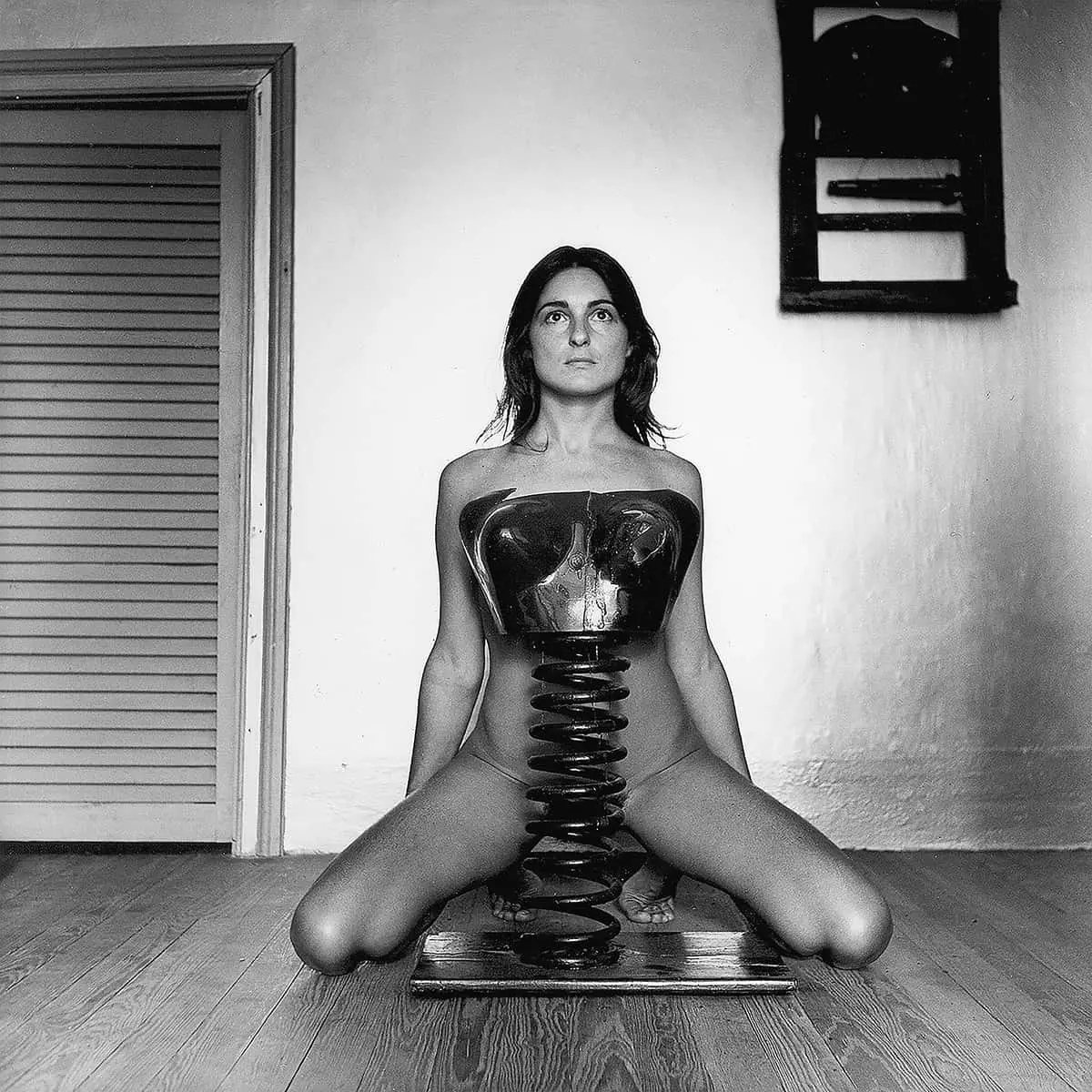
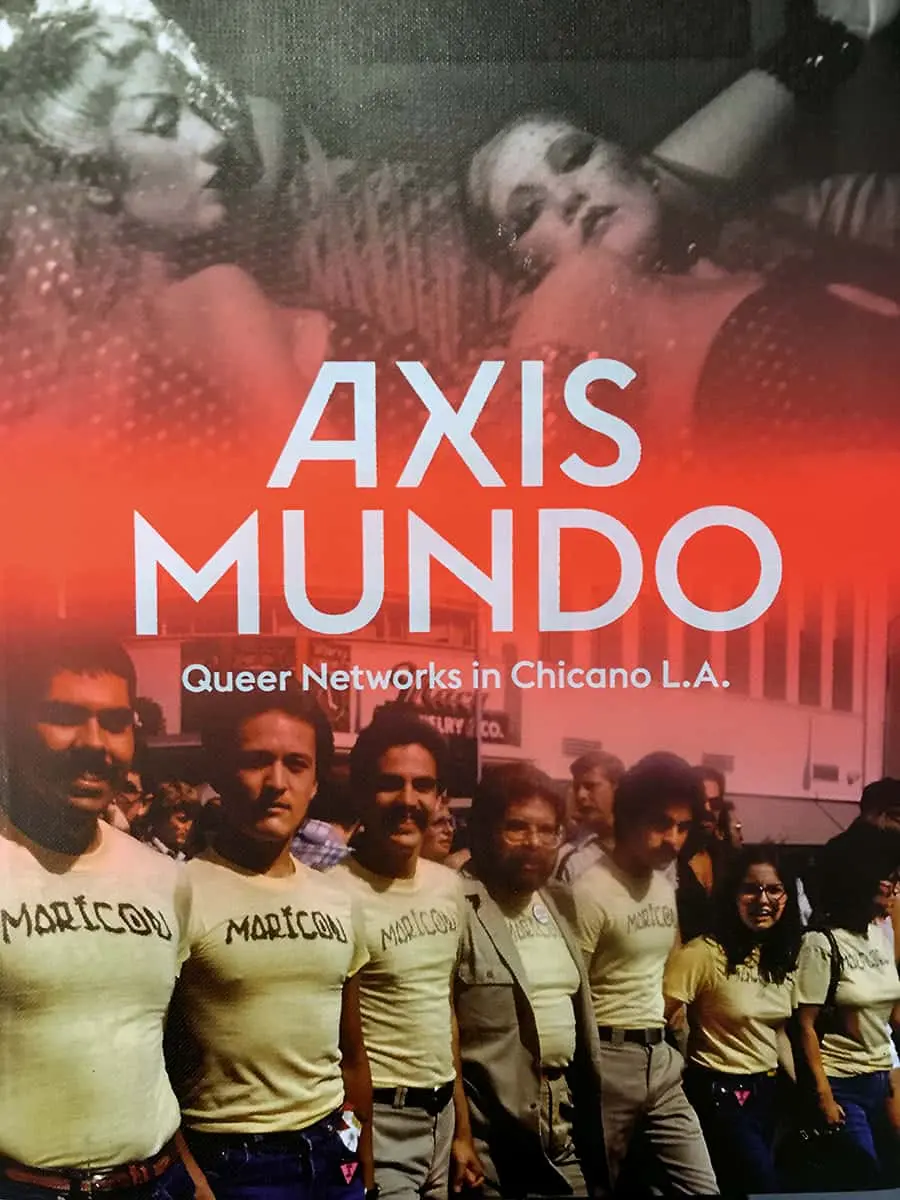
With regards to the “visionary reality” that I am referencing, there is another important aspect of PST: LA/LA to consider: While Latin American art has been a hot market commodity for some time, even more, important was the Getty’s strategy to flip attention to Latina/o art. It’s one thing to acknowledge the artists’ cultural origins and, a very different one, to consider them from the artistic point of view. The growing ascendancy of this art was also on display in a large number of Chicana/o artists and groups—many of them until now significantly under-recognized—that were the focus of major collective or solo initiatives. These included first-time retrospectives of painter Carlos Almaraz (LACMA), photographer Laura Aguilar (Vincent Price Art Museum); Chicano Gilbert “Magu” Luján (University Art Galleries, UC Irvine); the combined retrospective of conceptual artists Patssi Valdez and Judithe Hernández (Millard Sheets Art Center), the only women participants of the collectives ASCO and Los Four, respectively. Also worthy of mention are groundbreaking archive-based shows such as Axis Mundo: Queer Networks in Chicano L.A.—the first exhibition on this topic organized by ONE National Gay & Lesbian Archives at the USC Libraries—and La Raza, the first survey of the role played by photographer’s affiliated with this bilingual newspaper in the U.S. Civil Rights Movement (Autry Museum of the American West in collaboration with the UCLA Chicano Studies Research Center). Each one of these exhibitions succeeded not only in bringing to light significant bodies of work but also in situating them in the broader art-historical framework of post-1945 art. Additionally, the organization of these exhibitions speaks to the forward-looking thrust of the California mega-event that unabashedly affirms the authentic diversity of this complex country while simultaneously recognizing us as the potential demographic majority.
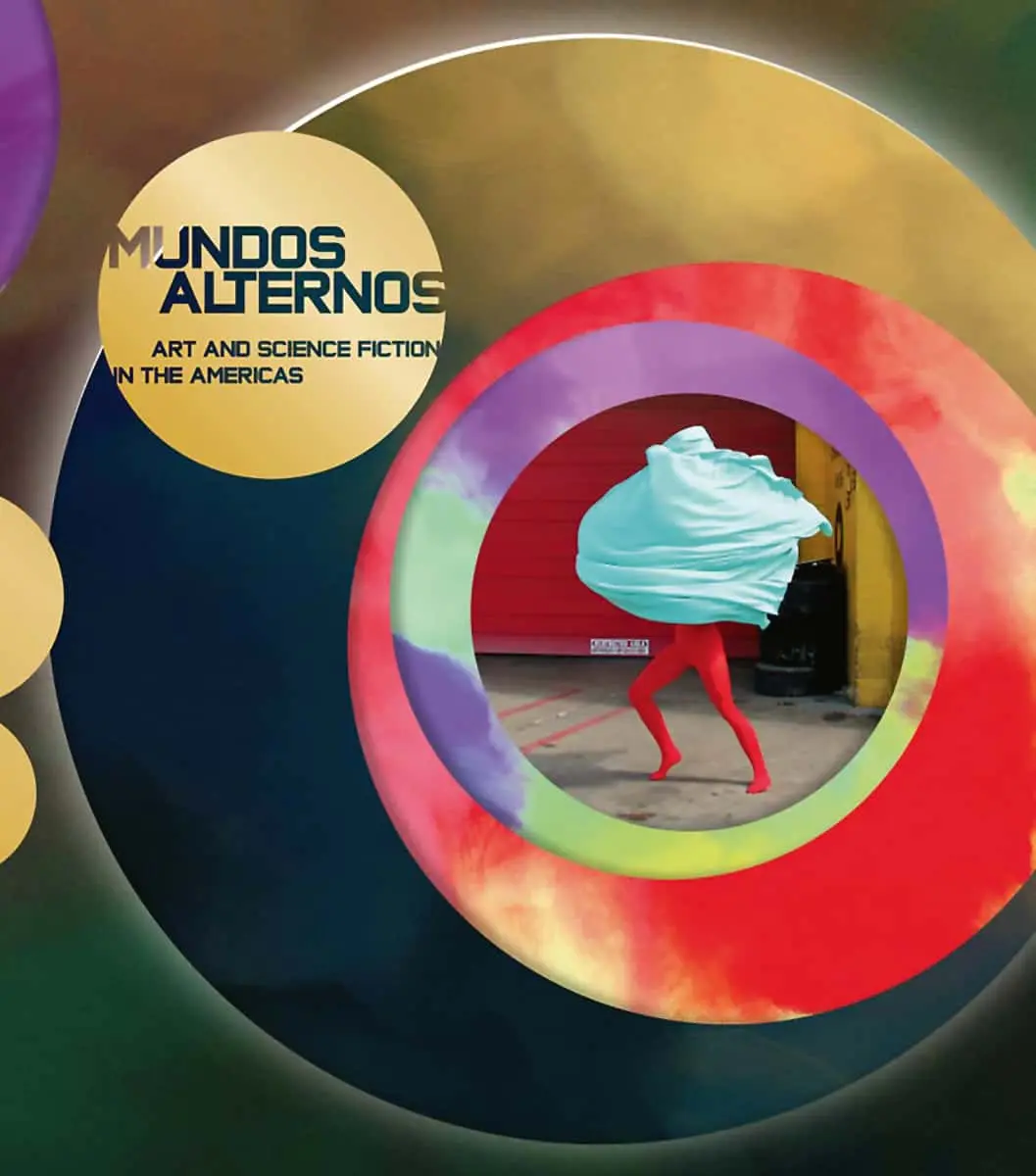
Yet, by far the most outstanding accomplishment of this historic trans-national and trans-ethnic effort was the opportunity to see works by Latin American and Latina/o artists either side by side or in proximity, thereby breaking down “the border” and propitiating a dialogue between two related fields that, despite their intrinsic affinities, have undergone distinctly separate developments. This allows the U.S.-based viewer an insight into how Anglo culture and ideology are viewed from the Latino cultural lens. Beginning with Home – So Different, So Appealing (LACMA and MFAH, Houston)—the first show to theorize and test this integrated model, with unexpected results, through the universal theme of “home”—a number of the most exciting large-scale exhibitions presented Latin American and Latino artists side by side. In many cases, the results made for some of the most eccentric yet highly original exhibitions. In How to Read El Pato Pascual: Disney’s Latin America and Latin America’s Disney (The Luckman Gallery, Cal State LA, and the Schindler House), the Donald Duck character serves as the entry point for an exploration of artist’s representations of U.S. Imperialism inspired by the broad popularity throughout Latin America of Chilean scholars Ariel Dorfman and Armand Mattelart’s 1971 book on the subject, written under Salvador Allende’s Unidad Popular government. While the show had the misfortune of being displayed in two spaces, neither of which was particularly apt for the body of work presented, it brought together an enticing ensemble of artists from all over Latin America and Latino USA in stimulating dialogues. Of particular interest were the monumental works in plastiline by the Argentinean collective Mondongo, the codices of Enrique Chagoya, and the early works by Mel Casas. By contrast, in Mundos Alternos: Art and Science Fiction in the Americas (UC Riverside Museum), science fiction functions as a trope through which to explore Latin America’s history of colonialism and repression and the capacity of this culture to imagine new utopias and dystopias. The notion of “alternate worlds” challenges concepts of citizenship, nations, and borders that serve as the basis for contemporary society while questioning the status of “aliens” (immigrants). The most striking piece in the exhibition, a corn-shaped wooden spaceship for “intergalactic” global meetings filled with hand-crafted Zapatista icons and symbols, is a collaboration between the artist Rigo 23 and Zapatista artist and artisans in Chiapas, Mexico.
Pacific Standard Time: LA/LA has been referred to as LA’s contemporary art biennial, yet there are a number of reasons why this innovative project substantially differs from the, by now, exhausted “biennial model”. Unlike today’s fast-tracked, frequently rambling biennials, this Getty Foundation-led initiative embodied an extremely focused planning effort spanning four years and involving more than 70 different organizations and scores of institutionally affiliated or independent professionals. This meant that, alongside the programming, there was significant time and effort invested in building professional expertise and transnational North/South networks that would benefit institutions on both sides of the border over (we hope) the long term. The literary and cinematographic legacies of Jorge Luis Borges and Tomás Gutiérrez Alea were also evident in exhibitions such as The Universal History of Infamy (LACMA) and Memories of Underdevelopment (MCA, San Diego), two examples of successful collaborations between institutions and professionals on both sides of the stigmatized border. In the first case, LACMA partnered with 18th Street Arts Center, Los Angeles, and NuMU in Guatemala in a program that involved artists’ residencies and special commissions. The second project involved an unprecedented collaboration between Jumex, Mexico City, the Museo de Arte de Lima (MALI), and the Museum of Contemporary Art of San Diego.
To underscore the point I have tried to make thus far, the overall strong emphasis on research allowed PST: LA/LA to transcend the short-lived nature of biennials. The Getty Foundation invested more than 16 million dollars to ensure that every exhibition project had funding for two full years of curatorial research before the implementation phase began. Among other things, these monies allowed the curatorial teams to travel to specific countries or regions in order to consult archives, perform interviews, build networks, and experience the cultural contexts directly. Access to this type of funding is a luxury for most institutions in the U.S. and Latin America, big or small, that find themselves increasingly strapped for time and financial resources to undertake the type of in-depth documentation and fieldwork that these ambitious projects require. The results not only generated powerful exhibitions but, more importantly, an extremely rich and expansive new body of knowledge in the form of catalogs, books, documentary videos, and symposia that add significant depth to our understanding of both well-known and under-recognized artists and movements who, for the most part, have been absent from the prevailing narrative, if not the commonplaces, of Latin American and Latino/a art in the global mainstream.
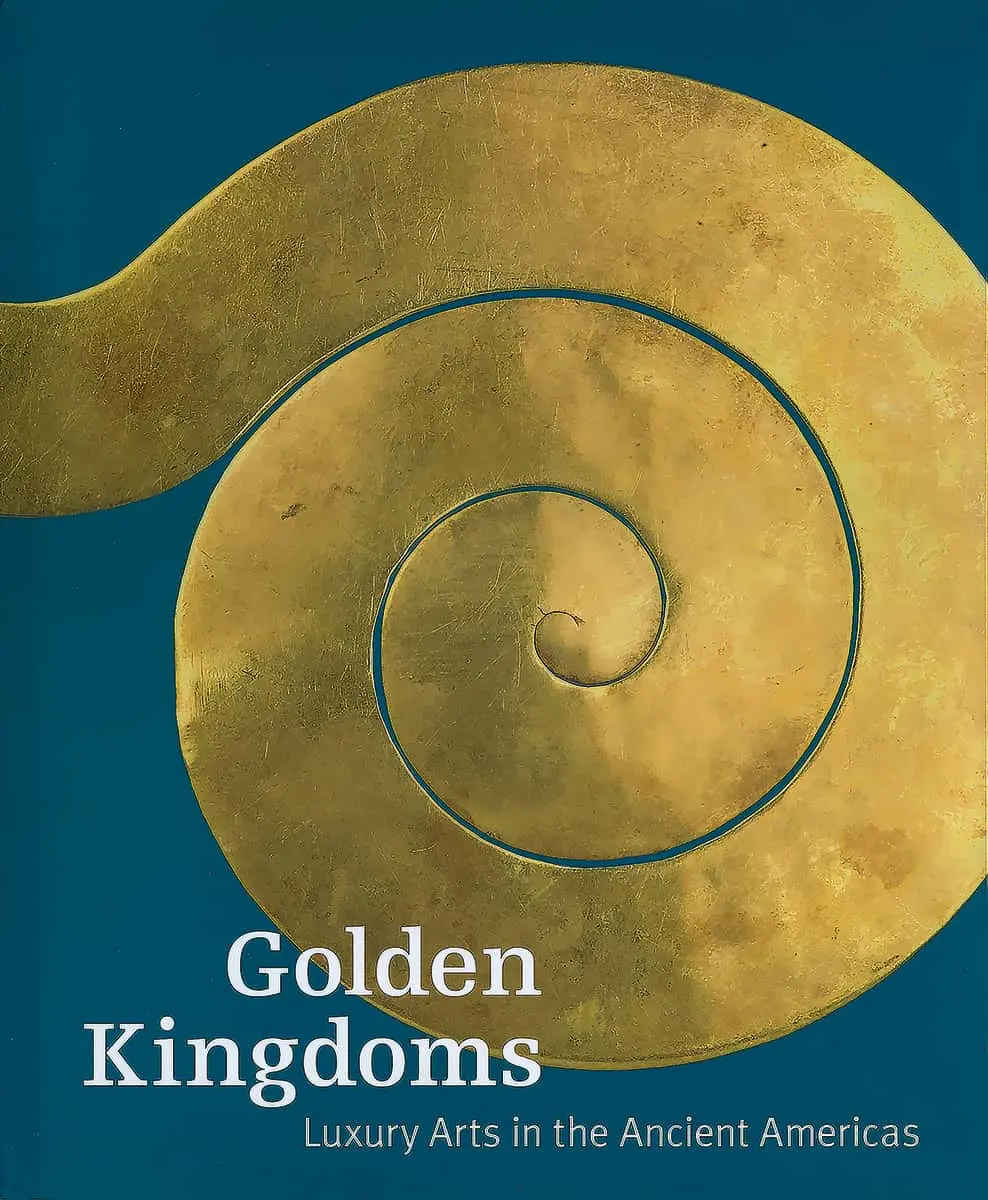
As was to be expected, the mega-event featured blockbuster shows on new topics anchored on multi-year research projects. Golden Kingdoms—a major international loan exhibition organized by the J. Paul Getty Museum, the Getty Research Institute, and the Metropolitan Museum of Art—offered fresh new insights into the development of luxury arts between 1000 B.C. to the arrival of the Europeans in the early 16th century. A recent investigation into the historical, cultural, social, and political conditions under which such works were produced and circulated has led to new ways of thinking about materials, luxury, and the visual arts from a global perspective. At the other end of the spectrum, Radical Women: Latin American Art 1960-1985 at the Hammer Art Museum presented over 150 works (mostly videos, photographs, and textual documentation) by one hundred Latin American and Latina women, many of whom had never circulated internationally before, in a tour de force exploration of their undeniable contributions to contemporary art.
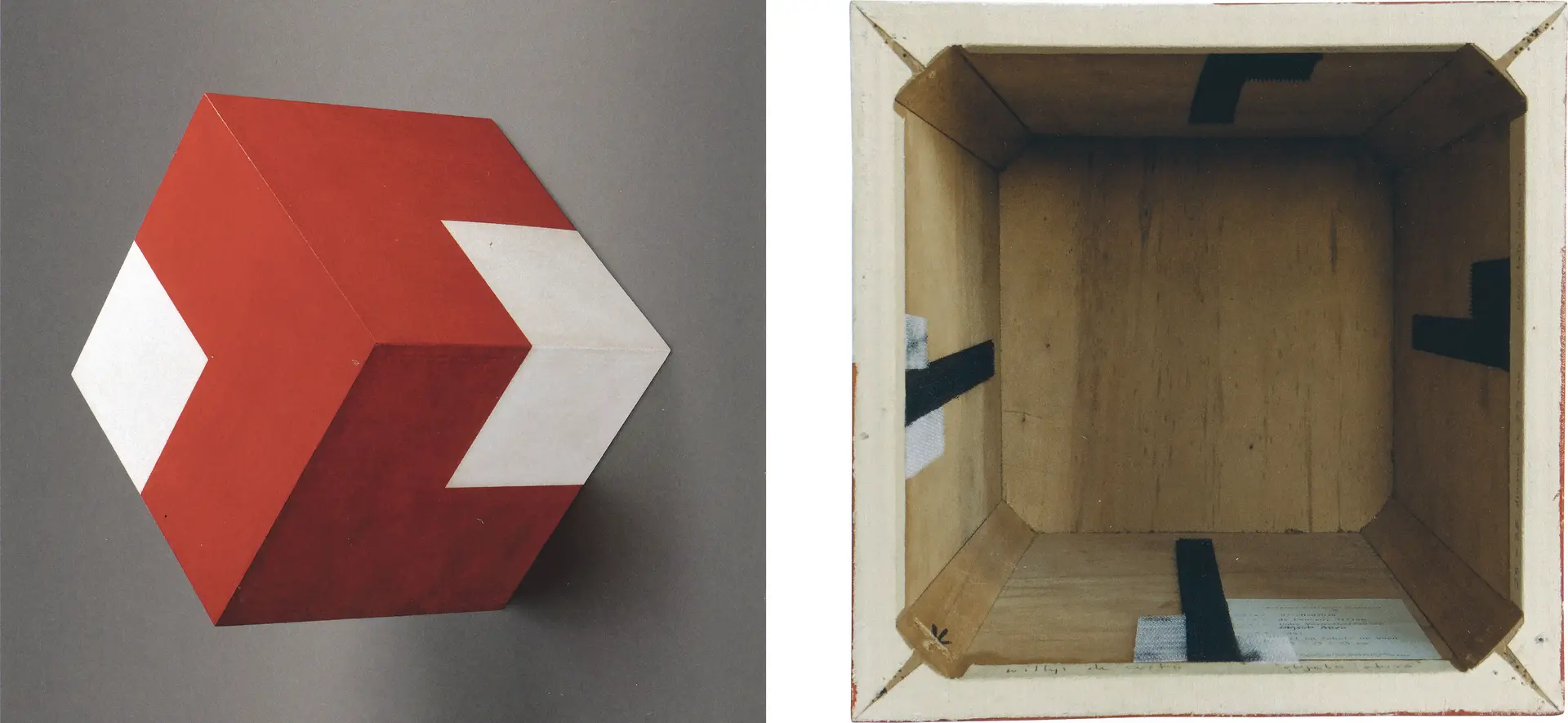
Research not only informed many of the most outstanding exhibitions of Pacific Standard Time: LA/LA but in some cases determined the exhibition’s overall profile. At the J. Paul Getty Museum, for example, an unprecedented collaboration between the Getty Conservation Institute, the Getty Research Institute, and the Colección Patricia Phelps de Cisneros, provided the foundation for Making Art Concrete. Pairing the works with videos and other documentation, the show combines art historical, and scientific analysis to shed light on the materials and technical strategies used by artists associated with the abstract geometric and Concrete art movements in Argentina and Brazil between 1946 and 1963. A close look at the hybrid processes used by these artists—a combination of old materials and techniques (including medieval egg-based tempera) with technological advances in synthetic paints, binders, and industrial supports—serves to debunk some of the prevailing myths associated with these movements’ presumably relentless and derivative pursuit of original scientific objectivity and rationalism associated with European sources.
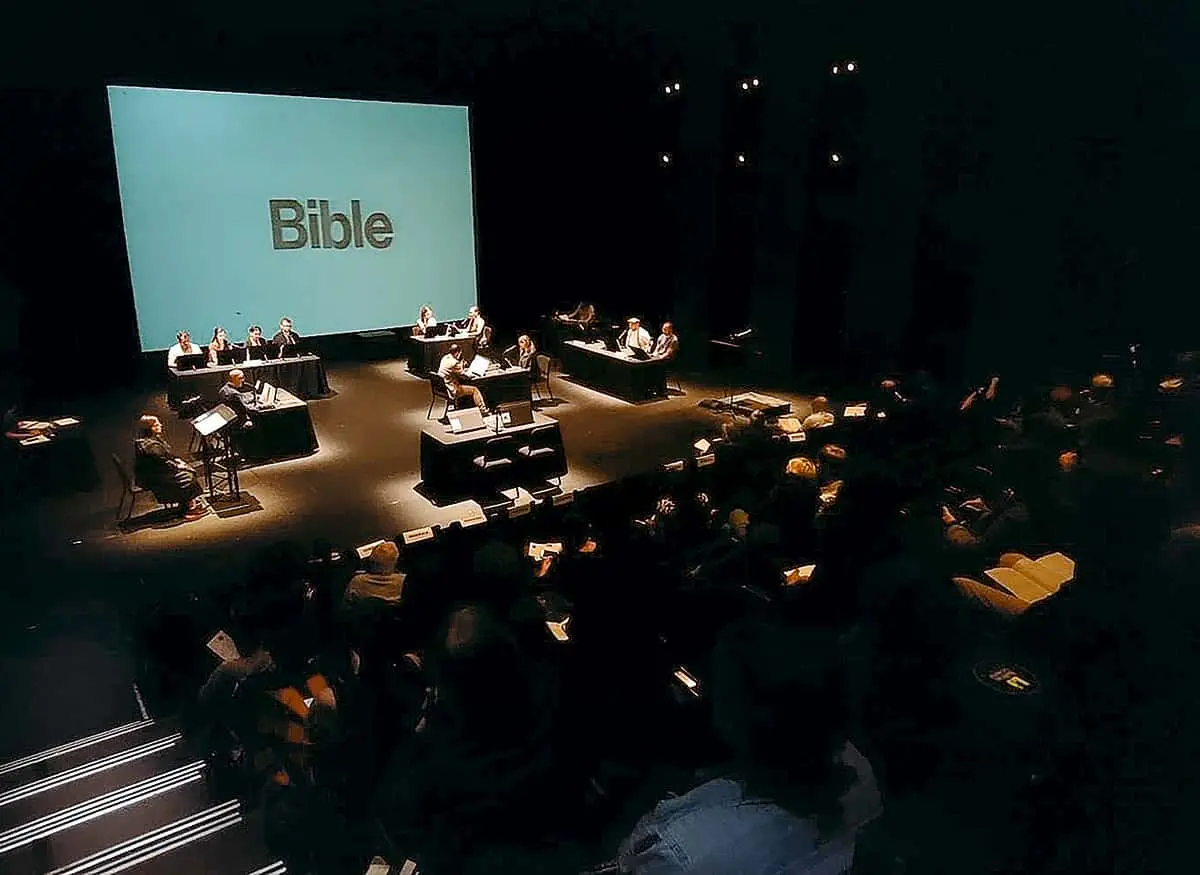
This approach also led to the recovery or recreation of major works or, in some cases, entire stages of an artist’s production, allowing for the once-in-a-lifetime opportunity to see in Los Angeles object-, performance-, and video-based works and installations that have not been seen since inception. A truly stellar example of this approach is The Words of Others: León Ferrari and Rhetoric in Times of War, a solo exhibition and restaging at Redcat of the landmark 1966 play Palabras Ajenas (originally transmitted by BBC London in 1968) by this Argentinean artist known for his attacks on all forms of authoritarianism, from military dictatorships to the Catholic church. This literary collage consists of an imaginary dialogue among one hundred and sixty global celebrities—from biblical God to Bertrand Russell, from Hitler, Mussolini, and Mao Tse Tung to Dwight D. Eisenhower and Lyndon B. Johnson—composed of appropriated fragments from contemporary news-wires and historical texts. For its historic re-staging, REDCAT produced a new English version that involved the arduous task of tracking down each of the hundreds of sentences that make up the text to their original language (English), a process that lasted over two years. Thirty actors then took turns reading lines in the one-day performance in front of a mesmerized audience drawn in by the work’s unmitigated denunciation of violence, inequality, and racism. Drawing from Ferrari’s extensive archives, the accompanying exhibition successfully positioned the performance in the context of his better-known series of calligraphic drawings, collages, and heliographic prints, while in the process revealing unsuspected thematic and methodological affinities across media. More importantly, however, it left no doubt that Palabras Ajenas was not a dissident’s eccentricity but a truly seminal piece in the context of Ferrari’s heterogeneous production.
At LACE (Los Angeles Contemporary Exhibitions) and Pitzer College Art Galleries, Juan Downey: Radiant Nature, a thoroughly researched and brilliantly executed two-part survey of the first ten years of the New York-based Chilean artist’s (1940-1993) production, also recreated a number of his complex inter-disciplinary performance and technology-driven works not seen since the early 1970s. Not yet concerned with the issues of identity or colonialism that would inform his well-known multi-channel video installations such as Video Trans Americas (1973-76), Radiant Nature reveals a young Downey deeply engaged in both dominating and resisting technology. Powered by motors, series like Electronic Sculptures (1967–71) nevertheless relied on the simple actions of viewers to activate them. For his Life Cycle Installations (1970–73), he borrowed principles of cybernetics and technology combining mechanical (cameras, monitors, light systems) and organic elements (plants, insects, soil) to recreate the actual cycle of life in the gallery space. These early series situate him on the same experimental plane as other Systems Art pioneers of the period such as the German Hans Haacke, and the Argentineans David Lamelas and Luis Benedit. The latter was by far the most radical innovator from Latin America in the area of systems-based art.
The emphasis on recreating rarely seen pieces by Latin American artists was also the focus of Video in Latin America organized by the Getty Research Institute and LAXART. For this show, the GRI set out to document video art production in the region, compiling and preserving hundreds of videos produced between 1960 and today. The show at LAXART featured a carefully curated selection of sixty of those works with particular emphasis on the role played by this medium vis-à-vis the impact of authoritarianism, neoliberalism, and globalization in the region. The selection included the first U.S. presentation of the stunning Musa paradisíaca (Paradisiac Muse, 1996) by the Colombian José Alejandro Restrepo (1959) which dominated the central gallery with dense clusters of real, rotting, and stinking bananas that evoke hanging bodies in a spectacle that stimulates both the eye and the senses. Dangling from the bottom of the stems are tiny cathode ray tubes featuring videos of dead bodies of plantation workers murdered while on strike. Small mirrors on the floor reflect these haunting images back to the viewer. Uruguayan Clemente Padín’s video Missing Miss (1993), showing protesters with signs with the faces of people who disappeared during Uruguay’s dark period (1973-85), provided another instance of a work rarely seen outside its immediate context. Padín played the original VHS tape hundreds of times to the point of almost destroying it in an effort to bring back the memory of the disappeared.
A running theme all across PST: LA/LA is the role of social and political activism in defining different modes of artistic production in Latin America and the Latina/o communities, a highly relevant theme for an indifferent country that is only now beginning to awaken to the realities embodied by these communities. While this feature has been a staple of Latin American and Latina/o art all along, the rise of the “Donald Trump” phenomenon and his incendiary mode of populism has certainly transformed the context in which so many of these artists and exhibitions operate. Understanding both the history of this activism and the role it can play today is, perhaps, one of the unanticipated contributions of PST: LA/LA. At a moment when the retórica gubernamental (governmental rhetoric) is threatening to close down the U.S.-Mexico border with a monumental wall, deport hundreds of thousands of immigrants or ban others from entering into the United States, Latin American and Latina/o artists and curators responded by exploding the notion of borders in their work and celebrating the multifarious dimensions of “American” diversity. The urgency of their positions is not only palpable throughout the multifarious exhibitions that make up PST: LA/LA but also endows the event with a certain gravitas and momentum reserved for truly historic turning points. This unquestionable transformative point has radically changed the exoticizing image with which our art has been sold almost by way of a stigma. In this case, the turning point translates into the realization that, far from exotic areas of interest, Latin American and Latina/o art, in their built-in heterogeneity, contradictions, and complexities, are intrinsic to the demographic reality which constitutes the countenance of the United States in the 21st century, despite efforts by powerful hegemonic sectors to mask or downplay their significance.
There is, however, an irony at play in the success of PST: LA/LA. This never-seen-before major display of Latin American and Latina/o art is taking place in the second metropolitan enclave in the United States, Los Angeles, which is approximately 49% of this origin and background. Yet, unlike Miami or Houston, LA is an area with virtually no infrastructure for this art. Very few of L.A.’s or Southern California’s major museums have dedicated curatorial positions and programs or actively collect in these areas; and, despite the historic role the region has played in the Chicana/o movement, there is a virtual absence of curators from this community in public or private institutions. This political power vacuum, together with the professional and institutional gap it entails, translates into a non-existent market for our art production as well as the almost virtual absence of local collectors in these rapidly expanding fields. Without a doubt, the Getty Foundation was addressing the elephant in the room when they decided to flex their muscle behind this initiative. In the context of the U.S.’s East/West art axis, the contributions of this Californian mega-project, as I have tried to demonstrate, are multiple. In my view, however, the most important one is to bring to light a non-essentialist insight into what is already the hybrid superimposition of features that will constitute the truly authentic plural face of America.
What is really at stake is the first big questioning (at the national level) of New York’s artistic hegemony; if not at the market level, at least at the level of awareness about the present and future constitution of the country (both real and problematic) viewed by those groups which embody its demographic majorities in the twenty-first century. This fact leads me to raise the following questions: Will the monumental effort behind PST: LA/LA contribute in a decisive way to radically change this glaring gap? Will L.A. give Latin American and Latino art the place they deserve in the city’s imaginary? Can the fragile bridges that resulted from this initiative grow into stronger, powerful, and much-needed North/South networks? Can a highly populated and economically powerful region of the country such as Southern California truly embrace Latino-America against the grain of historical and racial biases?
Given the undeniable strength of this transformative moment in our field of action as well as its objective promise of an enduring legacy, we can only hope that the future will bring equal doses of reflection leading to substantive change.
MARI CARMEN RAMÍREZ