The Miami Design District has established itself as a center for the visual arts through the presence of the Institute of Contemporary Art, the De la Cruz Collection, the Craig Robins Art Collection, and the Juan Carlos Maldonado Art Collection. The first three focus on contemporary art, while the third one is dedicated to highlighting the contributions of geometric abstraction in the twentieth century. With the opening of the exhibition Constructing Constructivism in November 2017, the Juan Carlos Maldonado Art Collection consolidates itself as an important cultural space where the exhibitions presented and their related projects contribute to increasing the knowledge of abstract art at an international level.
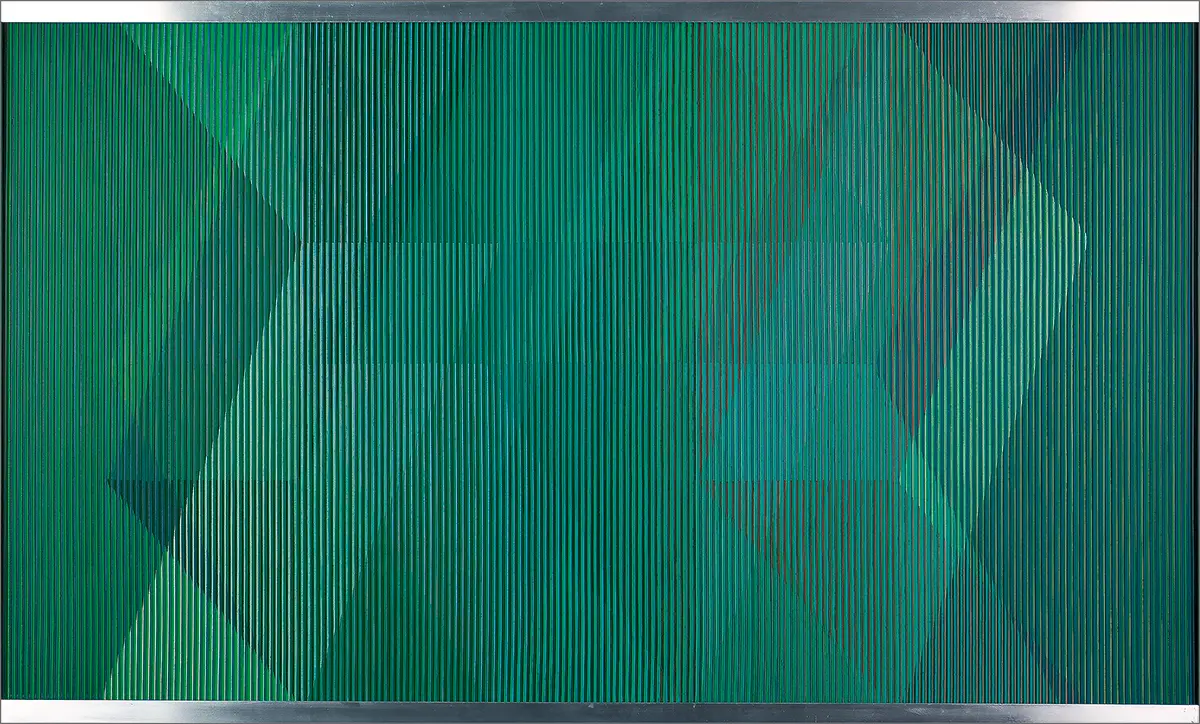
Since its inception in 2005, the Juan Carlos Maldonado Art Collection has stood out for supporting academic and museum projects in keeping with its mission. In 2010, the collection, which at that time was known as the Art & Art Collection, was instrumental in the organization of the first exhibition presented in the United States dedicated to the historical development of the Venezuelan geometric abstract movement. Embracing Modernity: Venezuelan Geometric Abstraction, presented at The Patricia and Phillip Frost Art Museum, Florida International University, brought together for the first time iconic works by twenty-six artists who distanced themselves from traditional styles and adopted abstraction in the search for new alternatives towards experimentation and freedom of expression. Among the works included in the exhibition were paintings, sculptures, and mixed media works by Omar Carreño, Carlos Cruz-Diez, Narciso Debourg, Gego, NEDO, Alejandro Otero, Mercedes Pardo, and Francisco Salazar, belonging to the then Art & Art Collection.
Another project in which it was involved was the publication of the book Geometric Abstraction in Latin America. This important editorial project that documents the impact of abstract geometric art in Latin America through articles published in the magazine Arte en Colombia / ArtNexus for approximately twenty years, was sponsored by Art & Art in its English version.
In the beginning, the collection focused on the development of geometric abstraction in Latin America (1940-1970). As it grew, the need to open its own headquarters to share with the public the vision of its creator became obvious. In November 2016, the collection opened its own space in an iconic building in the Miami Design District with the exhibition The Unbounded Line: A selection of the Collection, which explored how Latin American artists, from different periods and geographical contexts, evaluated the nature of art and their role as creators through abstraction.
Around the same time, an important alliance was forged with the Pérez Art Museum Miami, to which he offered on loan for a period of three years (2016-2019) one of the masterpieces of the collection, the Penetrable BBL Bleu (1999), by the Venezuelan master Jesús Rafael Soto. The monumental piece, measuring fourteen meters long by five meters high and five meters wide, is made out of an independent metal frame from which hang 5,600 bright blue PVC tubes that can be accessed by the public. The visitor can freely enter the work of art and become part of its vibratory world.
Around the same time, an important alliance was forged with the Pérez Art Museum Miami, to which he offered on loan for a period of three years (2016-2019) one of the masterpieces of the collection, the Penetrable BBL Bleu (1999), by the Venezuelan master Jesús Rafael Soto. The monumental piece, measuring fourteen meters long by five meters high and five meters wide, is composed of an independent metal frame from which hang 5,600 bright blue PVC tubes, which can be crossed by the public. The visitor can freely enter the work of art and become part of its vibratory world.
Almost a year ago, the collection began to include works by artists from Europe and North America, which allowed it to contextualize Latin American artists within the framework of the history of Western art, and to promote a deeper and more complete analysis of the importance of geometric abstraction at the international level. This new direction led to the restructuring of the website (www.jcmac.art) which, in addition to digitally displaying a selection of the works from the collection, constitutes an important source of information as it includes detailed biographies of the artists represented, as well as news related to the artists and/or the inclusion of works from the Collection in important curatorial projects.
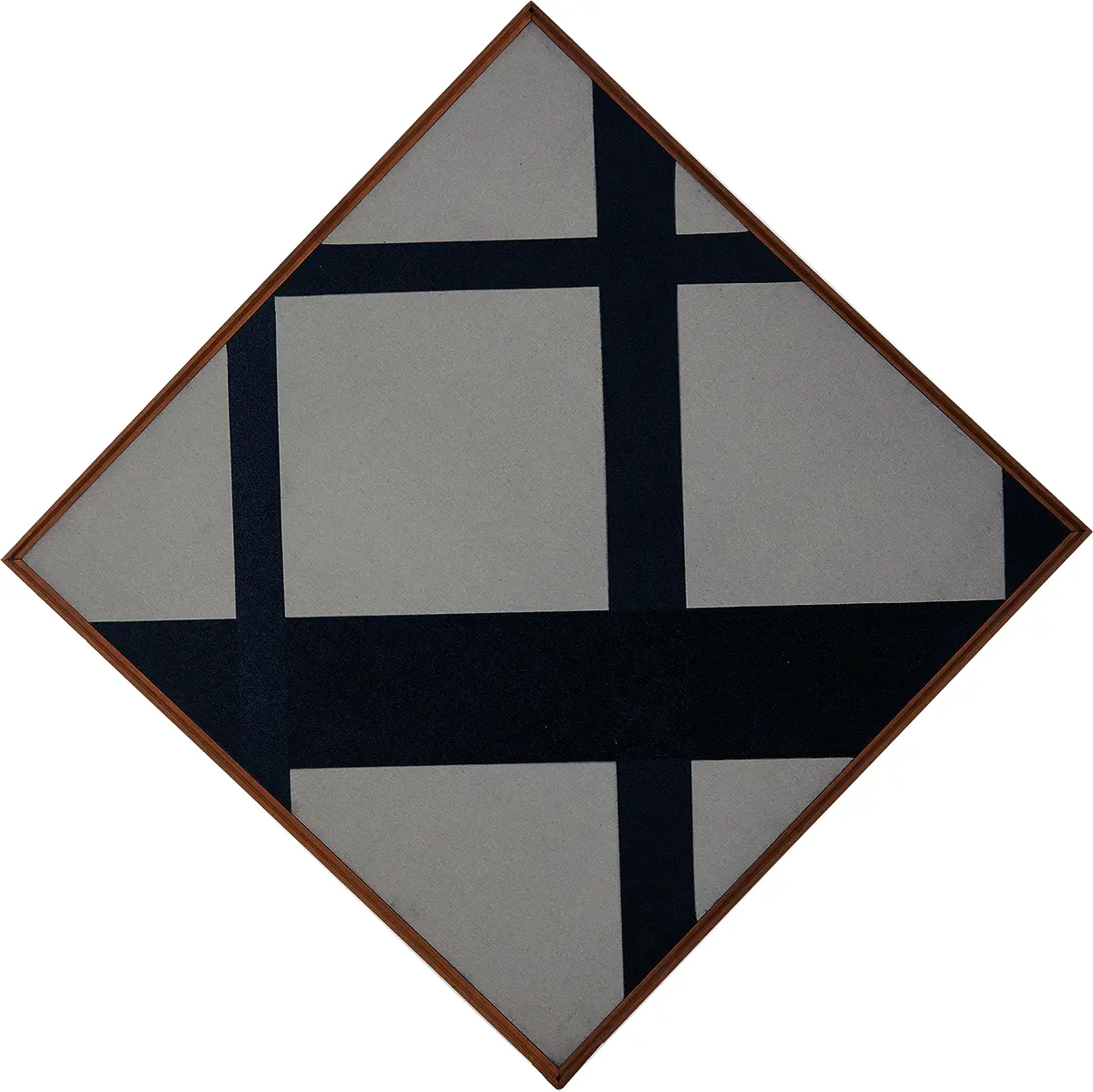
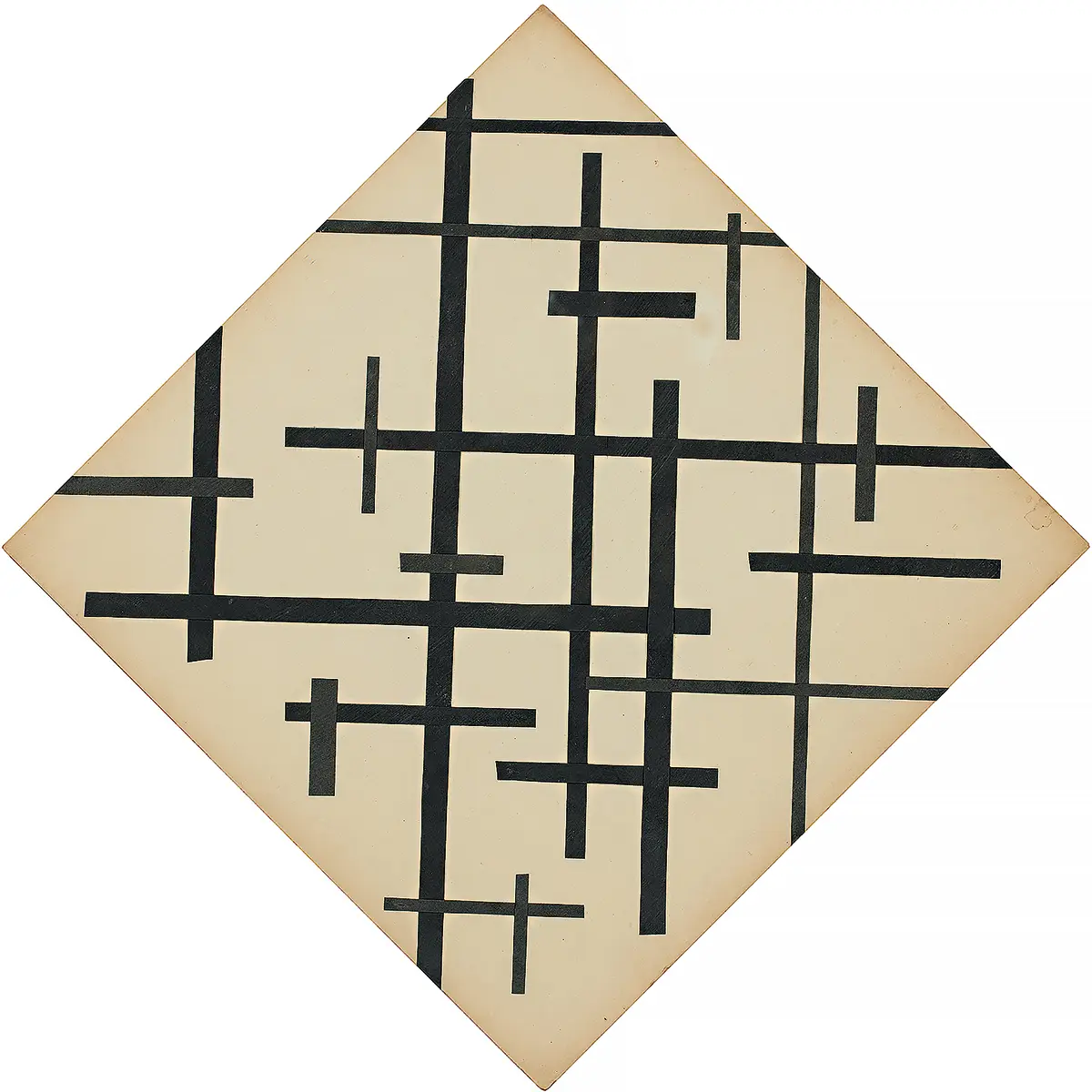
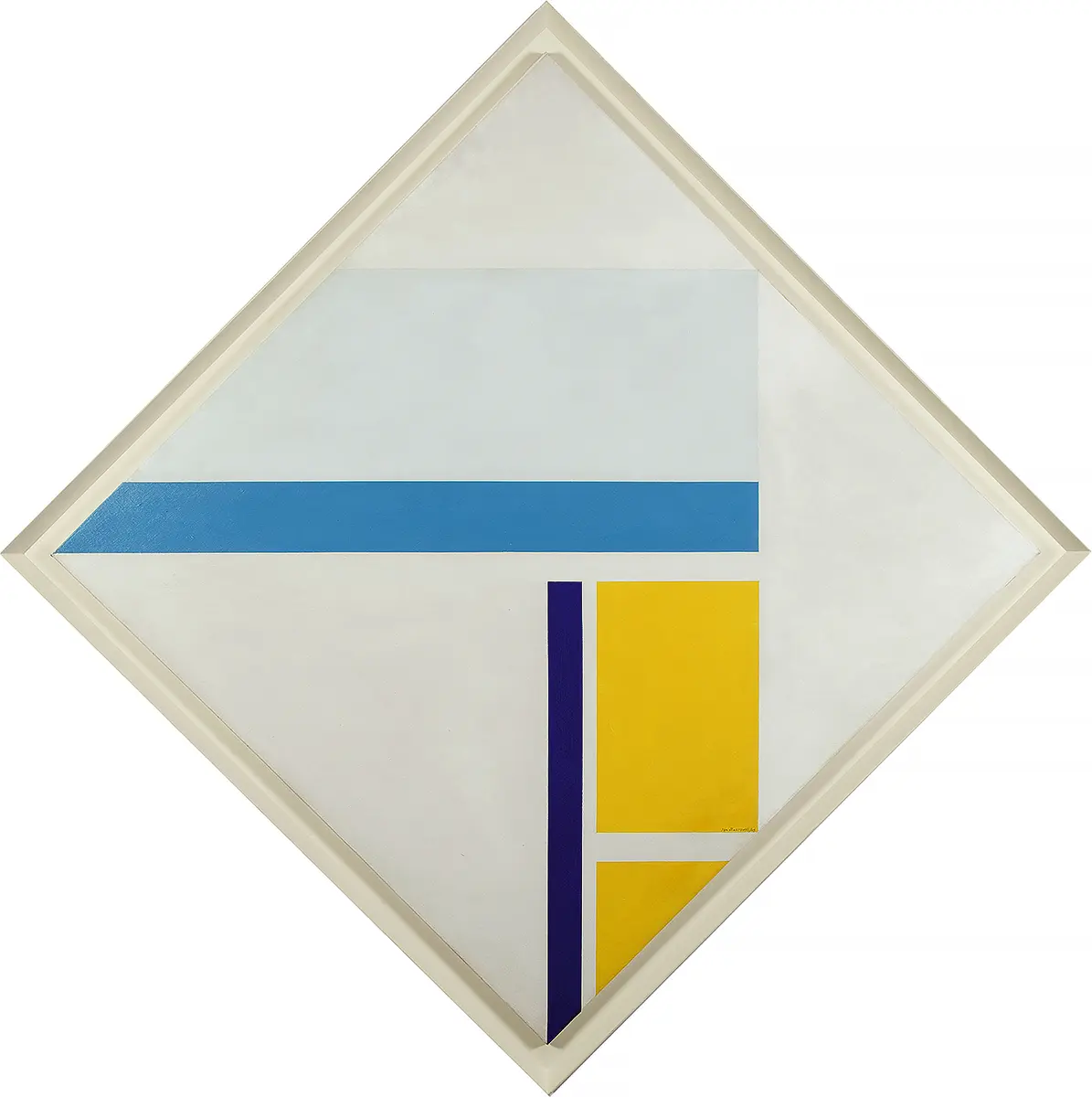
In terms of the space located in the Miami Design District, this new stage in the development of the collection is consolidated with the opening of the exhibition Constructing Constructivism, organized by María Carlota Pérez-Appelbaum, curator of the Collection, in November 2017. The exhibition shows how artists of several generations and origins have adapted, interpreted, rejected, and/or reformulated the sociopolitical and aesthetic principles of the Soviet Constructivism movement of the early twentieth century.
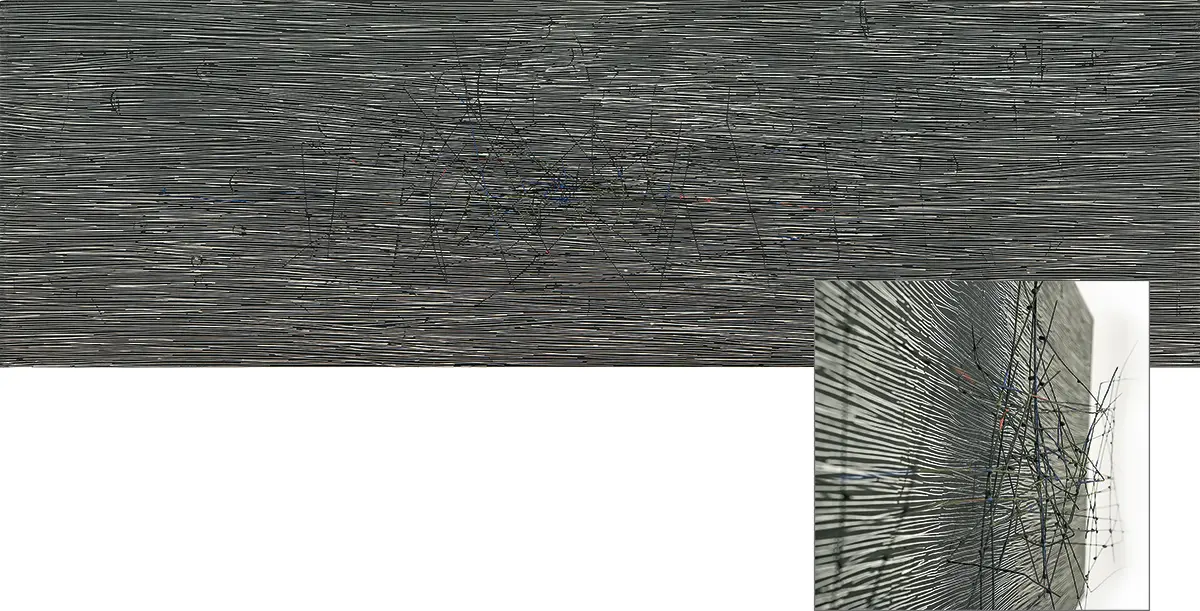
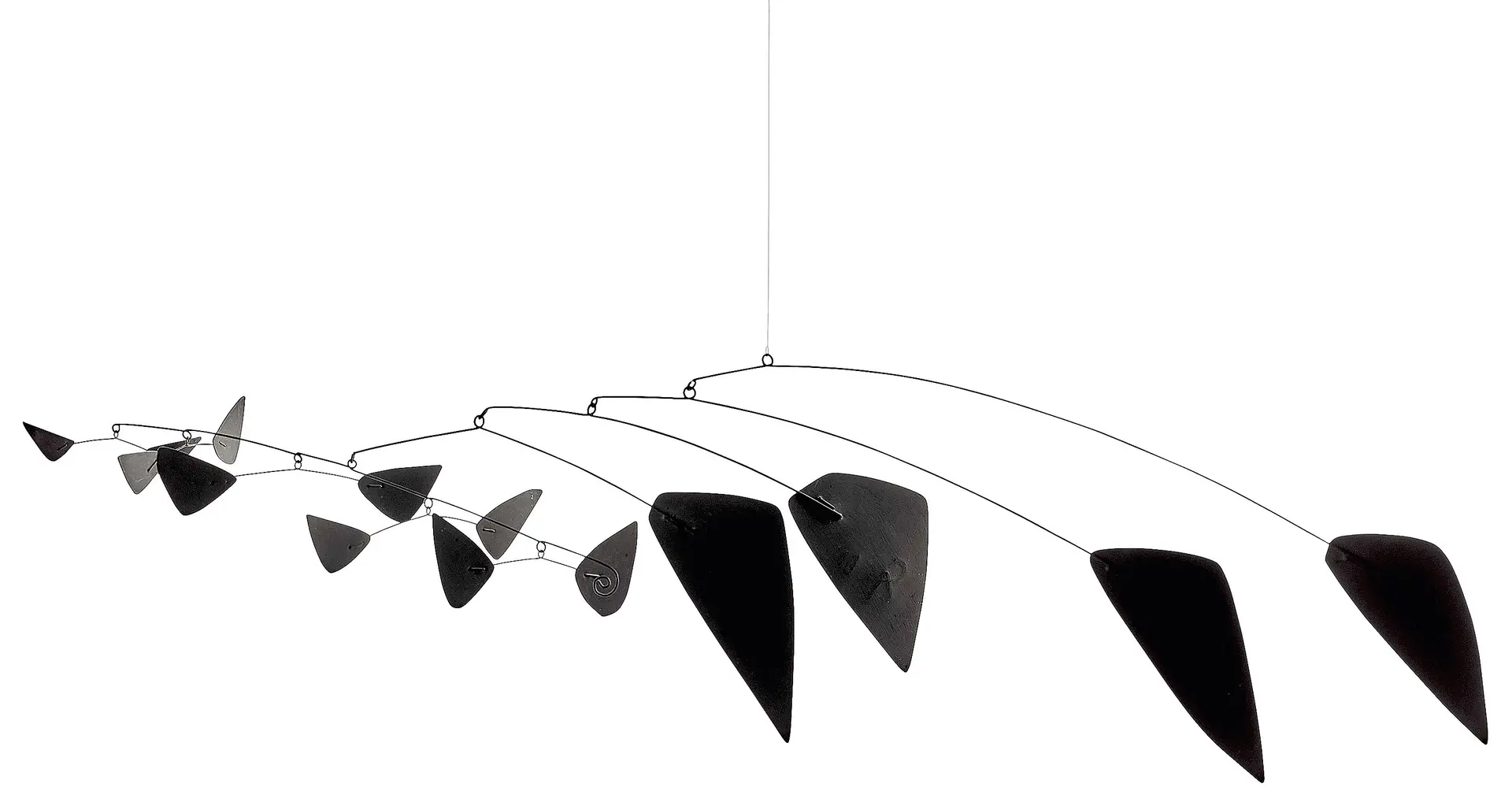
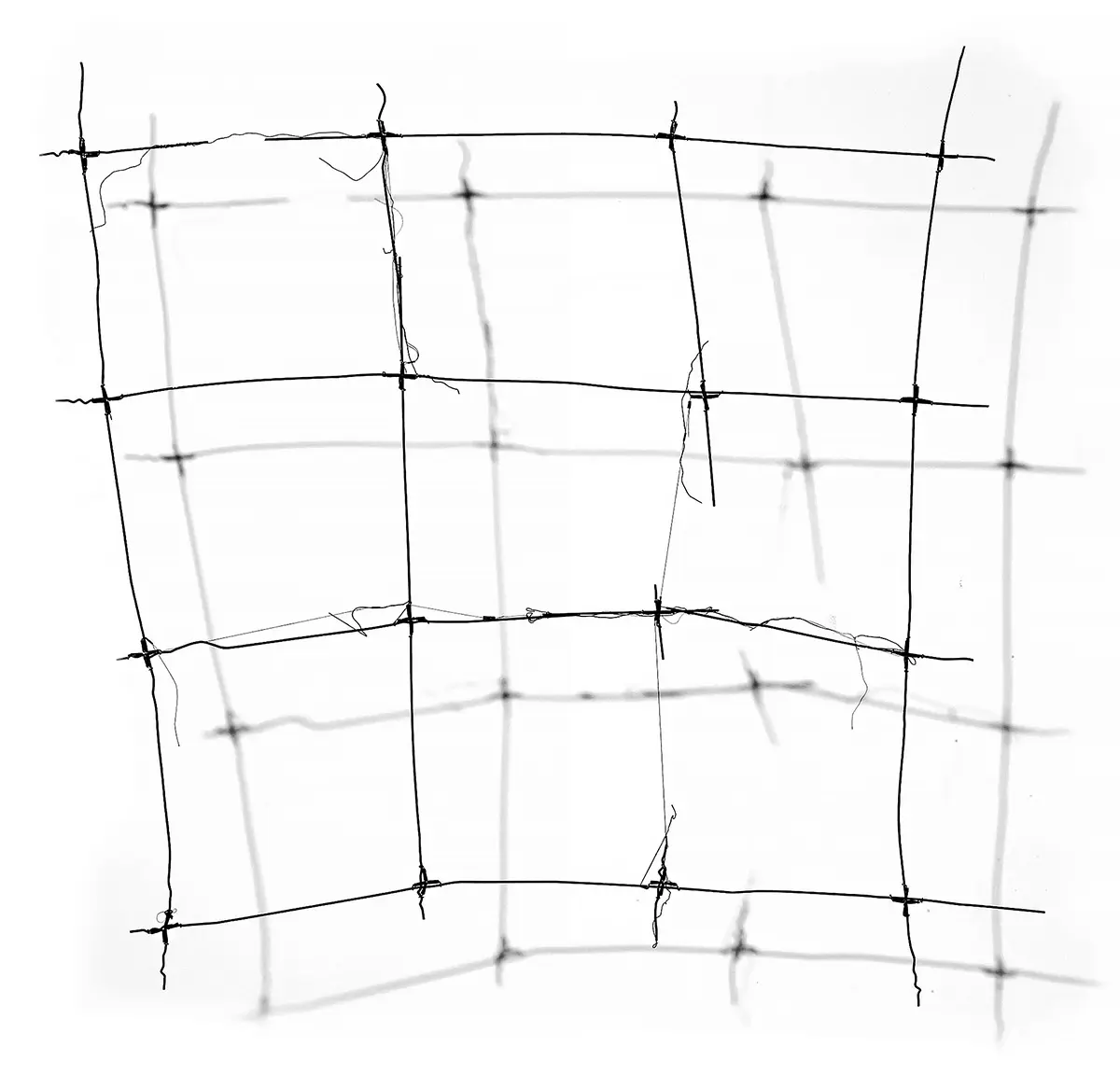
The exhibition is organized into five sections: Order, Literal Image, Shape and Structure, Impossible Spaces, and Rational Encounters. Each one presents artwork by artists who, although they did not necessarily work together or belong to the same generation, show similar interests and strategies. In Order, the works by Harry Abend, Ilya Bolotowsky, Carlos Cairoli, Burgoyne Diller, Carlos Rojas, and Lygia Pape illustrate different approaches to the treatment of figure and ground. In Literal Image, the works show the desire of Constructivism to move away from the representation of reality. Its followers created objects in which rhythm, balance, and color dominated. This is the case of Francisco Narváez, Kenneth Noland, Mercedes Pardo, Eduardo Ramírez Villamizar, León Polk Smith and Larry Zox. The section Shape and Structure highlights works that break with the traditional rectangular canvas and call attention to the relationship between the art object and the spatial context in which it is located. It contains works by Antonio Llorens, Edgar Negret, Alejandro Puente, Volf Roitman, Francisco Salazar and Neil Williams. The works included in Impossible Spaces, made by Hercules Barsotti, Willys de Castro, Leon Ferrari, and NEDO, explore new possibilities to configure and conceptualize the space through optical illusion and/or constructions of great precision and detail. Finally, in the Rational Encounters section, which includes works by Alexander Calder, Lygia Clark, Carlos Cruz-Diez, Narciso Debourg, Gene Davis, Gego, Dan Graham, Tadaaki Kuwayama, Joel Stein, Nicolás Schöffer, and Jesús Rafael Soto, the works respond to the environment in which they are exhibited, evoking movement, real or optically, and stimulating the participation of the public in the creative process.
This exhibition and its accompanying catalog clearly fulfill the objective of the Juan Carlos Maldonado Art Collection by presenting academically documented curatorial proposals that not only study different approaches to geometric abstraction but also validate their contribution to the knowledge of abstract art at an international level.
* Photos: Mariano Costa-Peuser.
FRANCINE BIRBRAGHER-ROZENCWAIG
Ph.D. in Latin American History and Masters in Art History. Writer and independent curator.