.jpg?w=1920&f=webp&q=75)
The opening of this year’s Venice Biennale was preceded by intense anticipation about María Corral and Rosa Martínez, the first Spaniards and the first women to direct the event in its 100-year history. The international art world waited impatiently for the Biennale’s kick-off (held June 8-11), anxious to see what these two women had done with the challenge that David Croft had put in their hands. In truth, only the Biennale’s central section comprised two large international art shows. María Corral titled her show The Experience of Art and emphasized the art of the last half-century. Rosa Martínez titled hers Always a Little Further —an explicit tribute to Corto Maltés, the comic-book character created by the Venetian artist Hugo Pratt— and it was slanted toward the most current, cutting-edge art. Obviously, I don’t speak for all the participants in the opening, but in this assessment of the two curators’ work, I will consider the opinion of the majority of critics and museum directors with whom I discussed it during the three days lasted.
The conclusion is that María Corral succeeded where anyone with her education and experience would have succeeded and failed where it was up to her, and only her, to succeed. She succeeded in her choice of artists like Eija-Liisa Athila, Tacita Dean, Barbara Kruger, Willie Doherty, Stan Douglas, Bruce Nauman, and William Kentridge, whose works in the Italian Pavilion in Il Giardini were responsible for elevating the quality of Corral’s section. However, it is very difficult to error when one selects such solid and well-known artists. Nor were there any great risks implied—if one is conversant with the current state of Latin American art—in selecting artists like Tania Bruguera, Leandro Erlich, Jorge Macchi, Cildo Meireles, and even José Damasceno, all of them well established in the international art scene. It would have been riskier, for instance, to include Brooke Alfaro, Sandra Gamarra, or Fernando Bryce, who, despite their extraordinary and interesting work, have yet to achieve the consensus that surrounds Gabriel Orozco or Cildo Meireles.
But the real problem with María Corral’s curatorship was her selection of Spanish artists, of which the sheer bulk seemed designed to quiet the complaint, heard frequently in Spain, that contemporary Spanish art is very seldom recognized abroad if it is recognized at all. The results were, however, disappointing; with the exception of one good Tàpies painting, the rest of the works by painters like Joan Hernández Pijuan or by multimedia artists like Perejaume did nothing to dispel that disinterest. Making matters worse, Juan Muñoz’s posthumous piece, displayed along the street that leads to the Italian Pavilion, was equally mediocre. Far worse was the decision to include the Maider López —who is more of a designer— in the selection.
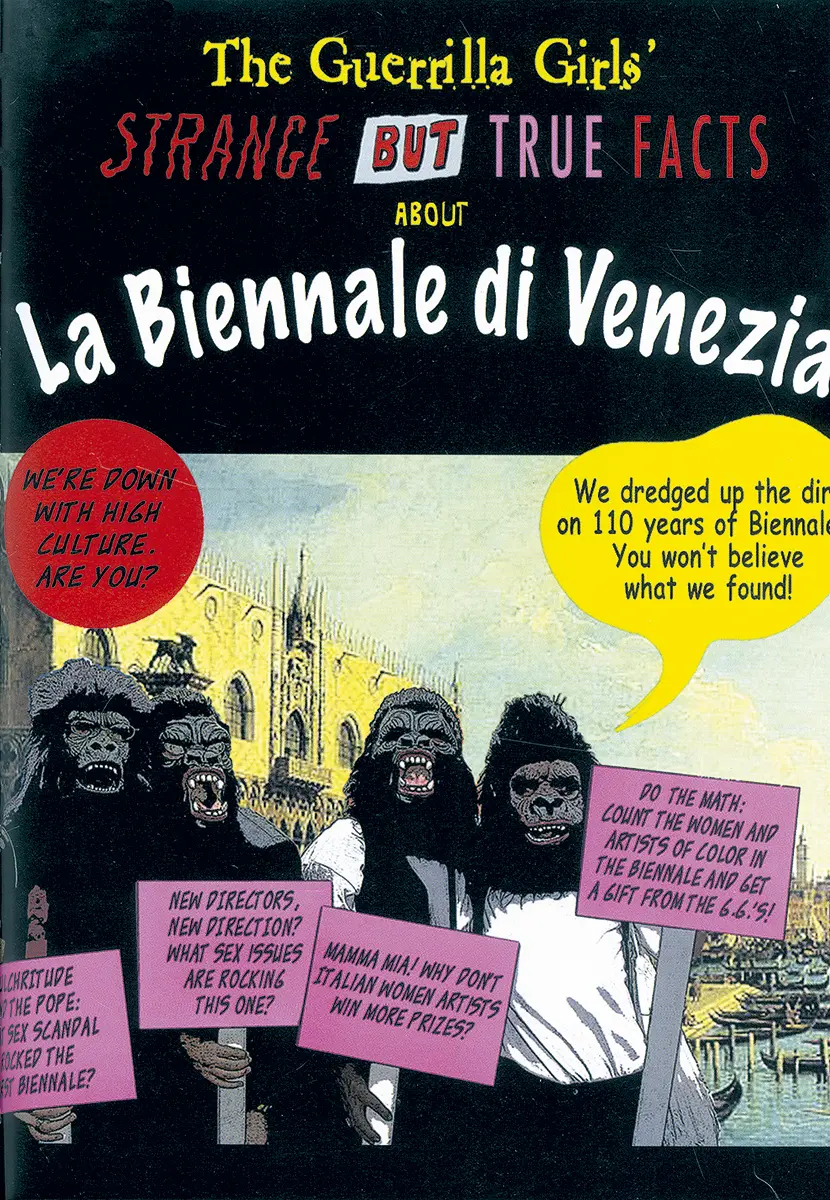
Rosa Martínez’s selection was riskier since it was committed to current art, and although one can object to the fragility of her theoretical arguments, she included very challenging works and artists. For example, at the entrance to the Arsenale the Guerrilla Girls, the controversial New York activists of the 1980s, presented a series of large-scale digital reproductions of the posters that first made them notorious, denouncing the very limited space conferred to female artists in both museums and galleries. The most recent of those posters was celebrated as an achievement of feminism the fact that the Biennale’s direction had finally been put in the hands of women, even though sexual discrimination continued to affect the selection of participants in most exhibits and pavilions.

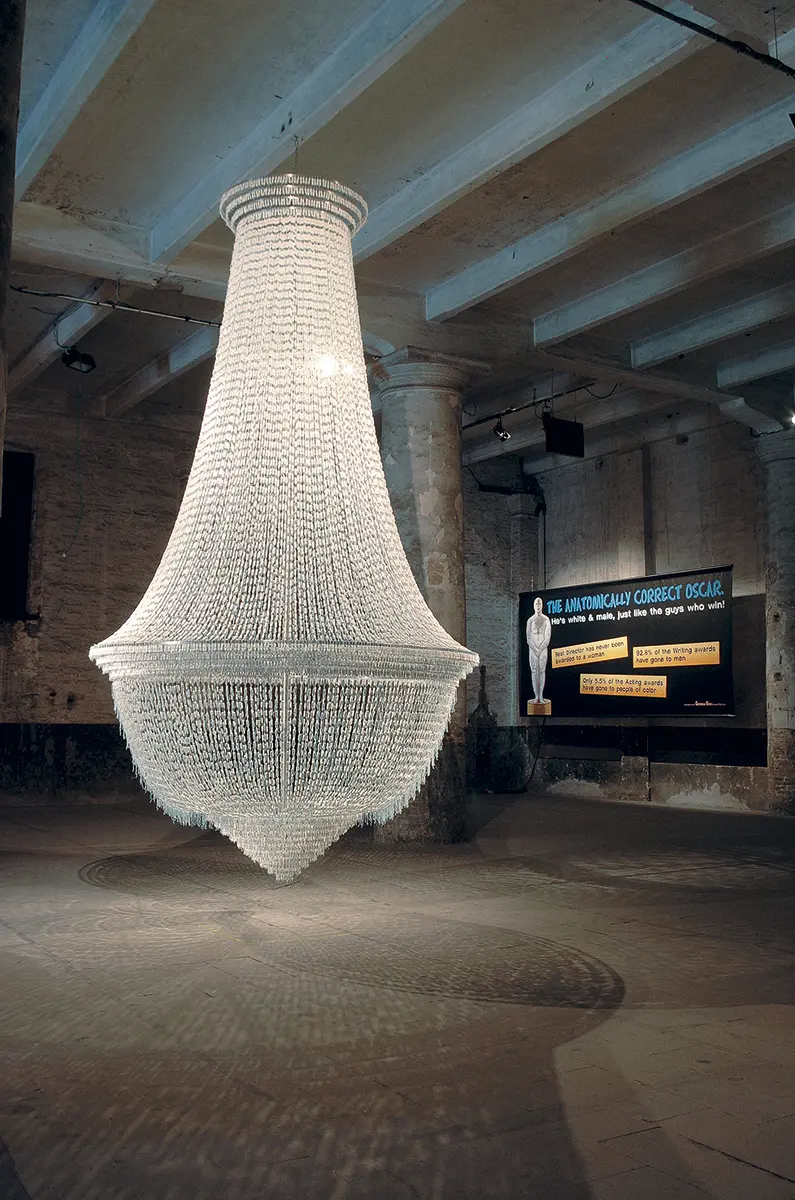
The Portuguese artist Joana Vasconcelos offered a counterpoint with a giant chandelier composed of tampons. It hung from the ceiling inside the gallery where the Guerrilla Girls were exhibiting. An audio piece by Santiago Sierra played in the hallway that led to this gallery from outside the Arsenale, evenly informing visitors about the power structure of the Biennale and the very different working conditions of its executives, employees, and workers, the latter being inevitably precarious.
In Rosa Martínez’s selection, there were also worthwhile works by Louise Bourgeois, Donna Conlon, Runa Islam, Blue Noses, Mariko Mori, and Adrian Paci. Rem Koolhas presented a striking work, a double sequence of large printed curtains hanging from the ceiling: on one side, one was able to read the successive steps of an exhaustive analysis of the Hermitage Museum in St. Petersburg (which the Dutch architect calls an “encyclopedic museum”), and on the other side was a highly stimulating analysis of the contemporary art museum, as the best possible response to the expansion of the field of art. Equal or greater interest was generated by two video projections by one of the most audacious and innovative Asian artists, Jun Nguyen-Hatsushiba, a Japanese artist living and working in Ho Chi Minh City, Vietnam, whose works are underwater replicas, half earnest and half parody, of our life on the surface.
Gregor Schneider is a German artist who first achieved prominence at the 2002 Biennale with a surprising intervention in his country’s pavilion. His project for this year, a replica of Mecca’s holy black-granite cube, the Kaaba, in St. Mark’s Square, was censored by the local authorities for fear of exacerbating the conflicts between Muslim and non-Muslim communities. Schneider believes the opposite: he was attempting to defuse those conflicts with his project.
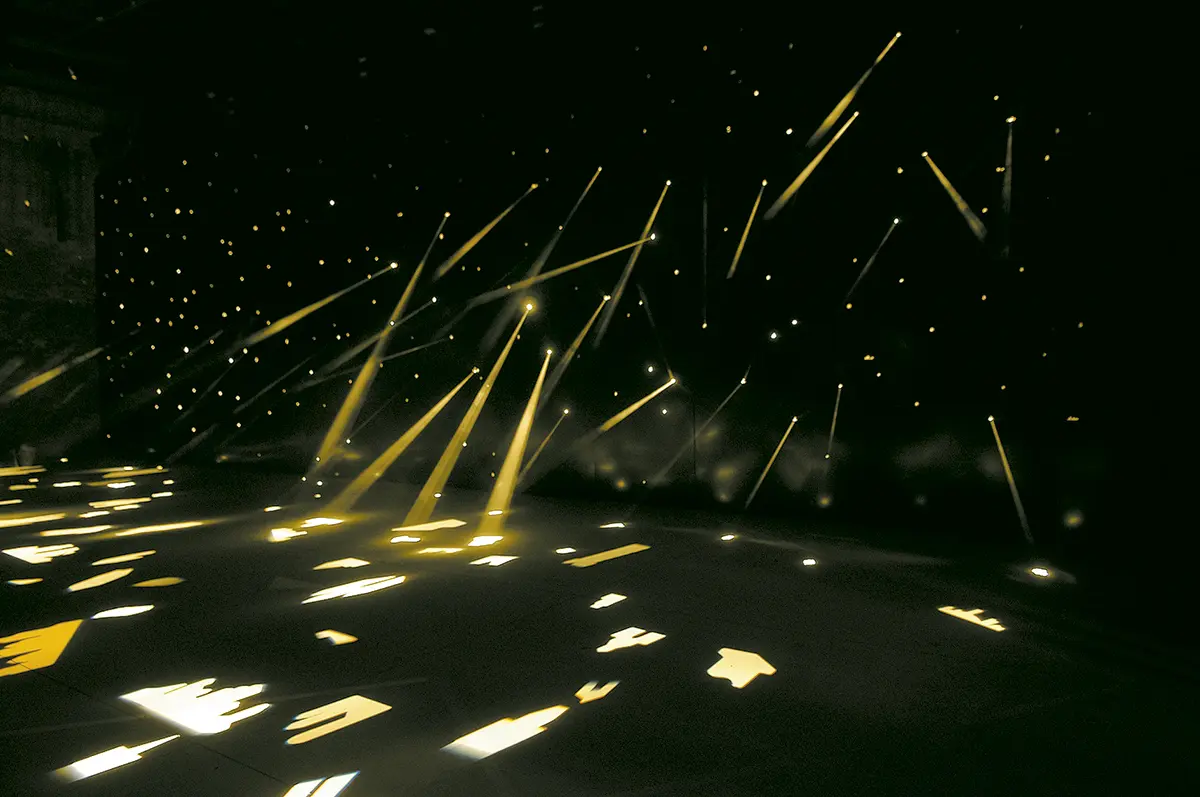
Latin American artists played a salient role in Rosa Martínez’s proposal. I will start by mentioning the duo of Jennifer Allora and Guillermo Calzadilla, who presented a video projection titled Under Discusion, which depicted the fantastic journey of a balsero (Cuban boat person) from the island to the peninsula on a dining table outfitted with a propeller. Colombia’s María Teresa Hincapié was granted use of one large gallery of the Arsenale, where she displayed El espacio se mueve despacio, a microinstallation comprising Andean, Hindu, and New Age elements—so many, in fact, that the intensity of her performance was drowned by their sheer abundance. The Cuban artist Carlos Garaicoa’s intervention was quite transparent: a darkened room, illuminated only by the projection in the silhouette of emblematic temples and palaces of what we still consider “our civilization.”
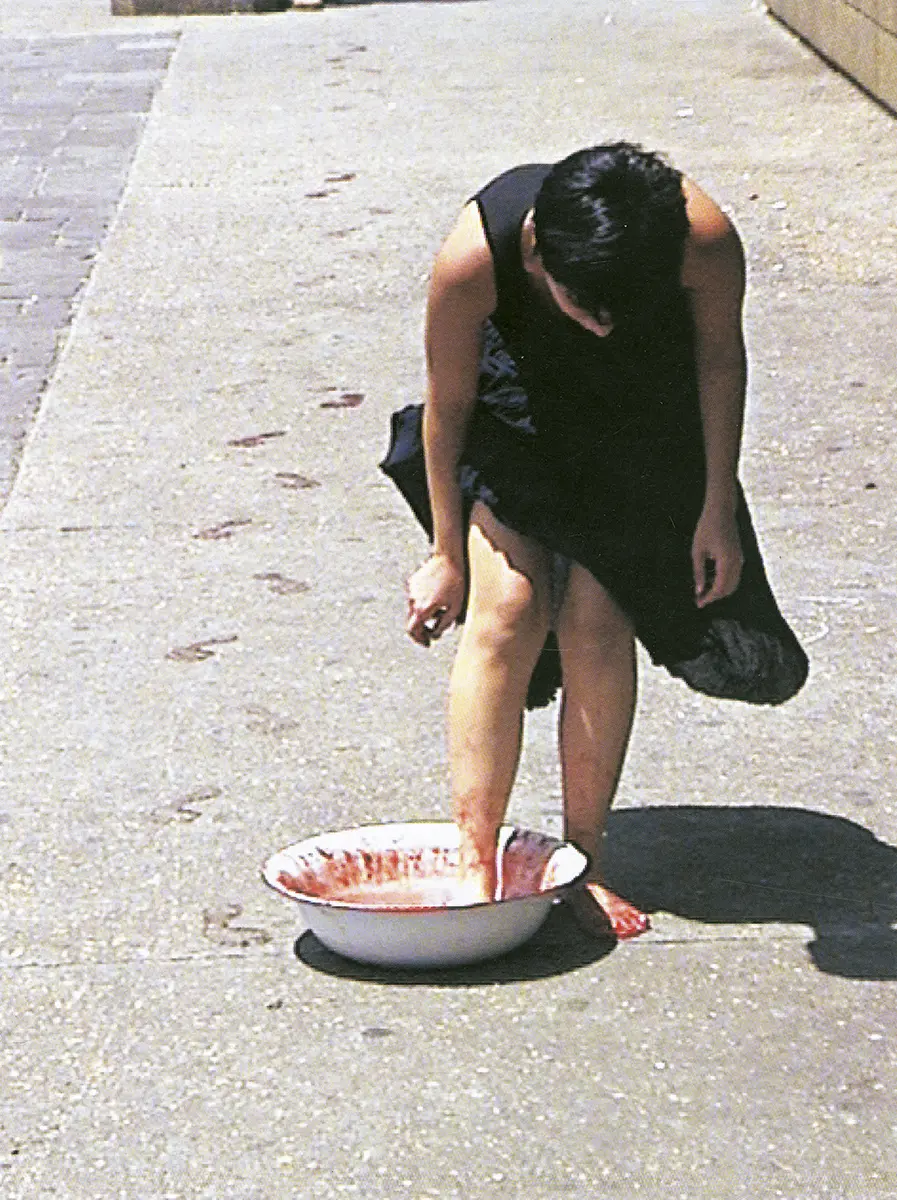
Likewise, the shocking videos and installation by Guatemalan Regina José Galindo are magnificent; the very happy and humorous installation by the Argentine Sergio Vega, and the graceful and evocative work of the Brazilian Valeska Soares.
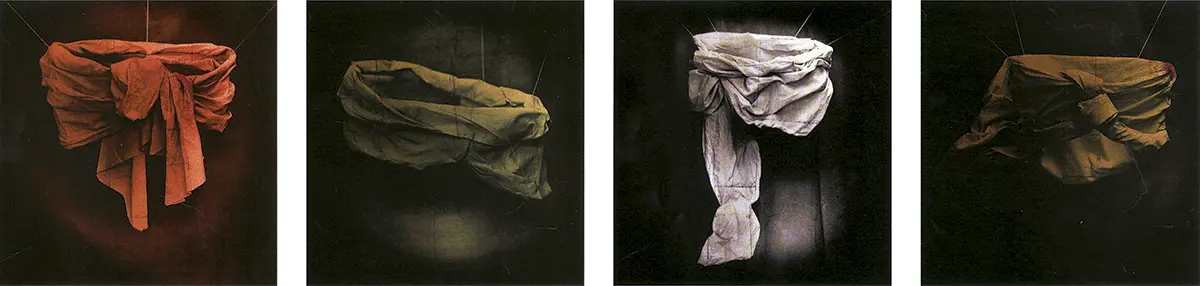
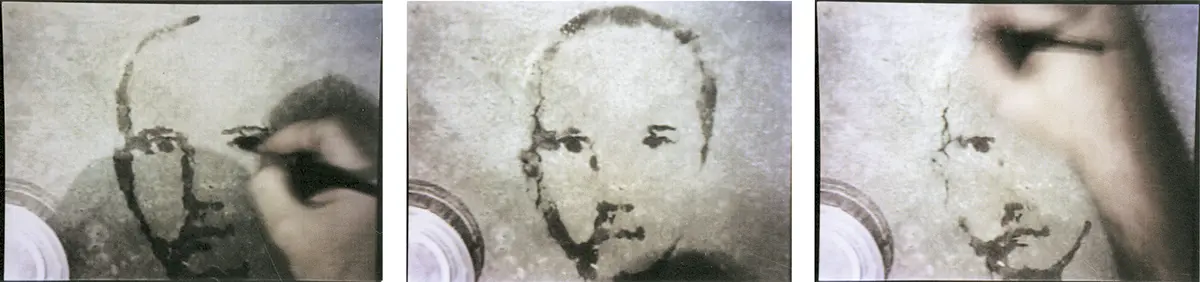
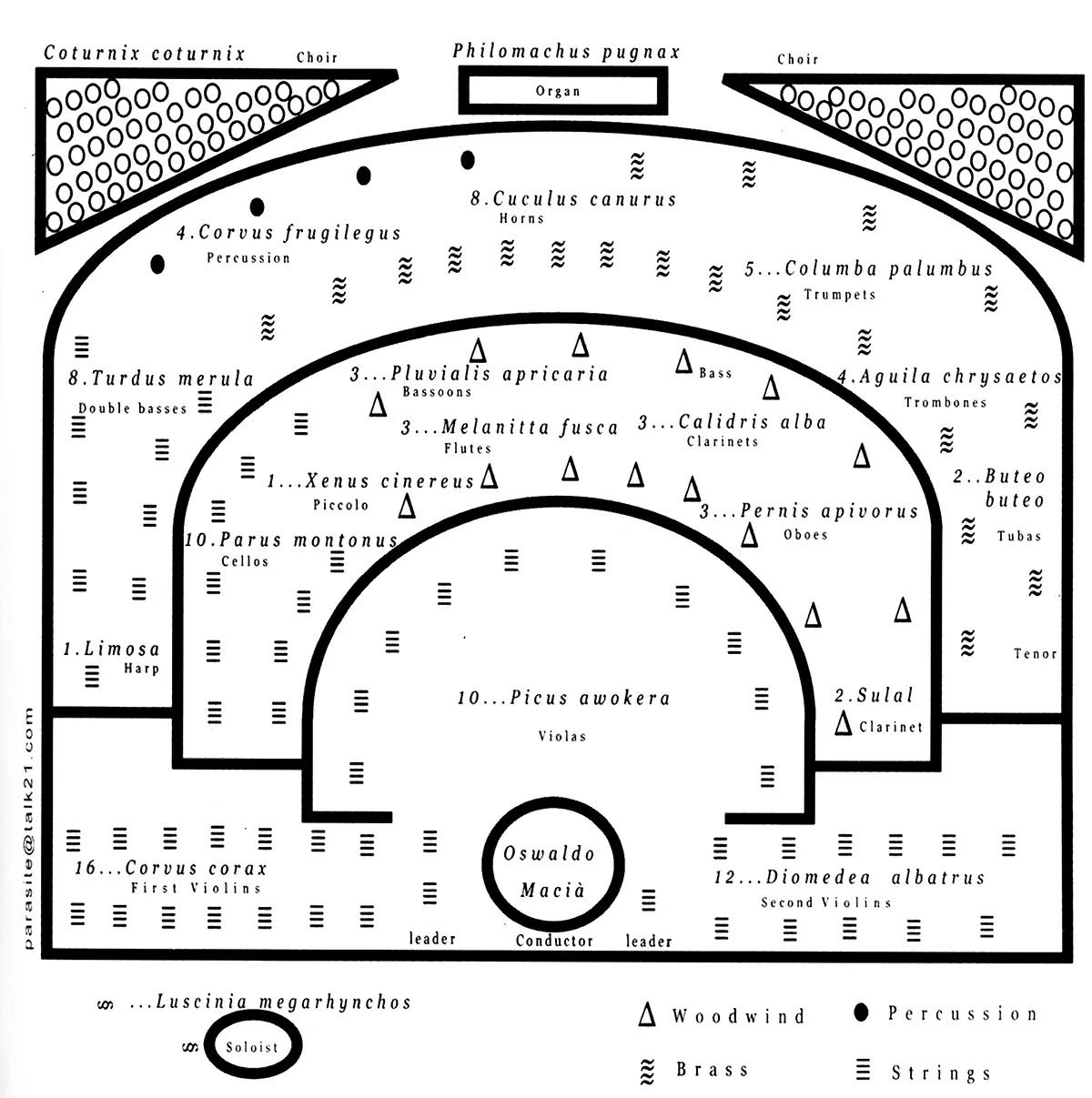
The remaining Latin American artists at the Biennale were concentrated at the Palazzo Cavallo Franchetti, under the auspices of the Italian-Latin American Cultural Institute. This baroque, claustrophobic palace proved to be a difficult place in which to hold contemporary art exhibitions. Even so, it made it possible to witness works by Oswaldo Maciá and Óscar Muñoz and photographs by Luis González Palma and Cecilia Paredes. Maciá used the gardens to display his Something Going Above My Head, a strange symphony using the songs of birds from the seven continents. Óscar Muñoz presented Re/Trato, a video in which a portrait is painted, again and again, using a water-soaked brush on a stone that is so hot that the water evaporates immediately. González Palma offered a series of typically gothic photographs devoted to the loincloth that, according to Classical, and Baroque-era painters, Jesus wore on the cross (an appropriate subject for the site). Similarly effective was the display of Cecilia Paredes’s fantasy-driven photographs, placed next to the palace’s windows so that her chimerical images were projected to the outside. But the most striking work here was by the Colombian artist Juan Manuel Echavarría, a video projection titled Bocas de ceniza. It showed the faces of seven Colombian peasants, in extreme close-up, displaced by unending war, singing a capella the truth of their many misfortunes. It was overwhelming.
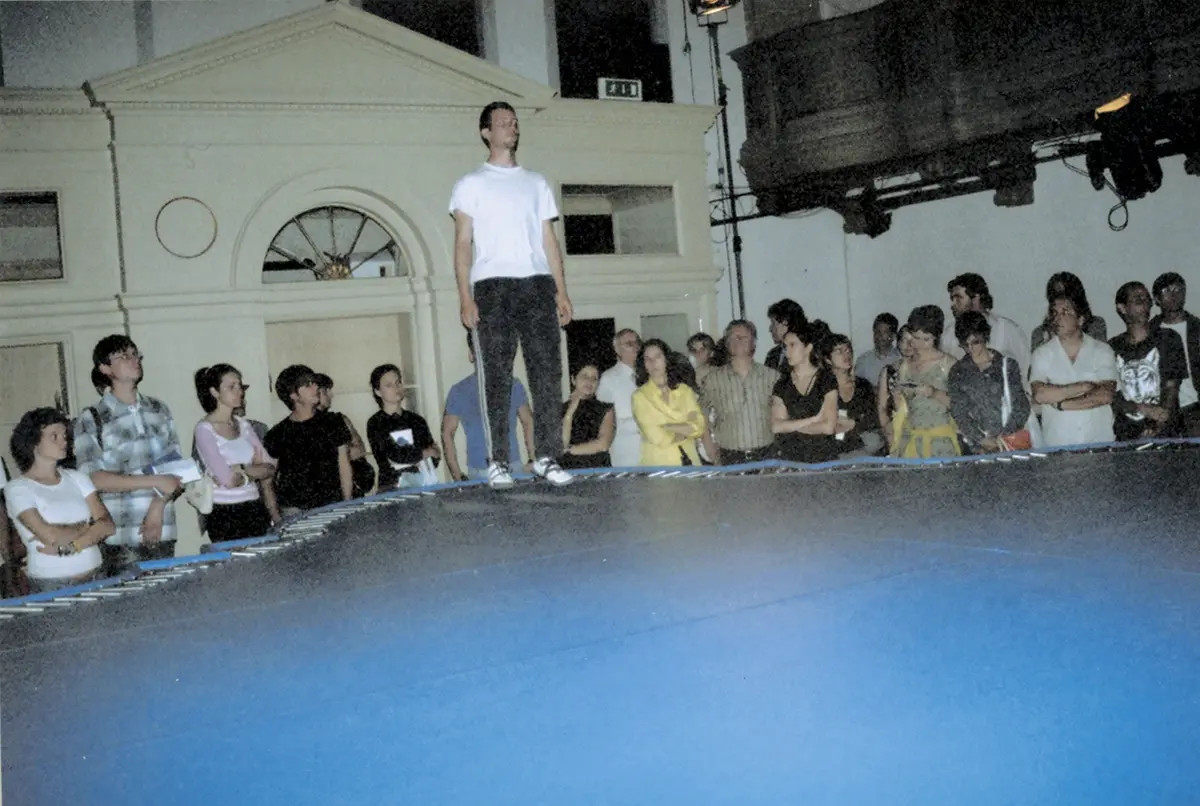
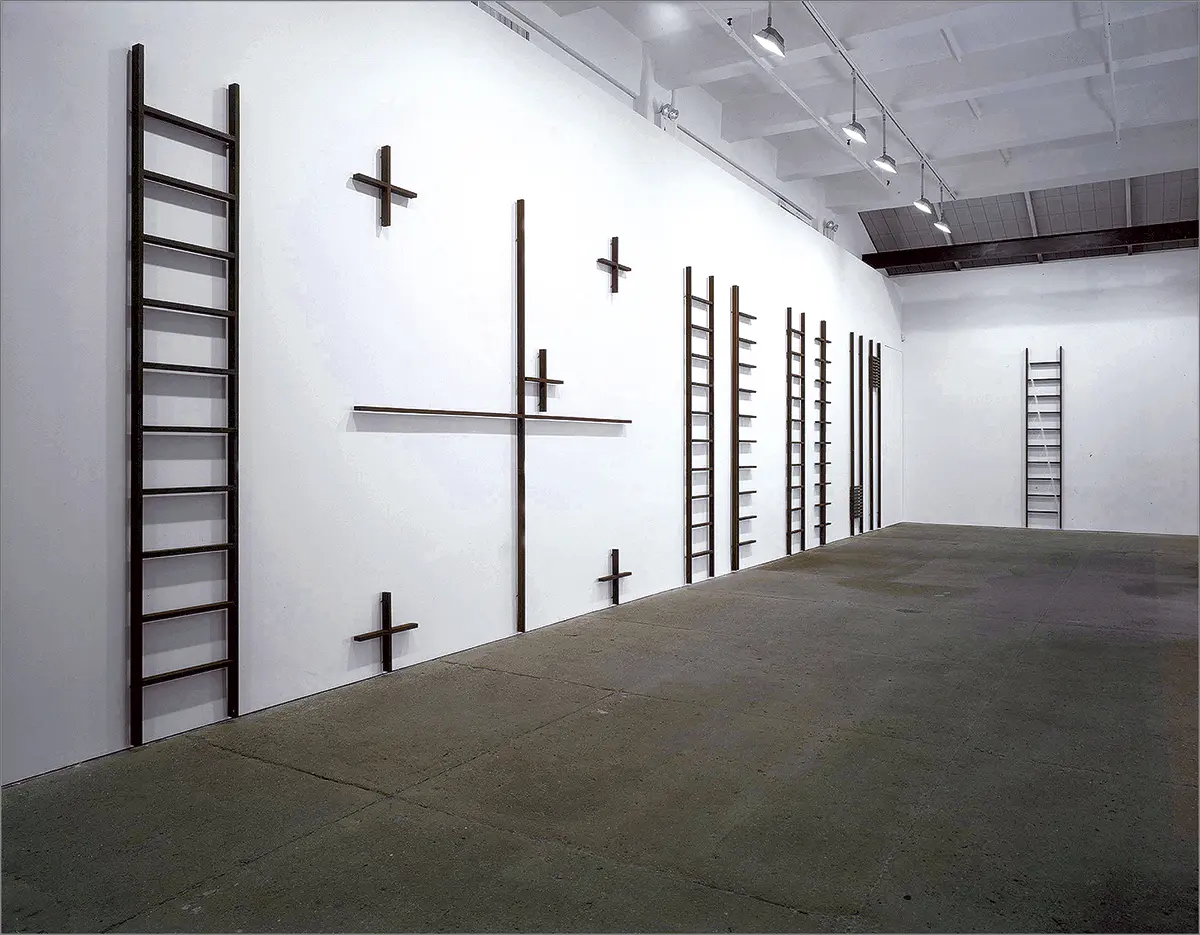
I will end by mentioning the Argentinean pavilion, improvised in a Baroque oratory, where Jorge Macchi presented Asunción, a mix of installation, performance, and music with which he made evident the fact that we mortals, like the Virgin Mary, cannot reach the heavens unless we are taken there. It was absolutely timely.
The Prizes
The Biennale’s international jurors awarded the Golden Lion to Barbara Kruger for her career as a whole; Thomas Schütte was named the most outstanding artist in the international show, and Regina José Galindo the most outstanding artist under the age of thirty-five. The prize for Best Pavilion went to France, which presented work by Annette Messager.
CARLOS JIMÉNEZ
Writer and art critic, independent curator. Author of Extraños en el paraíso: una mirada al arte de los 80 (1993) and Los rostros de Medusa: estudios sobre la retórica fotográfica (2003).