ExhibitionOctober 16, 2017
¡Vale!... ¿Qué vale? Worth It!... How Much?
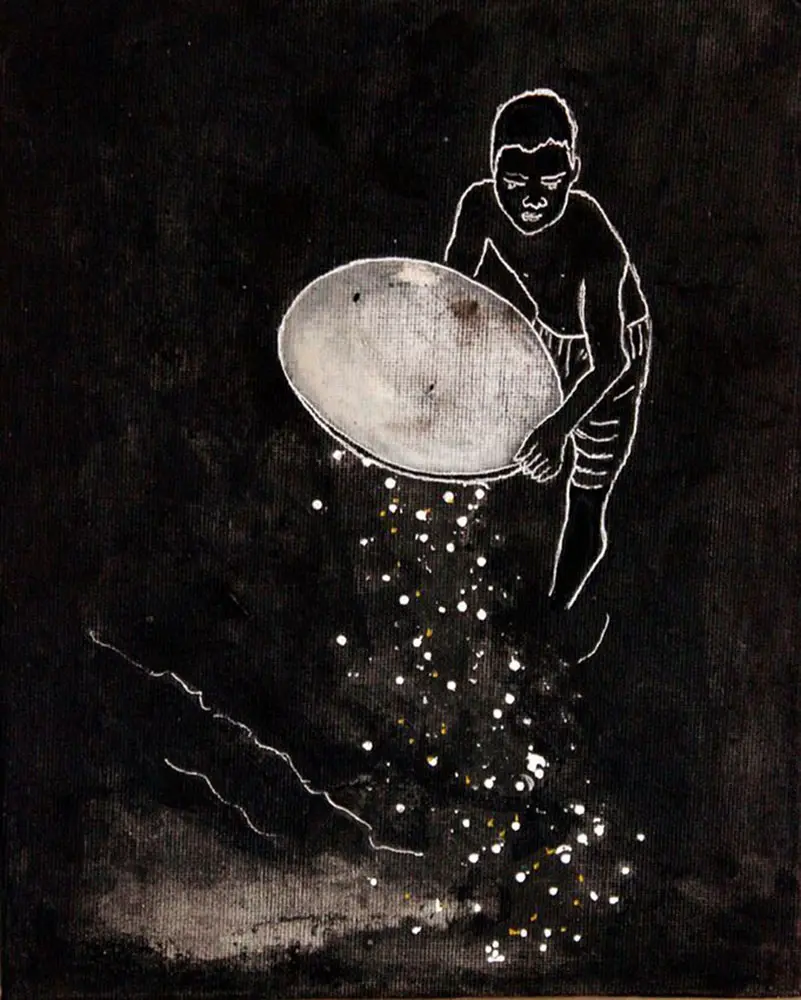
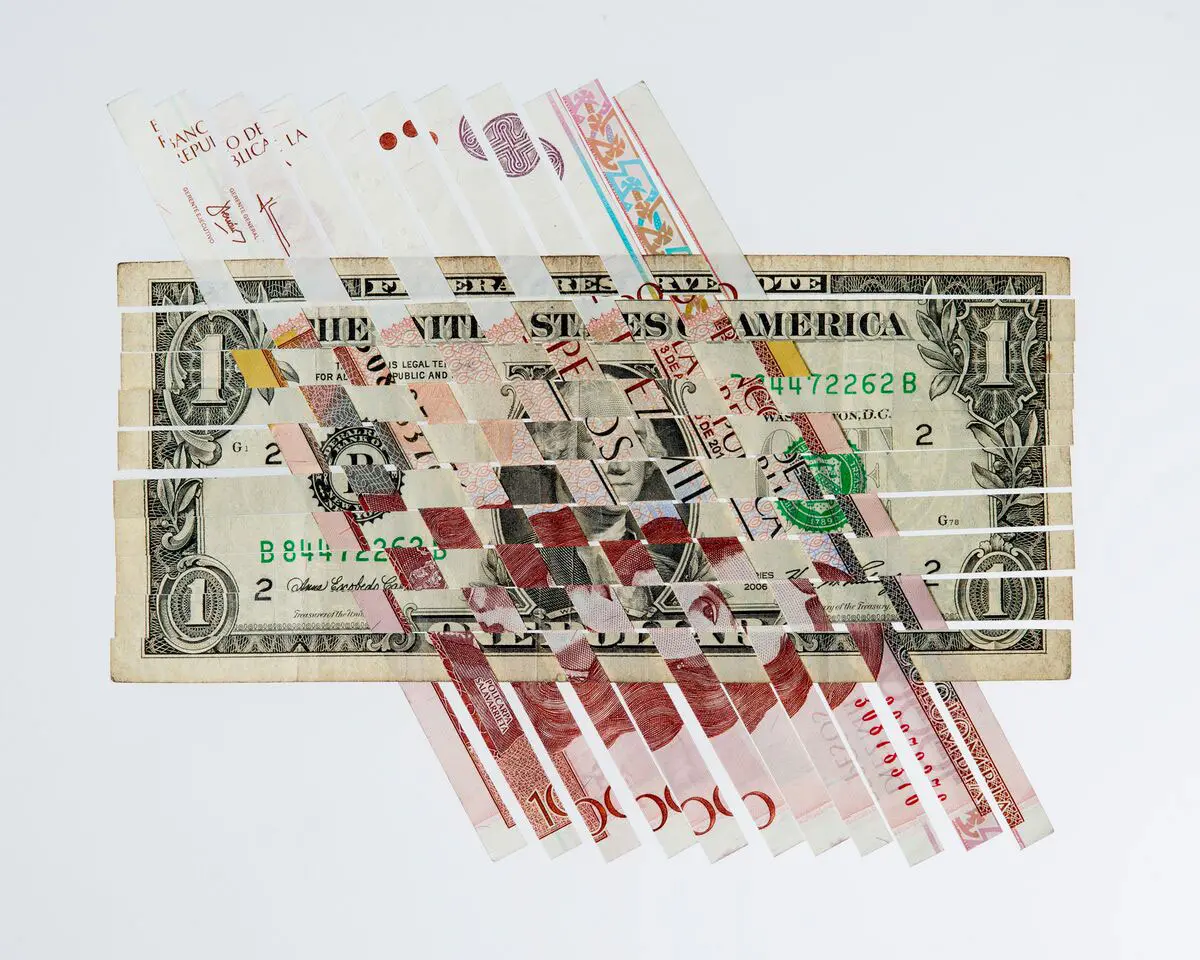
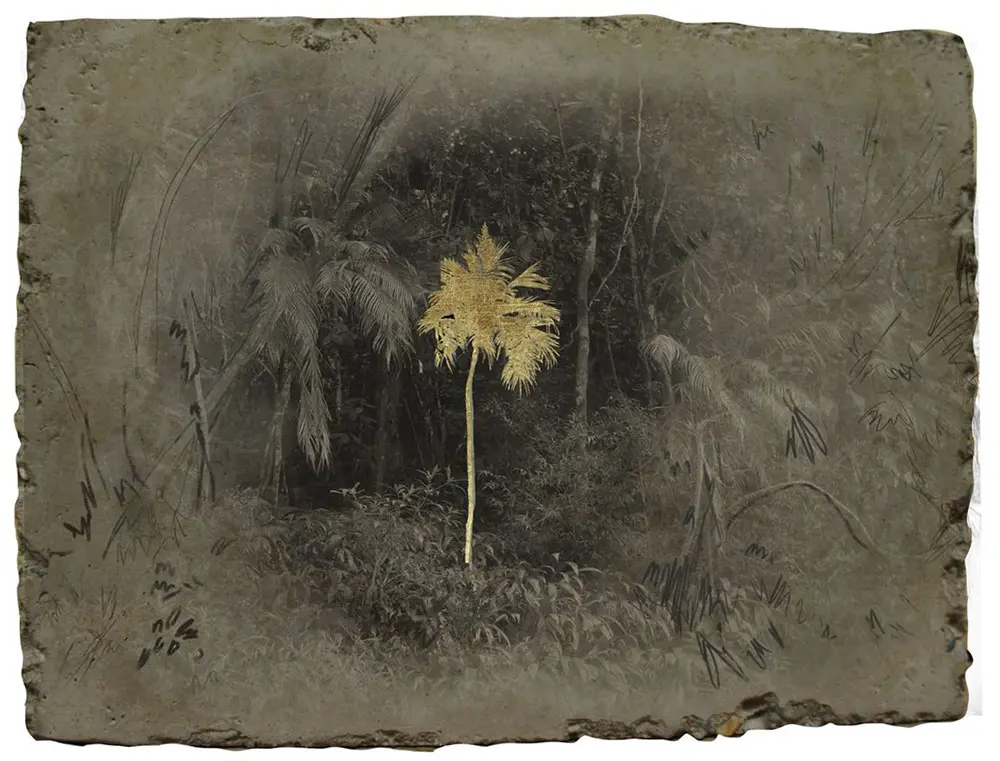
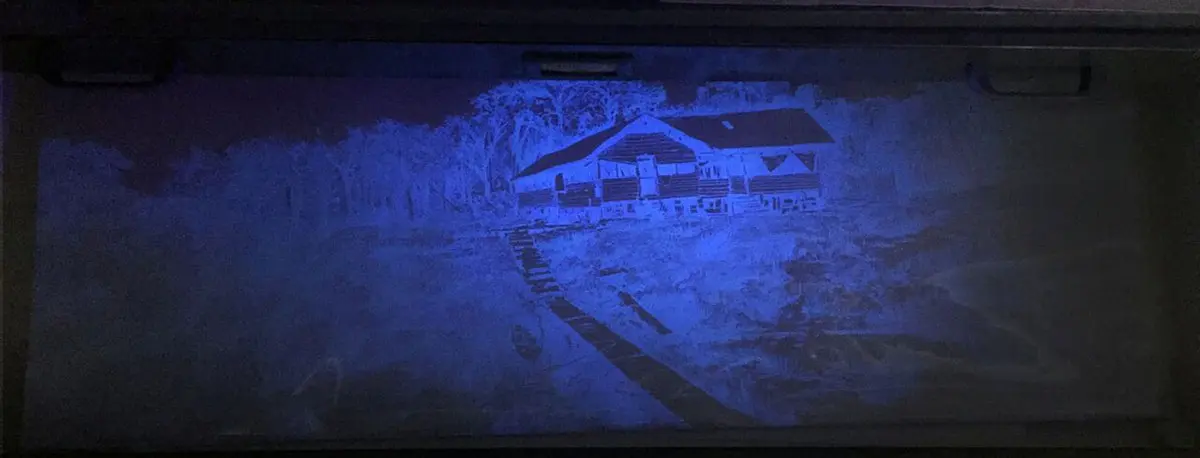
The exhibition "Worth It!... How Much?," presented at the Sala de Arte de Suramericana de Seguros from October 19 through January 11, 2018, features never before shown works created in a variety of mediums: installations, paintings, graphic works, sculptures, and photographs by artists Ana Patricia Palacios, Alexandra McCormick, Ana Isabel Díez, and Sara Herrera. Curated by Conrado Uribe, the exhibition shown at the Galería José Amar proposes a series of visual reflections centered on the value given to life and to the objects that are part of it. The encounters and disconnects emerging from the works by these four artists spark new meanings that enrich the perception of the often troubling situations that we must face every day locally and globally. According to Conrado Uribe, "First of all, it is important to point out that this is an exhibition by women artists that explores issues that have historically and culturally been controlled by men. It is interesting, and necessary, to recognize and encourage the formal and conceptual contributions that can be offered from other roles and fields, including those proposed by women within the artistic practices. Ana Isabel Díez reflects on life and human dignity. In her work she points to the violence perpetrated against women, reflecting on the physical and psychological abuse that affects the female gender worldwide. Pajaritos de Oro (Little Gold Birds), for instance, relies on a metaphor involving the trafficking of women and, in En-bola-atados, every ball of cloth represents a life story that more often than not ends in physical violence. The work by Sara Herrera conveys the value of ecological diversity. Herrera pays tribute to biodiversity and the value of the flora and fauna in nearby Medellin. In this manner, this artist celebrates the privilege of living near these environments as she also questions the role that human beings must play to conserve such habitats. For her part, Alexandra McCormick explores issues associated with the real meaning of possessing, having and being able to access a territory. McCormick talks about discovering an area of 356 acres that once belonged to her father but had to be abandoned because of the violence in her country. The spot is located in the Catatumbo department (in the north of Santander), a place where many historic conflicts have occurred having to do with gold, oil, biodiversity, the Venezuelan border, drug trafficking and contraband routes, guerrillas, and disputes between settlers and indigenous people (like the Barí). It is an area that McCormick was not able to discover before because of the continuous territorial conflicts. Framed by this reality, she establishes in her work a dialog that seeks to explore the value of property and land tenure. Ana Patricia Palacios examines the value of the socioeconomic basis that allows for the exploitation of human beings and territories. Palacios's work shows outdoor explorations centered on the landscape that generates controversial associations between aberrations and attractions. She shows "rivers that have been totally devastated, transformed into something else; enormous areas that have been turned into something entirely different from what they once were. Ecologic transformation. Brutal effects. In addition, human beings will always be present in what they represent."
Gallery