Art NotesFebruary 4, 2019
Trío Loxon PROA21Celebration of Painting
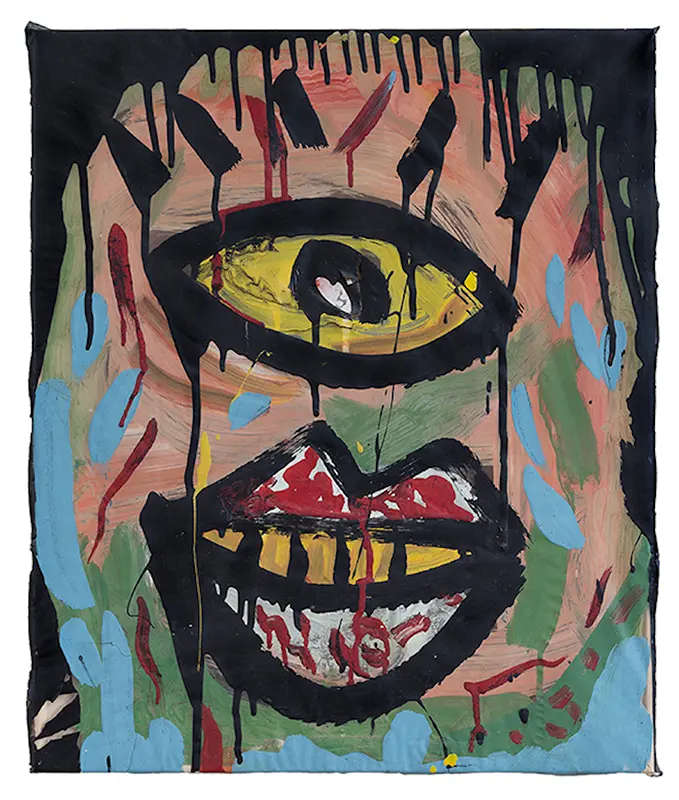
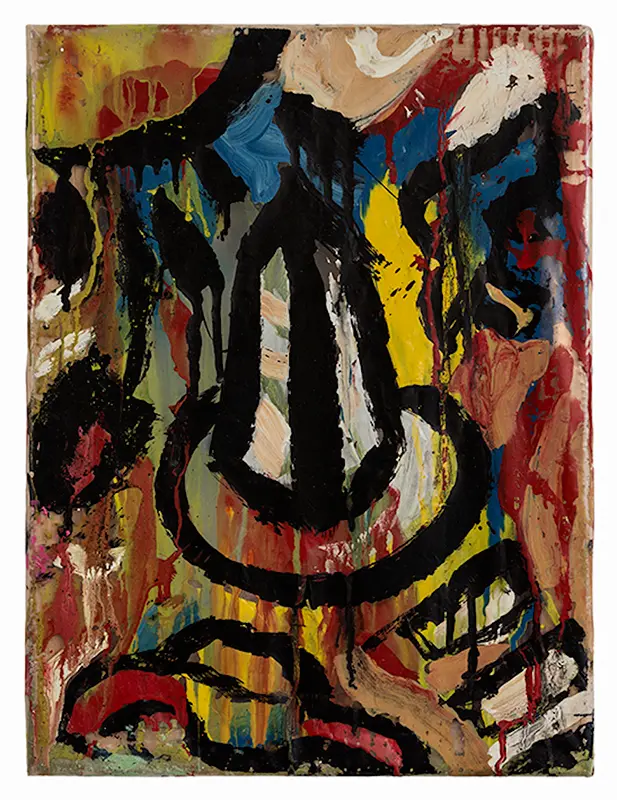
A new space for experimentation, research, and exhibition created by Fundación Proa, PROA21 is located just one hundred or so meters from the foundation's headquarters on Don Pedro de Mendoza avenue—right next to Caminito Street—in La Boca neighborhood, Buenos Aires. With a fluted façade that follows the architectural tradition in the zone, the building used to house the studios of artists Fortunato Lacámera, Miguel Ángel Victorica, Julio Vergottini, and Benito Quinquela Martín (with a museum of his own nearby). The two-story building has two different working areas: a laboratory in which new artists develop site-specific works, and a second section dedicated to historic explorations centered on Argentinean art aimed at, according to Santiago Bengolea, director of PROA21: "Evidencing the threads of continuity between different generations." The venue opened its doors with an exhibition by young artists, experimental works in its garden, and a "Project for the Day You Love Me" by Argentinean visual artist, writer, and producer Leandro Katz that explored the connections between photographic documents and history. In that same vein, the space is currently exhibiting Trío Loxon, works created by the group of the same name formed by artists Rafael Bueno, Guillermo Conte, and Majo Okner, which emerged on the alternative art scene of Buenos Aires in the early 1980s. Paintings, photographs, and material by the group dialog with works by contemporary artists like Juan Becú, Nahuel Vecino, and Claudia Zemborain, among others. According to Bengolea, the exhibition revisits and attempts "to reclaim the vanguardist gesture developed by these artists, while also establishing interactions with the past, traditions and discontinued legacies that appeal to contemporary artistic practices." During the 1980s, Argentina experienced a revival of painting characterized by the recovery and combination of different artistic styles of the past. Currents like Transavantgarde and Neo-expressionism predominated and the period was defined by the return of democracy in many Latin American countries, which, in Argentina's case occurred in 1983, following the 1982 military defeat against the United Kingdom in the Falkland Islands. The works by the Loxon group largely consisted of live interventions and performances with neo-expressionist tints created at the renowned Café Einstein and La Zona—both founded by Bueno, the latter an underground space that used to be his studio and then became a place for the trio and other artists to meet and perform. They were created with commercial acrylic latex paint for interior walls, made by the Loxon brand, applied on transparent plastic. It was collaborative work not designed to last and that did not seek to create a particular style or brand. It was developed as a liberating experience, as a performance gesture that shared the spotlight with musicians and actors. Hybrid and ephemeral, their artistic expressions celebrated painting and enriched the art scene of a Buenos Aires in which the visual arts, theater, music, publishing, fashion, and sexual openness, blossomed under democracy.
Gallery