ExhibitionMay 17, 2018
Dream of Solentiname
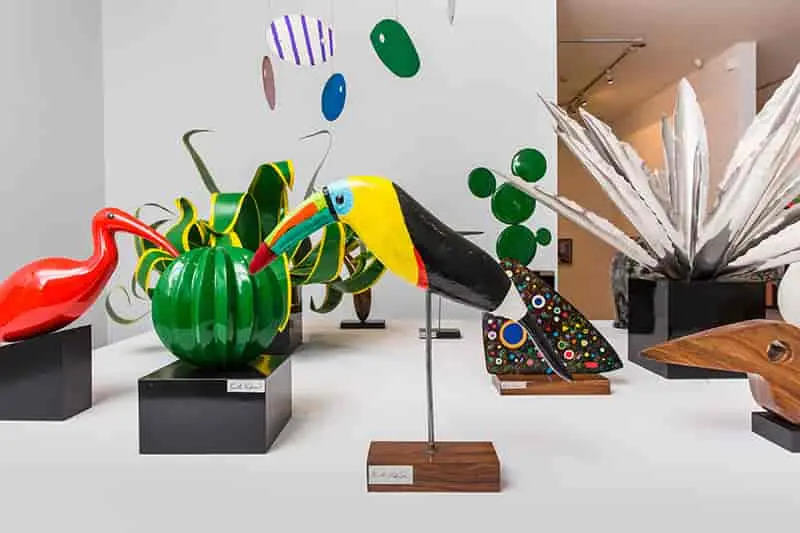
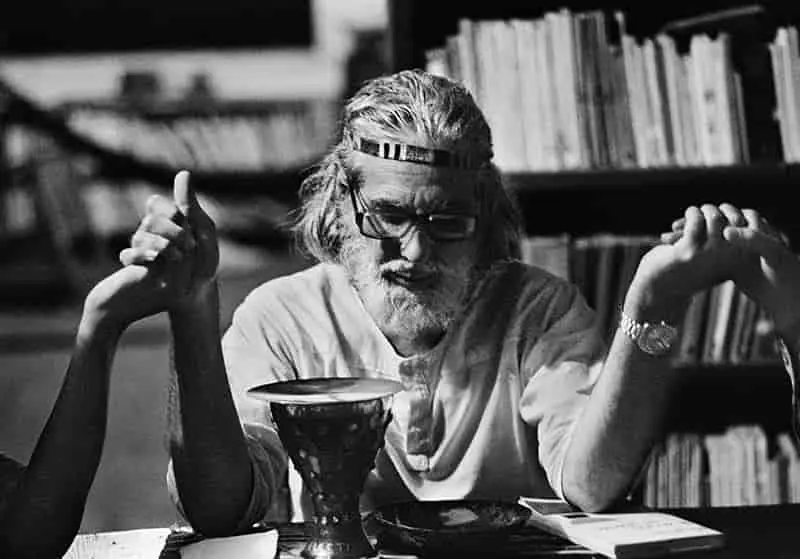
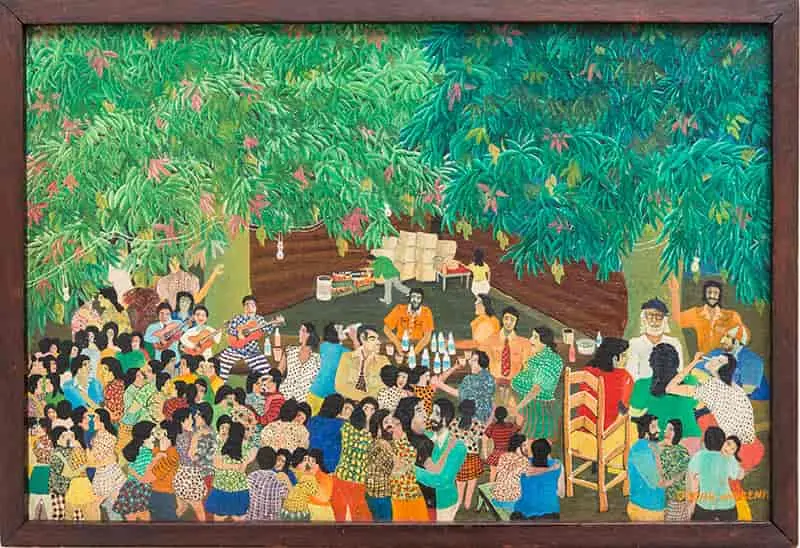
The exhibition titled "Dream of Solentiname," presented at the Museo Jumex in Mexico City, approaches a key moment in the relationship between aesthetic and politics in Central America, as well as its impact on the artists working during the 1980s in New York. During the 1980s Nicaragua became the stage for a war between the Contras (counterrevolutionaries or Nicaraguan Resistance) and the government led by the Sandinista National Liberation Front (FSLN) that rose to power in 1979 after overthrowing Anastasio Somoza. During a turbulent period when human rights violations and continuous terrorist attacks became obstacles for social peace—this time to overthrow the Sandinista government—the figure of Ernesto Cardenal (Granada, Nicaragua, 1925) became very relevant. A creator and activist who excelled in several disciplines like poetry, sculpture, literature, translation, theology, and politics, Cardenal had already been advocating social change for many decades before. In 1977 Somoza's authoritarian regime destroyed Solentiname, the utopian community founded by Cardenal in 1965 rooted in a spiritual, political, and artistic movement that emerged in the south of Nicaragua. This community played a very important role in the Sandinista Revolution and it became the model to follow when Ernesto Cardenal was appointed culture minister and tried to replicate the achievement of Solentiname. In that community painting became a political form of expression, a way for making a living, and a lifestyle for its members who lived under the principles of social justice and liberation theology. During its existence, writers like Julio Cortázar and artists like Juan Downey and photographer Sandra Eleta visited Solentiname to witness the harmony reached in the archipelago. The exhibition includes works by Group Material, photographers Sandra Eleta and Susan Meiselas, as well as paintings by artists from the islands and sculptures by Ernesto Cardenal created between 1956 and 2017, in addition to an installation by artist and architect Marcos Agudelo that recreates some elements of the chapel in Solentiname. The great value of this exhibition resides in that it documents an important period in the history of Nicaragua while it also helps viewers to reflect on the current political situation in the Central American country and the entire region.
Gallery