Kinetic Works by Julio Le Parc
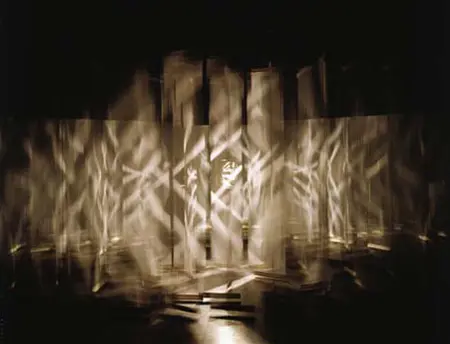
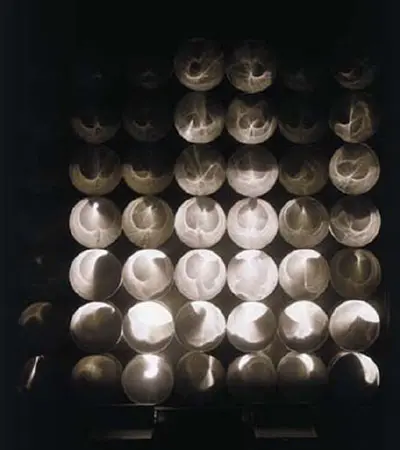
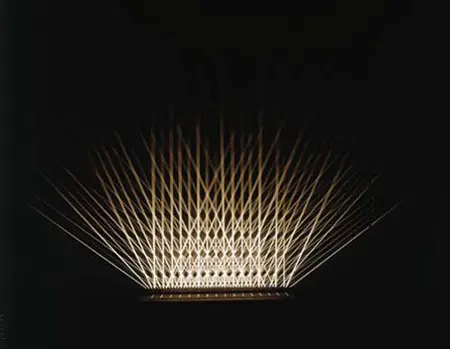
From October 12, 2013 to February 23, 2014, Casa Daros in Rio de Janeiro presents the exhibition entitled Le Parc Lumière - Kinetic Works by Julio Le Parc. The show reflects one of the most important aspects in the work by the Argentinean artist: his preoccupation with changing light. The exhibition consists of works—most of these created during the 1960s—from the Daros Latinamerica Collection.
Alongside his colleagues from the Groupe de Recherche d'Art Visuel (GRAV), in the 1960s Le Parc broke radically with artistic convention, as he rejected static images in favor of a dynamism that placed the work of art in a constant state of transformation that eliminated the possibility of fixed viewpoints. The lively play of light in his works continuously transforms, dissolves and recreates the space, as viewers become an integral part of the Gesamtkunstwerk (total work of art). While the artist establishes a set of basic conditions, the overlaying and other features caused by the light phenomena are the result of chance. This approach generates ever new and surprising constellations that nonetheless can never be entirely grasped. Le Parc's kinetic works resist interpretation in specific terms and this is precisely his intention. In a world in which everything and everyone is organized—and this even occurs in the supposedly free world of art—Le Parc offers us with his kinetic works the opportunity to brake with our regimented existence, as he frees us from a state of dependency and makes us part of the complete luminous experience.
Julio Le Parc was born in Mendoza, Argentina, in 1928. He moved to Paris in 1958, where he still lives. The political and social upheavals of the 1960s provided a fertile environment for the development of a wide-ranging body of work that gradually brought Le Parc international recognitions, like the prize he was awarded at the 1966 Venice Biennale.
Gallery