Heard on The StreetJanuary 17, 2020
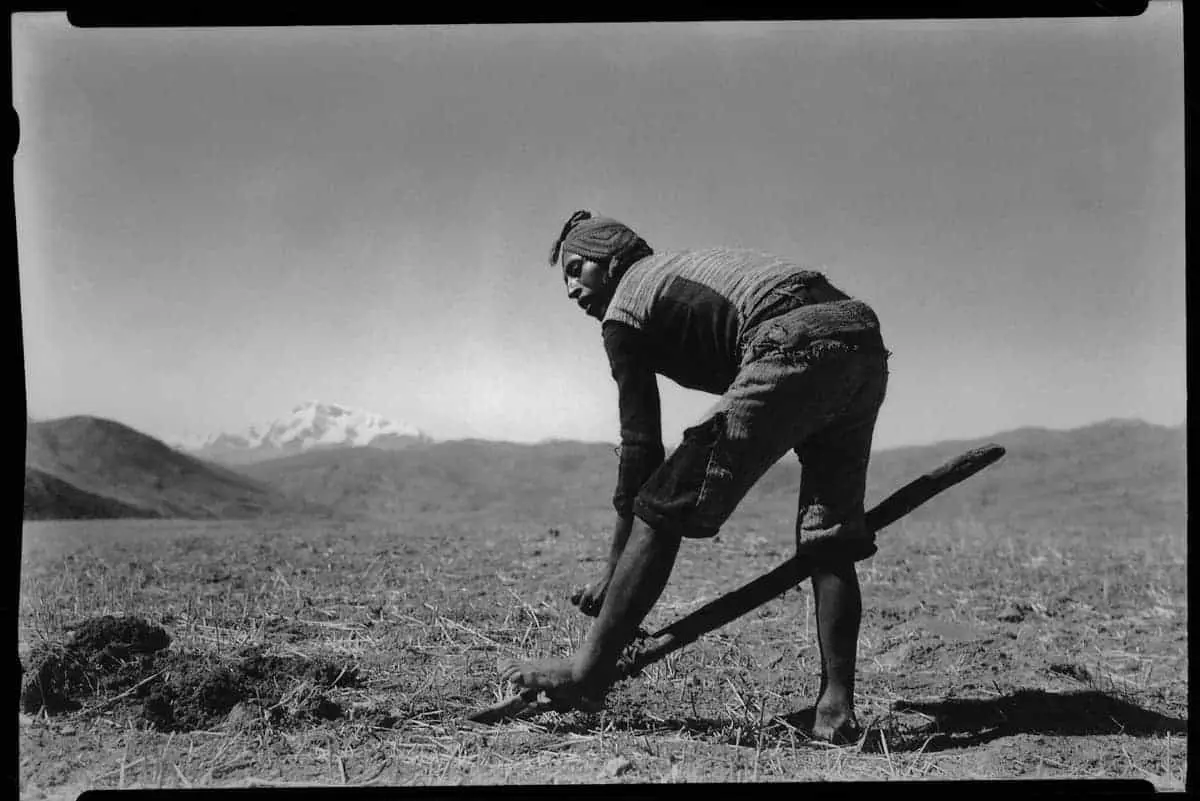
Martin Chambi’s photographic work is declared Cultural Heritage of the Nation
By a viceministerial resolution, Peru’s Ministry of Culture declared the photographic work of Martín Jerónimo Chambi Jiménez to be part of the Cultural Heritage of the Nation, given its significant contribution to the testament, enhancement, and dissemination of the Andean intangible cultural heritage of Peru, and also for its great artistic value.
Martín Jerónimo Chambi Jiménez was born on November 5, 1891 in Coaza, located in the Carabaya province, which in turn belongs to the Puno department. He was the third son of Félix Chambi and Fernanda Jiménez, a couple of Quechua farmers who cultivated mainly root vegetables and quinoa.
At 14, he moved eastward to the Santo Domingo Mining Company located near the Inambari River in his natal Puno. This stint at the mine would lead to his first contact with photography. There he got to see and admire the work of three English photographers who worked there.
In 1908, Chambi migrated to the city of Arequipa, like many Puno people who were looking for a better future. He began as an assistant at the studio of renowned portrait photographer Max T. Vargas, from whom he learned the trade and the ability to relate with the refined social circles of southern Peru.
In 1918, motivated by his desire to connect with the Andean communities and their surroundings, Martín Chambi decided to settle in Cusco, where he nurtured his passion for the historical and cultural wealth of his people.
In this context, Chambi stands out as one of the most important Peruvian exponents of documentary photography by registering innumerable Andean cultural manifestations that belong to their intangible heritage.
On September 13, 1973, at the age of 82, he died in his "Quinta Chambi," leaving a photographic archive consisting of several tens of thousands of negatives.
Last November 5th marked the 128th anniversary of the birth of Chambi, and two days later, in an official ceremony, the viceministerial resolution was bestowed to the family of this outstanding Peruvian photographer.
Martín Jerónimo Chambi Jiménez was born on November 5, 1891 in Coaza, located in the Carabaya province, which in turn belongs to the Puno department. He was the third son of Félix Chambi and Fernanda Jiménez, a couple of Quechua farmers who cultivated mainly root vegetables and quinoa.
At 14, he moved eastward to the Santo Domingo Mining Company located near the Inambari River in his natal Puno. This stint at the mine would lead to his first contact with photography. There he got to see and admire the work of three English photographers who worked there.
In 1908, Chambi migrated to the city of Arequipa, like many Puno people who were looking for a better future. He began as an assistant at the studio of renowned portrait photographer Max T. Vargas, from whom he learned the trade and the ability to relate with the refined social circles of southern Peru.
In 1918, motivated by his desire to connect with the Andean communities and their surroundings, Martín Chambi decided to settle in Cusco, where he nurtured his passion for the historical and cultural wealth of his people.
In this context, Chambi stands out as one of the most important Peruvian exponents of documentary photography by registering innumerable Andean cultural manifestations that belong to their intangible heritage.
On September 13, 1973, at the age of 82, he died in his "Quinta Chambi," leaving a photographic archive consisting of several tens of thousands of negatives.
Last November 5th marked the 128th anniversary of the birth of Chambi, and two days later, in an official ceremony, the viceministerial resolution was bestowed to the family of this outstanding Peruvian photographer.