Art NotesJanuary 20, 2016
Modernidad. Fotografía brasileña (1940-1964)
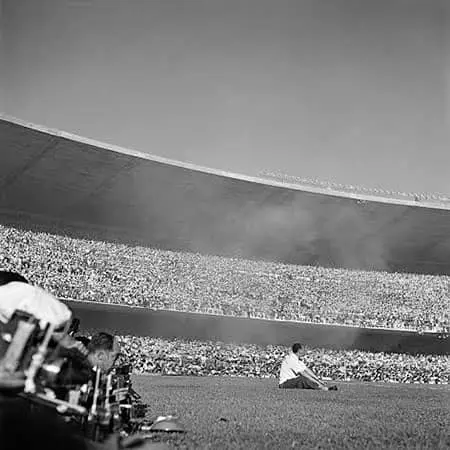
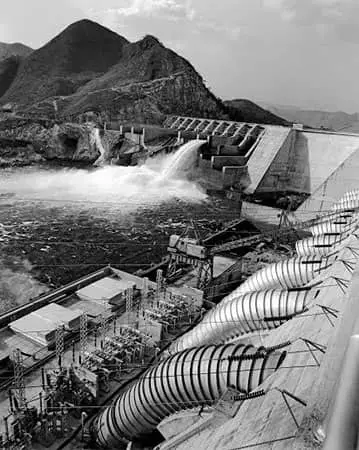
Madrid's Círculo de Bellas Artes is presenting, through January 31st, an exhibition titled Modernidad. Fotografía brasileña (1940-1964). The exhibition features 220 photographs preserved at the Moreira Salles Institute in Río de Janeiro, and were previously on display at the Photography Museum in Berlin, in Paris, and at the Calouste Gulbenkian in Lisbon. Here, photographers from a variety of backgrounds offer their vision of modern Brazil during the period from the start of WWII and the 1964 military coup in the country. Marcel Gautherot, from Paris; José Medeiros, from Brazil; Thomaz Farkas, from Hungary; and Hans Gunter Flieg, from Germany, portray different aspects of modern Brazil. Brazilian identity has for the longest time been based on constructed and often contradictory images. Marcel Gautherot's photography reflects those paradoxes, capturing disparate subjects such as Amazonian rituals—harking back to the "from outside" view of native indigenous peoples that emerged with the arrival of the first Europeans in the Modern era—and the construction of the city of Brasilia. The point of view is that of the golden age of photojournalism, around the WWII era and in subsequent years, but Gautherot is also after the orderliness and formal compositions of modern abstraction. The key is that religious practices are handled from the same distance—or with the same degree of closeness, if one prefers—as the construction of Brasilia, a project or rationalistic urban planning conceived by Lúcio Costa and executed with the active participation of Oscar Niemeyer. The same tensions appear in the work of José Medeiros, which focuses on public life in Rio de Janeiro and the iconic landscapes we associate with carioca culture: the beach, carnival, and sports. We know that the modern city is shaped by public spaces and the socialization of its inhabitants; Medeiros counterbalances this overarching bourgeois imprint with images of Brazil's interior, centered on rituals such as candomblé or on the impact of technology on native populations. Thomaz Farkas also displays a fascination with Brasilia as the materialization of modern project. His gaze focuses on the construction of the country's new capital, emphasizing the process, the empty spaces, and the poetics of industrial elements, all the while searching for a profound formal rigor akin to that of Paul Strand's photographic work. Farkas' images must be recontextualized with an account of how photographers coming to portray Brazil worked with a long-established set of images, such as those of a ritualistic, magical, oral culture, and with such entrenched myths as anthropophagy. Along the same lines of an attempt to depict the most innovative side of Brazil, identified at that time with progress and the future, German photographer Hans Gunter Flieg (a Jew who had fled Nazism) focused on the country's industrialization. His compositions include the interior of manufacturing plants, serialized assembly-line work, and tools—in sum, the image of a modern nation in the process of growing and developing.
Gallery