ExhibitionMarch 17, 2014
México Through Photography
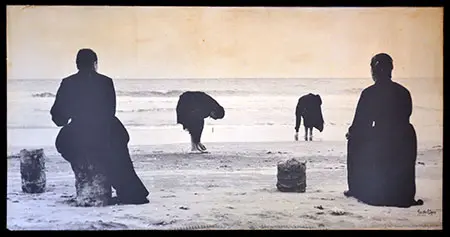
With a selection of approximately 350 images, the Museo Nacional de Arte presented the Project Mexico Through Photography. Ethnologist Sergio Raúl Arroyo headed the curatorship of an exhibition whose central objective was to propose a visual survey of the most important events in the social and cultural history of Mexico. Worthy of note was the diversity in the origin of materials used, something explained by the fact that the works selected came from 45 national and international collections including Mexican institutions like the Fototeca Nacional and Fundación Televisa, and international organizations like the George Eastman House in Rochester, the International Museum of Photography and Film in New York, among other important photographic collections; all of which collaborated to generate an interesting body of work that narrated a visual survey of the history of a country that has gained international recognition because of the magnificent work of its photographers. The exhibition consists of 185 original works and contemporary prints that, while presented as a group that constructed a visual history through images, also narrated the evolution of photography in Mexico through the various techniques used from the beginning of photography to this day—like daguerreotypes, ambrotypes, albumin, and, later on, the use of silver gelatin and digital photography images. This proposal establishes an exercise of interconnections between themes, authors and works from different periods that reveal lines of continuity and cuts in the history of photography that connects cultural, social, political, geographic and technical processes. Included in the exhibition is the first panoramic photograph of Mexico City taken by French photographer and traveler Claude Desiré Charnay in 1858. Divided into four large chronological sections: 1839 to 1910, 1911 to 1939, 1940 to 1968 and 1968 to this day, the exhibition presents a series of accounts centered on political, civic, bellicose or festive events that revealed Mexico's accelerated development toward modernity through urbanism, tragic events, political and cultural institutionalization, the consolidation of the national film industry, among many other records captured by photographers from the 19th Century to this day. This reconstruction of images captured by the more than 200 photographers in the exhibition—including Nacho López, Arno Brehme, Tina Modotti, Manuel Álvarez-Bravo, Lola Álvarez-Bravo, Guillermo Kahlo, Juan Rulfo, Héctor García, Mariana Yamplosky, Pedro Meyer, Maya Goded, Graciela Iturbide, among many others—have forged an account of the history of a country based on the subjective gaze. The exhibition succeeds in establishing, sometimes partially but always in a panoramic and rich manner, the photographic process and the events of a nation, as illustrated decades of political, social and cultural events and characters that one by one conform the complexity of the national story and account for the importance of images as a documental medium whose potency forges a collective and rhetorical memory. The exhibition is complemented by a film series titled Mexico and Filmmaking and by a program of guided tours, an audio guide and an application for iPad, along with a catalog with more complete information about the images that constitute the exhibition.