Art NotesJanuary 26, 2012
MAF-Month of Art in Tierra del Fuego
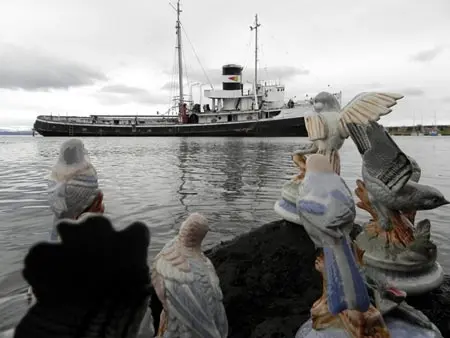
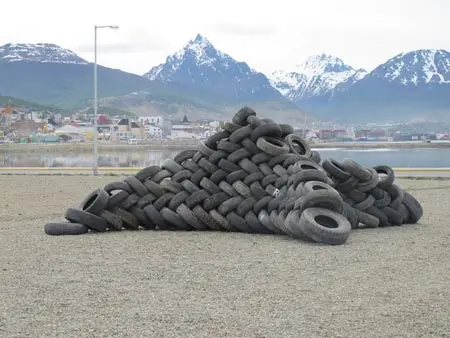
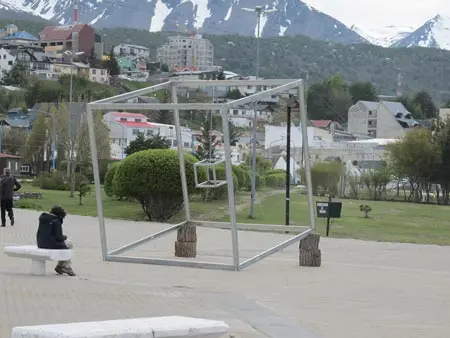
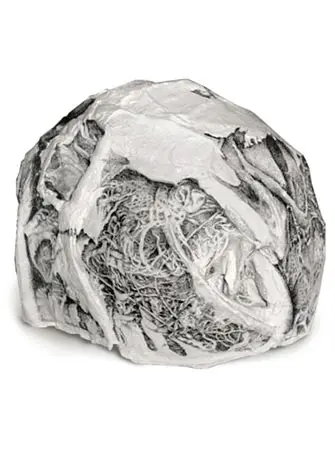
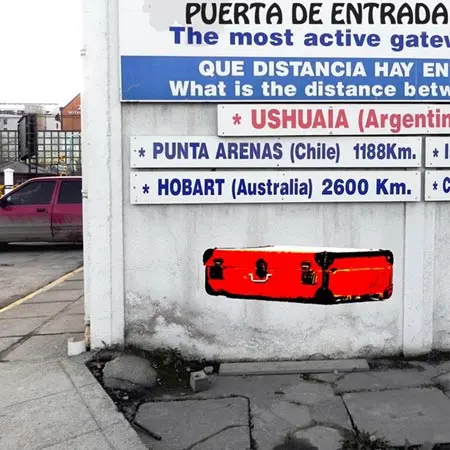
In 2011, the first edition of MAF (Spanish acronym for Month of Art in Tierra del Fuego) was presented in the public spaces, cultural centers, and museums of Ushuaia (Tierra del Fuego, Argentina), the southernmost city in the world. Separated from Chile by the Beagle Channel, Ushuaia, the place referred to in Yaghan language as the "bay that expands into the west," presented many challenges to the 27 artists that worked in Estar Acá (Being Here). With powerful and sensitively executed proposals, the artists succeeded in creating "another center." Rather turning into a display of technological or economical excesses, the proposals presented at MAF burst with intelligence and creativity. How could one compete against the extraordinary natural scenery, the almost mythic reverberation of the "end of the world," or overcome the sharp isolation and the extreme weather? Far from seeking the spectacular, many of the works at MAF expressed, poetically and politically, a moving intimacy and a collective preoccupation for society, history, and nature. Time transformed the ice in the performances by Richard Bouzón, as it also altered the photographic prints-self-portraits-that Cecilia de Souza left outdoors; as well as the black stones with white lines in the landscape by Niní Bernardello, who found Correspondencias (Correspondences) between them and the Mask designs of Selknam (the original people of the island) and poured them into an artist's book. The scarcity of housing in Ushuaia-made greater by the continuous addition of newcomers-visualized in the sculpture by Ariel Mamaní and in the installation with photographs by Fernanda Rivera-Luque, contributed to the debate to resolve the precarious settlement dangerously located next to a gas pipeline. Issues associated with the processing of industrial residues and waste are present-and possible solutions are offered-in the cluster of tires by Maia Gessaga and in the video performance by Ricardo Frías. The reutilization of materials is evident in the collages by Pablo Fabbro made with found papers, and in the pieces with discarded electric materials by José Luis Miralles. Such recycled materials also appear in the nostalgic installation by the Bitácora Group, created with small ceramic animals-imported but never sold-glued to stones, to a gangway in the water, and to an ancient boat that never set sailed. A shipwreck was the point of departure for Miguel Caviglia to reflect on immigration. Likewise, the stencils of suitcases placed on the city walls represented for Laura Aguilera her own starting point. The phenomenon of bird migrations appeared in the photographs by Leandro Herrainz and in the paper birds-with writings by Borges-by Rosalía Jofré. There is the exodus of spirits in the endearing work by Rosana Rojas-Ramoa: a ceramic rendition of Yefacel-a sort of guardian angel and protector of the original peoples-that the artists exhibited in a public space. When the soul that it was protecting died, the Yefacel would then wander as an orphan. Created by institutions from the region, MAF accompanied the artists in this place of encounter with an impeccable curatorial narrative by Matilde Marín and the coordination by a Tierra del Fuego native, Gustavo Groh.
Gallery