Manuel Álvarez-Bravo, Photographer on a Quest
The FundaciónMAPFRE presents until May 19 of 2013 at its SalaAzca the exhibition entitled Manuel Álvarez-Bravo, Photographer on a Quest. The exhibition includes 150 works that expand from the decade of the 1920 to the 1990s, when Álvarez-Bravo decided to retire.
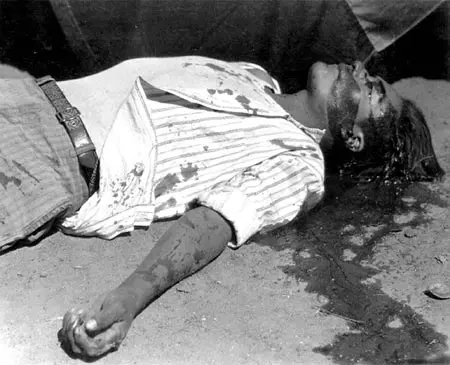
The show has been divided into eight sections. To Form, shows the first works that the artists considered valid, after having destroyed his initial exercises for considering pictorialists; To Construct, a segment that reviews his first years as a night photographer—during the day he worked as an accountant; To Appear, focusses in the crucial year 1931, when he discovered Atget's work and began to take street pictures; To See, dedicated to his first exhibitions and publications; To Lie, narrates the events of 1934, when he took the famous picture of the murdered striking worker and when he entered in contact with foreign authors. To be Exposed, is about the beginning of the introduction of surreal elements; To Walk, where some of his most famous photos about the everyday life of Mexicans; and To Dream, a section that focuses on Álvarez-Bravo's later work.
The artistic production by Álvarez-Bravo has often been associated with Mexico's folklore, muralism and even with the surrealist aesthetic. But this exhibition—shown earlier at Jeu de Paume, in Paris—wants to go even further, as it stresses this artist's connections with the profound transformations initiated by the 1910 Mexican Revolution: namely, the gradual abandonment of rural life and traditional customs, the emergence of an internationally influenced post-revolutionary culture, and the adoption of modern and urban ways of life.