ExhibitionMarch 11, 2016
LO NUNCA VISTO. De la pintura informalista al fotolibro de postguerra (1945-1965)
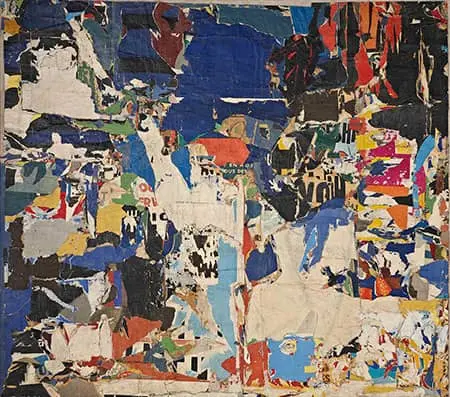
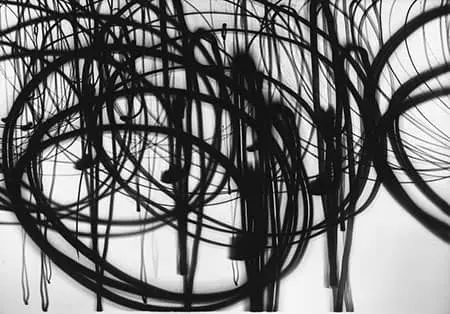
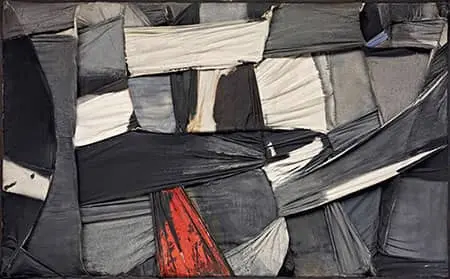
The Juan March Foundation presents the exhibition LO NUNCA VISTO. De la pintura informalista al fotolibro de postguerra (1945-1965) through June 5, 2016. This exhibition explores European painting of the post-war period—through the mid-1960s—alongside photography between 1945 and 1965, with the intention of immersing viewers in the historical context of the period and facilitate their understanding of artist's ruptures with the past after the war. To that end, LO NUNCA VISTO. De la pintura informalista al fotolibro de postguerra (1945-1965) posits a close connection between painting and photography, thanks to the emergence of a kind of photography that insinuates concerns and procedures parallel to those of the pictorial genre, with works like Kikuji Kawada's Chizu–The Map. The exhibition also brings into high relief the relationship between European abstract art in the post-war years and the artists of Subjektive Fotografie movement in Germany, with figures such as Hermann Claasen, Helmut Lederer, Otto Steinert, or Spain's Francisco Gómez, as well as the photo-book and the kind of photographic practice that occupies the ambivalent terrain between document and artistic form. In painting, the exhibition collates the presence of renowned and prestigious artists and photographers, including Pierre Alechinsky, Karel Appel, Alberto Burri, Jean Fautrier, Jean Dubuffet, Georges Mathieu, Pierre Soulages, Wol, and the Spaniards Antonio Saura, Rafael Canogar, Manolo Millares, Fernando Zóbel, Gustavo Torner, and Luis Feito, among many others, with outstanding yet lesser-known figures, such as Natalia Dumitresco, André Marfaing, and Georges Noël. A forceful group of Czech artists is an important part of the roster, including Jan Klobasa, Jan Kubícek, Pavla Mautnerová, and Jirí Valenta; they represent the importance of the informalist response in those regions of Europe that, after the fighting ended, were left isolated and under Soviet domination. The exhibition also includes works by Wolf Vostell and the painters of the French Nouveau Réalisme: François Dufrêne, Raymond Hains, Mimmo Rotella, and Jacques Villeglé, among others, whose décollages of advertising and propaganda posters for movies, political events, and commercial concerns anticipated, like a photographic negative of sorts, what would soon become Pop Art, a shift in consciousness in Europe which was to be expressed in artistic forms that tended to celebrate a social reality that had gone from the privations of the post-war to an environment strongly inflected with consumerism and advertising, global capitalism, social democracy and the welfare state, up to this day. The exhibition features one hundred and sixty artworks, documents, and films from a variety of institutions and collections, both public and private, such as the Fondation Gandur pour l'Art in Geneva, the Centre Pompidou, the Pinacoteca di Brera, the Museum Folkwang in Essen, the Dietmar Siegert Collection, the Foto Colectania Foundation, the Museo Nacional Centro de Arte Reina Sofía, the Museo Thyssen-Bornemisza, and the Museu d'Art Contemporani in Barcelona, among others.
Gallery