ExhibitionJanuary 28, 2022· By María Luz Cárdenas
Letreros que se ven (Signs to be seen)
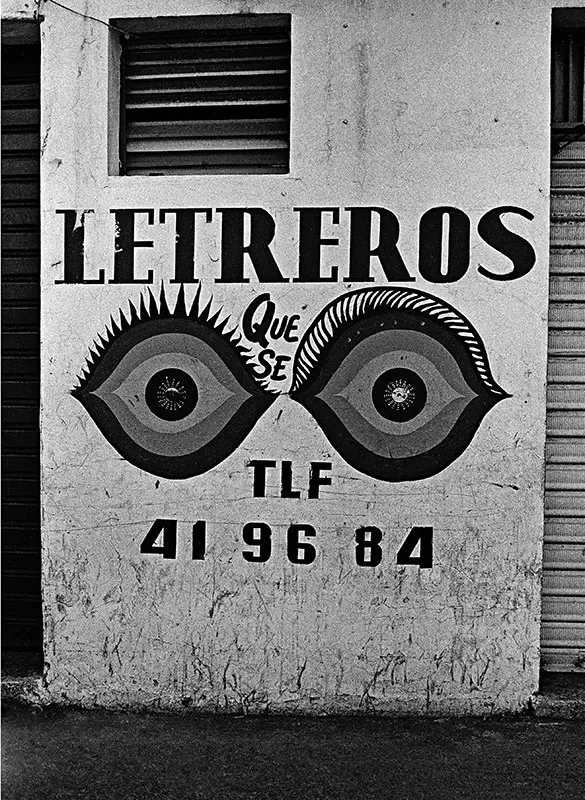
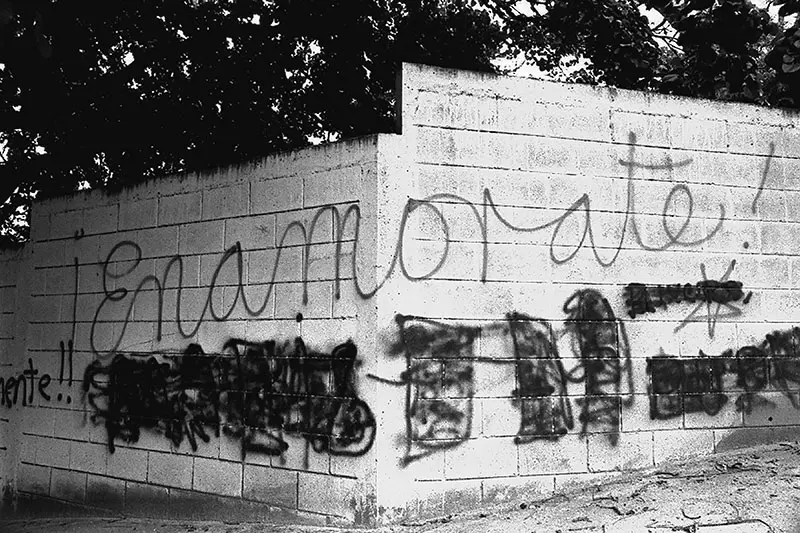
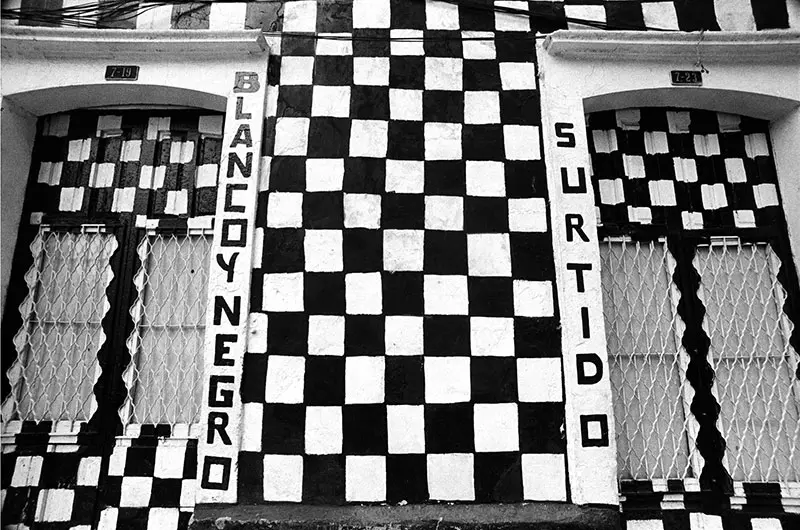
The exhibition "Letreros que se ven" at the Sala TAC is not only the rescue of a very significant experience but also the possibility of re-profiling the contributions to conceptualism in Latin America from little-known experiences. At the end of the seventies, an influential group of photographers was formed by Ricardo Armas, Fermín Valladares, Alexis Pérez Luna, Vladimir Sersa, and Jorge Vall, who developed an experience in the country with which the photographic discipline acquired an interesting theoretical and cultural dimension concerning the understanding of the image of the Venezuelan territory and the strategies of creation. They used the simple method of taking photographs in urban areas or traveling around the country and meeting every Thursday to share the results. This weekly discipline generated an archive of more than 2,000 negatives and, above all, a common way of interpreting them and the reality reflected in the images. In 1979 they selected the images published by the Ateneo de Caracas in a photobook under the title "Letreros que se ven", with 123 photographs collectively signed under the name of El Grupo.
More than forty years later, researcher Diana Vilera conceptualized an exhibition with El Grupo as part of her project "Para verte mejor América Latina" (To see you better Latin America), which aims to make Latin American photography visible. Although the exhibition did not have a single curator, the group work was maintained, with the selection of images by Ricardo Armas and Fermín Valladares, participants of the original El Grupo. The museography was by Yuri Liscano, and the graphic design by Ricardo Báez linked to the practice and research of photography. The 1979 photobook was transformed into an exhibition of 70 photographs digitized from the original negatives. A group of them form diptychs that directly evoke the reading of the double pages of the publication, and other groups are distributed in the form of "cloud concepts," like those made by the photographers on the day of the photobook's baptism in Caracas. This interesting way of presenting the museography dialogues with the original spirit of El Grupo. The images provided a context perspective combining humor, criticism, and social introspection. This type of project strengthens the contributions of Latin American art in the construction of a conceptual universe that addresses the history of a crucial period in which the image was postulated to critically reflect on the social and political context of the region. It is a way of collecting and projecting the memory of an experience that, conceptually, was a pioneer in the modes of creation. The exhibition is a path to an encounter with a country that is disappearing, but where photography is acquiring more and more spaces for projecting its questioning capabilities.
More than forty years later, researcher Diana Vilera conceptualized an exhibition with El Grupo as part of her project "Para verte mejor América Latina" (To see you better Latin America), which aims to make Latin American photography visible. Although the exhibition did not have a single curator, the group work was maintained, with the selection of images by Ricardo Armas and Fermín Valladares, participants of the original El Grupo. The museography was by Yuri Liscano, and the graphic design by Ricardo Báez linked to the practice and research of photography. The 1979 photobook was transformed into an exhibition of 70 photographs digitized from the original negatives. A group of them form diptychs that directly evoke the reading of the double pages of the publication, and other groups are distributed in the form of "cloud concepts," like those made by the photographers on the day of the photobook's baptism in Caracas. This interesting way of presenting the museography dialogues with the original spirit of El Grupo. The images provided a context perspective combining humor, criticism, and social introspection. This type of project strengthens the contributions of Latin American art in the construction of a conceptual universe that addresses the history of a crucial period in which the image was postulated to critically reflect on the social and political context of the region. It is a way of collecting and projecting the memory of an experience that, conceptually, was a pioneer in the modes of creation. The exhibition is a path to an encounter with a country that is disappearing, but where photography is acquiring more and more spaces for projecting its questioning capabilities.
Gallery