ExhibitionAugust 11, 2017
"Leo Matiz: The Muralist of the Lens. Siqueiros in Perspective"
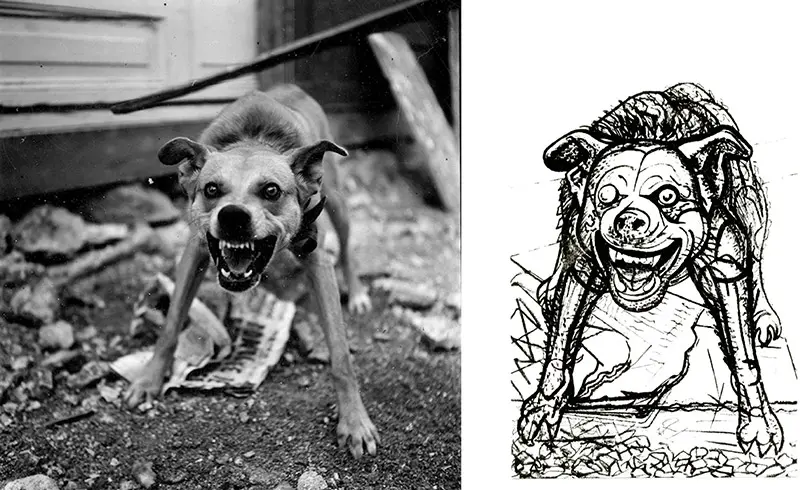
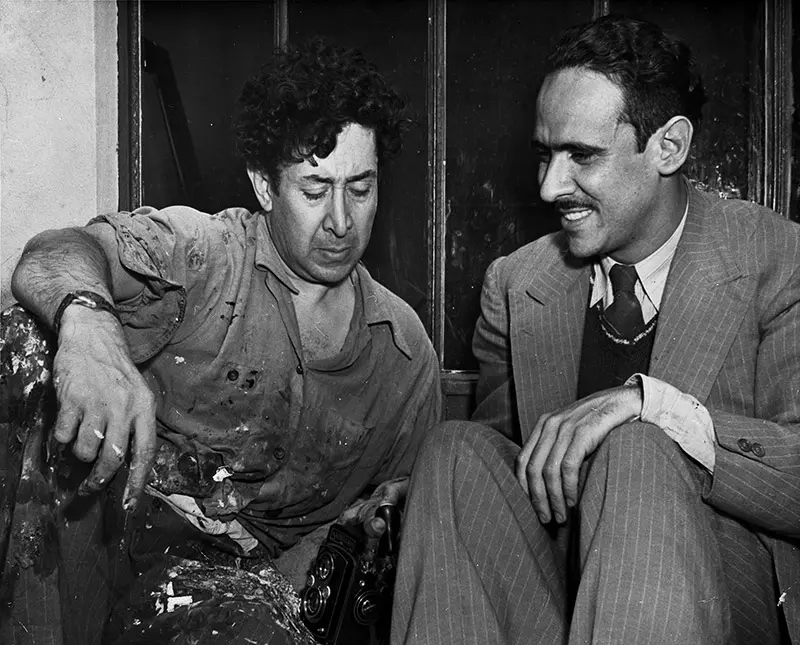
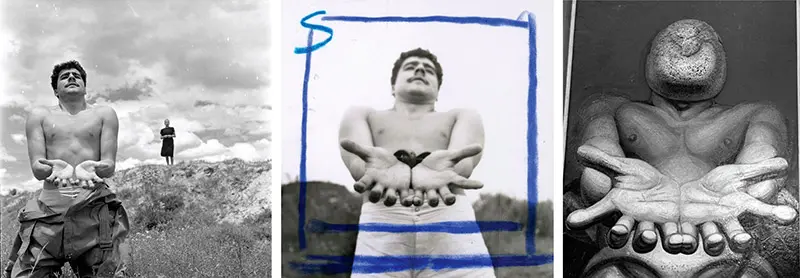
From August 4 until October 15, the Museo del Palacio de Bellas Artes in Mexico City celebrates the centennial anniversary of Leo Matiz's birthday with the exhibition titled "Leo Matiz: The Muralist of the Lens. Siqueiros in Perspective." The David Alfaro Siqueiros and Rufino Tamaño exhibition halls in the Museo del Palacio de Bellas Artes include, as part of their program of temporary exhibitions, the visual compositions by Leo Matiz that, during the 1940s, led to the creation of the mural titled Cuauhtémoc Contra el Mito (Cuauhtémoc Against the Myth) by Mexican painter David Alfaro Siqueiros. This exhibition reveals the contributions of Matiz's photography to the Mexican mural painting of the 1940s and includes an important selection of images that showcase the collaborative creative work between the Colombian photographer and David Alfaro Siqueiros, two artists that marked a turning point in the relationship between photography and painting in the history of modern Mexican art. The Museo del Palacio de Bellas Artes, which has a permanent exhibition of Siqueiros's murals, presents 30 vintage photographs by Leo Matiz that belong to the collections of the Fundación Leo Matiz (18 photographs) and the Sala de Arte Público Siqueiros (12 photographs). With these works, the institution proposes a curatorship geared towards showing the way in which the Mexican muralists would resort to photographs to explore the visual possibilities of the human figure and the space. This approach afforded the artists the opportunity to use photography as a template and, in Siqueiros's case, to avoid altogether the need to do sketches and, instead, rely on the authenticity offered by the photographic images. The Museo del Palacio de Bellas Artes and the Antiguo Colegio de San Ildefonso will also publish two catalogs about the Leo Matiz's exhibition and Mexican Muralism. Likewise, the Museo del Palacio de Bellas Artes and the Fondo de Cultura Económica de México will publish at the end of 2017 a book on the photographic work by Matiz, as part of their Tezontle collection, to be distributed throughout Ibero America.
Gallery