ExhibitionNovember 15, 2024
Le Mouvement 1955
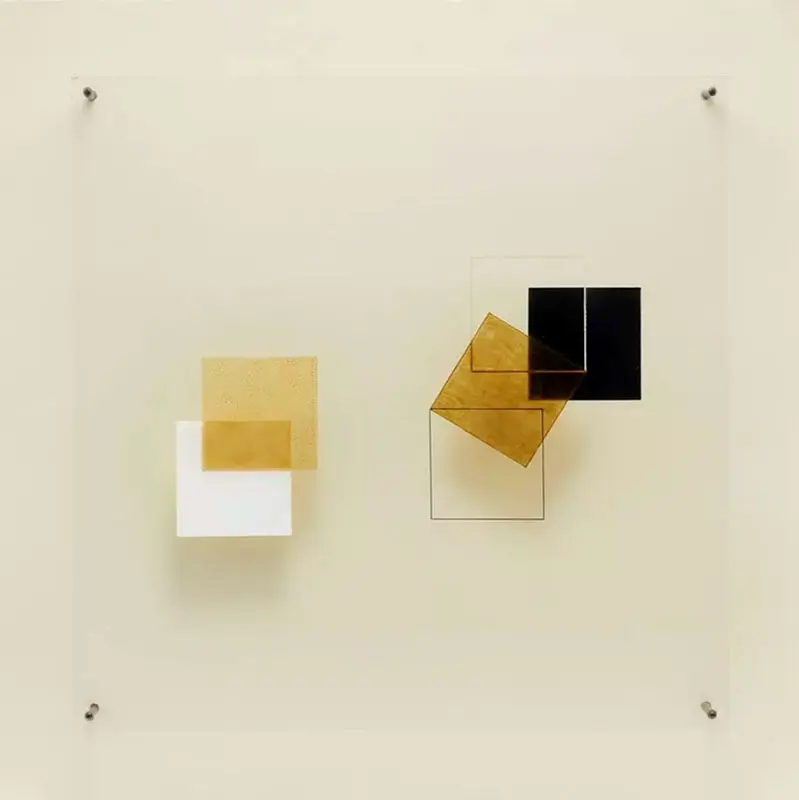
ANOTHER SPACE presents Le Mouvement 1955, a critical re-examination of the 1955 exhibition of the same name at the Galerie Denise René in Paris. Le Mouvement, a landmark event in Kinetic Art history, brought together eight international artists whose works examined the connection between art and motion. These artists included well-known artists Victor Vasarely, Marcel Duchamp, and Alexander Calder, as well as five up-and-coming artists: Yaacov Agam, Robert Breer, Pol Bury, Robert Jacobsen, and Jean Tinguely.
The extended version of ANOTHER SPACE, which takes place nearly 70 years after this historic show, reexamines the groundbreaking advancements made by these artists in the domains of movement and perception. The exhibition challenges the prevailing perception of kinetic art by showcasing the artists' political and utopian aspects as well as their innovative use of modern industrial materials and technological advancements, including neon, plastics, and acrylic paint.
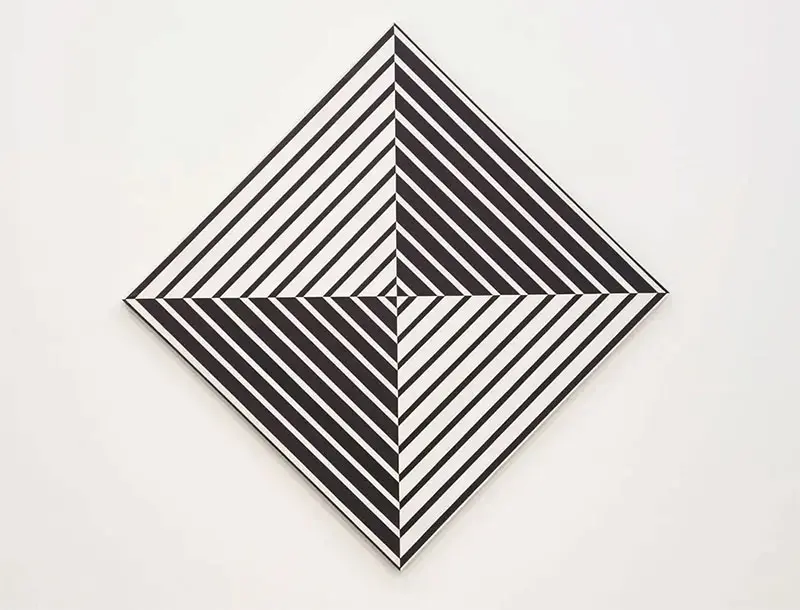
Le Mouvement 1955, which was curated by Estrellita Brodsky and is based on her doctoral research, includes works by the eight artists in the original Paris exhibition as well as other artists who were pursuing related concepts at the time, including Vera Molnar and Carmen Herrera, two female artists who were not included in the all-male exhibition. The exhibition also explores the history and legacy of the Kinetic art movement in Latin America and Europe, as well as its complex reception in the US.
The importance of the Madí, a group that was established in Argentina in 1946 and investigated ideas of movement and audience engagement, is highlighted in Le Mouvement 1955. Through their joint participation in several editions of the Salon des Réalités Nouvelles in Paris in the late 1940s and early 1950s, the Madí group—which stood for Materialismo Dialéctico (Dialectic Materialism)—had a considerable impact on some artists working in Paris. This exhibition emphasizes the fundamental role that Madí had in the investigation of movement in art, even though most critics tend to attribute the roots of Kinetic Art to Vasarely and an earlier group of European-based Bauhaus and Constructivists. The underappreciated significance of Madí's impact on the 1955 Le Mouvement Kinetic exhibition was highlighted as early as 1968 by French critic Jean Clay.
Estrellita Brodsky states: "Since writing my dissertation on Latin American artists in postwar Paris, it has been my dream to re-stage Le Mouvement, a primary catalyst for the Kinetic art movement and, in my opinion, among the most important exhibitions of the 20th century. I believe it is also an exhibition that deserves greater recognition, particularly in the United States, where Kinetic art has been largely misunderstood as contrived or superficial. What made the Kinetic movement so powerful, however, was its playfulness and inherent optimism. Many of its members, and certainly those from Latin America, proposed a utopian belief that engaging the public more directly would drive social change, a radical idea in a period marked by the Cold War and rising authoritarianism. As we face similar challenges today, with growing threats to democracy and the constant fear of conflict, we need art that brings hope and joy, encourages participation, and unites people—core themes of Kinetic art and I believe the reason these works continue to be of significance today."
The artists included in the exhibition are: Yaacov Agam, Carmelo Arden Quin, Martha Boto, Robert Breer, Pol Bury, Alexander Calder, Omar Carreño, Narciso Debourg, Marcel Duchamp, María Freire, Carmen Herrera, Robert Jacobsen, Nikolai Kasak, Gyula Kosice, Julio Le Parc, Antonio Llorens, Vera Molnár, Lygia Pape, Raúl Pavlotzky, Jesús Rafael Soto, Grete Stern, Jean Tinguely, Victor Vasarely.
The extended version of ANOTHER SPACE, which takes place nearly 70 years after this historic show, reexamines the groundbreaking advancements made by these artists in the domains of movement and perception. The exhibition challenges the prevailing perception of kinetic art by showcasing the artists' political and utopian aspects as well as their innovative use of modern industrial materials and technological advancements, including neon, plastics, and acrylic paint.
Le Mouvement 1955, which was curated by Estrellita Brodsky and is based on her doctoral research, includes works by the eight artists in the original Paris exhibition as well as other artists who were pursuing related concepts at the time, including Vera Molnar and Carmen Herrera, two female artists who were not included in the all-male exhibition. The exhibition also explores the history and legacy of the Kinetic art movement in Latin America and Europe, as well as its complex reception in the US.
The importance of the Madí, a group that was established in Argentina in 1946 and investigated ideas of movement and audience engagement, is highlighted in Le Mouvement 1955. Through their joint participation in several editions of the Salon des Réalités Nouvelles in Paris in the late 1940s and early 1950s, the Madí group—which stood for Materialismo Dialéctico (Dialectic Materialism)—had a considerable impact on some artists working in Paris. This exhibition emphasizes the fundamental role that Madí had in the investigation of movement in art, even though most critics tend to attribute the roots of Kinetic Art to Vasarely and an earlier group of European-based Bauhaus and Constructivists. The underappreciated significance of Madí's impact on the 1955 Le Mouvement Kinetic exhibition was highlighted as early as 1968 by French critic Jean Clay.
Estrellita Brodsky states: "Since writing my dissertation on Latin American artists in postwar Paris, it has been my dream to re-stage Le Mouvement, a primary catalyst for the Kinetic art movement and, in my opinion, among the most important exhibitions of the 20th century. I believe it is also an exhibition that deserves greater recognition, particularly in the United States, where Kinetic art has been largely misunderstood as contrived or superficial. What made the Kinetic movement so powerful, however, was its playfulness and inherent optimism. Many of its members, and certainly those from Latin America, proposed a utopian belief that engaging the public more directly would drive social change, a radical idea in a period marked by the Cold War and rising authoritarianism. As we face similar challenges today, with growing threats to democracy and the constant fear of conflict, we need art that brings hope and joy, encourages participation, and unites people—core themes of Kinetic art and I believe the reason these works continue to be of significance today."
The artists included in the exhibition are: Yaacov Agam, Carmelo Arden Quin, Martha Boto, Robert Breer, Pol Bury, Alexander Calder, Omar Carreño, Narciso Debourg, Marcel Duchamp, María Freire, Carmen Herrera, Robert Jacobsen, Nikolai Kasak, Gyula Kosice, Julio Le Parc, Antonio Llorens, Vera Molnár, Lygia Pape, Raúl Pavlotzky, Jesús Rafael Soto, Grete Stern, Jean Tinguely, Victor Vasarely.
Gallery