ExhibitionOctober 29, 2018
The Popular Gráficas Molinari
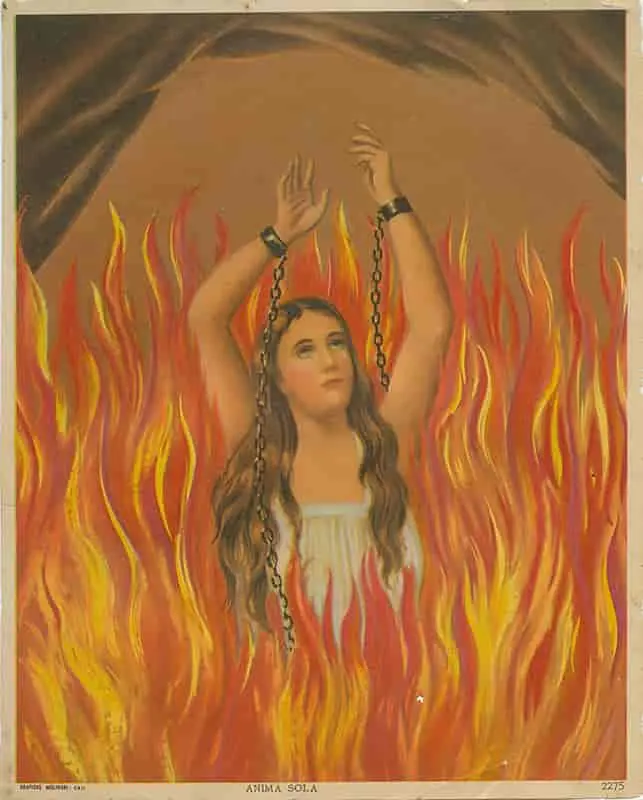
Winner of the 2018 Support for Curatorial Projects granted by the Ministry of Culture of Colombia—award that complements a series of findings, coincidences, encounters, and explorations—the project "Gráficas Molinari" by José Ruiz-Díaz will be exhibited for the first time at the Museo La Tertulia. In 2015, Ruiz-Díaz followed the trail of this extinct graphic workshop, driven by an interest in popular iconography and, most importantly, by the many artistic appropriations of its plates. Gráficas Molinari was a workshop founded in Cali in 1952 by Spanish Antonio Molinari. For nearly forty years, the workshop produced and reproduced religious and mythological images, portraits and landscapes. When Ruiz-Díaz found the storage that contained the entire history of Gráficas Molinari, he wasted no time in acquiring the material in order to organize it, digitize it, and preserve it. He also acquired the reproduction rights from Jesús Porras, the workshop's last owner. To a certain extent, the exhibition at the Museo La Tertulia reclaims the iconographic heritage produced in Cali, showcasing the city's great graphic tradition, particularly in the San Nicolás neighborhood, which is known for its lithography workshops and printing houses. The exhibition surveys the entire Molinari plates and their use in appropriations by artists like Karen Lamassone, Álvaro Barrios, Powerpaola, Beatriz González, Juan Camilo Uribe, and Dicken Castro, among many others. It is important to point that a great number of these works belong to the collection of the Museo La Tertulia. The project currently offers several initiatives that enrich the collection, energize it, and make it relevant again. In this manner, its director is looking for places around the globe that were captured in the plates of the Molinari family. Artists are also invited to intervene the collection and the images are available online so that anyone can access them. The team for the "Gráficas Molinari" project is also formed by Mariana Rodríguez, Natalia Gutiérrez, Juliana Rozo, Daniel Valencia, and Luisa Támara; and supported by Lucas Ospina, the project's co-curator.