ExhibitionJuly 30, 2021
The New Woman Behind The Camera
"The New Woman Behind the Camera" will be on view until October 3, 2021, at the Metropolitan Museum of Art - MET (New York) and from October 31, 2021 until January 30, 2022, at the National Gallery of Art (Washington). The exhibition is curated by Andrea Nelson, Associate Curator of the Department of Photography at the National Gallery of Art, which presents a history of photography that had not been told until now.
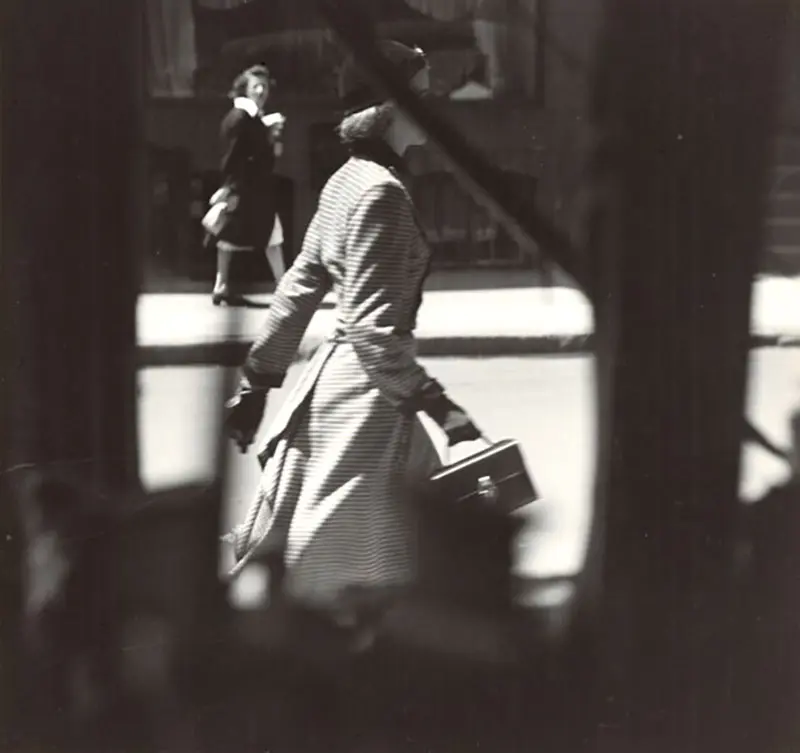
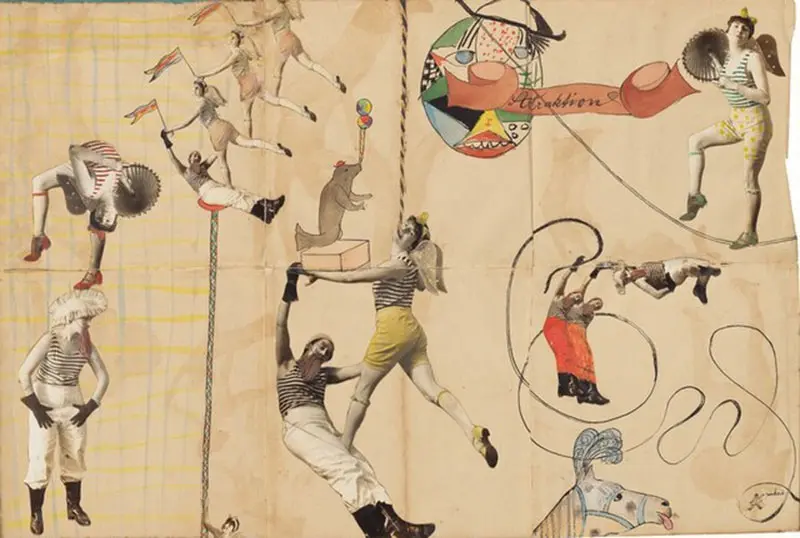
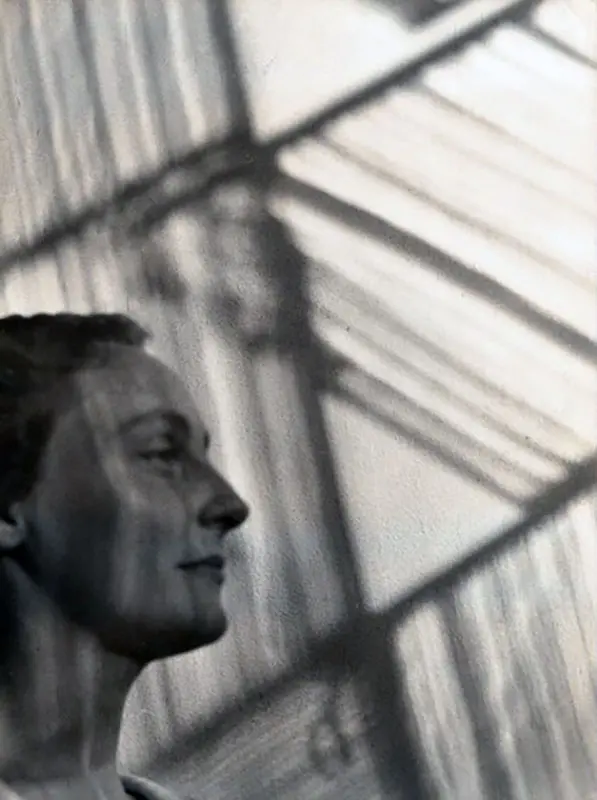
The “new” woman of the 1920s was iconic, modern, powerful, independent, elegant, creative, and self-confident, a global phenomenon that embodied an ideal of female empowerment based on real women who made revolutionary changes for women around the world, in life, art, and society. Featuring 185 photographs, photobooks, and illustrated magazines by more than 120 women photographers from over 20 countries, "The New Woman Behind the Camera" explores the diverse "New Women" work that helped shape modern photography and embraced photography as a professional and artistic expression from the 1920s through the 1950s by capturing images of a radically changing world. During this tumultuous period marked by two world wars, women were at the forefront of experimentation with the camera and produced invaluable visual testimony that reflects both their personal experiences and the extraordinary social and political transformations of the time.
The exhibition is the first to take an international approach highlighting the innovative work of women photographers in artistic experimentation, studio portraiture, fashion and advertising, scenes of urban life, street photography, ethnography, and photojournalism.
"The New Woman Behind the Camera" begins with a selection of self-portraits, including those of Annemarie Heinrich (Argentina) and Florence Henri (USA), and then continues through the realm of photographic studios, which were an important entry point into the field of photography for many women; this allowed them to forge professional careers and earn income. Among the representatives are Eiko Yamazawa (Japan), Florestine Perrault Collins (USA) and Karimeh Abbud (Palestine). The availability of smaller and lighter cameras pushed women photographers to portray urban life and cities, so in the exhibition, there are some exponents, such as Genevieve Naylor (United States), Tazue Satō Matsunaga (Japan), and Alice Brill (Germany). Experimentation and creativity were also protagonists in this period, with photographers such as Tina Modotti (Italy), Lucia Moholy (United Kingdom), and Grete Stern (Argentina). Several of the photographers began to travel abroad for ethnographic projects, among them: Marjorie Content (United States) and Anna Riwkin-Brick (Belarus). The photographers also dealt with health, sexuality, and fashion, presenting liberated bodies (nudes, sport, and dance shots) among their representatives: Germaine Krull (Poland) and Lotte Jacobi (United States).
In fashion and advertising, names such as Lillian Bassman (United States), Margaret Watkins (Canada), and Yva (Else Ernestine Neuländer-Simon) (Germany) appear. Photojournalism and documentary photography find their representation in photographers such as Lucy Ashjian (United States), Kati Horna (Mexico), Hansel Mieth (Germany). War photographs such as those of Galina Sanko (Russia), Gerda Taro (Germany), and Thérèse Bonney (United States). The exhibition also includes images of the liberation of the Nazi concentration camps taken by Lee Miller (United States) and of Hiroshima by Tsuneko Sasamoto (Japan).
The exhibition seeks to re-evaluate the history of photography and promote new and more inclusive conversations about the contributions of women photographers, so there is an extensive collection of photographs inspired by the global phenomenon of the "New Woman," among the photographers, we mention some of the representatives found in the exhibition: Hildegard Rosenthal (Brazil), Claude Cahun (France), Lola Alvarez Bravo (Mexico), Yvonne Chevalier (France), Aenne Biermann (Germany), Dulce Carneiro (Brazil), Berenice Abbott (United States), Leni Riefenstahl (Germany), Wanda Wulz (Italy), Niu Weiyu (China) and Homai Vyarawalla (India).
The exhibition is also accompanied by an illustrated catalog that analyzes the work of these "New Women" who adopted the camera as a mode of expression. It expands the history of photography by critically examining the work of 120 canonical and lesser-known women photographers.
The “new” woman of the 1920s was iconic, modern, powerful, independent, elegant, creative, and self-confident, a global phenomenon that embodied an ideal of female empowerment based on real women who made revolutionary changes for women around the world, in life, art, and society. Featuring 185 photographs, photobooks, and illustrated magazines by more than 120 women photographers from over 20 countries, "The New Woman Behind the Camera" explores the diverse "New Women" work that helped shape modern photography and embraced photography as a professional and artistic expression from the 1920s through the 1950s by capturing images of a radically changing world. During this tumultuous period marked by two world wars, women were at the forefront of experimentation with the camera and produced invaluable visual testimony that reflects both their personal experiences and the extraordinary social and political transformations of the time.
The exhibition is the first to take an international approach highlighting the innovative work of women photographers in artistic experimentation, studio portraiture, fashion and advertising, scenes of urban life, street photography, ethnography, and photojournalism.
"The New Woman Behind the Camera" begins with a selection of self-portraits, including those of Annemarie Heinrich (Argentina) and Florence Henri (USA), and then continues through the realm of photographic studios, which were an important entry point into the field of photography for many women; this allowed them to forge professional careers and earn income. Among the representatives are Eiko Yamazawa (Japan), Florestine Perrault Collins (USA) and Karimeh Abbud (Palestine). The availability of smaller and lighter cameras pushed women photographers to portray urban life and cities, so in the exhibition, there are some exponents, such as Genevieve Naylor (United States), Tazue Satō Matsunaga (Japan), and Alice Brill (Germany). Experimentation and creativity were also protagonists in this period, with photographers such as Tina Modotti (Italy), Lucia Moholy (United Kingdom), and Grete Stern (Argentina). Several of the photographers began to travel abroad for ethnographic projects, among them: Marjorie Content (United States) and Anna Riwkin-Brick (Belarus). The photographers also dealt with health, sexuality, and fashion, presenting liberated bodies (nudes, sport, and dance shots) among their representatives: Germaine Krull (Poland) and Lotte Jacobi (United States).
In fashion and advertising, names such as Lillian Bassman (United States), Margaret Watkins (Canada), and Yva (Else Ernestine Neuländer-Simon) (Germany) appear. Photojournalism and documentary photography find their representation in photographers such as Lucy Ashjian (United States), Kati Horna (Mexico), Hansel Mieth (Germany). War photographs such as those of Galina Sanko (Russia), Gerda Taro (Germany), and Thérèse Bonney (United States). The exhibition also includes images of the liberation of the Nazi concentration camps taken by Lee Miller (United States) and of Hiroshima by Tsuneko Sasamoto (Japan).
The exhibition seeks to re-evaluate the history of photography and promote new and more inclusive conversations about the contributions of women photographers, so there is an extensive collection of photographs inspired by the global phenomenon of the "New Woman," among the photographers, we mention some of the representatives found in the exhibition: Hildegard Rosenthal (Brazil), Claude Cahun (France), Lola Alvarez Bravo (Mexico), Yvonne Chevalier (France), Aenne Biermann (Germany), Dulce Carneiro (Brazil), Berenice Abbott (United States), Leni Riefenstahl (Germany), Wanda Wulz (Italy), Niu Weiyu (China) and Homai Vyarawalla (India).
The exhibition is also accompanied by an illustrated catalog that analyzes the work of these "New Women" who adopted the camera as a mode of expression. It expands the history of photography by critically examining the work of 120 canonical and lesser-known women photographers.
Gallery