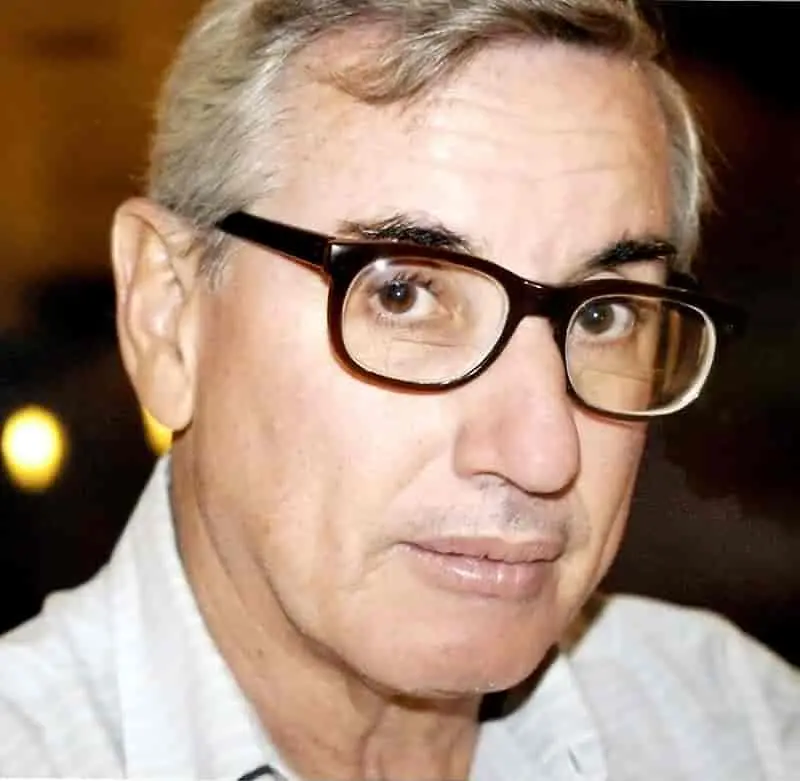
ObituaryNovember 28, 2018
Juan Castro y Velásquez
I still remember when Juan explained to me some of the ceramics he was cataloging for the Museo de Antropología del Banco Central as we sat in his office in the museum's Guayaquil space—he also established the foundation for its Pinacoteca. But that relationship with bureaucracy did not last long and Juan began his groundbreaking practice in the early 1980s. His stay in Guayaquil was brief, given the echoes coming from the international vanguards and a generation of young artists who found in Juan their catalyst. He was a tireless advocate and adviser for these emerging talents. Art critic, curators, and cultural manager were endeavors that did not exist back then until Juan assumed them. And he had to fight tooth and nail for those new artistic proposals. Luckily, Juan and the young artists of the Artefactoría group prevailed and art in Ecuador was renovated. One of Ecuador's most radical town dwellers—in a nation of provinces—Juan sensed that his work should reach beyond the city and, as result, he tirelessly worked to promote new proposals in Cuenca and Quito. Furthermore: aware of the advent of a new era, he supported, nurtured, and protected other young artists passing through Guayaquil, like Venezuelan Juan Loyola and Colombian María Evelia Marmolejo. At the peak of his career, he developed exhaustive research and curatorships, and mounted exhibitions by creators like Manuel Rendón-Seminario and Leonor Rosales-Pareja, both artists from Guayaquil who developed their work in Paris. But Juan's work was not limited to the visual arts. Later in his career, he channeled his energy and musical knowledge into the Sociedad Fondo Jóvenes Talentos, where he once again became an educator and promoted his endeavor through patronages. Out of respect for his privacy, I refrain from delving into Juan's many personal qualities and limit myself to a small aspect of his academic profile. He guides my clumsy words as I ask his friends to forgive me for not writing about the personal dimensions of this great human being. I conclude by mentioning two of his fairy godmothers: Madeleine and Matilde.