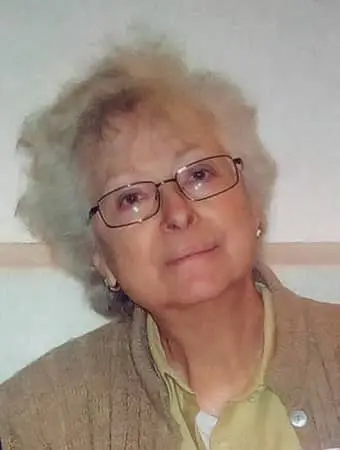
ObituaryOctober 6, 2016
Iris Peruga
In the fields of museum research, curatorial work and art criticism, the name Iris Peruga is held in high regard. Her work in these areas elevated the practice of a profession that she approached with rigor, discipline, and reflection. Throughout her long and prolific career at the Museo de Bellas Artes in Caracas, Peruga contributed to the growth and consolidation of that Venezuelan institution. Born in the province of Huesca (Spain), she moved to Venezuela in 1956. Her formative years exposed her to several artistic fields. He earned a degree in Scenic Design from the Instituto de Teatro de la Diputación Provincial, in Barcelona (Spain); she also attended the program of Museology and Art History of l'École du Louvre in Paris (France); in the 1990s, Peruga earned a Bachelor's Degree from the Escuela de Arte of the Universidad Central de Venezuela, majoring in Fine Arts. Peruga began her professional life working at the Sociedad de Amigos del Museo de Bellas Artes. In 1965, she became a member of the museum staff and served in several positions including as head of Records and Research. Because of her vast experience, after her retirement she continued working for the institution in an advisory capacity until 2005, approximately. During her time in the museum, she spearheaded national and international exhibitions, particularly centered on Latin American art, with curatorships that offered thorough approaches to the artists' works and their correspondence with the contexts in which they were produced. Some of her most relevant proposals include: "Marcelo Bonevardi. Time and Space of the Sacred" (1990), "Worlds of Gonzalo Fonseca" (1995), "Gabriel Morera. Abridged Retrospective 1960-1996" (1996), and "Gego 1955-1990" (2000). A selection of works from this last exhibition was presented in Houston, Monterrey, and Mexico City, Peruga also collaborated in joint projects with other authors, like the book titled Museo de Bellas Artes. Cincuentenario: Una Historia [Museo de Bellas Artes. Fiftieth Anniversary: A History] (1988), an essential document for the understanding of the museology of the region. The first five chapters, authored by Peruga, represent a valuable testimony that examines the trajectory of this important cultural institution, contributing to the study of the historiography and knowledge about the development of the fine arts and culture of Venezuela, at a particular time in the history of the country. On the other hand, she gave conferences and wrote several articles about art and other themes associated with art in catalogs and other printed media like the periodicals El Universal, El Nacional, and Últimas Noticias; as well as in specialized magazines like Resumen, Imagen, and Revista Nacional de Cultura. Peruga also wrote for publications of international projection like Arte al Día and ArtNexus. Of gentle but firm disposition, Peruga took positions in defense of heritage collections, which gained the respect and consideration of her peers. Her death on August 21, 2016 in the Venezuelan capital was deeply felt by many. Those who worked with her or got to know her socially found in Iris Peruga an endearing colleague and friend, but, above all, a distinguished teacher.